How Should Retailers Explain Night Vision Binoculars to First-Time Buyers?
For first-time buyers, night vision binoculars are easier to understand when retailers explain them through real-world use cases rather than technical specifications alone. Customers mainly want to know three things: what they can see at night, how far they can see, and whether the device is easy to use.
For retailers and small wholesale buyers, good product education can also reduce confusion, improve purchase confidence, and make product pages easier to understand.
Start With What Night Vision Binoculars Actually Do
Night vision binoculars use available light and/or infrared illumination to produce a visible image when normal vision becomes difficult. They are designed for activities such as wildlife observation, hunting, camping, and nighttime property observation.
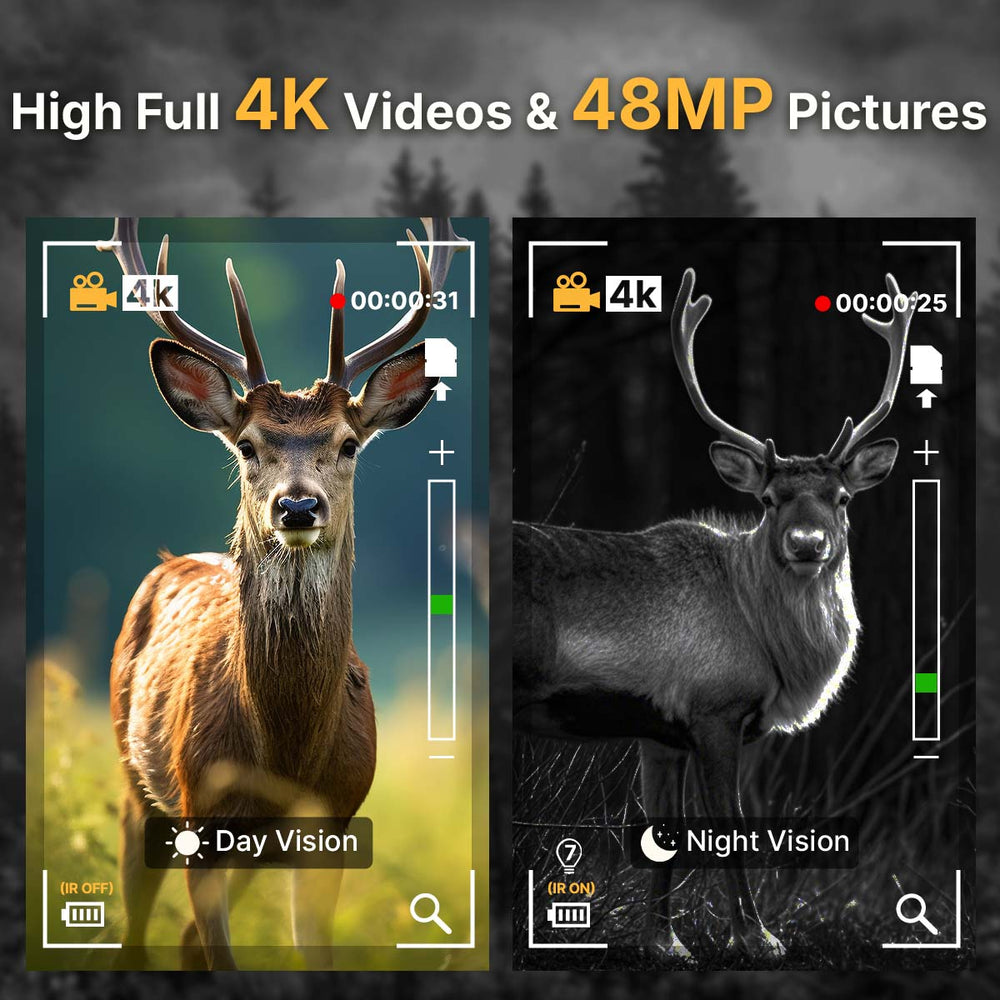
A common misunderstanding is that all night vision products work in exactly the same way. Digital night vision devices use an electronic sensor to capture available light and process it into an image that can be viewed on a display.
Infrared illumination can provide additional light in very dark conditions. NASA explains that infrared is outside the range visible to the human eye, while infrared-sensitive instruments can detect it.
For a beginner, retailers can explain it simply:
“The device uses a sensor and infrared light to help you see objects that would be difficult to see with your eyes alone.”
What Should Beginners Look for First?
Beginners should focus on usability, viewing performance, and recording functions before worrying about advanced specifications. A simple product education checklist can include:
- Night vision performance
- Viewing distance
- Magnification
- Infrared illumination
- Image and video resolution
- Battery life
- Ease of focusing
- Photo and video recording
- Weight and portability
- Weather resistance
The National Park Service similarly recommends choosing binoculars based on factors such as magnification, objective lens size, and physical size, noting that larger binoculars can provide greater magnification but may also be heavier.
For B2B retailers, this provides a useful lesson: do not make customers decode a specification sheet before they understand what the product is for.
How Should Retailers Explain Magnification?
Magnification tells customers how much larger a distant object appears through the binoculars, but higher magnification is not automatically better.
For example, the first number in a specification such as “10×50” represents magnification. A 10× binocular makes an object appear approximately 10 times closer than it does to the unaided eye.
Retailers should explain magnification together with the intended activity:
| Customer need | What to explain |
|---|---|
| Backyard observation | Moderate magnification is often easier to handle |
| Wildlife viewing | Balance magnification with field of view |
| Hunting | Consider distance, stability and night conditions |
| Long-distance observation | Higher magnification may help, but stability matters |
| Beginner use | Prioritize ease of use over maximum specifications |
This is especially important for online retail because customers cannot physically test the product before buying.
How Does Infrared Help in Very Dark Conditions?
Infrared illumination is particularly important when there is very little ambient light available to the digital sensor. It gives a digital night vision device an additional source of illumination that the human eye cannot normally see.
This is different from thermal imaging. The U.S. Department of Justice's National Institute of Justice explains that thermal imaging detects infrared energy associated with heat, while conventional night vision systems work differently.
For first-time customers, a retailer can avoid complicated technical language and say:
“Night vision helps you see in low light, while the infrared illuminator provides invisible illumination when the environment is extremely dark.”
That explanation is both easier to understand and more useful than simply saying a product has “IR technology.”
Where Does the WOSPORTS NV400 Fit?
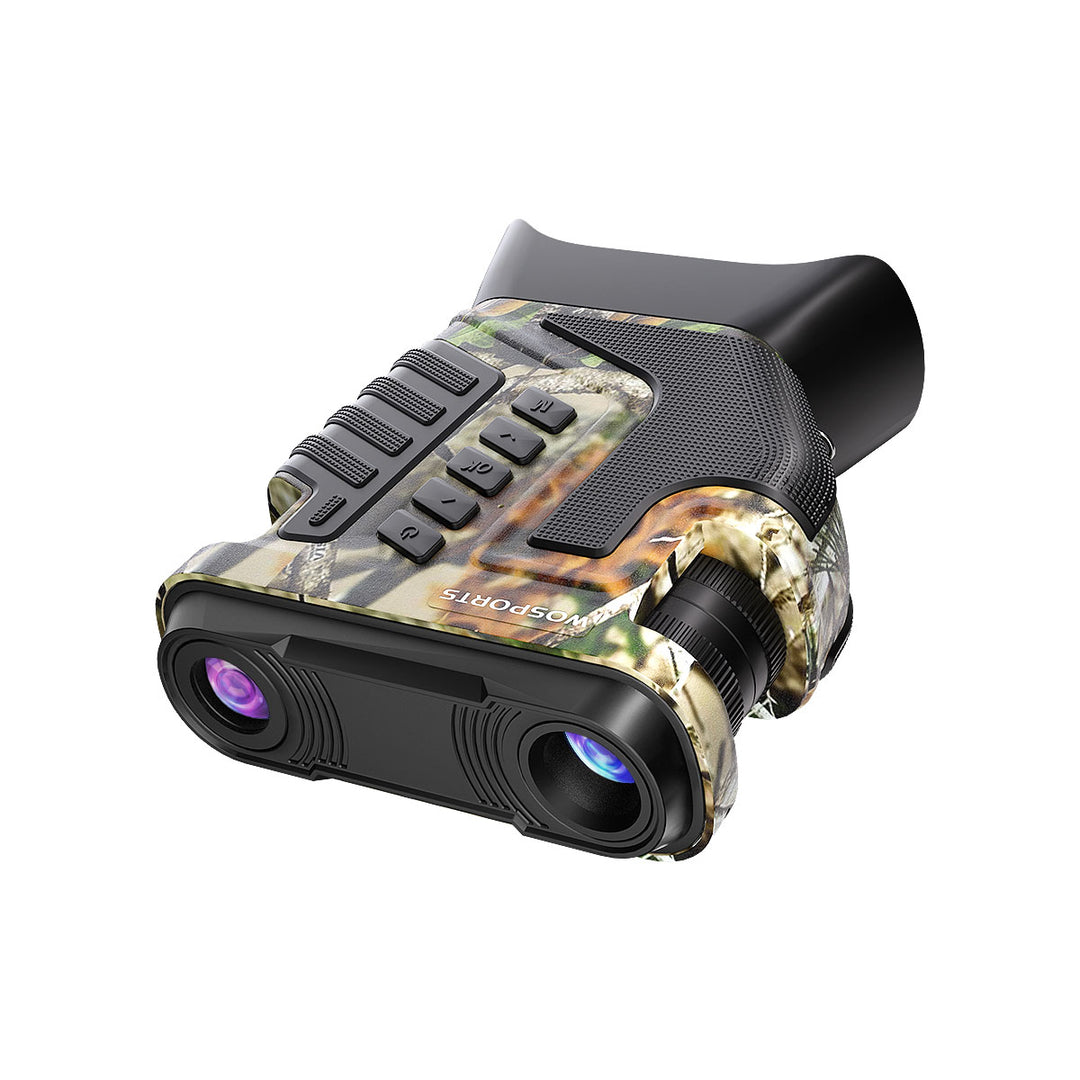
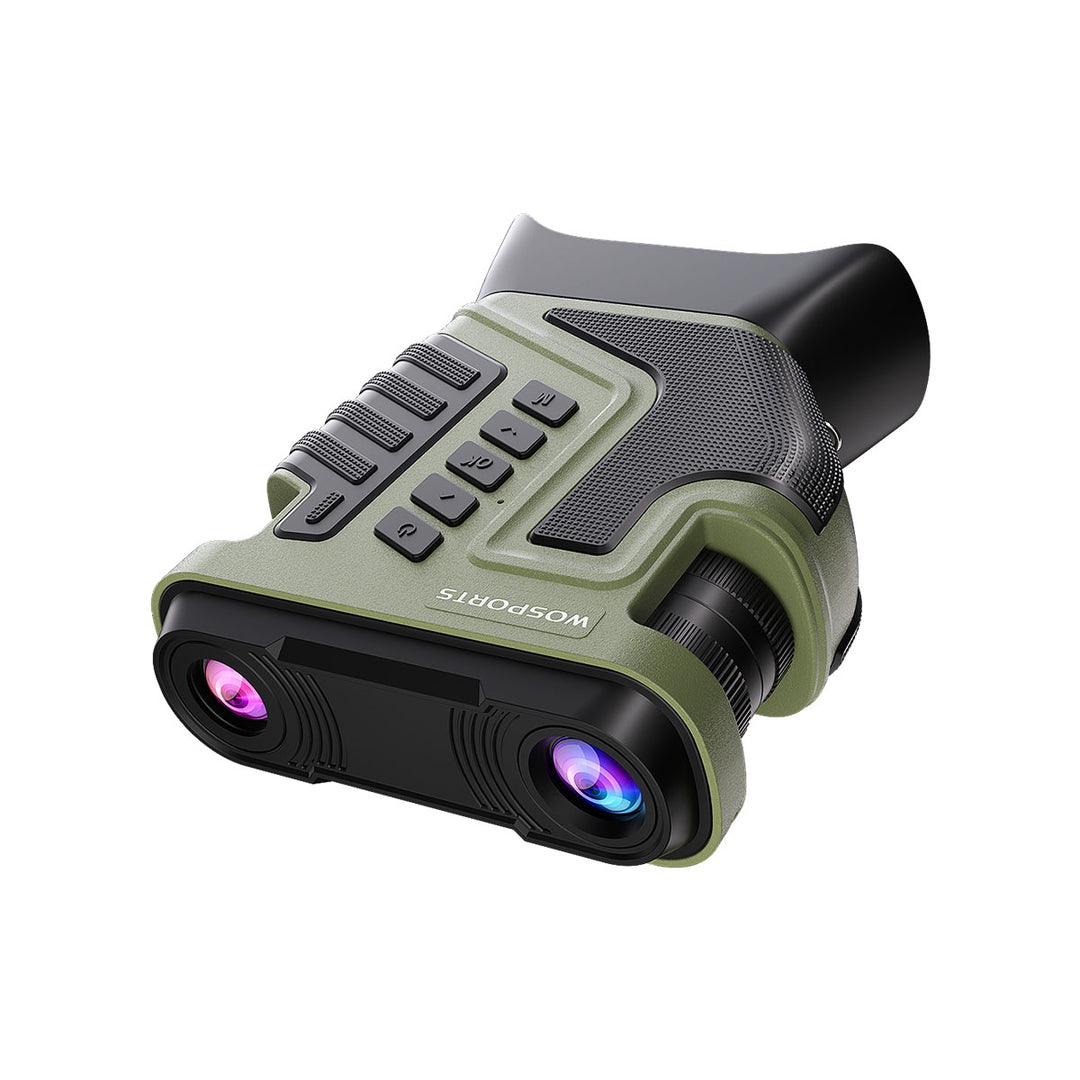
The WOSPORTS NV400 is positioned as a practical digital night vision binocular for customers who want nighttime viewing without needing professional-level equipment.
Its combination of digital night vision, optical zoom, infrared illumination, and photo/video recording makes it suitable for several beginner-friendly scenarios:
- Wildlife observation
- Nighttime outdoor activities
- Hunting
- Camping
- Property observation
- Recording nighttime scenes
For retailers, the important selling point is not simply the number of specifications. The NV400 can be presented as one device for several common nighttime observation needs.
A simple product description could be:
“A digital night vision binocular designed for nighttime viewing, with infrared illumination and recording functions for outdoor observation.”
That sentence can work independently on an e-commerce product page, marketplace listing, or wholesale catalog.
How Should Retailers Explain Night Vision Range?
Night vision range should be presented as an approximate real-world performance figure rather than a guarantee that every object will look equally clear at that distance.
Actual viewing performance can change depending on:
- Ambient light
- Weather
- Object size
- Object color
- Infrared illumination
- Atmospheric conditions
- User focus
- Movement
- Terrain and vegetation
This is an important education point for first-time buyers. A customer may interpret “X feet of night vision range” as “clear identification at X feet,” which is not necessarily the same thing.
Retailers should therefore explain the difference between detecting an object, seeing its outline, and identifying fine details.
Why Does Product Education Matter for Retailers?
Clear product education can turn technical specifications into understandable buying reasons. This is especially useful for night vision binoculars because many first-time buyers are unfamiliar with terms such as infrared illumination, magnification, optical zoom, and digital zoom.
The outdoor recreation market also provides a meaningful customer base. The U.S. Geological Survey reports that wildlife recreation—including hunting, fishing, and wildlife watching—generated $394.8 billion in spending in the United States in 2022.
That makes beginner education relevant beyond a single niche.
For small retailers, a simple strategy is to organize product information around “What can I use it for?” rather than “How many specifications does it have?”
A Simple Retail Education Framework
The easiest way to educate a first-time buyer is to explain the product in five steps: use case, darkness, distance, recording, and operation.
1. Use case
Explain whether the binoculars are suitable for hunting, wildlife observation, camping, or general outdoor use.
2. Darkness
Explain that performance depends on available light and that infrared illumination helps in darker conditions.
3. Distance
Explain that viewing distance depends on environmental conditions and that detection is not the same as detailed identification.
4. Recording
If the device supports photo and video recording, explain that customers can save observations rather than only viewing them live.
5. Operation
Show customers how to power on the device, adjust focus, activate infrared illumination, and start recording.
This five-step structure can also be reused across product descriptions, FAQ pages, packaging, and retailer training materials.
What Questions Do First-Time Buyers Usually Ask?
A good FAQ section should answer basic questions before the customer has to contact customer service.
Can night vision binoculars work in complete darkness?
Digital night vision devices can use infrared illumination to provide additional illumination in very dark conditions. Performance still depends on the device, environment, and distance.
Are night vision binoculars the same as thermal imaging?
No. Digital night vision and thermal imaging use different methods of producing an image. Thermal systems detect infrared energy associated with temperature differences, while digital night vision uses a sensor to process available light and may use infrared illumination.
Are night vision binoculars difficult for beginners?
Most consumer digital models are designed to be relatively straightforward to operate. Retailers should emphasize basic controls such as power, focus, infrared adjustment, and recording.
What can I use night vision binoculars for?
Common applications include wildlife observation, hunting, camping, nighttime outdoor activities, and property observation. The National Park Service recommends binoculars for observing wildlife from a safe distance.
Final Takeaway for Retailers
The best way to sell night vision binoculars to beginners is to explain the experience first and the specifications second.
For B2B buyers, the most effective product education usually follows this order:
- What is it?
- What can I use it for?
- How does it work at night?
- How far can I see?
- Can I take photos or videos?
- How easy is it to operate?
- Which specifications actually matter to me?
The WOSPORTS NV400 can be positioned within this framework as a practical digital night vision binocular for customers looking for an accessible way to explore nighttime outdoor observation.
For retailers, that means the product page should not simply list specifications. It should teach the customer how those specifications translate into a real nighttime experience.
Search
Popular Posts
Recent Posts


Nov 28, 2024
Troubleshooting Common Trail Camera Issues
Jan 10, 2025
Why Does My Trail Camera Stop Working at Night?