How Do Trail Cameras Work at Night? A Guide to Night Vision for Wildlife Scouting
How Do Trail Cameras Work at Night?
Trail cameras use infrared technology and a motion detection system to capture wildlife activity when there is little or no visible light.
When an animal enters the camera's detection zone, the motion sensor detects movement and activates the camera. Depending on the camera and its settings, it can then capture a photo or begin recording video using its nighttime imaging system.
This allows a trail camera to continue monitoring wildlife long after sunset.
Night monitoring is especially important for wildlife scouting because animals such as deer, raccoons, coyotes, foxes, and other species may be active during low-light or nighttime hours.
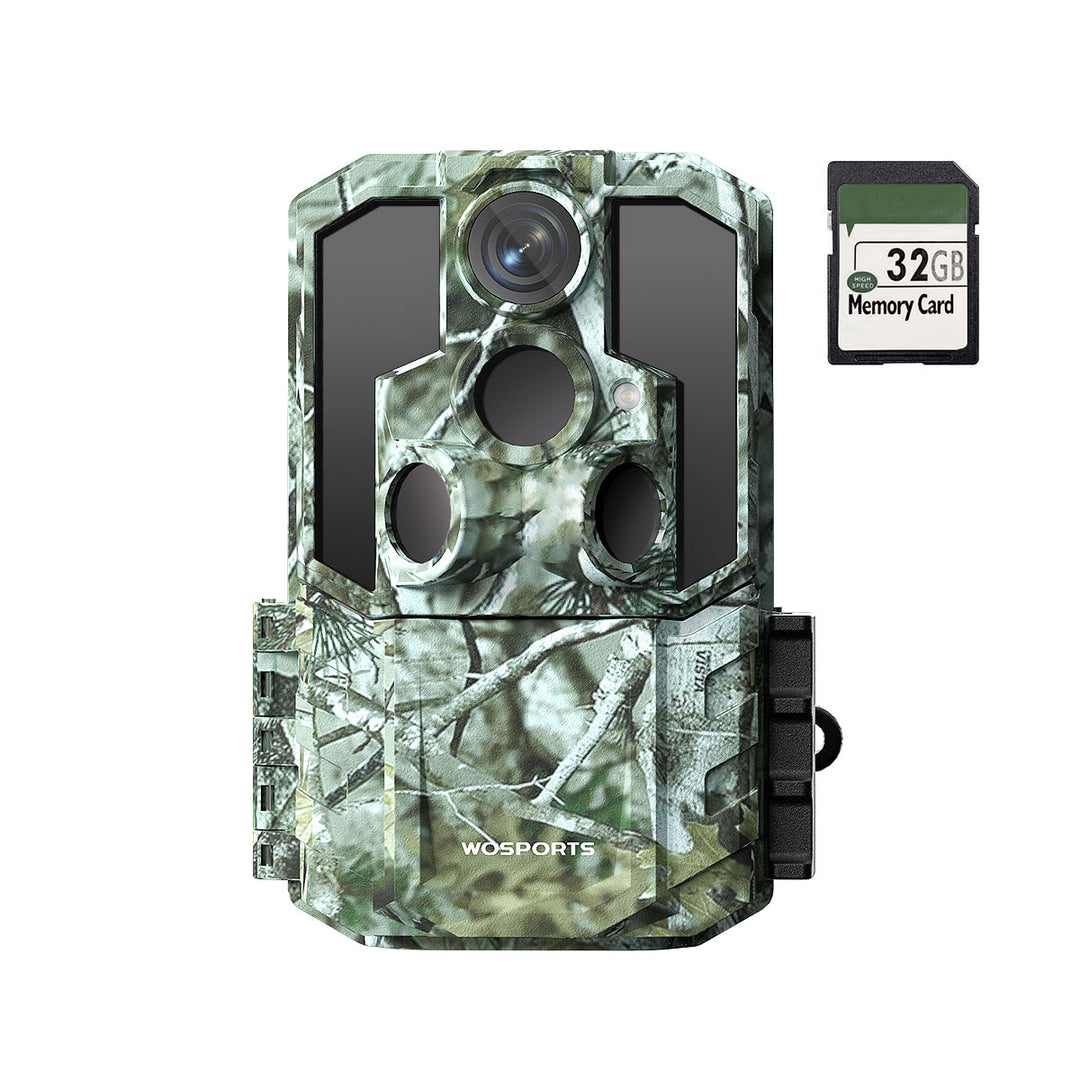
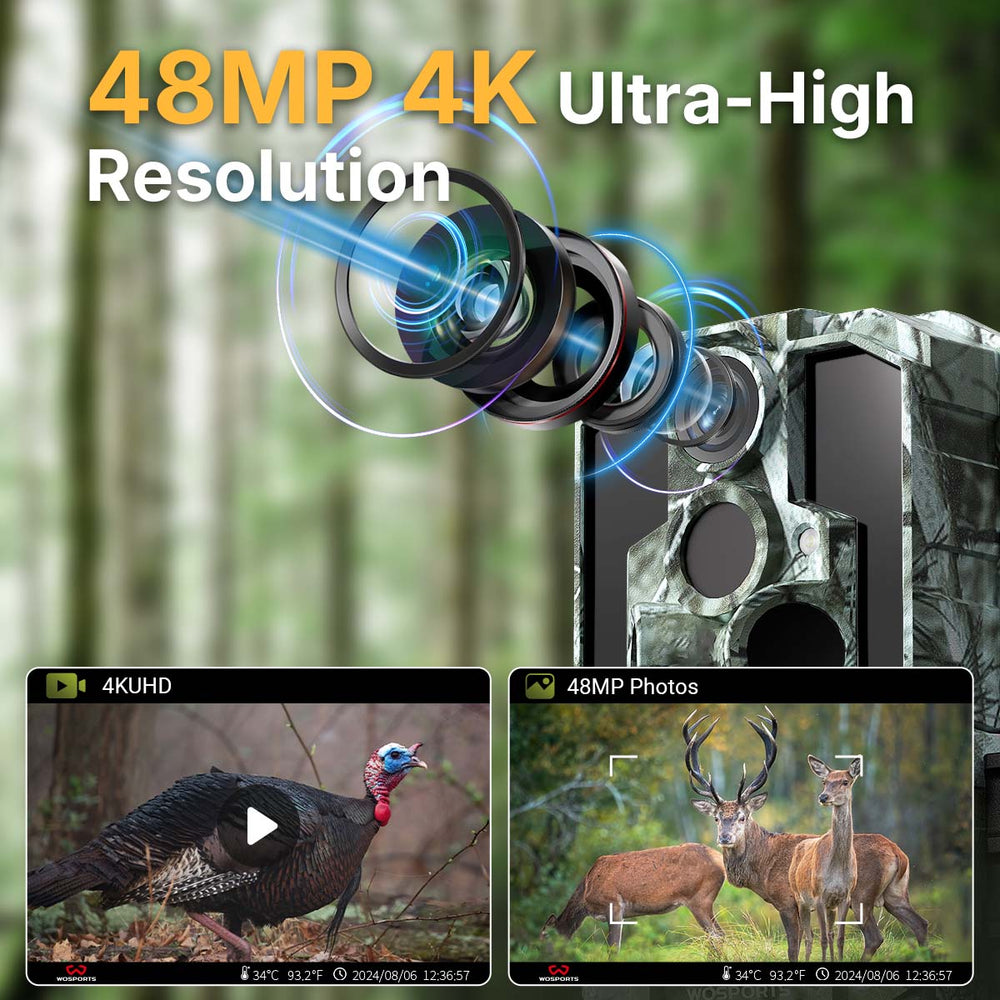
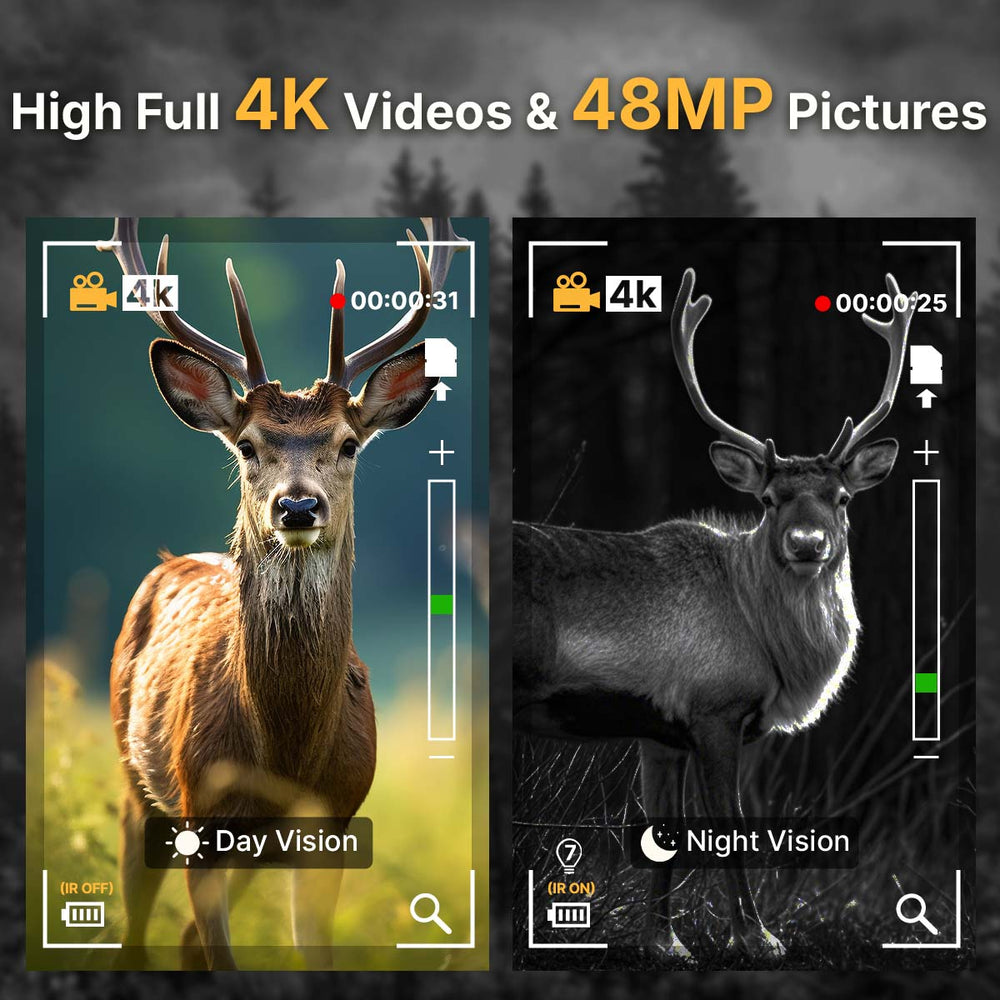
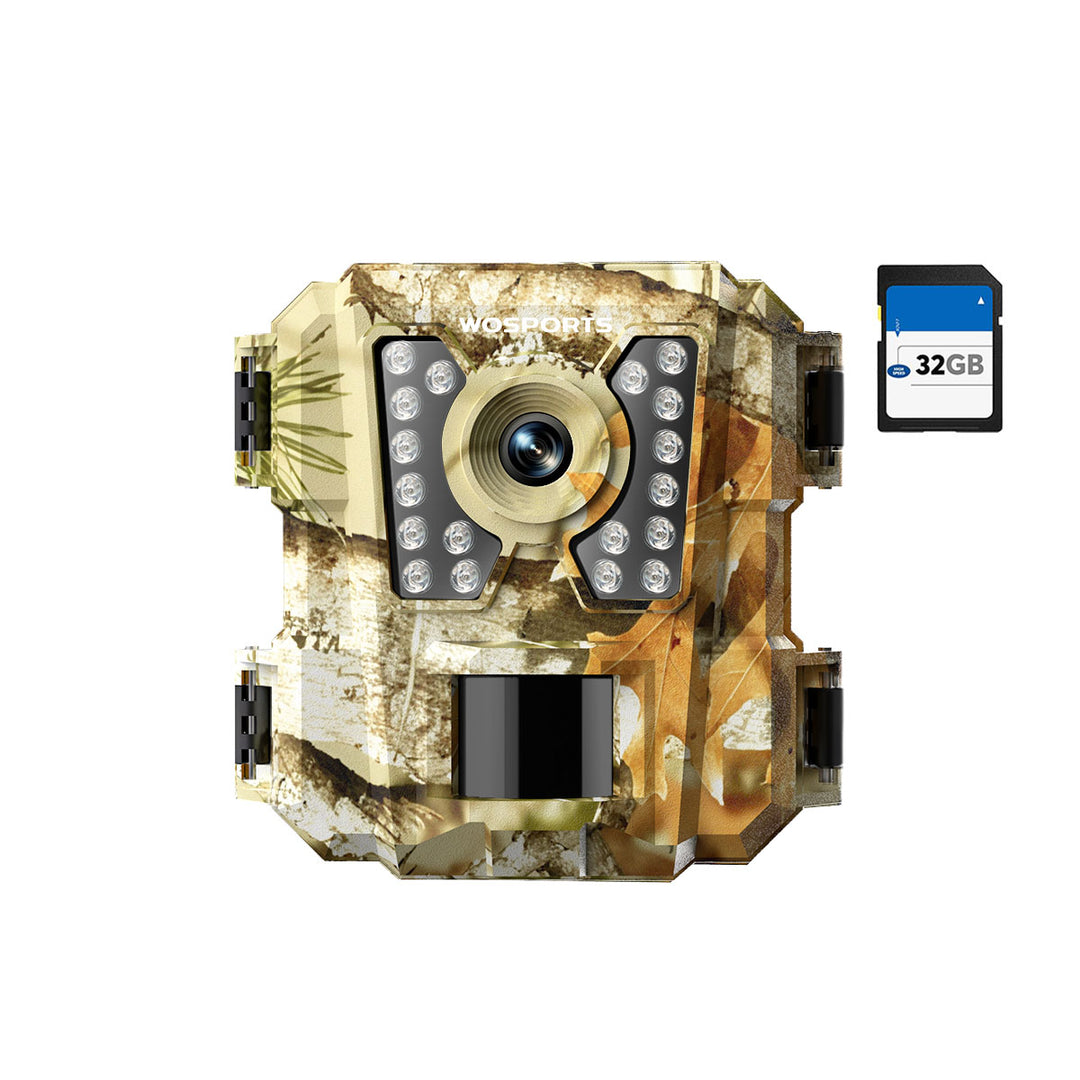
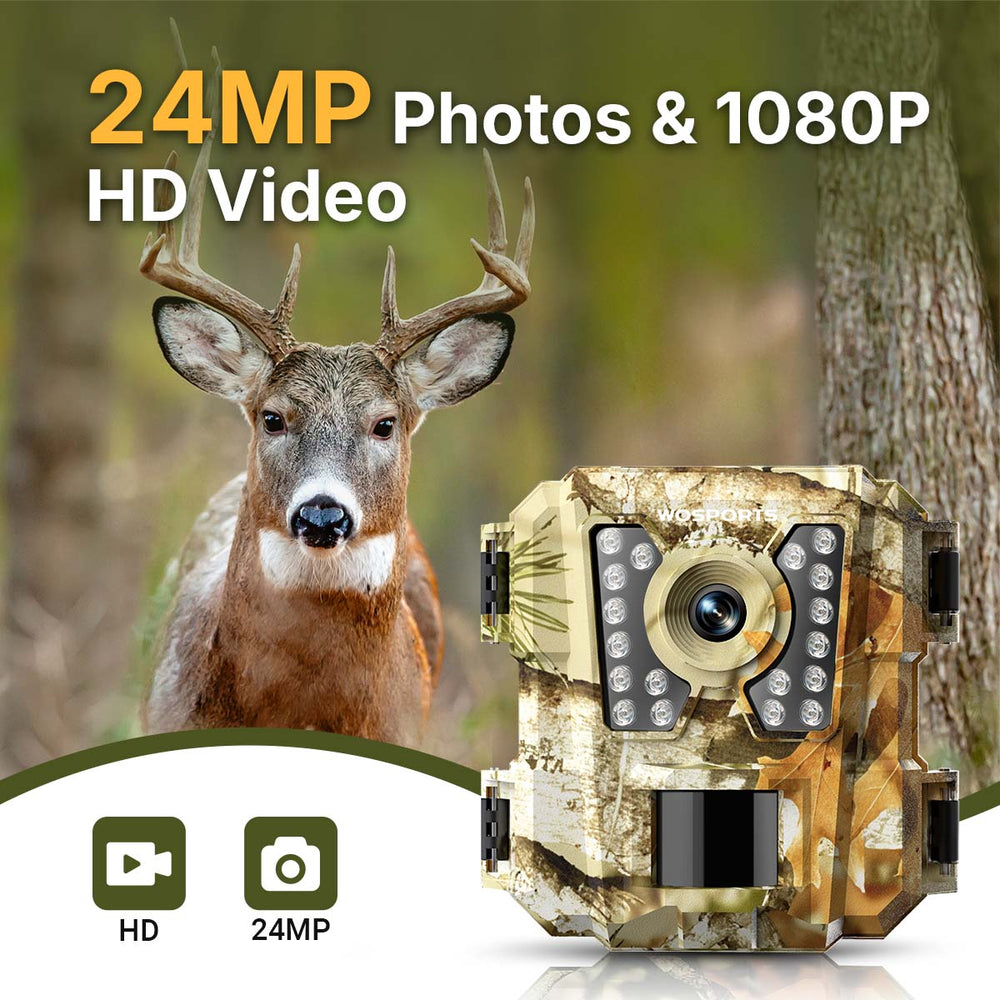
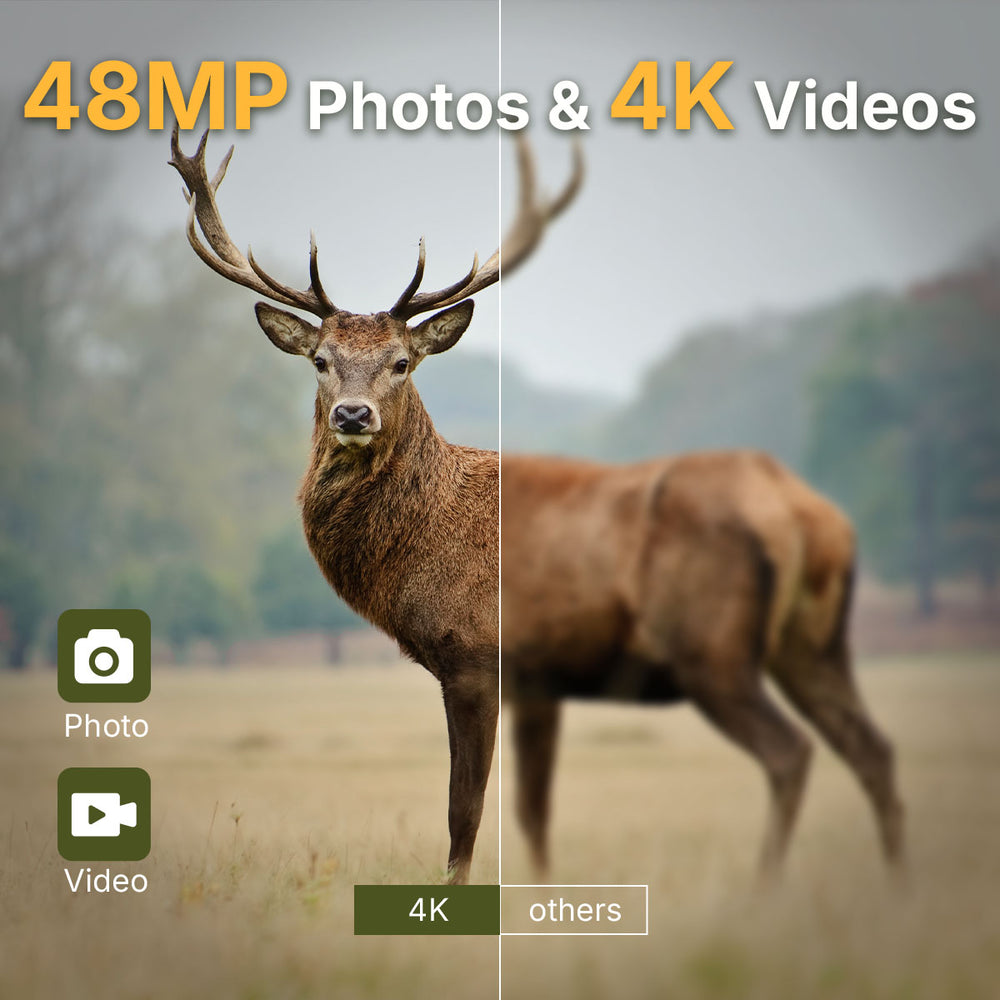
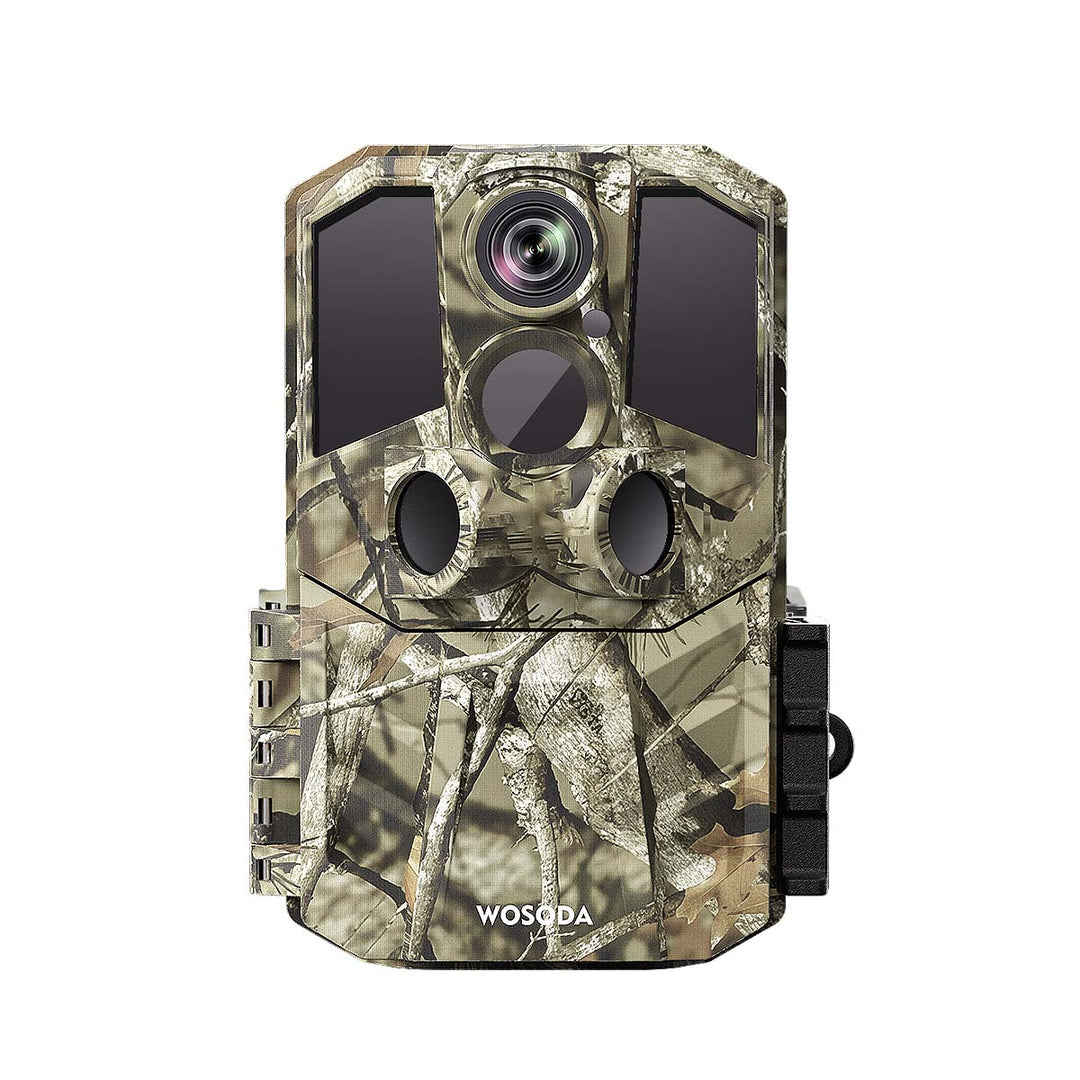
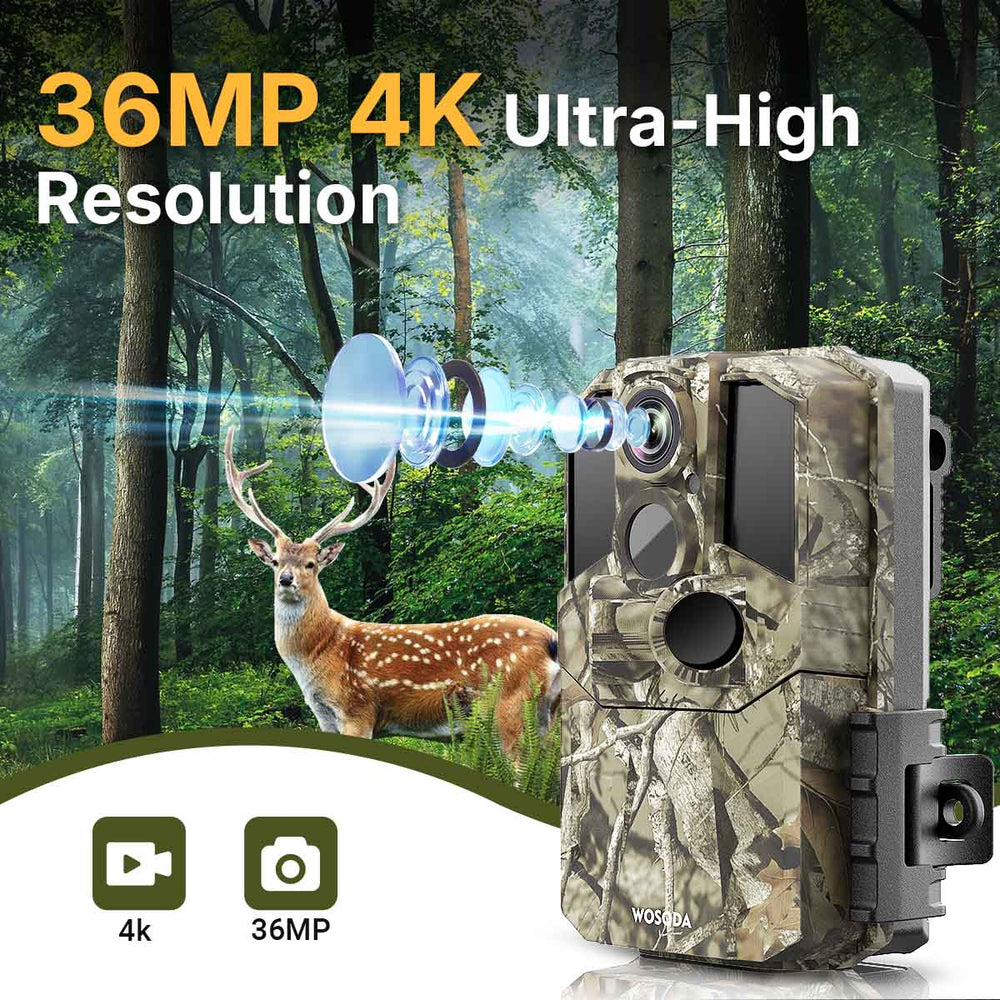
The WOSPORTS G600 combines automatic day/night monitoring, night vision, approximately 0.2-second trigger speed, up to 48MP photos, and 4K video to provide around-the-clock wildlife monitoring.
But how does trail camera night vision actually work?
And what should you look for when choosing a camera for nighttime scouting?
Quick Answer: What Should You Look for in Trail Camera Night Vision?
If nighttime wildlife monitoring is important to you, consider these features:
-
Reliable infrared night vision
-
Fast trigger speed
-
Good low-light image quality
-
Adequate detection range
-
Useful field of view
-
Clear subject separation
-
Appropriate nighttime illumination
-
Weather protection
-
Sufficient battery performance
The most important point is that night vision is not a single specification.
A camera may have infrared technology, but the actual usefulness of nighttime footage also depends on distance, animal movement, camera placement, environmental conditions, and the quality of the imaging system.
1. How Does a Trail Camera See in Complete Darkness?
Trail cameras use infrared light to illuminate the scene without relying on normal visible light.
Humans cannot normally see infrared light in the same way that we see visible light.
The camera's imaging system, however, can use infrared illumination to capture information about objects in darkness.
The basic process is:
Animal enters detection zone
↓
Motion sensor detects movement
↓
Camera activates
↓
Infrared illumination helps illuminate the scene
↓
Camera captures a photo or video
This is what allows a trail camera to continue working even when the surrounding area appears completely dark to the human eye.
2. Why Is Night Vision Important for Deer Scouting?
Night vision is important because deer activity does not stop when daylight disappears.
If you only collect daytime images, you may be missing a significant portion of the animal's activity pattern.
For example, a camera might show:
7:00 AM — Deer leaves an area
7:30 AM — No activity
6:30 PM — Deer returns
9:15 PM — Multiple deer appear
Without nighttime monitoring, you would only see part of this pattern.
Over several days or weeks, these observations can help you understand:
-
When deer are active
-
Where deer travel
-
Whether animals are using a trail after dark
-
How activity changes throughout the day
-
Which areas may be important travel corridors
This is why day-and-night monitoring is such an important part of wildlife scouting.
3. What Is Infrared Night Vision?
Infrared night vision uses infrared illumination and a camera sensor to capture images in low-light conditions.
Unlike a conventional flashlight, infrared illumination is designed to provide the camera with the light it needs without flooding the area with normal visible light.
This makes infrared particularly useful for wildlife monitoring.
A trail camera can remain in place and monitor activity without requiring you to leave a visible light on throughout the night.
4. Do Trail Cameras Have Color Night Vision?
Not all trail cameras produce color images at night.
The appearance of nighttime footage depends on the camera's imaging technology and the available light.
Many traditional trail cameras produce monochrome or infrared-style nighttime images because the camera is relying primarily on infrared illumination.
Some systems may produce color under certain low-light conditions, while others transition to infrared imaging once available light becomes insufficient.
When comparing trail cameras, don't assume that a daytime image and nighttime image will look the same.
Instead, evaluate the camera's actual nighttime performance.
5. What Is More Important: Night Vision Range or Image Quality?
Both matter, but a longer detection or illumination distance does not automatically mean better nighttime images.
Imagine two cameras.
Camera A
Detects movement at a long distance but produces limited detail at that distance.
Camera B
Has a shorter practical range but produces a clearer image within its useful monitoring area.
For wildlife scouting, Camera B may actually provide more useful information.
This is why you should evaluate:
-
Detection range
-
Illumination
-
Image resolution
-
Sensor performance
-
Lens quality
-
Distance to the animal
-
Camera placement
as a complete system.
6. How Far Can a Trail Camera See at Night?
The practical nighttime viewing distance depends on several factors.
These can include:
-
Infrared illumination
-
Camera sensor
-
Lens
-
Weather
-
Vegetation
-
Animal distance
-
Animal size
-
Ambient light
-
Camera placement
A manufacturer may provide a maximum detection or night-vision distance, but real-world results can vary.
For example, fog, rain, vegetation, and darkness can affect what the camera captures.
This is why maximum range should be treated as a reference point rather than a guarantee of identical image quality at every distance.
7. Does Trigger Speed Matter at Night?
Yes. Trigger speed can be especially useful at night when an animal moves quickly through the detection zone.
The WOSPORTS G600 has an approximately 0.2-second trigger speed.
That means the camera is designed to respond quickly after detecting movement.
Consider a deer crossing a trail after sunset.
The sequence is:
Deer enters detection zone
→
Motion is detected
→
Camera triggers
→
Night monitoring begins
A faster trigger can help reduce the amount of movement that occurs between detection and capture.
However, trigger speed is only one part of nighttime performance.
A fast trigger combined with poor night imaging may still produce limited footage.
The goal is to combine:
Fast trigger + effective night vision + good placement
8. Does Camera Placement Affect Nighttime Images?
Yes. Camera placement can have a major effect on nighttime image quality.
A camera that produces excellent images in one location may produce less useful images in another.
Common problems include:
The Animal Is Too Far Away
The camera detects the animal, but the subject occupies only a small portion of the image.
Vegetation Is Too Close
Leaves or branches may become highly visible in the infrared image.
The Camera Faces a Reflective Surface
Certain surfaces can reflect infrared illumination back toward the camera.
The Camera Is Pointed Toward an Open Area
The camera may detect animals at different distances, producing inconsistent framing.
The Camera Is Mounted at the Wrong Angle
The animal may appear too high, too low, or too close to the edge of the frame.
This is why nighttime camera performance should always be considered together with placement.
9. Why Do Some Trail Camera Night Photos Look Washed Out?
One common issue with nighttime trail camera images is excessive brightness or a washed-out appearance.
Several factors can contribute to this.
The Animal Is Too Close
Infrared illumination may make a nearby subject appear very bright.
Reflective Objects Are in the Frame
Objects such as certain surfaces, vegetation, or other reflective materials can affect the image.
Camera Angle
A poor angle can cause unwanted reflections.
Environmental Conditions
Rain, fog, dust, and moisture can affect infrared images.
Night Settings
Different cameras and settings can produce different nighttime exposure results.
If you notice washed-out images, try changing the camera's position and removing nearby objects that may be reflecting infrared light.
10. What Is the Best Distance for a Nighttime Deer Camera?
There is no universal distance that works for every trail camera.
Instead, think about the useful image zone.
You want the animal to be:
-
Close enough to see clearly
-
Far enough to fit comfortably in the frame
-
Inside the detection area
-
Within the practical night-vision range
-
Moving through an area where the camera can capture useful footage
For a narrow deer trail, positioning the camera at a reasonable distance from the trail can help provide a more useful side view.
For an open food plot, you may need to place the camera farther back to capture a larger area.
The correct distance depends on the environment.
11. Is a Fast Trigger or Night Vision More Important?
Neither feature replaces the other.
They solve different problems.
Trigger Speed
Helps determine when the camera responds.
Night Vision
Helps determine what the camera can capture when there is little light.
Imagine a deer moving through a trail at night.
You need:
Fast response
to capture the moment.
But you also need:
Effective nighttime imaging
to see the animal.
This is why the best nighttime scouting setup combines both.
12. What Makes the WOSPORTS G600 Useful at Night?
The G600 is designed for automatic day-and-night wildlife monitoring.
Its relevant nighttime features include:
| Feature | WOSPORTS G600 |
|---|---|
| Day/Night Monitoring | Automatic |
| Night Vision | Yes |
| Trigger Speed | Approx. 0.2 sec |
| Photo Resolution | Up to 48MP |
| Video | 4K |
| Field of View | 120° |
| PIR Detection | Up to 70 ft |
| Weather Protection | IP66 |
These features work together rather than independently.
For example:
0.2-second trigger
helps the camera respond quickly.
Night vision
allows the camera to monitor after dark.
48MP photos
provide high-resolution still images.
4K video
provides additional context about movement.
120° field of view
helps cover a broader monitoring area.
IP66 protection
supports outdoor use in changing weather conditions.
13. Can a Trail Camera Record Video at Night?
Yes. Many trail cameras can record video during nighttime conditions when equipped with an appropriate night-vision system.
The G600 supports 4K video recording and night monitoring, allowing it to capture wildlife activity after dark.
Nighttime video can be useful because it provides information that a single still image cannot.
For example, a photograph may show a deer standing in a field.
A video can show:
-
Where the deer came from
-
How it entered the area
-
How long it stayed
-
Which direction it traveled
-
Whether other animals were nearby
This makes nighttime video particularly useful for wildlife behavior observation.
14. Does Night Vision Scare Deer?
The effect depends on the type of illumination and the individual animal, but minimizing visible disturbance is generally desirable when monitoring wildlife.
Traditional visible white light can be more noticeable than infrared illumination.
This is one reason infrared-based trail cameras are commonly used for wildlife monitoring.
However, animal behavior can vary.
A deer may ignore a camera completely, while another animal may react to changes in its environment.
For the best results:
-
Avoid unnecessary visits
-
Mount the camera securely
-
Minimize visible equipment
-
Avoid excessive disturbance around the trail
-
Choose a location based on natural animal movement
The camera should become part of the background rather than a new source of disturbance.
15. How Can You Get Better Nighttime Trail Camera Photos?
If your nighttime images are not as useful as expected, start with placement before changing everything else.
Keep the Camera Stable
A moving camera can change the framing and produce inconsistent images.
Clear Nearby Vegetation
Branches close to the lens can become distracting at night.
Avoid Reflective Objects
Check the area immediately around the camera.
Use an Appropriate Distance
Don't place the camera so close that animals fill the entire frame.
Consider Animal Movement
Try to capture animals crossing the detection area.
Check the Camera During Setup
Use the camera's display to confirm framing before leaving the area.
Keep the Lens Clean
Dust, dirt, water spots, or fingerprints can reduce image quality.
16. Why Are Nighttime Trail Camera Images Important for Hunting?
Trail cameras are often used before hunting season because they can help hunters understand wildlife activity without physically remaining in the area.
Nighttime images can help answer questions such as:
-
Are deer using this property after dark?
-
Which trails are active?
-
What time are deer appearing?
-
Are multiple deer using the same area?
-
Are animals moving through a particular funnel?
-
Is activity concentrated around food or water?
The goal is not to rely on one photograph.
The real value comes from collecting observations over time.
A week of nighttime images can tell you much more than a single nighttime photograph.
17. What Should You Look for When Buying a Night Vision Trail Camera?
If nighttime monitoring is one of your main goals, consider these factors.
1. Night Imaging
Look for a camera designed specifically for low-light or nighttime wildlife monitoring.
2. Trigger Speed
A faster response can help capture moving animals.
3. Detection Range
Make sure the camera's detection area is appropriate for your property.
4. Image Resolution
Higher-resolution photos can provide more detail.
5. Video Resolution
Higher-resolution video can provide more context about animal behavior.
6. Field of View
Choose coverage appropriate for the area you want to monitor.
7. Weather Protection
Outdoor cameras need to withstand exposure to changing weather.
8. Battery Performance
Consider how frequently the camera will trigger and how often you can access it.
9. Ease of Setup
A camera that is difficult to configure can lead to unnecessary installation problems.
18. Night Vision vs. Daylight Imaging: What Is the Difference?
Daytime and nighttime photography create very different challenges.
During the Day
The camera can rely on natural light.
This generally provides:
-
More visible detail
-
Natural colors
-
Greater ambient illumination
At Night
The camera has much less visible light available.
It must rely more heavily on:
-
Infrared illumination
-
Sensor sensitivity
-
Image processing
-
Exposure control
This means a camera should not be judged solely by its daytime performance.
If your goal is wildlife scouting, look at both day and night footage.
19. What Are the Most Common Night Trail Camera Problems?
Problem 1: Completely Dark Images
Possible causes include camera settings, insufficient illumination, or a technical issue.
Problem 2: Overexposed Animals
The subject may be too close, or reflective objects may be affecting the infrared image.
Problem 3: Blurry Animals
Fast movement, camera settings, distance, or nighttime conditions can contribute.
Problem 4: Empty Nighttime Photos
Moving vegetation, temperature changes, or other environmental factors can trigger the sensor.
Problem 5: Poorly Framed Animals
The camera may be positioned too high, too low, too close, or at an unsuitable angle.
Before assuming the camera is defective, check the installation environment.
Frequently Asked Questions About Trail Camera Night Vision
How do trail cameras see at night?
Trail cameras commonly use infrared illumination and a sensitive image sensor to capture wildlife in low-light or dark conditions. When motion is detected, the camera activates and records the scene.
Can trail cameras record in complete darkness?
Trail cameras equipped with infrared night vision can capture images or video even when there is little or no visible light.
Do trail cameras work at night?
Yes. Trail cameras are specifically designed to monitor wildlife during both daylight and nighttime conditions.
Can deer see trail camera infrared?
The visibility of infrared illumination depends on the specific technology used. Some infrared systems are designed to minimize visible disturbance, but animal responses can vary.
Why are my trail camera night pictures blurry?
Possible causes include animal movement, camera placement, low-light conditions, settings, distance, or environmental conditions.
Why are my trail camera night pictures too bright?
A nearby animal, reflective vegetation or objects, camera angle, or environmental conditions can contribute to overexposed nighttime images.
How far can a trail camera see at night?
Nighttime viewing distance depends on the camera's infrared system, sensor, lens, environmental conditions, and subject distance. Maximum advertised range should not be treated as a guarantee of identical image quality at every distance.
Is night vision important for deer hunting?
Yes. Deer and other wildlife can be active during nighttime hours, so night vision allows hunters and wildlife observers to collect information that would otherwise be missed.
Does trigger speed matter at night?
Yes. A fast trigger can help capture animals moving quickly through the detection zone, but nighttime image quality also depends on the camera's imaging and infrared system.
Does the WOSPORTS G600 work at night?
Yes. The G600 supports automatic day/night monitoring and night vision for wildlife observation after dark.
Can the WOSPORTS G600 record video at night?
Yes. The G600 supports 4K video recording and nighttime monitoring.
Final Takeaway: Night Monitoring Completes the Picture
A wildlife trail camera that only performs during daylight can leave a significant gap in your scouting information.
Night monitoring helps you understand what happens after the sun goes down.
But effective nighttime scouting is not simply about having a camera with "night vision" written on the specification sheet.
The best results come from combining:
- Reliable night vision
- Fast trigger speed
- Good image quality
- Appropriate detection range
- Correct camera placement
- Weather protection
The WOSPORTS G600 brings these elements together with automatic day/night monitoring, night vision, approximately 0.2-second trigger speed, up to 48MP photos, 4K video, 120° wide-angle coverage, up to 70 feet of PIR detection, and IP66 weather protection.
If you want to understand wildlife activity rather than simply confirm that an animal was present, don't stop scouting when the sun goes down.
Keep watching.
Search
Popular Posts
Recent Posts


Nov 28, 2024
Troubleshooting Common Trail Camera Issues
Jan 10, 2025
Why Does My Trail Camera Stop Working at Night?