Does Slope Really Matter in Golf? (Most Golfers Get This Wrong)
You’ve probably heard it before:
“That’s playing uphill—take one more club.”
But how much more?
5 yards? 10 yards? More?
Most golfers don’t really know.
And that’s exactly the problem.
👉 Slope affects your distance more than you think—and most golfers adjust it incorrectly.
The myth: “It’s just a small difference”
Many amateurs assume slope only makes a minor impact.
So they:
-
Ignore it completely
-
Or make a rough guess
-
Or stick with their original club
The result?
👉 Shots consistently miss the target—even when the swing is good.
The reality: slope changes everything
In golf, distance isn’t just horizontal.
It’s affected by elevation.
Uphill shots
-
The ball travels shorter
-
Requires more carry distance
-
Needs more club
Downhill shots
-
The ball travels farther
-
Requires less carry
-
Needs less club
Even a modest slope can change your shot by:
👉 5–15 yards or more
That’s the difference between:
-
Landing on the green
-
Or coming up short in a bunker
Why most golfers get slope wrong
1. They rely on visual judgment
Looking at a hole and guessing:
“Doesn’t look that uphill…”
But your eyes are often misleading.
Subtle slopes can have a big impact, even if they don’t look dramatic.
2. They don’t adjust enough
Even when golfers do adjust, it’s usually too conservative.
Example:
-
Actual adjustment needed: +10 yards
-
Amateur adjustment: +5 yards
👉 Result: still short.
3. They don’t know their carry distances
Slope affects carry, not total roll.
If you don’t know how far your ball carries:
-
You can’t properly adjust
-
You’ll keep choosing the wrong club
What better players do differently
Better players—and especially pros—treat slope as part of the equation, not an afterthought.
They:
-
Start with exact yardage
-
Adjust for elevation
-
Choose a club based on adjusted carry distance
👉 They don’t guess—they calculate.
A simple way to adjust for slope
You don’t need complex math.
Start with this:
-
Slight uphill → +5 yards
-
Moderate uphill → +10 yards
-
Significant uphill → +15+ yards
-
Slight downhill → −5 yards
-
Moderate downhill → −10 yards
It’s not perfect—but it’s far better than ignoring slope entirely.
Why this matters more than you think
Let’s say you have a 150-yard shot:
-
Flat ground → 150
-
Uphill → plays like 160
-
You choose a 150 club → ball lands short
Now imagine doing this multiple times per round.
👉 That’s multiple strokes lost—without changing your swing at all.
Make slope adjustment effortless
The biggest challenge isn’t understanding slope.
It’s applying it consistently.
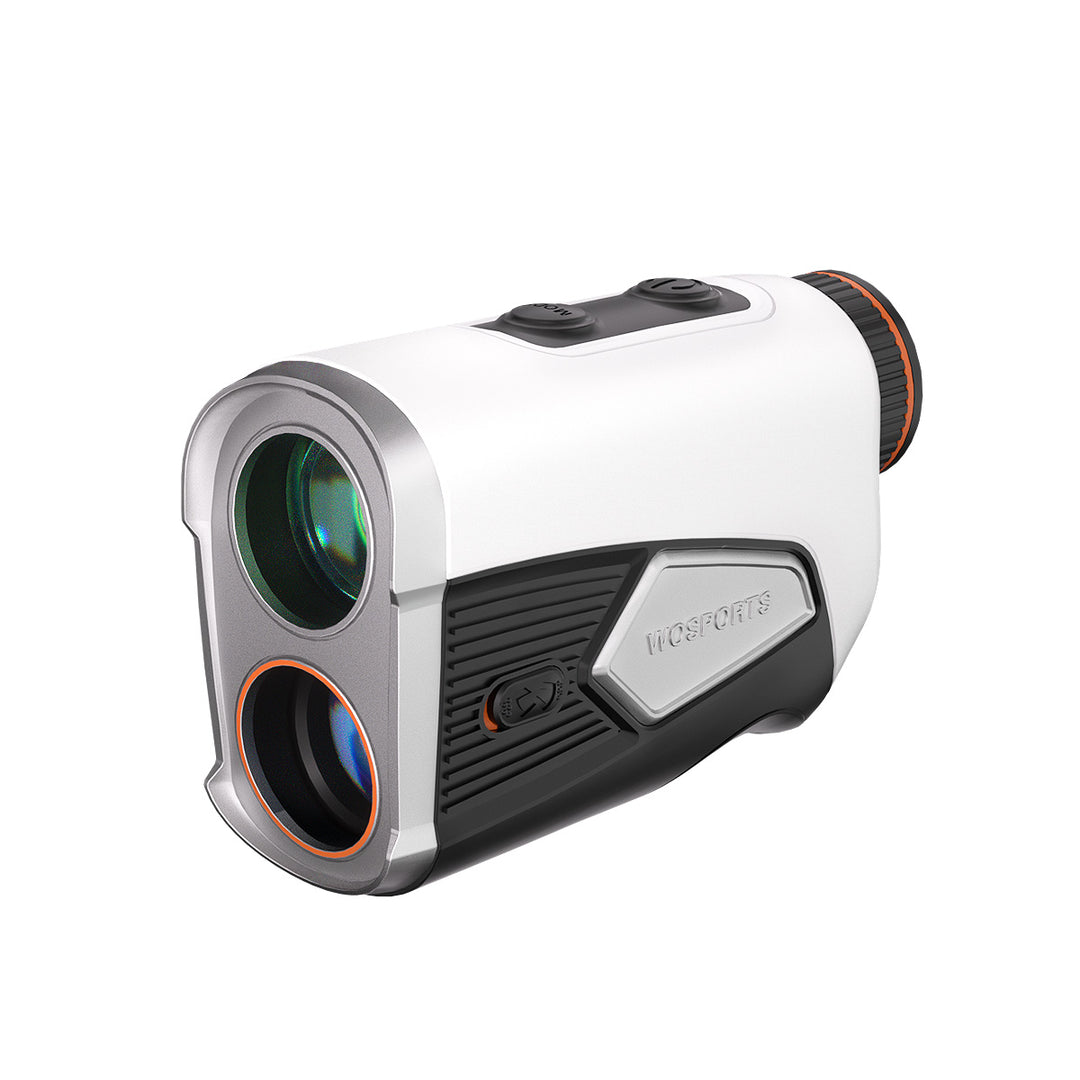
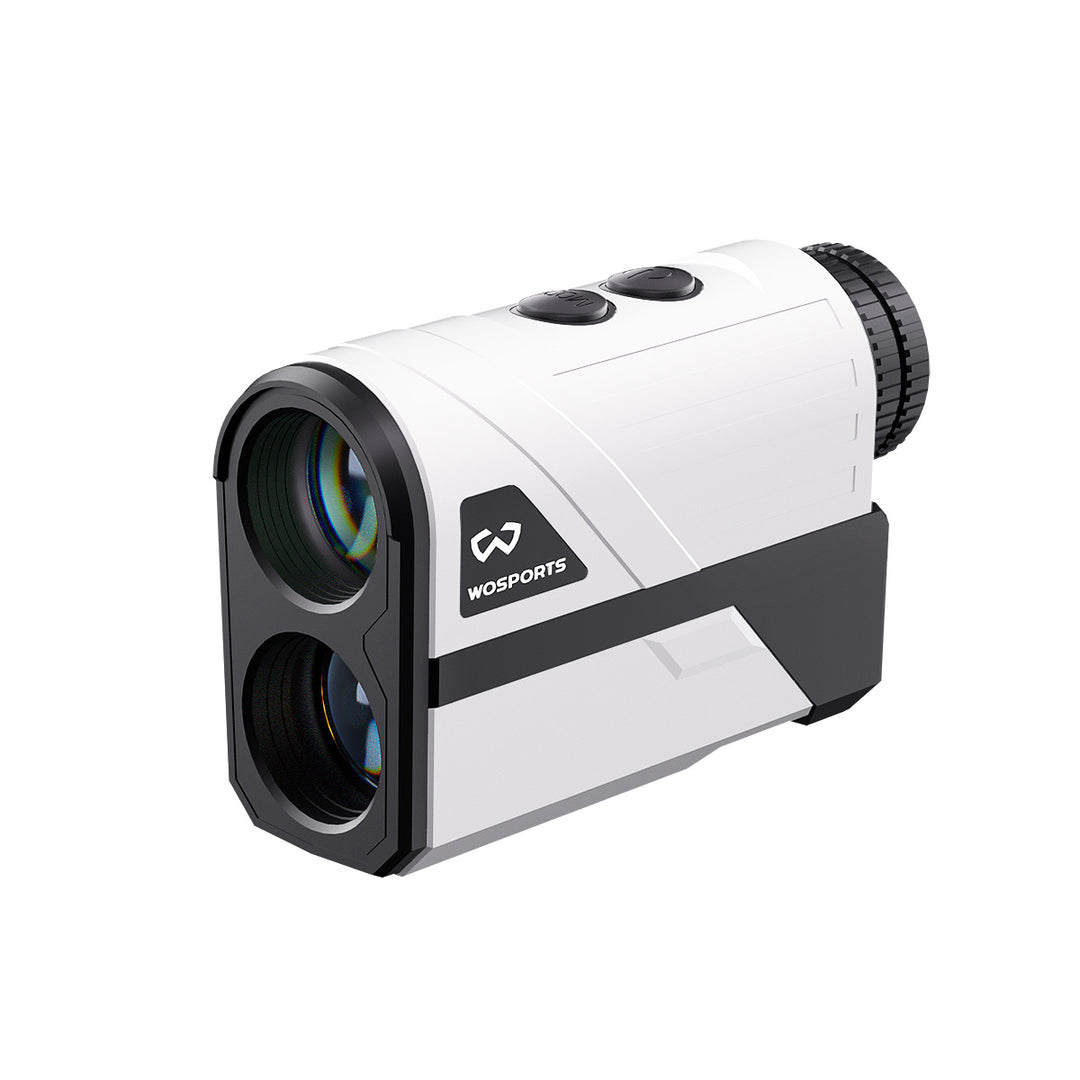
That’s where a rangefinder with slope compensation makes a difference.
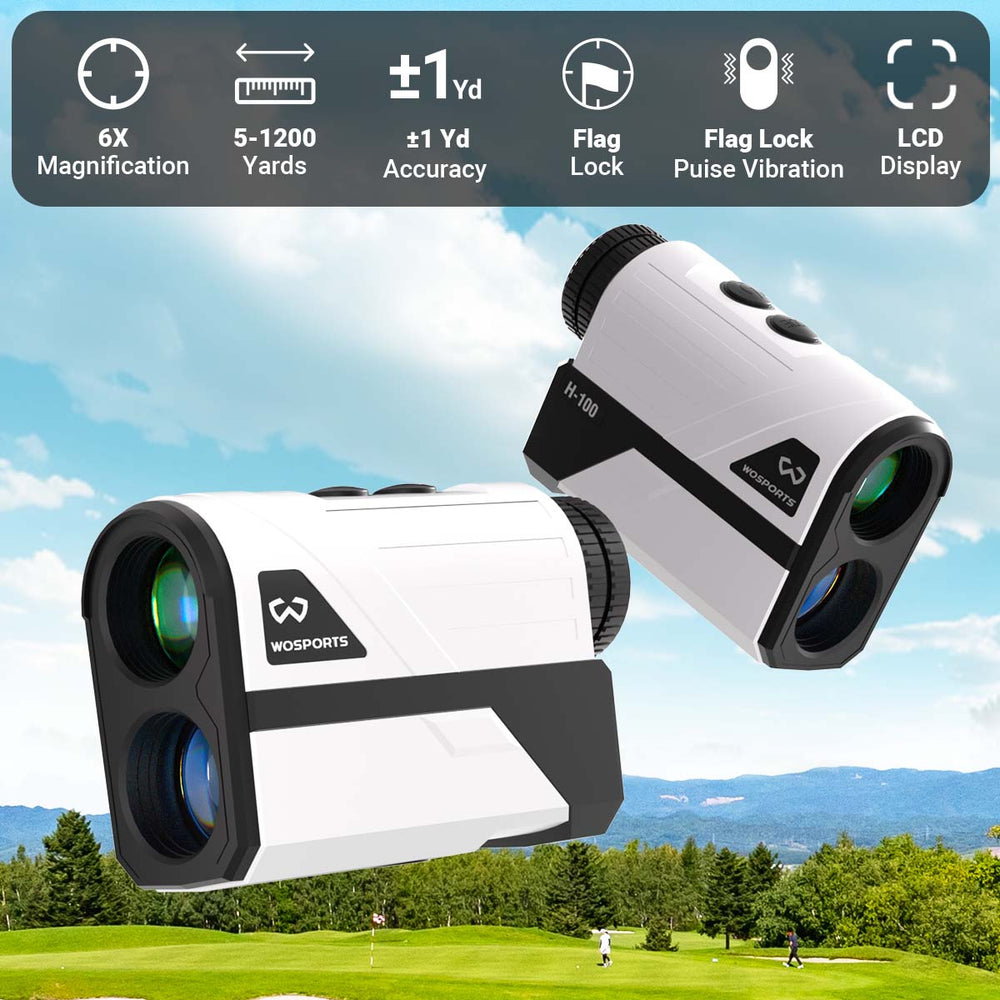
The WOSPORTS H-116 Golf Rangefinder gives you:
-
Accurate yardage to the target
-
Automatically adjusted distance for slope
-
Fast readings so you can make quick decisions
Instead of guessing:
👉 You get a number you can trust.
And that leads to better club selection and more consistent results.
Final thought: slope is not optional
Most golfers treat slope as a “nice to consider.”
But in reality:
👉 Ignoring slope is one of the fastest ways to stay inconsistent.
If you want to improve your distance control:
-
Start adjusting for elevation
-
Trust adjusted yardages
-
Choose clubs based on real playing distance
Because in golf, a few yards make all the difference.
And slope is often where those yards are hiding.
Search
Popular Posts
Recent Posts


Nov 28, 2024
Troubleshooting Common Trail Camera Issues
Jan 10, 2025
Why Does My Trail Camera Stop Working at Night?