How Far Should You Hit Each Club? (Real Numbers vs Reality)
If you’ve ever searched online for a “golf club distance chart,” you’ve probably seen something like this:
-
7-iron: 160 yards
-
8-iron: 150 yards
-
9-iron: 140 yards
Looks simple, right?
But here’s the truth:
👉 Those numbers are not your numbers.
And relying on them might be one of the biggest reasons your distance control is inconsistent.
The myth of standard distances
Most distance charts are based on:
-
Ideal contact
-
Average male swing speeds
-
Perfect conditions
But real golf isn’t played in perfect conditions.
And more importantly:
👉 Every golfer is different.
Your distances depend on:
-
Swing speed
-
Strike quality
-
Ball flight
-
Course conditions
So copying a chart doesn’t help—it actually creates confusion.
The real problem: you’re using your “best shot” distance
Ask most golfers how far they hit a club, and they’ll give you their best number.
“My 7-iron goes 160.”
But that’s usually:
-
A perfectly struck shot
-
In ideal conditions
-
On a good day
Your average carry distance might actually be:
👉 145–150 yards
That difference is exactly why:
-
You come up short
-
You miss greens
-
You struggle with consistency
What you should be using instead: real numbers
Better players don’t rely on guesswork.
They build a personal distance system based on:
1. Average carry distance
How far the ball travels in the air—consistently.
2. Miss pattern
Do you tend to be:
-
Short?
-
Long?
-
Left or right?
3. On-course performance
Not just range data—but real shots under pressure.
👉 This is what creates reliable decision-making.
Why carry distance matters more than total distance
Here’s a key concept many golfers overlook:
👉 Carry distance is what gets you onto the green.
Total distance includes roll—but:
-
Greens stop the ball
-
Hazards are often in front
If you don’t carry the ball far enough:
-
You land short
-
You end up in trouble
That’s why pros focus heavily on carry numbers.
How to build your own distance chart
You don’t need expensive equipment or complicated tools.
Start simple:
Step 1: Measure your distances on the course
Use real shots—not guesses.
Step 2: Track your average
Ignore your best and worst shots. Focus on consistency.
Step 3: Write it down
Build a personal chart like:
-
7-iron: 148 carry
-
8-iron: 138 carry
-
9-iron: 128 carry
👉 These are your real numbers.
The missing piece: accurate yardage
Even if you know your club distances, there’s still one problem:
👉 You need to know the exact distance to the target.
Without that:
-
You’re still guessing
-
You can’t match club to distance
-
Your system breaks down
Make your numbers usable on the course
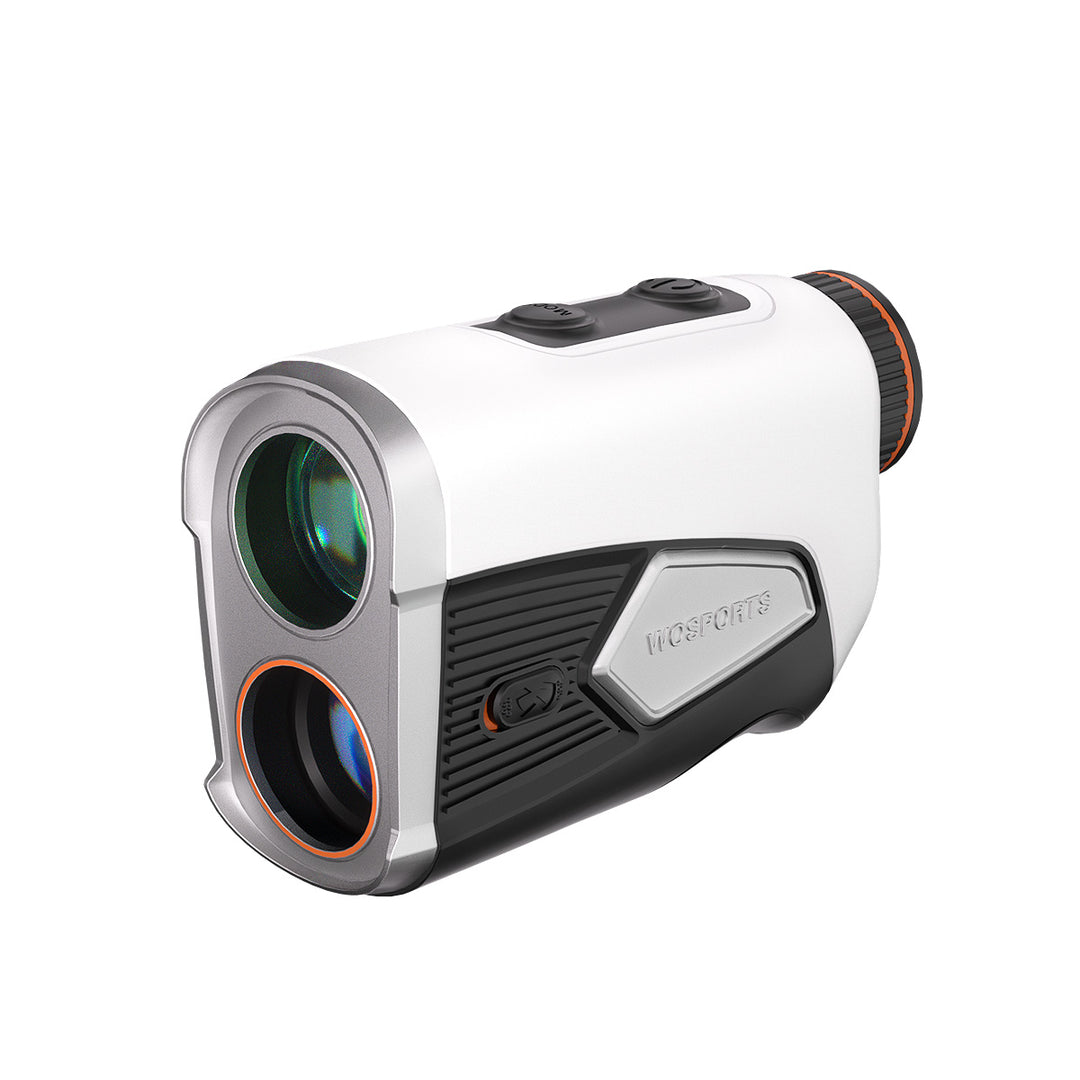
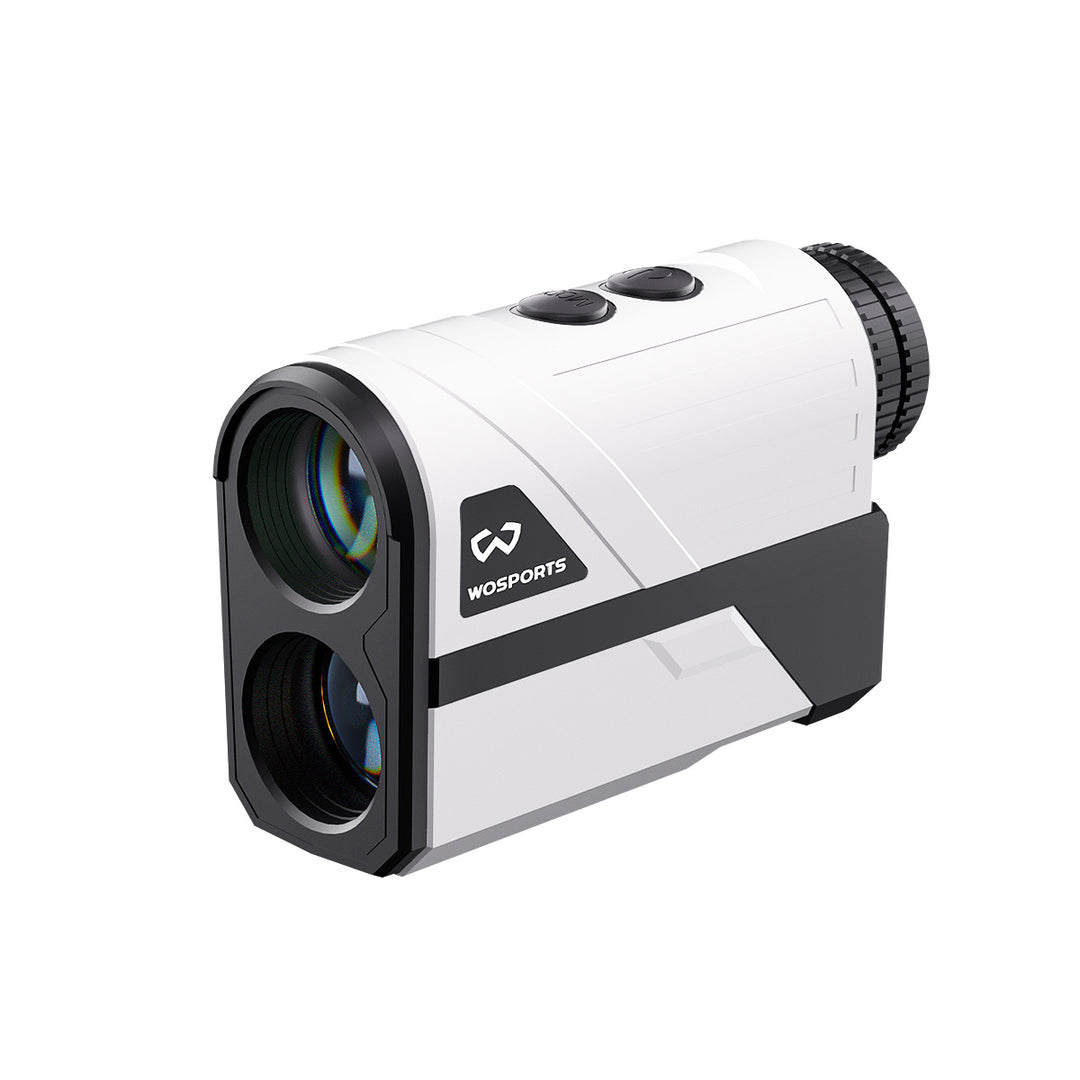
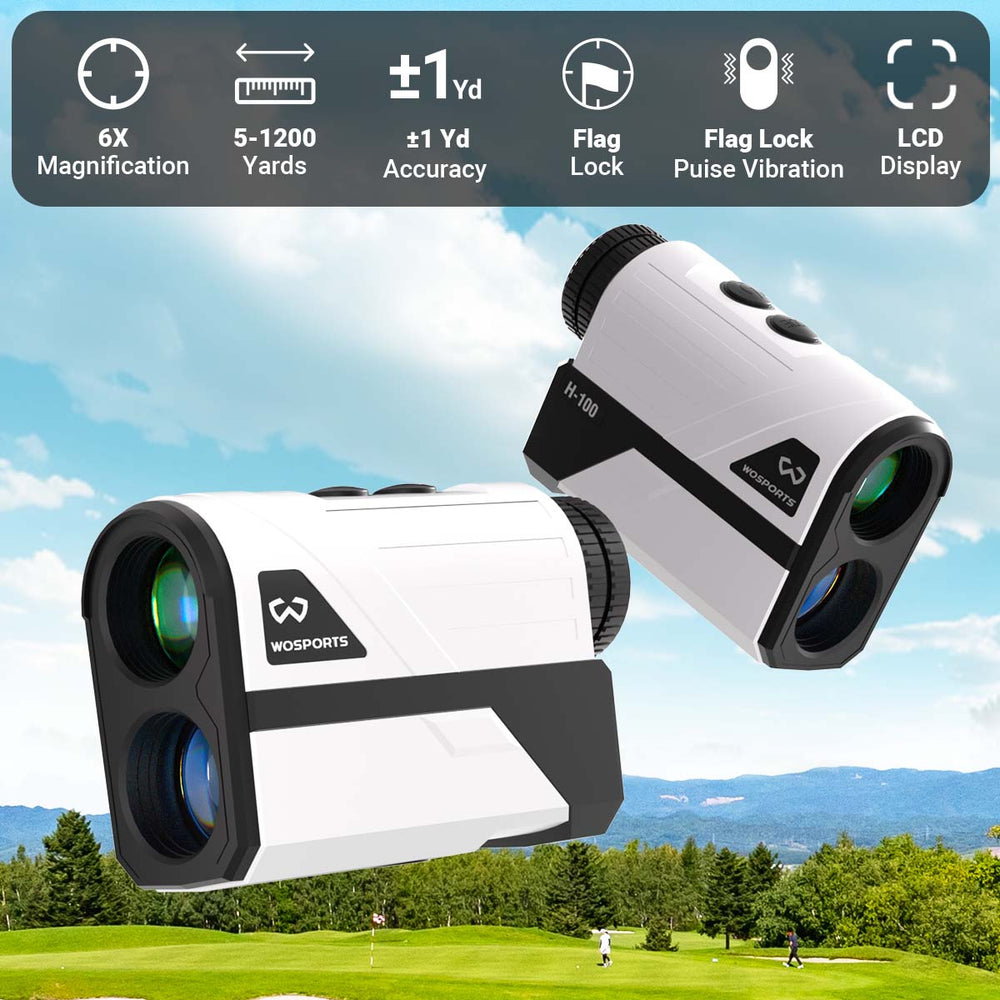
This is where a rangefinder becomes essential.
The WOSPORTS L14 Golf Rangefinder helps you:
-
Get precise distance to the flag instantly
-
Adjust for slope to understand true playing distance
-
Make faster, more confident club selections
When you combine:
-
Your real club distances
-
With accurate yardage
👉 You finally have a system that works.
Final thought: your game, your numbers
There’s no universal distance chart that fits everyone.
And trying to follow one will only lead to inconsistency.
If you want better results:
-
Stop chasing “ideal numbers”
-
Start trusting your real distances
-
Match them with accurate yardage
Because in golf, improvement doesn’t come from hitting it farther.
👉 It comes from knowing exactly how far you hit it—and using that information correctly.
Search
Popular Posts
Recent Posts


Nov 28, 2024
Troubleshooting Common Trail Camera Issues
Jan 10, 2025
Why Does My Trail Camera Stop Working at Night?