How Can Small Retailers Reduce Returns When Selling Trail Cameras?
Small retailers can reduce trail camera returns by setting accurate customer expectations before the sale. The most effective approach is not simply offering a generous return policy, but making sure customers understand what the camera can do, how it should be installed, and what results they can realistically expect.
For retailers, fewer returns usually start with better product information.
Why Do Customers Return Trail Cameras?
Trail camera returns are often caused by a mismatch between customer expectations and real-world use rather than a defective camera. Common issues include misunderstanding night vision, expecting remote phone access from a non-cellular model, incorrect installation, or assuming advertised detection distance applies equally to every environment.
Common return triggers include:
- "The camera didn't capture the animal."
- "The night photos aren't what I expected."
- "The battery doesn't last as long as advertised."
- "I thought I could view photos on my phone."
- "The detection range is shorter than I expected."
- "The camera is difficult to set up."
For small retailers, this creates an important distinction: a return is not always a product-quality problem. It can also be an expectation-management problem.
Which Trail Camera Specifications Should Retailers Explain Clearly?
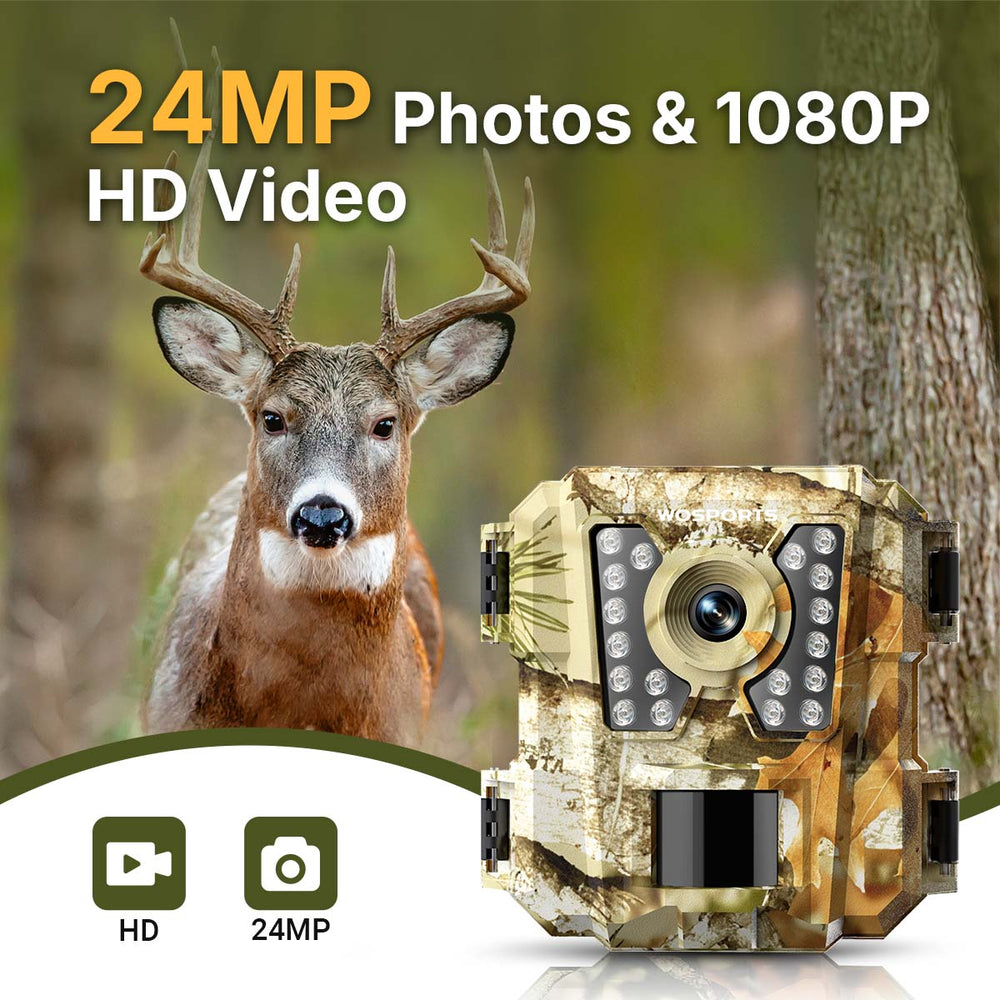
Retailers should explain the specifications that directly affect the customer's experience, especially trigger speed, detection range, image quality, night vision, battery requirements, and connectivity.
A simple product-information checklist is:
| Specification | What Customers Need to Understand |
|---|---|
| Photo resolution | Higher MP does not automatically mean better real-world images |
| Video resolution | Resolution affects detail and storage requirements |
| Trigger speed | Faster response can help capture moving animals |
| Detection range | Actual performance depends on environment and placement |
| Field of view | Determines how much area is visible |
| Night vision | Darkness, distance, and illumination affect results |
| Battery | Usage frequency and temperature affect runtime |
| Connectivity | Not every trail camera supports phone or remote viewing |
| Weather resistance | An IP rating indicates protection level, not unlimited exposure |
This type of explanation gives customers a more realistic picture before they buy.
Utah State University Extension recommends a trigger speed of 0.2 seconds or less for quickly capturing moving mammals and also emphasizes recovery time, detection distance, battery life, and field setup when evaluating trail cameras.
Source: Utah State University Extension – Using Trail Cameras
How Can Retailers Prevent Connectivity-Related Returns?
The simplest way to prevent connectivity-related returns is to state clearly whether a trail camera supports cellular, Wi-Fi, Bluetooth, or local SD-card viewing.
This is particularly important because customers increasingly expect outdoor electronics to work like connected consumer devices.
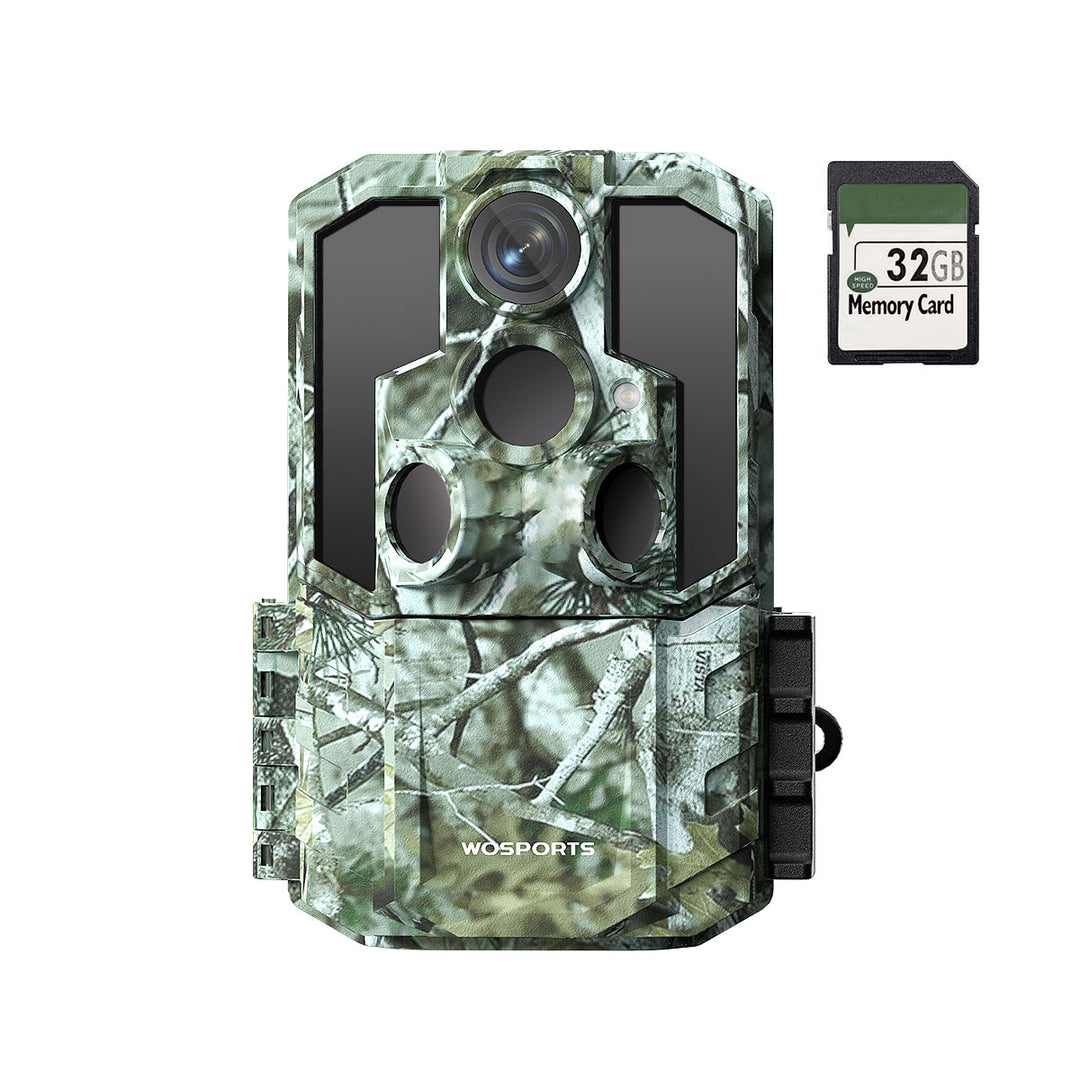
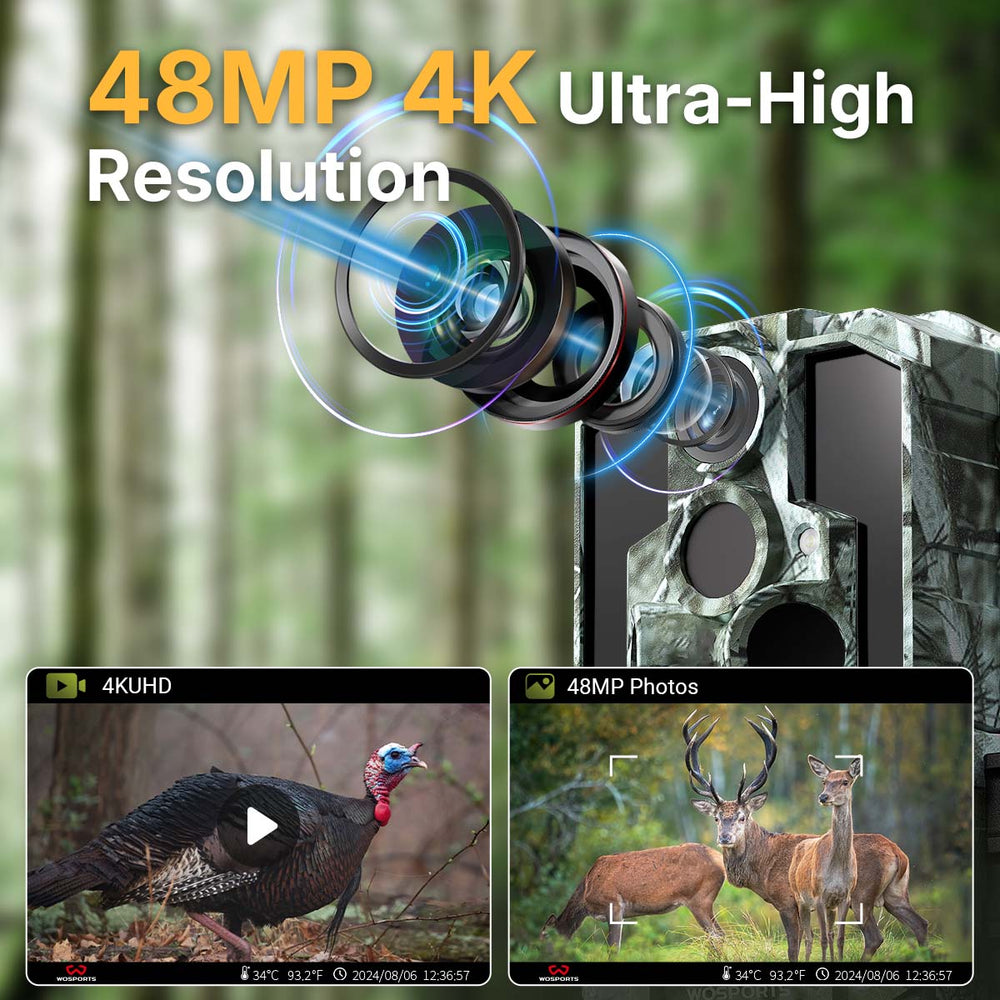
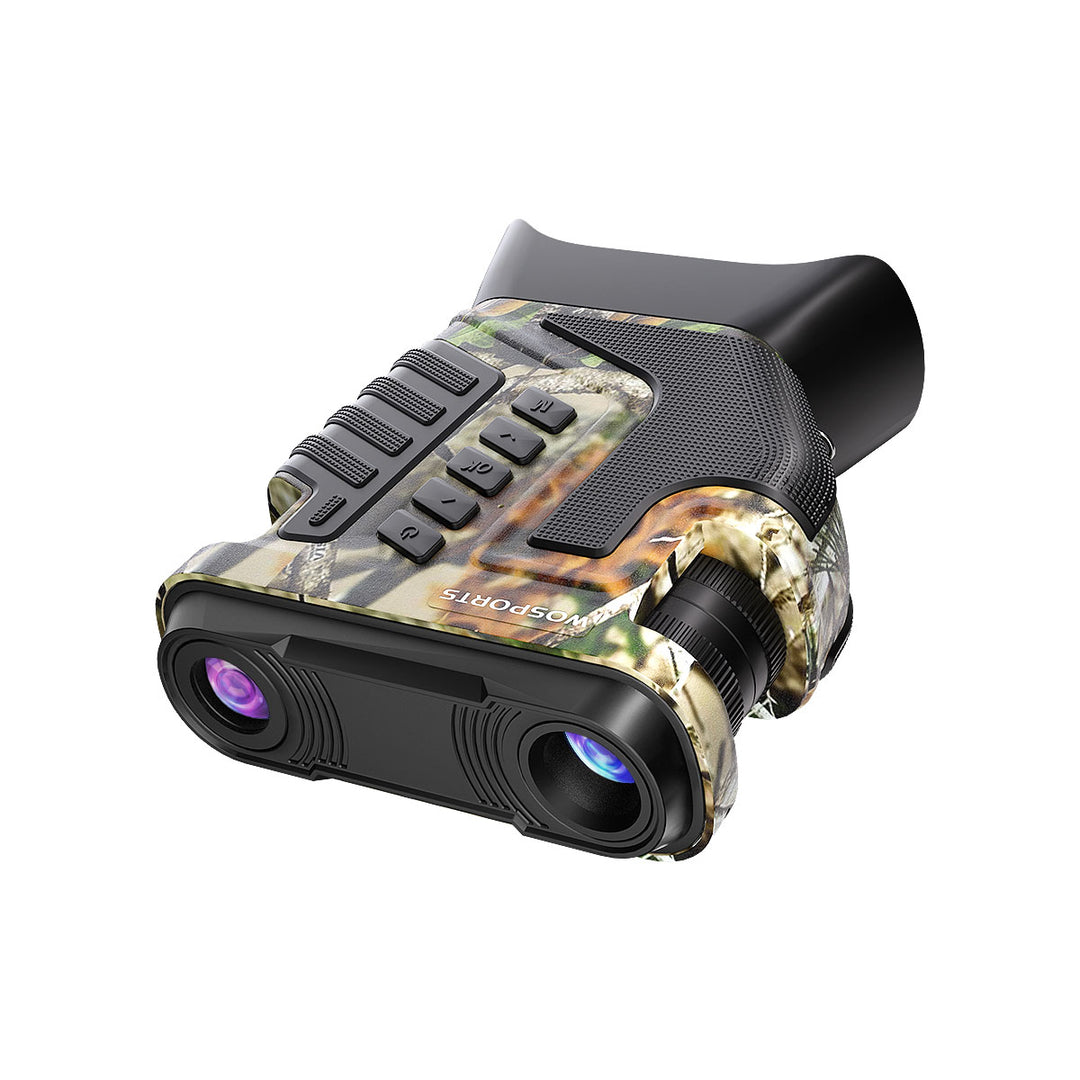
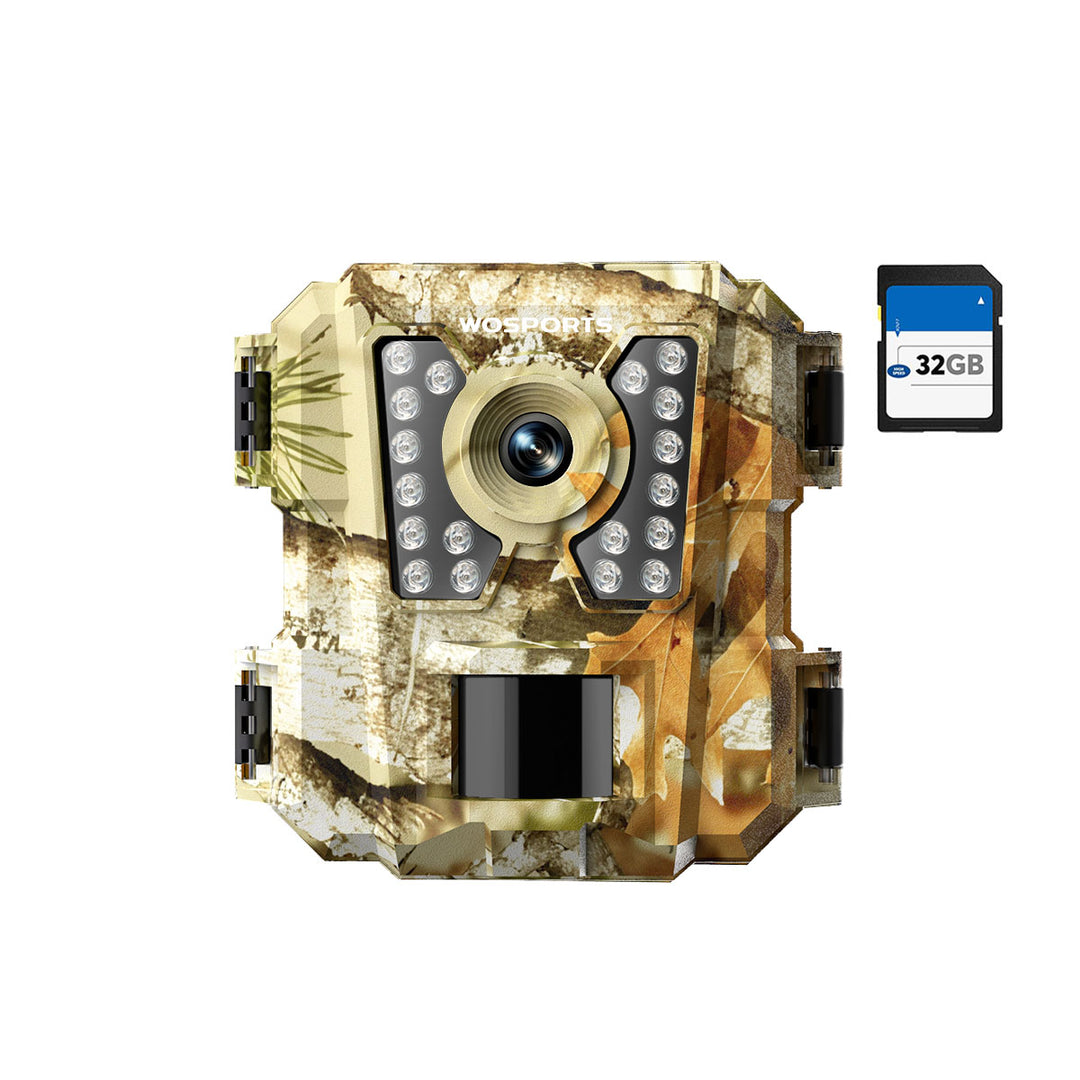
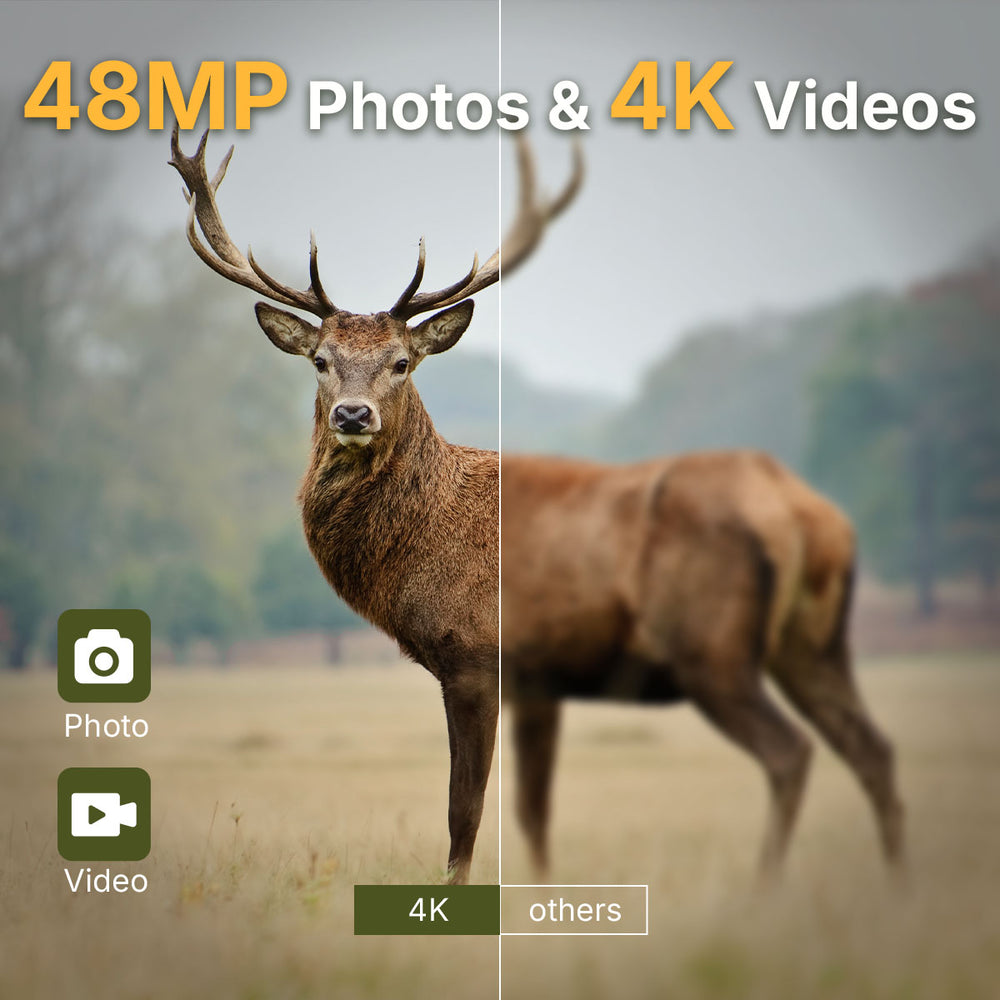
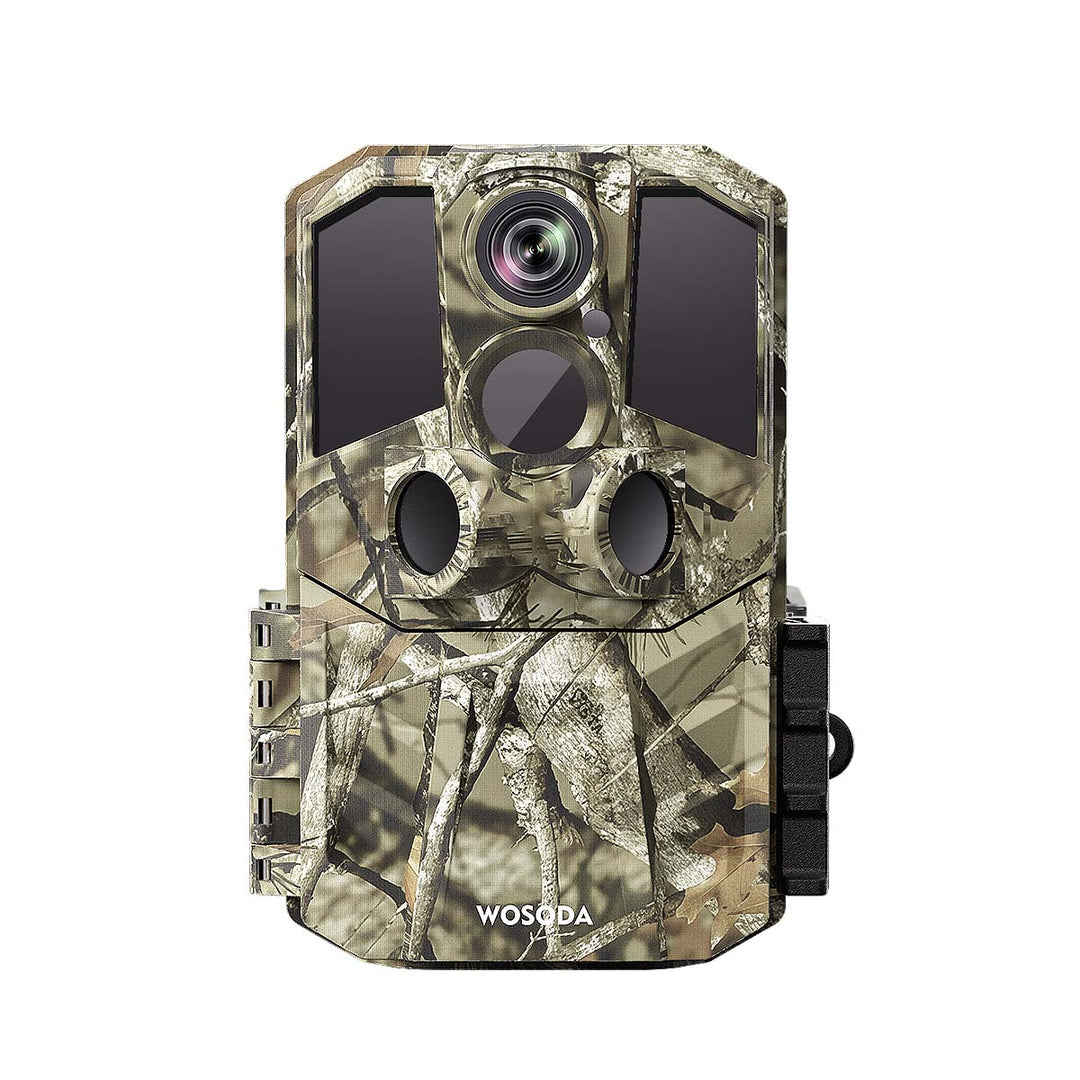
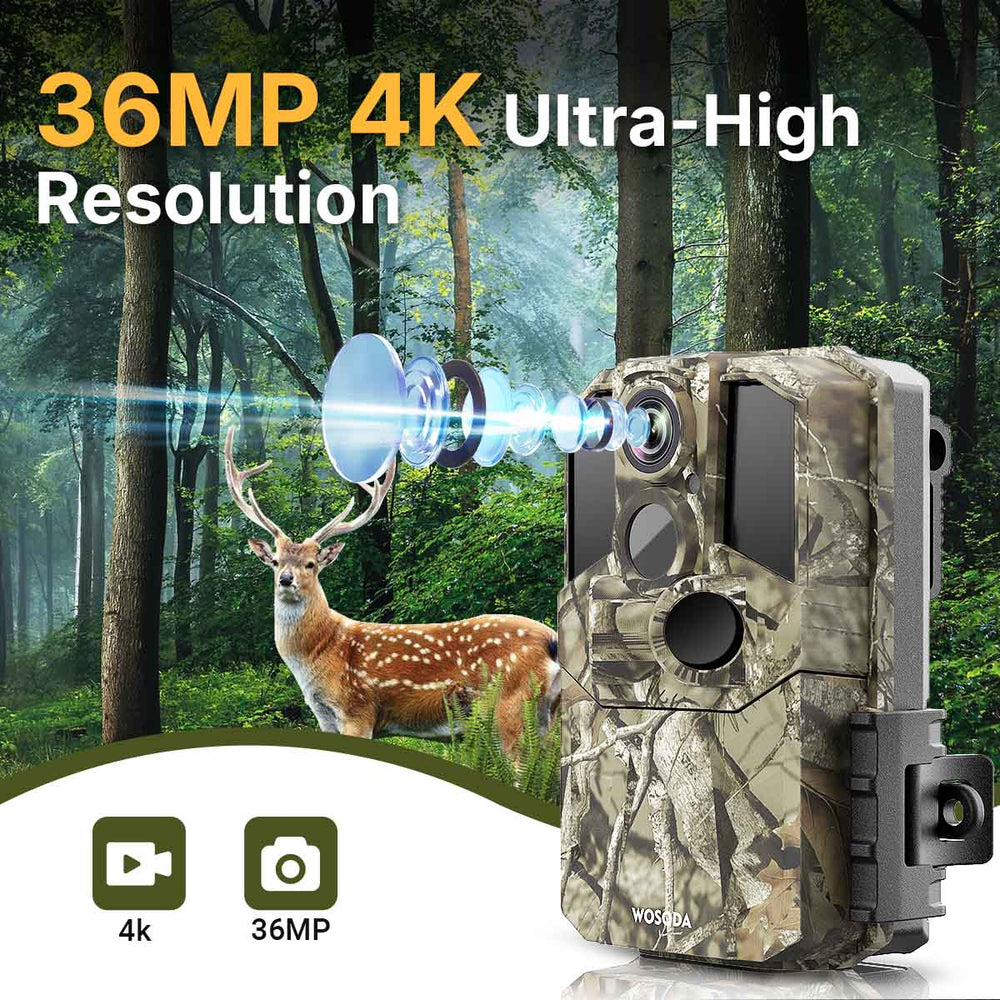
For example, the WOSPORTS G600 is a straightforward non-cellular trail camera. Its current specifications include 48MP photos, 4K video, 120° wide-angle coverage, 70-foot PIR detection, 0.2-second trigger speed, a 2-inch TFT LCD screen, IP66 protection, and 8 AA batteries. The product page also states that it does not support Wi-Fi, Bluetooth, or cellular connectivity.
That information should be visible before purchase, not buried in a manual.
A simple product-page statement such as:
Connectivity: No Wi-Fi, Bluetooth, or cellular connection. Photos and videos can be viewed on the camera or through the SD card.
can prevent a very avoidable return.
How Can Retailers Reduce Returns Caused by Installation Problems?
Retailers can reduce installation-related returns by showing customers how camera placement affects detection performance. A technically capable trail camera can still miss animals when it is mounted at the wrong height, angle, or location.
Before selling a trail camera, retailers should explain:
- Point the camera toward the expected movement path.
- Avoid placing it directly toward strong sunlight.
- Keep branches and vegetation from moving across the detection zone.
- Test the detection area before leaving the camera unattended.
- Adjust PIR sensitivity when necessary.
- Check the first captured images after installation.
For the G600, the 70-foot PIR detection distance and 120° wide-angle coverage are useful specifications, but those numbers do not guarantee that every subject within 70 feet will be captured under every condition.
Retail lesson: A specification describes capability; installation determines how much of that capability the customer actually experiences.
Should Retailers Explain Night Vision Before the Sale?
Yes. Night vision is one of the areas where clear customer expectations can significantly reduce returns.
Customers should understand that nighttime results depend on:
- Ambient conditions
- Distance from the subject
- Subject movement
- Infrared illumination
- Camera placement
- Image and video settings
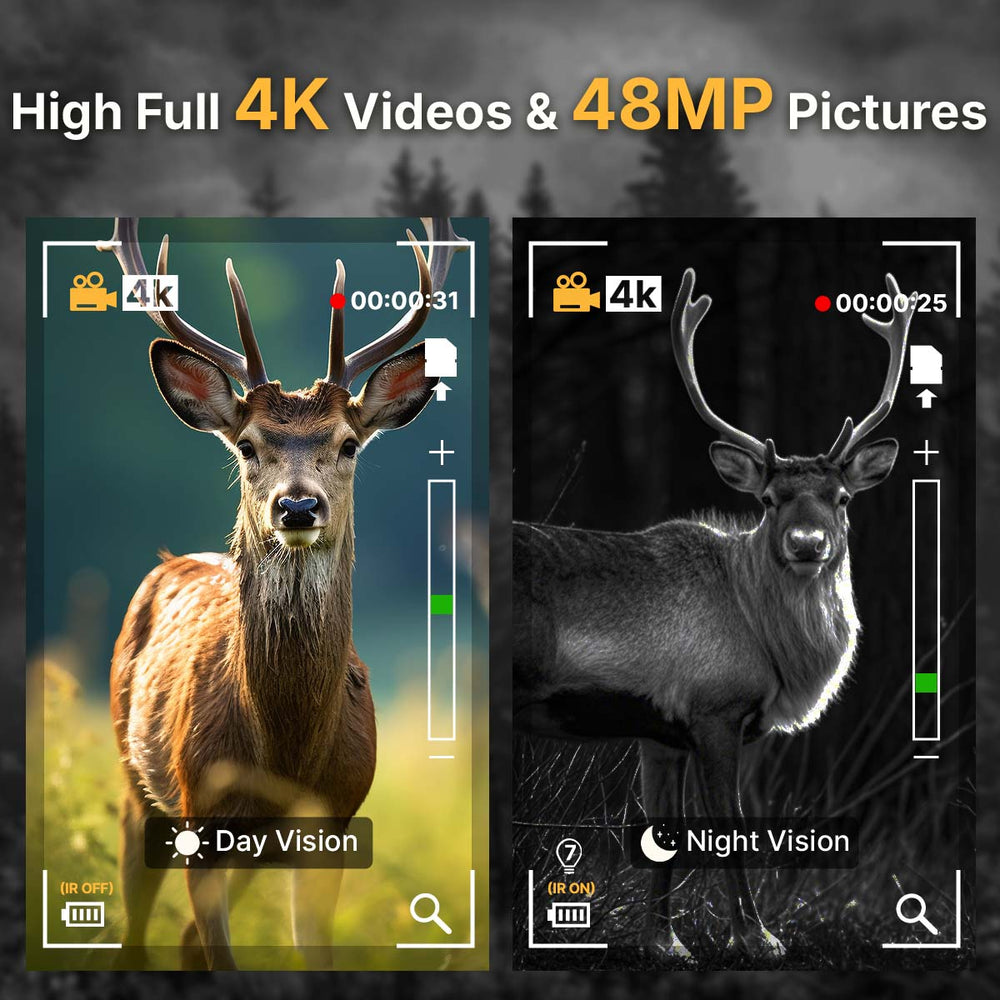
Retailers should show actual daytime and nighttime sample images on the product page rather than relying only on phrases such as "clear night vision."
This gives customers a much more realistic reference point before purchasing.
A useful product page can show:
| Example | Why It Helps |
|---|---|
| Daytime close-up | Shows normal image detail |
| Daytime long-distance image | Shows practical range |
| Nighttime animal image | Sets night-vision expectations |
| Nighttime video | Demonstrates motion performance |
| Wide-angle example | Shows actual coverage |
How Can Better Product Pages Reduce Trail Camera Returns?
A detailed product page can act as the first layer of customer support. The goal is to answer the questions customers are most likely to ask before they place an order.
The FTC advises online shoppers to read the full product description, compare model numbers and features, understand the total cost, and review return policies before buying.
For retailers, the same principle works in reverse: give customers enough information to make an informed purchase.
A strong trail camera product page should clearly display:
- Product dimensions
- Photo and video specifications
- Trigger speed
- Detection range
- Field of view
- Night vision information
- Battery type
- Storage requirements
- Connectivity
- Weather resistance
- What's included in the box
- Warranty
- Return policy
- Setup instructions
This information reduces uncertainty before the order rather than trying to resolve confusion after delivery.
What Customer Questions Should Retailers Answer Before the Sale?
Retailers can use customer-service questions and return reasons to improve product listings. If customers repeatedly ask the same question, that question probably belongs on the product page.
A useful FAQ section could include:
Can I view photos on my phone?
Only if the specific trail camera supports a compatible wireless or cellular connection. A non-connected model requires local viewing through the camera or storage card.
How far can the camera detect movement?
The advertised detection distance is a reference point, not a guarantee for every installation. Terrain, temperature, movement direction, and camera placement can affect detection.
How long do the batteries last?
Battery life varies according to trigger frequency, video recording, nighttime activity, battery type, and temperature.
Is the camera waterproof?
Check the specific IP rating and explain what that rating means. Avoid describing an outdoor camera as completely waterproof without qualification.
These answers can prevent customers from purchasing a product for the wrong application.
Can a Test Order Help Retailers Reduce Returns?
Yes. A small test order gives retailers an opportunity to experience the product from the customer's perspective before adding it to a larger inventory.
Before placing a larger wholesale order, retailers should personally test:
- Day and night images
- Trigger performance
- Detection range
- Battery installation
- SD-card operation
- Menu and setup process
- Mounting
- Weather resistance
- Packaging
- Included accessories
For a product such as the G600, a retailer can also verify how easily customers can preview images through its built-in 2-inch TFT LCD screen.
This is particularly valuable for small retailers because one confusing feature can become a repeated customer-service issue across many units.
What Does a Real G600 Customer Example Show?
A published WOSPORTS customer review describes a customer who purchased 20 G600 cameras to monitor deer traffic across their land and reported that the cameras had been running for months without issues. This is an individual customer statement, not independently verified performance data, so it should be treated as user feedback rather than a general performance guarantee.
The example is useful for retailers because it illustrates a common multi-camera deployment: customers may purchase several units for different monitoring locations rather than using only one camera.
That makes clear product information even more important. When a customer buys multiple units, any misunderstanding about setup, battery use, connectivity, or detection performance can multiply across the order.
How Should Retailers Handle Returns When They Still Happen?
A good return process should separate product defects, customer expectation gaps, installation problems, and buyer preference. This helps retailers identify whether the solution is better product information, technical support, replacement, or an actual product-quality investigation.
A simple classification system is:
| Return Reason | Recommended Retail Response |
|---|---|
| Defective unit | Test and replace according to warranty policy |
| Wrong product selected | Improve product-page comparison |
| Installation problem | Provide setup guidance |
| Expected phone connectivity | Make connectivity status more prominent |
| Night image expectations | Add real sample images |
| Battery expectations | Explain usage-dependent runtime |
| Customer preference | Apply the published return policy |
The FTC recommends that consumers review return policies, deadlines, shipping responsibilities, and refund conditions before purchasing.
For retailers, clearly communicating those terms before purchase can make the return process more predictable for both sides.
What Should Small Retailers Track About Trail Camera Returns?
Return data can become a useful product-selection tool. Retailers should record the reason for every return rather than tracking only the return rate.
A simple monthly report can include:
- Total units sold
- Total returns
- Return rate
- Top three return reasons
- Warranty claims
- Setup-related questions
- Connectivity-related questions
- Battery-related complaints
- Product-page questions
For example, if 40% of returns are related to customers expecting remote phone access, the problem may not require changing the product. It may require making the connectivity information much more prominent.
This turns returns into product and merchandising feedback.
FAQ: Reducing Trail Camera Returns
What is the most common reason trail cameras are returned?
There is no single universal reason across all retailers. Common problems include unclear expectations about connectivity, night vision, detection performance, battery life, and installation.
Can better product descriptions reduce returns?
Yes. Clear specifications, real sample images, connectivity information, setup guidance, and accurate use-case descriptions can help customers choose a product that fits their needs.
Should retailers test a trail camera before selling it?
Yes. A test unit allows retailers to understand the actual setup process and identify questions customers are likely to have before placing a larger wholesale order.
Does a higher specification guarantee fewer returns?
No. A higher specification does not automatically produce a better customer experience. The product still needs to match the customer's intended use and be correctly installed.
What should retailers do if customers repeatedly return the same model?
First identify the return pattern. If the issue is caused by unclear expectations, improve the product information and customer guidance. If testing identifies a genuine product defect, the retailer should raise the issue with the supplier.
Final Takeaway
Small retailers can reduce trail camera returns by managing customer expectations before the purchase rather than relying on after-sales support to fix every misunderstanding.
The most practical approach is:
Accurate specifications → Real product examples → Clear use cases → Simple setup guidance → Transparent return policy
The WOSPORTS G600 provides a useful example because its core specifications are easy to communicate: 48MP photos, 4K video, 120° wide-angle coverage, 70-foot PIR detection, 0.2-second trigger speed, IP66 protection, and 8 AA batteries.
For a small retailer, the goal is not to eliminate every return. The goal is to make sure customers understand what they are buying, what it can realistically do, and how to use it correctly. That makes returns easier to manage and helps create a more reliable retail experience.
Search
Popular Posts
Recent Posts


Nov 28, 2024
Troubleshooting Common Trail Camera Issues
Jan 10, 2025
Why Does My Trail Camera Stop Working at Night?