What Product Information Should Trail Camera Suppliers Provide to Small Wholesalers?
For small wholesalers, good trail camera wholesale sourcing starts with complete supplier information—not just a wholesale price. Before placing an order, buyers need enough information to evaluate product performance, customer fit, inventory risk, shipping requirements, warranty coverage, and potential returns.
A useful supplier information package should answer five basic questions:
- What exactly is the product?
- Who is it designed for?
- How will it perform in real outdoor conditions?
- What will the wholesaler actually receive?
- What support is available after the sale?
For a small business with limited purchasing power and storage space, clear information can be just as important as a low unit price.
What Product Information Should a Trail Camera Supplier Provide?
A trail camera supplier should provide complete product specifications, real-world use information, pricing, packaging details, warranty terms, and after-sales support before a wholesaler places an order.
At minimum, a supplier information sheet should include:
| Information | Why Small Wholesalers Need It |
|---|---|
| Product name and model | Prevents SKU confusion |
| Photo and video resolution | Helps define customer expectations |
| Trigger speed | Indicates responsiveness to moving subjects |
| Detection distance | Helps match the camera to different environments |
| Field of view | Helps retailers explain coverage |
| Night vision type | Sets expectations for nighttime use |
| Battery type | Helps estimate operating and accessory costs |
| Storage requirements | Helps determine accessory bundles |
| Weather resistance | Important for outdoor applications |
| Connectivity | Prevents incorrect assumptions about remote access |
| Dimensions and weight | Useful for shipping and merchandising |
| Package contents | Prevents customer complaints |
| Warranty and returns | Helps estimate after-sales risk |
| Wholesale pricing and MOQ | Supports purchasing decisions |
| Lead time | Helps prevent stock shortages |
The goal is not to provide the longest specification sheet. The goal is to give the buyer enough accurate information to make a purchasing decision without having to repeatedly ask basic questions.
Why Is Accurate Supplier Information Important for Wholesale Sourcing?
Accurate supplier information reduces purchasing risk because small wholesalers have less room to absorb unexpected inventory, return, and support costs.
North Carolina State University's Supply Chain Resource Cooperative recommends evaluating suppliers using multiple performance attributes rather than focusing only on purchase price. Its supplier evaluation guidance includes factors such as quality and service level and emphasizes considering total costs rather than price alone.
Source: North Carolina State University, Supply Chain Resource Cooperative – “Performance Measurements and Metrics: An Analysis of Supplier Evaluation”
This is particularly relevant to trail camera wholesale sourcing. A camera that costs less per unit may not actually be cheaper if unclear specifications lead to more returns, customer complaints, or support requests.
For small wholesalers, supplier evaluation should therefore look beyond:
Unit price
and consider:
Product cost + shipping + accessories + returns + support + inventory risk
Which Trail Camera Specifications Matter Most to Small Wholesalers?
The most useful specifications are the ones that affect how customers will use the trail camera in the field.
Small wholesalers should pay particular attention to:
Trigger Speed
Trigger speed indicates how quickly the camera captures an image after detecting movement. Utah State University Extension recommends a trigger speed of 0.2 seconds or less for quickly capturing mammals, while Oregon State University Extension notes that speeds below 0.5 seconds are generally desirable.
Source: Utah State University Extension – “Creating Sustainable School and Home Gardens: Using Trail Cameras”
Source: Oregon State University Extension – “Wildlife Cameras: A Snapshot of What You Need to Know”
For wholesale buyers, the important point is not simply having a fast number on the specification sheet. The specification should help retailers explain which customers actually benefit from it.
Detection Distance and Field of View
Detection distance and field of view determine where a trail camera can effectively monitor activity. A wider field of view can be useful for trails, open areas, and food plots, while detection distance needs to match the physical environment.
The University of California Agriculture and Natural Resources program recommends considering detection distance, detection zone, field of view, trigger speed, recovery time, sensitivity, durability, battery life, and warranty when evaluating wildlife cameras.
Source: UC Agriculture and Natural Resources – “Wildlife Camera Use for Forest Landowners”
Battery Requirements
Battery information should include the number and type of batteries required, because this affects both customer convenience and accessory sales.
A supplier should clearly state:
- Number of batteries required
- Battery type
- Whether rechargeable batteries are supported
- Expected battery performance conditions
- External power options, if available
Utah State University Extension recommends cameras that use easily replaceable batteries such as AA or AAA batteries and notes that battery efficiency is an important consideration.
Source: Utah State University Extension – “Creating Sustainable School and Home Gardens: Using Trail Cameras”
How Should Suppliers Explain Connectivity?
Connectivity should be stated explicitly because customers often assume that a modern trail camera can automatically connect to a phone.
A supplier should clearly identify whether a trail camera uses:
- Cellular connectivity
- Wi-Fi
- Bluetooth
- Local SD-card storage
- Built-in screen viewing
- App-based remote access
This distinction matters during wholesale sourcing because a retailer may otherwise market the product for a use case it was never designed to support.
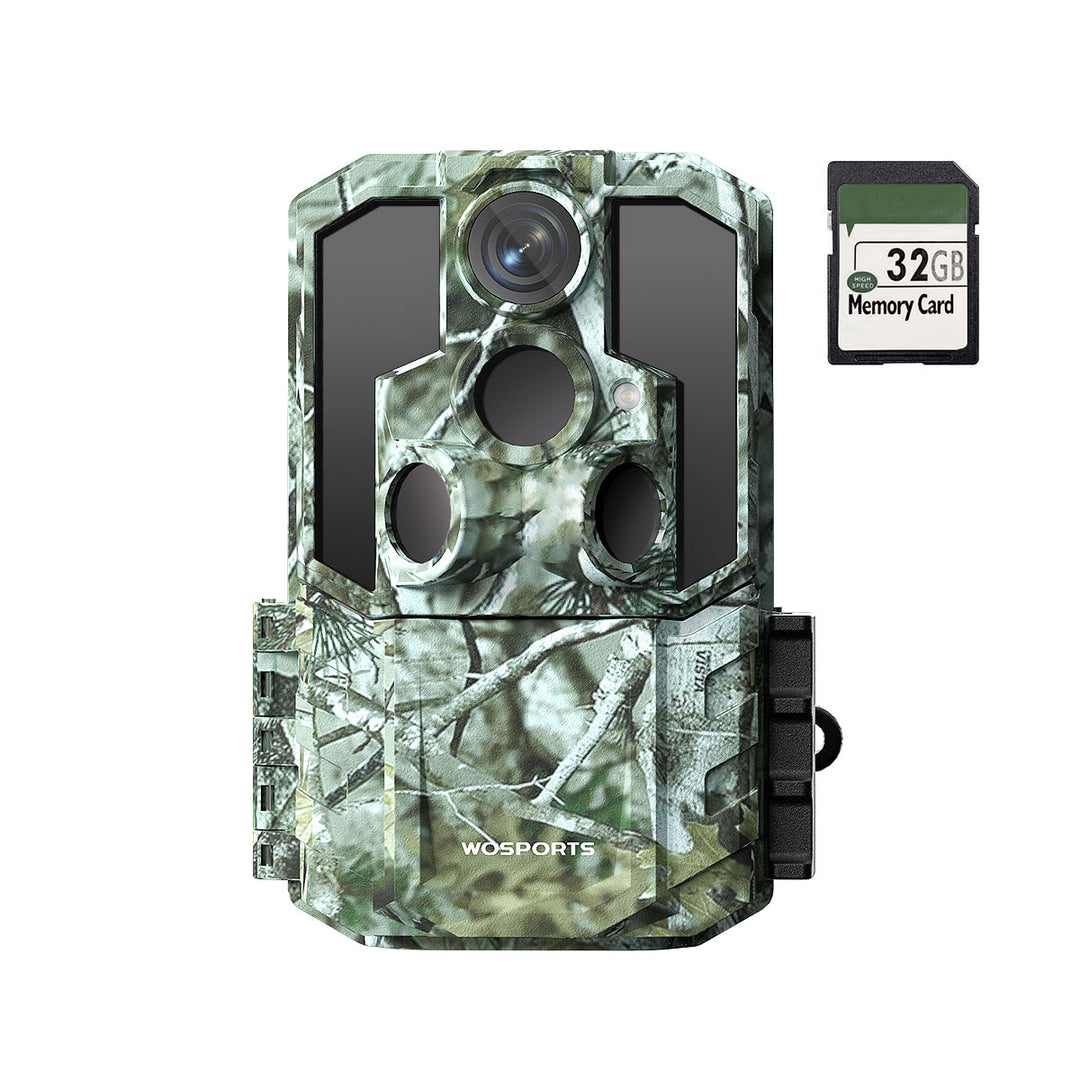
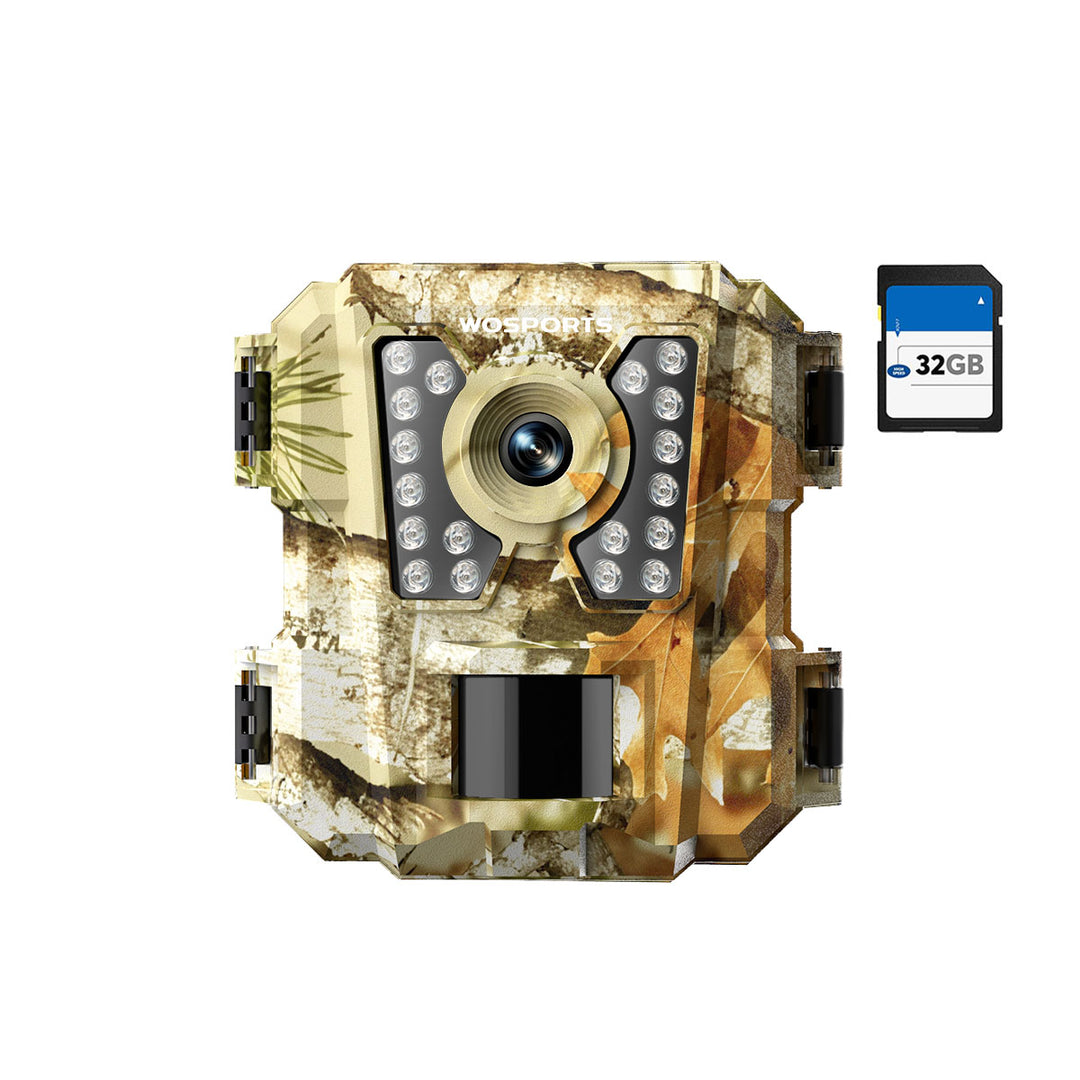
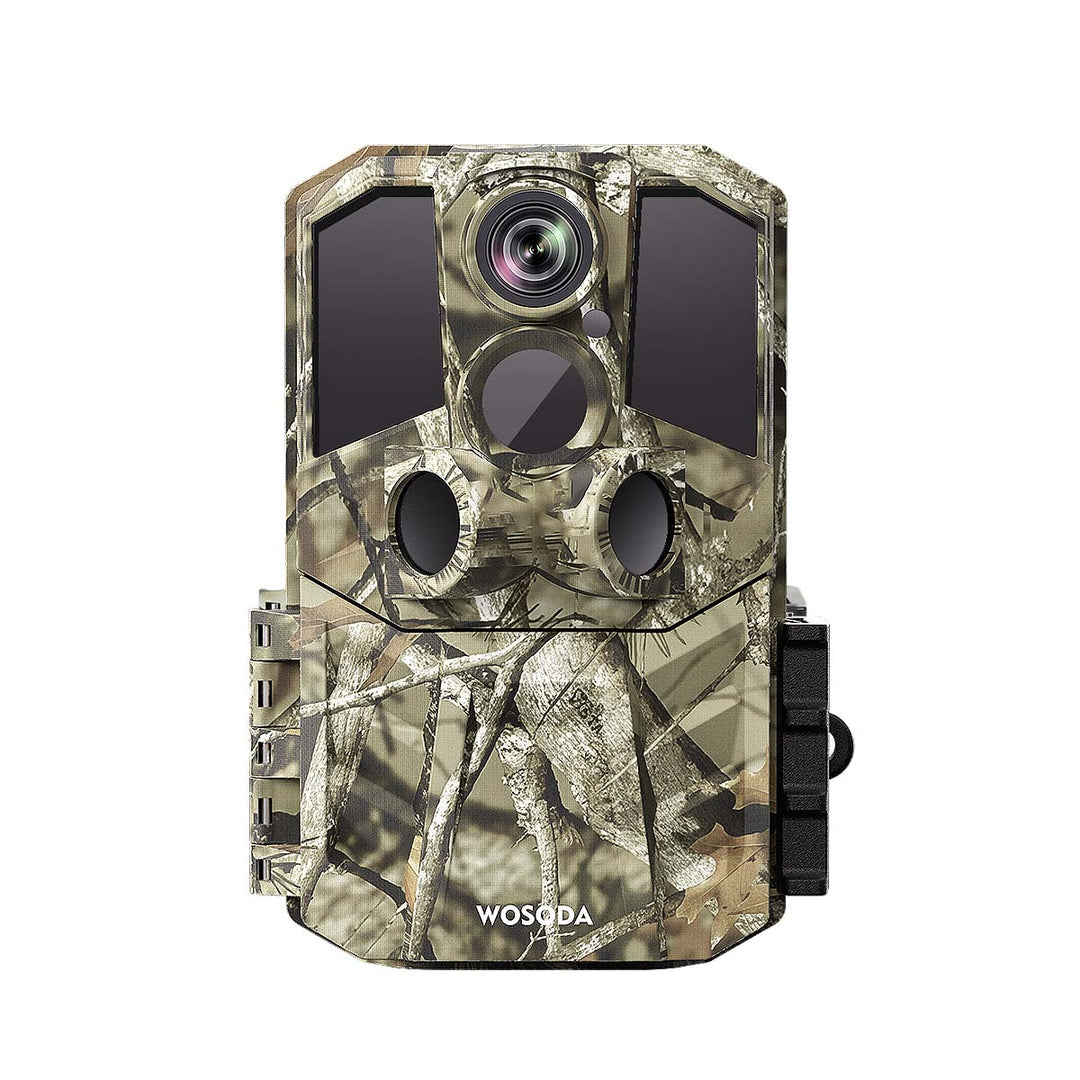
For example, the WOSPORTS G600 is a straightforward non-cellular trail camera. It uses local storage and includes a 2-inch TFT LCD screen for checking the camera in the field.
That makes the G600 easier to position for customers who want a simple outdoor monitoring camera without relying on cellular connectivity.
What Should Suppliers Provide About Image Quality?
Suppliers should explain image quality using more than a megapixel number.
The University of California Agriculture and Natural Resources program warns that some wildlife cameras advertise high megapixel counts through interpolation, meaning additional pixels may be generated rather than representing additional native image detail. It recommends checking sample photographs when evaluating cameras.
Source: UC Agriculture and Natural Resources – “Wildlife Camera Use for Forest Landowners”
For small wholesalers, a stronger supplier information package can include:
- Daytime sample images
- Nighttime sample images
- Video samples
- Images at different distances
- Example detection scenarios
- Actual image dimensions
- Information about infrared illumination
This gives retailers useful material for their own product pages and helps reduce the gap between advertising claims and customer expectations.
What Product Information Does the WOSPORTS G600 Provide?
The WOSPORTS G600 provides a relatively straightforward specification package that small wholesalers can use across several outdoor applications.
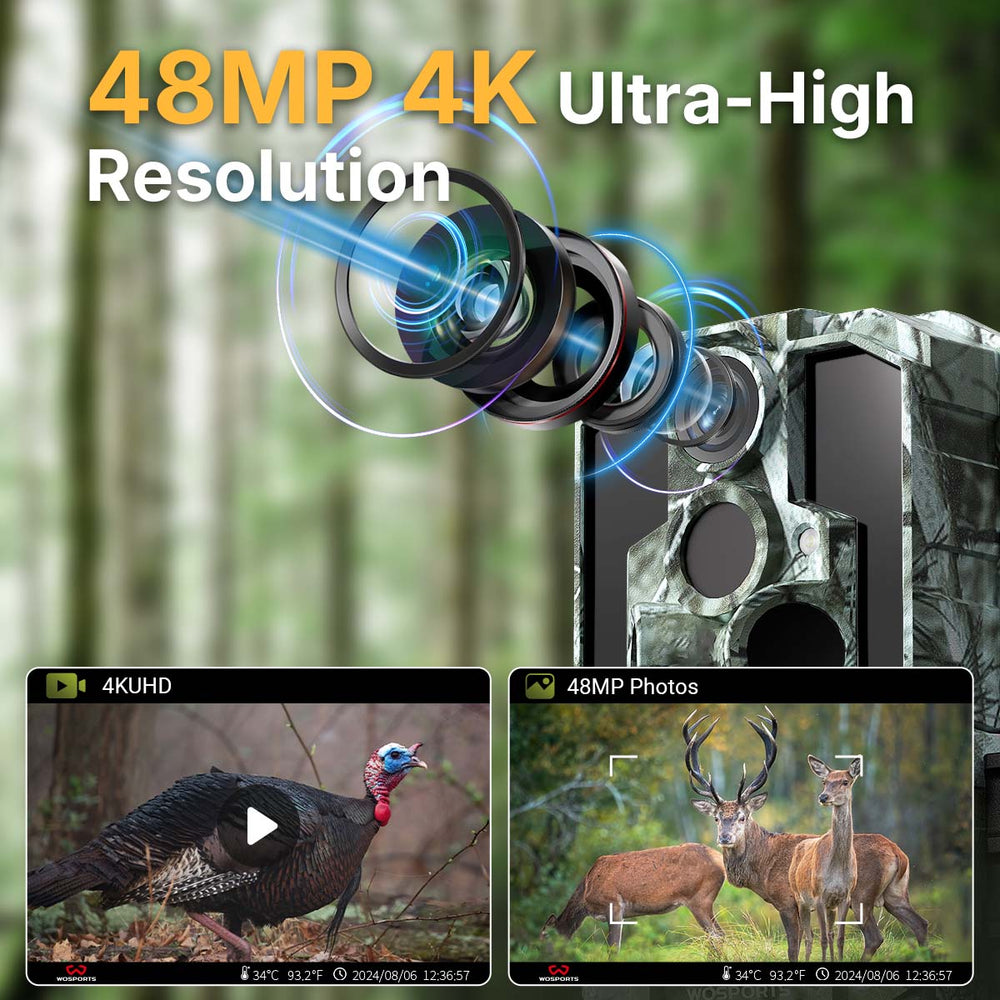
Current G600 specifications include:
| G600 Feature | Specification |
|---|---|
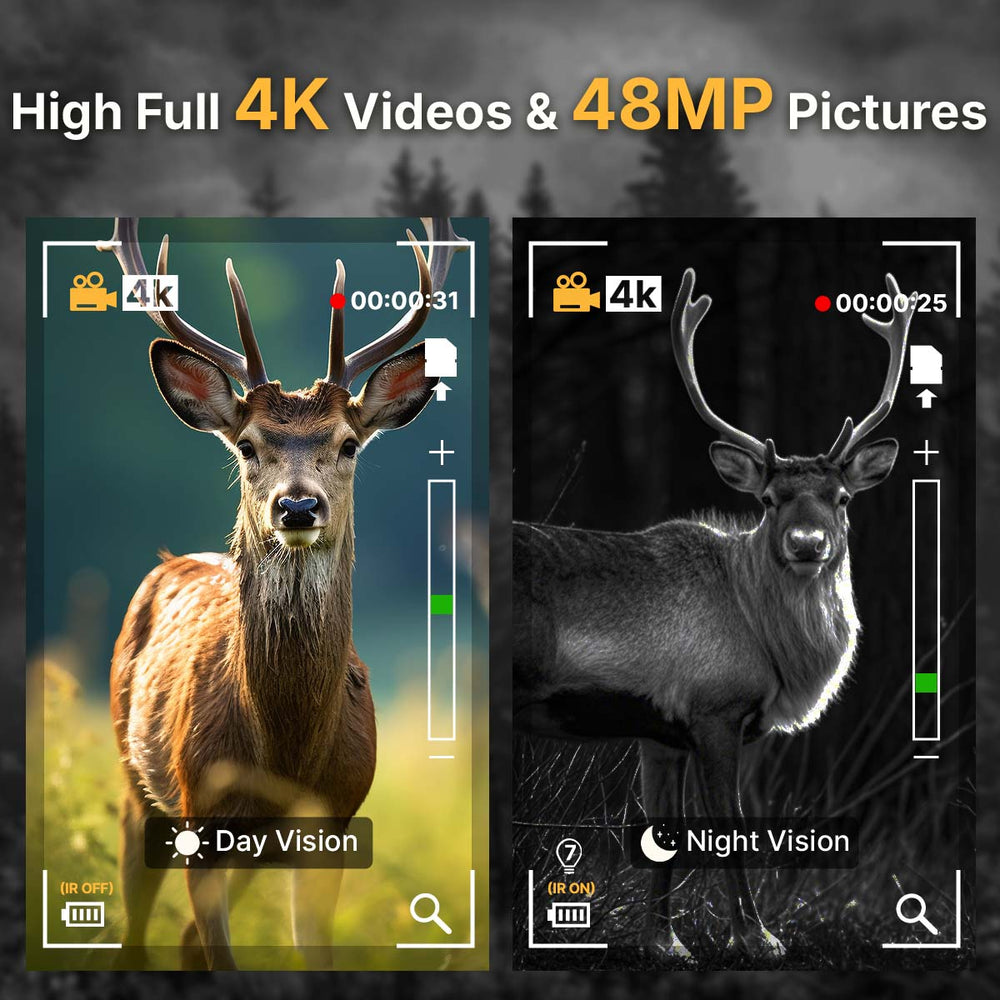
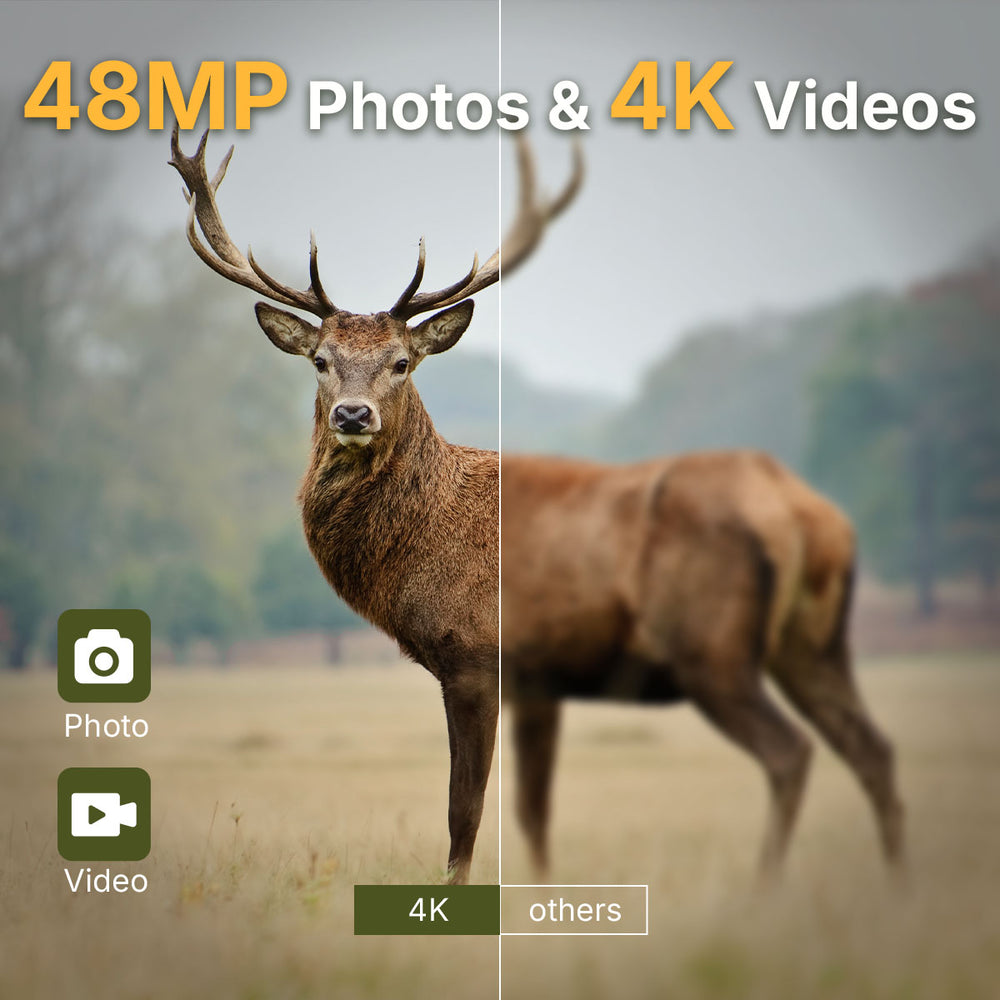
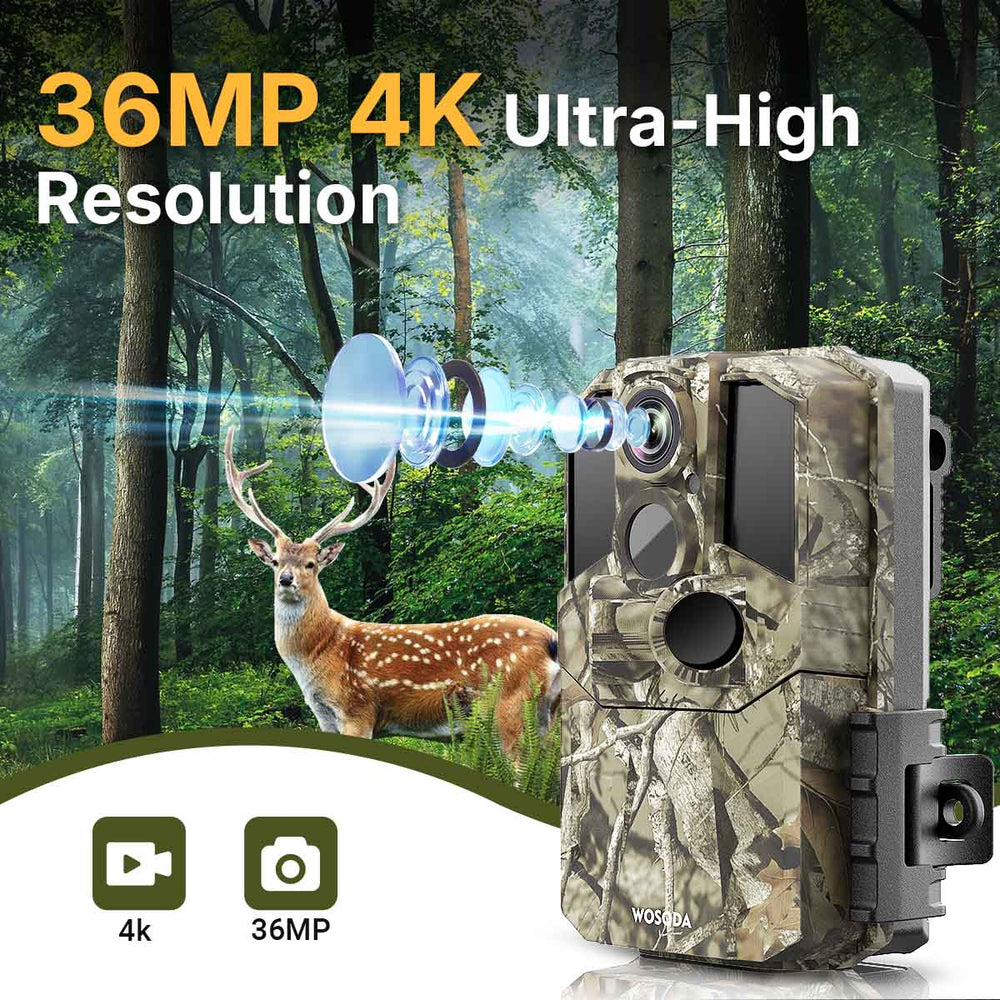
| Photo resolution | Up to 48MP |
| Video | 4K |
| Wide-angle coverage | 120° |
| PIR detection distance | Up to 70 ft |
| Trigger speed | 0.2 seconds |
| Display | 2-inch TFT LCD |
| Weather resistance | IP66 |
| Power | 8 AA batteries |
Source: WOSPORTS G600 Trail Camera product information
The combination is useful for a general-purpose retail assortment because the same product can be positioned for wildlife observation, hunting-related scouting, food plots, and outdoor property monitoring.
For a small wholesaler, that flexibility can be more useful than carrying several highly specialized SKUs with overlapping functions.
What Packaging Information Should a Supplier Provide?
Packaging information should be available before ordering because the physical package affects both inventory planning and retail presentation.
Suppliers should provide:
- Product dimensions
- Product weight
- Retail box dimensions
- Units per master carton
- Master carton dimensions
- Gross and net weight
- Package contents
- Barcode or SKU information
- User manual language options
- Included accessories
This information helps small wholesalers estimate warehouse space and shipping costs before inventory arrives.
It also makes it easier to create accurate online listings without repeatedly requesting basic information from the supplier.
What Should Suppliers Explain About Warranty and After-Sales Support?
Warranty information should be specific enough for a wholesaler to understand what happens when an end customer has a problem.
A supplier should explain:
- Warranty duration
- What types of defects are covered
- How customers start a warranty claim
- Whether replacement or repair is available
- Who handles technical support
- Typical response procedures
- Whether replacement parts are available
- Return and exchange conditions
This information is part of the product—not an afterthought.
For small wholesalers, good after-sales documentation can reduce the number of technical questions that have to be handled manually by their own staff.
How Can Small Wholesalers Compare Supplier Information?
Small wholesalers can use a simple supplier comparison checklist instead of comparing dozens of specifications individually.
| Evaluation Area | What to Check |
|---|---|
| Product | Complete specifications and real images |
| Performance | Trigger, detection, night performance |
| Usability | Setup, menu, display, storage |
| Power | Battery type and operating requirements |
| Durability | Weather resistance and outdoor construction |
| Commercial | MOQ, wholesale price, packaging |
| Logistics | Lead time, carton information, shipping |
| Support | Warranty, troubleshooting, replacement |
| Marketing | Product photos, videos, manuals |
| Consistency | Same specifications across documents |
A supplier that provides consistent information across its product page, quotation, manual, packaging, and sales communication is easier to work with than one that requires the buyer to reconcile conflicting specifications.
What Does a Real G600 Customer Example Tell Wholesalers?
A published WOSPORTS customer review describes a buyer who purchased 20 G600 cameras to monitor deer traffic across their land and reported that the cameras had been running for months without issues.
Source: WOSPORTS – customer feedback for the G600 Trail Camera
This is a customer-reported experience rather than an independently verified performance study, so wholesalers should treat it as one real-world user example rather than a universal performance guarantee.
Still, the example illustrates an important point for small wholesalers: customers may purchase multiple units when a trail camera can serve a practical monitoring need across a property.
That is why supplier information should help buyers understand not only what one camera does, but also how the product can fit into multi-unit deployments.
What Additional Information Should Suppliers Provide for Wholesale Sourcing?
Beyond the product specification sheet, suppliers should provide commercial information that allows a small wholesaler to calculate the actual purchasing decision.
Useful information includes:
- Minimum order quantity
- Wholesale price tiers
- Sample or test-order availability
- Lead time
- Stock availability
- Shipping options
- Packaging configuration
- Private-label or branding options
- Payment terms
- Warranty terms
- Return and exchange policies
- Sales and technical support
The Rhode Island Small Business Development Center noted in 2026 that small businesses can have less purchasing power than larger retailers and may find it harder to secure inventory quickly or absorb unexpected costs. It recommends early preparation, strong supplier relationships, and flexible planning.
Source: Rhode Island Small Business Development Center – “Holiday Supply Chain Planning: How Small Businesses Can Prepare Early”
For small wholesalers, this means supplier communication is itself part of wholesale sourcing.
A Simple Supplier Information Checklist
Before placing a first trail camera wholesale order, a small wholesaler should be able to answer these questions:
Product
- What is the exact model?
- What are the actual photo and video specifications?
- What is the trigger speed?
- What is the detection distance?
- What is the field of view?
- What type of night vision does it use?
- How is data stored?
- Does it require cellular service or Wi-Fi?
Commercial
- What is the MOQ?
- What are the wholesale price tiers?
- Is a test order available?
- What is the current stock level?
- What is the expected lead time?
Operations
- What batteries are required?
- What accessories are included?
- What are the package and carton dimensions?
- What information is included in the user manual?
After-sales
- How long is the warranty?
- How are defective units handled?
- Is technical support available?
- What is the replacement or return process?
If several of these questions cannot be answered before the purchase, the supplier information package is probably incomplete.
FAQ: Trail Camera Supplier Information for Small Wholesalers
What information should a trail camera supplier provide?
A trail camera supplier should provide technical specifications, real-world product images, connectivity information, battery requirements, packaging details, wholesale pricing, MOQ, lead time, warranty terms, return procedures, and after-sales support.
Why is supplier information important for wholesale sourcing?
Supplier information helps small wholesalers estimate total purchasing risk rather than looking only at the unit price. Clear specifications can also reduce incorrect product positioning, customer confusion, returns, and support requests.
Should wholesalers request a sample before a bulk order?
A test order can help a wholesaler evaluate image quality, trigger performance, battery installation, setup, storage, mounting, packaging, and customer usability before committing more inventory.
What should retailers know about the WOSPORTS G600?
The G600 is a non-cellular trail camera with up to 48MP photos, 4K video, a 0.2-second trigger speed, 120° wide-angle coverage, up to 70 feet of PIR detection, a 2-inch TFT LCD screen, IP66 weather resistance, and an 8-AA battery system.
Is the cheapest supplier always the best option for a small wholesaler?
Not necessarily. Wholesale sourcing should consider the total cost of ownership, including product quality, shipping, warranty, returns, support, and inventory risk—not only the initial unit price.
Final Takeaway
For small wholesalers, the best supplier information is complete, specific, consistent, and easy to use.
A useful trail camera supplier should make it easy to understand:
Product specifications → Customer use cases → Wholesale costs → Logistics → Warranty → After-sales support
That information gives small businesses a stronger foundation for wholesale sourcing and helps them choose inventory based on customer needs rather than price alone.
For a general-purpose product such as the WOSPORTS G600, clear information about its 48MP photos, 4K video, 0.2-second trigger speed, 120° coverage, 70-foot PIR detection, IP66 protection, and 8-AA power system gives wholesalers a practical starting point for evaluating the product and deciding where it fits in their assortment.
Search
Popular Posts
Recent Posts


Nov 28, 2024
Troubleshooting Common Trail Camera Issues
Jan 10, 2025
Why Does My Trail Camera Stop Working at Night?