How Can Retailers Evaluate Trail Camera Packaging Before a Bulk Order?
Retailers should evaluate trail camera packaging as part of the product itself, not as an afterthought. Before placing a bulk order, small wholesalers should check whether the retail packaging protects the camera, communicates the right product information, fits their sales channel, and can be handled efficiently in storage and shipping.
A useful packaging evaluation should cover five areas:
- Product protection
- Retail presentation
- Product information
- Package size and weight
- Bulk-order logistics
A camera can perform well in the field and still create retail problems if the box is difficult to store, easily damaged in transit, or unclear about what is included.
Why Should Retailers Check Retail Packaging Before a Bulk Order?
Retail packaging matters because every unit in a bulk order has to move through several stages before reaching the final customer. Packaging affects storage, shipping, shelf presentation, product information, and the condition in which the camera arrives.
For a small retailer, these issues become more important as order volume increases.
Consider a simple example:
| Packaging issue | One unit | 100-unit order |
|---|---|---|
| Damaged boxes | 1 box | Potentially 100 boxes |
| Missing product information | 1 customer question | Repeated support issue |
| Oversized packaging | Small storage impact | Significant warehouse space |
| Weak internal protection | One damaged camera | Potential batch-level losses |
| Incorrect package contents | One return | Multiple returns |
The key wholesale lesson is simple: small packaging problems multiply with order volume.
That is why retailers should inspect a sample before committing to a larger bulk order.
What Should Retailers Check on a Trail Camera Retail Box?
A good retail box should clearly identify the product and communicate the information a customer needs to understand before purchase.
At minimum, retailers should check whether the packaging clearly shows:
- Product name and model
- Main product image
- Key features
- Photo and video specifications
- Detection range
- Trigger speed
- Night vision information
- Power requirements
- Storage requirements
- Connectivity information
- Weather-resistance information
- Included accessories
- Manufacturer or brand information
- Warranty information, where applicable
Packaging information should also agree with the product manual, product page, and actual camera.
This consistency matters because customers may see the box before they ever speak with a salesperson.
Does Retail Packaging Need to Show Every Specification?
No. Retail packaging should prioritize the specifications that help customers understand the product quickly rather than attempting to reproduce the entire technical manual.
For a trail camera, the front or side panels can focus on several high-value specifications:
| Product information | Why it matters at retail |
|---|---|
| Photo resolution | Communicates image capability |
| Video resolution | Helps customers understand recording options |
| Trigger speed | Relevant to moving wildlife |
| Detection distance | Helps customers judge coverage |
| Field of view | Helps explain monitoring area |
| Night vision | Sets nighttime expectations |
| Battery type | Helps customers prepare for use |
| Connectivity | Prevents assumptions about app or cellular access |
| Weather resistance | Relevant to outdoor deployment |
The remaining technical details can be placed on the back or side panel, in the manual, or through a QR code when appropriate.
The goal is fast understanding, not maximum information density.
How Can Retailers Check Whether Packaging Information Is Accurate?
Retailers should compare the retail box against the physical camera, user manual, supplier specification sheet, and online product listing before placing a bulk order.
A simple verification process can look like this:
Retail box → Product manual → Product page → Physical camera → Supplier quotation
Check whether the same information appears consistently across all five.
For example, if a product page says one detection distance while the box says another, the retailer should resolve the discrepancy before ordering.
The National Institute of Standards and Technology has published guidance on consumer package labeling that emphasizes clear product identity and accurate package information. Its guidance is based on the Uniform Packaging and Labeling Regulation framework.
Source: National Institute of Standards and Technology – “Consumer Packaging Labeling Guide”
For trail camera retailers, the practical lesson is straightforward: the package should identify the product clearly and should not create misleading expectations.
What Should Retailers Check Inside the Package?
Retailers should inspect the complete package contents before a bulk order because missing or confusing accessories can quickly become a customer-service problem.
A sample inspection should confirm:
- Trail camera
- Mounting strap or mounting hardware
- User manual
- USB cable, if applicable
- Antenna, if applicable
- Batteries, if included
- SD card, if included
- Protective accessories
- Warranty information
- Any promotional inserts
The retailer should also confirm that the printed package contents match what is actually inside the box.
For example, if an SD card is not included, that information should be clear enough that the retailer can communicate it accurately to customers.
How Important Is Internal Protection for a Trail Camera?
Internal packaging should keep the camera from moving excessively inside the box and protect vulnerable areas such as the screen, lens, housing, and control components.
Trail cameras are outdoor products, so retail packaging may experience several handling stages:
- Supplier warehouse
- Freight shipment
- Distributor or wholesaler warehouse
- Retail store or fulfillment center
- Final-mile delivery
- Customer opening the package
Retailers should therefore test whether the camera remains securely positioned inside the box after normal handling.
A useful test order can include:
- Inspecting the camera immediately after arrival
- Checking the lens and screen
- Checking the housing and latches
- Inspecting corners and edges of the retail box
- Checking whether internal inserts have shifted
- Confirming that accessories remain organized
This is more informative than judging packaging from product photographs alone.
What Packaging Dimensions Should Retailers Request?
Retailers should request both individual retail-box dimensions and master-carton information before placing a bulk order.
The most useful data includes:
| Packaging information | Wholesale use |
|---|---|
| Retail box length | Shelf and storage planning |
| Retail box width | Shelf and storage planning |
| Retail box height | Storage and merchandising |
| Unit gross weight | Shipping calculations |
| Master-carton dimensions | Warehouse planning |
| Units per carton | Inventory planning |
| Carton gross weight | Freight planning |
| Cartons per pallet, if applicable | Larger-order planning |
For small wholesalers, package size can have a surprisingly large effect on operational costs.
A product that occupies 20% more shelf or warehouse space may create a larger practical cost difference than a small change in wholesale unit price.
This is one reason retailers should evaluate landed cost and handling requirements, not just the camera's wholesale price.
What Can the G600 Tell Retailers About Packaging Evaluation?
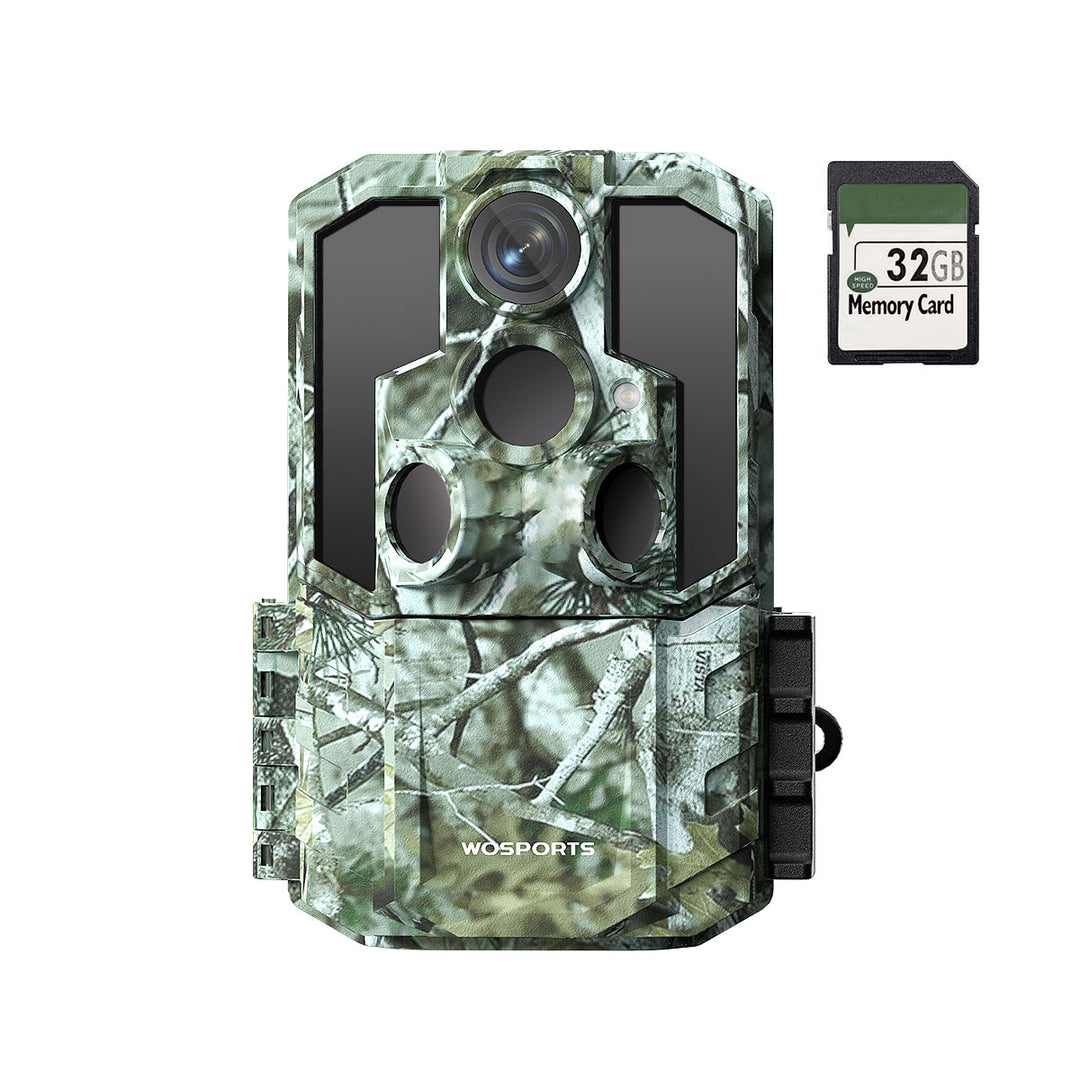
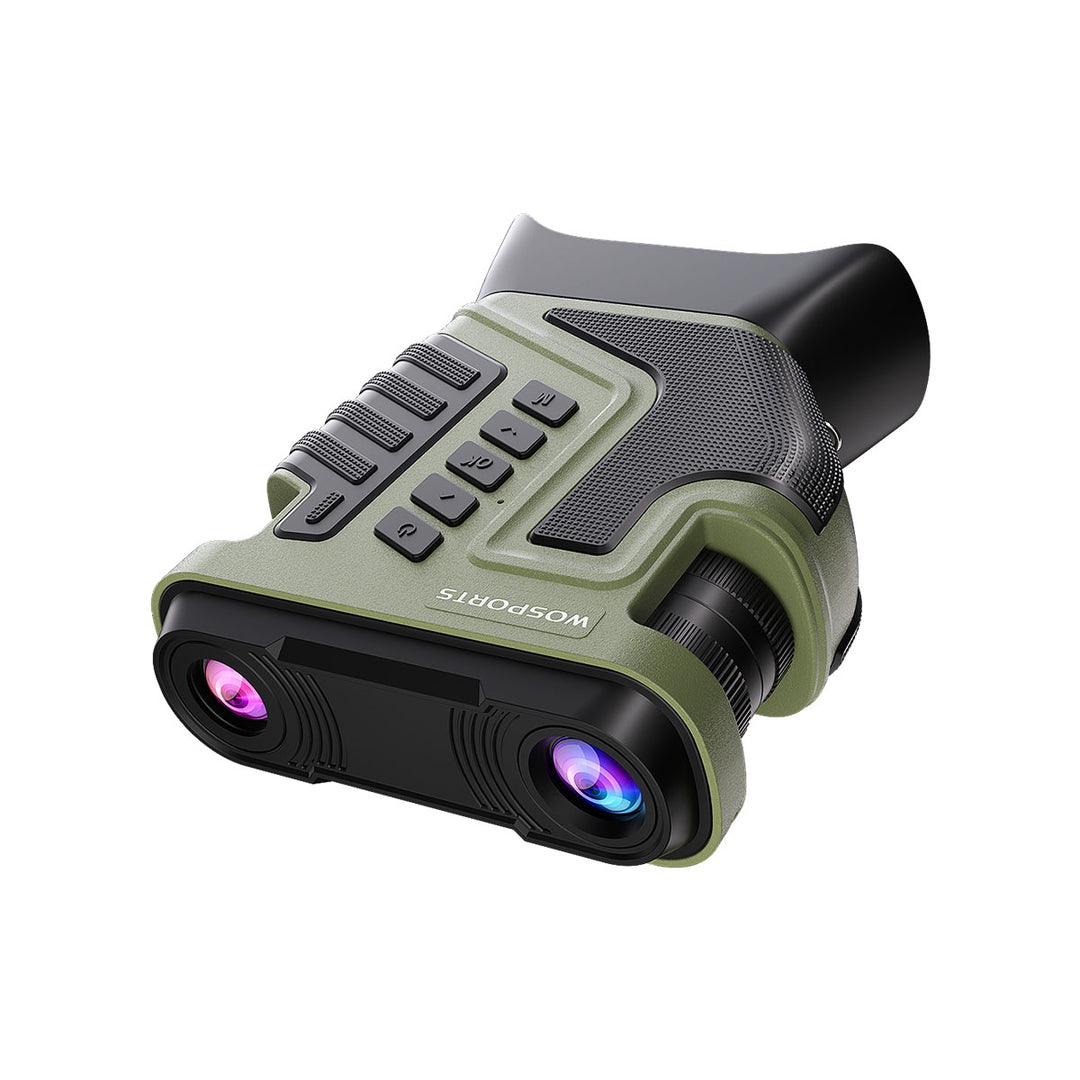
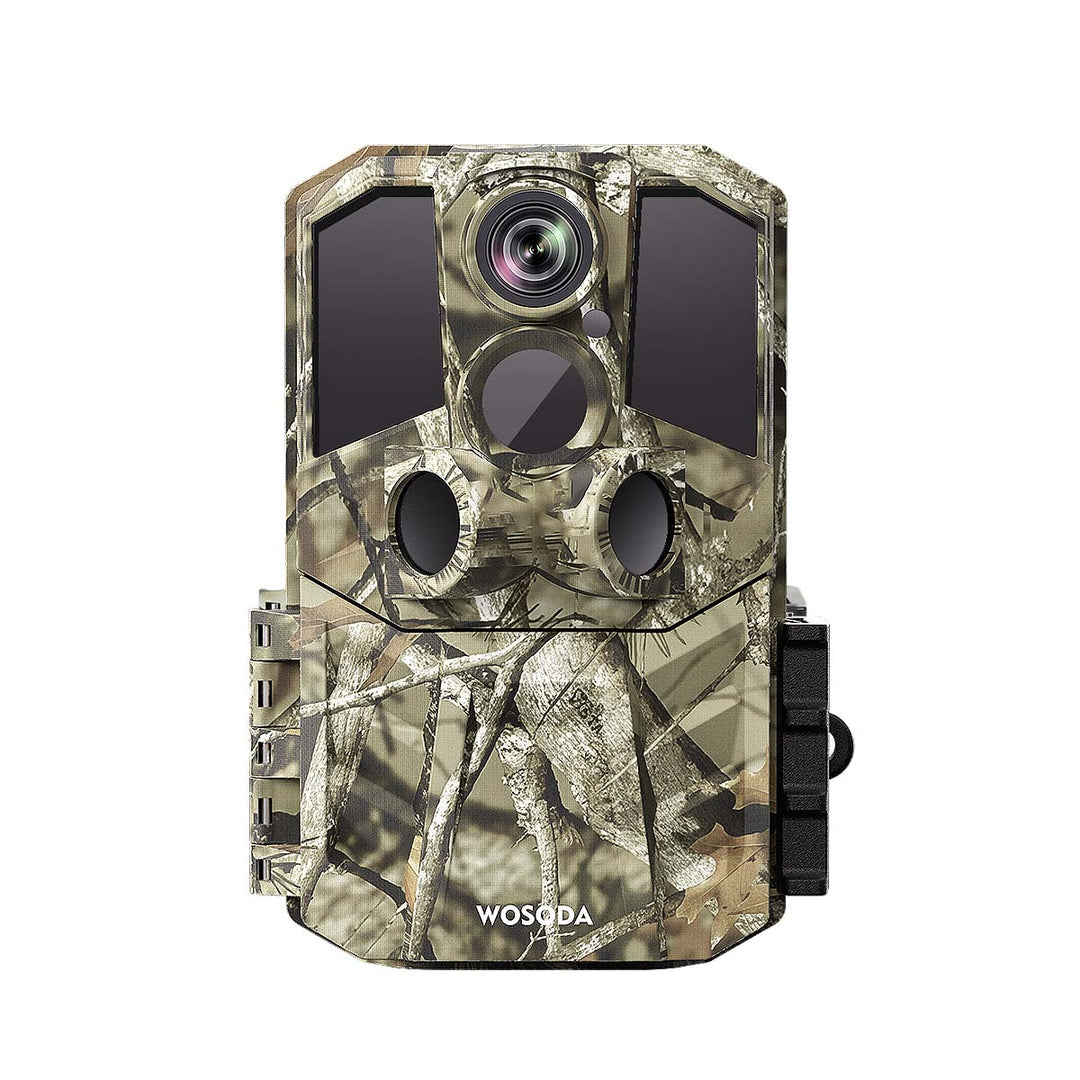
The WOSPORTS G600 is a useful example of why retailers should evaluate the complete product package rather than looking at the camera specification alone.
The G600 is a general-purpose trail camera with:
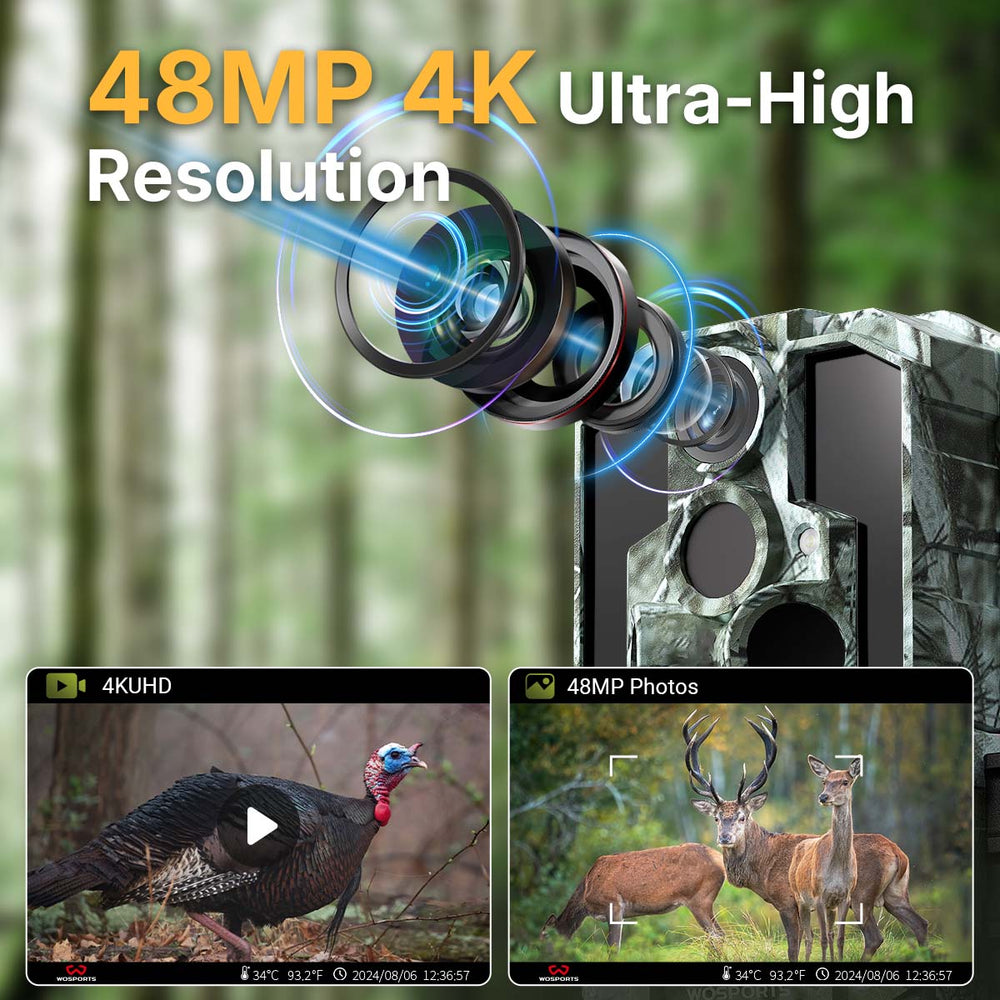
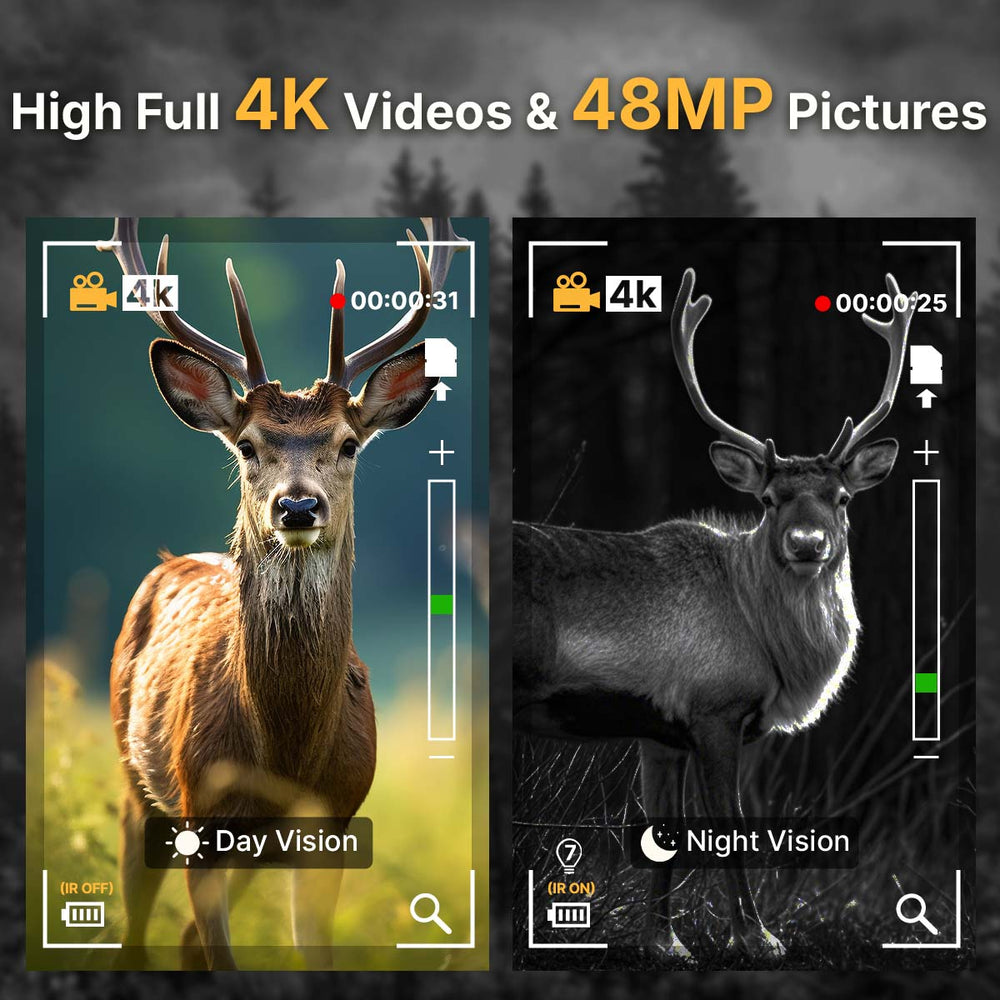
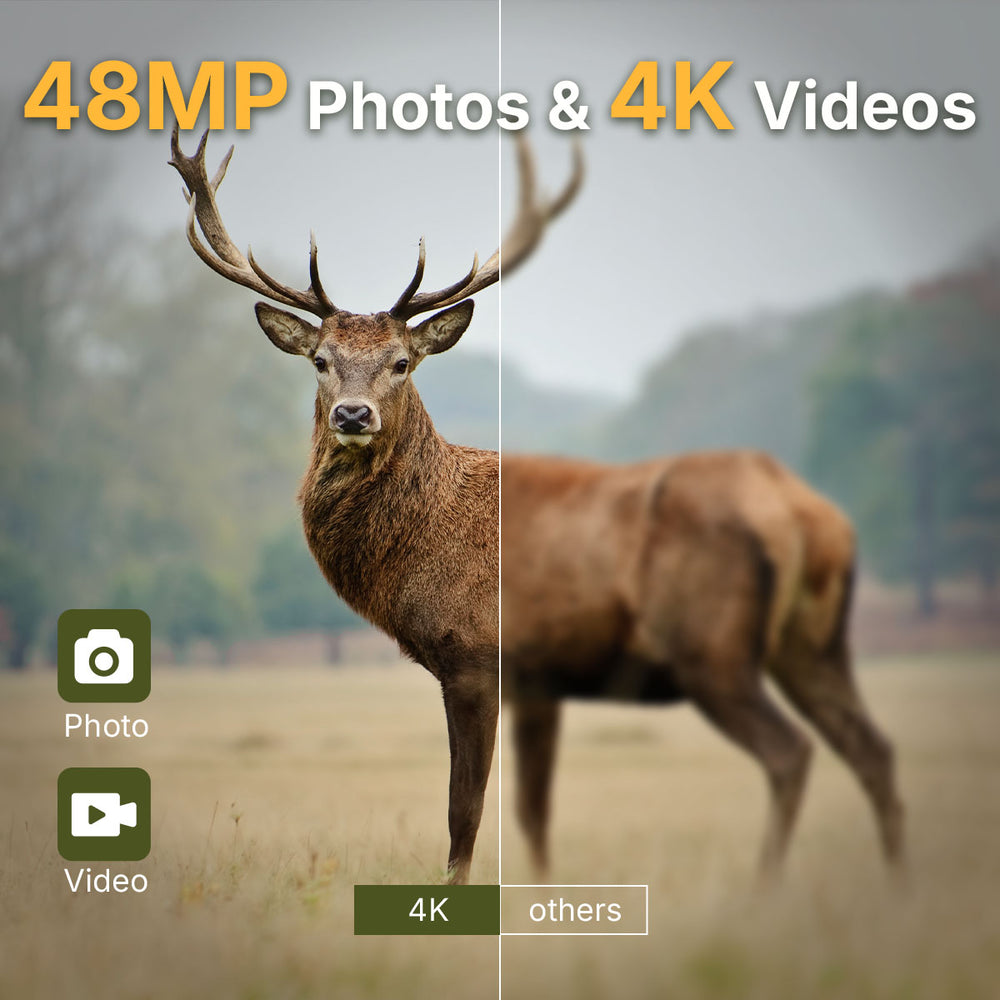
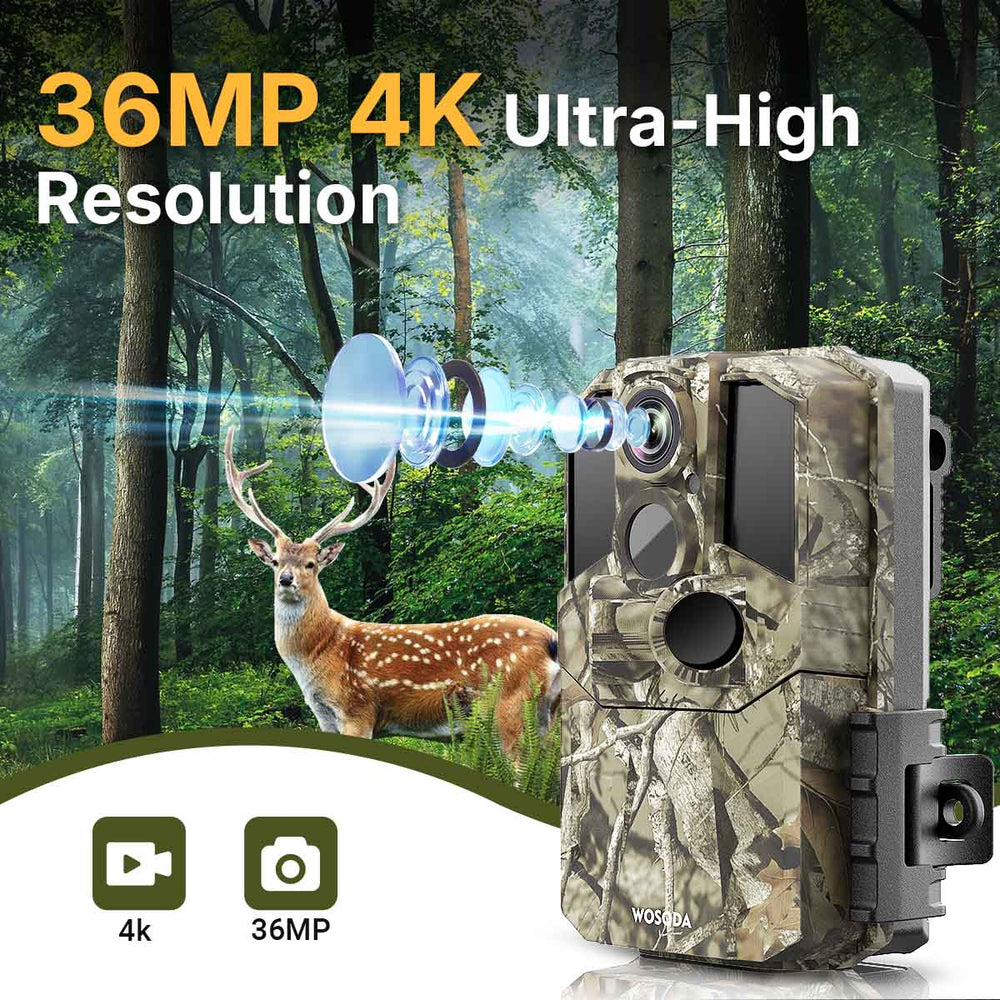
- 48MP photos
- 4K video
- 120° wide-angle coverage
- Up to 70-foot PIR detection
- Approximately 0.2-second trigger speed
- 2-inch TFT LCD screen
- IP66 weather resistance
- 8-AA battery power
Source: WOSPORTS G600 Trail Camera product information
For a retailer considering a bulk order, these specifications should be checked against the information shown on the retail packaging and included documentation.
The G600 also illustrates an important merchandising principle: a retail box can highlight a small group of recognizable benefits while the manual and product page provide the deeper technical information.
Should Retailers Compare Retail Packaging and Master Cartons Separately?
Yes. Retail packaging and master cartons serve different purposes and should be evaluated separately.
Retail packaging is primarily designed for:
- Customer recognition
- Product information
- Shelf presentation
- Product protection
- Retail handling
Master cartons are primarily designed for:
- Transportation
- Warehouse handling
- Inventory counting
- Stacking
- Freight efficiency
A strong bulk-order setup needs both.
For example, attractive retail packaging does not compensate for a master carton that is difficult to stack or too heavy for normal warehouse handling.
Likewise, a strong shipping carton does not solve the problem of unclear retail packaging.
How Does Packaging Affect Customer Expectations?
Packaging shapes customer expectations before the customer even turns on the trail camera.
A box that prominently emphasizes advanced specifications may lead customers to expect equally advanced functionality. If the camera does not support a feature the customer assumed was included, the result can be confusion or returns.
This is especially relevant for:
- Cellular connectivity
- Wi-Fi
- Bluetooth
- App control
- SD-card inclusion
- Battery inclusion
- Solar charging
- Remote viewing
Retailers should make sure the packaging clearly communicates what the trail camera does and does not include.
Clear packaging can therefore support better product positioning and reduce avoidable customer misunderstandings.
What Do Wildlife Experts Say About Choosing Trail Cameras?
Wildlife-camera guidance from university extension programs shows why product information should be connected to actual use conditions.
UC Agriculture and Natural Resources notes that wildlife cameras are used for applications ranging from short-term to long-term deployments and recommends considering both the intended use and site constraints before selecting equipment.
Source: UC Agriculture and Natural Resources – “Wildlife Cameras”
The same guidance highlights factors such as camera settings, deployment conditions, and the risk of camera damage.
For retailers, this reinforces an important packaging principle: the information on the box should help customers understand where and how the product is intended to be used.
A trail camera package should not simply say what the camera has. It should help the customer understand what those features mean in the field.
What Does the Outdoor Market Mean for Trail Camera Retailers?
The broader outdoor recreation market gives small retailers a substantial customer base for products connected with wildlife observation, hunting, and outdoor activity.
According to the U.S. Bureau of Economic Analysis, the U.S. outdoor recreation economy contributed $563.7 billion in value added in 2022, equal to 2.2% of U.S. GDP. Retail trade was the largest industry group within the outdoor recreation economy, contributing $153.6 billion in value added.
Source: U.S. Bureau of Economic Analysis – “Outdoor Recreation Satellite Account, U.S. and States, 2022”
The U.S. Fish & Wildlife Service's 2022 National Survey also reported that wildlife watchers spent $118.6 billion on equipment related to wildlife watching, including cameras, binoculars, clothing, and other equipment.
Source: U.S. Fish & Wildlife Service – “2022 National Survey of Fishing, Hunting, and Wildlife-Associated Recreation”
These figures do not measure trail camera sales specifically. However, they show why packaging and merchandising decisions matter in a broader outdoor retail category with substantial consumer spending.
What Should a Trail Camera Packaging Test Include?
A packaging test should evaluate the complete customer experience, from receiving the carton to taking the camera into the field.
Small retailers can use this checklist before placing a bulk order:
Product and Box
-
Correct model number
-
Clear product identity
-
Accurate key specifications
-
Accurate product images
-
No misleading feature claims
-
Retail box is clean and undamaged
Inside the Box
-
Camera is securely positioned
-
Lens and screen are protected
-
Accessories are complete
-
Manual is included
-
Package contents match the printed information
Logistics
-
Retail box dimensions confirmed
-
Unit weight confirmed
-
Master-carton dimensions confirmed
-
Units per carton confirmed
-
Carton weight confirmed
-
Packaging can be stacked and stored efficiently
Customer Experience
-
Setup information is easy to find
-
Battery requirements are clear
-
Storage requirements are clear
-
Connectivity limitations are clear
-
Warranty information is accessible
A 10-minute packaging inspection before a bulk order can prevent repeated problems across hundreds of units.
What Is the Best Way to Test Packaging Before a Bulk Order?
The most practical approach is to order a small quantity first and evaluate both the product and packaging under normal handling conditions.
A good test-order process is:
Step 1: Order a small quantity.
Step 2: Photograph the retail packaging when it arrives.
Step 3: Inspect the master carton and individual boxes.
Step 4: Open several units rather than only one.
Step 5: Compare printed specifications with the actual product.
Step 6: Check every accessory against the package contents.
Step 7: Measure retail and master-carton dimensions.
Step 8: Test the camera in the field.
Step 9: Ask whether the packaging would answer common customer questions.
Step 10: Record any changes needed before the bulk order.
This process gives a small retailer information that a supplier quotation alone cannot provide.
What Does a Real G600 Customer Example Show?
A published WOSPORTS customer review describes a buyer who purchased 20 G600 cameras to monitor deer traffic across their land and reported that the cameras had been running for months without issues.
Source: WOSPORTS – G600 customer feedback
This is a customer-reported experience, not an independently controlled performance study. Its value for retailers is mainly practical: it shows that a trail camera can be purchased and deployed as a multi-unit monitoring setup rather than only as a single-camera product.
For a retailer preparing a bulk order, that makes packaging consistency especially important. If customers are buying several cameras for one property, every box should contain the same product, accessories, instructions, and specifications.
FAQ: Trail Camera Retail Packaging and Bulk Orders
What should retailers check before buying trail cameras in bulk?
Retailers should check product specifications, packaging quality, package dimensions, accessories, labeling accuracy, master-carton configuration, warranty information, and shipping requirements before placing a bulk order.
Why should a retailer order samples before a bulk order?
A sample order allows the retailer to inspect the actual retail packaging, compare printed information with the physical product, test accessories, and evaluate how the package handles transportation before committing more inventory.
What information should be printed on trail camera packaging?
The packaging should clearly identify the product and communicate important specifications such as image and video capabilities, detection range, trigger speed, power requirements, storage requirements, connectivity, and major included accessories.
Should retail packaging show the wholesale price?
No. Retail packaging should generally focus on customer-facing product information rather than wholesale purchasing terms. Wholesale price, MOQ, carton configuration, and logistics information should be provided separately to the retailer.
What should a supplier provide for a trail camera bulk order?
A supplier should provide retail-box dimensions, master-carton dimensions, units per carton, gross weight, package contents, product specifications, manuals, warranty information, MOQ, pricing, lead time, and available packaging options.
Is the WOSPORTS G600 suitable for a small retailer's product lineup?
The G600 can serve as a general-purpose trail camera for retailers targeting customers interested in deer scouting, wildlife observation, food plots, trails, and outdoor property monitoring. Its 48MP photo capability, 4K video, 120° wide-angle coverage, 70-foot PIR detection, 0.2-second trigger speed, IP66 protection, and built-in LCD provide several straightforward features for retail merchandising.
Final Takeaway
Retailers should evaluate retail packaging before a bulk order because packaging affects more than shelf appearance. It influences product protection, customer expectations, storage, shipping, merchandising, and the consistency of the customer experience.
A practical evaluation framework is:
Accurate information → Secure protection → Efficient dimensions → Complete accessories → Clear customer expectations → Consistent bulk-order packaging
For a trail camera such as the WOSPORTS G600, the packaging should make its core specifications easy to understand while the full documentation provides the details needed for setup and use.
For small wholesalers, the best time to discover a packaging problem is before the bulk order—not after hundreds of boxes arrive at the warehouse.
Search
Popular Posts
Recent Posts


Nov 28, 2024
Troubleshooting Common Trail Camera Issues
Jan 10, 2025
Why Does My Trail Camera Stop Working at Night?