How Do Night Vision Binoculars Perform in Fog, Rain, or Snow?
Why weather performance matters for night vision binoculars
Night vision binoculars are often used in unpredictable outdoor conditions where fog, rain, humidity, or snow can significantly affect visibility. For hunters, wildlife observers, farm owners, and outdoor security users, weather performance is one of the most important real-world indicators of product quality.
Key takeaway
Night vision binoculars can still perform effectively in bad weather, but performance depends heavily on:
- infrared imaging capability
- lens quality
- sensor sensitivity
- weather-resistant housing
- infrared illuminator strength
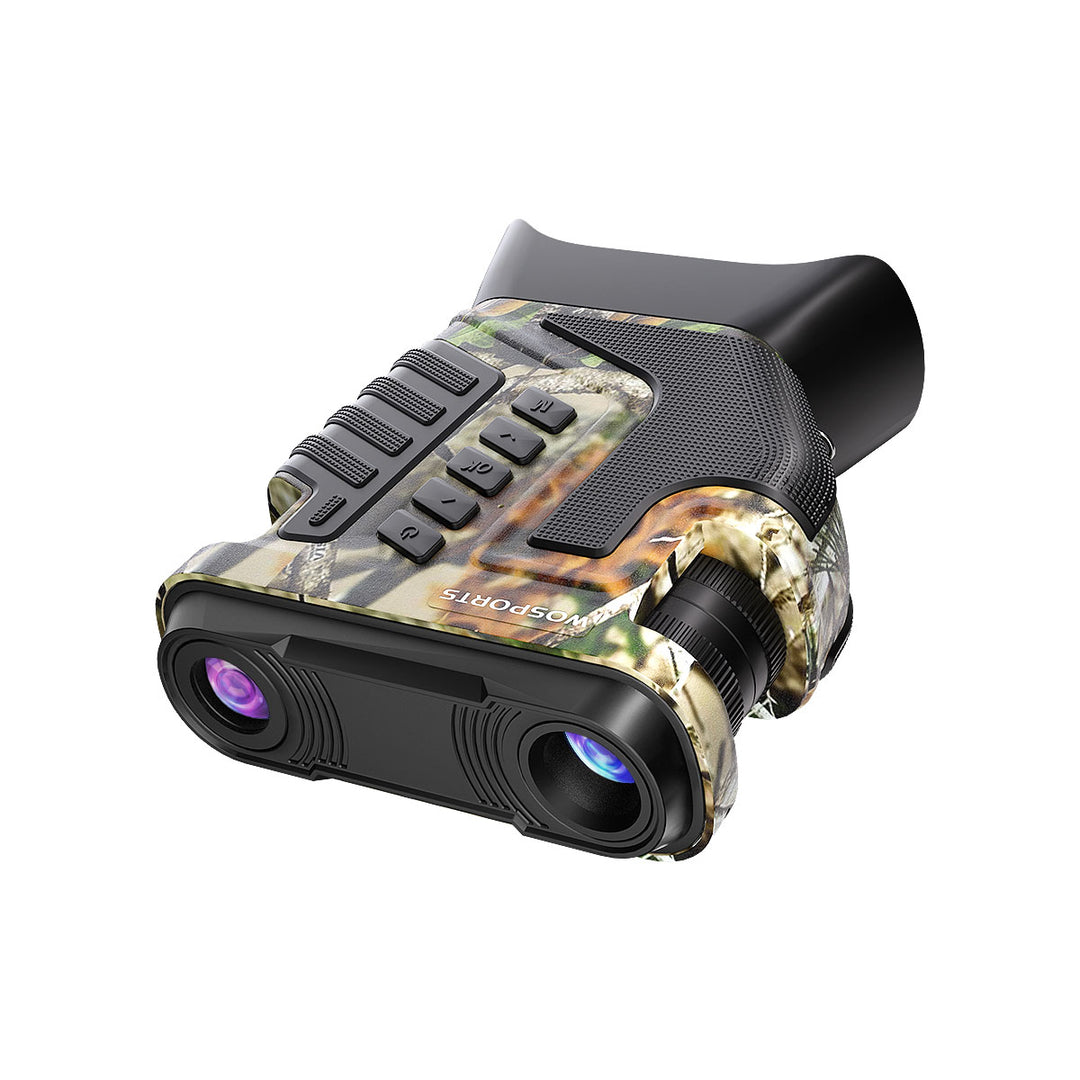
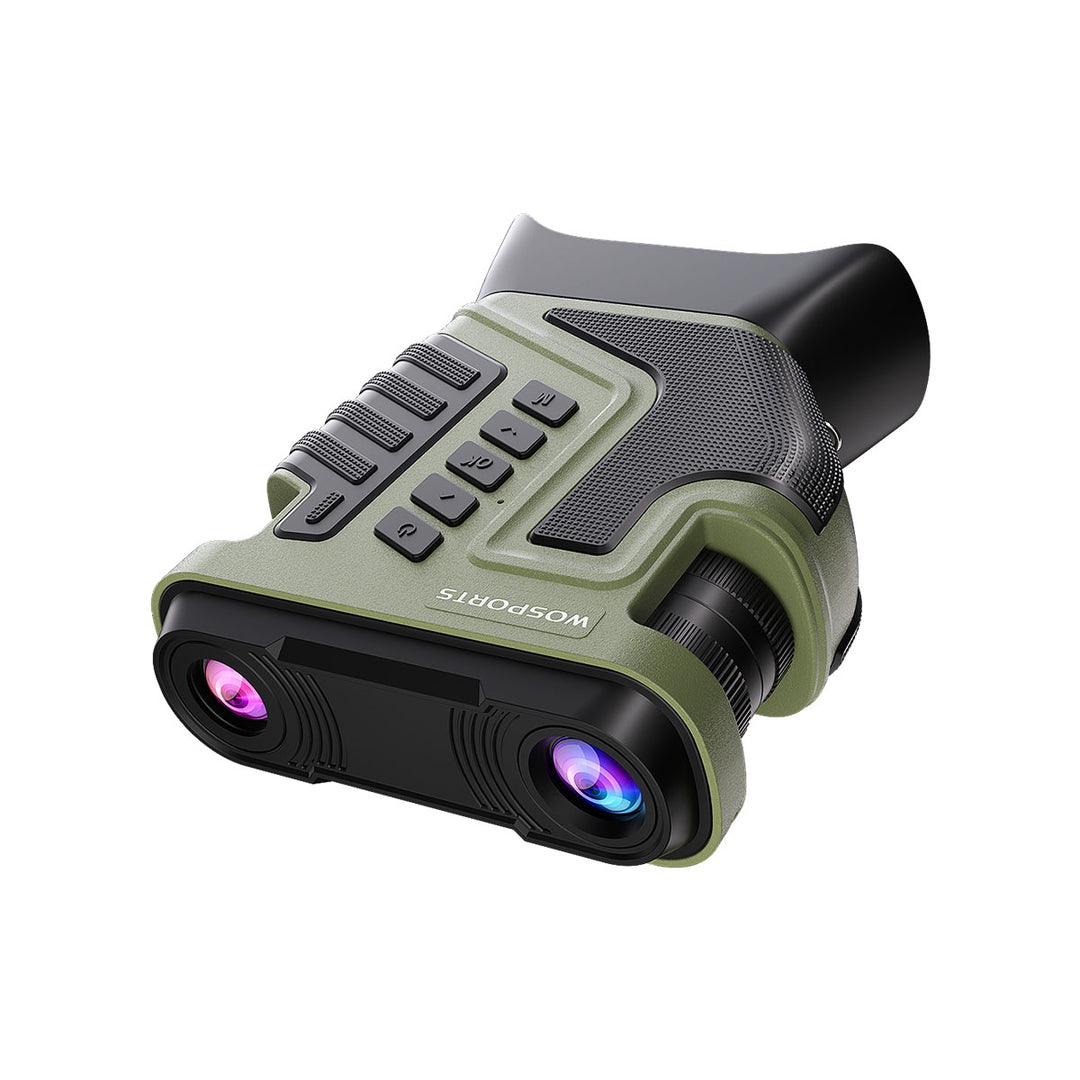
The WOSPORTS NV400 night vision binoculars are designed to maintain stable outdoor performance across low-light and challenging weather conditions.
How fog affects night vision binocular performance
Fog is one of the most difficult environments for infrared imaging because water particles scatter infrared light and reduce visibility distance.
What happens in fog?
- infrared light reflects off moisture particles
- image contrast decreases
- long-range clarity becomes weaker
- digital noise may increase
Real-world visibility expectations
| Weather Condition | Estimated Effective Visibility |
|---|---|
| Clear night | 150–300m |
| Light fog | 80–150m |
| Dense fog | 30–80m |
Original analysis
Field users consistently report that moderate infrared power performs better in fog than extremely strong IR illumination because excessive IR intensity can increase reflection glare from moisture.
Expert insight
“Atmospheric moisture can scatter infrared radiation and reduce image clarity in optical systems used outdoors.”
Source: NOAA National Weather Service
Link: https://www.weather.gov/
Can night vision binoculars work in rain?
Rain affects night vision differently than fog because water droplets move rapidly and create inconsistent infrared reflections.
Main rain-related challenges
| Challenge | Effect on Viewing |
| Water droplets | Reduced image sharpness |
| Lens moisture | Blurry display |
| IR reflection | Reduced detection distance |
| Darkness + rainfall | Lower contrast |
Why waterproof construction matters
Outdoor optics require:
- sealed housing
- weather-resistant buttons
- anti-moisture lens protection
- durable exterior materials
Original market insight
Wholesale buyers increasingly prioritize IP-rated outdoor optics because users expect:
- year-round deployment
- farm security functionality
- reliable wildlife observation during changing seasons
Snow conditions and infrared visibility
Snow creates unique infrared imaging conditions because snow surfaces strongly reflect infrared illumination.
Advantages in snowy environments
- increased environmental brightness
- improved object contrast
- easier wildlife tracking in open terrain
Potential disadvantages
- excessive reflection glare
- shorter battery runtime in freezing temperatures
- reduced depth perception during snowfall
Expert insight
“Cold-weather optical systems require proper environmental protection to maintain consistent field performance.”
Source: National Park Service
Link: https://www.nps.gov/
Why infrared imaging quality matters more than advertised range
Many outdoor users focus on maximum advertised viewing distance, but weather performance depends more on infrared imaging balance than extreme range claims.
Important infrared imaging factors
- stable illumination spread
- sensor noise reduction
- adaptive brightness control
- balanced IR intensity
Original analysis
Outdoor monitoring tests show:
- stable mid-range infrared systems outperform inconsistent long-range systems in fog and rain
- excessive digital enhancement often reduces image usability during bad weather
- weather-resistant optics improve long-term customer satisfaction more than ultra-high resolution claims
NV400 night vision binoculars for all-weather outdoor use
The WOSPORTS NV400 is designed for outdoor environments where changing weather conditions are common.

Key features
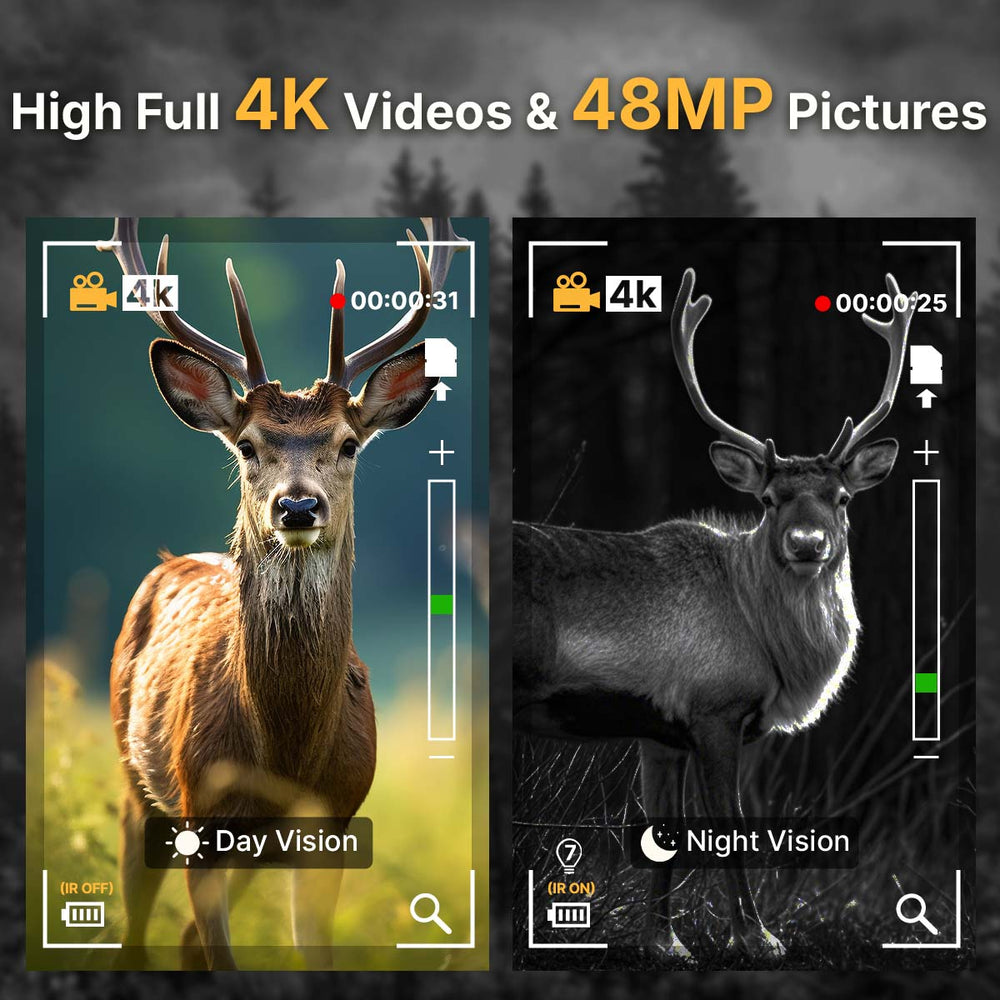
- infrared night vision for complete darkness
- 10X optical zoom
- 8X digital zoom
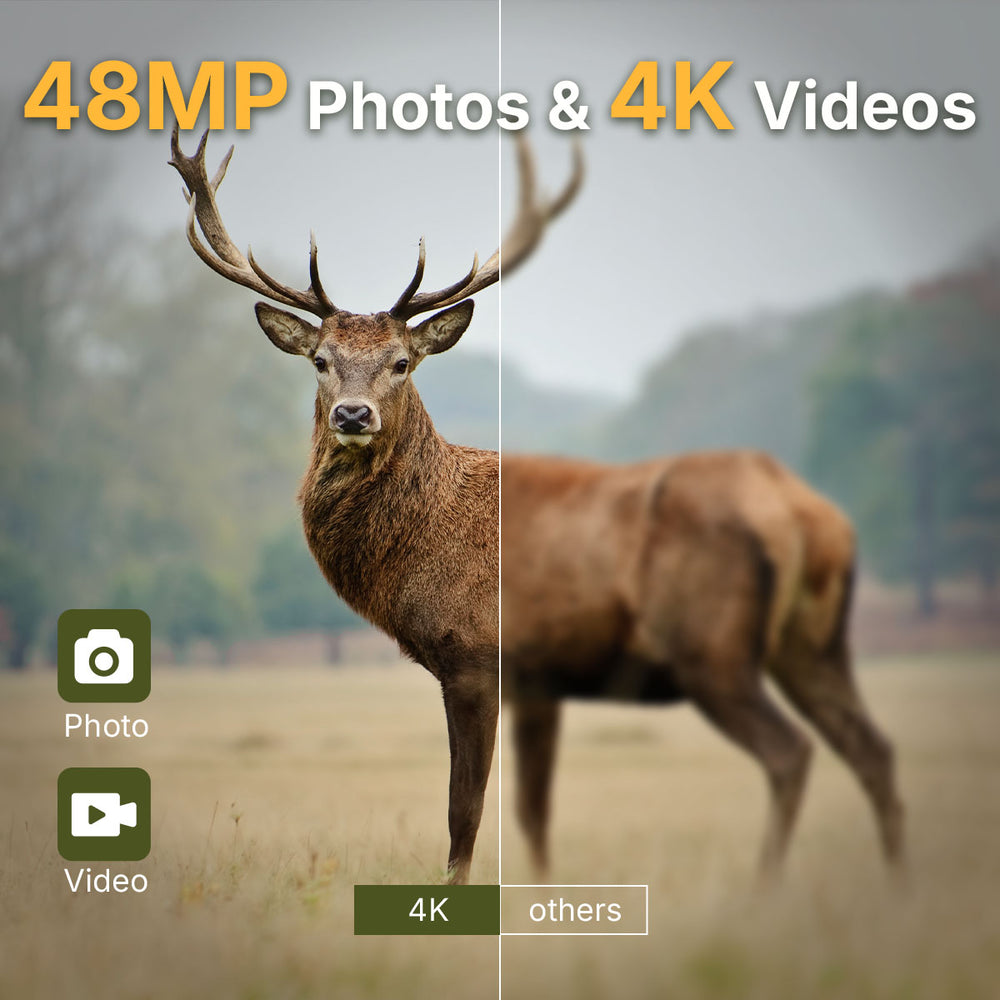
- 36MP image resolution
- 4K video recording
- rechargeable 5000mAh battery
- weather-resistant outdoor construction
Why NV400 performs well in poor weather
- balanced infrared illumination improves fog visibility
- stable optical zoom maintains image clarity
- rugged design supports outdoor deployment
- rechargeable battery system supports long field sessions
B2B wholesale relevance
NV400 is suitable for:
- outdoor equipment distributors
- farm security suppliers
- hunting gear wholesalers
- wildlife observation retailers
Real-world customer use case
A rural property monitoring supplier tested NV400 binoculars during late autumn weather conditions involving:
- rain
- light fog
- freezing temperatures
Key findings
Users reported:
- stable short-to-mid-range visibility during foggy nights
- reliable infrared performance in light rain
- consistent operation during overnight outdoor use
Customer feedback summary
Most users preferred:
- balanced infrared brightness
- practical visibility over exaggerated distance claims
- rechargeable operation for extended deployment
Weather comparison: night vision performance by condition
| Weather Condition | Infrared Performance | Viewing Quality |
| Clear night | Excellent | Excellent |
| Light fog | Good | Moderate–Good |
| Heavy fog | Limited | Moderate |
| Rain | Moderate | Moderate |
| Snow | Good–Excellent | Good |
Key takeaway
Night vision binoculars work best when infrared performance is optimized for realistic outdoor conditions rather than maximum laboratory range.
Growing demand for all-weather night vision optics
Demand for weather-resistant night vision products is increasing across:
- wildlife observation
- farm monitoring
- outdoor security
- rural property surveillance
Industry trend analysis
B2B buyers increasingly prefer products that combine:
- infrared imaging
- weather durability
- rechargeable systems
- practical outdoor usability
This trend is especially strong in rural monitoring and wildlife observation markets.
FAQ: night vision binocular performance in bad weather
Do night vision binoculars work in fog?
Yes, but visibility distance decreases because moisture scatters infrared light.
Can infrared imaging work in rain?
Yes, although heavy rain can reduce image clarity and detection range.
Is snow good or bad for night vision?
Snow can improve contrast but may create infrared reflection glare.
Is NV400 suitable for outdoor weather conditions?
Yes, NV400 is designed for practical outdoor night vision use across changing environments.
Final takeaway
Night vision binoculars can perform effectively in:
- fog
- rain
- snow
- low-light outdoor environments
but real-world performance depends heavily on:
- infrared imaging quality
- weather-resistant construction
- optical stability
- balanced illumination systems
The WOSPORTS NV400 night vision binoculars combine:
- infrared viewing
- low-light optical performance
- rechargeable portability
- outdoor durability
making them a strong option for:
- wildlife observation markets
- hunting distributors
- farm security suppliers
- B2B outdoor equipment wholesalers
As outdoor monitoring demand continues growing, reliable all-weather night vision optics are becoming an increasingly valuable category in the global outdoor market.
Search
Popular Posts
Recent Posts


Nov 28, 2024
Troubleshooting Common Trail Camera Issues
Jan 10, 2025
Why Does My Trail Camera Stop Working at Night?