See Deer at Night with Night Vision
🔍 Introduction
Deer are among the most active animals after sunset—but they’re also some of the hardest to observe.
In low light, they move quietly, blend into the environment, and disappear almost instantly.
👉 The good news? With the right night vision setup, you can not only spot deer—you can watch their behavior clearly in real time.
This guide shows you how.
🌙 Why Deer Are Easier to Spot at Night
Deer are naturally crepuscular and nocturnal, meaning they are most active:
- Early morning
- Late evening
- During the night
At night, they:
- Leave cover to feed
- Travel between bedding and feeding areas
- Move more freely with less human disturbance
👉 This makes nighttime the best opportunity to observe them naturally.
🔦 Why Night Vision Makes a Huge Difference
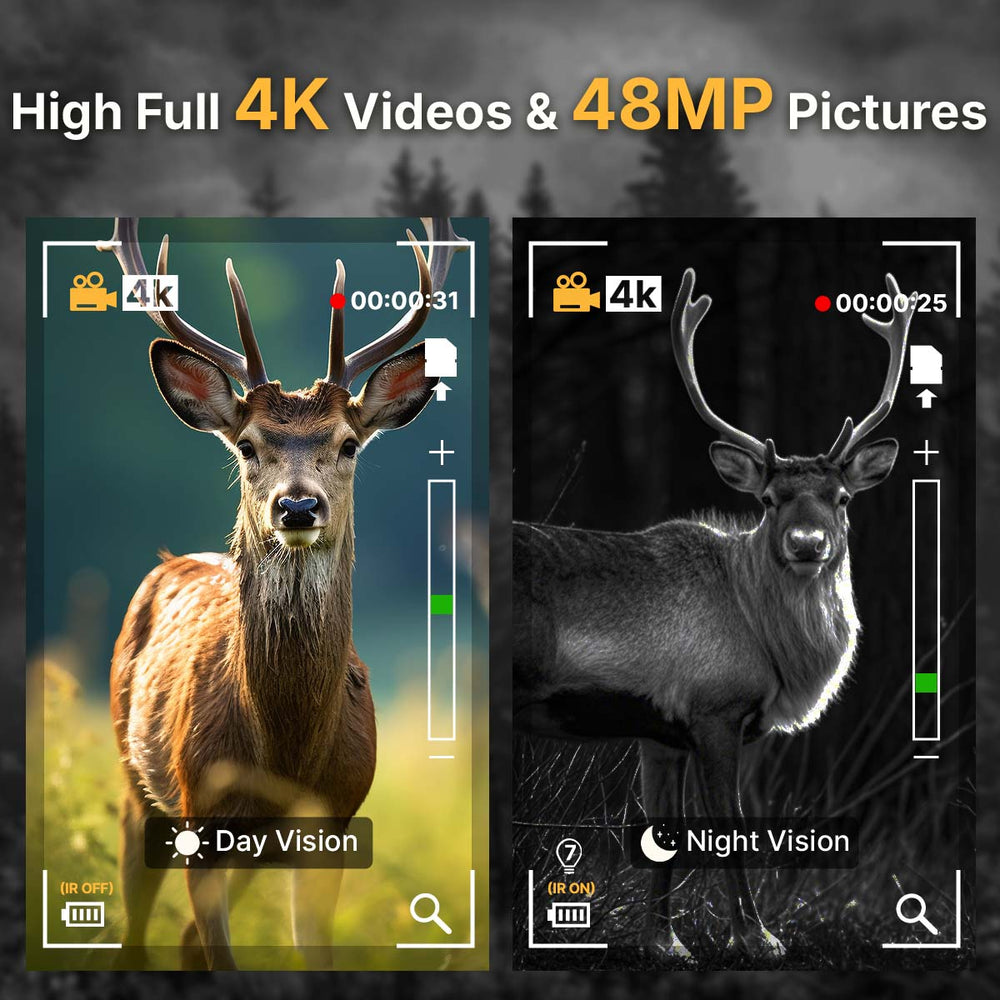
Without night vision, spotting deer in darkness is almost impossible.
With a night vision device, you can:
- Detect movement instantly
- Identify deer clearly (not just silhouettes)
- Watch behavior like feeding, walking, or interacting
- Observe without scaring them
👉 Infrared night vision lets you see without using visible light—so deer remain calm and natural.
📍 Best Places to Find Deer at Night
If you want consistent sightings, focus on these areas:
🌾 Fields & Farmland
Deer often come out to feed after dark
🌲 Forest Edges
Transition zones where deer move between cover and open space
💧 Water Sources
Streams, ponds, and lakes attract deer regularly
🛤️ Trails & Game Paths
Deer tend to follow the same routes every night
👉 Find food + water + cover = you’ll find deer.
🎯 Tips for Watching Deer at Night
1. Stay Downwind
Deer rely heavily on smell—stay out of their scent path
2. Move Slowly (or Not at All)
Even at night, sudden movement can alert them
3. Use Infrared, Not Flashlight
Visible light will scare deer immediately
4. Watch from a Distance
Don’t get too close—use zoom instead
5. Be Patient
Deer movement can be unpredictable
👀 What You’ll Actually See
With a good night vision device, you can observe:
- Feeding behavior
- Movement patterns
- Interactions between deer
- Antler details and body shape
👉 It’s not just spotting deer—it’s understanding how they behave.
⚠️ Common Mistakes to Avoid
❌ Using a flashlight
→ Instantly scares deer away
❌ Getting too close
→ You’ll lose the moment
❌ Moving too much
→ Deer notice even subtle motion
❌ Poor-quality gear
→ Blurry images = missed opportunities
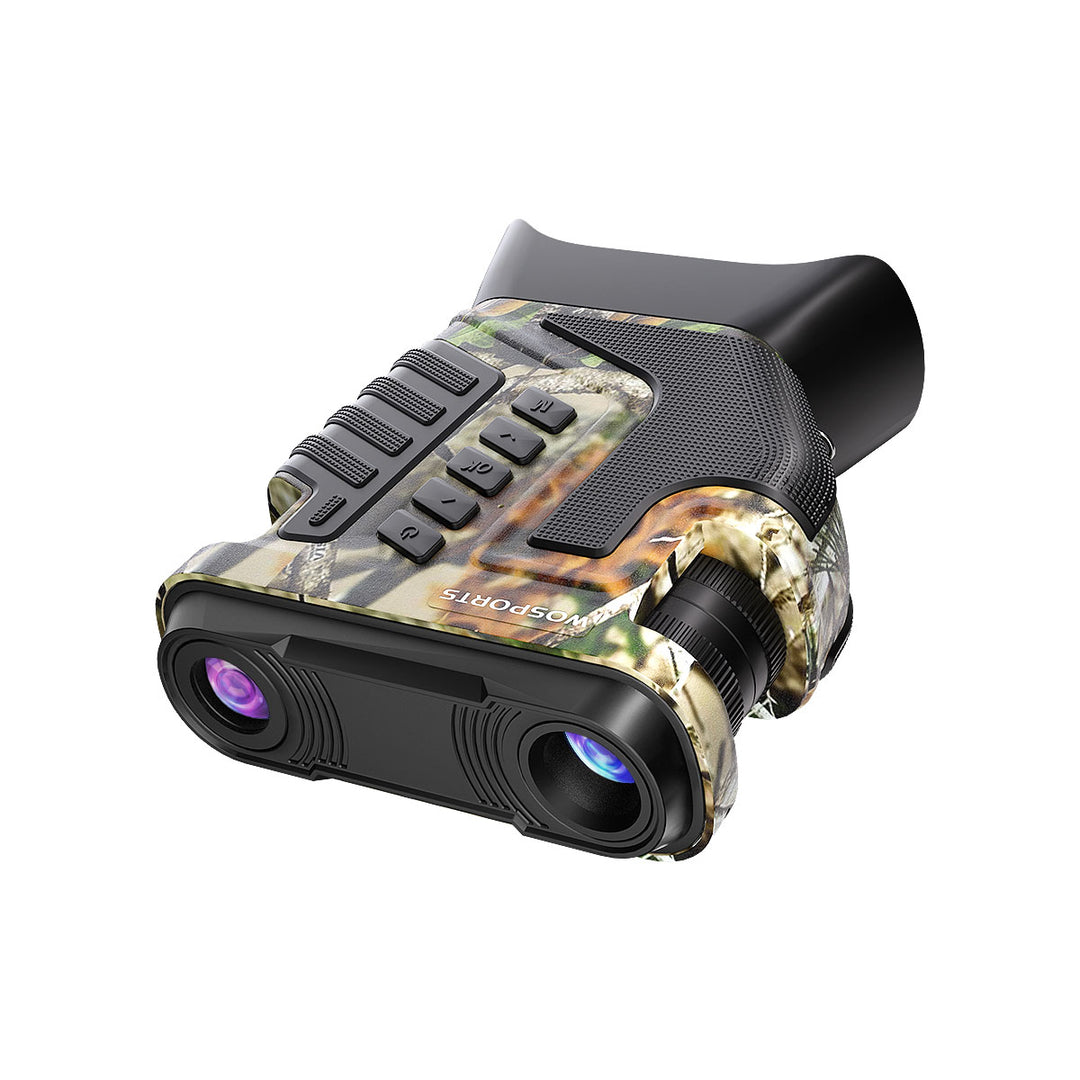
🛒 Choosing the Right Night Vision for Deer Watching
For observing deer, look for:
- Strong infrared illumination (IR)
- Long viewing distance
- Clear zoom capability
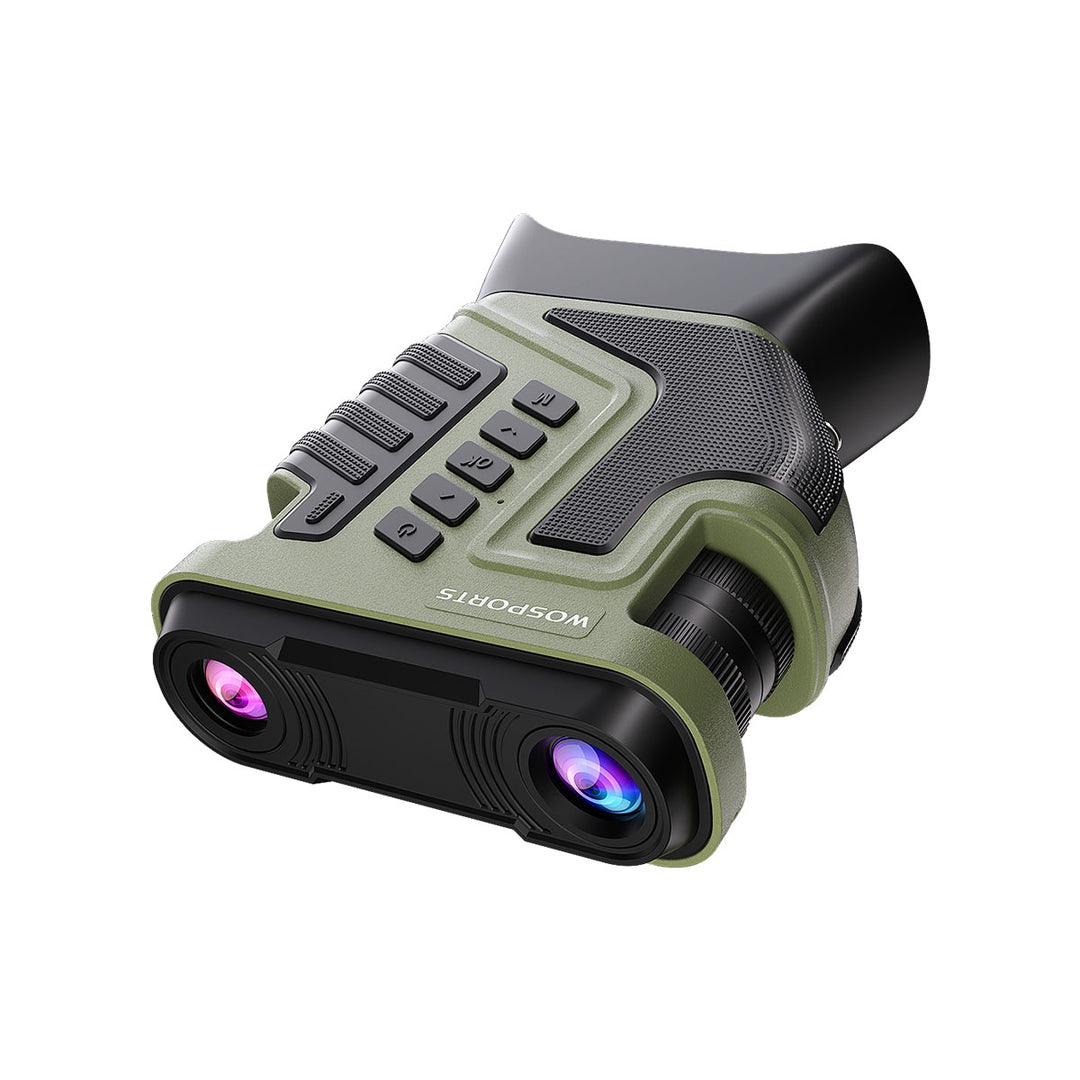
- Stable, comfortable viewing (binocular style)
👉 These features allow you to watch deer clearly without disturbing them.
🌌 Why It’s Worth It
Watching deer at night gives you access to a side of nature most people never see.
You’ll start to notice:
- Patterns in their movement
- How they interact in groups
- When and where they feel safest
👉 It turns a simple sighting into a real wildlife experience.
🔗 What to Read Next
- Night Wildlife Watching Guide
- How to Choose Night Vision
- Best Night Vision Devices 2026
Search
Popular Posts
Recent Posts


Nov 28, 2024
Troubleshooting Common Trail Camera Issues
Jan 10, 2025
Why Does My Trail Camera Stop Working at Night?