How Do Night Vision Binoculars Work in Complete Darkness?

What Technology Allows Night Vision Binoculars to See in Complete Darkness?

Night vision binoculars work by collecting available light and using infrared illumination to create a visible image. Even when human eyes cannot see clearly, digital sensors can capture invisible infrared wavelengths and convert them into a viewable display.

Modern infrared binoculars mainly rely on three technologies:

Technology Function Benefit for Users
Digital image sensor Captures available light and infrared signals Produces visible images in darkness
Infrared illuminator Provides invisible IR light Enables viewing without external lighting
Image processing system Enhances captured signals Improves clarity and contrast

Traditional optical binoculars require enough ambient light from sources such as the moon or surrounding environment. However, digital night vision devices can actively provide infrared illumination, allowing users to continue observing when natural light disappears.

For applications such as wildlife observation, farm monitoring, and outdoor security, infrared capability is often the most important factor because it directly affects nighttime visibility.

Industry insight:
Outdoor observation is increasingly moving from daytime-only viewing toward 24-hour monitoring. Wildlife researchers, property owners, and outdoor enthusiasts are adopting digital night vision equipment because it provides flexible observation without requiring permanent lighting systems.

How Do Infrared Binoculars Create Images at Night?

Infrared binoculars do not actually “see” darkness like human eyes. Instead, they use invisible infrared light and a digital camera sensor to generate an image that users can view on a screen.

The process works in four steps:

  1. Infrared emission

    The built-in infrared illuminator sends out invisible infrared light toward the viewing area.

  2. Light reflection

    Objects such as animals, trees, or buildings reflect infrared light back toward the device.

  3. Sensor capture

    The digital sensor detects the reflected infrared signals.

  4. Image processing

    The device converts the signals into a visible image displayed through the electronic viewfinder or screen.

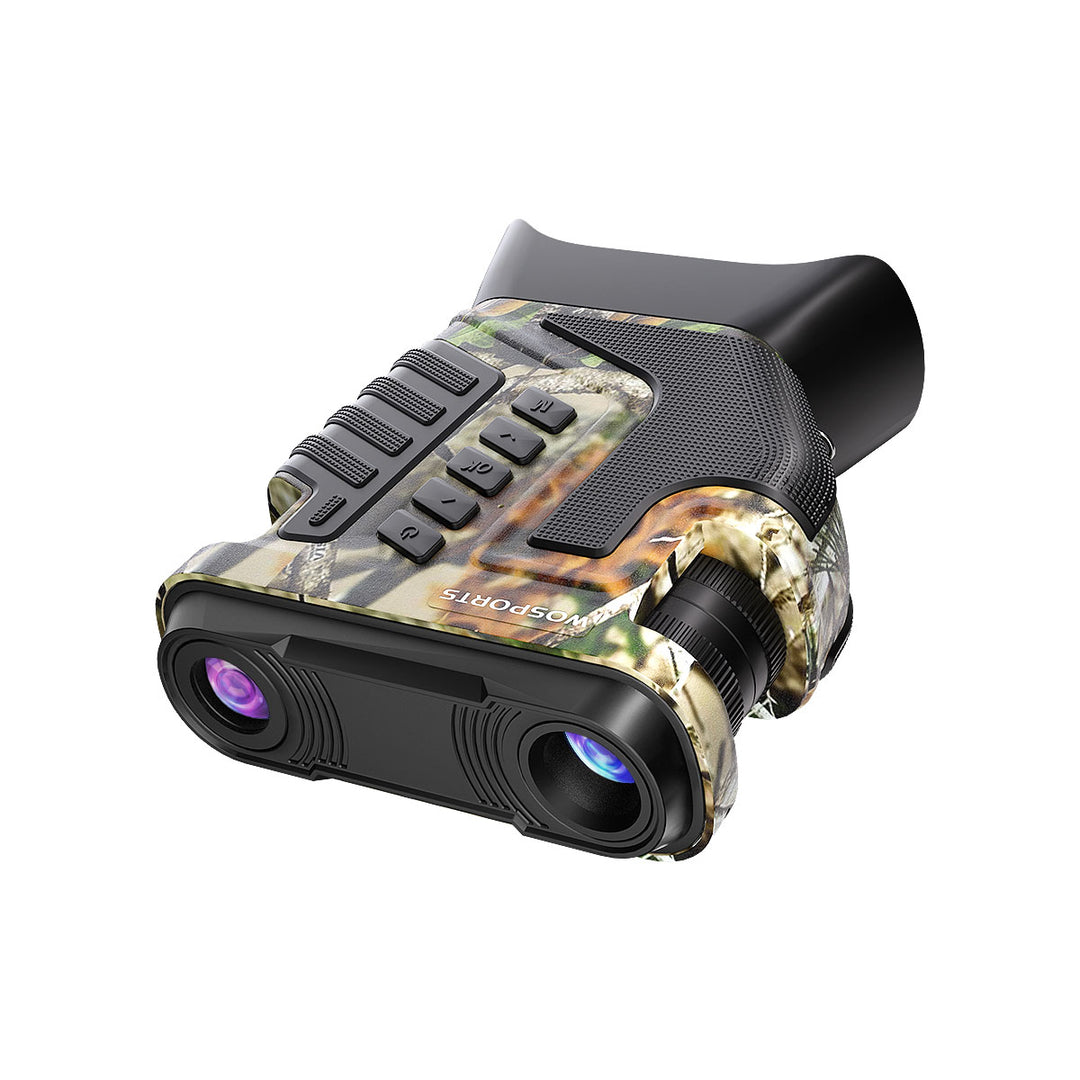
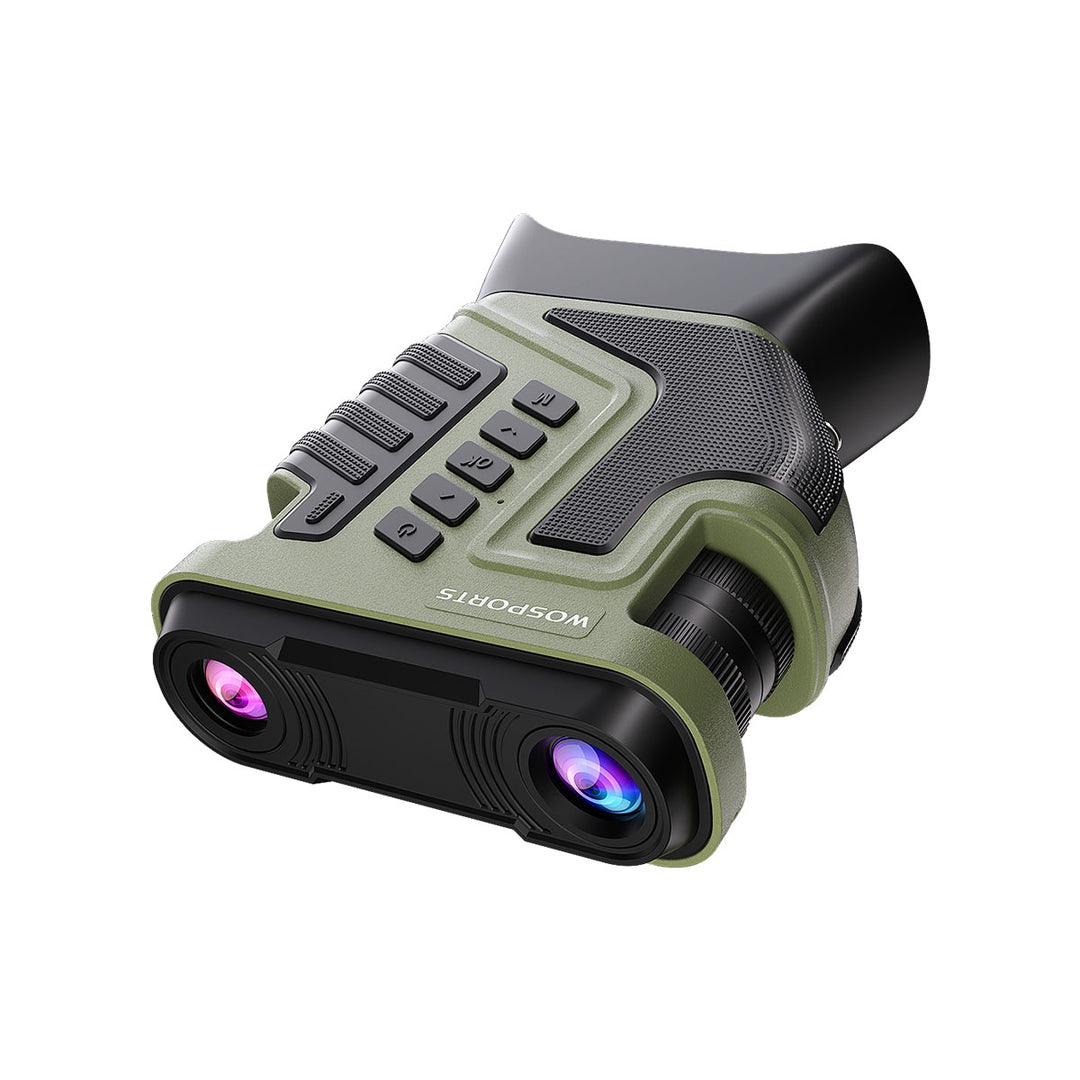
The WOSPORTS NV400 Night Vision Binoculars use infrared imaging technology to improve visibility during nighttime observation. This makes them suitable for customers who need reliable performance in environments where traditional optics are ineffective.

Why Is Infrared Technology Important for Low Light Viewing?

Infrared technology is the core feature that determines how effectively night vision binoculars perform in complete darkness. A stronger infrared system can improve detection distance, image brightness, and overall viewing experience.

For buyers evaluating infrared binoculars, important specifications include:

Specification Why It Matters
Infrared wavelength Determines compatibility with the sensor
IR illumination distance Influences how far users can observe
Sensor resolution Affects image detail
Display quality Impacts viewing comfort
Battery capacity Determines outdoor usage time

For example, wildlife observers often need to identify whether they are seeing a deer, bird, or other animal rather than simply detecting movement. Clear infrared performance helps users recognize details in challenging conditions.

According to the U.S. Fish & Wildlife Service, wildlife observation methods often require minimizing disturbance while collecting accurate information about animal behavior.

Source:
U.S. Fish & Wildlife Service – Wildlife Conservation and Research
https://www.fws.gov/program/wildlife-conservation

Can Digital Night Vision Work Without Any Natural Light?

Yes, digital night vision binoculars with infrared illumination can work even when natural light is extremely limited. However, performance depends on factors such as infrared power, sensor quality, weather conditions, and viewing distance.

Complete darkness scenarios include:

  • Moonless nights
  • Dense forests
  • Indoor abandoned structures
  • Remote rural areas
  • Covered outdoor locations

A comparison of viewing methods:

Device Type Complete Darkness Performance Typical Usage
Standard binoculars Poor Daytime observation
Low-light optical devices Limited Dawn and dusk viewing
Infrared binoculars Strong with IR assistance Night wildlife and outdoor monitoring
Thermal devices Detects heat differences Specialized detection

For most outdoor consumers and small retailers, digital infrared binoculars provide a practical balance between price, versatility, and performance.

How Does NV400 Support Nighttime Outdoor Observation?

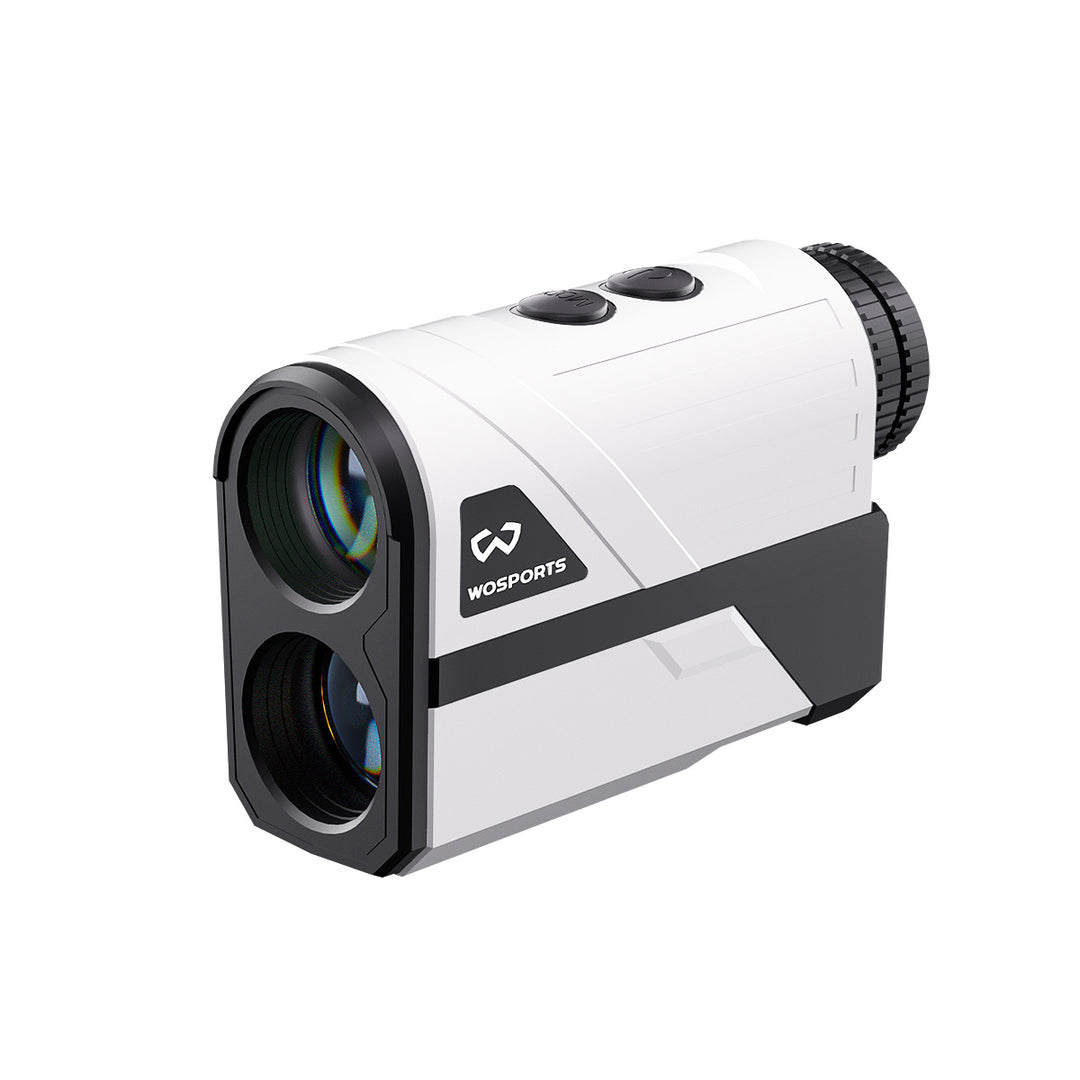
The WOSPORTS NV400 Night Vision Binoculars are designed for users who need a portable solution for nighttime viewing. By combining digital night vision technology with infrared illumination, NV400 helps users observe and record outdoor scenes after sunset.

Key features include:

  • 10X optical zoom for extended viewing distance
  • Infrared night vision for dark environments
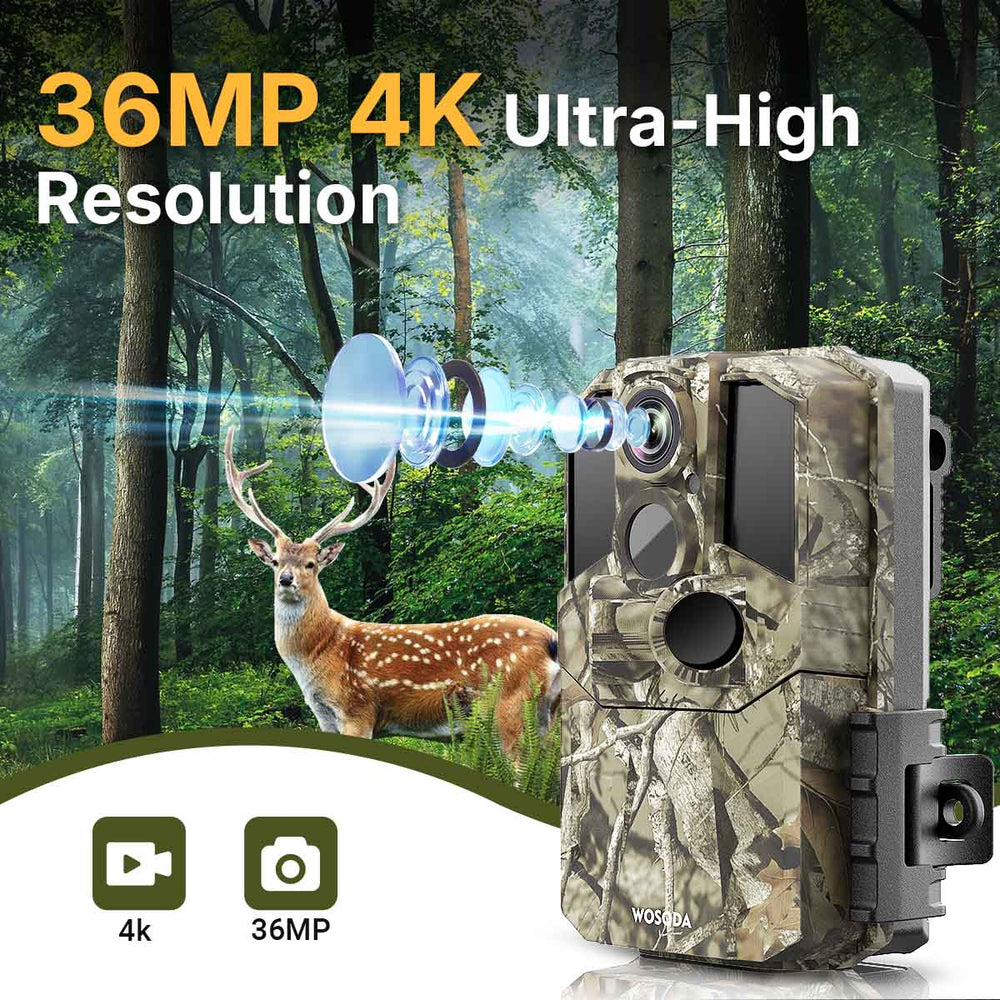
  • 4K video recording capability
  • 36MP photo capture
  • Portable handheld design
  • Suitable for wildlife observation, camping, and outdoor monitoring

For B2B buyers, products with multiple applications can provide broader retail opportunities. A single night vision product can appeal to:

  • Hunters
  • Wildlife enthusiasts
  • Bird watchers
  • Campers
  • Farm owners
  • Outdoor security users

What Real-World Applications Benefit From Infrared Binoculars?

Infrared binoculars are used across many outdoor scenarios because they extend observation beyond daylight hours.

Common applications include:

Wildlife Observation

Night-active animals are often difficult to observe using traditional equipment. Infrared binoculars allow users to monitor animal behavior without bright lights that may disturb wildlife.

Farm and Property Monitoring

Farm owners can use night vision equipment to check:

  • Animal activity
  • Property boundaries
  • Remote areas
  • Nighttime movement

Outdoor Recreation

Camping and hiking enthusiasts use digital night vision devices for exploration, navigation, and nighttime viewing.

The National Park Service highlights that wildlife activity varies throughout the day and night, making observation methods that support different time periods valuable for understanding animal behavior.

Source:
National Park Service – Wildlife Research and Science
https://www.nps.gov/subjects/science/wildlife.htm

FAQ: Choosing Infrared Binoculars for Night Viewing

Do infrared binoculars work in total darkness?

Yes. Models with infrared illumination can produce visible images even without natural light.

Are infrared binoculars better than traditional binoculars at night?

Yes. Traditional binoculars rely on available light, while infrared binoculars actively use invisible IR illumination.

What should wholesale buyers look for in night vision technology?

Important factors include:

  • Infrared range
  • Image resolution
  • Battery life
  • Recording capability
  • Product durability

Are digital night vision binoculars suitable for retail distribution?

Yes. Their applications across hunting, wildlife observation, outdoor recreation, and property monitoring create multiple customer segments.

Conclusion: Why Infrared Binoculars Are Essential for Modern Night Observation

Night vision binoculars work in complete darkness by combining infrared illumination, digital sensors, and image processing technology. Among different solutions, infrared binoculars provide an accessible option for users who need reliable low light viewing without complex equipment.

For outdoor retailers and small wholesale buyers, products like the WOSPORTS NV400 Night Vision Binoculars offer a practical combination of technology, portability, and multi-scenario usability. As demand for nighttime observation continues to expand, infrared night vision technology provides new opportunities for outdoor equipment businesses.