How Far Can a Trail Camera See at Night? Understanding Trail Camera Night Vision
If you are planning to use a trail camera for deer hunting or wildlife watching, one question is likely to come up:
How far can a trail camera see at night?
Nighttime wildlife activity can be just as interesting as what happens during the day. Deer may move through a trail after sunset, raccoons may explore your property in the middle of the night, and other nocturnal animals can appear when the area is completely dark.
A trail camera with reliable nighttime monitoring can help you capture these moments automatically.
But how far can a trail camera actually see after dark?
The answer depends on several factors, including the camera's night vision system, available light, weather, animal distance, and the environment where the camera is installed.
In this guide, we'll explain how trail camera night vision works, what affects nighttime image quality, and what to look for when choosing a wildlife camera for nighttime monitoring.
How Does Trail Camera Night Vision Work?
Trail cameras use specialized technology to capture images when there isn't enough natural light for normal daytime photography.
When an animal enters the detection area at night, the camera detects movement and captures an image or video using its nighttime imaging system.
Depending on the camera, nighttime performance can be affected by:
- Infrared illumination
- Ambient light
- Camera sensor quality
- Distance from the animal
- Weather conditions
- Vegetation and obstacles
This means that "night vision range" is not simply one number that applies to every situation.
How Far Can a Trail Camera See at Night?
There is no universal nighttime viewing distance for all trail cameras.
A camera may capture an animal at a considerable distance, but the quality and level of visible detail can decrease as the animal moves farther away.
For the best results, think about two different concepts:
Detection Distance
This refers to how far away the camera can detect movement.
Useful Image Distance
This refers to how far away an animal can be while still appearing clearly enough in the captured image or video for your intended purpose.
These two distances are not necessarily the same.
A camera might detect movement at a distance but produce less detailed footage when the animal is farther away.
What Affects Nighttime Trail Camera Performance?
Several environmental and technical factors can influence what your camera captures at night.
1. Available Light
Natural light can vary significantly depending on the environment.
For example, a clear night with moonlight may provide different conditions from a completely dark night in a dense forest.
Cloud cover, tree coverage, and surrounding terrain can all affect available light.
A good trail camera should be able to adapt to changing lighting conditions.
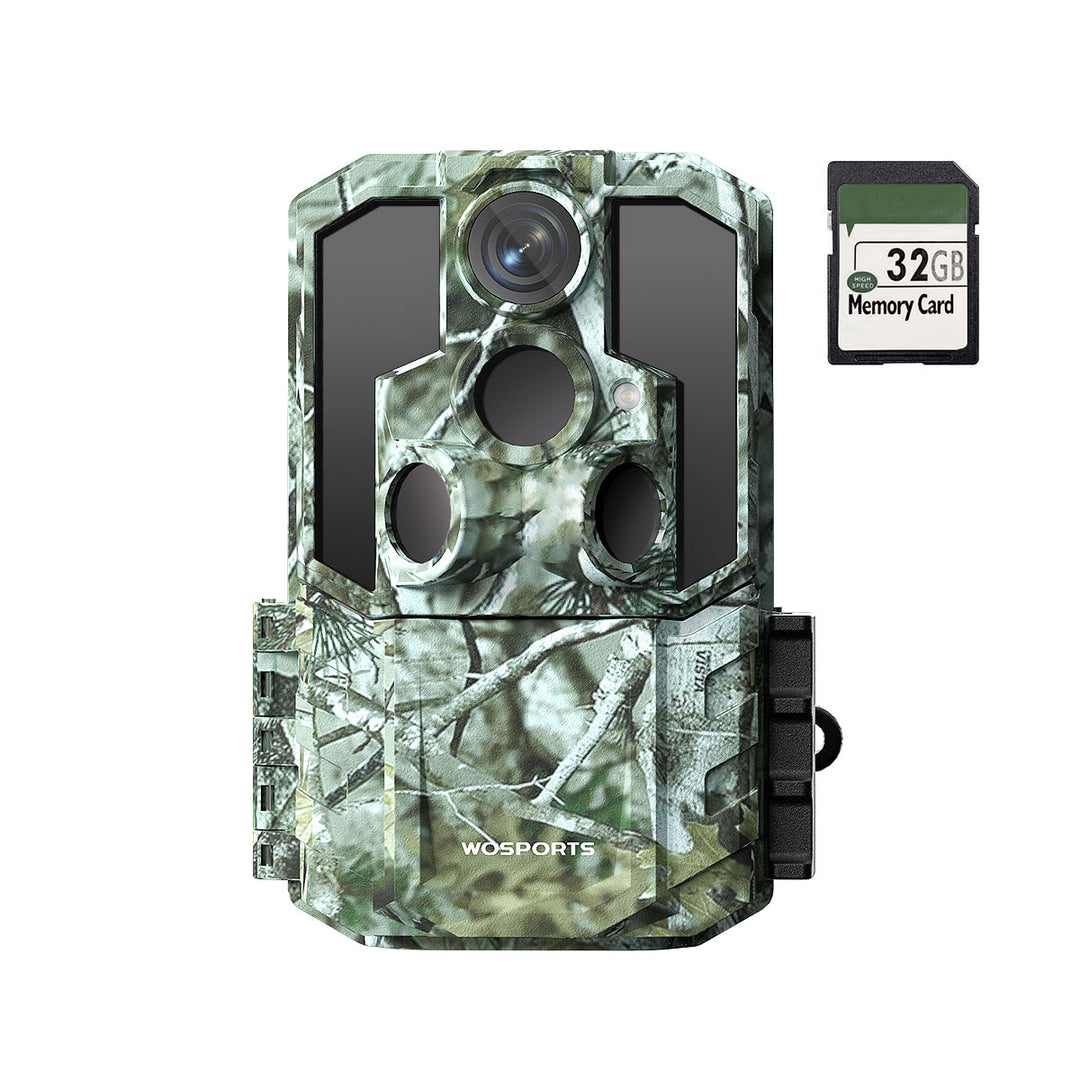
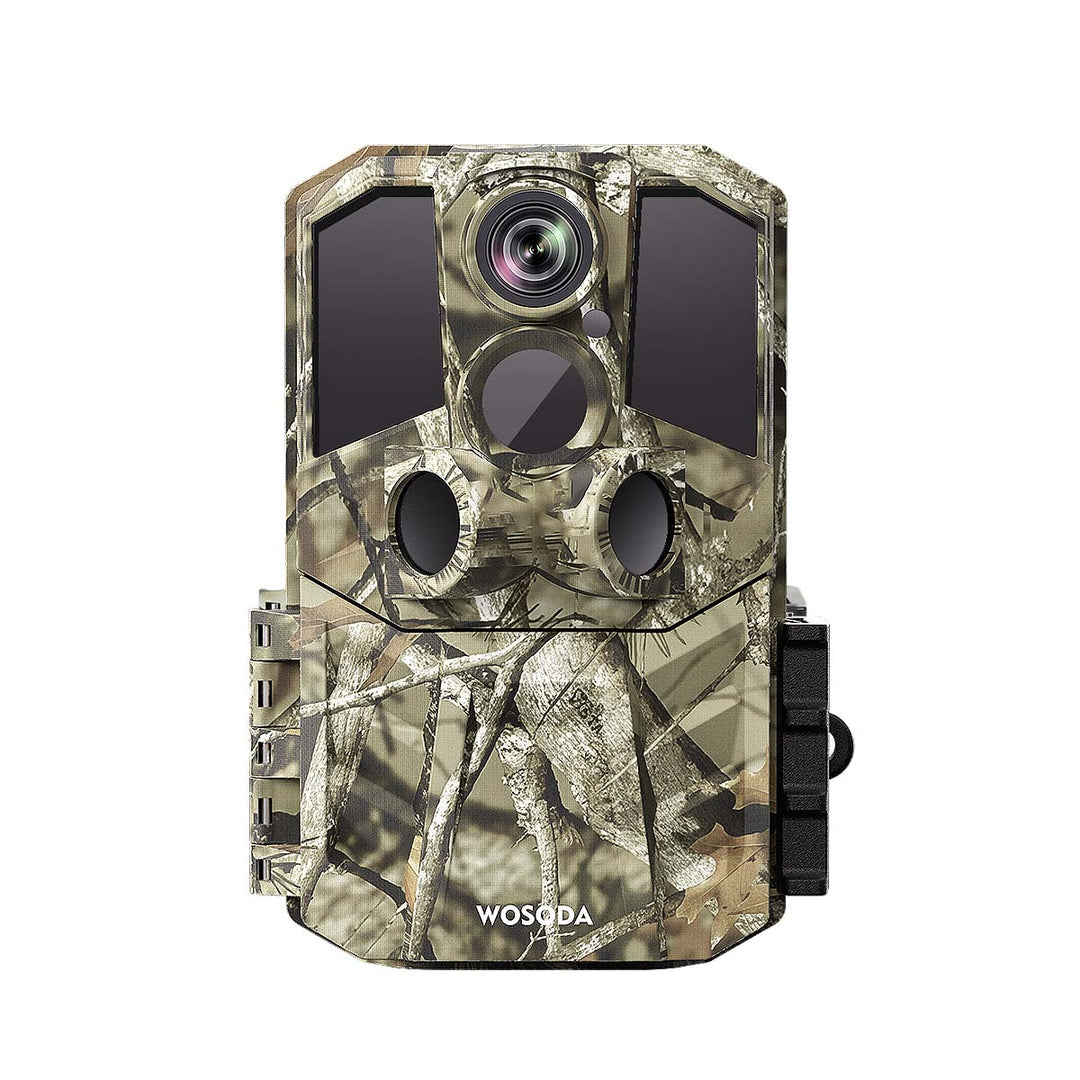
The WOSPORTS G600 provides automatic day/night monitoring, allowing the camera to switch between daytime and nighttime operation as lighting conditions change.
2. Distance From the Animal
Distance is one of the most important factors in nighttime image quality.
An animal that is relatively close to the camera may appear much clearer than an animal far away.
When installing your camera, consider placing it near natural wildlife activity rather than simply pointing it toward a large open area.
Good locations include:
- Deer trails
- Food sources
- Water sources
- Forest edges
- Natural travel routes
Getting the camera closer to where animals naturally move can produce more useful footage.
3. Vegetation and Obstacles
Trees, grass, branches, and other objects can interfere with nighttime monitoring.
For example, a branch close to the camera may:
- Block part of the image
- Trigger unnecessary captures
- Make nighttime footage harder to review
Before leaving your trail camera, check the area directly in front of the lens.
Clear unnecessary vegetation while keeping the environment as natural as possible.
4. Weather Conditions
Weather can also affect nighttime visibility.
Rain, fog, dust, and moisture may reduce image clarity.
That is why outdoor durability is important.
The WOSPORTS G600 features IP66 waterproof protection, helping it withstand outdoor conditions and making it suitable for locations such as forests, hunting properties, farms, and backyards.
5. Camera Position
The angle of your trail camera can make a significant difference.
A camera pointed too far downward may limit the viewing area.
A camera pointed too high may capture too much background and make animals appear smaller in the frame.
For deer monitoring, position the camera so the animal's normal travel path crosses the detection area.
This creates a better opportunity to capture the animal at a useful distance and angle.
Why Nighttime Image Quality Matters for Deer Hunting
Many hunters use trail cameras to understand deer movement before and during hunting season.
Nighttime footage can reveal:
- When deer enter an area
- How frequently they travel through a location
- Which routes they use
- Whether animals are primarily active during daylight or darkness
This information can help hunters better understand their property.
A high-quality trail camera doesn't just tell you that an animal was there.
It can help you understand what happened.
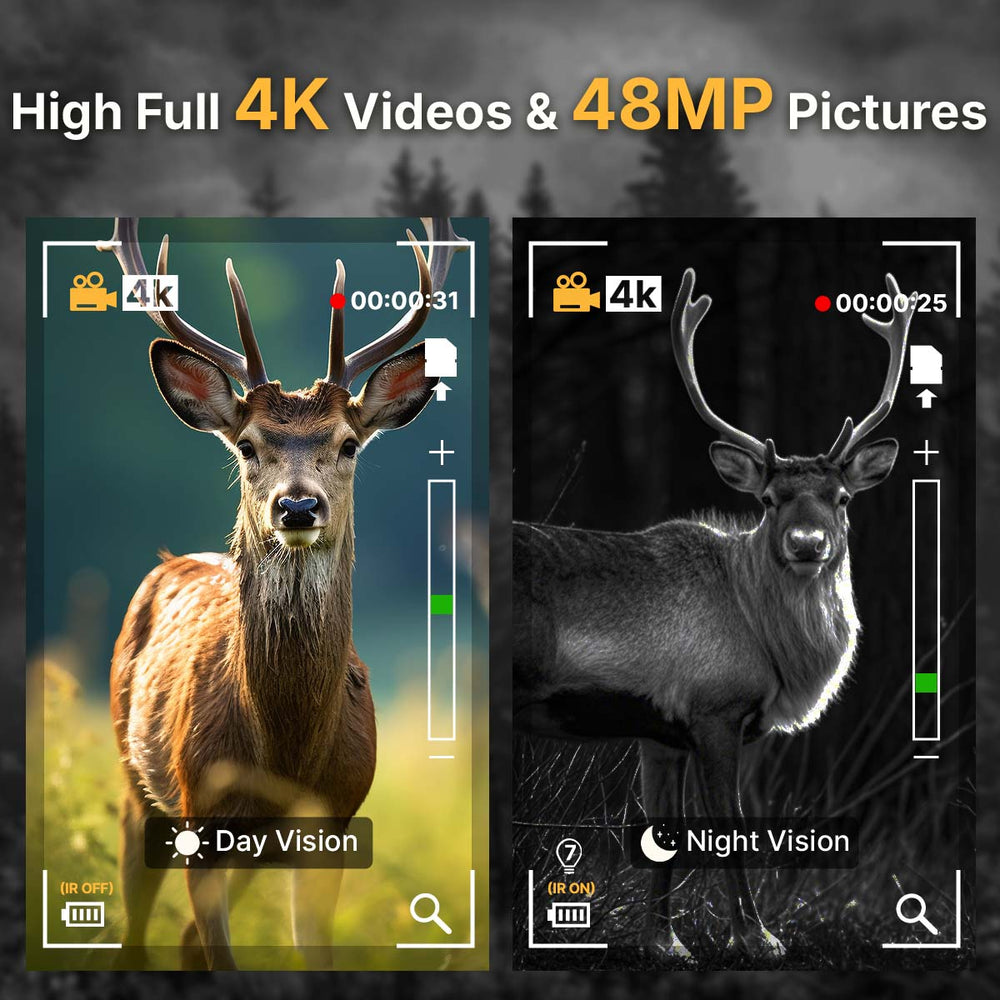
48MP Photos for Detailed Wildlife Images
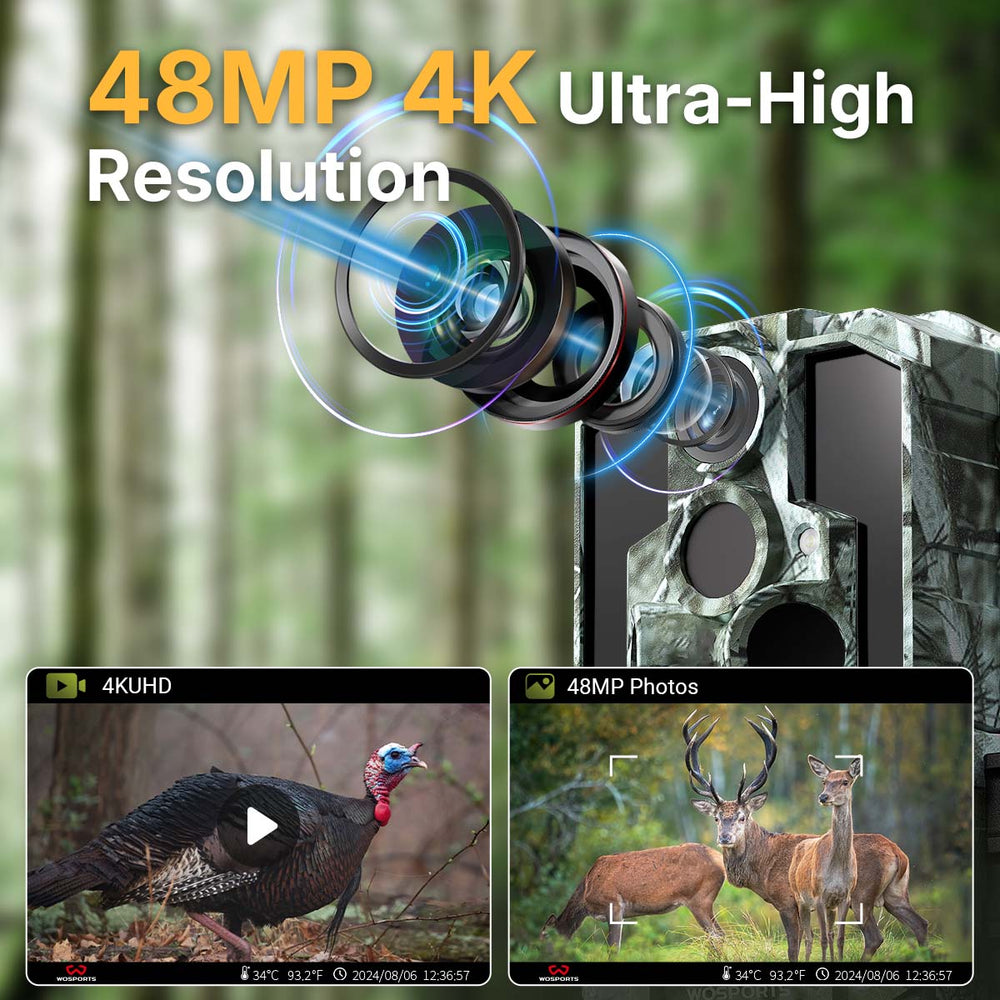
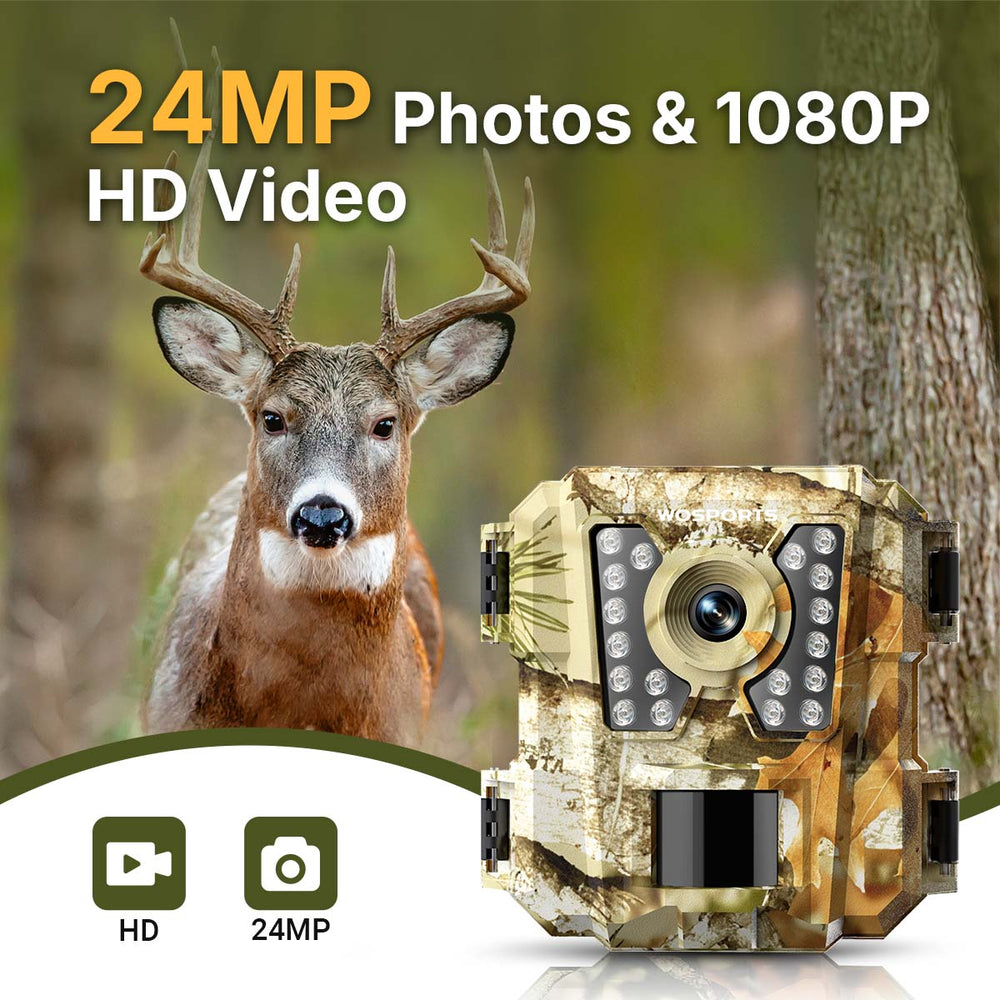
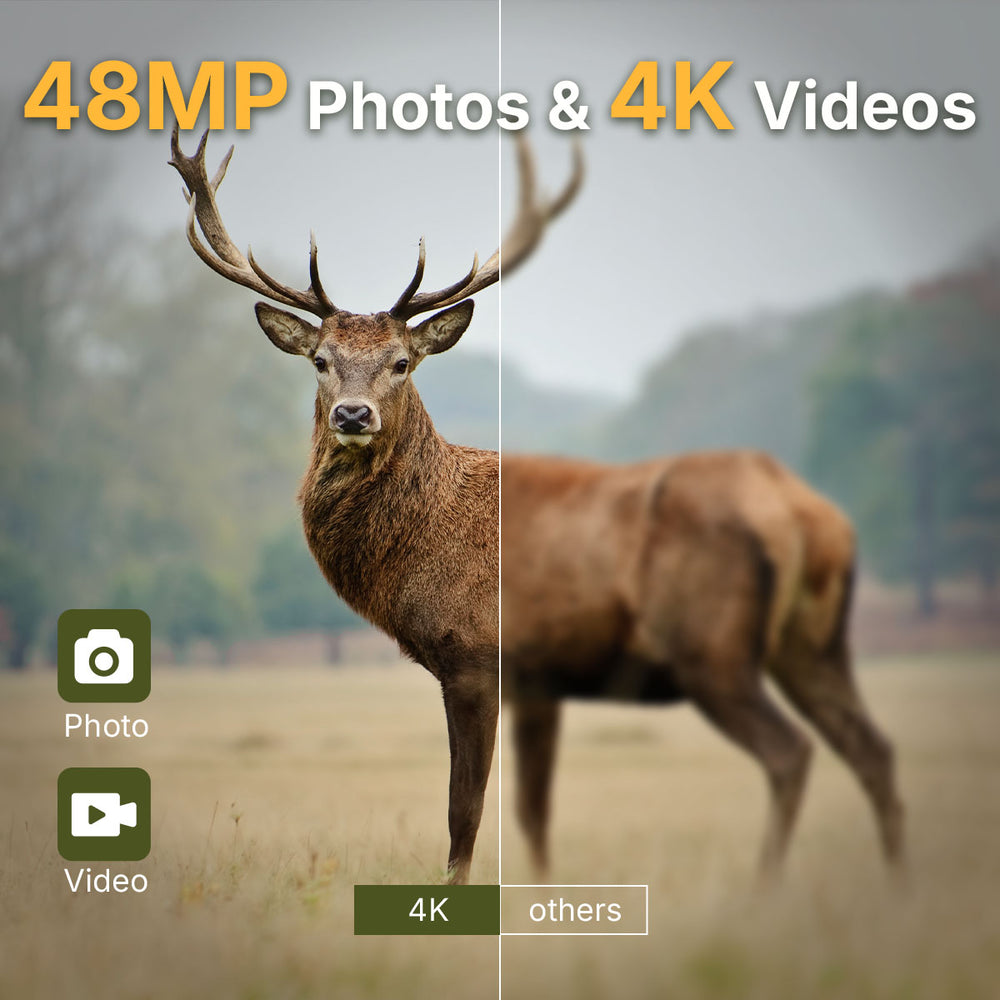
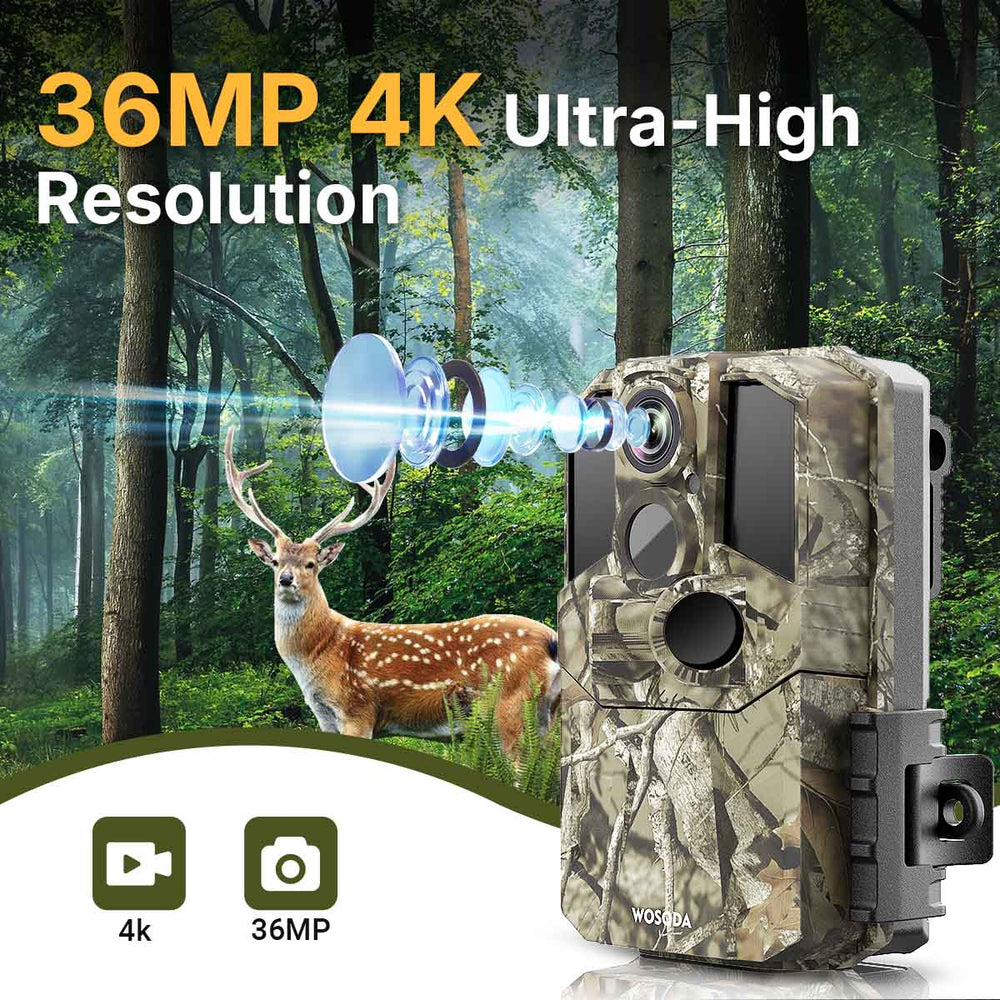
The WOSPORTS G600 captures 48MP photos, providing detailed images for wildlife monitoring.
High-resolution photos can be useful when you want to examine:
- Deer
- Antlers
- Animal size
- Body markings
- Wildlife behavior
When reviewing nighttime captures, having more image detail can make it easier to inspect the scene.
4K Video for Nighttime Wildlife Observation
Photos are useful for identifying animals, but video can provide much more context.
The WOSPORTS G600 supports 4K video recording, allowing you to capture detailed footage of wildlife activity.
Video can help you understand:
- How an animal approaches the camera
- Which direction it travels
- How long it remains in the area
- How it interacts with its surroundings
For wildlife enthusiasts, these details can make nighttime monitoring much more interesting.
How to Get Better Nighttime Trail Camera Photos
If you want better nighttime results, follow these simple tips.
Choose an Active Location
Place the camera where animals naturally travel.
Keep the Lens Area Clear
Remove branches and tall vegetation that could interfere with the image.
Avoid Unnecessary Disturbance
Once the camera is installed, avoid checking it unnecessarily often.
Test the Camera Before Leaving
Walk through the detection area and review the captured images.
Position the Camera Carefully
Try to capture animals as they cross the detection area rather than moving directly toward or away from the camera.
Does a More Expensive Trail Camera Always Have Better Night Vision?
Not necessarily.
Price is only one factor when comparing trail cameras.
Instead, look at the complete feature set.
A good wildlife camera should provide a combination of:
- Quality image resolution
- Good video recording
- Fast motion detection
- Automatic day/night monitoring
- Outdoor durability
The WOSPORTS G600 combines these important features with:
48MP Photos
Detailed images for wildlife observation.
4K Video Recording
High-quality footage for capturing animal behavior.
0.2-Second Trigger Speed
Fast response when movement is detected.
Automatic Day/Night Monitoring
Continuous monitoring as lighting conditions change.
IP66 Waterproof Protection
Outdoor protection for changing weather conditions.
What Is the Best Distance to Place a Trail Camera From a Deer Trail?
There is no single distance that works for every location.
Instead of focusing only on distance, consider the entire scene.
The camera should have:
- A clear view of the trail
- Minimal vegetation blocking the lens
- A suitable angle
- Enough space for the animal to enter the detection area
If you are monitoring a narrow deer trail, placing the camera too far away may make animals appear small in the frame.
A closer, well-positioned camera can often produce more useful images.
Night Vision Is Only One Part of a Good Trail Camera
When shopping for a wildlife camera, it's easy to focus entirely on night vision.
But nighttime performance is only one part of the overall experience.
A trail camera should also perform well during the day.
That's why features such as high-resolution photos, 4K video, fast trigger speed, and automatic day/night monitoring are important.
The goal is not simply to see farther.
The goal is to capture useful wildlife information throughout the day and night.
Capture What Happens After Dark
The woods don't go quiet when the sun goes down.
Wildlife continues to move, explore, feed, and interact long after daylight disappears.
A properly positioned trail camera can give you a glimpse into this hidden nighttime world.
The WOSPORTS G600 combines 48MP photos, 4K video recording, a 0.2-second trigger speed, automatic day/night monitoring, and IP66 waterproof protection to help you monitor wildlife in changing outdoor conditions.
Whether you're scouting deer, watching your backyard wildlife, or simply curious about what moves through your property at night, the right trail camera can help you see more of the outdoors.
Set up your WOSPORTS G600 and discover what happens after dark.
Search
Popular Posts
Recent Posts


Nov 28, 2024
Troubleshooting Common Trail Camera Issues
Jan 10, 2025
Why Does My Trail Camera Stop Working at Night?