How Important Is Infrared Range in Night Vision Binoculars?
Why infrared range matters in outdoor observation
Infrared range is one of the most important specifications in modern night vision binoculars because it directly determines how far users can see in complete darkness.
For:
- wildlife observation
- nighttime hunting
- farm monitoring
- outdoor surveillance
infrared performance affects both visibility and identification accuracy.
Quick answer
A longer infrared range allows users to:
- detect movement earlier
- observe animals at safer distances
- monitor larger outdoor areas
- improve nighttime surveillance efficiency
Key insight
In real outdoor environments, infrared range often matters more than digital zoom because visibility in darkness depends primarily on infrared illumination quality.
“Nighttime optical technologies improve remote wildlife observation and outdoor monitoring capabilities.”
link: https://www.usgs.gov/, source: U.S. Geological Survey
How infrared night vision technology works
Night vision binoculars use infrared illumination to create visibility in low-light or zero-light environments.
Basic process
| Component | Function |
|---|---|
| Infrared illuminator | Emits invisible IR light |
| Sensor | Captures reflected infrared light |
| Display system | Converts data into visible images |
| Lens system | Controls image clarity and range |
Why infrared range varies
Infrared range depends on:
- IR power output
- lens quality
- sensor sensitivity
- environmental conditions
Original analysis
Many low-cost night vision devices advertise high zoom levels but use weak infrared systems. In practice, strong infrared illumination is far more important for outdoor observation performance.
What infrared range is best for outdoor observation?
The ideal infrared range depends on the intended application.
Recommended infrared ranges
| Use Scenario | Recommended IR Range |
|---|---|
| Backyard observation | 50–100 meters |
| Farm monitoring | 100–200 meters |
| Wildlife observation | 150–300 meters |
| Open-field surveillance | 200m+ |
Key insight
For wildlife observation, longer infrared range allows observers to avoid disturbing animals while still maintaining clear visibility.
Expert perspective
“Remote observation systems are increasingly important for wildlife monitoring and environmental research.”
link: https://www.nps.gov/, source: National Park Service
Why infrared range affects wildlife observation quality
In wildlife observation, getting too close can:
- disturb animal behavior
- reduce observation accuracy
- create safety risks
Long-range infrared optics help observers maintain distance while still capturing detailed visual information.
Important outdoor observation benefits
- better animal behavior tracking
- wider observation coverage
- lower disturbance levels
- improved nighttime safety
Original insight
Wildlife observation groups increasingly prefer long-range night vision devices because they support:
- ecotourism
- educational programs
- nighttime photography
- field research
without requiring intrusive lighting systems.
Infrared range vs digital zoom: which matters more?
Many buyers assume higher zoom automatically improves night vision performance. However, infrared capability usually has greater impact in darkness.
Comparison table
| Feature | Importance in Darkness |
|---|---|
| Infrared range | Critical |
| Optical zoom | Important |
| Digital zoom | Secondary |
| Sensor quality | Very important |
Why excessive digital zoom can hurt performance
High digital zoom may:
- reduce image clarity
- increase image noise
- narrow field of view
Key takeaway
Balanced infrared performance combined with moderate optical zoom usually delivers the best outdoor observation experience.
How the NV400 supports long-range outdoor observation

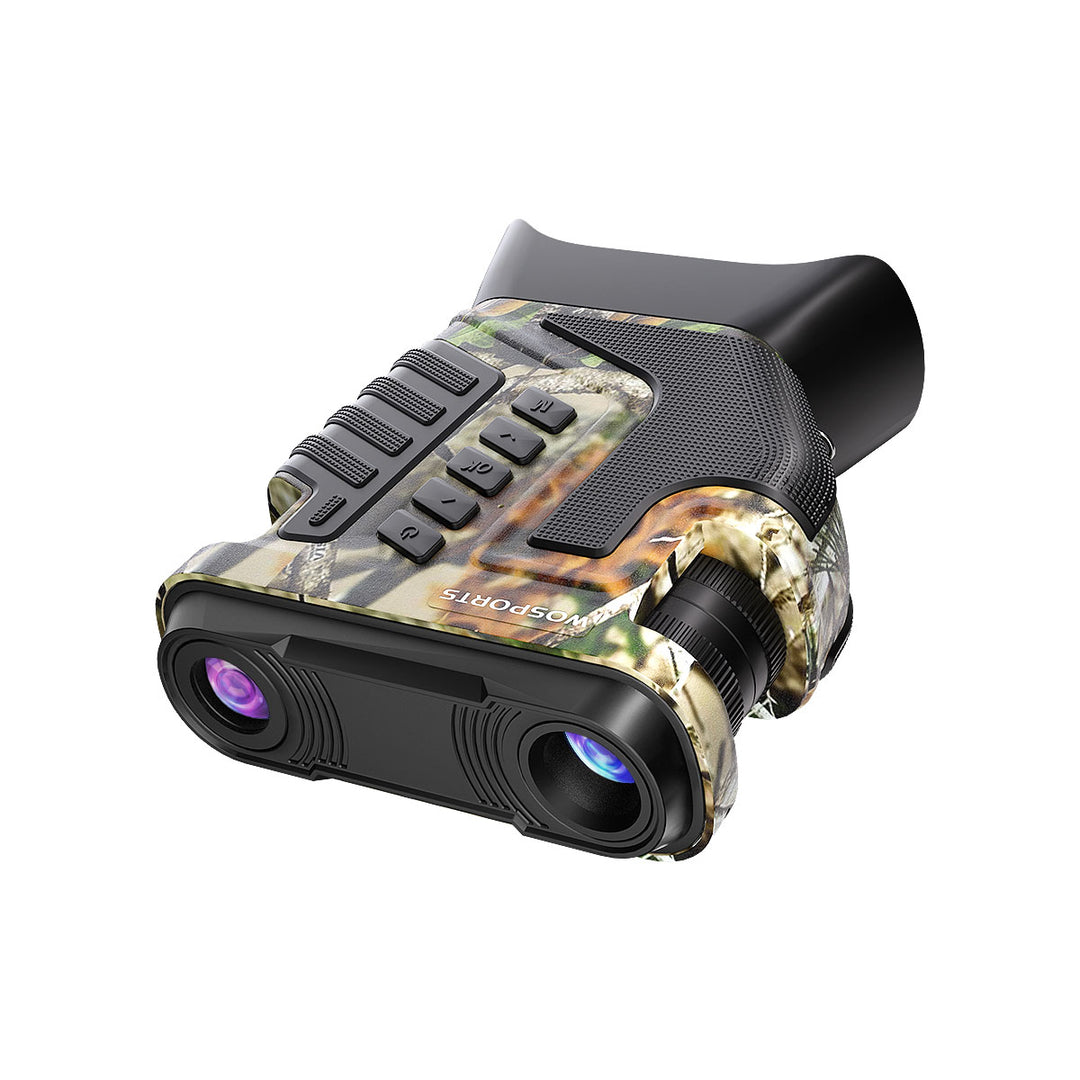
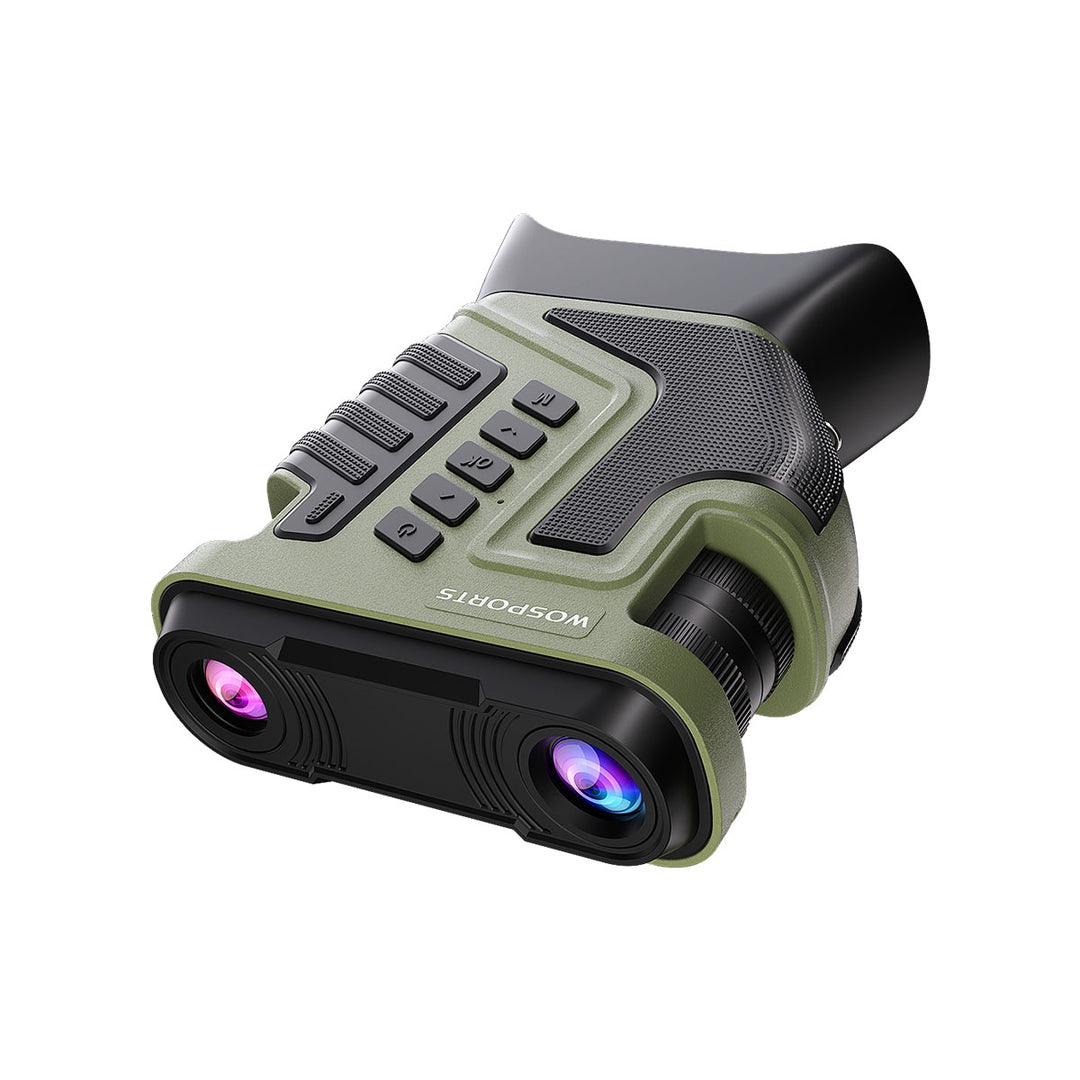
The WOSPORTS NV400 night vision binoculars are designed for users who need:
- long-distance nighttime visibility
- stable infrared performance
- portable outdoor monitoring
Key NV400 features
- infrared night vision for complete darkness
- 10X optical zoom
- 8X digital zoom
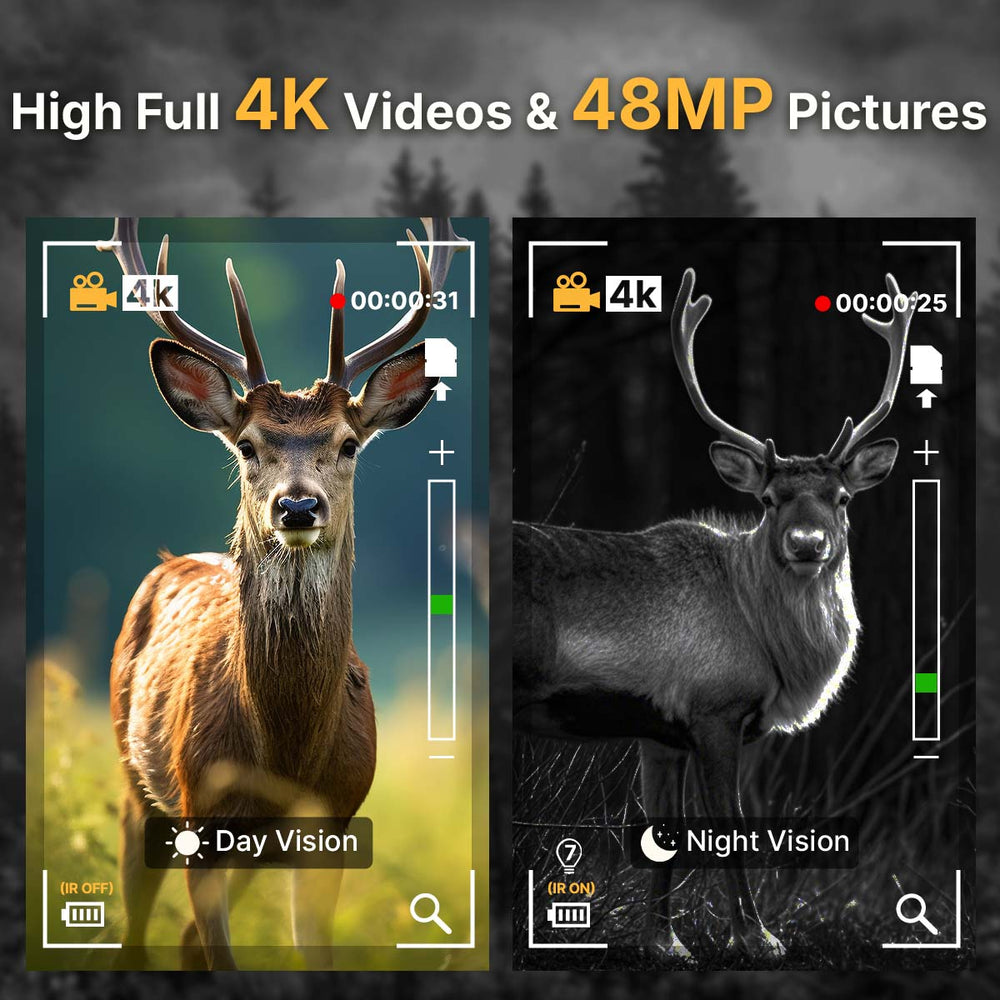
- 36MP image resolution
- 4K video recording
- rechargeable 5000mAh battery
Why infrared performance matters for B2B buyers
For wholesalers and distributors, infrared capability influences:
- customer satisfaction
- perceived product value
- outdoor usability
Market advantage
The NV400 fits multiple outdoor markets:
- wildlife observation
- nighttime hunting
- farm security
- outdoor recreation
- rural surveillance
Case study: long-range wildlife observation deployment
A wildlife observation club tested several night vision binoculars during nighttime field monitoring.
Common problems with low-range devices
- unclear long-distance visibility
- excessive image grain
- weak infrared illumination
Results after using NV400
- clearer nighttime visibility at long distances
- improved animal identification accuracy
- more stable overnight observation sessions
Key takeaway
Infrared range significantly improved:
- observation efficiency
- viewing comfort
- nighttime monitoring reliability
Why B2B buyers increasingly prioritize infrared performance
Market demand is shifting toward night vision devices optimized for:
- longer observation distance
- lower power consumption
- better outdoor usability
Original market analysis
Wholesale buyers increasingly avoid entry-level products with weak infrared systems because:
- return rates are higher
- customer satisfaction is lower
- outdoor performance is inconsistent
Expert insight
“Portable low-light observation technologies continue to expand across environmental monitoring and outdoor recreation.”
link: https://www.fs.usda.gov/, source: U.S. Forest Service
FAQ: infrared range in night vision binoculars
What is a good infrared range for wildlife observation?
Typically 150–300 meters depending on terrain and visibility conditions.
Does higher infrared range improve image quality?
Indirectly yes, because stronger infrared illumination improves low-light visibility.
Is infrared range more important than zoom?
For nighttime viewing, infrared capability is usually more important.
Why do outdoor users prefer long-range infrared systems?
They allow observation from safer distances without disturbing wildlife.
Final takeaway for B2B buyers
Infrared range is one of the most critical factors in night vision binocular performance because it determines:
- nighttime visibility distance
- observation clarity
- outdoor usability
For wholesalers and distributors, products with strong infrared performance create better long-term market value.
The WOSPORTS NV400 combines:
- reliable infrared optics
- long-range viewing capability
- high-resolution imaging
- portable outdoor performance
making it an excellent choice for:
- wildlife observation suppliers
- hunting retailers
- outdoor monitoring businesses
- bulk purchase buyers seeking dependable night vision solutions.
Search
Popular Posts
Recent Posts


Nov 28, 2024
Troubleshooting Common Trail Camera Issues
Jan 10, 2025
Why Does My Trail Camera Stop Working at Night?