How Night Vision Works
🔍 Introduction
Night vision technology might look like something out of a movie—but it’s actually a powerful tool used by hunters, wildlife enthusiasts, and outdoor explorers every day.
Whether you're trying to observe deer at night, monitor your backyard, or explore the outdoors after dark, understanding how night vision works can help you choose the right device—and use it more effectively.
🌙 What Is Night Vision?
Night vision is a technology that allows you to see in low-light or complete darkness by enhancing available light or using infrared illumination.
Unlike the human eye, which struggles in darkness, night vision devices can amplify even tiny amounts of light—like moonlight or starlight—to create a visible image.
⚙️ How Night Vision Works
There are two main ways night vision devices work:
1. Light Amplification (Traditional Night Vision)
This method works by:
- Capturing small amounts of ambient light (moon, stars)
- Passing it through a special tube (image intensifier)
- Amplifying the light thousands of times
- Displaying it as a visible image (often green)
👉 Best for:
- Areas with some natural light
- Military or professional use
2. Infrared Illumination (Digital Night Vision)
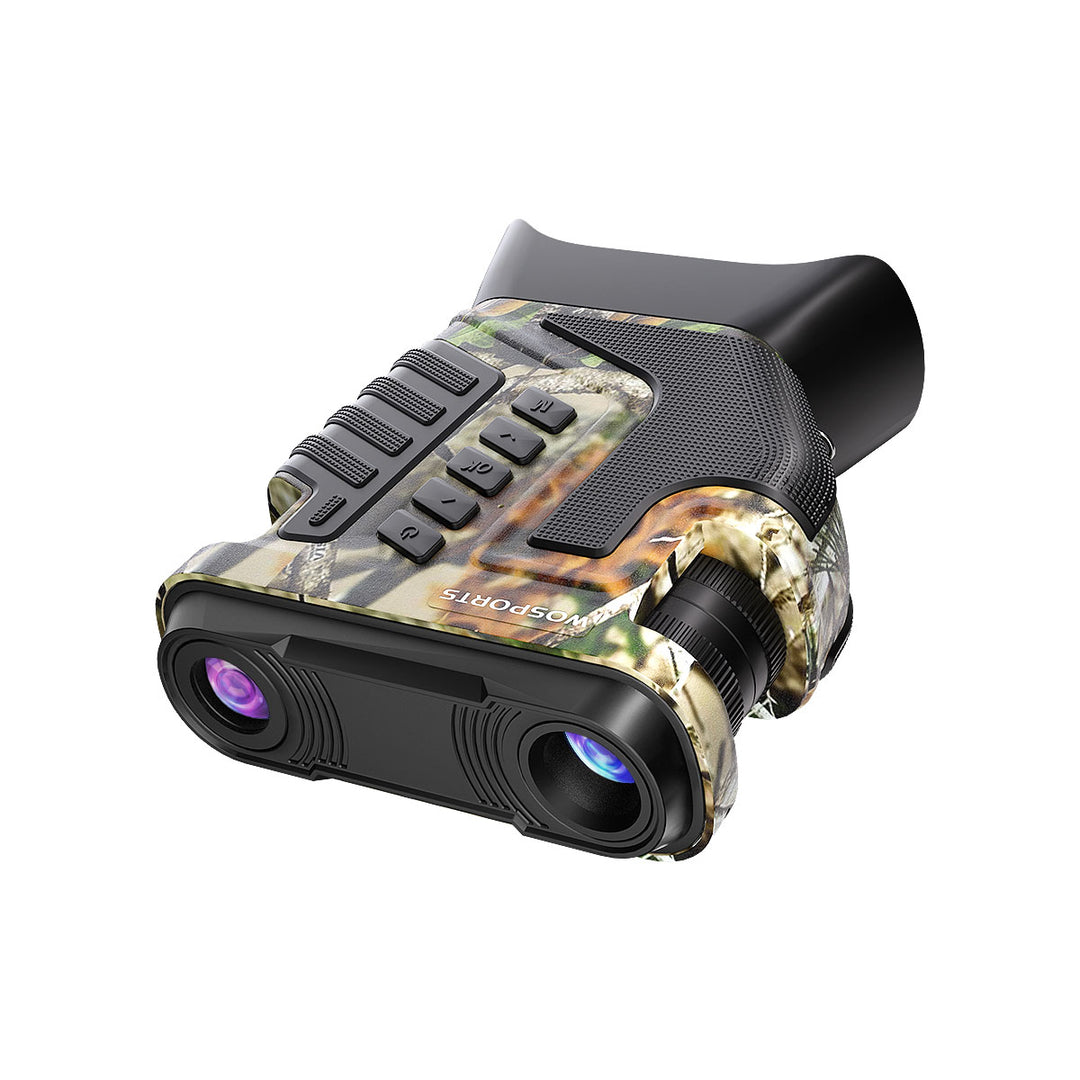
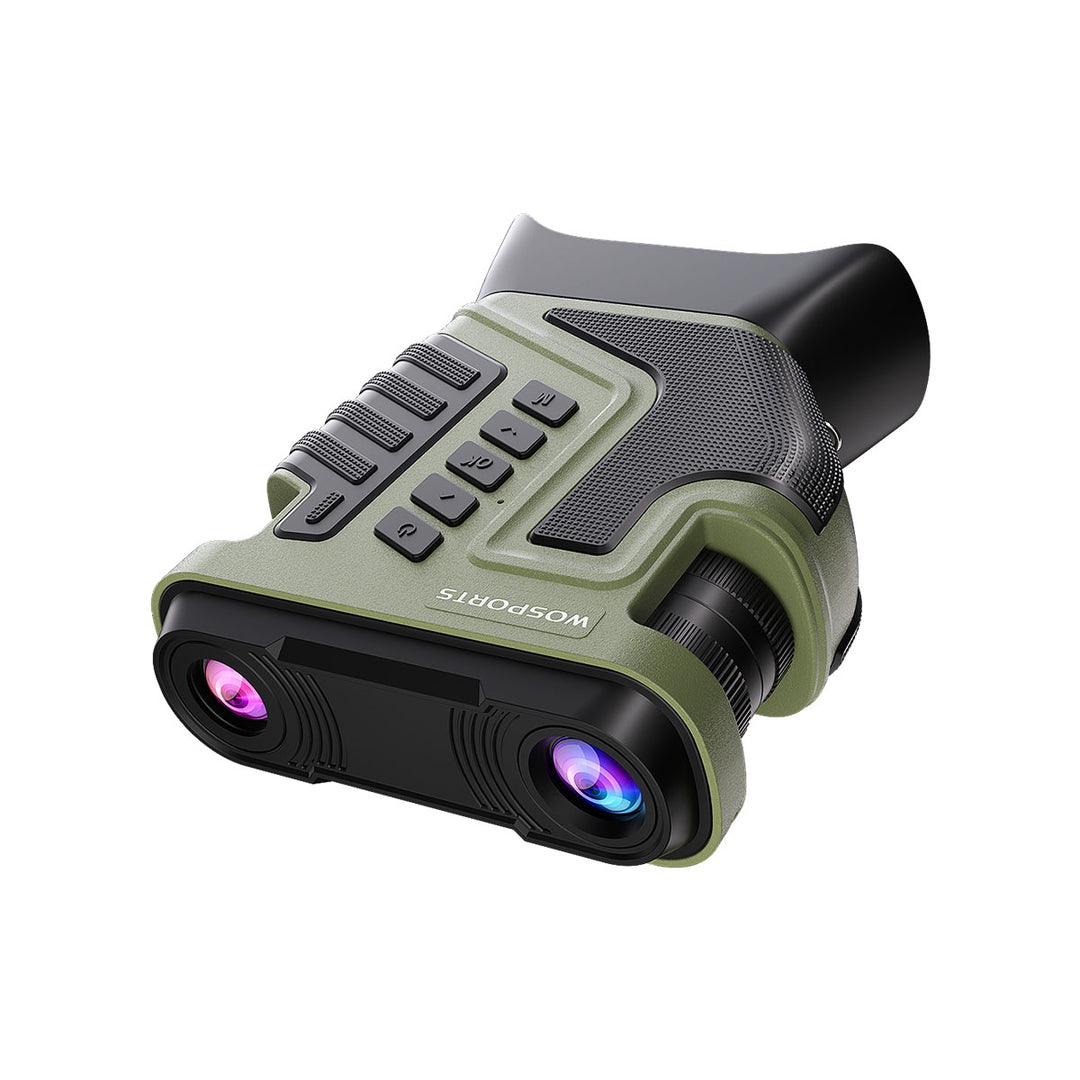
Modern devices—like most consumer-friendly night vision gear—use infrared (IR) technology.
Here’s how it works:
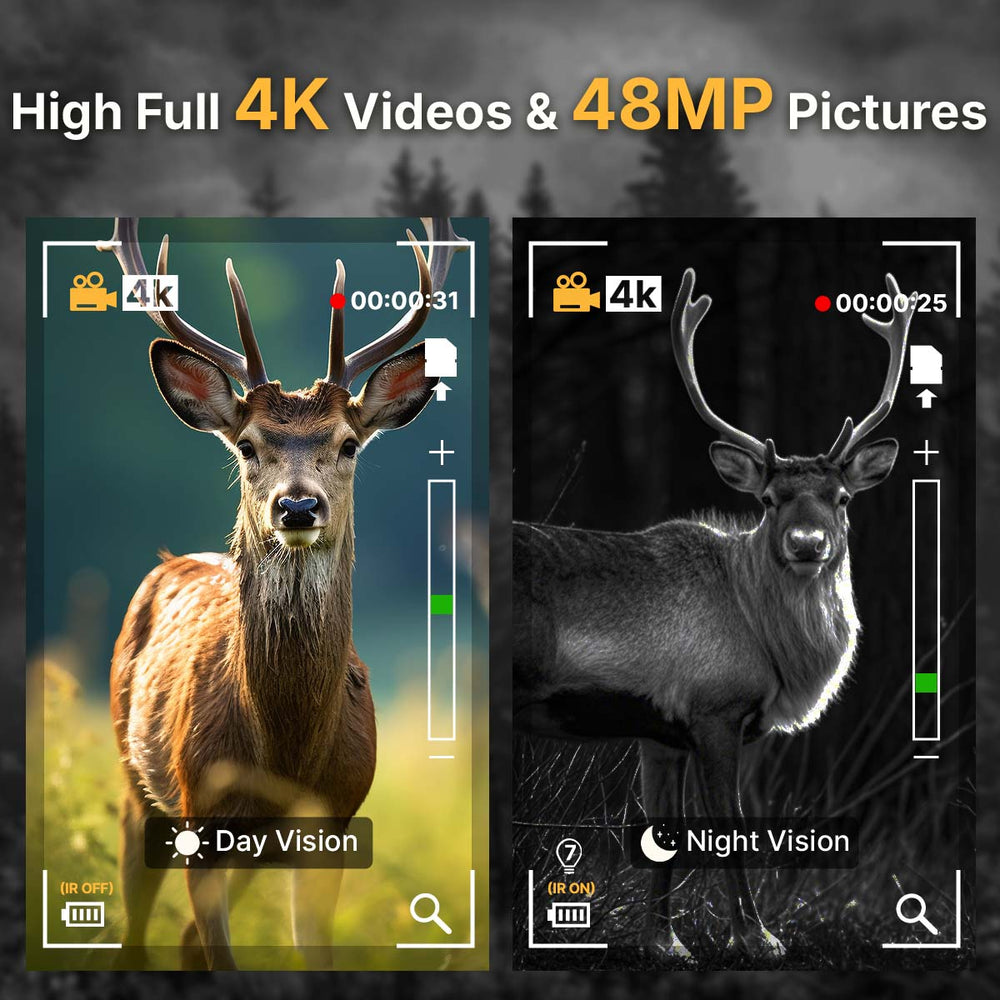
- The device emits infrared light (invisible to humans)
- The IR light reflects off objects (animals, trees, etc.)
- A digital sensor captures that reflection
- The image is displayed on a screen
👉 Best for:
- Complete darkness
- Wildlife observation
- Backyard monitoring
🌌 Can Night Vision See in Total Darkness?
Yes—but only with infrared support.
Traditional night vision cannot work in total darkness without any light source.
However, digital night vision devices with built-in IR illuminators can function even in pitch-black environments.
That’s why they’re especially popular for:
- Night hunting
- Wildlife watching
- Farm security
🦌 Why Night Vision Is Useful for Outdoor Activities
Night vision opens up a completely different world after sunset.
With the right device, you can:
- Observe nocturnal animals like deer, foxes, and owls
- Monitor your property at night
- Track animal movement patterns
- Experience nature in a whole new way
For many outdoor enthusiasts, it turns nighttime into an opportunity instead of a limitation.
🛒 Choosing the Right Night Vision Device
When selecting a night vision device, consider:
- Infrared capability (for total darkness)
- Image clarity & resolution
- Viewing range
- Battery life
- Ease of use
If you're just getting started, a digital night vision device is usually the best choice because it’s:
- Easier to use
- More affordable
- Effective in all lighting conditions
⭐ Final Thoughts
Night vision technology may seem complex, but the idea is simple:
👉 It helps you see what your eyes normally can’t.
Whether you're exploring the outdoors, watching wildlife, or improving nighttime awareness, understanding how night vision works is the first step toward choosing the right gear.
👉 What to Read Next
- Beginner’s Guide to Night Vision
- Night Vision vs Thermal Imaging
- How to Choose Night Vision
Search
Popular Posts
Recent Posts


Nov 28, 2024
Troubleshooting Common Trail Camera Issues
Jan 10, 2025
Why Does My Trail Camera Stop Working at Night?