Night Vision vs Thermal Imaging
🔍 Introduction
When it comes to seeing in the dark, two technologies dominate the conversation: night vision and thermal imaging.
They’re often confused—but they work very differently.
If you're a hunter, wildlife observer, or outdoor enthusiast, understanding the difference can help you choose the right tool for your needs—and avoid wasting money on the wrong one.
🌙 What Is Night Vision?
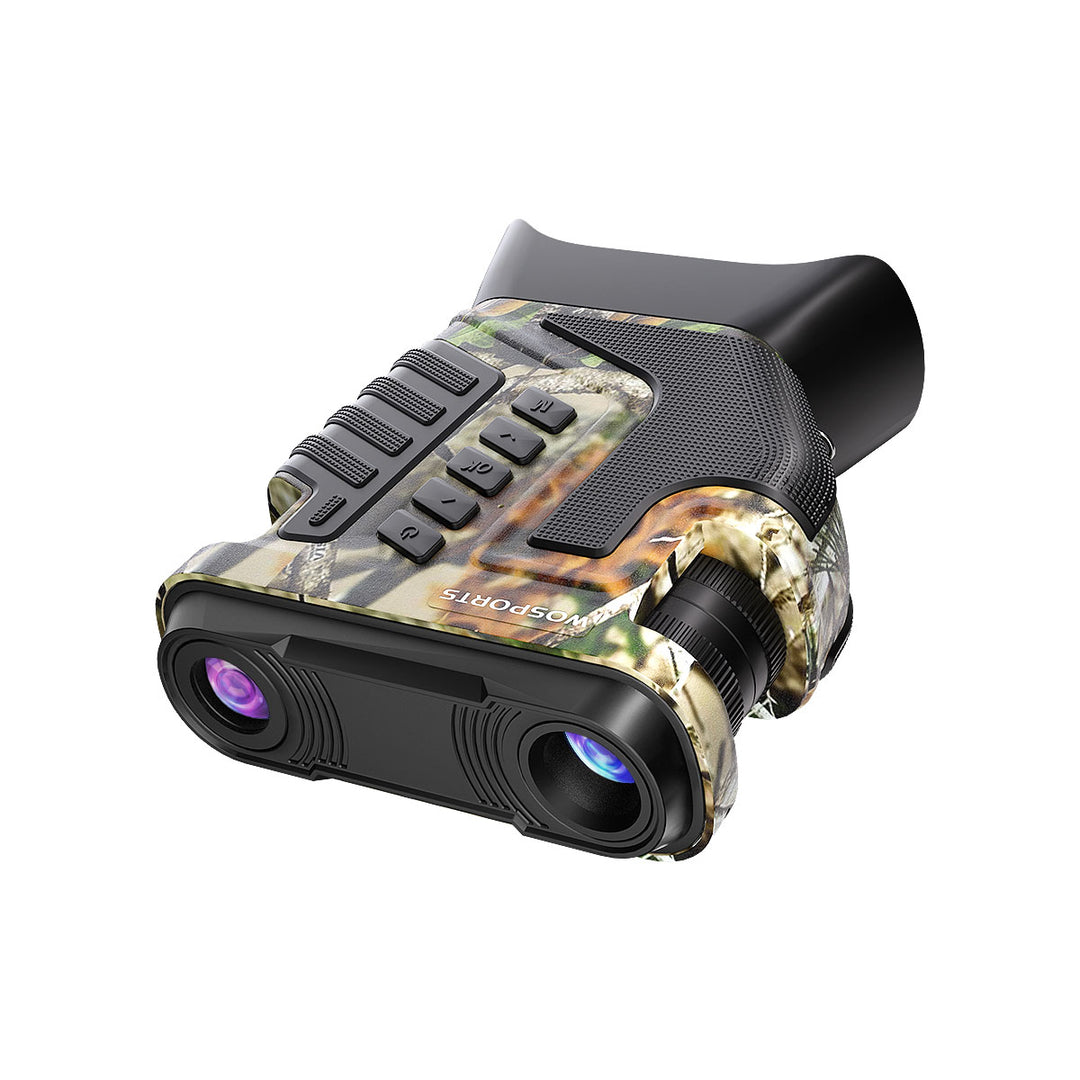
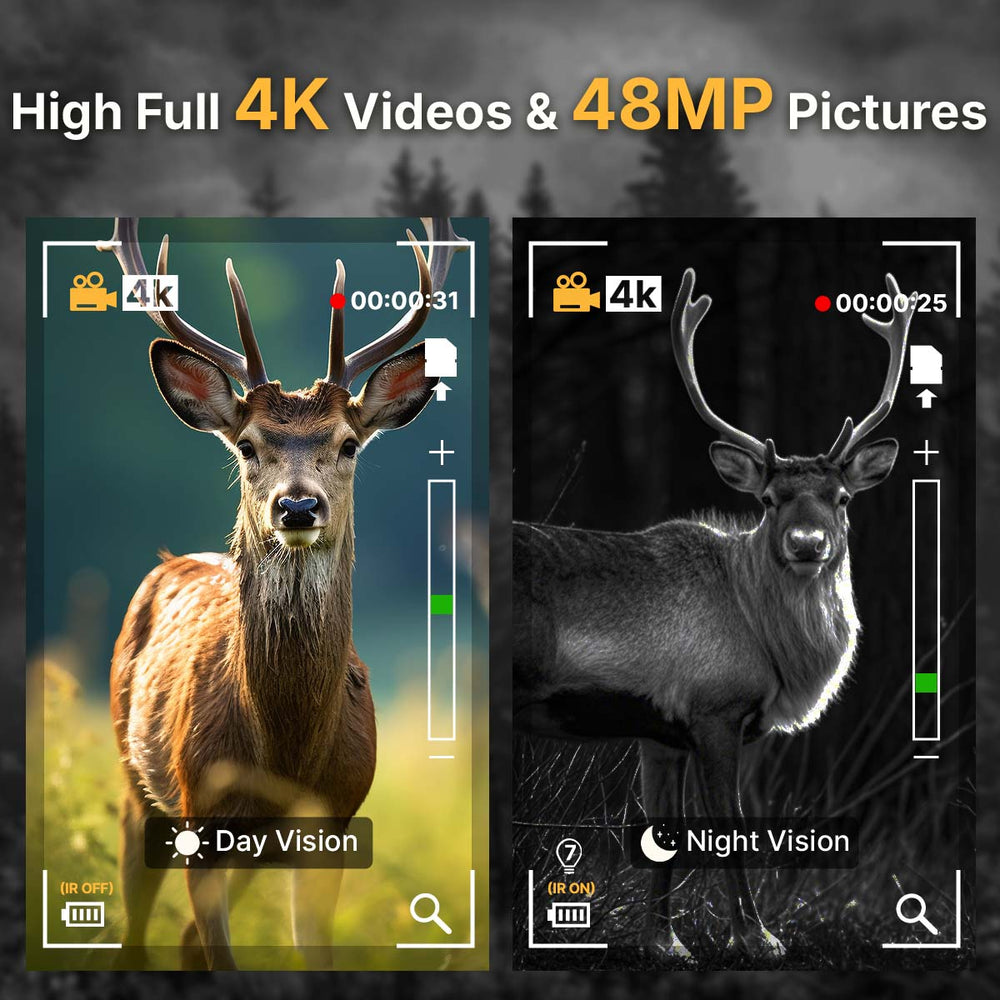
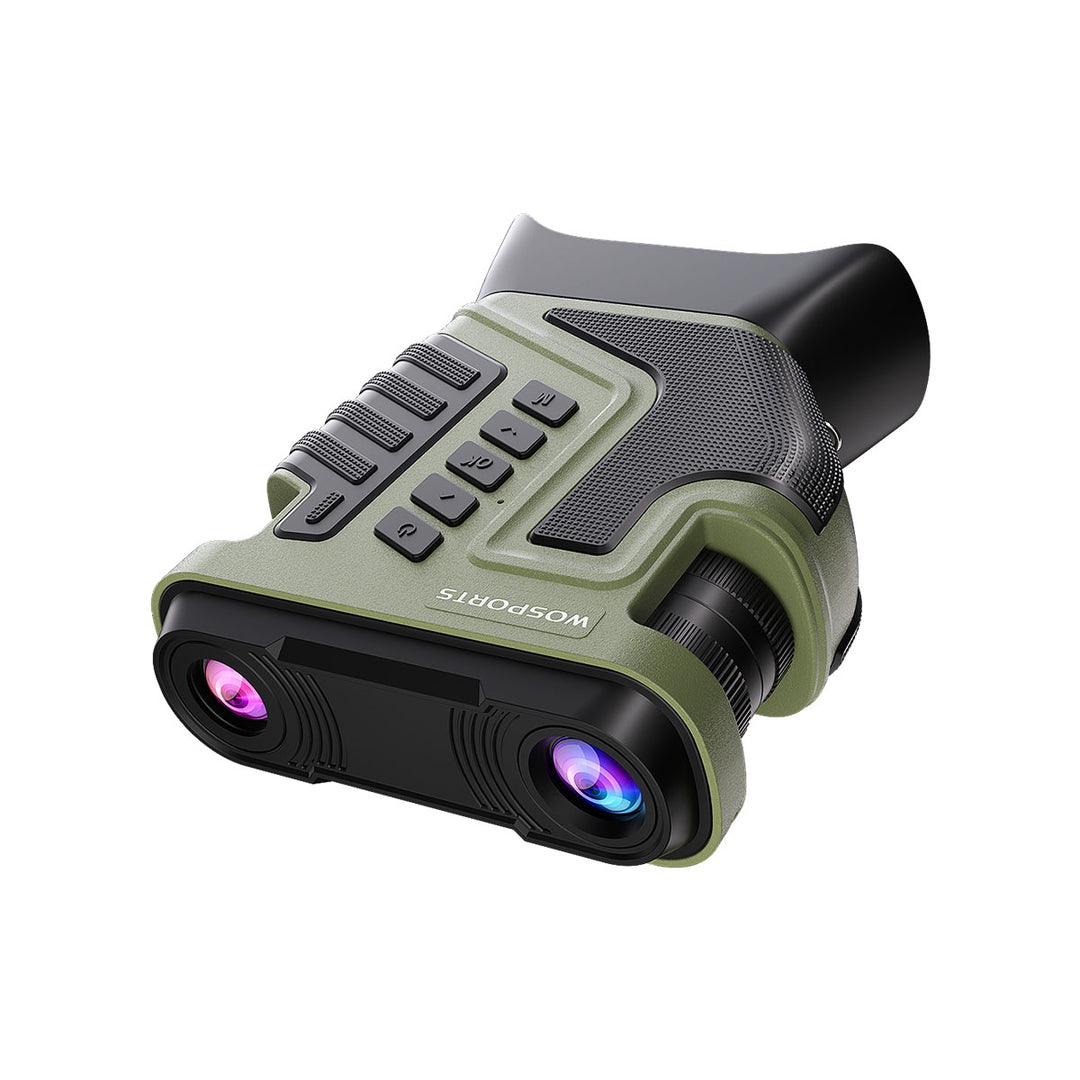
Night vision works by amplifying light or using infrared illumination to create a visible image.
It allows you to:
- See actual shapes, textures, and details
- Identify animals clearly (like deer, foxes, raccoons)
- Observe natural behavior in the dark
👉 In simple terms:
Night vision shows you what things look like at night.

🔥 What Is Thermal Imaging?
Thermal imaging detects heat (infrared radiation) instead of light.
It creates an image based on temperature differences.
It allows you to:
- Detect living things instantly
- See through light fog, smoke, or bushes
- Spot animals hiding in cover
👉 In simple terms:
Thermal imaging shows you where heat is.
⚖️ Key Differences (Quick Comparison)
| Feature | Night Vision | Thermal Imaging |
|---|---|---|
| What you see | Real image (details, shapes) | Heat signatures |
| Works in total darkness | ✅ Yes (with IR) | ✅ Yes |
| Image detail | High | Low (less detail) |
| Detect hidden animals | ❌ Limited | ✅ Excellent |
| Price | 💲 Affordable | 💲💲💲 Expensive |
🦌 Which One Is Better for Wildlife Observation?
It depends on your goal:
👉 Choose Night Vision if you want:
- To identify animals clearly
- To watch natural behavior
- A more realistic viewing experience
- A budget-friendly option
👉 Choose Thermal Imaging if you want:
- To detect animals quickly
- To find animals hidden in bushes or tall grass
- Maximum detection range (even without visibility)
🎯 Real-World Example
Imagine you're observing wildlife at night:
- With thermal imaging, you instantly spot a heat signature in the distance
- With night vision, you can actually see that it's a deer—and watch what it's doing
👉 That’s why many outdoor users prefer night vision for experience, not just detection.
💰 Cost Difference (Important)
One of the biggest deciding factors is price:
- Night vision devices → Affordable & beginner-friendly
- Thermal imaging → Often 3–10x more expensive
For most casual users, hunters, and property owners, night vision offers the best balance of performance and value.
🛒 Which One Should You Choose?
If you're just getting started or want a versatile tool:
👉 Night vision is the better choice for most people
It gives you:
- Clear images
- Real-world detail
- Strong performance in total darkness
- Much better value for money
🔗 What to Read Next
- Beginner’s Guide to Night Vision
- How to Choose Night Vision
- Best Night Vision Devices 2026
Search
Popular Posts
Recent Posts


Nov 28, 2024
Troubleshooting Common Trail Camera Issues
Jan 10, 2025
Why Does My Trail Camera Stop Working at Night?