How to Accurately Measure Golf Distances on Your Home Course
A Complete Guide to Using the Best Golf Rangefinders for Precision on Familiar Fairways
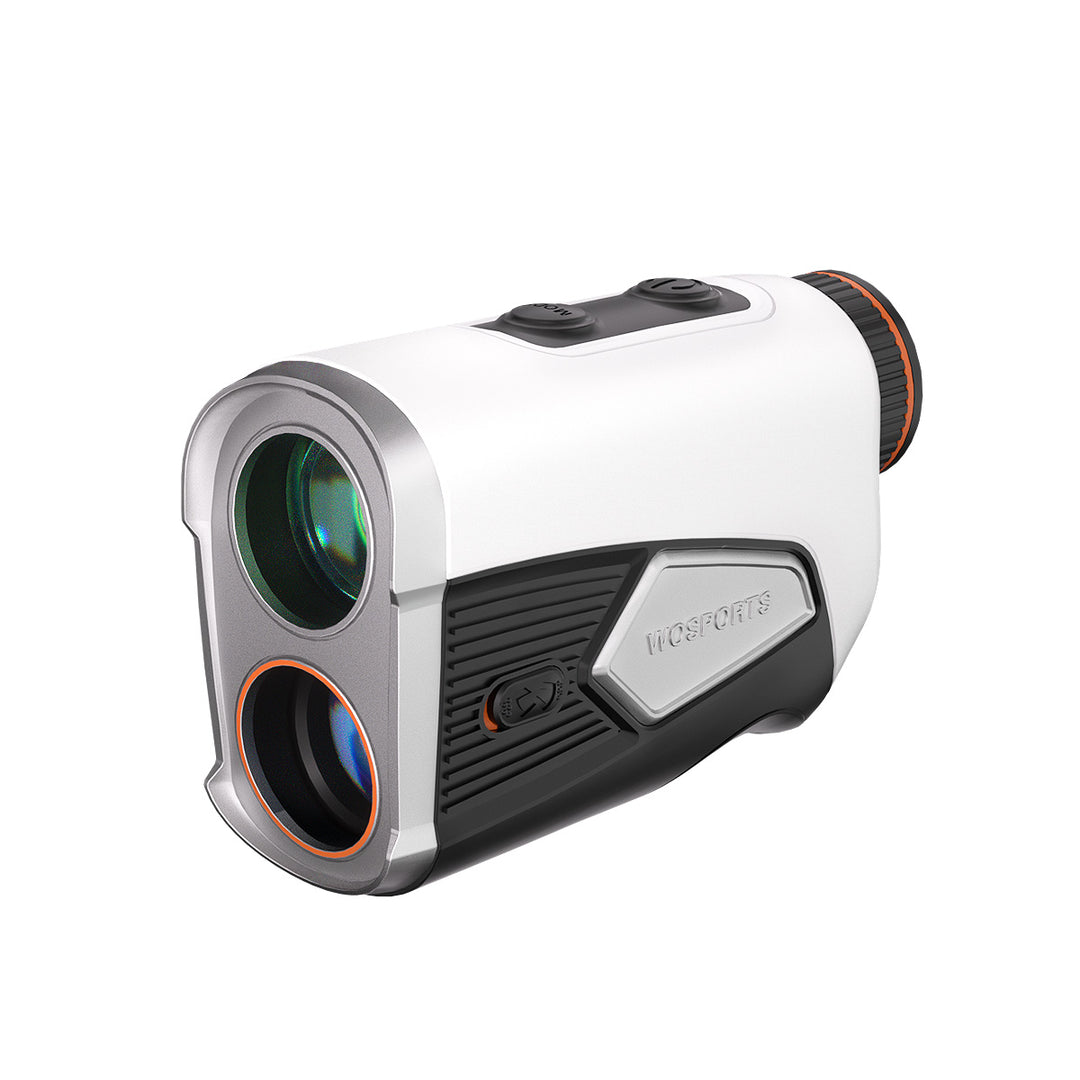
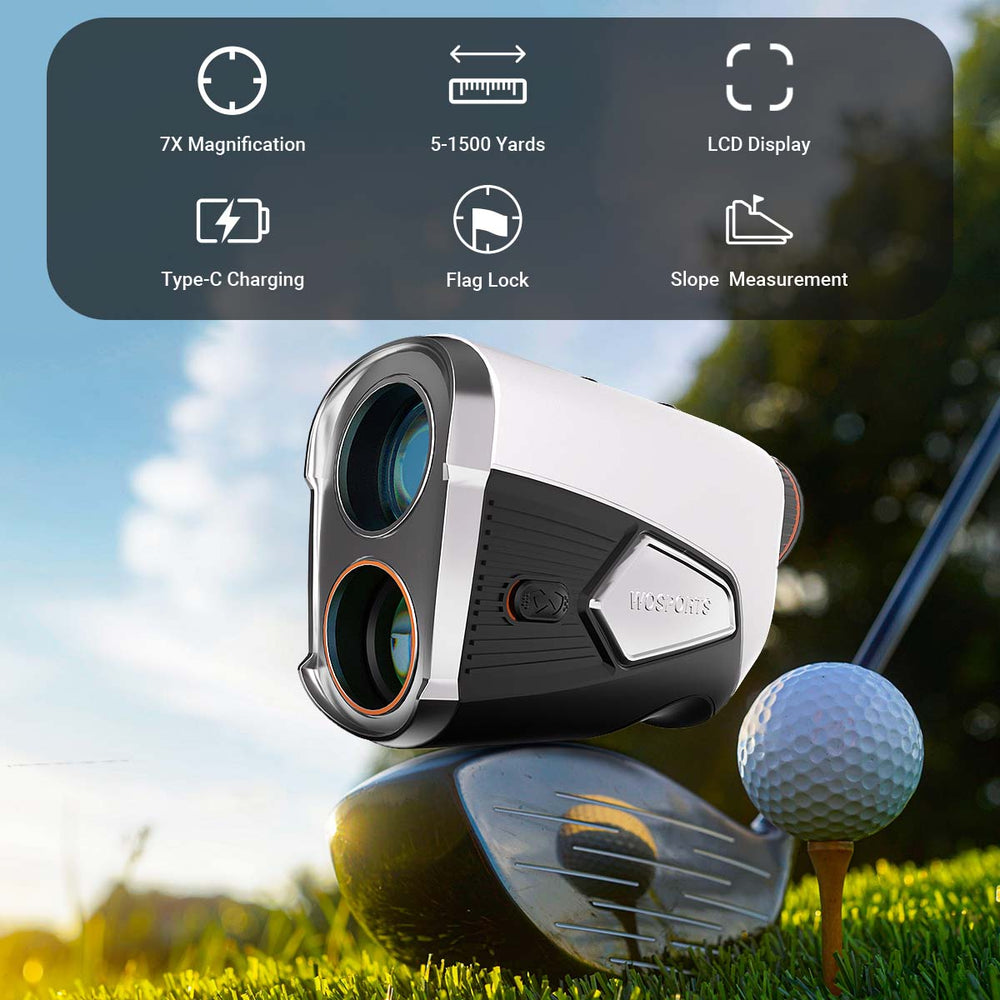
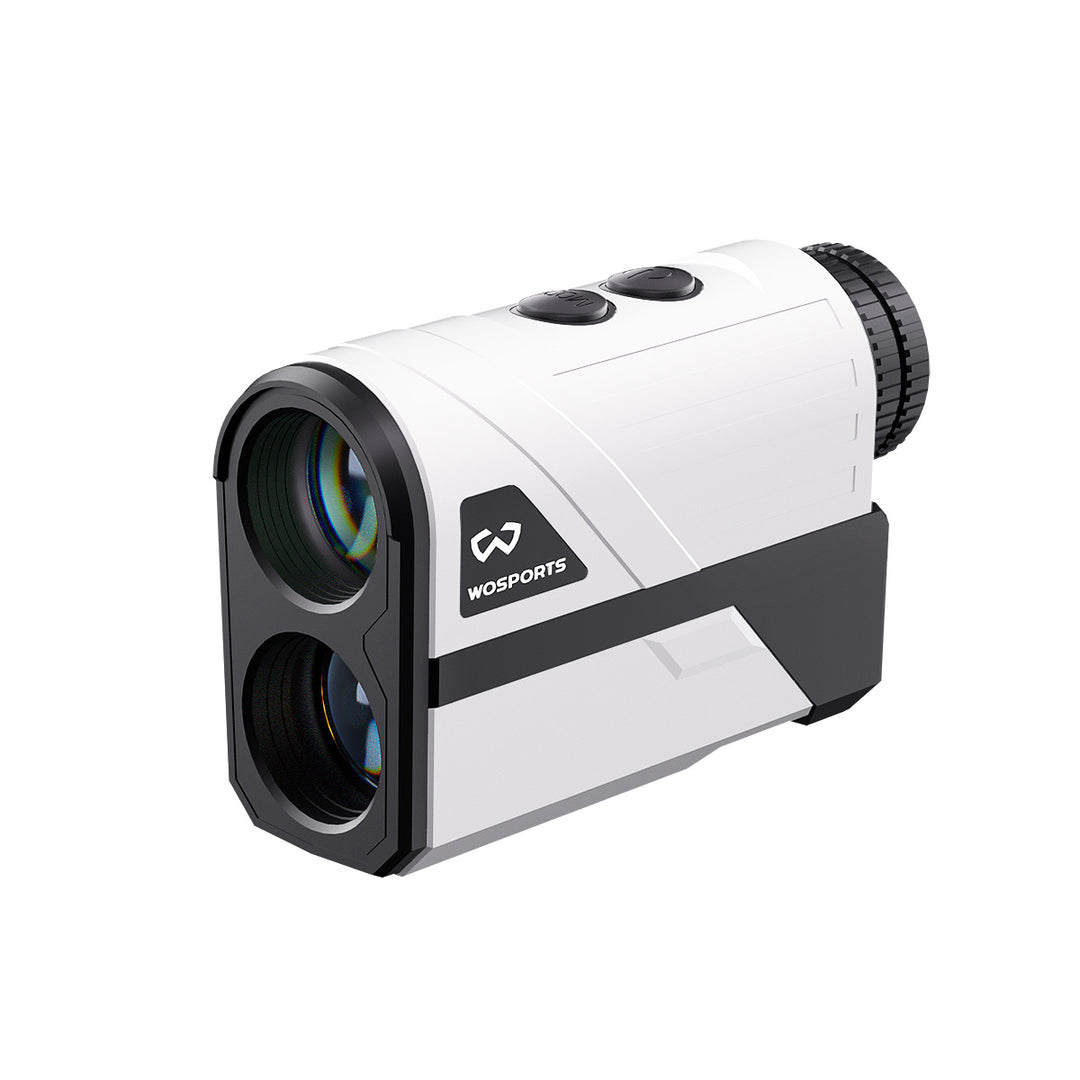
Accurate distance measurement is fundamental to better golf. Whether you’re playing your home course weekly or learning how to read yardage data, precise measurements affect club selection, approach strategy, and scoring. In this guide, we’ll walk you through practical steps for measuring golf distances effectively, explain what makes the top rated golf rangefinders reliable, and highlight why certain devices earn praise from independent experts — including a closer look at the WOSPORTS L16 Golf Rangefinder as reviewed by Golf Monthly.
Why Accurate Distance Measurement Matters on Your Home Course
Summary: Good distance measurement informs smarter decisions, reduces guesswork, and accelerates improvements, especially when you already know the layout.
Playing your home course regularly gives you an advantage — you’ve seen holes before and may know general yardages. Even so, precise measurement helps eliminate errors caused by slope, varying tee positions, or misreading markers.
Golf industry data indicates that golfers rely increasingly on technology to improve performance, and measuring true distances is one of the most cited benefits:
-
Distance measurement helps reduce errors in club choice
-
Improves confidence approaching greens and hazards
-
Shortens time spent guessing or pacing yardages
While there’s no centralized .edu/.gov data specifically on golf rangefinder adoption rates, the game’s governing bodies formally allow distance measurement tools because distance itself is considered neutral information — not advice — that helps players make decisions. The USGA’s 2019 rules modernization specifically permits distance‑measuring device use unless a local rule prohibits it, reinforcing the legitimacy of these tools on course.
source: https://www.usga.org/content/usga/home-page/rules-hub/rules-modernization-copy/major-changes/use-of-distance-measuring-devices.html
What Makes Top Rated Golf Rangefinders Accurate?
Summary: Accuracy depends on optical clarity, measurement stability, and effective target acquisition.
Not all rangefinders are created equal. To consistently measure golf distances on your home course, the best devices share three foundational traits:
-
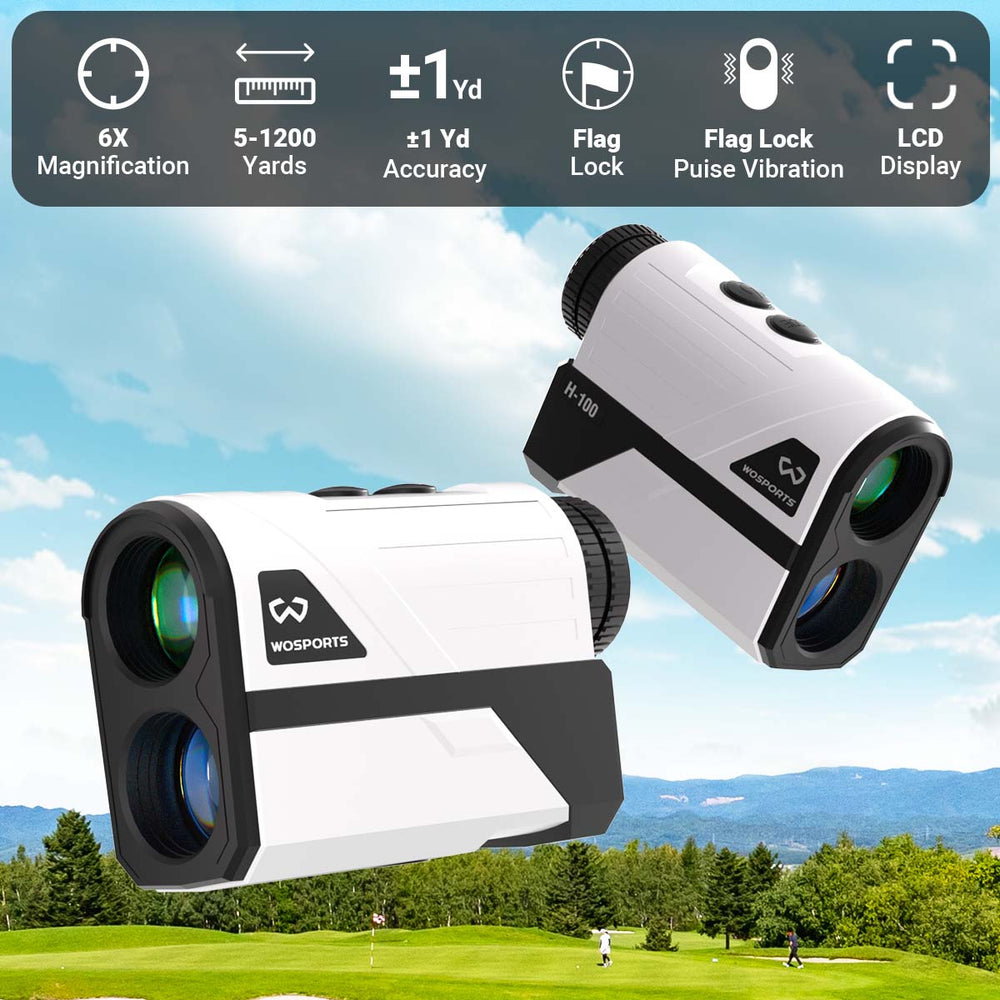
Clear optics: strong magnification (usually 6×) to see targets
-
Stable readings: minimized float from hand shake or poor aim
-
Effective targeting: pin/flag lock that isolates the flag from background
These capabilities help reduce common errors — such as reading distances to hazards instead of the intended target — and make rangefinders some of the best golf rangefinders available.
A rangefinder’s performance also comes down to user behavior: steady aiming, proper target selection, and practice all contribute to more accurate readings.
Step‑by‑Step: How to Measure Distance Like a Pro
Summary: Follow these steps every time you measure distances on your home course.
Step 1 — Stabilize Your Stance
Hold the rangefinder with both hands or brace it against your chest to reduce shake. A more stable position improves accuracy significantly. Training your stance before play leads to more confident reads.
Step 2 — Identify the Target
-
Aim at the base of the flagstick rather than the flag itself — the flag can move or reflect laser signals erratically.
-
For hazards or landing zones, identify clear surfaces (grass, posts) as targets.
-
Practice distance reads at different angles — flat lies versus uphill/ downhill — to see how readings change.
Step 3 — Lock the Target
Most modern devices will confirm target lock either through a vibrational cue or a visual indicator. Confirming lock ensures you’re measuring precisely what you intended.
Step 4 — Check Multiple Distances
On your home course, you might measure:
-
To the front/middle/back of green
-
To bunkers or water hazards
-
Layup distances for dogleg holes
Comprehensive measurement makes it easier to plan shots rather than relying on one single read.
Step 5 — Apply Club Knowledge
Combine accurate distance with your club dispersion knowledge (e.g., how far you hit your 7‑iron) to make better decisions. This step turns data into strategy.
Independent Review: WOSPORTS L16 in Practice
Summary: The WOSPORTS L16 Golf Rangefinder is cited as a reliable entry‑level device with performance that suits everyday use on familiar courses.
According to Golf Monthly’s independent review, the L16 delivers consistent distance data with easy targeting and user‑friendly operation for recreational players. The review highlighted its clear display and overall performance as practical for daily golfers seeking accurate reads.
source: https://www.golfmonthly.com/reviews/laser/wosports-golf-rangefinder-review
Expert reviewers emphasize how essential simple, dependable measurements — rather than excessive bells and whistles — are for players aiming to master their home course yardages.
Original Analysis: GPS vs. Laser on Your Home Course
Summary: While GPS devices provide broad layout data, laser rangefinders offer pin‑specific precision.
GPS golf watches and apps can indicate general hole distances, but they often show distances to the center of the green rather than the exact pin location. Laser devices calculate line‑of‑sight yardages to specific points, such as the pin or hazard edges — often with ±1 yard precision. This makes them particularly useful when aiming for specific shot targets, especially on variable terrain.
source: https://www.reddit.com/r/golf/comments/1jg8cj6/do_you_actually_use_a_rangefinder_or_do_you_just/
Many players use GPS for overall course layout and a laser rangefinder for precise approach shots, combining both tools for a complete strategy.
Beginner Mistakes and How to Avoid Them
Summary: Common errors include shaky readings, wrong target choices, and misinterpretation of yardage data.
| Mistake | Why It Happens | How to Fix |
|---|---|---|
| Reading the wrong target | Aiming at trees/objects behind flag | Aim at the base of the flagstick |
| Shaky hand readings | No stabilization | Brace against chest or use both hands |
| Ignoring environmental factors | Slope/wind influences | Understand device slope modes (practice only) |
| Over‑reliance on GPS alone | Easier than aiming manually | Combine GPS layout with laser precision |
Practice these corrections on familiar holes and you’ll see more reliable yardage reads over time.
Real User Case: From Guesswork to Precision
Summary: One recreational golfer describes measurable improvement after adopting proper rangefinder technique.
Case Study — Weekend Golfer “Chris”:
-
Played his home course weekly for two years
-
Previously used only course markers and pacing
-
After consistent rangefinder practice, club selection became more precise
-
His greens‑in‑regulation (GIR) percentage improved due to better approach decisions
Chris noted that while technology didn’t change his swing mechanics, the reliable distances reduced guesswork — allowing more focused shot planning and less indecision.
FAQ: Common Questions About Measuring Distance on a Golf Course
Q: What distance should I measure first?
A: Start with the pin, then hazards and alternative layup positions.
Q: Does slope mode improve accuracy?
A: Slope functions adjust for elevation. They help in practice, but many competitive events require slope features to be turned off per rules.
source: https://www.usga.org/rules-hub/distance-measuring-devices/dmd-faqs.html
Q: Are rangefinders allowed in casual play?
A: Generally yes, unless a local rule prohibits them. The USGA updated rules to allow distance‑only devices by local rule.
source: https://www.usga.org/content/usga/home-page/rules-hub/rules-modernization-copy/major-changes/use-of-distance-measuring-devices.html
Final Takeaway: Measure Smarter, Play Better
Summary: Learning how to measure golf distances accurately — especially on your home course — gives you a strategic edge.
Combining structured measurement technique with quality equipment, such as devices reviewed by reputable sources like Golf Monthly, helps you make more confident decisions and develop strategic understanding of your favorite course.
Prioritize ease of use, optical clarity, and consistent yardage feedback when evaluating top rated golf rangefinders — and your on‑course performance will reflect it.
Search
Popular Posts
Recent Posts


Nov 28, 2024
Troubleshooting Common Trail Camera Issues
Jan 10, 2025
Why Does My Trail Camera Stop Working at Night?