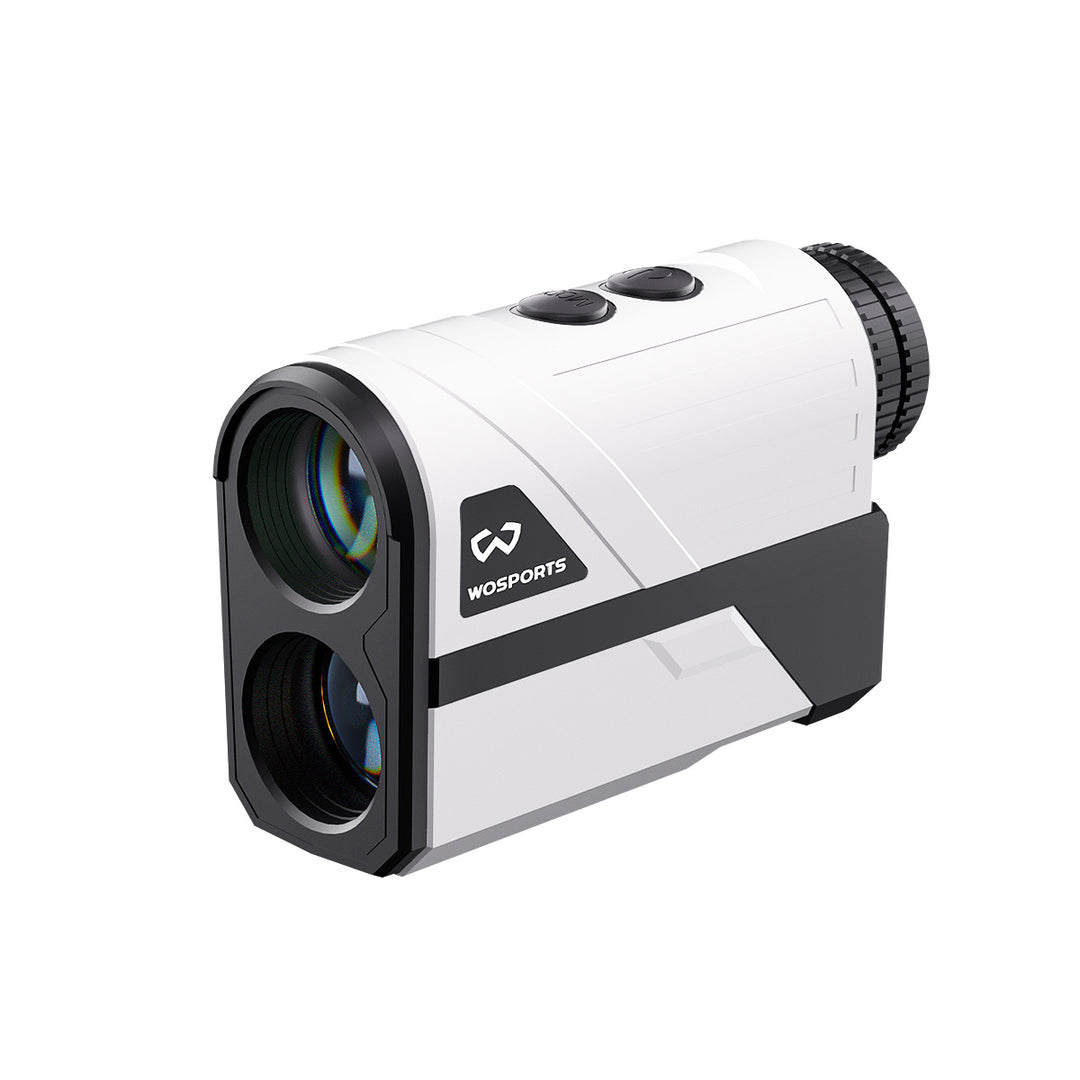
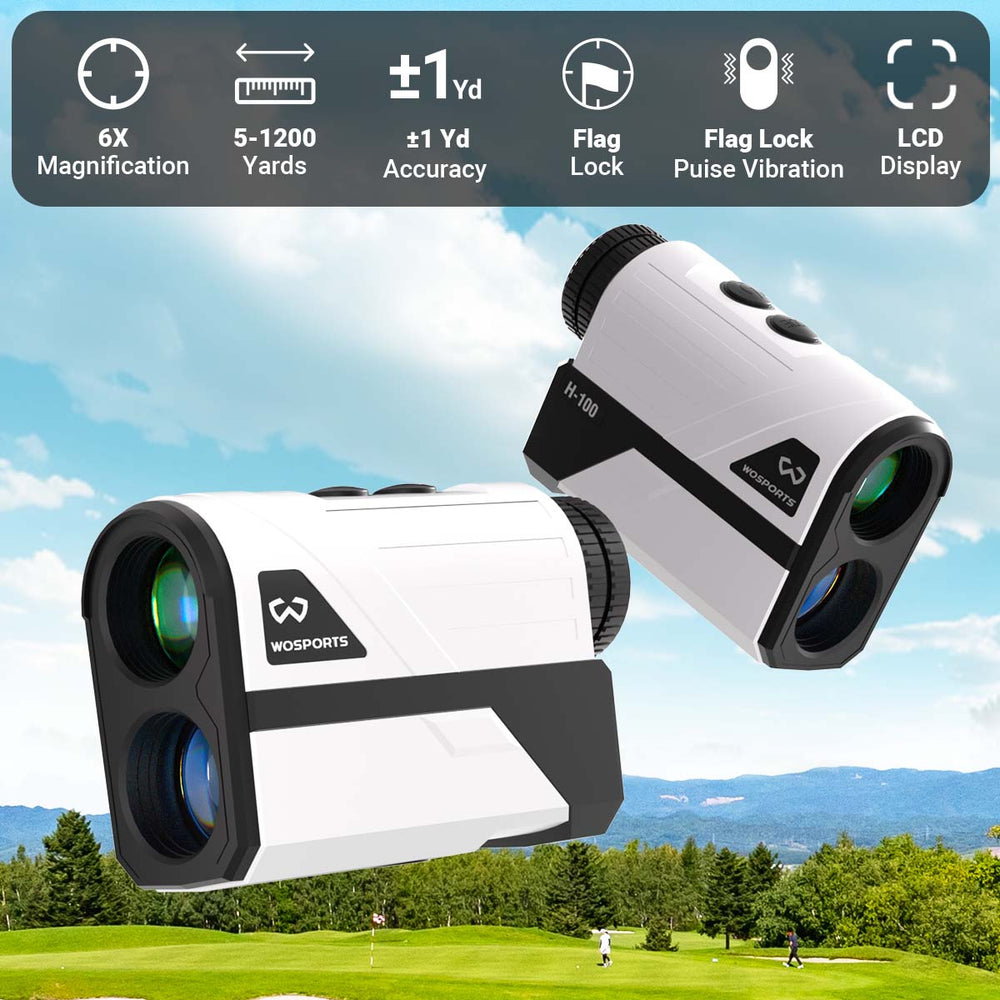
How to Properly Use a Golf Rangefinder — A Clear Beginner’s Guide (with Tips, Stats & Practice)
Summary: Using a golf rangefinder the right way can significantly improve your club‑selection decisions, confidence, and pace of play. In this guide we’ll walk you through the proper technique step by step, explain common mistakes to avoid, share expert insights, include real user examples, and discuss how features like slope work in real on‑course use. Whether you’re shopping around the top rated golf rangefinders or choosing one of the best golf rangefinders, mastering proper use is essential for better scores.
🧠 What a Golf Does (and Why It Matters)
Summary: A golf rangefinder measures distance to specific targets (like the flag or hazards), giving you precise yardage that helps with club choice and strategy.
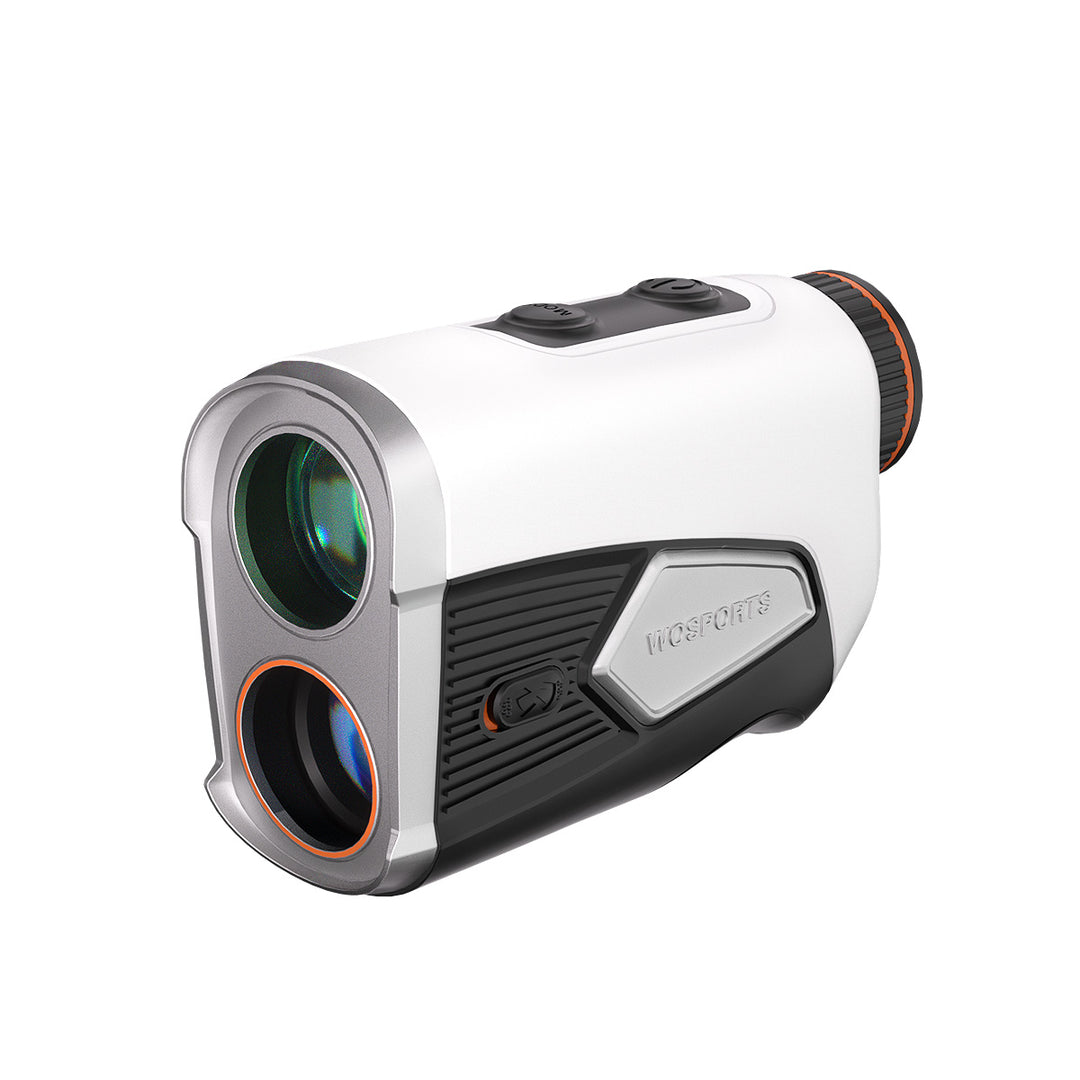
Golf rangefinders — whether laser or GPS based — help you determine the exact distance to targets on the course instead of guessing. Laser rangefinders send a beam to a target and calculate yardage based on time of return, whereas GPS devices use satellite data and course maps for broader yardage. source: https://golfgpsauthority.com/golf-laser-rangefinder-vs-gps-watch/?utm_source=chatgpt.com (source: link)
Accurate distances help you:
-
Choose the correct club for each shot
-
Avoid hazards with better layup decisions
-
Improve confidence over tricky approaches
-
Reduce guesswork compared to pacing or visual estimates
Whether you’re using a specialized best rangefinder golf tool or a simple GPS watch as a backup, understanding how to read and apply yardage data is key to playing smarter golf.
🎯 Step‑by‑Step: Using a Rangefinder Properly
Summary: Follow these practical steps to aim and read your rangefinder confidently and consistently during a round.
1) Turn It On Before Your Shot
Activate the rangefinder before stepping up to measure. This saves time and keeps pace of play smooth. source: https://www.cznorm.com/buying-a-golf-rangefinder-how-to-choose-the-right-one-and-avoid-common-mistakes.html (source: link)
2) Hold It Steady
Use both hands or rest your arm against the body for stability to avoid shaky readings. source: https://www.aofar.com/blogs/news/how-to-use-golf-rangefinder-accurate-shots (source: link)
3) Aim at the Target
Look through the viewfinder and point directly at your chosen object — usually the flagstick or hazard edge. For lasers, aiming at the flag base or stick reduces flapping flag interference. source: https://golfenhance.com/golf-rangefinders/ (source: link)
4) Press the Measure Button
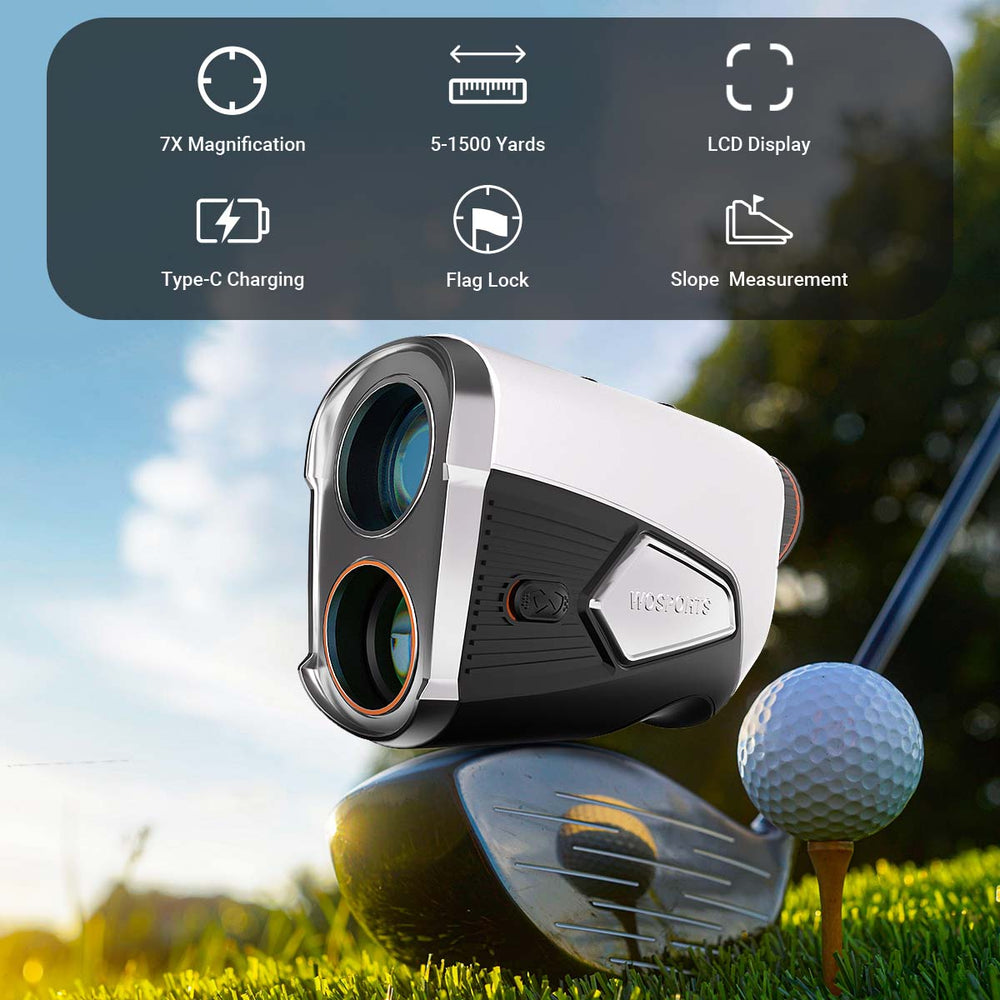
Hold the pressure until the display stabilizes; many units will show a flag lock icon or vibration to confirm pin reading (common on top rated golf rangefinders).
5) Interpret the Yardage
Use the number displayed as part of your shot planning — consider yardage along with wind, lie, and your own club distances.
This technique works for most standard devices and helps you get consistent, reliable data every time.
📈 Common Mistakes and How to Avoid Them
Summary: Avoid common errors like shaky hands, background errors, or over‑reliance on electronics to make your rangefinder readings more consistent.
🔹 Shaky hands: Keep elbows close to your body to reduce movement. source: https://www.aofar.com/blogs/news/how-to-use-golf-rangefinder-accurate-shots (source: link)
🔹 Wrong target: Don’t lock onto trees or objects behind the flag — aim carefully at the flag base. source: https://golfenhance.com/golf-rangefinders/ (source: link)
🔹 Ignoring conditions: Distance is one part of the equation — also think about slope, wind, and personal tendencies. source: https://golfenhance.com/golf-rangefinders/ (source: link)
🔹 Over‑reliance: Don’t let distance numbers replace your own feel and strategy — use them to inform your choices, not make them for you.
Mastering these simple habits keeps your rangefinder readings meaningful and actionable.
⛰️ Using Slope and Terrain Data Correctly
Summary: If your rangefinder has slope mode, it can estimate how elevation changes affect your shot — but this should be used only in casual play or practice rounds.
Slope compensation adjusts yardage based on incline or decline, giving you a “plays‑as” number for uphill/downhill shots. For example, a 150‑yard uphill shot may feel like 165 yards, and slope mode estimates that effect. source: https://shungolf.com/article/where-to-aim-golf-rangefinder (source: link)
⚠ Important rule: Under official competition rules (like many organized tournaments), slope or elevation features are not allowed during play (because they provide additional playing advice beyond straight distance). Always check before using slope mode in tournament settings. source: https://shungolf.com/article/where-to-aim-golf-rangefinder (source: link)
Using slope mode in practice helps you understand how elevation affects shots and improves club selection instinct over time.
🧠 Expert Tips for Better Rangefinder Use
Summary: Golf commentators and gear experts agree that steady aim, multiple readings, and cross‑referencing with course context make your rangefinder readings far more useful.
Experts suggest:
✔ Take two or three readings when in doubt and use the most consistent number. source: https://www.cznorm.com/buying-a-golf-rangefinder-how-to-choose-the-right-one-and-avoid-common-mistakes.html (source: link)
✔ Don’t rush — let the device stabilize before locking in yardage. source: https://www.cznorm.com/buying-a-golf-rangefinder-how-to-choose-the-right-one-and-avoid-common-mistakes.html (source: link)
✔ Use traditional markers or GPS as a backup when the target is not visible or when visibility is low. source: https://golfenhance.com/golf-rangefinders/ (source: link)
These habits help when you’re learning to use any of the best golf rangefinders, whether laser‑only or combined GPS systems.
📋 Real User Experiences: How Rangefinders Impact Play
Summary: Golfers frequently report that rangefinders help them commit to shots and reduce guesswork — especially around the green and near hazards.
Here’s what players share in community discussions:
-
Many golfers say using a rangefinder has helped them stop guessing yardages and focus on execution. source: https://www.reddit.com/r/golf/comments/1crv8nv (source: link)
-
Others highlight that rangefinders assist in practice rounds for dialing club distances and checking course markers. source: https://www.reddit.com/r/golf/comments/1lg4e28 (source: link)
-
A common tip from users is to measure multiple points (front/back of green, hazards) to get a complete picture. source: https://www.reddit.com/r/golf/comments/1lg4e28 (source: link)
These real impressions show how rangefinder use becomes part of many golfers’ routines and improves confidence and planning.
❓ Frequently Asked Questions About Rangefinder Use
Q: Should I aim at the flag or the ground near it?
A: Aim at the flag or stick itself — flags can move, so targeting the stick gives a more reliable lock. source: https://golfenhance.com/golf-rangefinders/ (source: link)
Q: How far should a golf rangefinder measure for most courses?
A: Effective golf rangefinder distance is usually around 250–300 yards to small objects like a flag, even if max range specs are much higher. source: https://www.reddit.com/r/golf/comments/13632h6?utm_source=chatgpt.com (source: link)
Q: Is it okay to use slope features every round?
A: Yes for casual rounds and practice — but check tournament rules before using slope in competition. source: https://shungolf.com/article/where-to-aim-golf-rangefinder (source: link)
🏁 Final Thoughts: Practice Makes Perfect
Summary: Properly using a golf rangefinder — aiming steadily, interpreting distances in context, and combining tech with on‑course experience — takes time and repetition. Whether you’re checking distances on top rated golf rangefinders or comparing some of the best golf rangefinders on the market before buying, good technique will make your practice and rounds more accurate and enjoyable. A rangefinder is a tool — but how you use it makes the real difference. source: https://golfgpsauthority.com/golf-laser-rangefinder-vs-gps-watch (source: link)
Search
Popular Posts
Recent Posts


Nov 28, 2024
Troubleshooting Common Trail Camera Issues
Jan 10, 2025
Why Does My Trail Camera Stop Working at Night?