How to Evaluate Trail Camera Image Quality and Night Vision Performance
Executive Summary
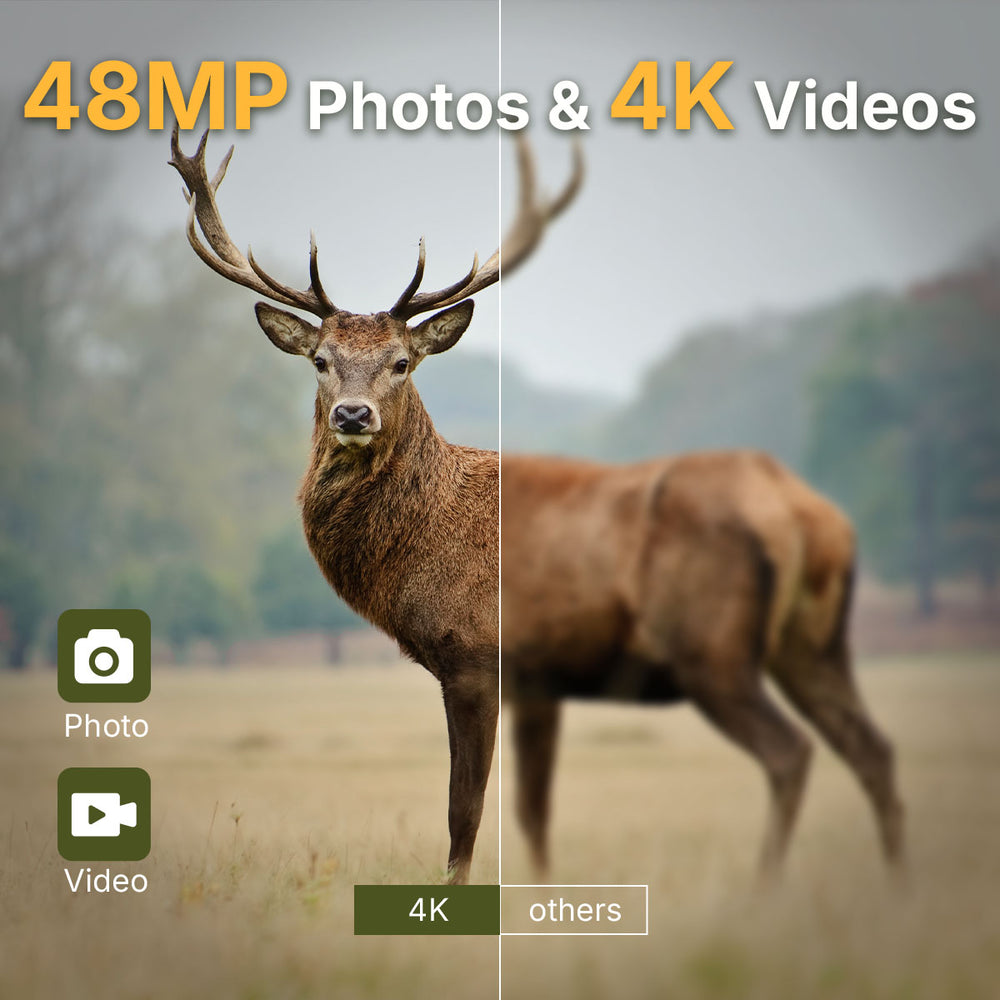
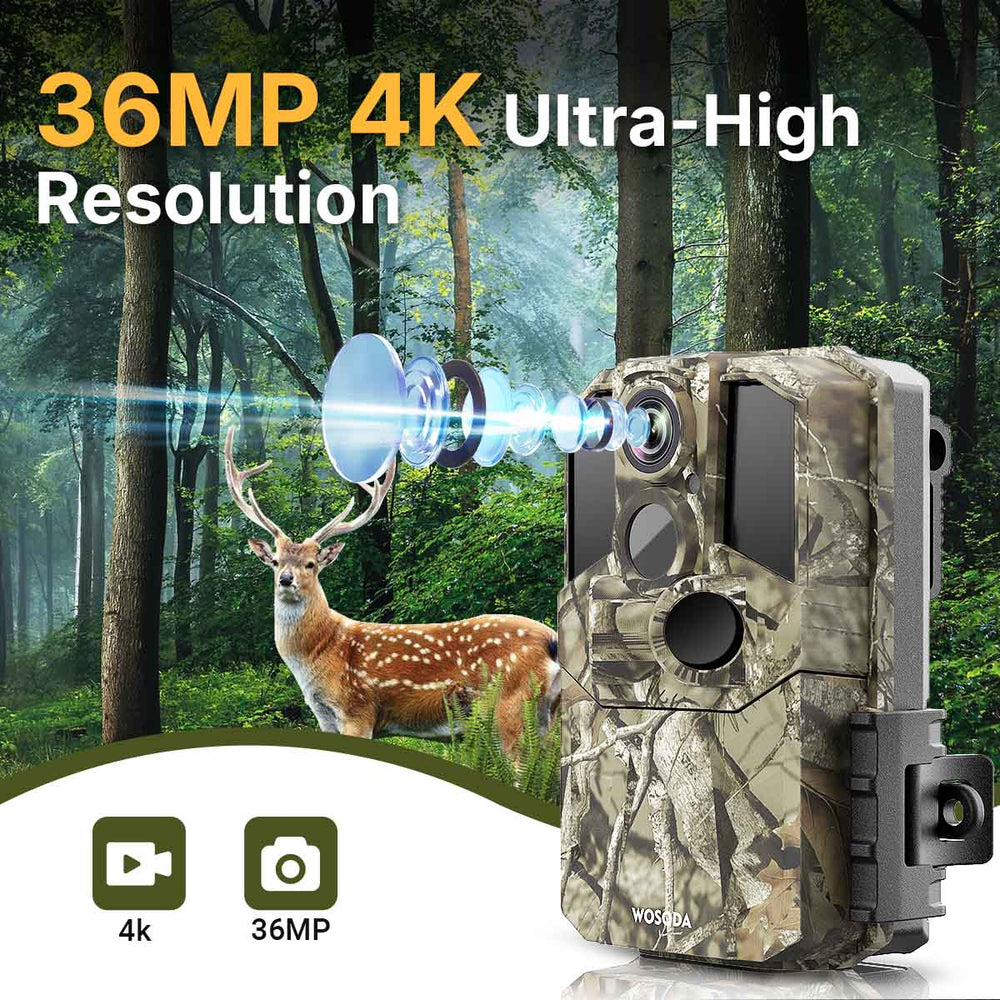
When selecting a trail camera for wildlife research, farm management, or retail distribution, buyers often focus on megapixels. However, image quality and trail camera night vision performance depend on a combination of sensor quality, infrared technology, trigger speed, and image processing. For B2B buyers, understanding these factors helps reduce returns and improve customer satisfaction.
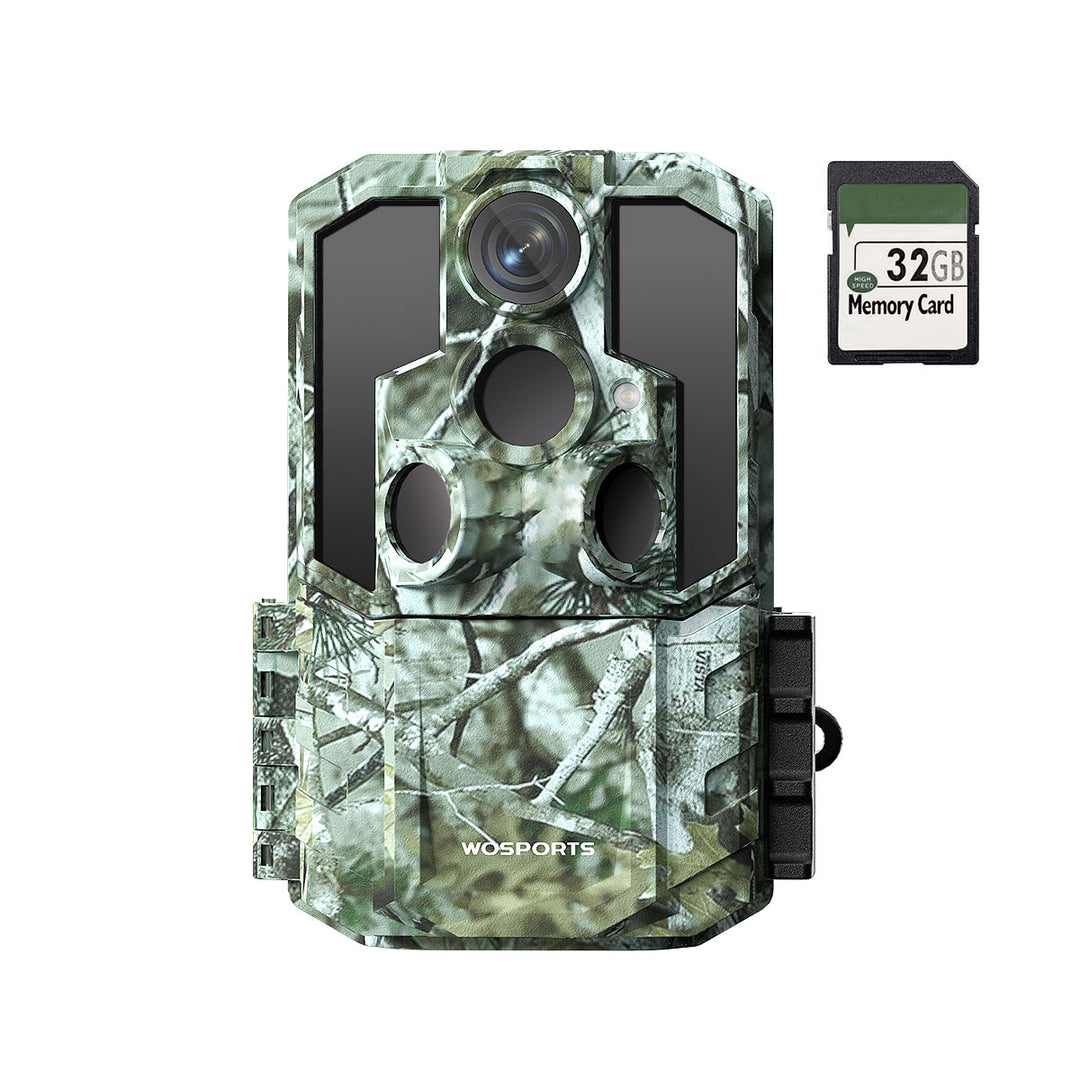
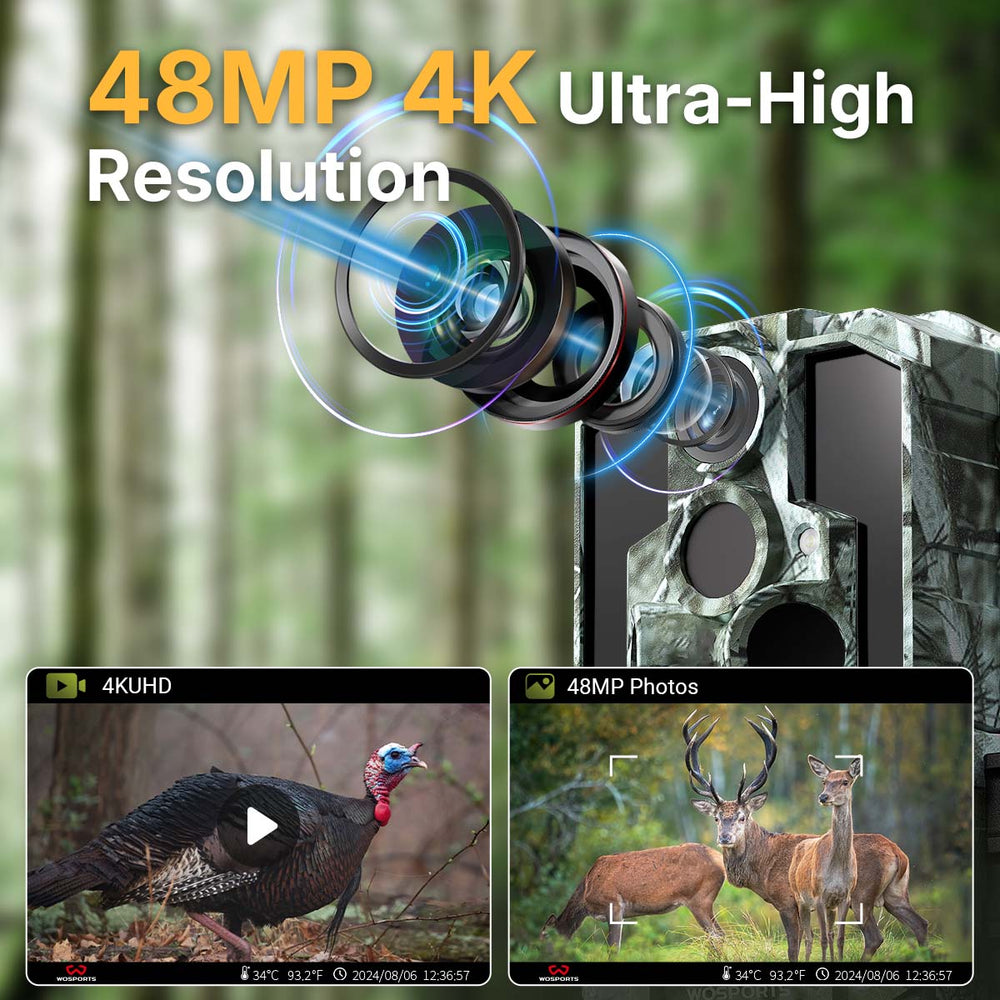
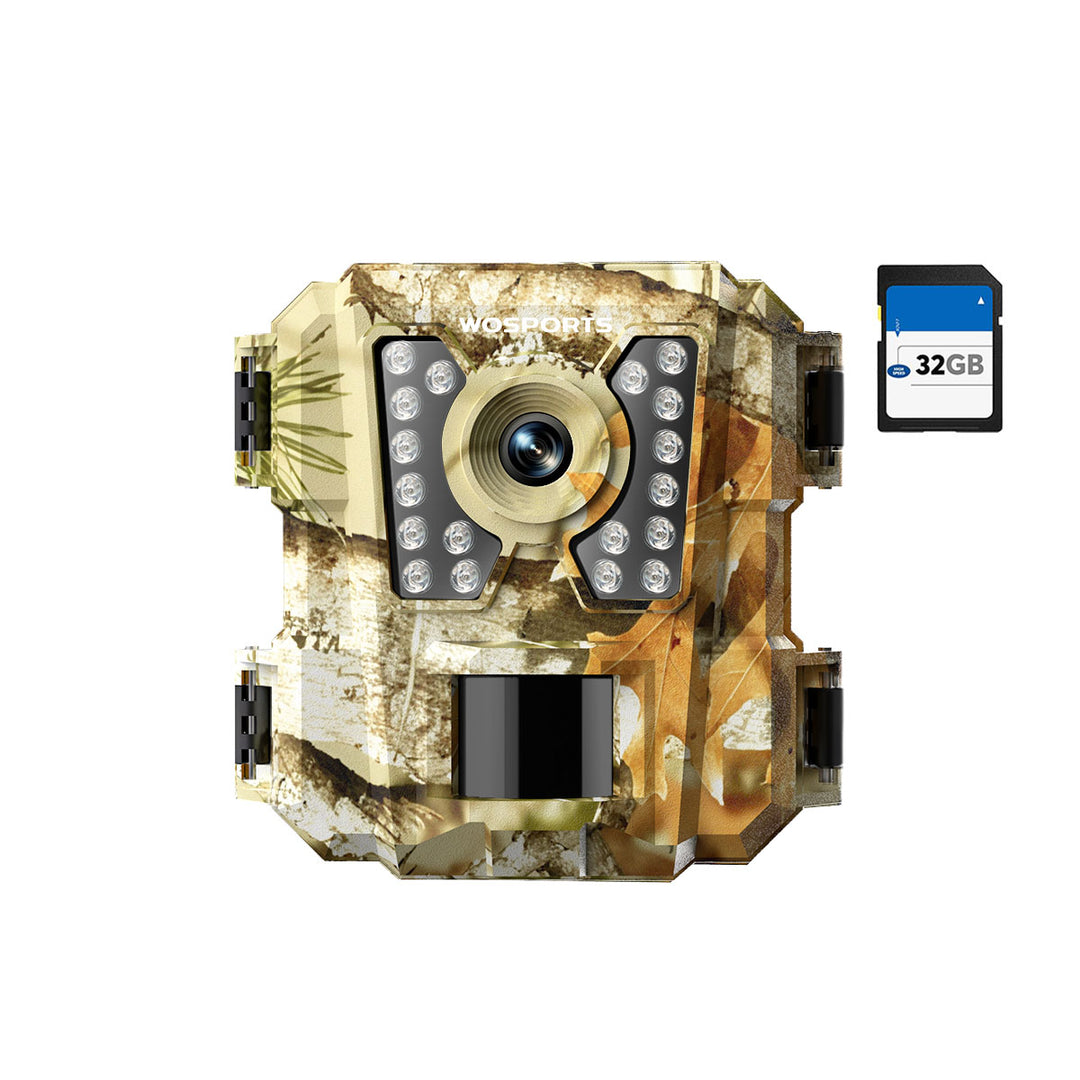
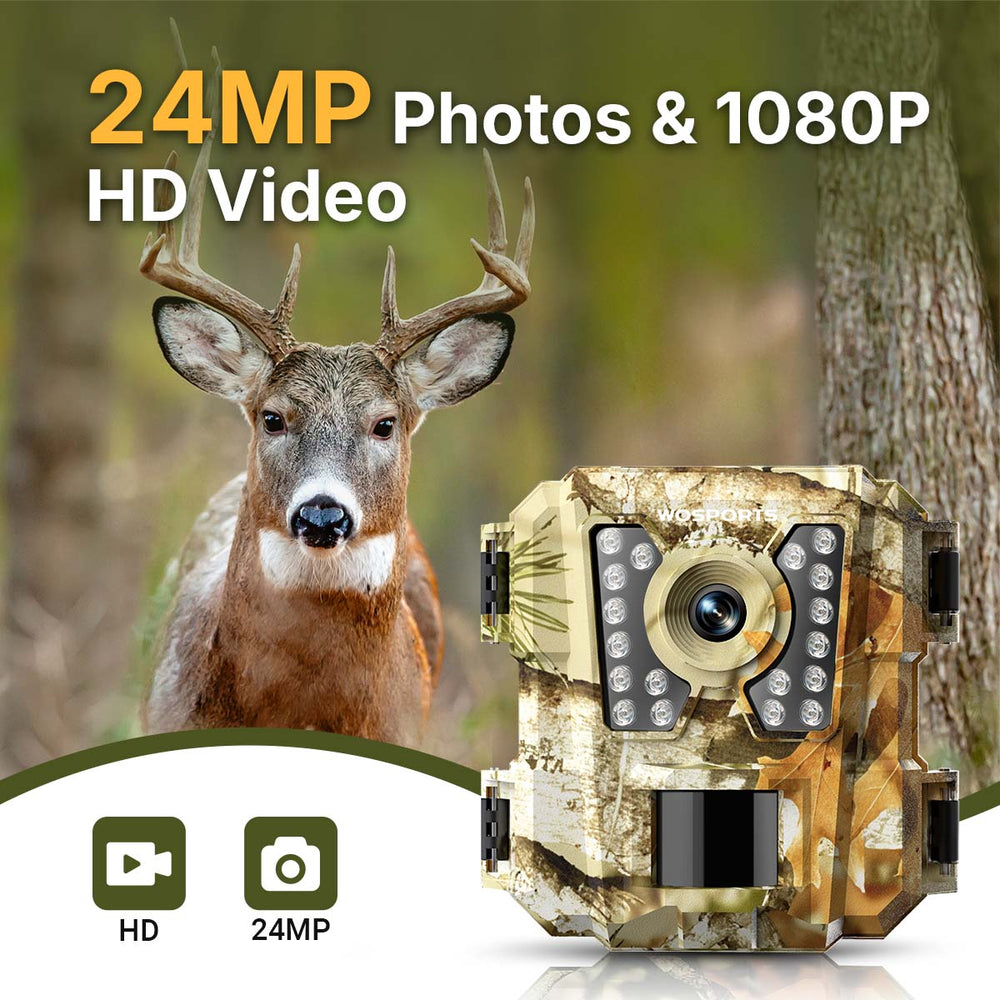
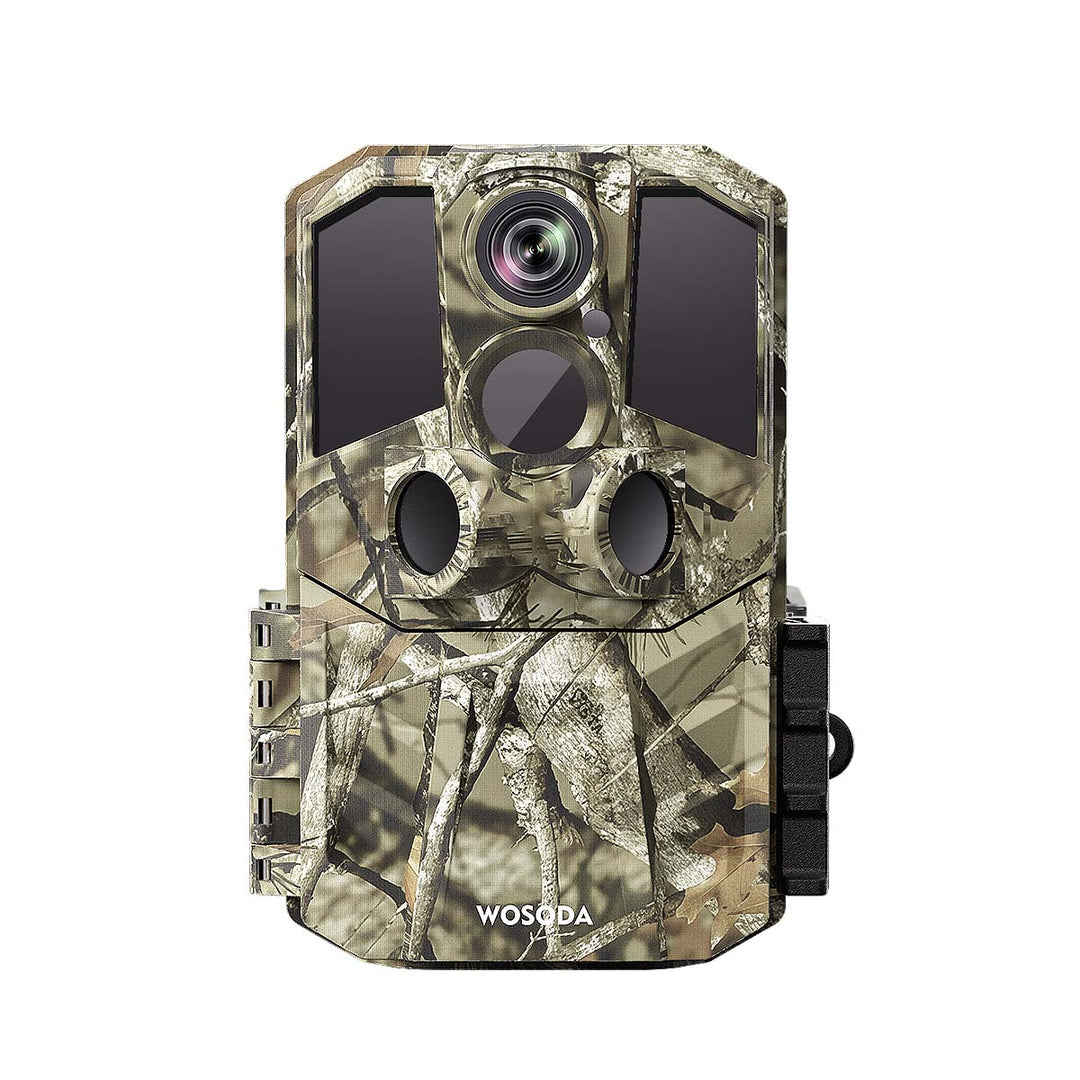
The WOSPORTS G600 Trail Camera combines high-resolution imaging, fast trigger speed, invisible infrared illumination, and reliable weather resistance, making it suitable for wildlife monitoring, property management, and outdoor surveillance.
Why Image Quality Matters More Than Megapixels
Image quality is determined by the complete imaging system rather than a single specification.
Factors that affect image quality include:
- Sensor size
- Lens quality
- Image processing algorithm
- Infrared illumination
- Exposure control
- Motion blur reduction
A camera with balanced hardware often produces clearer nighttime images than one with higher advertised megapixels but lower-quality optics.
Comparison of Key Imaging Factors
| Factor | Why It Matters |
|---|---|
| Sensor quality | Captures more detail in low light |
| Lens quality | Improves sharpness and contrast |
| Trigger speed | Reduces motion blur |
| Infrared LEDs | Determines nighttime visibility |
| Image processor | Enhances overall clarity |
How Trail Camera Night Vision Works
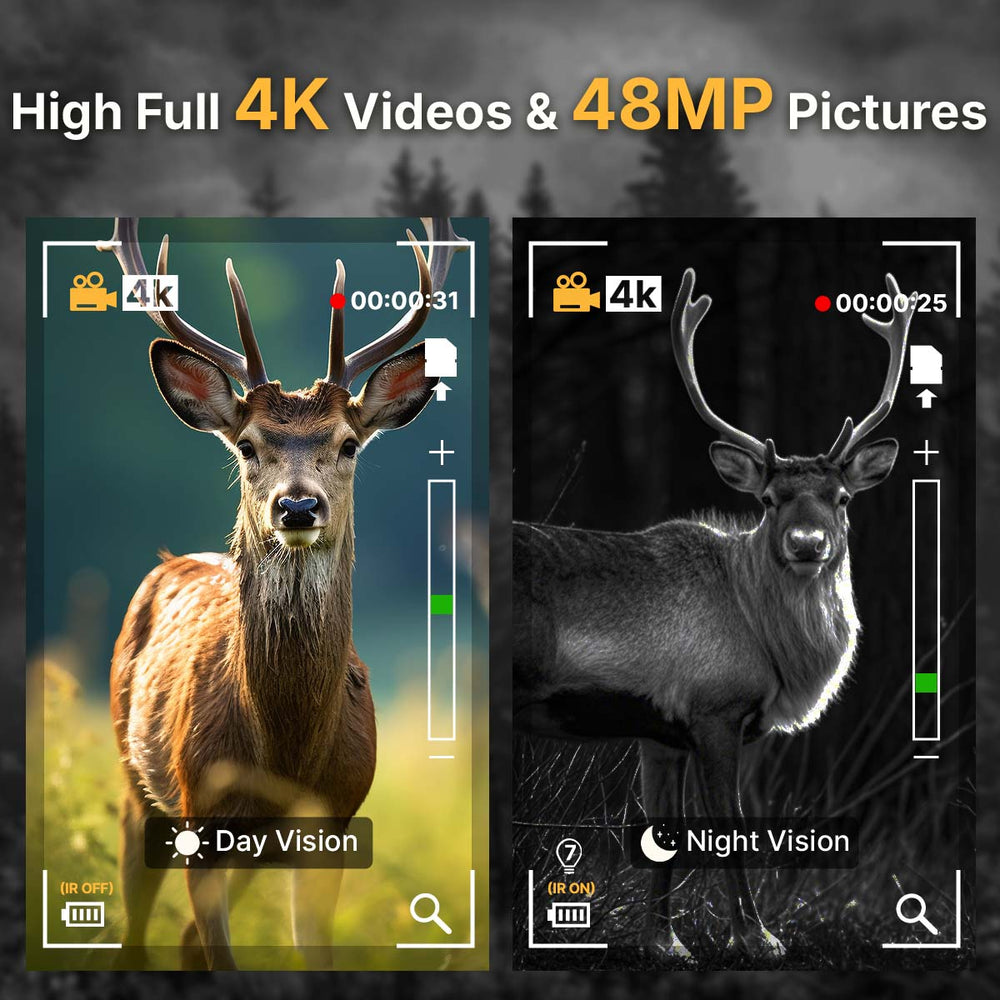
Trail cameras use infrared (IR) LEDs to illuminate scenes that are too dark for the human eye.
During the day, the camera records in full color. At night, it automatically switches to infrared mode, producing black-and-white images with improved visibility.
The quality of trail camera night vision depends on:
- Infrared LED power
- Detection distance
- Exposure balance
- Sensor sensitivity
- Ambient environmental conditions
According to the U.S. Geological Survey (USGS), infrared camera systems have become an essential tool for monitoring wildlife while minimizing disturbance to animals.
Source: U.S. Geological Survey (USGS)
Link: https://www.usgs.gov/
Evaluating Infrared Performance
Good infrared performance is about more than simply seeing farther.
Look for:
- Even illumination across the frame
- Minimal overexposure at close range
- Sharp subject details
- Consistent performance in complete darkness
- Low image noise
| Performance Factor | Good Performance |
| Night range | Long and evenly illuminated |
| Motion capture | Sharp moving subjects |
| Contrast | Clear separation of animals and background |
| Noise level | Low digital grain |
Common Factors That Reduce Night Image Quality
Even premium cameras can produce poor images if deployed incorrectly.
Common issues include:
- Camera facing directly toward sunrise or sunset
- Branches reflecting infrared light
- Dirty lenses
- Incorrect mounting height
- Excessive distance from the target area
Proper installation often improves image quality more than increasing camera resolution.
Why the WOSPORTS G600 Stands Out
The WOSPORTS G600 Trail Camera is designed for users who require dependable performance in challenging outdoor environments.
Key Features
- High-resolution image capture
- 4K video recording
- Fast trigger speed
- Wide detection angle
- Invisible infrared LEDs
- IP66 waterproof housing
- Long battery life
These features help provide consistent day and night performance for wildlife observation, farm monitoring, and property surveillance.
Original Analysis: What B2B Buyers Should Prioritize
Based on current market trends, wholesale buyers increasingly value product reliability over maximum specifications.
Instead of choosing cameras with the highest advertised megapixels, distributors should prioritize products that deliver:
- Stable night performance
- Reliable trigger speed
- Durable outdoor construction
- Low warranty rates
- Easy installation
This approach reduces customer complaints and improves long-term brand reputation.
Customer Case
A rural equipment distributor supplied the G600 Trail Camera to local landowners for wildlife monitoring and farm security.
Results after three months
- Fewer complaints about blurry nighttime images
- Improved customer satisfaction
- Reduced battery replacement frequency
- Positive feedback on infrared performance
Customers particularly appreciated the camera's ability to capture clear images of deer and other wildlife during nighttime activity.
Expert Perspective
Camera-trap technology has become one of the most effective non-invasive methods for monitoring wildlife populations.
"Camera traps allow researchers to monitor wildlife with minimal disturbance while collecting continuous ecological data."
Source: Smithsonian's National Zoo & Conservation Biology Institute
Link: https://nationalzoo.si.edu/
Frequently Asked Questions
Is a higher megapixel rating always better?
No. Sensor quality, optics, and infrared performance usually have a greater impact on real-world image quality.
What infrared range is suitable for wildlife monitoring?
For most wildlife and property monitoring applications, an infrared range between 65 and 100 feet is sufficient, depending on terrain and target size.
Does weather affect night vision performance?
Yes. Heavy rain, fog, and snow can reduce infrared effectiveness because moisture scatters infrared light.
Is the G600 suitable for long-term outdoor deployment?
Yes. Its weather-resistant design, efficient power management, and reliable infrared system make it suitable for long-term outdoor monitoring.
Conclusion
Evaluating trail camera night vision, image quality, and infrared performance requires looking beyond simple specifications. Buyers should consider the complete imaging system, including sensor quality, infrared illumination, trigger speed, and durability.
For distributors, retailers, and commercial buyers seeking a dependable trail camera, the WOSPORTS G600 Trail Camera offers a balanced combination of image quality, reliable night vision, and rugged outdoor performance, making it a strong choice for wildlife observation, farm management, and outdoor surveillance.
References
Source: U.S. Geological Survey (USGS)
Link: https://www.usgs.gov/
Source: Smithsonian's National Zoo & Conservation Biology Institute
Link: https://nationalzoo.si.edu/
Source: U.S. Fish & Wildlife Service
Link: https://www.fws.gov/
Search
Popular Posts
Recent Posts


Nov 28, 2024
Troubleshooting Common Trail Camera Issues
Jan 10, 2025
Why Does My Trail Camera Stop Working at Night?