How to Improve Your Short Game Using Rangefinder Data
For many golfers, shaving strokes off the scorecard doesn’t come from hitting longer drives—it comes from mastering the short game. Shots inside 100 yards demand precision, confidence, and smart decision-making. This is where using a golf rangefinder, and more importantly its data, can make a real difference in your wedge play and approach shots.
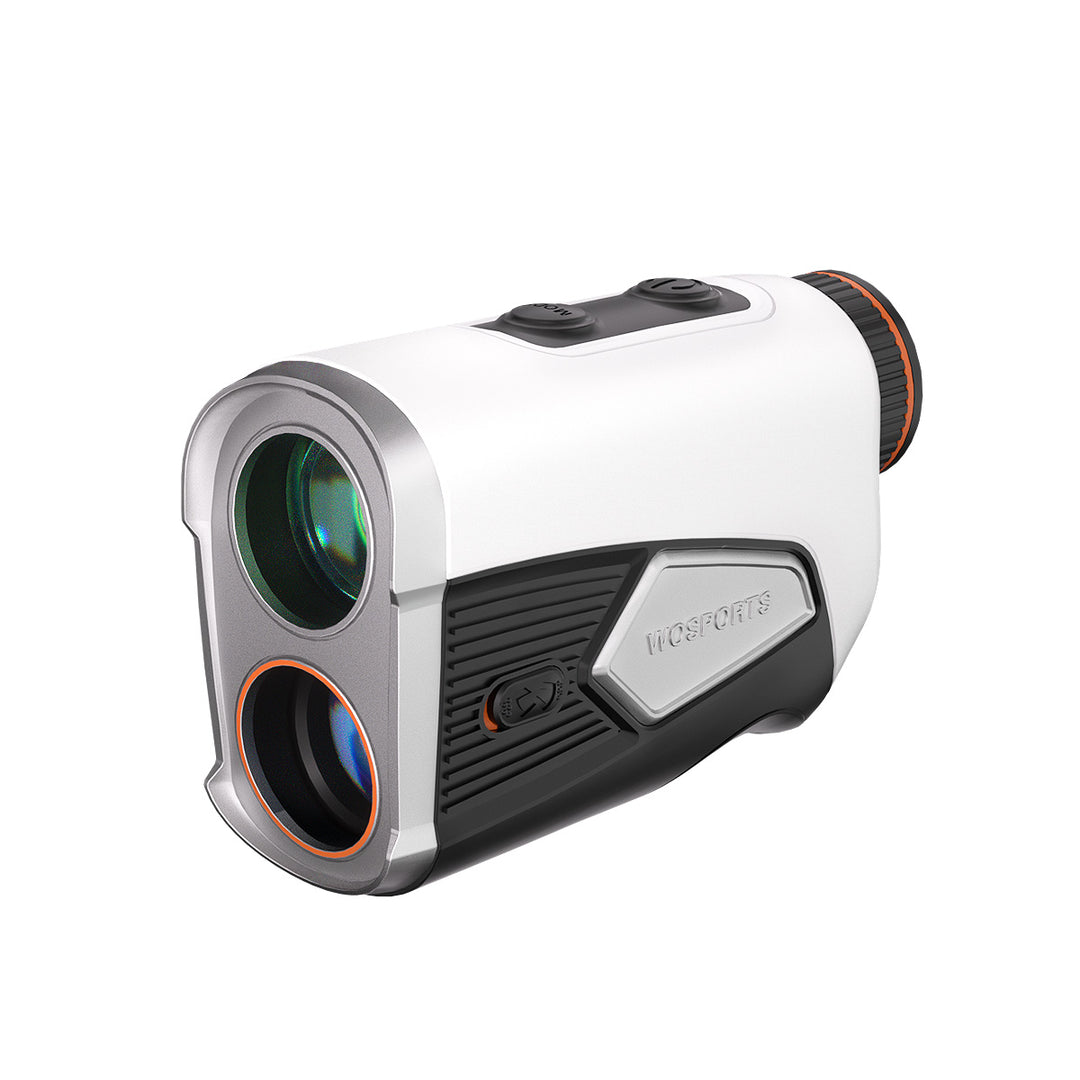
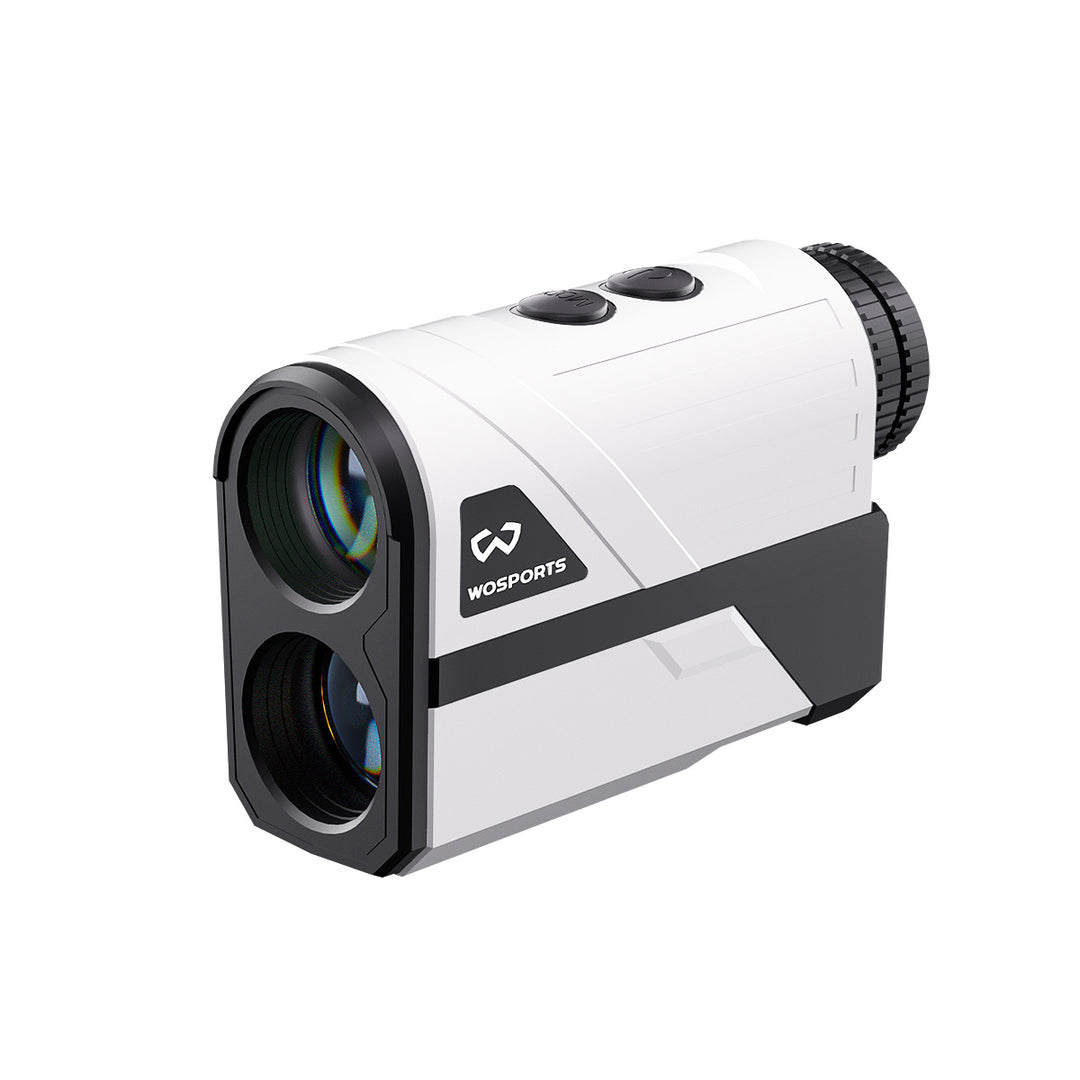
The first step is dialing in exact distances. Unlike GPS apps that often give front, middle, or back of the green, a laser rangefinder allows you to measure the precise yardage to the flag, bunkers, or landing zones. When practicing with the L14 rangefinder, you can repeatedly measure distances like 30, 50, 75, and 100 yards and associate each distance with a specific swing length. Over time, this builds a reliable “distance map” for your wedges, reducing guesswork on the course.
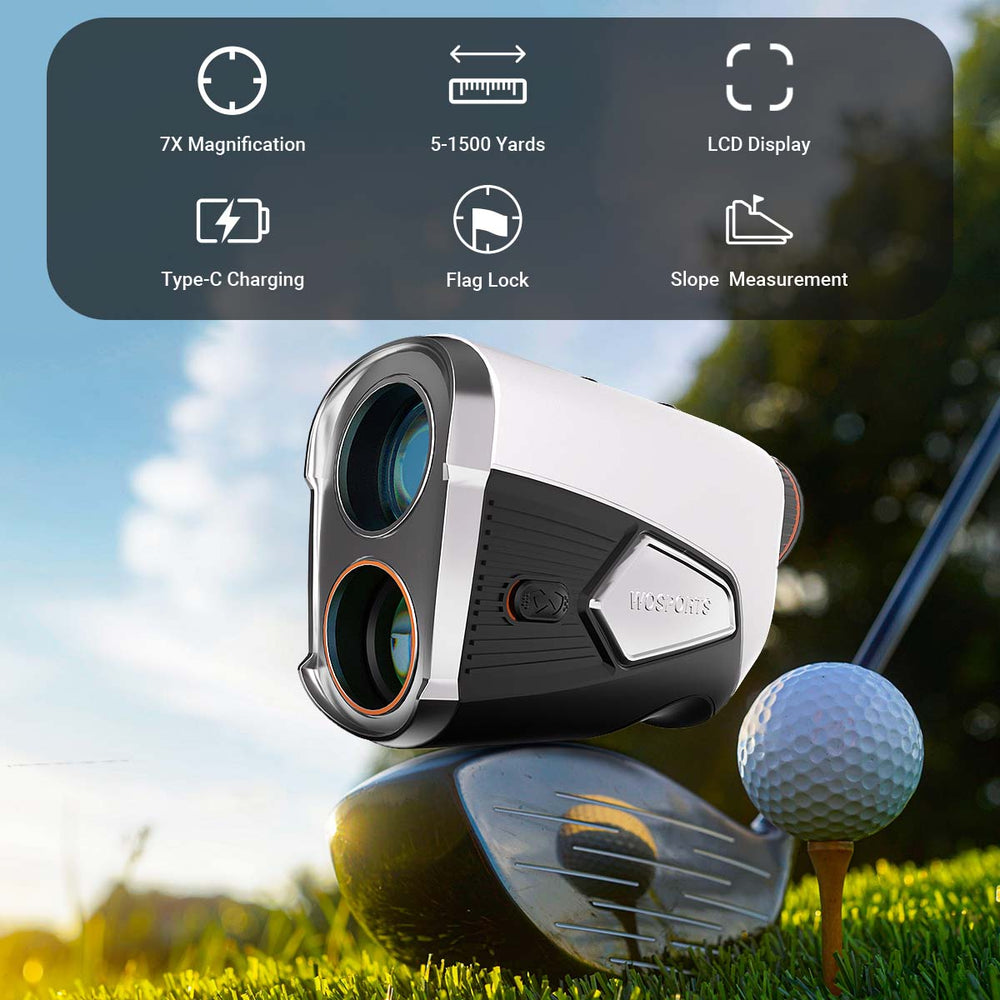
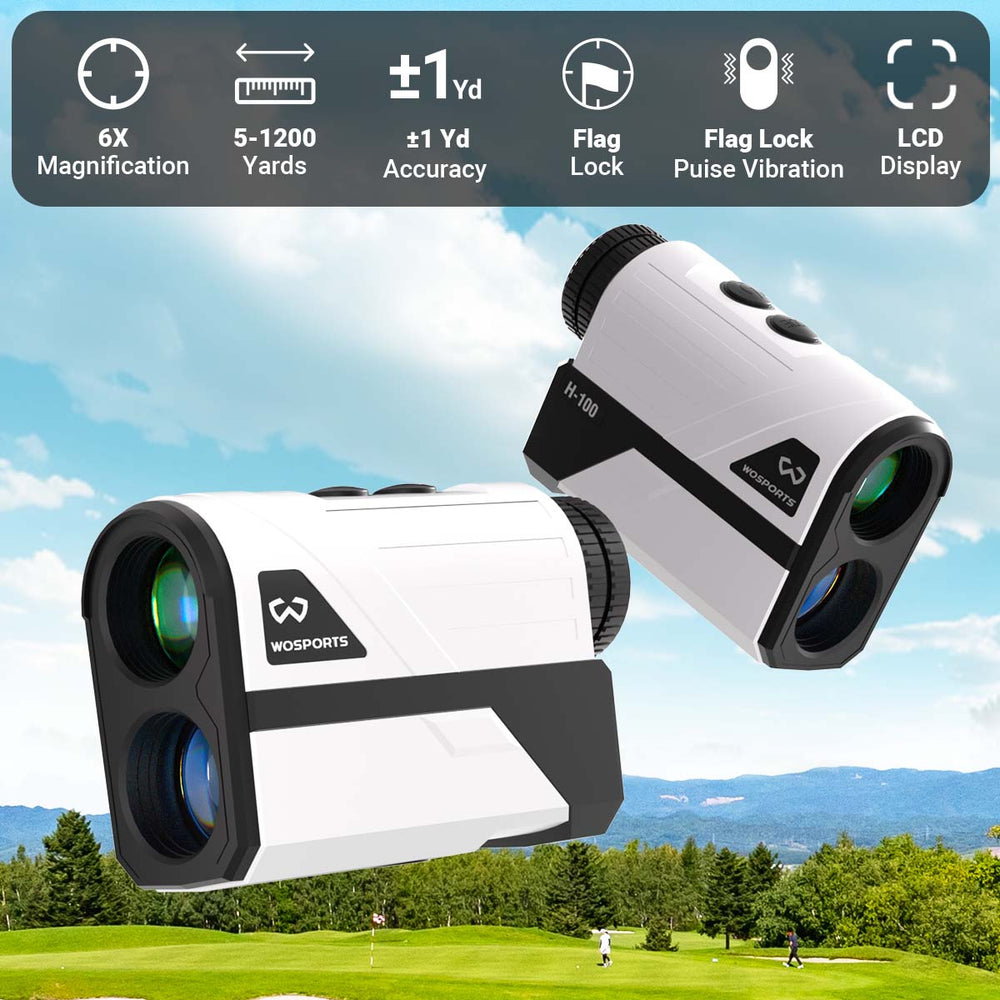
Another key advantage is slope compensation. Many short-game shots are affected by elevation changes, especially on hilly courses. The L14’s slope-adjusted distance function calculates how uphill or downhill lies change the effective yardage. Knowing the “plays like” distance helps you choose the correct club and swing tempo, preventing common mistakes like coming up short on uphill shots or flying the green on downhill approaches.
The L14’s high accuracy (±1 yard) and fast 0.3-second measurement speed are especially useful around the green. You can quickly scan multiple targets—flag, front edge, back edge—before committing to a shot. This helps with smarter shot planning, such as deciding whether to fly the ball all the way or let it release toward the pin.
During practice sessions, use the rangefinder as a feedback tool. Hit a shot, then re-measure the target and note how close you landed. This immediate data-driven feedback accelerates improvement compared to hitting balls without clear distance references. Over time, patterns emerge, helping you understand your tendencies and adjust your technique.
Finally, the L14’s compact size and magnetic mount make it easy to keep accessible, encouraging consistent use even for short shots. The more frequently you reference accurate distance data, the more confident and consistent your short game becomes.
By combining precise distance measurements, slope-adjusted data, and focused practice, a rangefinder transforms your short game from feel-based guessing into confident, repeatable execution—exactly where lower scores are made.
Search
Popular Posts
Recent Posts


Nov 28, 2024
Troubleshooting Common Trail Camera Issues
Jan 10, 2025
Why Does My Trail Camera Stop Working at Night?