How Wide Detection Angles Improve Wildlife Monitoring
When it comes to wildlife monitoring, one of the most important yet often overlooked features of a trail camera is the detection angle. A wider detection angle allows the camera to monitor a larger area, increasing the chances of capturing animals as they move through the environment. Whether you are studying wildlife behavior, scouting game, or monitoring property, a wide-angle trail camera can make a significant difference in the quality and quantity of footage you collect.
Capture More Movement in a Single Frame
Animals rarely walk directly in front of a camera. They often move across trails, fields, or forest edges at unpredictable angles. A wider detection angle allows the camera to sense motion from the sides as well as the center, ensuring that animals entering the detection zone are captured earlier. This greatly reduces the chances of missing fast-moving wildlife and increases the number of successful recordings.
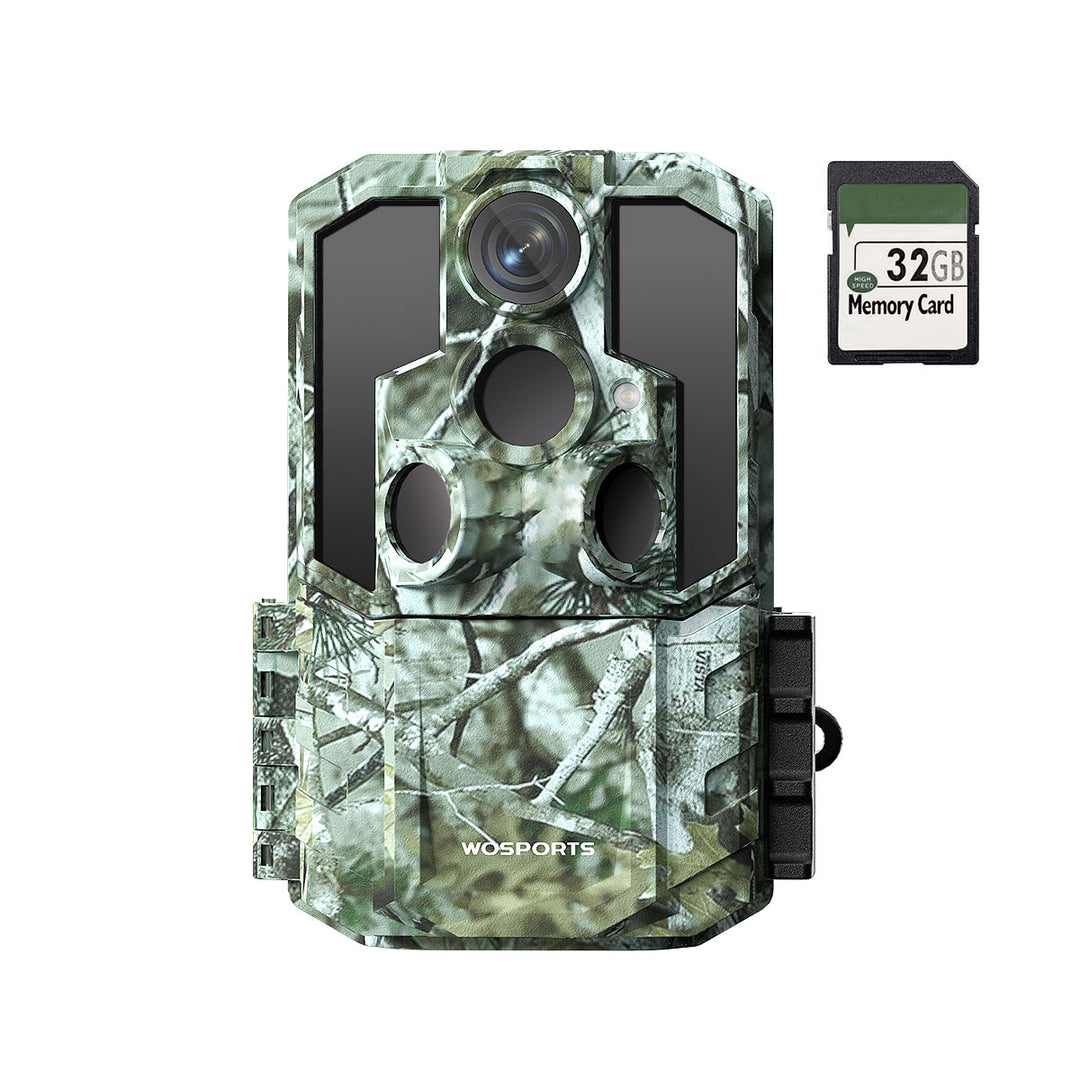
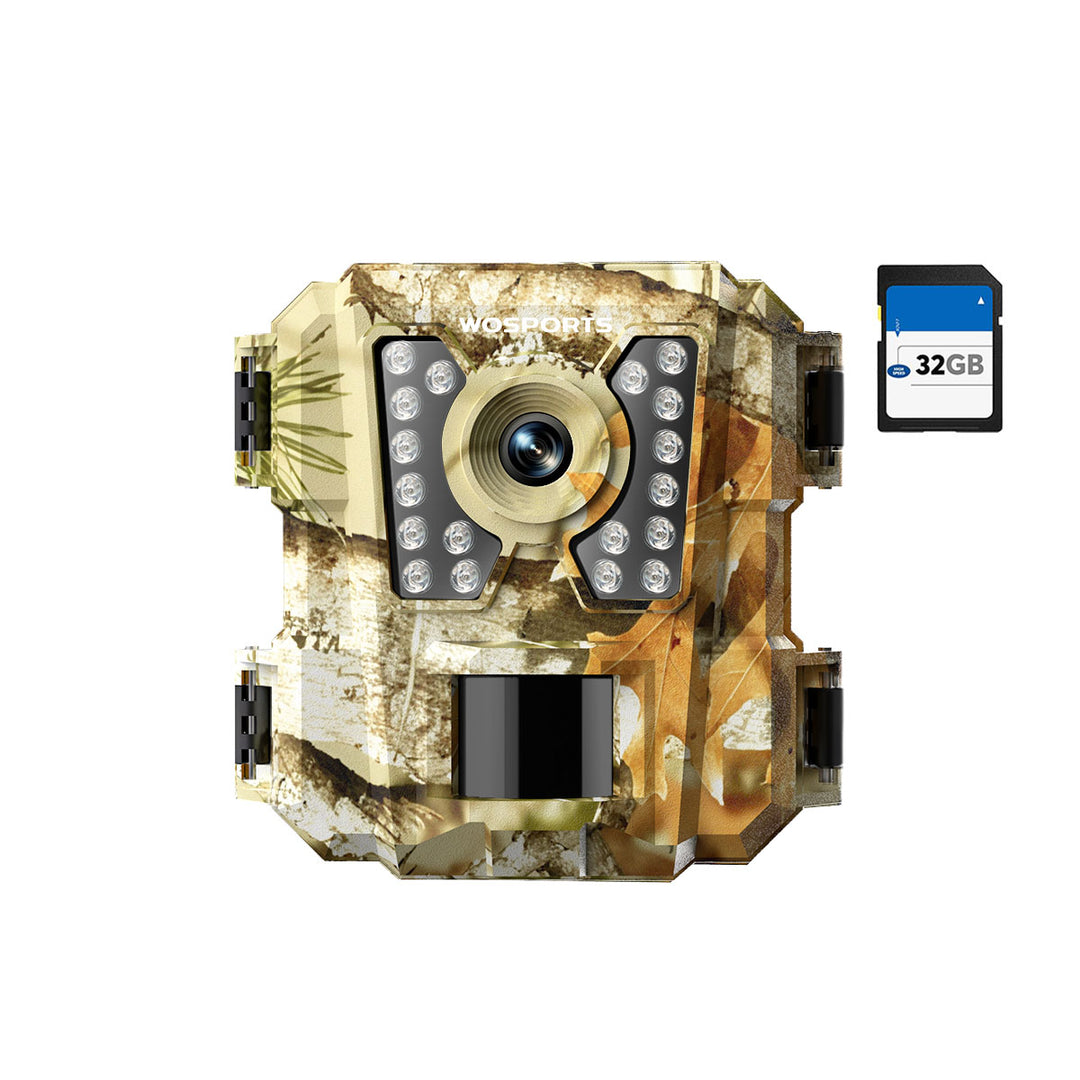
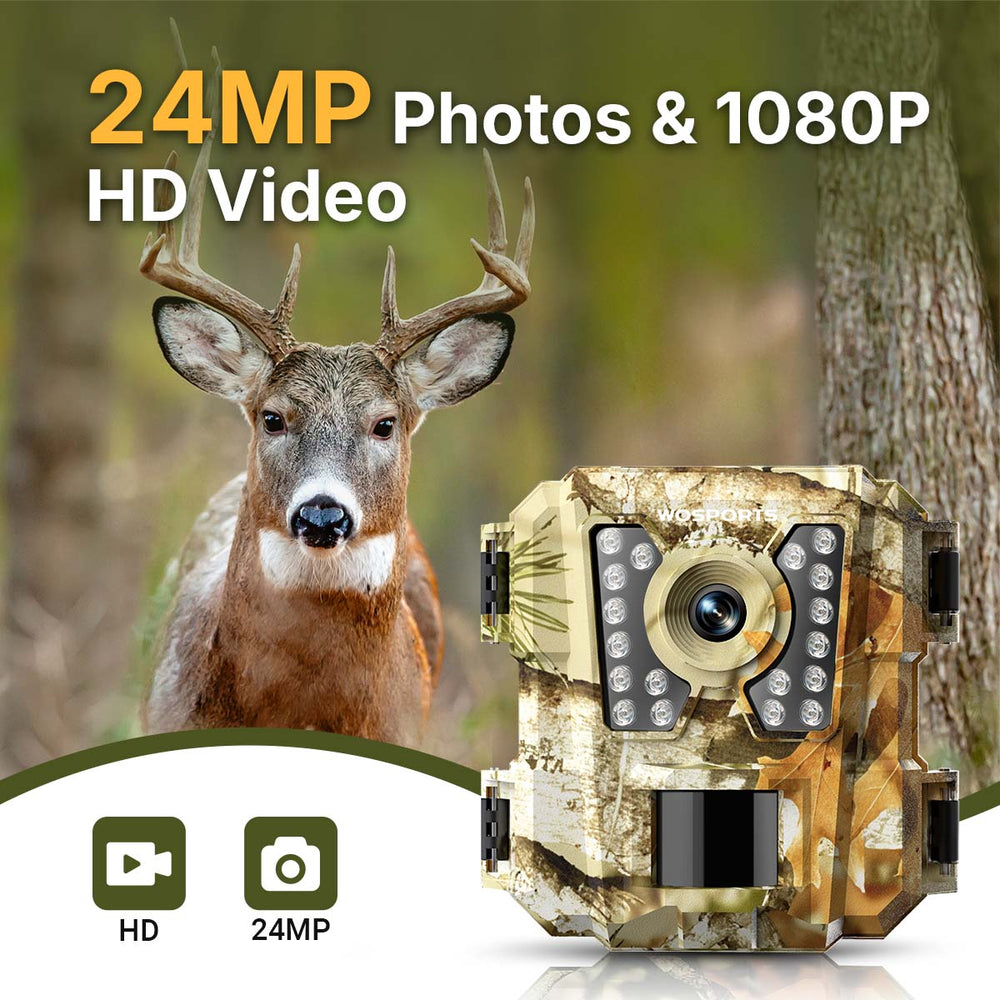
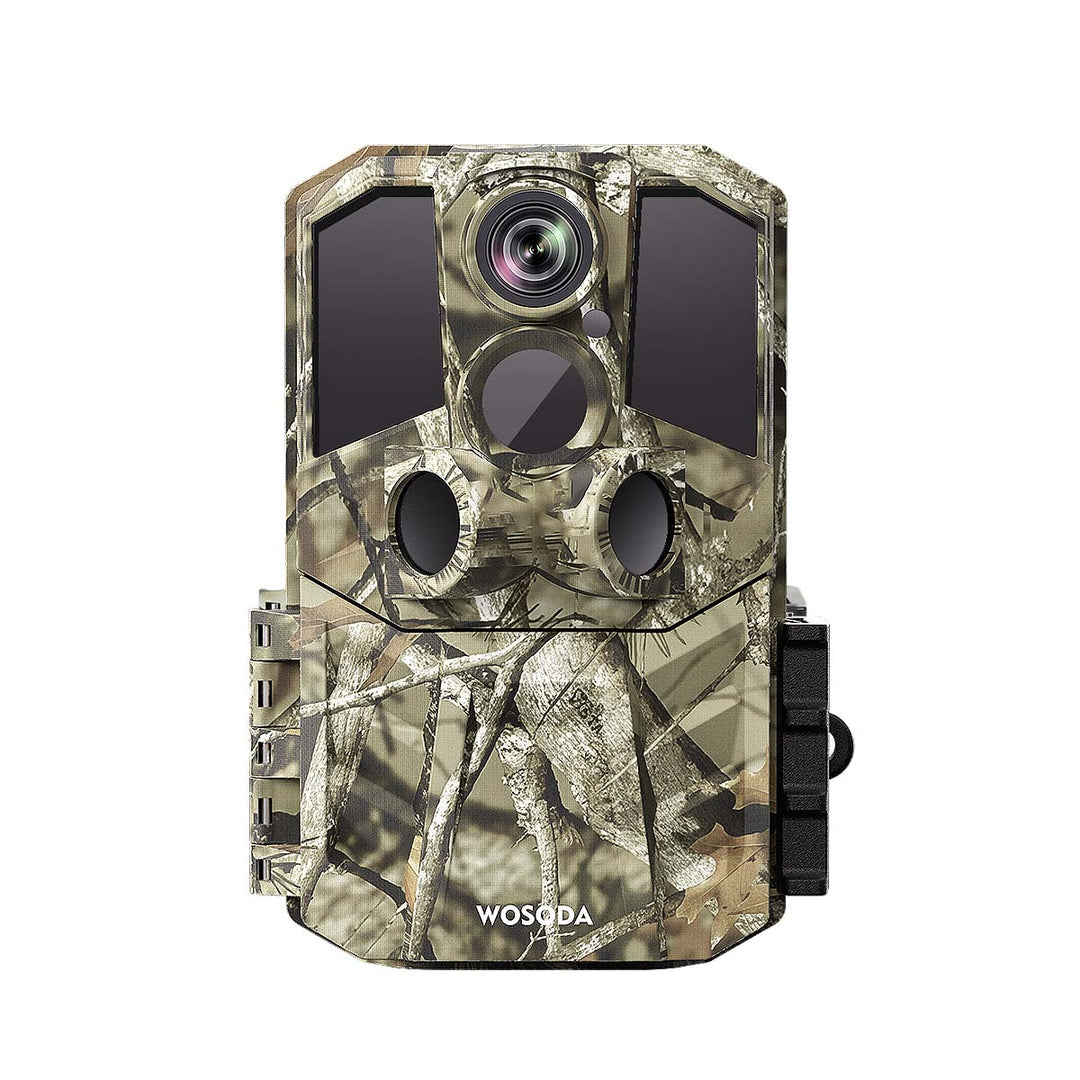
For example, the WOSPORTS G600 Trail Camera features a 120° wide detection angle, allowing it to cover a broad monitoring area. This wide field of view helps detect animals approaching from multiple directions, making it ideal for locations such as game trails, feeding areas, and forest clearings.
Improved Detection for Fast-Moving Wildlife
Another benefit of a wide detection angle is improved performance when animals move quickly across the camera’s field of view. When paired with a fast trigger speed, wide-angle cameras can capture critical moments that might otherwise be missed.
The G600 combines its 120° detection angle with a fast 0.2-second trigger speed, ensuring the camera activates almost instantly when motion is detected. This combination helps capture animals like deer, foxes, or birds before they leave the frame.
Better Coverage with Fewer Cameras
A wider monitoring range also means fewer cameras may be needed to cover a large area. Instead of installing multiple narrow-angle cameras, one wide-angle unit can effectively monitor a larger section of a trail or habitat. This saves time, reduces equipment costs, and simplifies field setup.
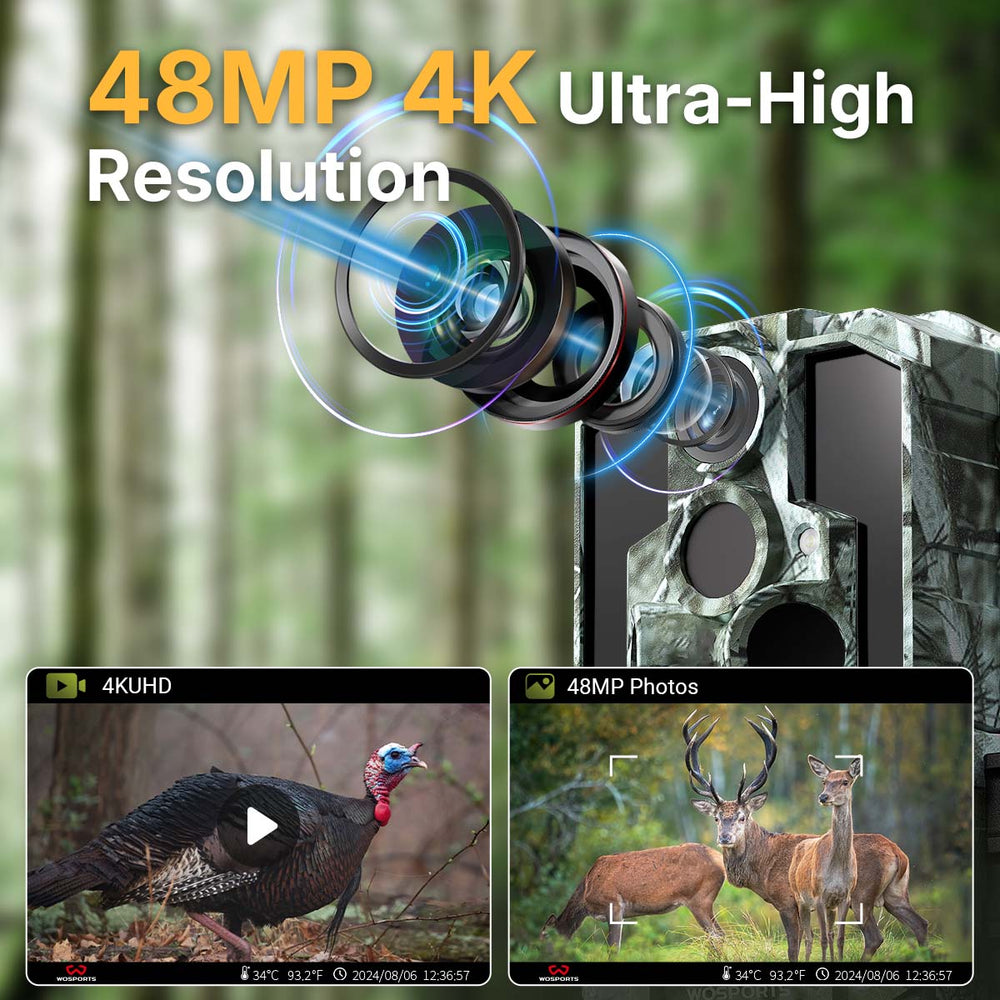
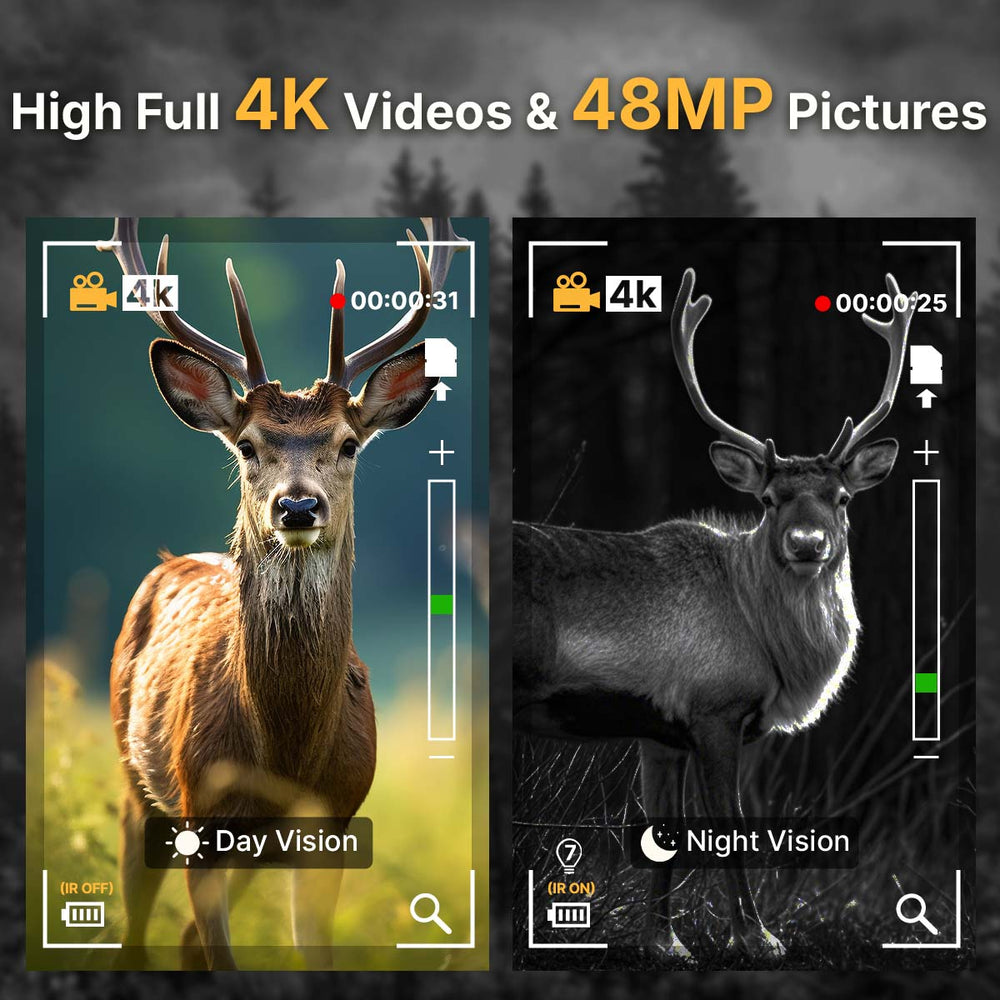
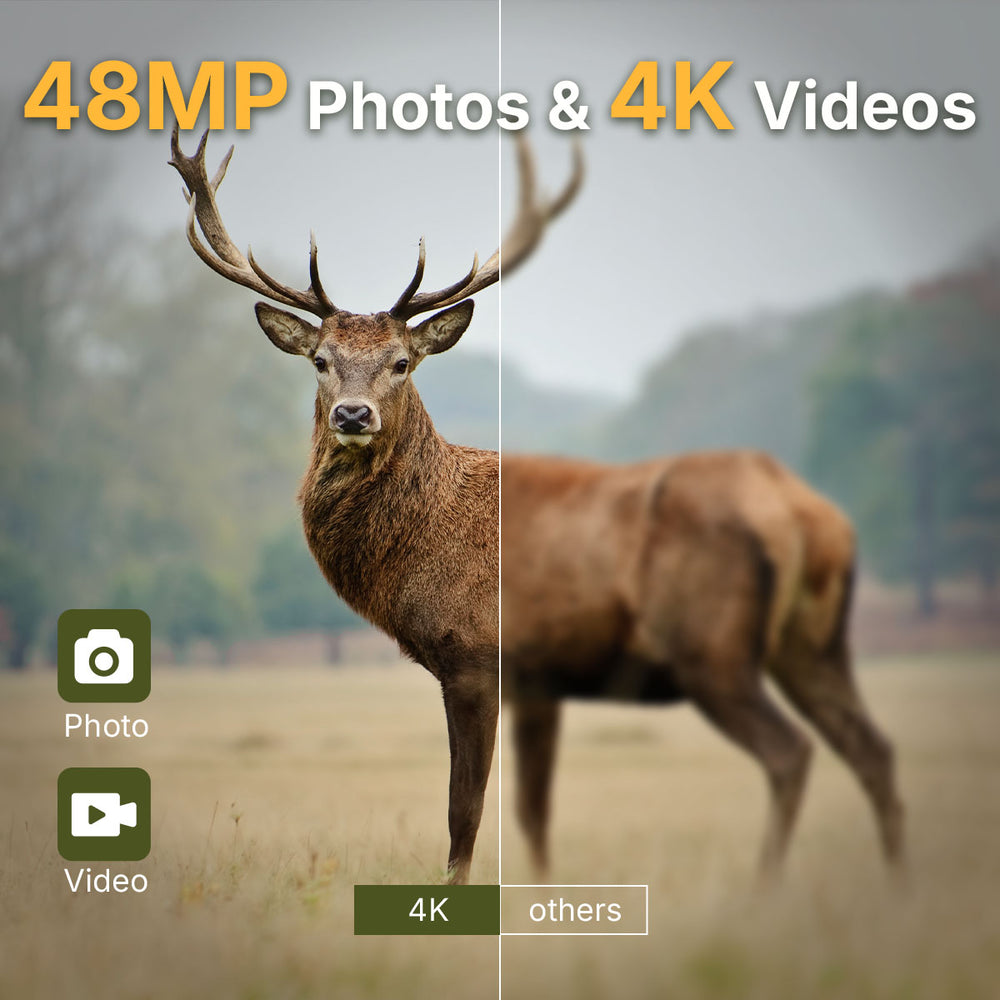
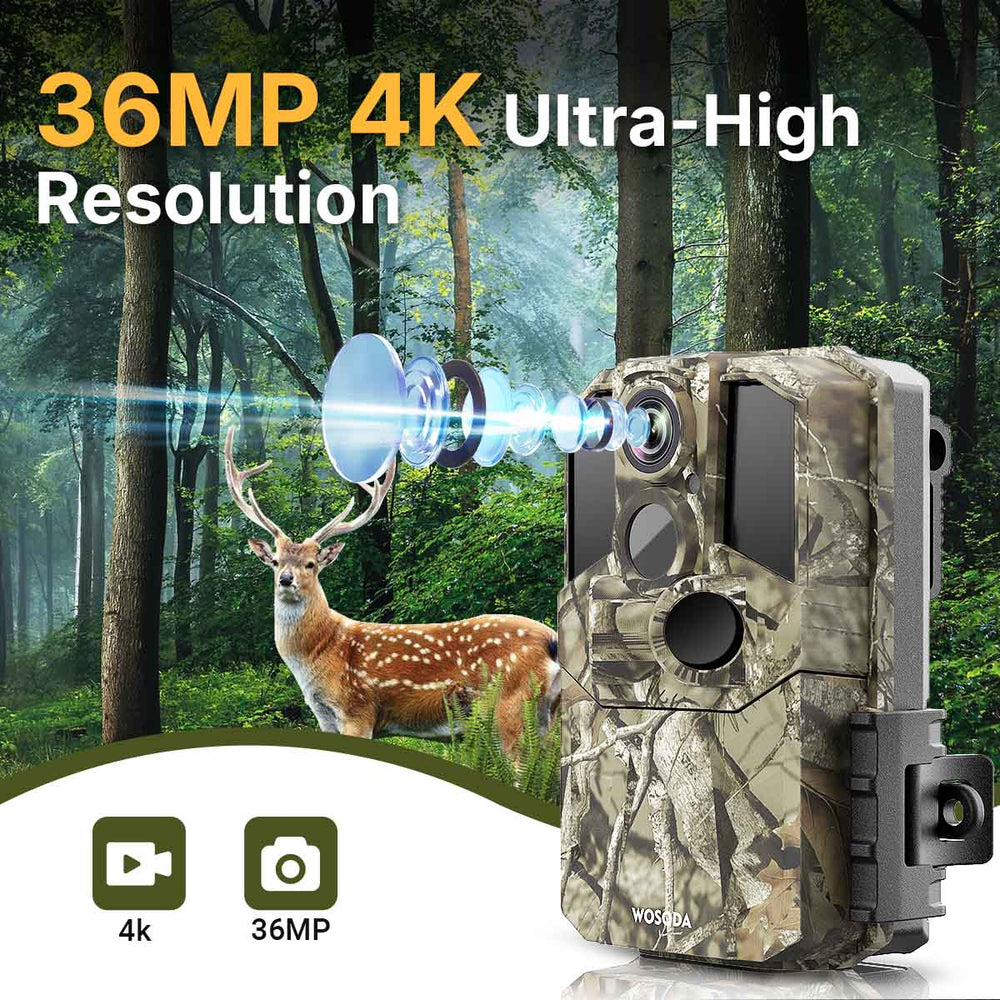
The G600 further enhances long-term monitoring with features such as 48MP photos, 4K video recording, and up to 70 ft PIR detection distance, delivering detailed images and reliable performance in outdoor environments.
Conclusion
Wide detection angles are essential for effective wildlife monitoring. They increase the coverage area, improve detection of fast-moving animals, and help ensure that important moments in nature are captured. When combined with fast trigger speeds and high-resolution imaging, cameras like the G600 become powerful tools for researchers, hunters, and nature enthusiasts who want to observe wildlife more effectively in the field.
Search
Popular Posts
Recent Posts


Nov 28, 2024
Troubleshooting Common Trail Camera Issues
Jan 10, 2025
Why Does My Trail Camera Stop Working at Night?