Night Wildlife Watching Guide
🔍 Introduction
When the sun goes down, the outdoors doesn’t go quiet—it comes alive.
From deer moving through fields to owls hunting in silence, nighttime is when some of the most fascinating wildlife activity happens.
But without the right tools, most of it goes unseen.
👉 This guide will show you how to watch wildlife at night, what to look for, and how to get the best experience—even as a beginner.
🌙 Why Watch Wildlife at Night?
Many animals are nocturnal, meaning they are most active after dark.
At night, you’re more likely to see:
- Deer feeding and moving
- Foxes and coyotes hunting
- Raccoons exploring
- Owls in action
👉 Nighttime reveals behaviors you’ll rarely see during the day.
🔦 What You Need to Get Started
To watch wildlife effectively at night, you don’t need much—but the right gear makes a huge difference.
Essential Tools:
- Night vision device (recommended)
- Flashlight (for safety only, not observation)
- Quiet clothing
- A stable viewing spot
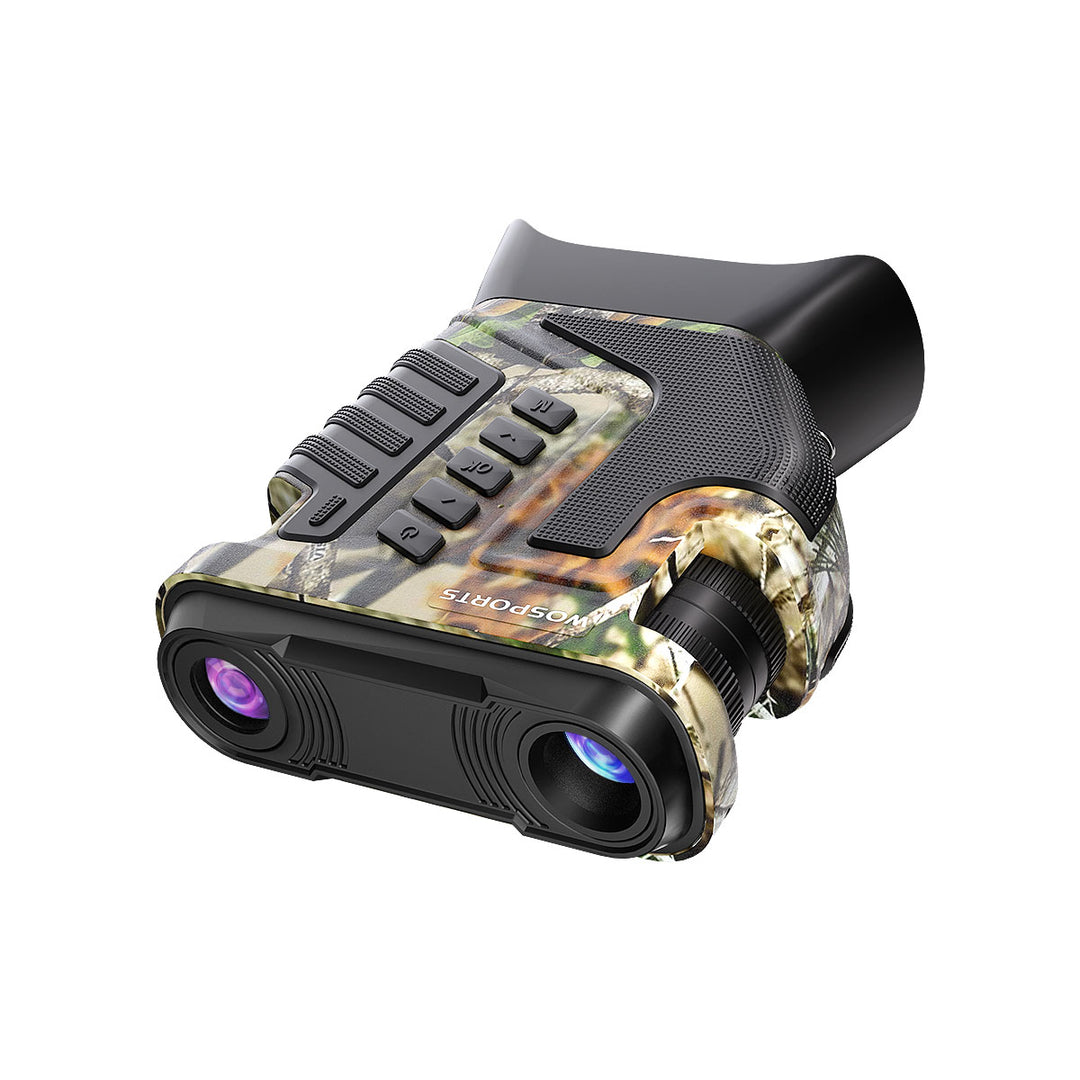
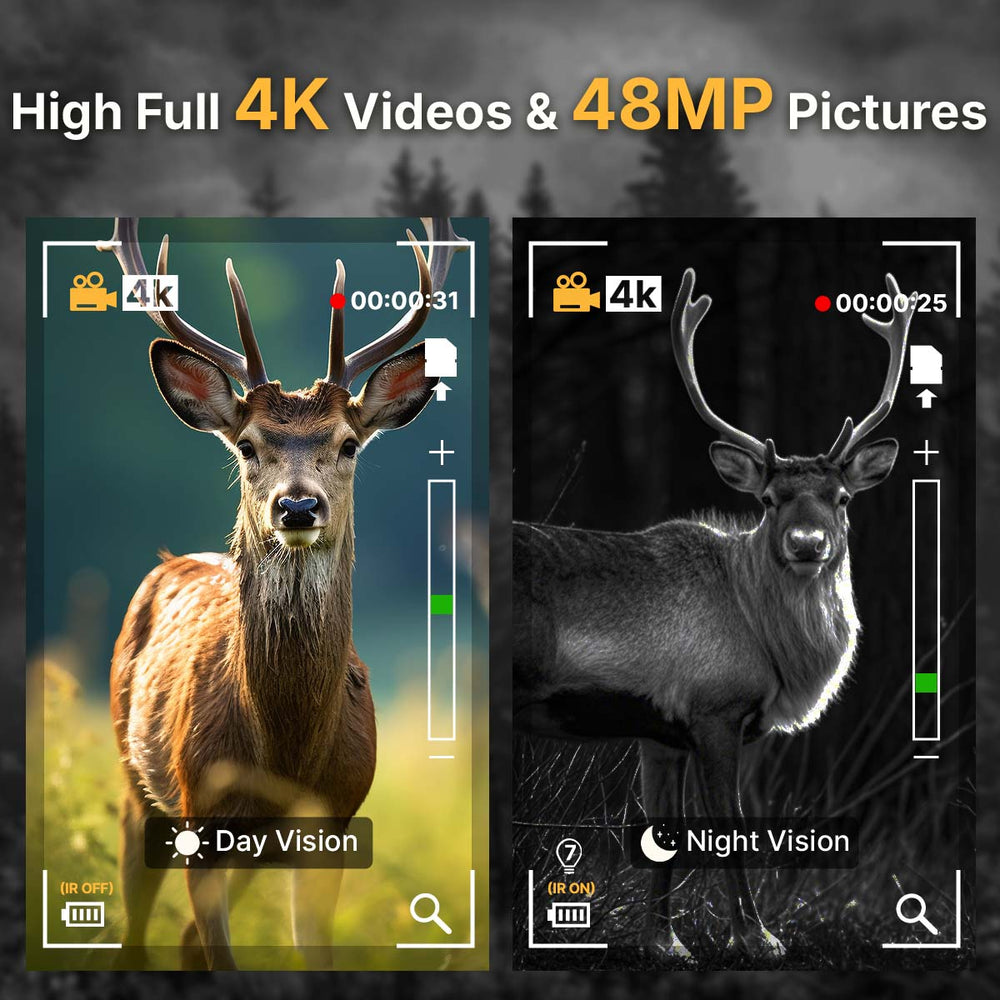
👉 A digital night vision device with infrared allows you to see clearly without disturbing animals.
🦌 Best Places for Night Wildlife Watching
You don’t have to go deep into the wilderness.
Some of the best places include:
- Forest edges (where animals enter open areas)
- Farmland & fields (frequent deer activity)
- Backyards (surprisingly active at night)
- Near water sources (lakes, rivers, ponds)
👉 Animals follow food and water—find those, and you’ll find activity.
🎯 Tips for Successful Night Observation
1. Stay Quiet and Still
Animals are extremely sensitive to sound and movement.
2. Avoid Bright Light
Flashlights will scare animals away.
👉 Use infrared night vision instead.
3. Be Patient
Wildlife doesn’t run on your schedule. Give it time.
4. Scan Slowly
Move your view gradually to detect movement.
5. Learn Animal Patterns
Animals often follow the same paths and routines.
🔍 What You’ll Actually See
With a good night vision device, you won’t just see shapes—you’ll see:
- Animal movement and behavior
- Interaction between animals
- Feeding, hunting, and travel patterns
👉 This is what makes night wildlife watching so addictive.
⚠️ Common Beginner Mistakes
❌ Using a flashlight to observe
→ Scares animals instantly
❌ Moving too much
→ Even small movements can alert wildlife
❌ Expecting instant results
→ Patience is key
❌ Using the wrong gear
→ Without night vision, visibility is extremely limited
🛒 Choosing the Right Night Vision for Wildlife
For wildlife observation, look for:
- Strong infrared (IR) performance
- Clear image quality
- Long viewing distance
- Comfortable handheld design
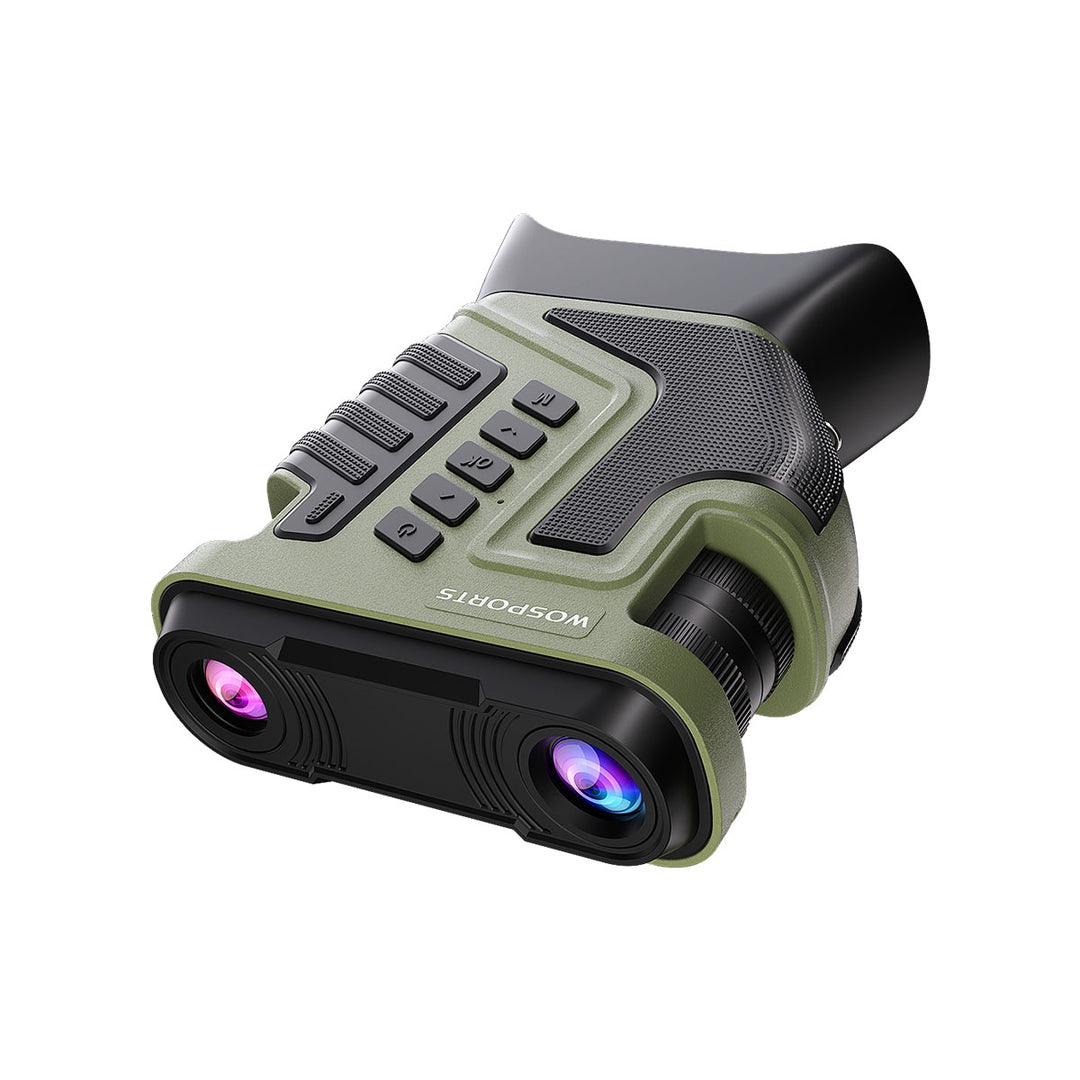
👉 Binocular-style digital night vision devices are often the best choice for beginners and enthusiasts alike.
🌌 Why It’s Worth It
Night wildlife watching isn’t just about seeing animals—it’s about experiencing nature in a completely different way.
Once you start, you’ll realize:
- How active the night really is
- How much behavior happens unseen
- How immersive the experience can be
🔗 What to Read Next
- Beginner’s Guide to Night Vision
- How Night Vision Works
- How to Choose Night Vision
Search
Popular Posts
Recent Posts


Nov 28, 2024
Troubleshooting Common Trail Camera Issues
Jan 10, 2025
Why Does My Trail Camera Stop Working at Night?