What Are Common Mistakes When Deploying Trail Cameras at Scale?
Why does large-scale trail camera deployment often fail?
Large-scale trail camera deployment fails when businesses focus only on hardware quantity instead of building a complete monitoring strategy.
For B2B buyers managing farms, forests, ranches, or outdoor surveillance projects, scaling from 5 cameras to 50+ cameras creates new operational challenges:
- battery maintenance
- data management
- placement consistency
- monitoring gaps
- false triggers
Quick answer
The most common deployment mistakes are:
- poor camera placement
- inconsistent monitoring coverage
- choosing low-efficiency hardware
- ignoring long-term maintenance costs
“Remote monitoring technologies are increasingly important in agriculture and land management systems.”
Source: USDA
https://www.usda.gov/
Key takeaway
Scaling outdoor monitoring requires a systematic deployment strategy, not just more cameras.
Mistake #1: Deploying cameras without a monitoring strategy
Many bulk buyers purchase cameras first and design the monitoring system later. This often creates overlapping coverage, blind spots, and inefficient resource allocation.
Common issues
- cameras placed too close together
- no defined monitoring zones
- inconsistent trigger settings
- random installation heights
Recommended deployment strategy
Before installation, define:
| Deployment Element | Purpose |
|---|---|
| Monitoring objective | Wildlife, security, livestock, traffic |
| Coverage zones | Entry points, trails, feeding areas |
| Trigger frequency | Reduce unnecessary captures |
| Maintenance schedule | Battery and SD card management |
Original analysis
In large-area monitoring projects, strategic deployment can improve monitoring efficiency by 30–50% compared to random placement.
“Data-driven monitoring systems improve operational efficiency and reduce unnecessary field activity.”
Source: USDA Climate Hubs
https://www.climatehubs.usda.gov/
Mistake #2: Choosing low-end cameras for bulk usage
Some buyers assume cheaper units automatically reduce project cost. In reality, low-end cameras often create:
- higher replacement rates
- more maintenance visits
- inconsistent image quality
- operational downtime
Why this becomes expensive
At scale, even small issues multiply quickly.
Example:
- 5 failed cameras in a 100-unit deployment
- repeated battery replacement trips
- inconsistent nighttime footage
What B2B buyers should prioritize
- long battery life
- fast trigger speed
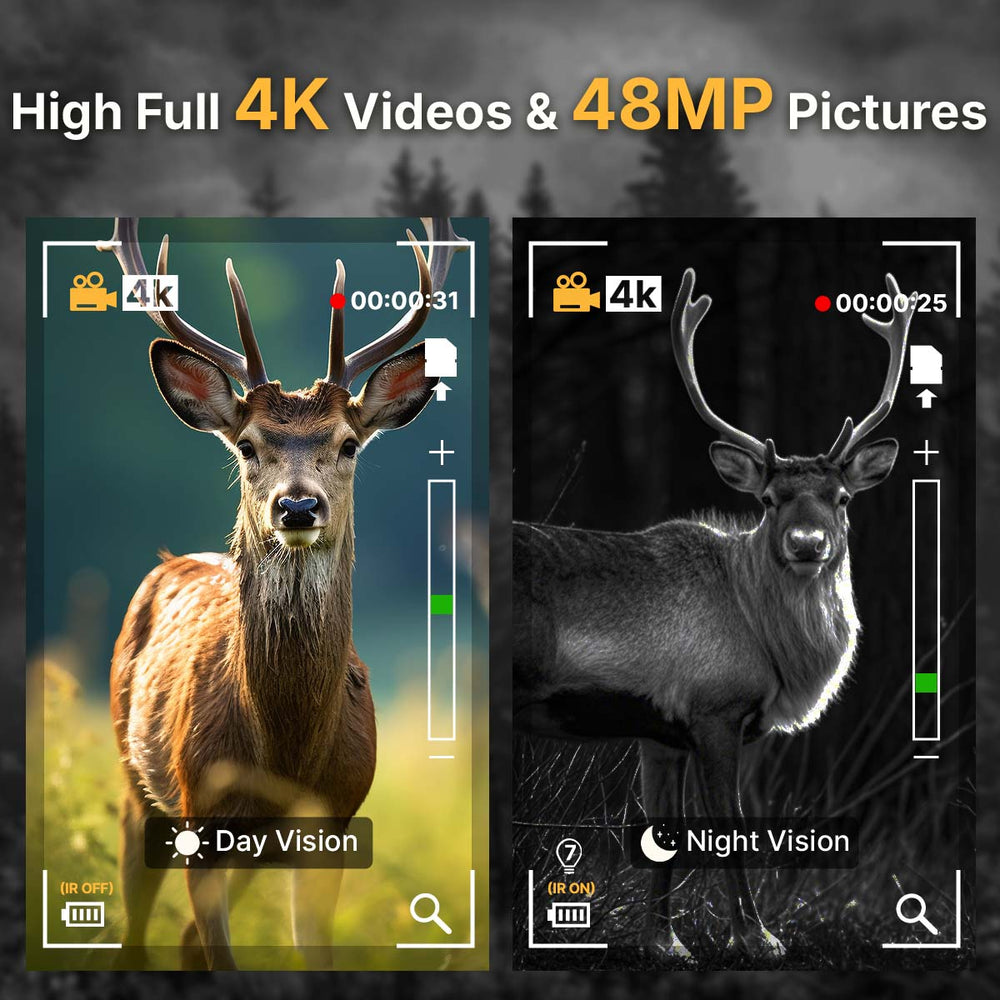
- reliable night vision
- weather resistance
- stable firmware performance
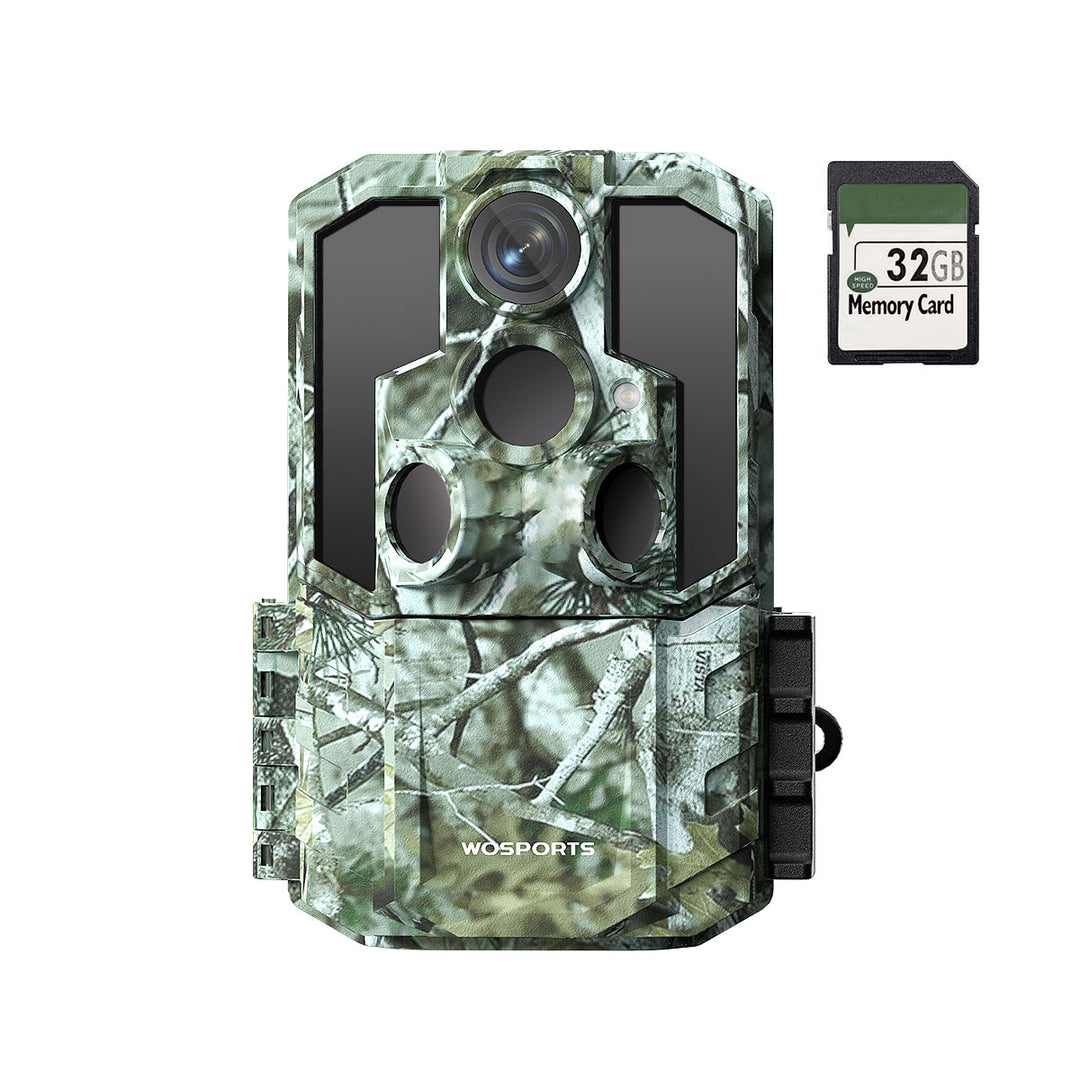
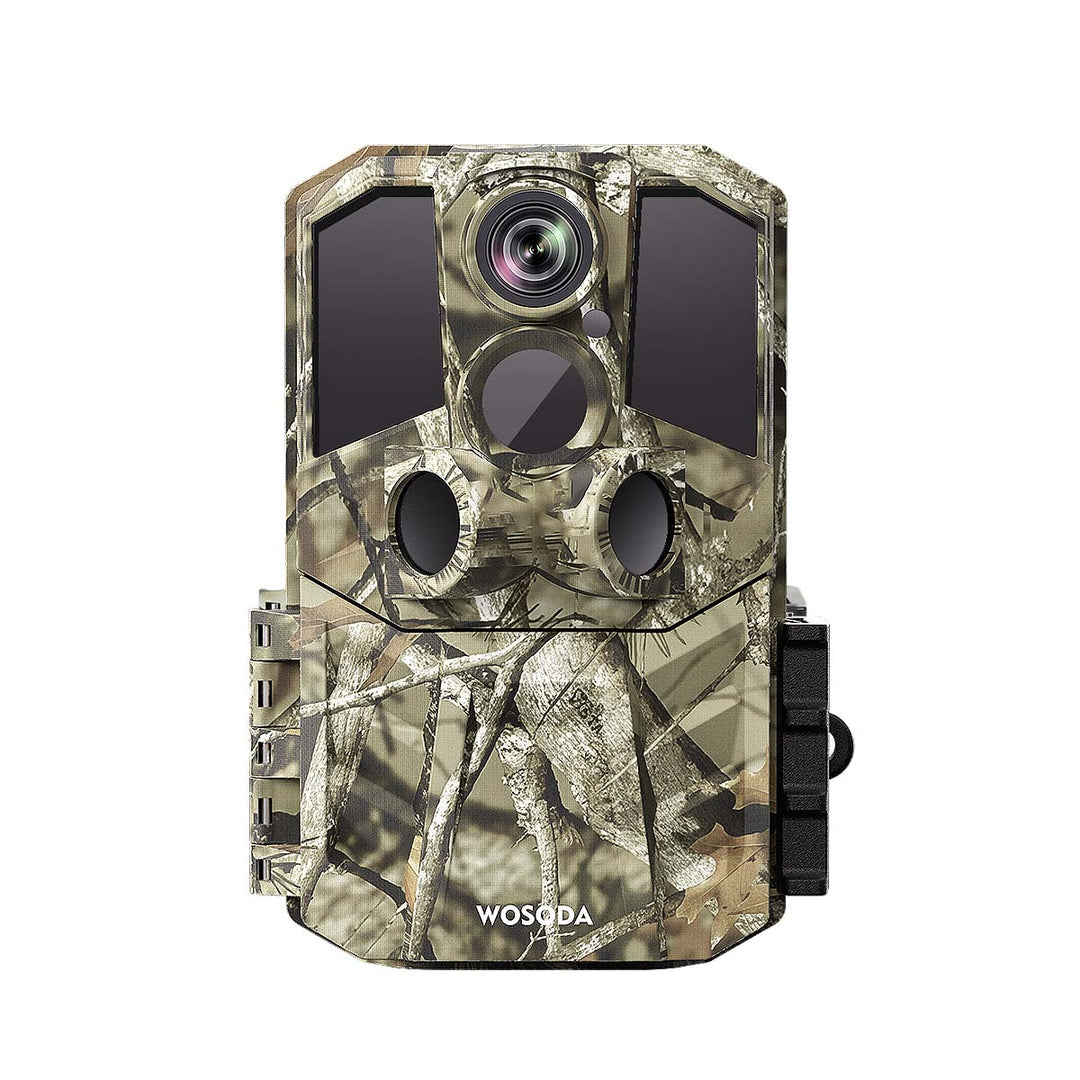
The WOSPORTS G600 PRO trail camera is designed for long-term bulk deployment with:
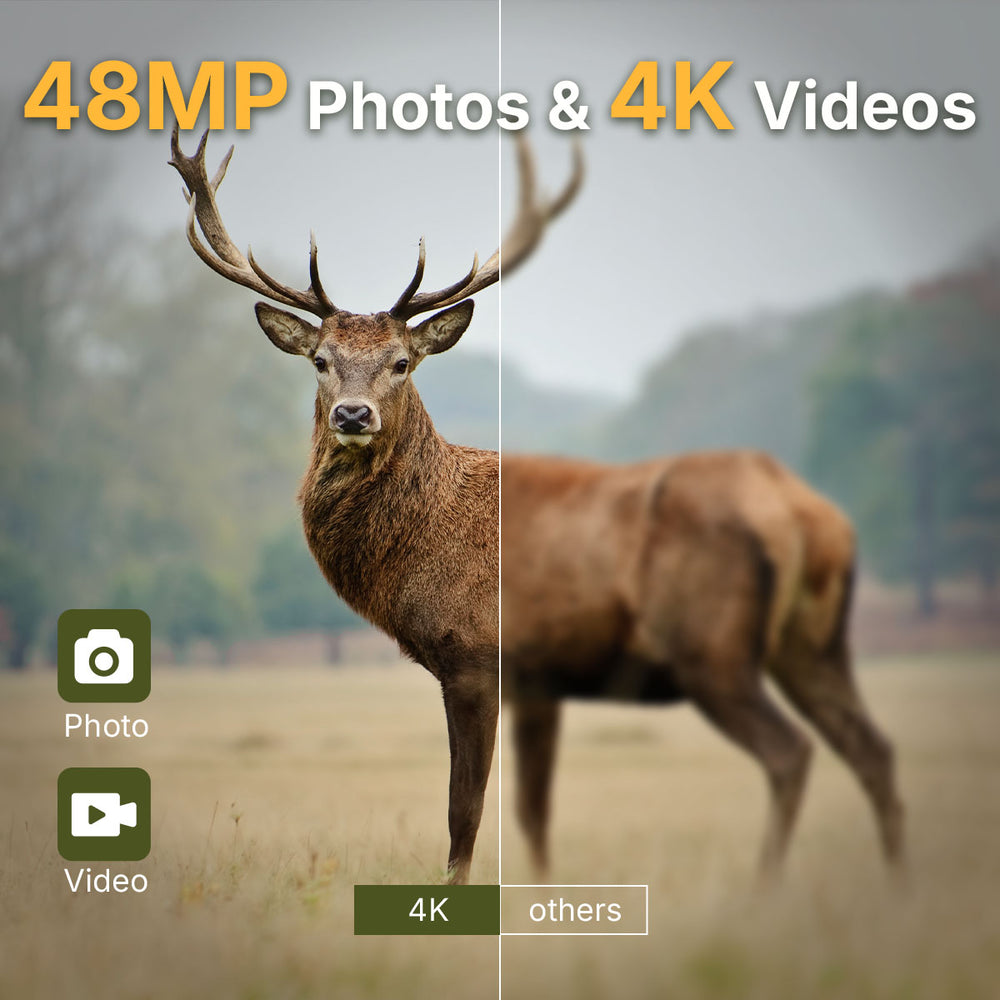
- 4K video
- 48MP images
- ultra-fast trigger response
- low-power infrared technology
Key insight
For bulk usage, reliability matters more than lowest upfront cost.
Mistake #3: Ignoring maintenance workload in large deployments
As deployments scale, maintenance becomes one of the biggest hidden costs.
Typical maintenance challenges
- battery replacement
- SD card retrieval
- firmware updates
- camera repositioning
Original insight
Many first-time bulk buyers underestimate how quickly maintenance labor scales across large properties.
Example calculation
| Deployment Size | Estimated Monthly Maintenance Visits |
|---|---|
| 10 cameras | 2–4 visits |
| 50 cameras | 10–20 visits |
| 100 cameras | 20+ visits |
Expert perspective
“Energy-efficient and autonomous monitoring systems are critical in remote environments.”
Source: National Renewable Energy Laboratory
https://www.nrel.gov/
Practical recommendation
Use:
- low-power cameras
- standardized mounting positions
- grouped maintenance zones
The G600 PRO helps reduce maintenance frequency with optimized battery efficiency and stable outdoor performance.
Mistake #4: Poor camera placement for outdoor surveillance
Camera placement directly affects monitoring effectiveness.
Common placement mistakes
- facing direct sunlight
- placing cameras too high
- obstructed field of view
- poor infrared alignment at night
Best deployment practices
- position cameras at chest height
- angle slightly downward
- avoid reflective surfaces
- monitor natural movement corridors
Key insight for outdoor surveillance
The best-performing deployments focus on:
- movement prediction
- environmental awareness
- strategic overlap coverage
Mistake #5: Underestimating data management problems
Large-scale trail camera deployments generate massive amounts of images and video.
Without organization, businesses quickly face:
- storage overload
- lost footage
- slow review processes
- inconsistent reporting
Recommended data strategy
| Strategy | Benefit |
|---|---|
| Zone labeling | Faster file management |
| Standardized naming | Easier analysis |
| Scheduled downloads | Reduced storage issues |
| Event-based review | Faster decision-making |
“Digital monitoring systems improve decision-making through structured data collection and analysis.”
Source: USDA Research and Science
https://www.usda.gov/about-food/nutrition-research-and-programs/research-and-science
How the G600 PRO supports scalable deployment

The WOSPORTS G600 PRO is designed specifically for:
- large-area monitoring
- outdoor surveillance
- long-term deployment projects
Features that matter for bulk usage
- 0.2s trigger speed
- infrared night vision
- long battery life
- weather-resistant housing
- high-resolution imaging
Why B2B buyers choose it
The G600 PRO helps reduce:
- maintenance workload
- deployment complexity
- replacement frequency
Deployment advantage
For distributors and project buyers, the G600 PRO provides:
- consistent performance
- scalable deployment capability
- lower long-term operating cost
Case study: large farm deployment optimization
A ranch management company deployed over 60 trail cameras across:
- grazing land
- equipment storage areas
- wildlife corridors
Initial problems
- overlapping coverage
- excessive battery replacement
- inconsistent nighttime detection
After redesigning the deployment strategy using G600 PRO units:
- maintenance visits dropped by 40%
- nighttime capture quality improved significantly
- monitoring coverage became more consistent
Key takeaway
Better deployment strategy delivered greater improvement than simply adding more cameras.
FAQ: trail camera deployment at scale
What is the biggest mistake in bulk deployment?
Lack of planning and inconsistent placement strategy.
How many cameras should be deployed together?
It depends on terrain, monitoring goals, and coverage area.
Why is battery life critical in large deployments?
Maintenance costs increase rapidly as deployment size grows.
Are trail cameras suitable for long-term outdoor surveillance?
Yes, especially models optimized for low-power outdoor operation like the G600 PRO.
Final takeaway for B2B buyers
Successful trail camera deployment at scale depends on:
- strategic placement
- reliable hardware
- efficient maintenance planning
- structured monitoring systems
The most common mistakes come from treating deployment as a hardware purchase instead of a complete operational system.
For businesses focused on:
- outdoor surveillance
- large-area monitoring
- bulk usage
the WOSPORTS G600 PRO offers a strong balance of:
- durability
- efficiency
- scalability
- long-term value
Making it a practical solution for distributors, resellers, farms, and land management projects.
Search
Popular Posts
Recent Posts


Nov 28, 2024
Troubleshooting Common Trail Camera Issues
Jan 10, 2025
Why Does My Trail Camera Stop Working at Night?