What Is the Best Trail Camera for Wildlife Scouting? 7 Features That Actually Matter
The best trail camera for wildlife scouting should help you answer one simple question: what is happening on your property when you are not there?
For wildlife scouting, look for a trail camera with fast trigger speed, high-resolution photos, clear video, reliable day-and-night monitoring, a useful detection range, wide coverage, weather protection, and dependable battery performance.
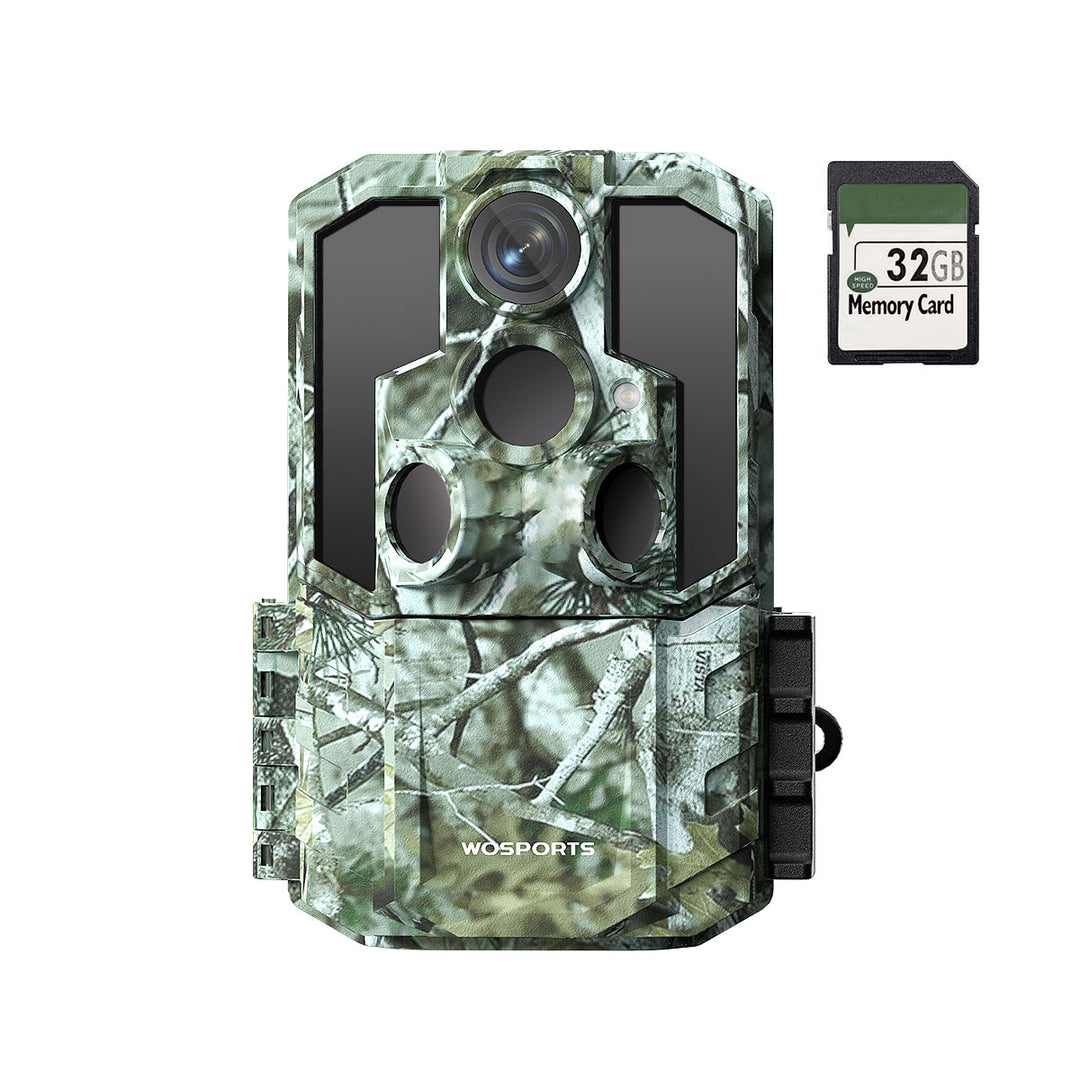
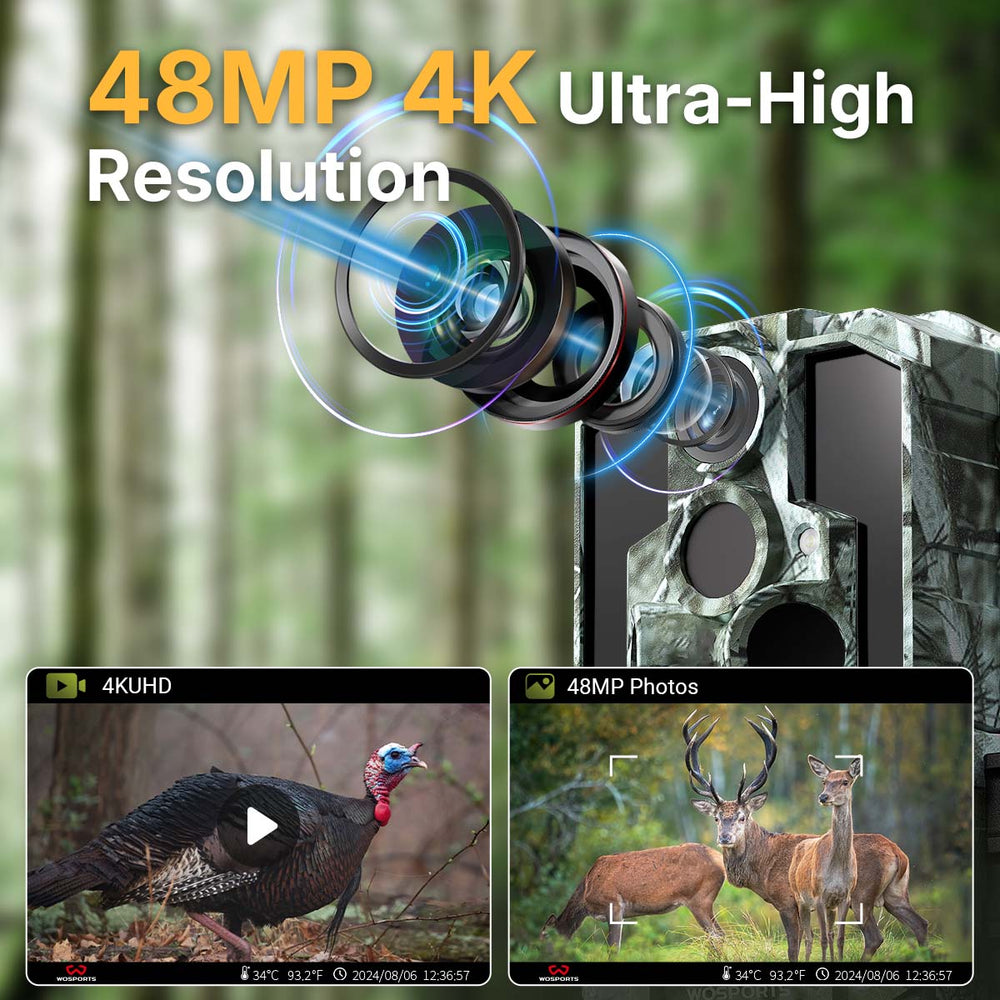
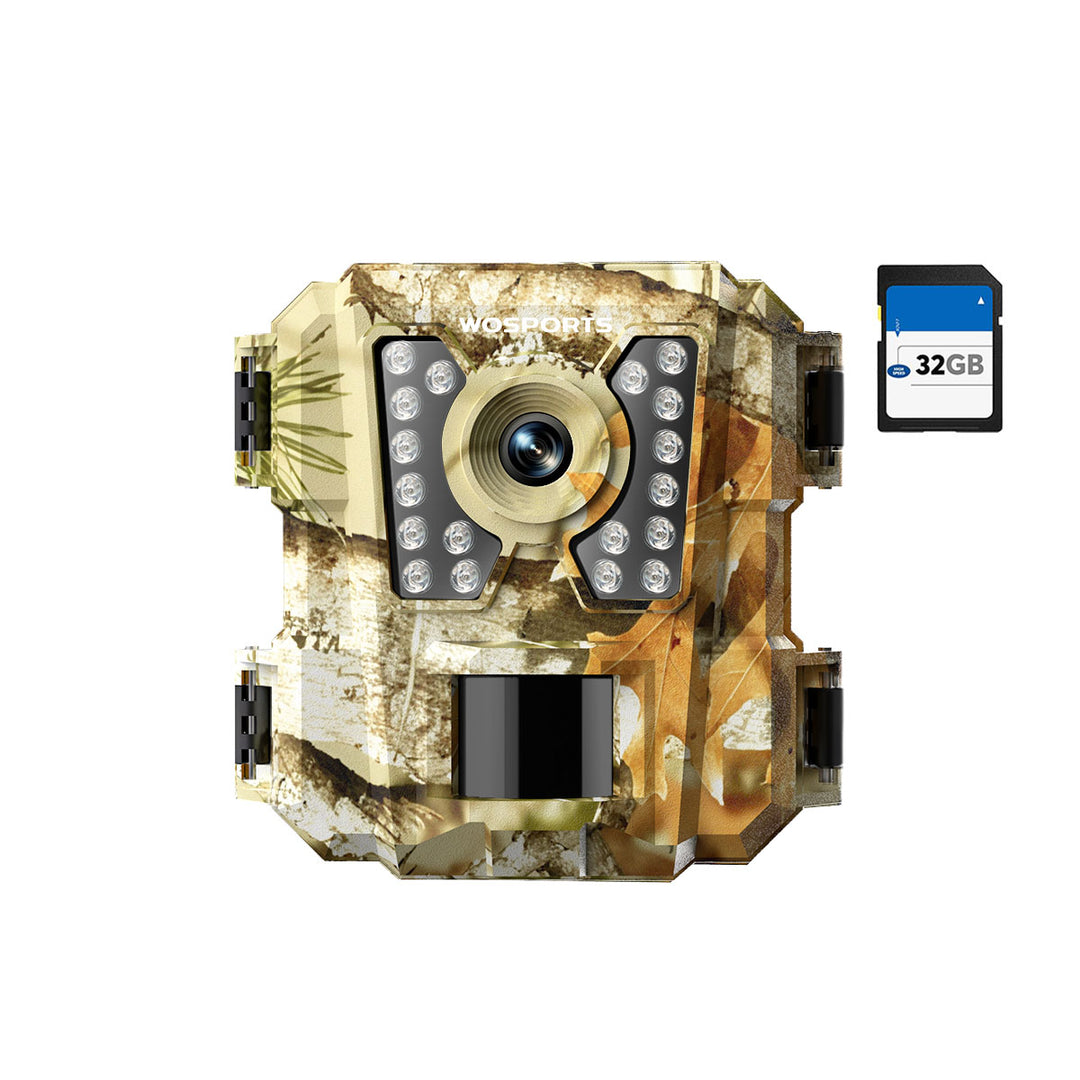
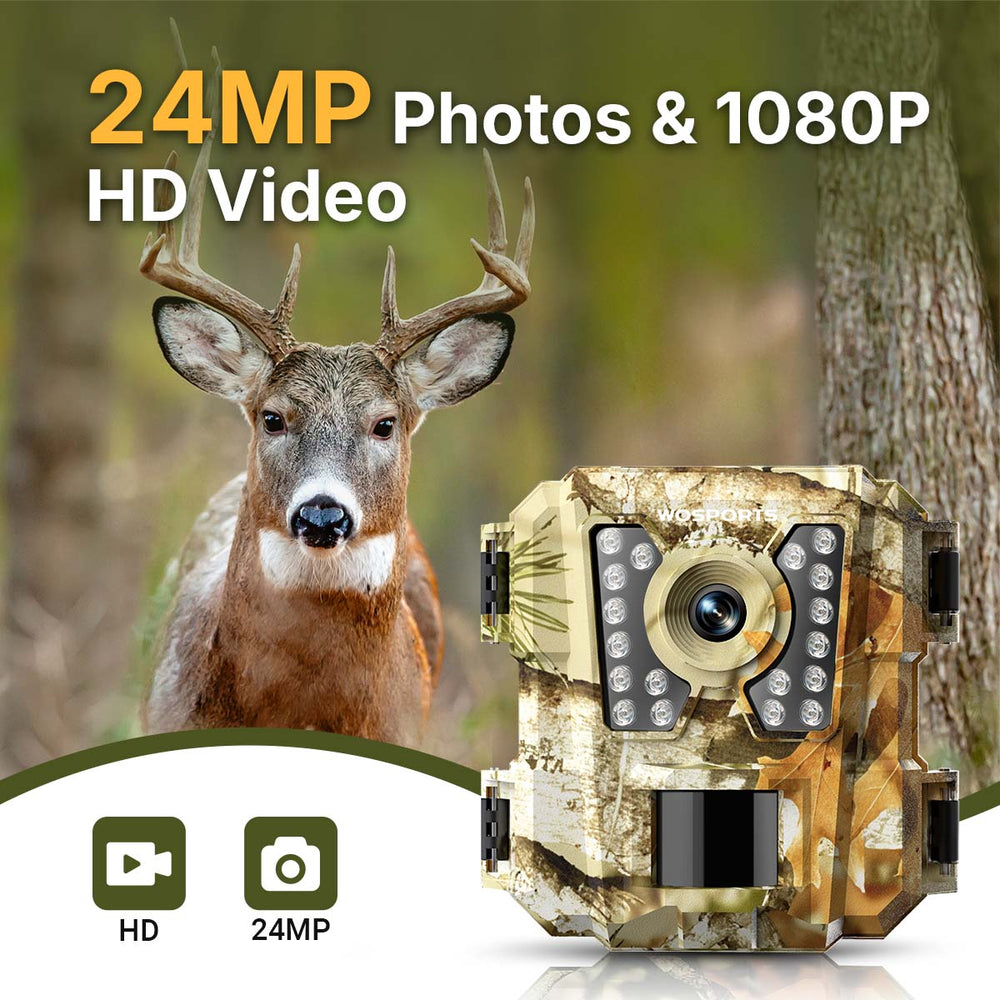
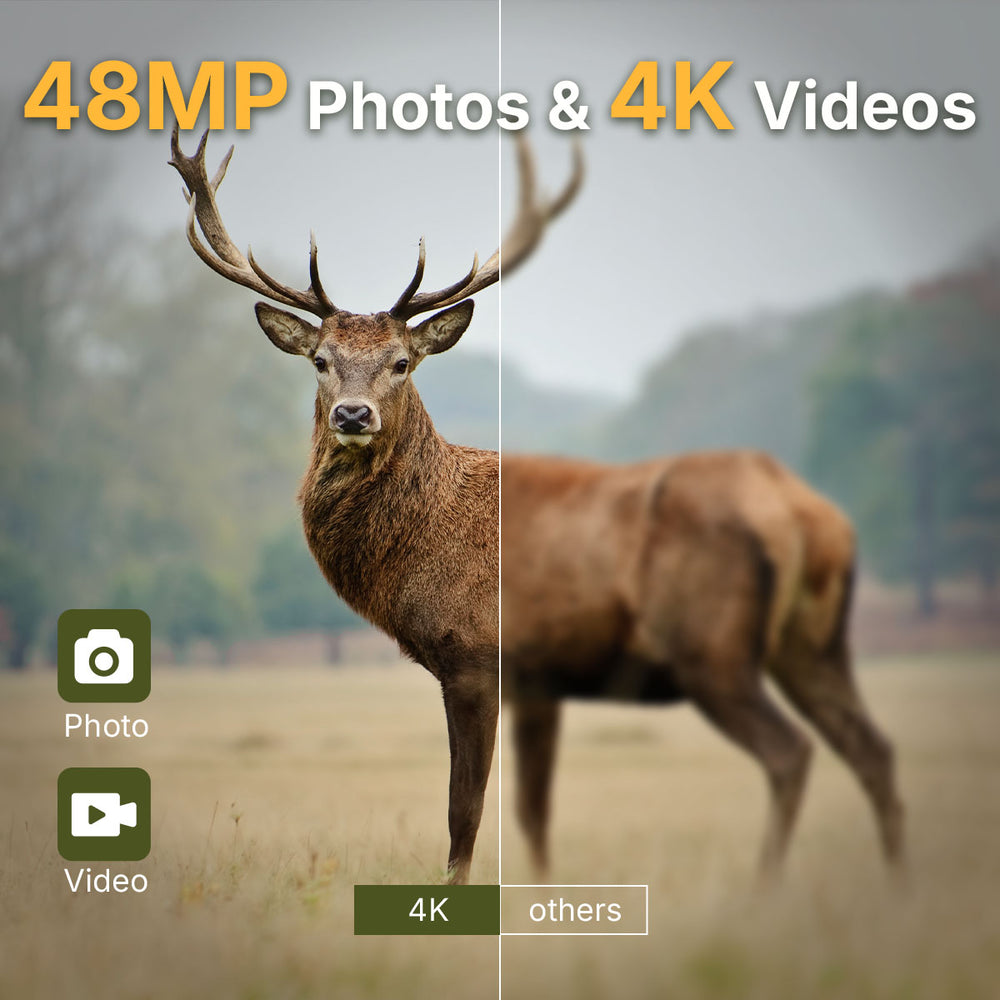
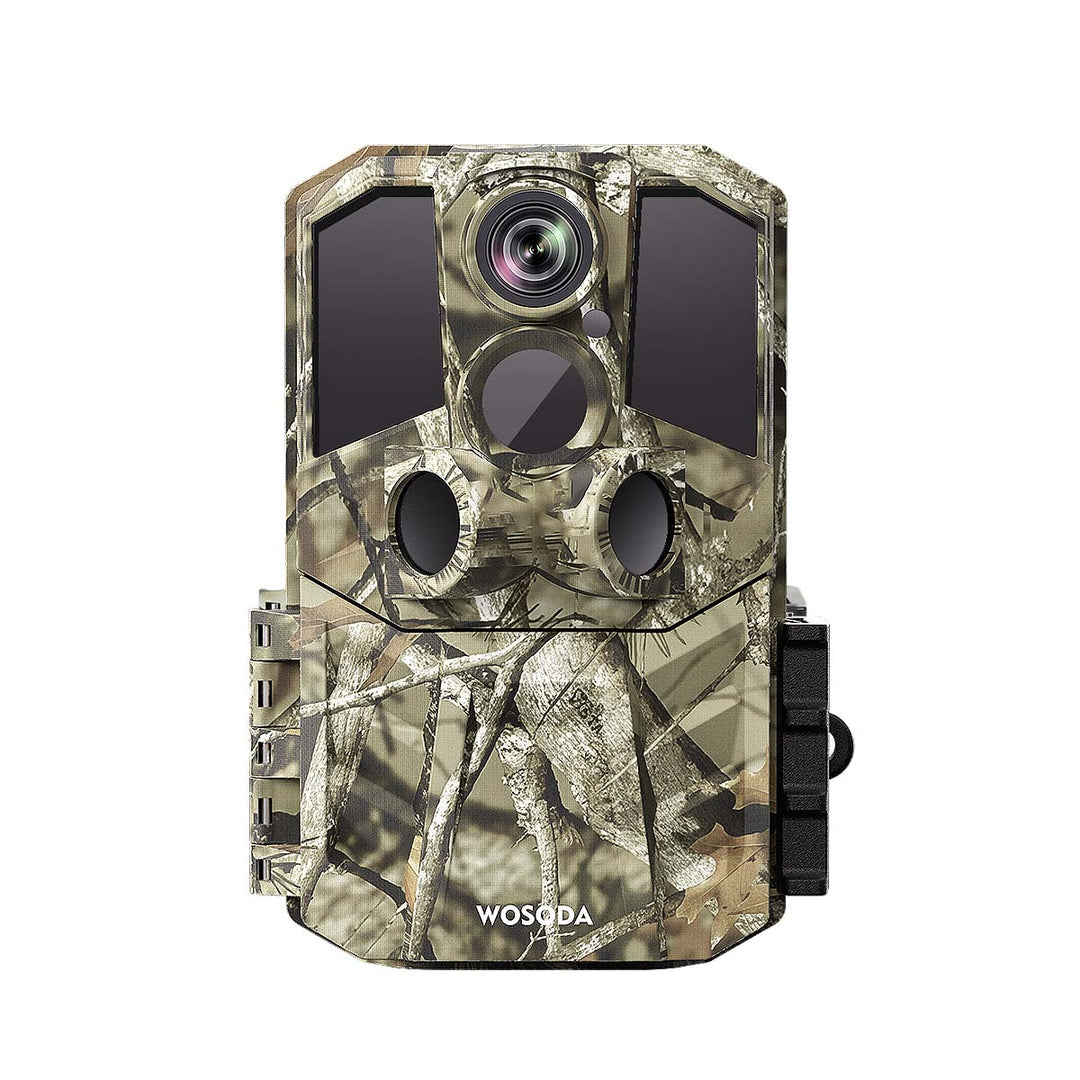
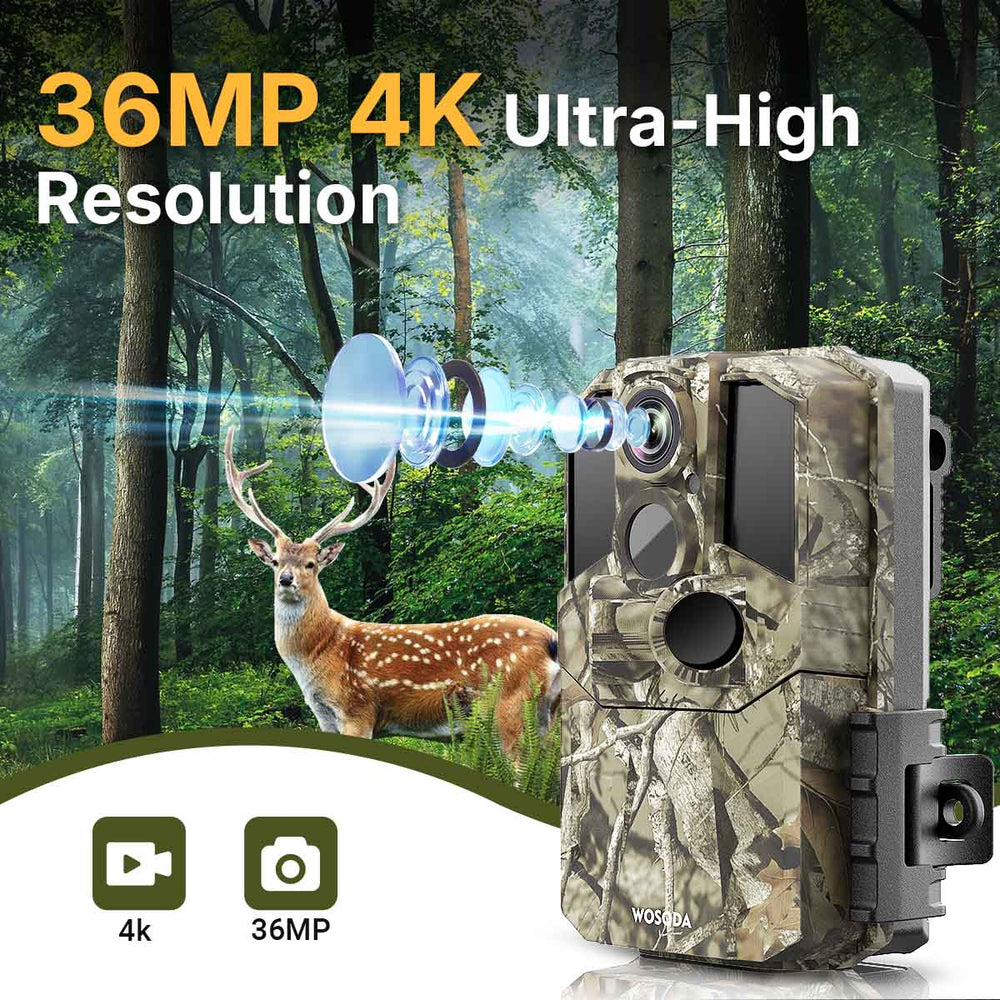
For hunters and landowners who want a straightforward camera for monitoring deer, wildlife trails, food plots, farms, or outdoor areas, the WOSPORTS G600 Trail Camera combines 48MP photos, 4K video, approximately 0.2-second trigger speed, a 120° wide-angle view, up to 70 feet of PIR detection, advanced night vision, and IP66 waterproof protection.
But specifications alone do not determine whether a trail camera is right for your property.
The more important question is:
Which trail camera features actually matter when you are trying to understand wildlife activity?
Quick Answer: What Should You Look for in a Wildlife Scouting Camera?
If you are choosing a trail camera for wildlife scouting, these are the features worth paying attention to:
- Fast trigger speed — helps capture animals moving through the detection zone.
- High-resolution photos — useful for identifying animals and observing details.
- 4K or high-resolution video — provides more context about animal behavior and movement.
- Reliable night monitoring — important because many wildlife species are active after dark.
- Adequate detection range — determines how far away movement can trigger the camera.
- Wide field of view — helps cover trails, feeding areas, and larger activity zones.
- Weather protection — important for cameras that remain outdoors for extended periods.
- Long battery life — reduces the need for frequent visits to the camera location.
The right combination depends on how and where you plan to use the camera.
1. How Fast Should a Trail Camera Trigger?
For wildlife scouting, faster trigger speed can help you capture animals before they move out of the camera's detection and image area.
Trigger speed is the amount of time between motion being detected and the camera taking a photo or starting to record.
For example, a deer walking quickly across a trail may only remain within the ideal camera position for a short period. A slow camera may capture the animal after it has already moved past the best framing point.
The WOSPORTS G600 has an approximately 0.2-second trigger speed, designed to quickly respond when movement is detected.
Why does trigger speed matter for deer scouting?
Consider a camera positioned beside a narrow deer trail.
A deer approaches from the left and crosses the detection zone.
A fast-triggering camera has a better chance of capturing the deer while it is still within the intended field of view.
This can be especially useful when monitoring:
- Deer trails
- Game crossings
- Food plots
- Feeding areas
- Property entrances
- Narrow paths
- Wildlife travel routes
Bottom line: If you are primarily monitoring moving wildlife, trigger speed is one of the specifications worth checking before buying a trail camera.
2. How Many Megapixels Do You Need in a Trail Camera?
Higher photo resolution can provide more image detail, but resolution should be considered together with the camera's overall image quality and intended use.
A wildlife scouting camera is not only about seeing that an animal was present.
You may also want to see:
- Antler characteristics
- Body size
- Coat markings
- Species identification
- Animal behavior
- Multiple animals in the same frame
- Details around feeding areas
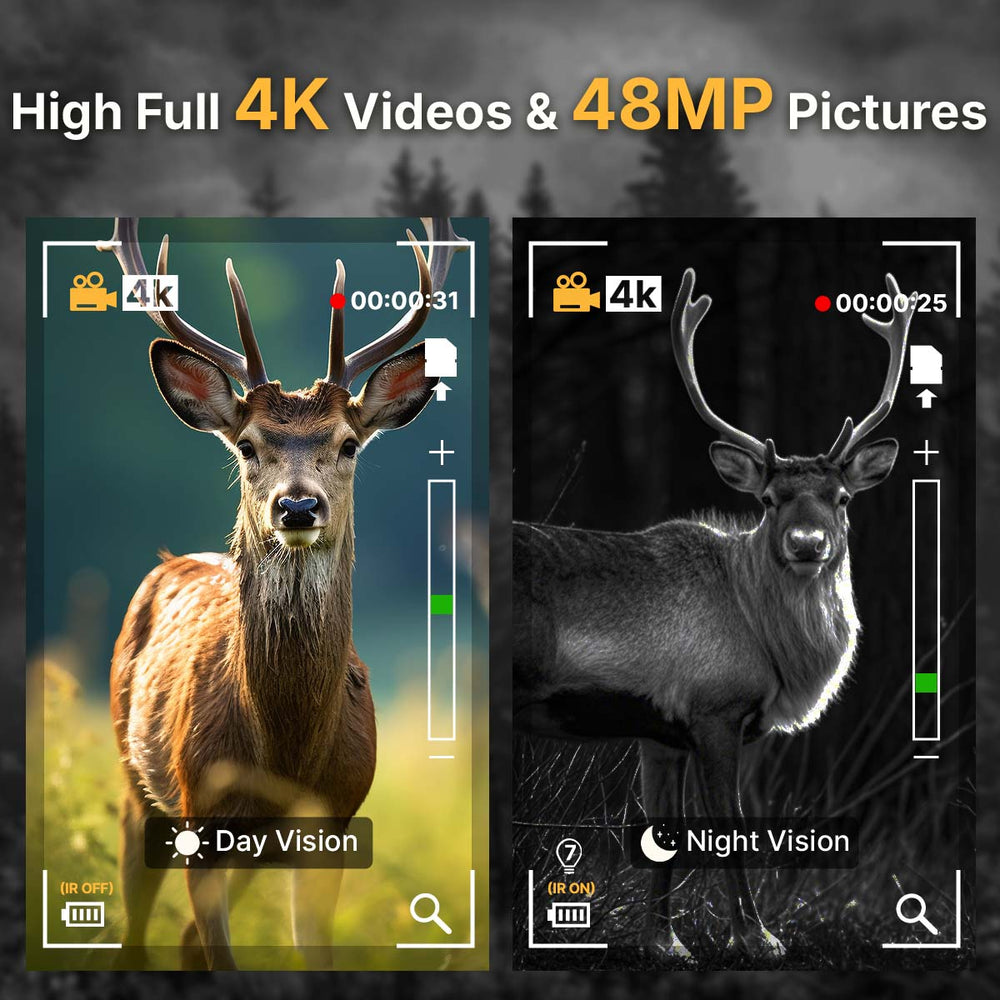
The WOSPORTS G600 supports photos up to 48MP, providing high-resolution still images for wildlife observation and outdoor monitoring.
However, more megapixels do not automatically make every trail camera better.
When comparing cameras, consider the complete imaging system rather than looking at one number on the specification sheet.
A better question to ask
Instead of asking:
"How many megapixels does this trail camera have?"
Ask:
"Will this camera give me enough detail to understand what I am seeing?"
That is a much more useful way to evaluate a wildlife camera.
3. Is 4K Video Important for Wildlife Scouting?
4K video can be useful when you want more than a single snapshot of wildlife activity.
A photo tells you what happened at one moment.
Video can show you what happened before and after that moment.
For example, a trail camera photo might show a buck standing beside a food plot.
A video can potentially show:
- Where the buck came from
- Which direction it traveled
- How long it stayed
- How other animals reacted
- What happened immediately before and after the trigger
The WOSPORTS G600 supports 4K video recording with sound, giving wildlife observers more visual information than a single still image.
This makes video particularly useful for:
Wildlife observation → Behavior monitoring → Pattern recognition → Scouting
If your goal is simply to confirm that animals are present, photos may be enough.
If you want to understand what animals are actually doing, video can provide more context.
4. How Important Is Night Vision on a Trail Camera?
Night monitoring is essential for wildlife scouting because many animals are active during low-light or nighttime hours.
A trail camera that performs well during the day but produces poor nighttime footage can leave a major gap in your scouting information.
The G600 uses advanced night vision to capture wildlife activity in dark conditions.
Night monitoring can be particularly useful for observing:
- Deer
- Raccoons
- Coyotes
- Opossums
- Feral animals
- Other nocturnal wildlife
Why day-and-night monitoring matters
Imagine checking your camera after one week and finding plenty of daytime photos but almost no useful information about nighttime activity.
You may be missing an important part of the wildlife pattern.
For this reason, a good wildlife scouting camera should be designed to monitor activity around the clock, rather than only during daylight.
5. How Far Should a Trail Camera Detect Wildlife?
Detection range determines how far away movement can trigger the camera.
The WOSPORTS G600 has a PIR detection range of up to 70 feet, according to its current product specifications.
But maximum detection distance is only one part of the equation.
The camera's placement also matters.
For example, a 70-foot detection range does not mean you should automatically place the camera 70 feet away from the trail.
A better setup depends on:
- The width of the trail
- Animal movement direction
- Camera height
- Camera angle
- Vegetation
- Terrain
- Expected animal size
- Lighting conditions
Think about the detection zone, not just the number
The goal is not to detect an animal as far away as possible.
The goal is to detect the animal early enough and capture it clearly enough to make the image useful.
That distinction is important when setting up any trail camera.
6. Does a Wide-Angle Trail Camera Make a Difference?
A wider field of view can help cover more of the area in front of the camera.
The G600 provides a 120° wide-angle view, which can be useful when monitoring broader areas such as trails, food plots, property edges, and wildlife activity zones.
A wider view can be particularly helpful when:
- Animals approach from different directions.
- You are monitoring a relatively open area.
- You want to capture more than one animal in the frame.
- The camera is positioned near a wider trail intersection.
However, wider is not always better.
If your camera is pointed at a very narrow trail, excessive coverage may include unnecessary background.
This is why camera placement should always match the environment you are monitoring.
7. Does a Trail Camera Need to Be Waterproof?
Yes. If a trail camera will remain outdoors, weather protection is an important consideration.
Trail cameras may be exposed to:
- Rain
- Snow
- Dust
- Humidity
- Mud
- Changing temperatures
The WOSPORTS G600 has an IP66 waterproof rating and is designed for outdoor monitoring in changing weather conditions.
Weather protection becomes especially important when you plan to leave a camera in the field for weeks or months.
A camera that performs well indoors but cannot reliably handle outdoor conditions is not much help for wildlife scouting.
What Is the Best Trail Camera Setup for Deer Scouting?
Choosing the camera is only half of the job.
Placement can have just as much impact on the quality of your scouting information.
A good starting point is to place the camera where animal movement is naturally concentrated.
Common locations include:
Deer Trails
Place the camera near an active trail where deer regularly travel.
Try to position the camera so animals cross the detection zone rather than moving directly toward or away from the camera.
Food Plots
Food plots can provide a larger area to monitor.
A wide-angle camera can be useful here because animals may approach from multiple directions.
Water Sources
Wildlife frequently visits reliable water sources, making them another potential monitoring location.
Property Edges
If you want to understand how animals move onto or across your property, property boundaries and travel corridors can provide useful scouting information.
Travel Corridors
Natural funnels, narrow passages, and intersections between different wildlife routes can concentrate animal movement.
What Makes the WOSPORTS G600 a Good Wildlife Scouting Camera?
The G600 is designed around a straightforward idea:
Capture what is happening on your property when you are not there.
Its specifications include:
| Feature | WOSPORTS G600 |
|---|---|
| Photo Resolution | Up to 48MP |
| Video | 4K with sound |
| Trigger Speed | Approx. 0.2 seconds |
| Field of View | 120° |
| PIR Detection Range | Up to 70 ft |
| Night Monitoring | Advanced night vision |
| Waterproof Rating | IP66 |
| Display | 2-inch TFT LCD |
| Power | 8 × AA batteries |
These specifications make the G600 suitable for a variety of outdoor monitoring applications, including wildlife observation, deer scouting, hunting preparation, farm monitoring, and property surveillance.
Who Is the WOSPORTS G600 Best For?
The G600 may be a good fit if you want a trail camera for:
Deer Scouting
Monitor trails, food plots, and travel areas to learn when and where deer are active.
Wildlife Observation
Capture photos and videos of wildlife without needing to stay in the field.
Property Monitoring
Keep an eye on activity around outdoor areas, farms, or other properties.
Hunting Preparation
Use trail-camera images to better understand animal movement before heading into the field.
Simple Outdoor Monitoring
If you do not need remote cellular access, the G600 provides a straightforward camera-based scouting setup. The current G600 model does not support Wi-Fi, Bluetooth, or cellular connectivity; photos and videos are viewed locally through the camera or SD card.
Cellular vs. Non-Cellular Trail Cameras: Which Should You Choose?
This is one of the most important decisions to make before buying a trail camera.
| Feature | Cellular Trail Camera | Non-Cellular Trail Camera |
| Remote Image Access | Yes | No |
| Cellular Service | Required | Not required |
| Monthly Service | Usually required | No cellular plan |
| Setup | More involved | Simple |
| Best For | Remote monitoring | Local scouting |
| Typical Use | Checking cameras from a distance | Checking camera manually |
If you need to receive images remotely while you are away from your property, a cellular camera may make more sense.
If you prefer a simple setup and are comfortable checking the camera or SD card directly, a non-cellular trail camera can be a practical option.
There is no single best trail camera for everyone. The right choice depends on how you scout and how often you need remote access.
Frequently Asked Questions About Wildlife Scouting Trail Cameras
What is the best trail camera for wildlife scouting?
The best trail camera depends on your scouting needs, but important features include fast trigger speed, reliable day-and-night monitoring, good image quality, sufficient detection range, weather protection, and dependable battery performance.
What is a good trigger speed for a trail camera?
A fast trigger speed can help capture animals while they are moving through the detection zone. The WOSPORTS G600 has an approximately 0.2-second trigger speed.
How many megapixels should a wildlife camera have?
There is no universal megapixel requirement. Higher resolution can provide more image detail, but overall image quality, lens performance, lighting, and camera placement also matter. The G600 supports up to 48MP photos.
Can a trail camera record video at night?
Yes. Trail cameras designed for wildlife monitoring can use infrared or other night-vision technology to record activity in low-light conditions. The G600 includes advanced night vision for nighttime wildlife monitoring.
How far can the WOSPORTS G600 detect wildlife?
The G600's PIR motion detection range is up to 70 feet. Actual detection performance can vary depending on environmental conditions, animal movement, camera placement, and settings.
Does the WOSPORTS G600 have cellular connectivity?
No. The current G600 does not support cellular, Wi-Fi, or Bluetooth connectivity. Images and videos are viewed locally through the camera or SD card.
Is the WOSPORTS G600 waterproof?
Yes. The G600 has an IP66 waterproof rating and is designed for outdoor use.
How many batteries does the G600 use?
The G600 uses eight AA batteries. Battery life can vary depending on factors such as trigger frequency, video recording, night operation, weather, and settings.
Final Takeaway: Focus on the Scouting Job, Not Just the Specs
A good trail camera is not simply a collection of large numbers.
48MP, 4K, 0.2-second trigger speed, 120° coverage, 70-foot detection, night vision, and IP66 protection only matter if they help you get better information about what is happening on your property.
When choosing a wildlife scouting camera, start with your actual use case:
What are you monitoring? Where will the camera go? How far away will animals be? Are they active during the day, at night, or both? Do you need remote access? How often can you check the camera?
Once you answer those questions, choosing the right trail camera becomes much easier.
For hunters and outdoor enthusiasts seeking a straightforward camera for wildlife scouting, deer monitoring, and property observation, the WOSPORTS G600 combines high-resolution imaging, fast triggering, wide-angle coverage, night monitoring, and weather protection in a single compact trail camera.
Ready to see what is happening on your property?
Search
Popular Posts
Recent Posts


Nov 28, 2024
Troubleshooting Common Trail Camera Issues
Jan 10, 2025
Why Does My Trail Camera Stop Working at Night?