Search
Popular Posts
Recent Posts
Nov 28, 2024
Troubleshooting Common Trail Camera Issues
Jan 10, 2025
Why Does My Trail Camera Stop Working at Night?Short answer: retailers can reduce night vision binocular returns by setting realistic expectations before purchase, explaining how the technology works, showing actual performance examples, and checking product quality before resale. For products with technical features such as infrared illumination, optical zoom, digital zoom, recording, and night viewing range, many avoidable returns happen when customers misunderstand what the product is designed to do.
For retailers and small wholesale buyers, reducing returns is not simply a customer service issue. It can protect margins, reduce reverse-logistics costs, and improve repeat purchase potential. The most effective strategy is to make the product's real-world performance easy to understand before checkout.
Most preventable returns begin with an expectation gap rather than a single product defect. A customer may expect night vision binoculars to work like thermal imaging, assume that maximum zoom always produces a clearer image, or expect unlimited visibility in complete darkness.
This matters because digital night vision products combine several technical functions that customers may not understand immediately:
The U.S. Federal Trade Commission advises consumers to read complete product descriptions and understand refund policies before buying online. Its guidance also emphasizes that sellers should provide information clearly enough for customers to understand what they are purchasing.
| Customer expectation | Reality retailers should explain |
|---|---|
| “Higher zoom always means a clearer image.” | Higher magnification can make hand movement and image softness more noticeable. |
| “Night vision means thermal imaging.” | Digital infrared night vision and thermal imaging use different technologies. |
| “The advertised range works identically everywhere.” | Weather, ambient light, IR settings, target reflectivity, and zoom can affect usable viewing distance. |
| “4K means every nighttime image looks equally sharp.” | Final image quality depends on distance, movement, focus, infrared conditions, and recording settings. |
Retail insight: For technical outdoor electronics, a detailed pre-purchase explanation can be more valuable than adding another promotional claim. The goal is not to promise the best possible result in every condition; it is to help customers buy the right product for their actual use case.
The best product description answers the questions customers would otherwise discover only after opening the box. For night vision binoculars, retailers should explain what each specification means in practical use.
The FTC recommends that consumers review complete product descriptions rather than relying only on photos or headline claims. It also stresses that important information should be presented clearly and prominently.
Night vision technology:
Explain whether the product uses digital infrared imaging and clarify that it is not a thermal device.
Magnification:
Separate optical zoom from digital zoom where applicable and explain that higher zoom may require steadier handholding or a tripod.
Viewing range:
Describe range as condition-dependent rather than suggesting that one number guarantees identical performance in fog, rain, dense vegetation, or complete darkness.
Recording:
State supported photo and video functions and explain that recording quality can vary according to settings and environmental conditions.
Battery performance:
Clarify that runtime depends on usage, especially when infrared illumination and recording are used for extended periods.
Retailers can reduce avoidable returns by replacing vague claims with a simple “What to Expect” section. This approach is especially useful for e-commerce stores where customers cannot test the night vision binoculars before buying.
This information also supports GEO and AI search visibility because it gives search engines and AI systems direct, self-contained answers to common buyer questions.
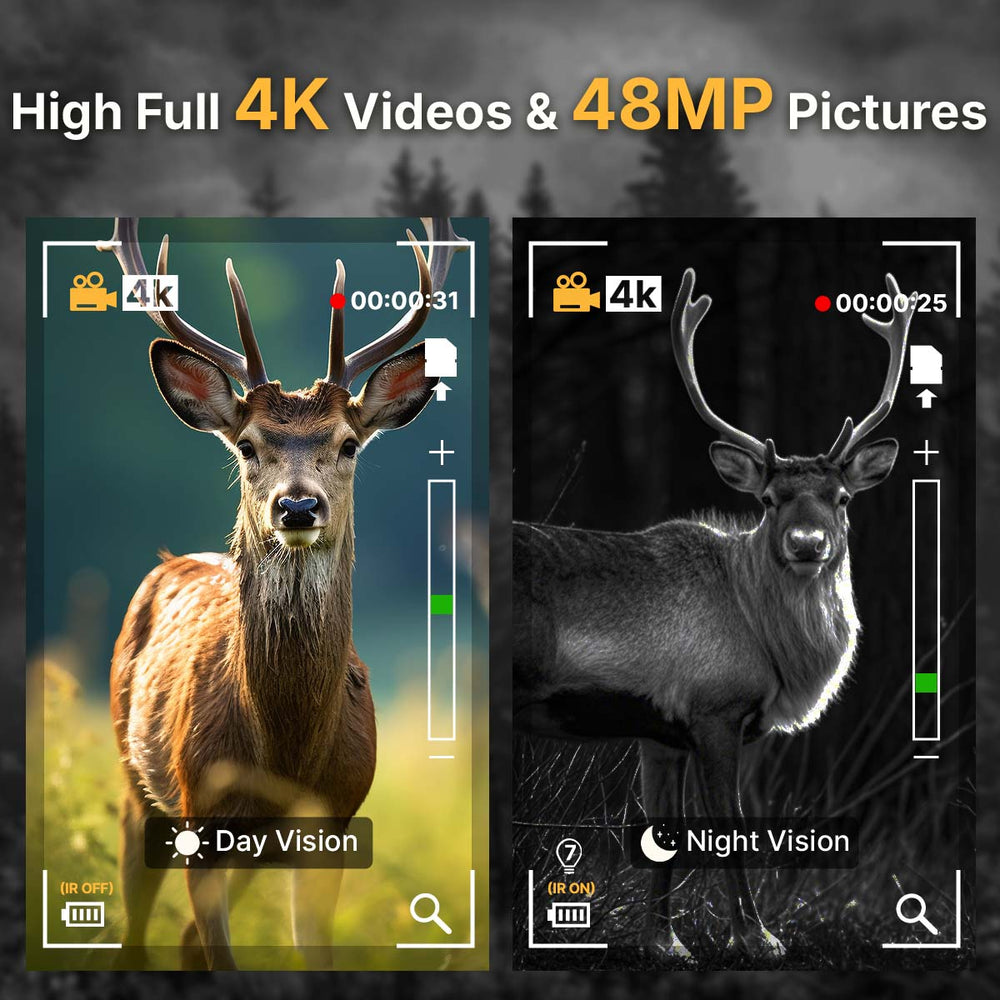
Real demonstration footage can reduce uncertainty more effectively than a specification list alone. Night vision is a visual product category, so customers benefit from seeing actual examples of daytime viewing, low-light viewing, infrared viewing, zoom behavior, and recorded footage.
The National Park Service specifically identifies binoculars and optical equipment as useful tools for observing wildlife from a safe distance, reinforcing the practical value of optics for non-invasive wildlife viewing.
For retailers, useful demonstration content can include:
The FTC's guidance on advertising disclosures is especially relevant to technical products: information is effective when consumers can notice it, read it, and understand it. The agency also warns that important qualifications should not be buried in dense text or placed far away from the claim they modify.
Source: U.S. Federal Trade Commission, “Putting Disclosures to the Test” and “Full Disclosure.”
For night vision retailers, this means an important limitation should appear next to the relevant selling point—not hidden at the bottom of the page.
A structured pre-sale test can catch both genuine quality issues and confusing user experiences before inventory reaches customers. Small wholesale buyers should test products as customers would actually use them.
| Test area | What to check |
|---|---|
| Power | Startup consistency and battery operation |
| Display | Screen clarity and menu readability |
| Controls | Zoom, IR, recording, and playback functions |
| Daytime use | Image quality and focusing |
| Low-light use | Visibility before complete darkness |
| IR performance | Image at multiple IR settings |
| Recording | Video and photo saving |
| Storage | Memory card recognition and file access |
| Durability | Basic buttons, ports, and housing inspection |
| Accessories | Charging cable, manual, strap, and included items |
Original sourcing analysis: A useful approach is to divide testing into three stages: “Does it work?”, “Can a first-time user understand it?”, and “Does its performance match the product page?” The third question is particularly important for reducing returns because a technically functioning product can still generate returns if the listing created unrealistic expectations.
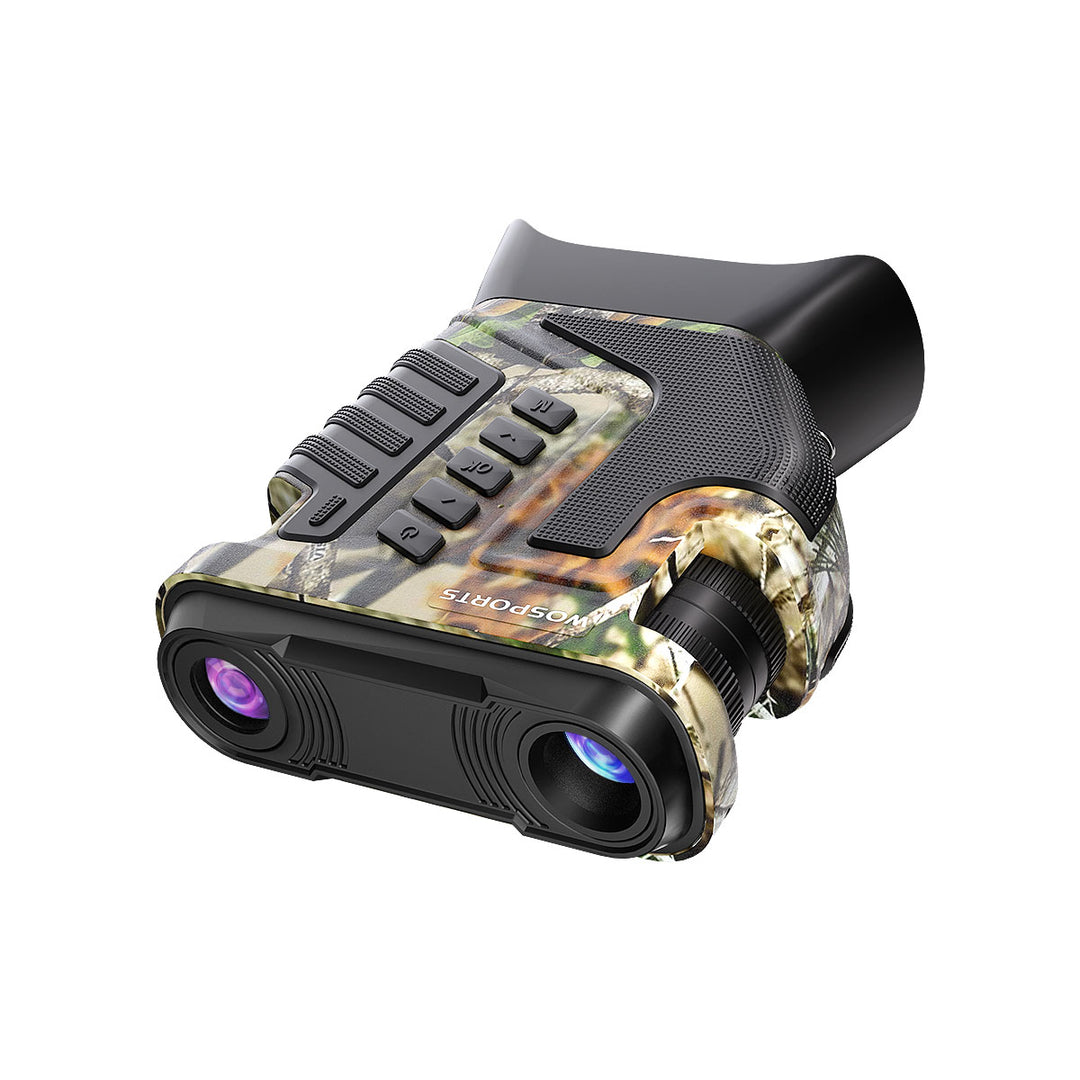
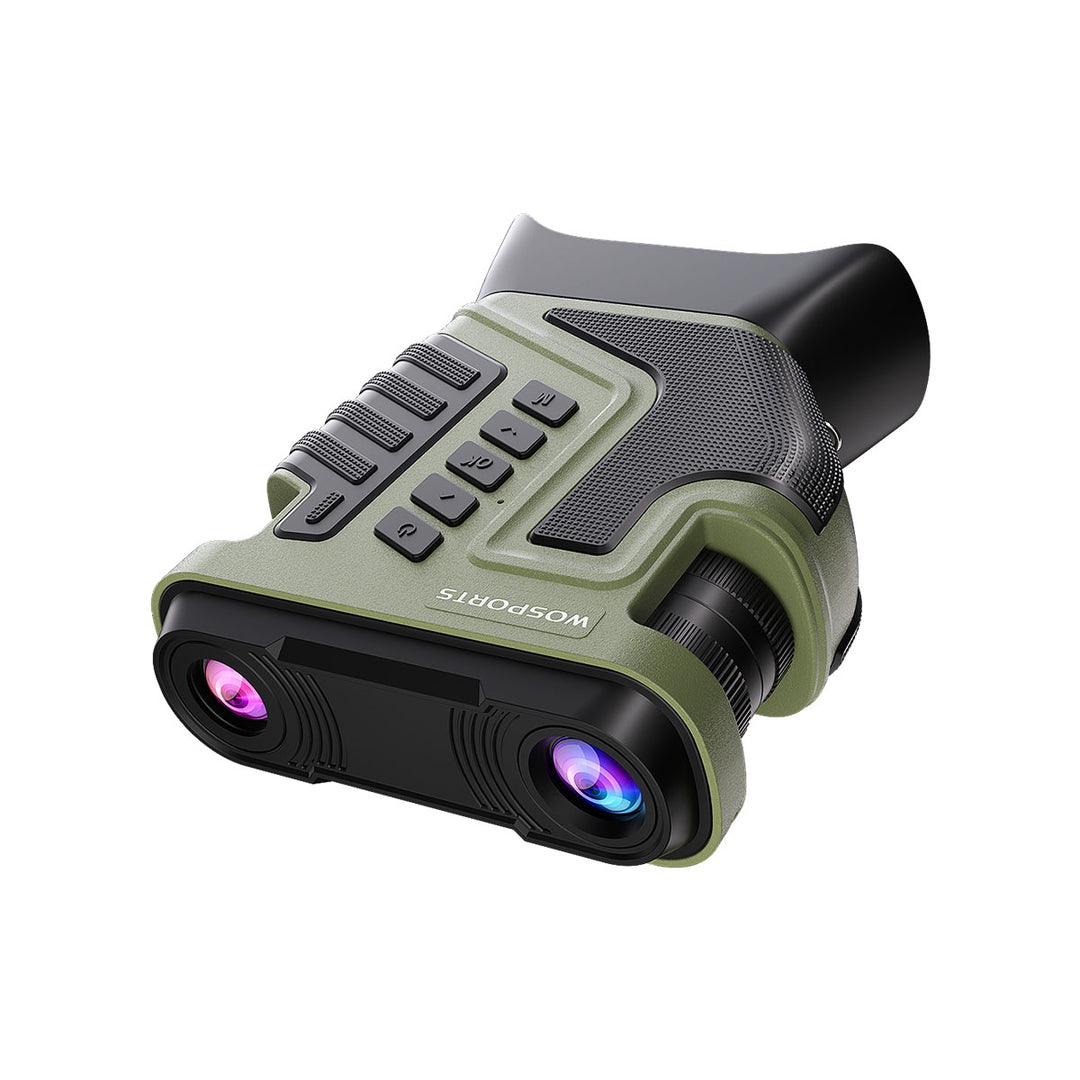
The WOSPORTS NV400 is easier to position when retailers focus on its complete use case rather than selling one specification in isolation. The product combines digital night vision viewing with photo and video recording, making it suitable for retailers targeting customers interested in wildlife observation, hunting, camping, and other outdoor activities.
Key product points retailers can communicate include:
For wholesale resale, the strongest positioning is not simply “high magnification” or “long range.” A more accurate message is:
The NV400 is a digital night vision binocular designed for customers who want to observe, capture, and review outdoor activity in both daylight and low-light conditions.
That type of positioning gives customers a clearer understanding of the product before purchase.
Consider a small outdoor retailer receiving customer questions after selling night vision binoculars online. The most common questions may concern infrared settings, zoom, nighttime range, and recording.
Instead of waiting for post-purchase support requests, the retailer could add:
| Before improvement | After improvement |
|---|---|
| Customers discover limitations after purchase | Customers understand key limitations before purchase |
| More basic setup questions | More confident first-time use |
| Listing focuses mainly on specifications | Listing explains real-world use |
| Support reacts after confusion | Education prevents confusion earlier |
This is an original retail analysis rather than a claim about one specific retailer's measured return rate. The core idea is straightforward: the earlier a retailer resolves uncertainty, the less likely that uncertainty is to become a return.
A simple quick-start guide can prevent “it doesn't work” returns caused by incorrect first-time setup. Technical products should not rely on customers reading a long manual before their first use.
A good quick-start guide should cover:
The FTC also advises consumers to keep purchase records and understand return and refund terms. Clear retailer policies and easy-to-find support information can therefore reduce friction when genuine problems do occur.
No. Some returns may involve genuine defects, but expectation gaps and setup difficulties can also create avoidable returns. Retailers should test products while also improving product education.
Yes, but the conditions behind the claim should be explained. Usable viewing distance can change depending on darkness, weather, infrared settings, target characteristics, and magnification.
Yes, if customers may confuse the two technologies. A simple comparison can prevent customers from purchasing a digital night vision product while expecting thermal-style imaging.
Yes. Real examples can show customers what infrared viewing, zoom, and recorded footage look like before purchase.
Combine realistic product claims, real demo footage, a simple quick-start guide, and responsive post-purchase support.
The most effective way to reduce night vision binocular returns is to reduce the gap between what customers expect and what they actually receive. Product quality remains essential, but clear education is equally important for technical outdoor electronics.
For retailers sourcing night vision binoculars for resale, the recommended strategy is:
For small B2B buyers building an outdoor optics category, products such as the WOSPORTS NV400 can be positioned more effectively when the sales strategy focuses on real use cases and transparent expectations—not just a long list of specifications. That approach can support customer confidence, reduce unnecessary support requests, and help retailers protect margins from avoidable returns.
Search
Popular Posts
Recent Posts
Nov 28, 2024
Troubleshooting Common Trail Camera Issues
Jan 10, 2025
Why Does My Trail Camera Stop Working at Night?