Why Do Pros Favor Rangefinders Over GPS? Precision and Control on Tour
In the high-stakes world of professional golf, every decision, every shot, is meticulously calculated. When it comes to distance measurement, professionals on tours like the PGA have a clear preference: laser rangefinders often take precedence over GPS watches or handheld units. While both technologies provide distance information, the reasons for this preference highlight critical differences in their applications and the demanding standards of competitive play.
The Rise of GPS: Convenience for the Amateur
GPS golf devices, whether watches or handheld units, have revolutionized the game for amateur golfers. They offer:
-
Quick Distances: Instantaneous front, middle, and back-of-green yardages.
-
Hazard Mapping: Overview of bunkers, water hazards, and other course features.
-
Pace of Play: Speeds up decision-making for recreational rounds.
For the average golfer, GPS provides a fantastic, broad overview of the course, often without the need to aim a device. It's about convenience and general awareness.
The Professional's Edge: Uncompromised Precision
For PGA professionals and their caddies, "general awareness" isn't enough. Their livelihood depends on absolute precision. Here's why rangefinders are consistently favored:
-
Pinpoint Accuracy to Any Target:
-
Rangefinders: A laser rangefinder measures the exact distance to any object it can hit – the flagstick, a specific bunker lip, a tree branch, or a precise spot on the fairway for a layup. This accuracy is typically within ±0.5 to ±1 yard.
-
GPS: GPS relies on satellite signals and pre-mapped course data. While accurate for fixed points like the center of the green, it cannot provide an exact distance to a specific pin placement (which moves daily) or a unique point on a hazard that isn't pre-defined. The variance can be several yards depending on mapping quality and satellite reception.
-
-
Real-Time, Dynamic Measurement:
-
Rangefinders: Provide a real-time measurement of the exact location of the flagstick, regardless of where it is cut on a given day.
-
GPS: Gives distances to fixed points on the green (front, middle, back). While helpful, the actual pin might be 10 yards from the center, a crucial difference for a pro. Caddies would still need to calculate the pin location offset from the GPS-provided green depths.
-
-
Independence from Mapping Data:
-
Rangefinders: Work universally. No pre-loaded course maps are required. They function on any course, anywhere, as long as there's a line of sight. This is vital when playing new courses or courses that have recently undergone modifications that may not yet be reflected in GPS maps.
-
GPS: Relies entirely on the accuracy and timeliness of its internal mapping. Outdated maps or mapping errors can lead to incorrect information.
-
-
Tangible Confidence with Flag-Lock:
-
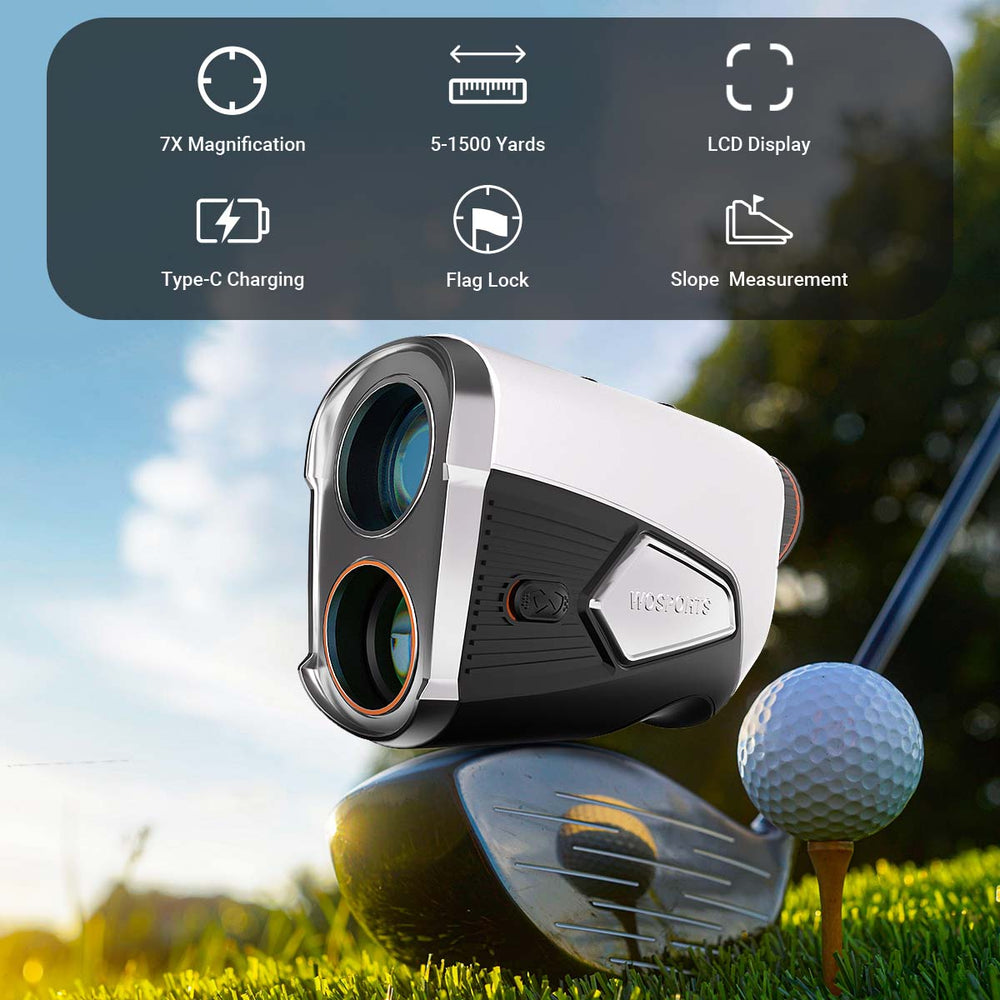
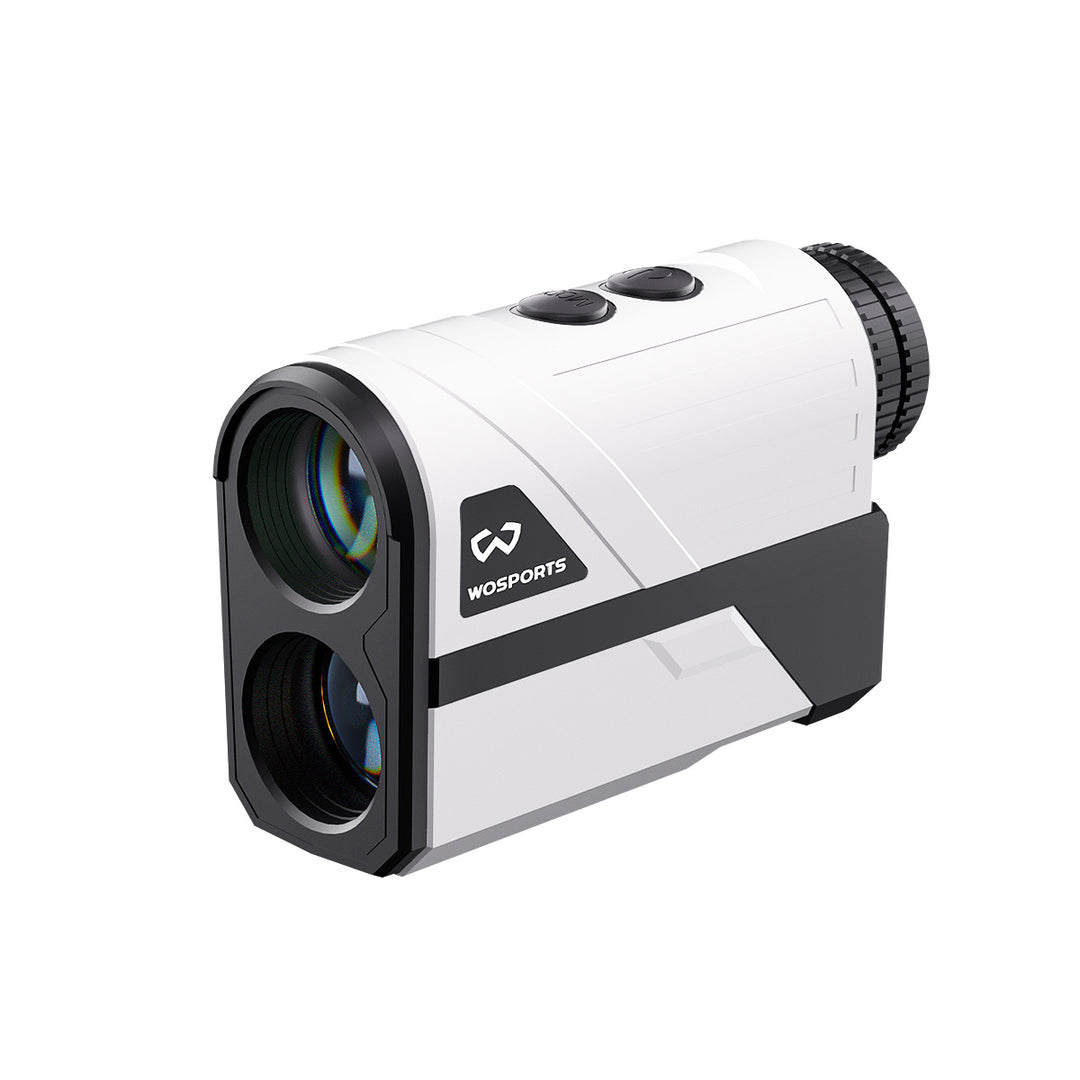
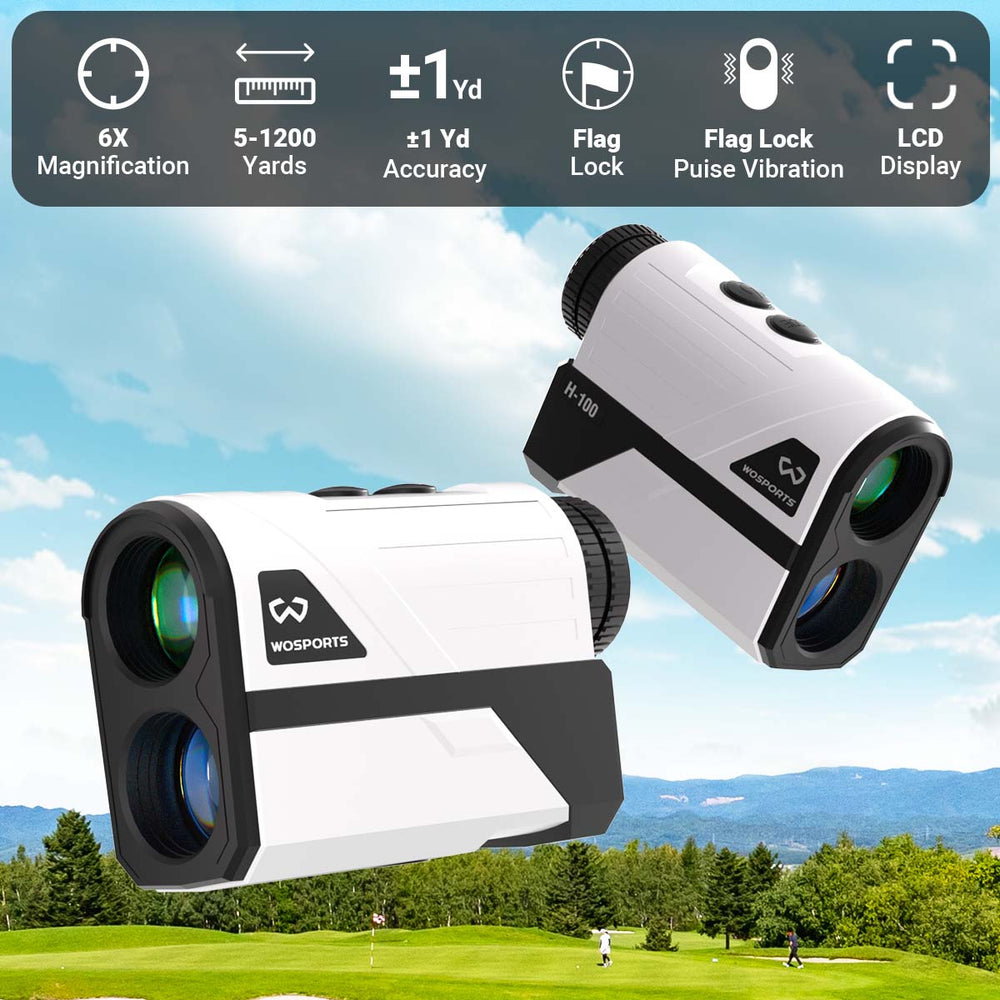
Rangefinders: Features like WOSPORTS' Flag-Lock with vibration provide instant, tactile confirmation that the laser has locked onto the intended target (the flagstick), not a background object. This physical feedback builds substantial confidence in high-pressure situations.
-
GPS: Offers no such direct target confirmation. You trust the screen.
-
-
Rule Compliance Flexibility:
-
Rangefinders: Most modern rangefinders, including WOSPORTS models, offer a simple on/off switch for slope compensation. This allows pros to use the valuable "plays like" distances for practice and course preparation, then easily disable it for tournament play to comply with Rule 4.3a.
-
GPS: While many GPS devices also offer slope, the challenge lies in the nature of "conditions affecting play" beyond simple gradient. If a GPS device offers wind data, "suggests" club selection, or provides detailed green contours beyond what's allowed in yardage books, it would be illegal. The rangefinder's function is more limited and thus easier to keep compliant.
-
"For pros, it's about eliminating all variables," explains a former PGA Tour Caddie. "A GPS gives you a great overview, but I need to know if that pin is 148 or 150 yards to within six inches, not a general area. The laser rangefinder provides that exact, verified number every single time."
WOSPORTS Rangefinders: Built for Tour-Level Precision
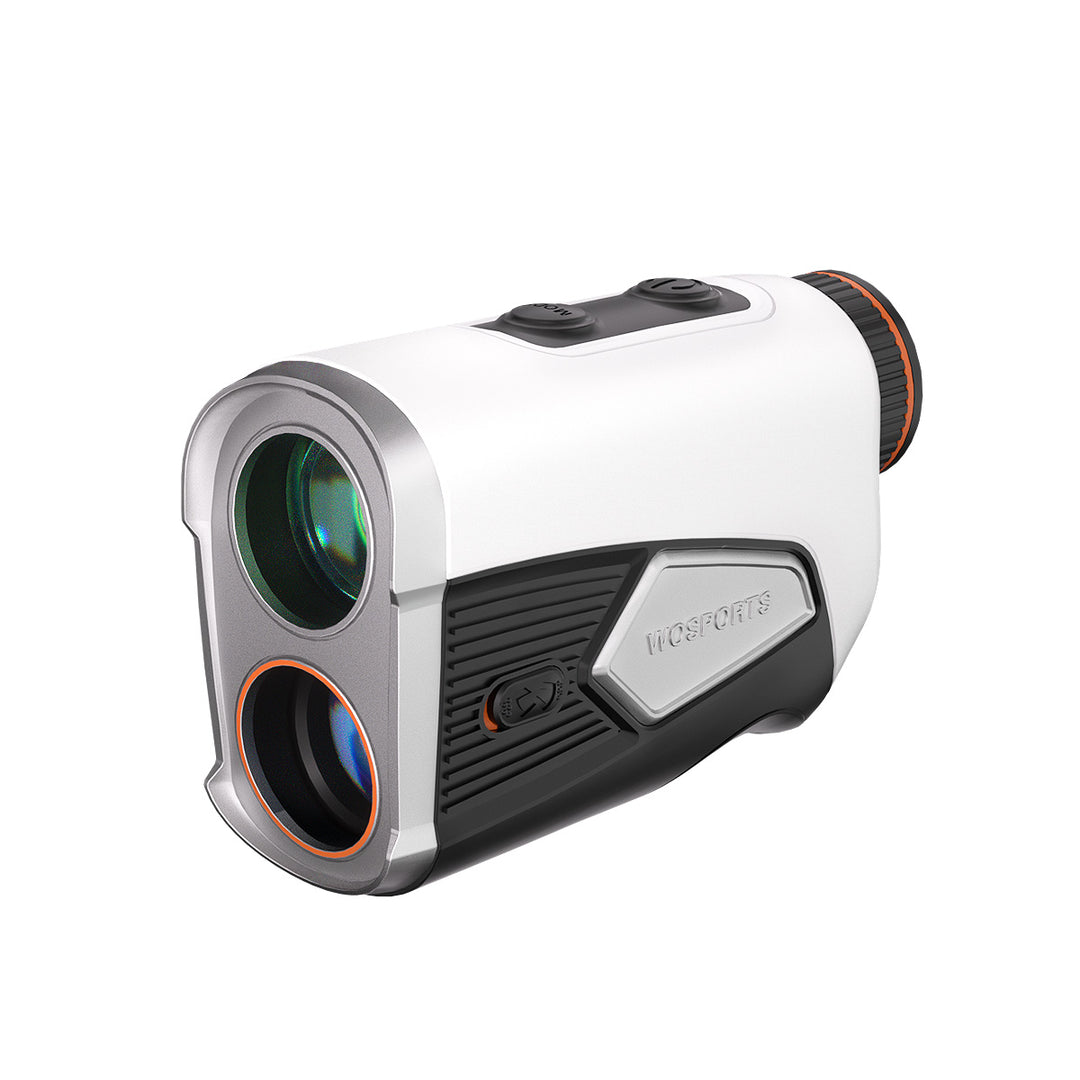
WOSPORTS golf rangefinders are designed with these professional demands in mind, emphasizing the precision, speed, and reliability that make rangefinders the preferred tool on tour. Features like sub-yard accuracy, rapid flag-lock with vibration, clear optics, and tournament-legal slope switches ensure that WOSPORTS devices provide the critical information golfers need for confident decision-making, even under the most intense competitive pressure.
Conclusion: When Micro-Distances Matter Most
While GPS golf devices offer unparalleled convenience and a comprehensive view for amateur golfers, the demands of professional golf require greater precision. PGA pros favor laser rangefinders because they provide pinpoint accuracy to dynamic targets, real-time measurements, independence from static mapping data, and verifiable target acquisition. For professionals where every yard and every shot can define a career, the uncompromising precision and control offered by a quality rangefinder, like those from WOSPORTS, is an indispensable advantage.
Search
Popular Posts
Recent Posts


Nov 28, 2024
Troubleshooting Common Trail Camera Issues
Jan 10, 2025
Why Does My Trail Camera Stop Working at Night?