Are Solar-Powered Trail Cameras Suitable for Long-Term Outdoor Monitoring?
Executive Summary
Solar-powered devices are increasingly used in long-term monitoring systems for wildlife tracking, farm security, and remote outdoor surveillance. However, their suitability depends on environment stability, sunlight availability, and power management design.
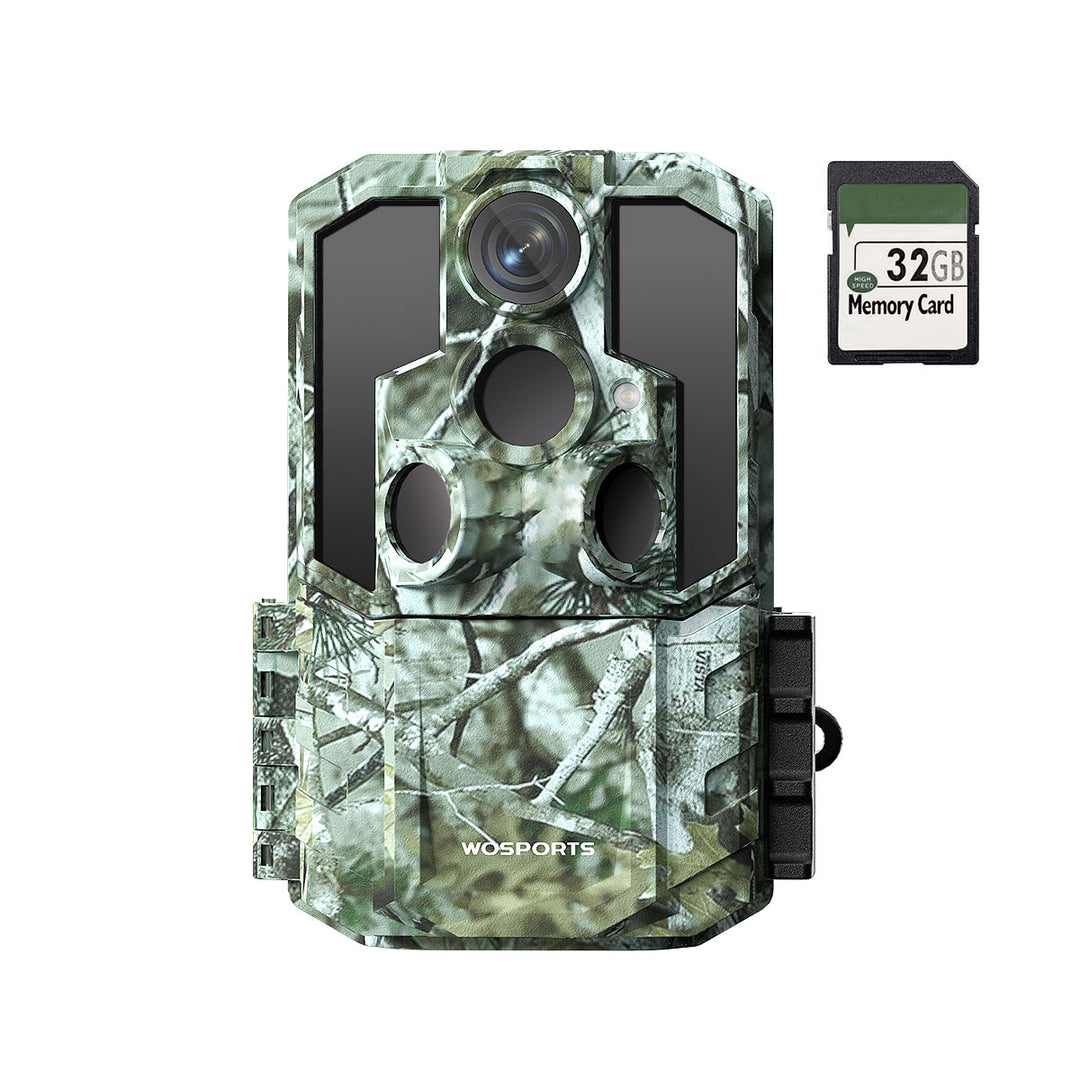
This article evaluates whether a solar trail camera is truly effective for extended deployments and how solutions like the WOSPORTS G600 PRO Trail Camera fit into long-duration field monitoring projects.
Why Long-Term Outdoor Monitoring Requires Stable Power Strategy
Long-term monitoring is not just about camera quality—it is fundamentally about energy continuity.
Without stable power, systems fail due to:
- Battery depletion in remote areas
- High maintenance frequency
- Data loss from downtime
- Interrupted surveillance coverage
Key Insight
In outdoor surveillance, power reliability is the foundation of system success, especially for multi-month deployments.
How Solar Trail Cameras Work in Real Deployment
A solar trail camera integrates photovoltaic charging with internal battery storage.
Basic Operation Flow
- Solar panel collects energy during daylight
- Energy stored in rechargeable battery
- Camera operates on stored power at night
- System cycles continuously based on sunlight exposure
Ideal Conditions
| Condition | Performance Level |
|---|---|
| Full sunlight | High efficiency |
| Partial shade | Medium efficiency |
| Dense forest | Low efficiency |
| Winter regions | Variable efficiency |
Advantages of Solar Trail Cameras for Long-Term Use
Solar systems provide clear benefits in remote monitoring environments.
Key Advantages
- Reduced battery replacement frequency
- Lower maintenance cost over time
- Continuous operation in remote zones
- Better scalability for large deployments
Industry Trend Insight
According to U.S. Department of Energy (DOE), renewable-powered remote sensing systems are increasingly adopted in off-grid monitoring due to improved energy efficiency and reduced operational costs.
Source: U.S. Department of Energy
https://www.energy.gov
Limitations of Solar Trail Cameras in Real Environments
Despite advantages, solar systems are not universally reliable.
Common Limitations
- Dependence on weather conditions
- Reduced efficiency in winter or cloudy regions
- Installation angle sensitivity
- Energy storage limitations during long nights
Practical Impact
In real deployments, hybrid power strategies often outperform pure solar dependency.
Industry Insight: Growth of Solar Monitoring Systems
According to U.S. Geological Survey (USGS), remote environmental monitoring increasingly integrates solar-powered devices to reduce human intervention in field data collection systems.
Source: USGS Environmental Monitoring Division
https://www.usgs.gov
Case Study: Long-Term Wildlife Monitoring Deployment
A conservation project deployed solar-supported trail cameras across remote monitoring zones.
Deployment Results
| Metric | Traditional Battery | Solar-Assisted System |
| Maintenance visits | High | Low |
| Operational continuity | Medium | High |
| Data loss incidents | Frequent | Reduced |
| Cost efficiency | Lower | Higher over time |
Key Insight
Solar support significantly reduces field maintenance but must be matched with optimized camera efficiency.
Expert Commentary on Solar Surveillance Systems
“Solar integration improves sustainability in remote sensing systems, but performance depends heavily on environmental consistency and energy storage design.”
Source: National Renewable Energy Laboratory (NREL) – Off-Grid Energy Systems Research
https://www.nrel.gov
Why WOSPORTS G600 PRO Supports Long-Term Outdoor Surveillance
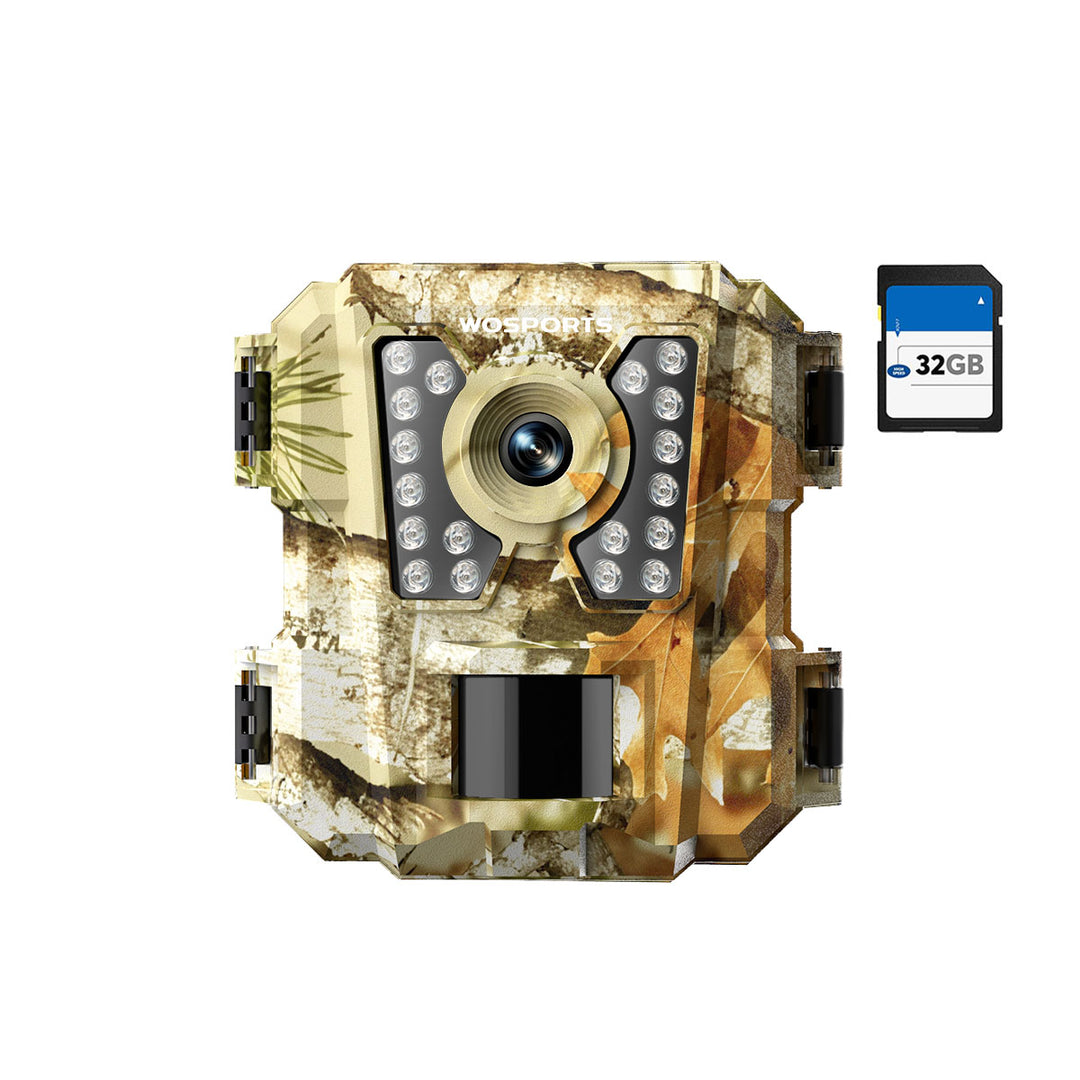
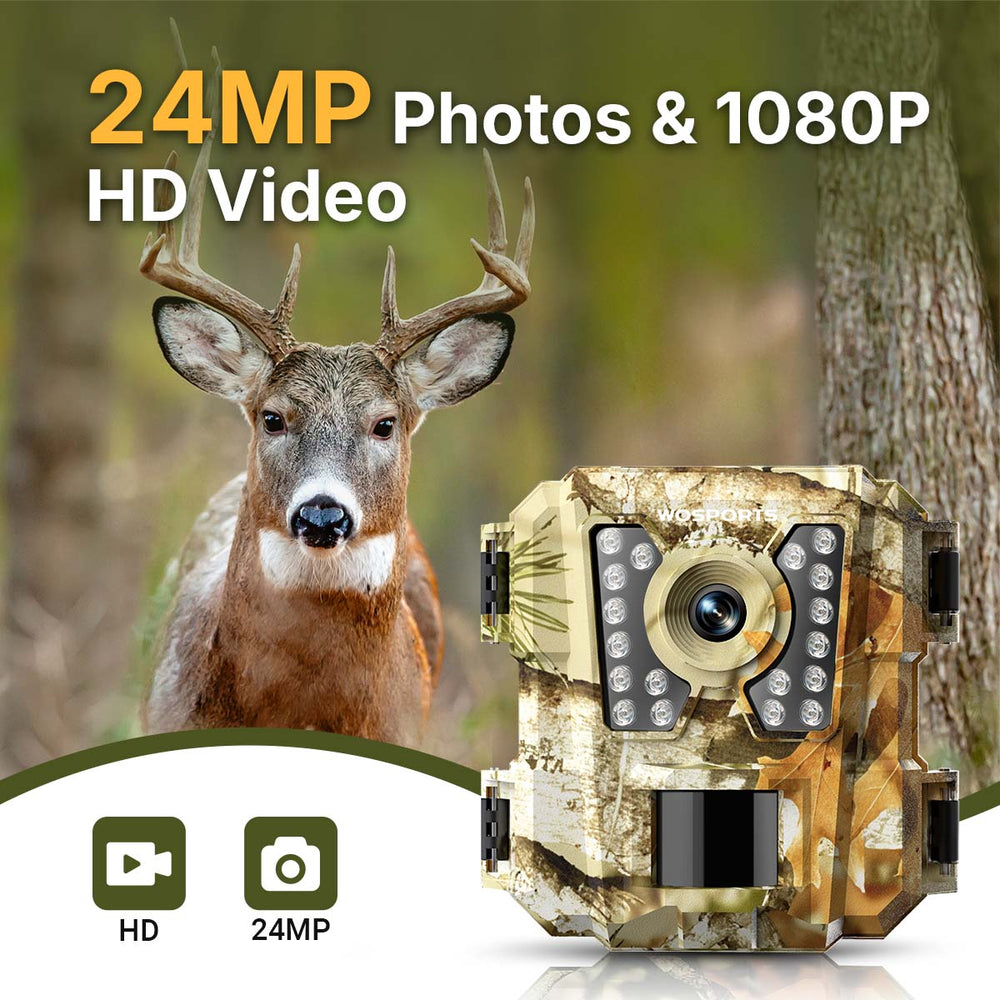
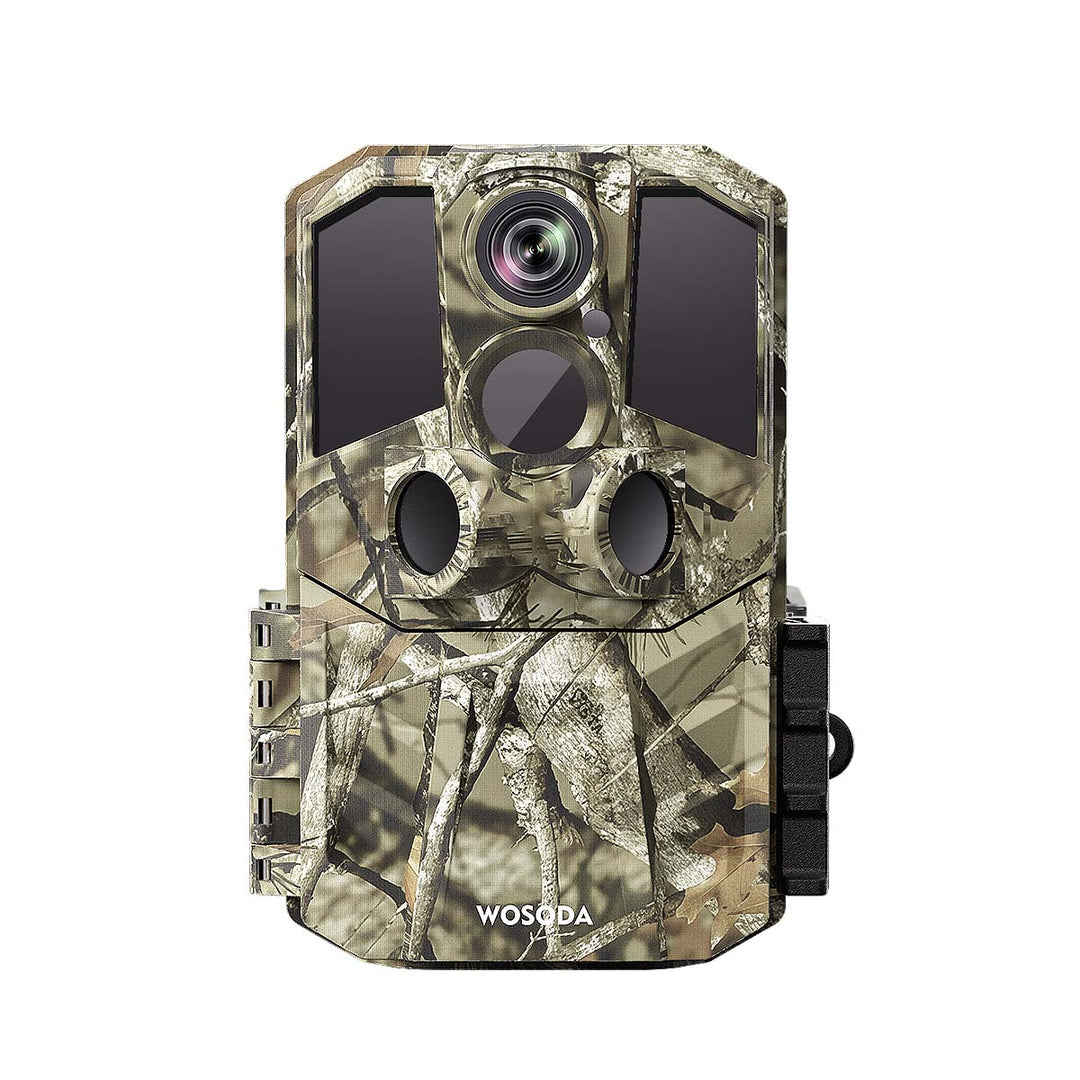
The WOSPORTS G600 PRO Trail Camera is designed for stable performance in extended long-term monitoring applications.
Key Product Strengths
- Low power consumption design
- High-capacity battery compatibility
- Fast trigger response for motion capture
- IP66 waterproof rating for harsh environments
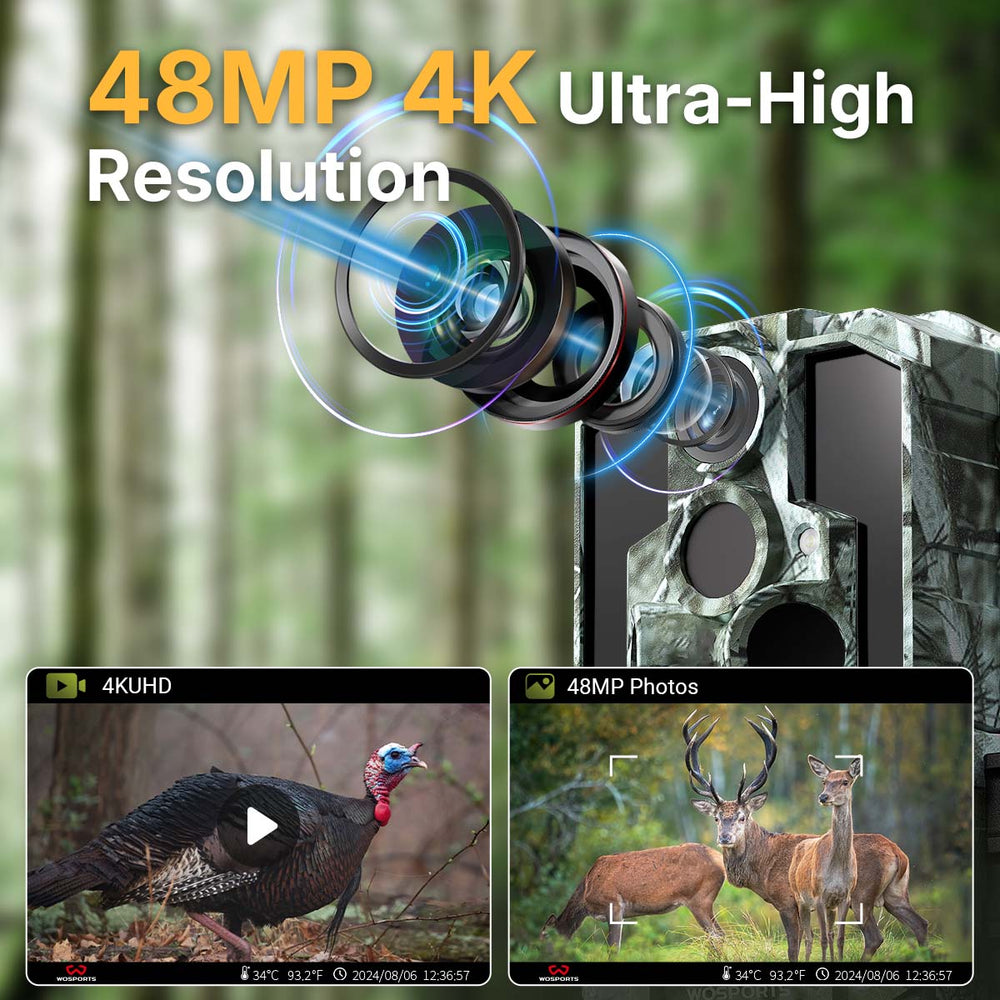
- Stable imaging performance for continuous field use

Why It Works for Solar Integration
- Optimized energy efficiency reduces solar dependency pressure
- Stable operation during low-light periods
- Suitable for hybrid power systems (solar + battery)
- Supports continuous outdoor surveillance deployment
Solar vs Traditional Power Systems in Trail Cameras
| Factor | Solar Trail Camera | Battery Only |
| Maintenance frequency | Low | High |
| Initial setup cost | Medium | Low |
| Long-term cost | Lower | Higher |
| Reliability in winter | Medium | High (if maintained) |
| Scalability | High | Medium |
FAQ: Solar Trail Cameras for Long-Term Monitoring
Are solar trail cameras reliable year-round?
They are reliable in regions with consistent sunlight but may require backup battery systems in winter or shaded environments.
What is the best use case for solar trail cameras?
They are ideal for wildlife tracking, remote farm monitoring, and long-term outdoor surveillance projects.
Is the G600 PRO suitable for solar setups?
Yes, the G600 PRO is compatible with low-power and hybrid energy systems for extended field deployment.
Conclusion
Solar trail cameras are a strong solution for long-term monitoring, but their effectiveness depends on environmental conditions and system design.
The most successful deployments combine:
- Efficient camera hardware
- Stable energy storage
- Strategic installation planning
The WOSPORTS G600 PRO Trail Camera provides a balanced foundation for B2B buyers building scalable outdoor surveillance systems with or without solar integration.
Sources
-
U.S. Department of Energy (DOE) – Renewable Energy Systems
https://www.energy.gov -
U.S. Geological Survey (USGS) Environmental Monitoring Programs
https://www.usgs.gov -
National Renewable Energy Laboratory (NREL) – Off-Grid Systems Research
https://www.nrel.gov
Search
Popular Posts
Recent Posts


Nov 28, 2024
Troubleshooting Common Trail Camera Issues
Jan 10, 2025
Why Does My Trail Camera Stop Working at Night?