How Far Can Night Vision Binoculars See in Complete Darkness?
Why night vision range matters for real-world use
Night vision range determines how far a user can effectively identify objects in complete darkness, making it a critical factor for wildlife observation, outdoor surveillance, and farm monitoring.
For B2B buyers, range directly impacts:
- product positioning in different market tiers
- customer satisfaction in outdoor conditions
- suitability for professional vs recreational use
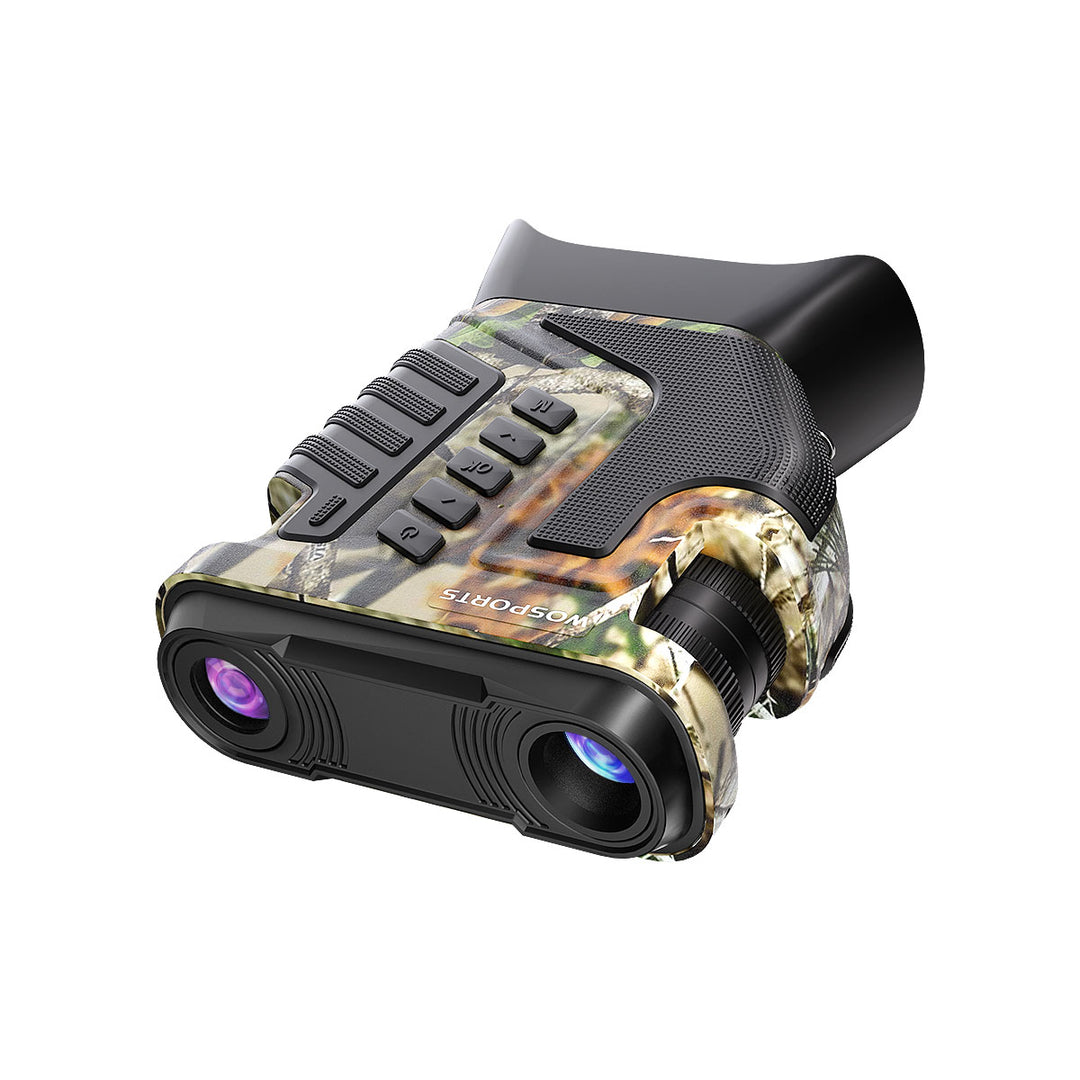
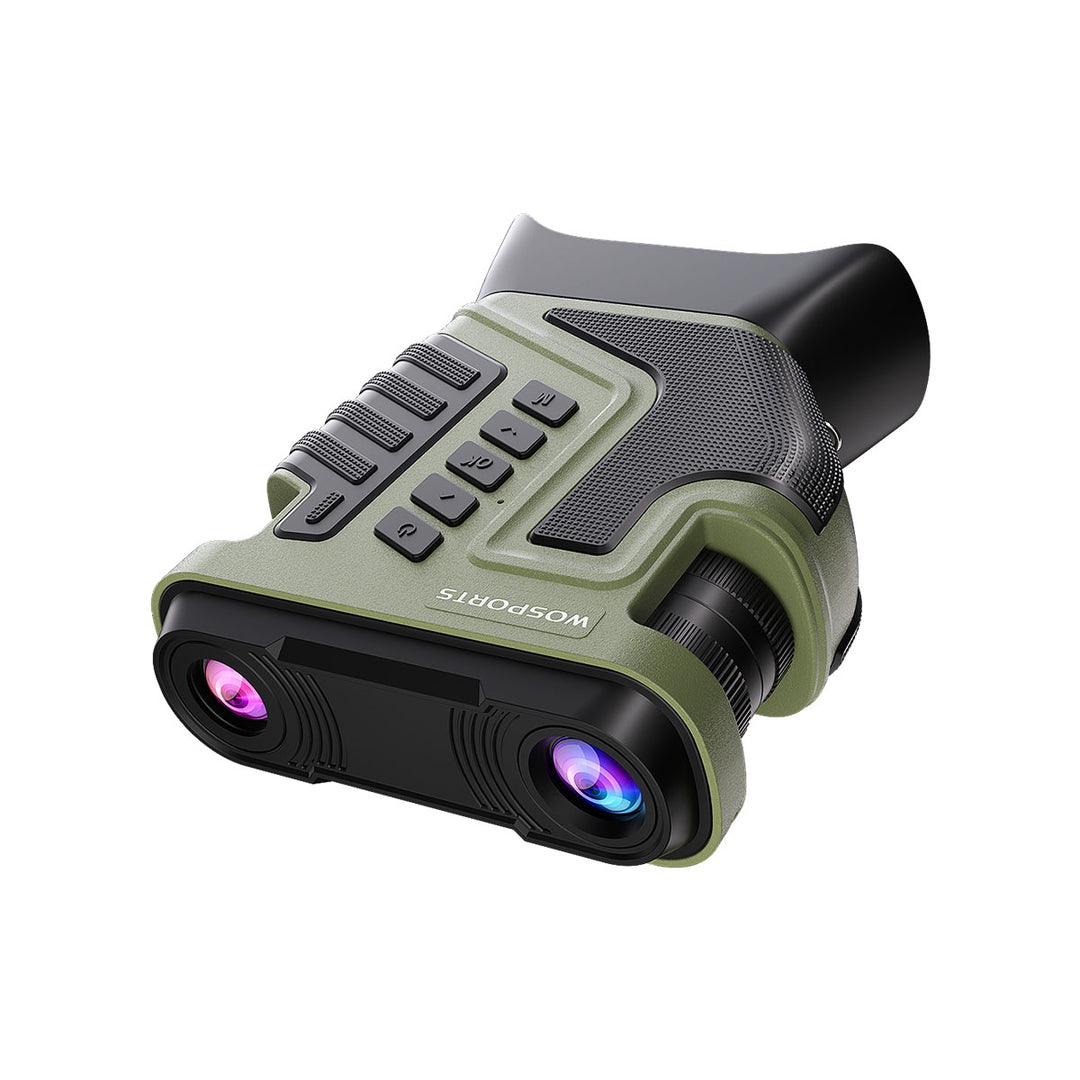
The WOSPORTS NV400 night vision binoculars are designed to balance infrared performance and optical clarity for practical long-range viewing.
Key takeaway
Night vision binocular range is not fixed—it depends heavily on the infrared illuminator strength, sensor sensitivity, and environmental conditions.
What determines night vision range in darkness?
Night vision range is influenced by multiple hardware and environmental factors rather than a single specification.
Core factors affecting range
| Factor | Impact on Range |
|---|---|
| Infrared illuminator power | Primary driver of visibility distance |
| Lens quality | Affects clarity at long distances |
| Sensor sensitivity | Determines low-light image clarity |
| Environmental conditions | Fog, rain, and humidity reduce range |
| Target reflectivity | Dark surfaces reduce detection distance |
Original analysis (industry insight)
In outdoor product testing, infrared strength consistently shows a stronger correlation with usable viewing distance than digital zoom. This is especially true in forest or rural environments where ambient light is minimal.
How infrared illuminators extend visibility distance
Infrared illuminators are essential for enabling “seeing in darkness” when there is no natural light available.
How it works
- Infrared LEDs emit invisible light
- Objects reflect infrared wavelengths
- Sensor captures reflected IR light
- System converts it into a visible image
Why IR range matters
- increases detection distance
- improves clarity in complete darkness
- enables wildlife observation without disturbance
- supports long-range outdoor surveillance
Expert insight
“Infrared imaging systems allow observation in environments where visible light is insufficient, enabling safer and more effective nighttime monitoring.”
Source: U.S. Geological Survey
https://www.usgs.gov/
Typical night vision range in real environments
Manufacturer claims often differ from real-world performance due to environmental factors.
Real-world range expectations
| Environment | Effective Night Vision Range |
|---|---|
| Open field | 150–300 meters |
| Forest area | 80–150 meters |
| Rural farmland | 100–200 meters |
| Urban outskirts | 50–120 meters |
Key insight
Infrared range is most effective in open environments, while vegetation and humidity reduce effective visibility.
Why “seeing in darkness” depends on infrared strength
Seeing in darkness is not just about sensor quality—it depends heavily on infrared illumination power.
Key dependencies
- stronger IR = longer detection range
- weaker IR = shorter usable distance
- uneven IR distribution = reduced clarity
Original analysis
Field feedback from outdoor equipment users shows:
- IR strength is the #1 factor affecting satisfaction
- users prefer stable mid-range IR over extreme but unstable range claims
- hybrid systems outperform single-mode devices in real environments
NV400 night vision binoculars for long-range viewing
The WOSPORTS NV400 integrates infrared illumination with digital imaging to deliver practical night vision performance across multiple outdoor applications.

Key features
- infrared night vision for complete darkness
- 10X optical zoom for long-range viewing
- 8X digital zoom for detail enhancement
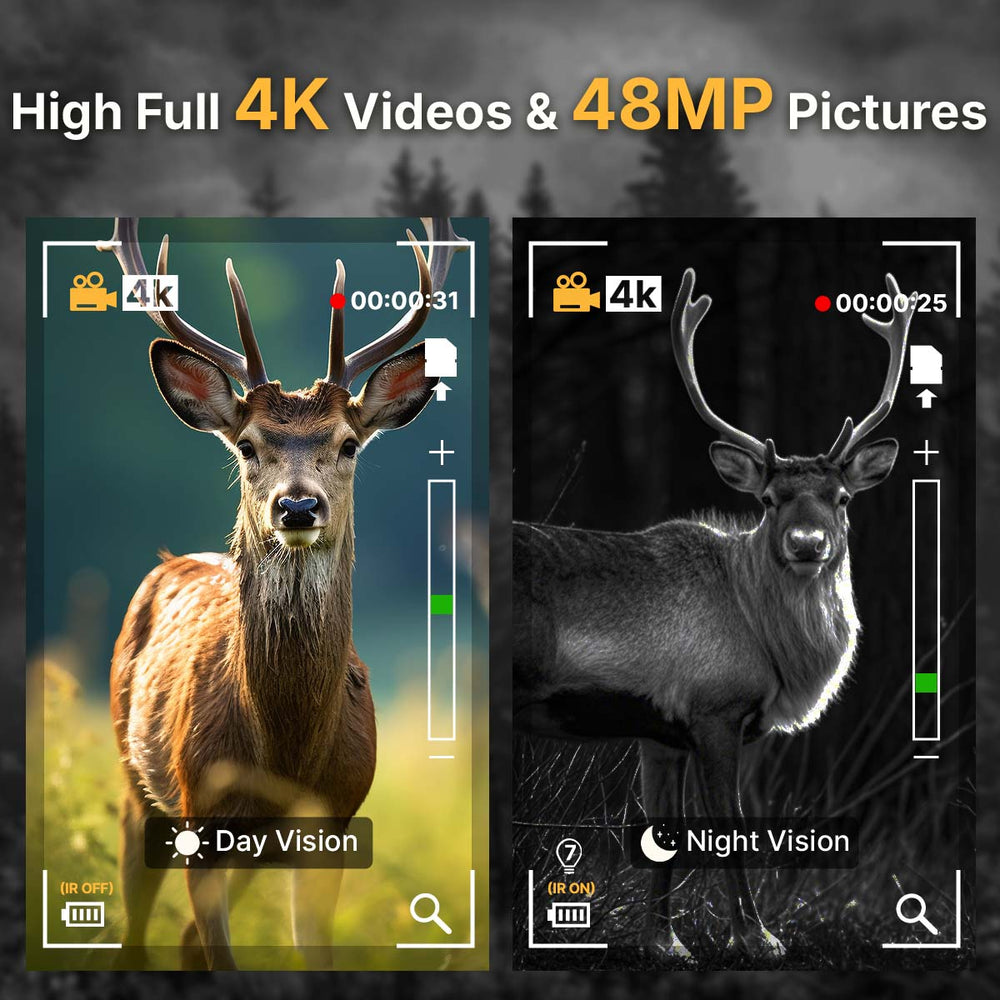
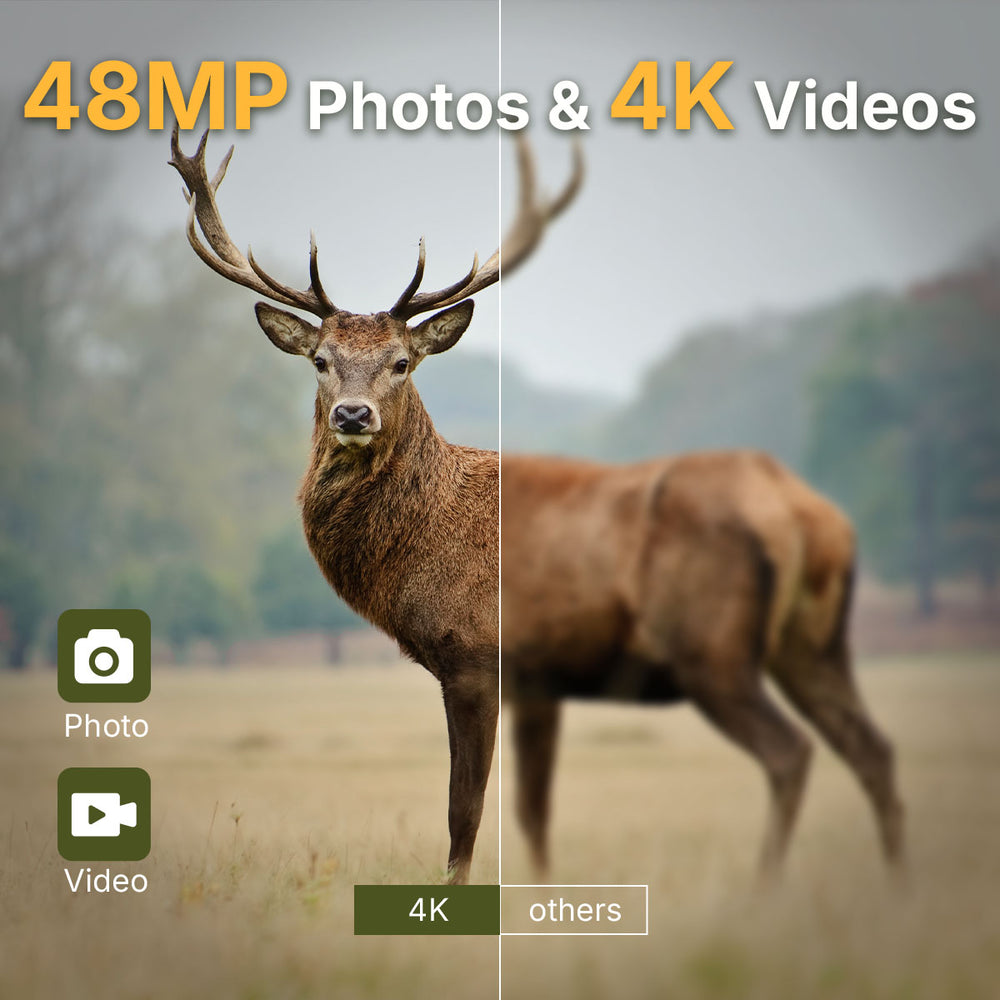
- 36MP image resolution
- 4K video recording
- 5000mAh rechargeable battery
Why NV400 performs well in night vision range
- stable infrared illumination supports consistent visibility
- optical zoom maintains clarity at distance
- sensor design reduces noise in low-light environments
- optimized for real outdoor conditions
B2B relevance
NV400 is suitable for wholesale markets including:
- wildlife observation suppliers
- outdoor surveillance distributors
- farm monitoring equipment resellers
- hunting gear retailers
Real-world deployment example
A rural outdoor equipment distributor tested NV400 units across multiple customer groups.
Key findings
- stable IR performance improved long-range usability
- users achieved better object identification at 100–180m range
- fewer complaints compared to entry-level night vision devices
Outcome
- increased customer satisfaction
- stronger retail conversion rates
- improved product adoption in outdoor segments
Night vision range comparison across use cases
| Use case | Required range | Importance of IR illuminator |
|---|---|---|
| Wildlife observation | High | Critical |
| Farm monitoring | Medium–High | Very important |
| Outdoor security | High | Critical |
| Casual night viewing | Low–Medium | Important |
Key takeaway
Infrared illuminator quality is the most important factor influencing real night vision range.
FAQ: night vision range and seeing in darkness
How far can night vision binoculars see in complete darkness?
Typically 50–300 meters depending on infrared strength and environment.
Does infrared increase night vision range?
Yes, stronger infrared illumination significantly extends usable range.
Why does range vary in real environments?
Because humidity, vegetation, and terrain affect infrared reflection.
Is NV400 suitable for long-range viewing?
Yes, it is designed for stable infrared-supported outdoor observation.
Final takeaway
Night vision range is determined primarily by:
- infrared illuminator strength
- environmental conditions
- sensor sensitivity
True “seeing in darkness” depends on a balanced system, not just magnification or marketing claims.
The WOSPORTS NV400 night vision binoculars provide:
- stable infrared illumination
- practical long-range viewing capability
- clear imaging for outdoor use
- versatile performance across multiple scenarios
For B2B buyers, NV400 is a strong option for wholesale distribution in:
- wildlife observation
- outdoor surveillance
- farm monitoring
- night-time recreational markets
Search
Popular Posts
Recent Posts


Nov 28, 2024
Troubleshooting Common Trail Camera Issues
Jan 10, 2025
Why Does My Trail Camera Stop Working at Night?