Types of Night Vision Devices
🔍 Introduction
If you’re new to night vision, one of the first things you’ll notice is how many different types of devices are available.
Binoculars, goggles, monoculars… it can get confusing fast.
But here’s the good news:
👉 Most night vision devices fall into just a few main categories—and once you understand them, choosing the right one becomes much easier.
🌙 The 3 Main Types of Night Vision Devices
Let’s break them down in a simple way 👇
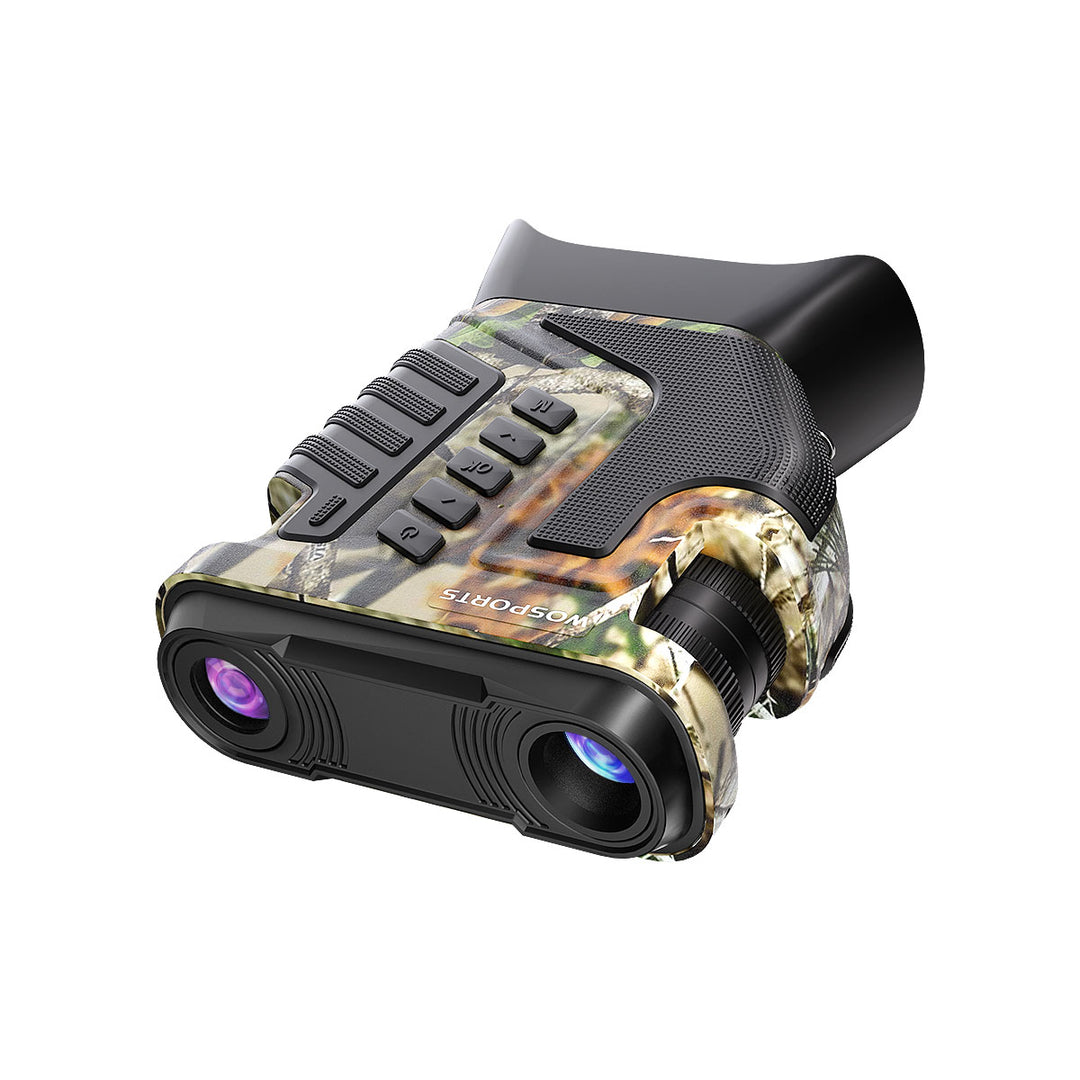
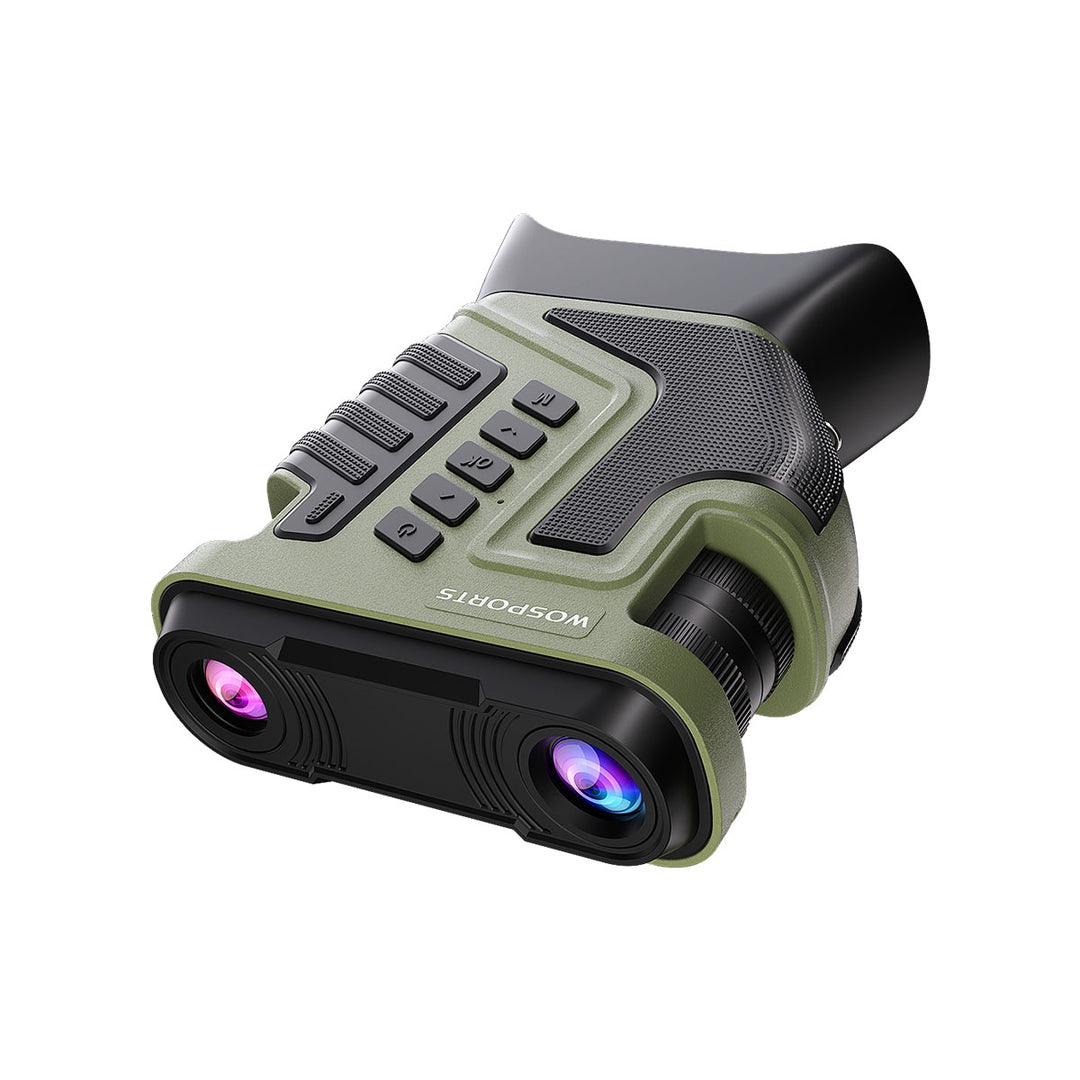
🔭 1. Night Vision Binoculars
Best for: Beginners, wildlife watchers, general outdoor use
Binocular-style night vision devices are the most popular option—and for good reason.
They’re:
- Easy to use
- Comfortable to hold
- Great for observing animals and landscapes
- Often include recording features (photo/video)
👉 This is the most recommended type for beginners.
🥽 2. Night Vision Goggles
Best for: Hands-free use, movement, tactical scenarios
Goggles are worn on your head, allowing you to move around while seeing in the dark.
They’re commonly used for:
- Navigation in darkness
- Tactical or security use
- Airsoft/simulation activities
👉 However, they are usually:
- More expensive
- Less focused on detailed observation
🔍 3. Night Vision Monoculars
Best for: Portability, quick spotting
Monoculars are compact, single-lens devices.
They’re:
- Lightweight
- Easy to carry
- Good for quick checks
👉 But they may:
- Offer less immersion
- Be less comfortable for long viewing sessions
⚙️ Digital vs Traditional Night Vision (Quick Note)
No matter which type you choose, there are two main technologies:
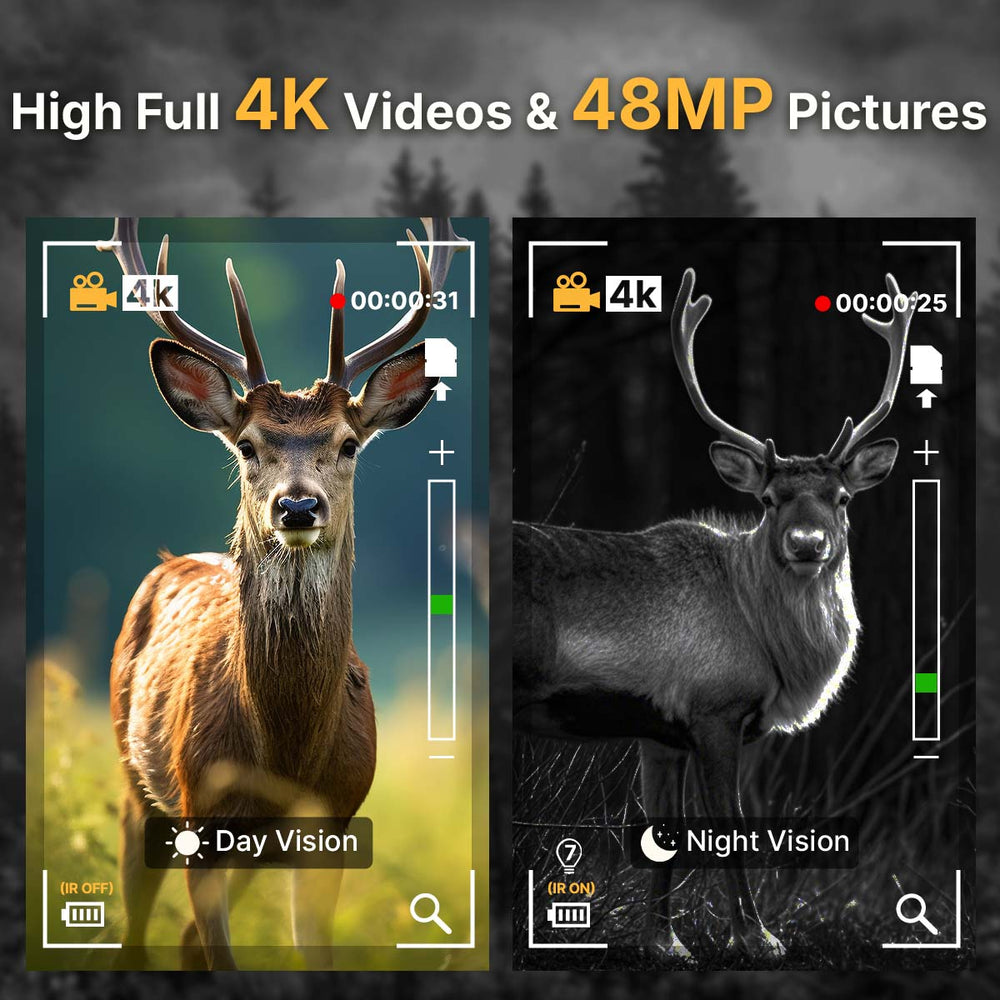
Digital Night Vision
- Uses infrared (IR) illumination
- Works in complete darkness
- Ideal for beginners and outdoor users
Traditional Night Vision
- Amplifies ambient light
- Requires some light source (moon/stars)
- Typically more expensive
👉 Most modern consumer devices today are digital night vision, because they are more versatile and affordable.
⚖️ Quick Comparison
| Type | Best For | Pros | Cons |
|---|---|---|---|
| Binoculars | Beginners, wildlife | Easy, immersive | Slightly bulkier |
| Goggles | Hands-free use | Movement-friendly | Expensive, less detail |
| Monoculars | Portability | Lightweight | Less comfortable |
🦌 Which Type Should You Choose?
For most people, the answer is simple:
👉 Start with night vision binoculars
They offer the best balance of:
- Ease of use
- Viewing comfort
- Image clarity
- Versatility
They’re especially great for:
- Watching wildlife
- Exploring outdoors
- Observing your surroundings at night
🎯 Real-World Example
Imagine you’re watching wildlife at night:
- With binoculars, you get a stable, detailed view
- With goggles, you can walk around hands-free
- With a monocular, you quickly scan and move on
👉 Each has its place—but for most users, binoculars provide the best overall experience.
🛒 What Matters More Than Type
No matter which device you choose, pay attention to:
- Infrared performance (IR power)
- Image clarity & resolution
- Viewing range
- Battery life
- Ease of use
👉 These factors often matter more than the type itself.
🔗 What to Read Next
- Beginner’s Guide to Night Vision
- How to Choose Night Vision
- Best Night Vision Devices 2026
Search
Popular Posts
Recent Posts


Nov 28, 2024
Troubleshooting Common Trail Camera Issues
Jan 10, 2025
Why Does My Trail Camera Stop Working at Night?