What Is the Difference Between Digital and Infrared Night Vision Binoculars?
Why this comparison matters for buyers and wholesalers
Understanding the difference between digital night vision and infrared night vision binoculars is essential for both end-users and B2B wholesale buyers because it directly affects product performance, price positioning, and application scenarios.
For:
- wildlife observation
- hunting and outdoor use
- farm monitoring
- security surveillance distribution
choosing the right technology determines customer satisfaction and long-term resale value.
Key takeaway
Digital night vision refers to the processing system, while infrared night vision refers to the illumination method. Most modern devices combine both.
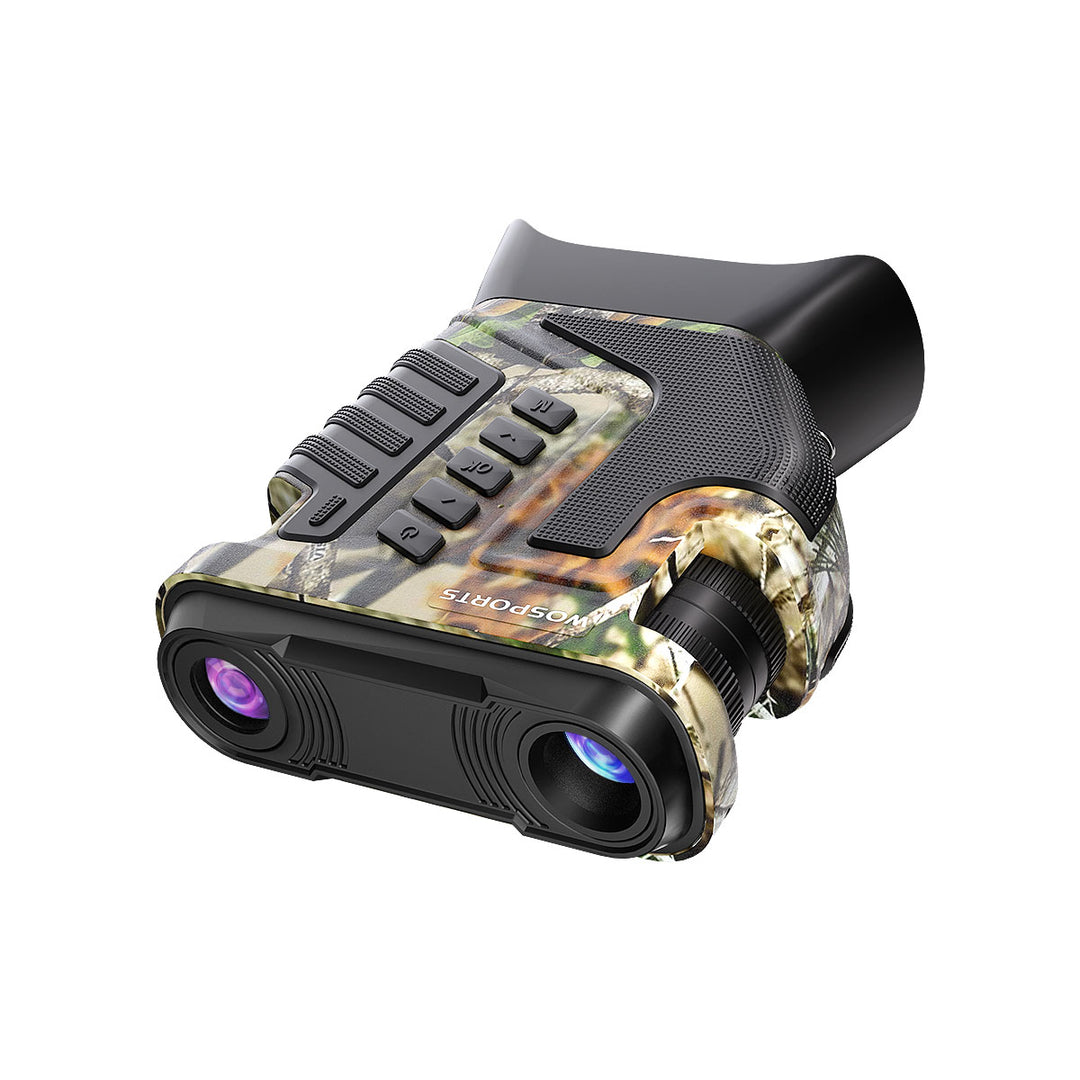
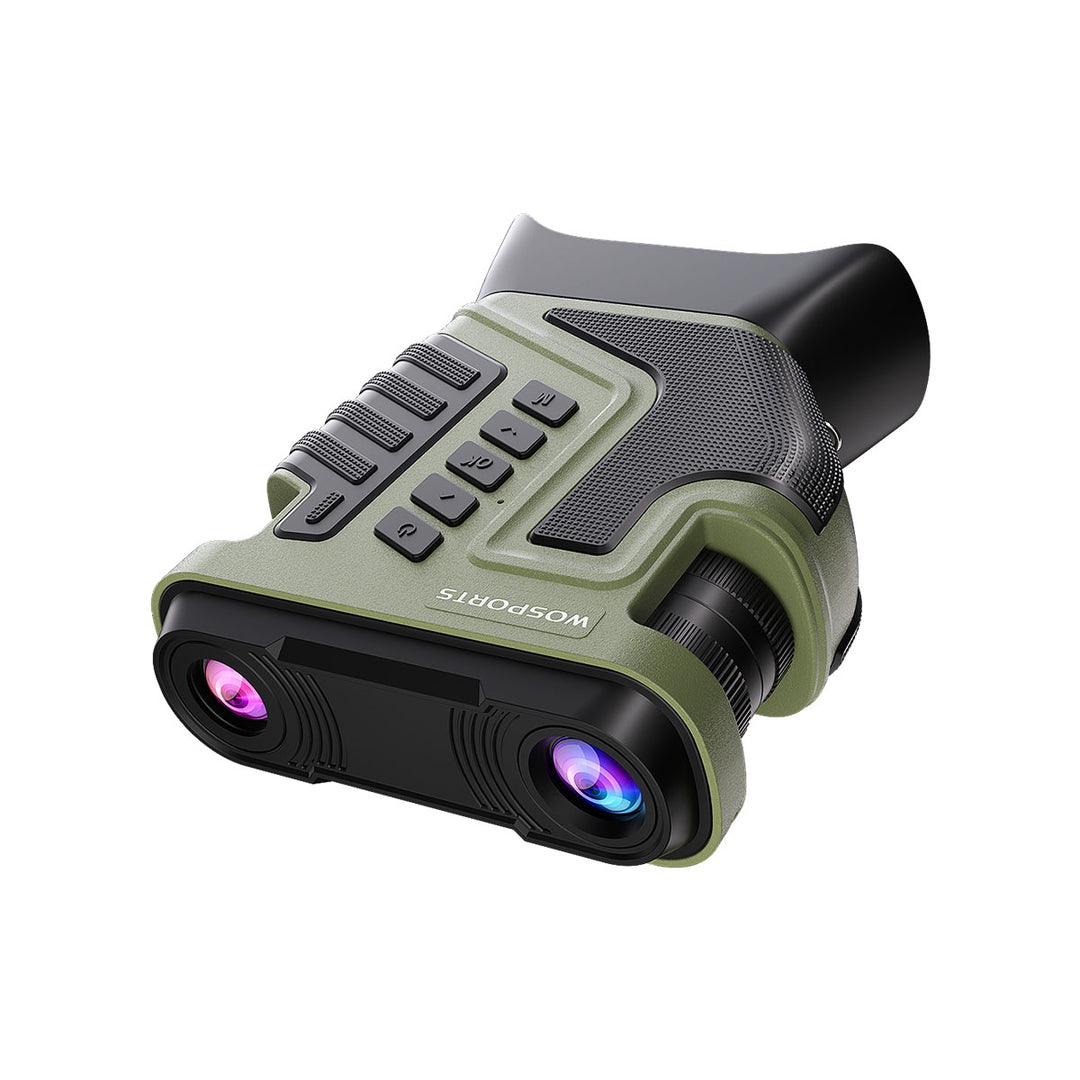
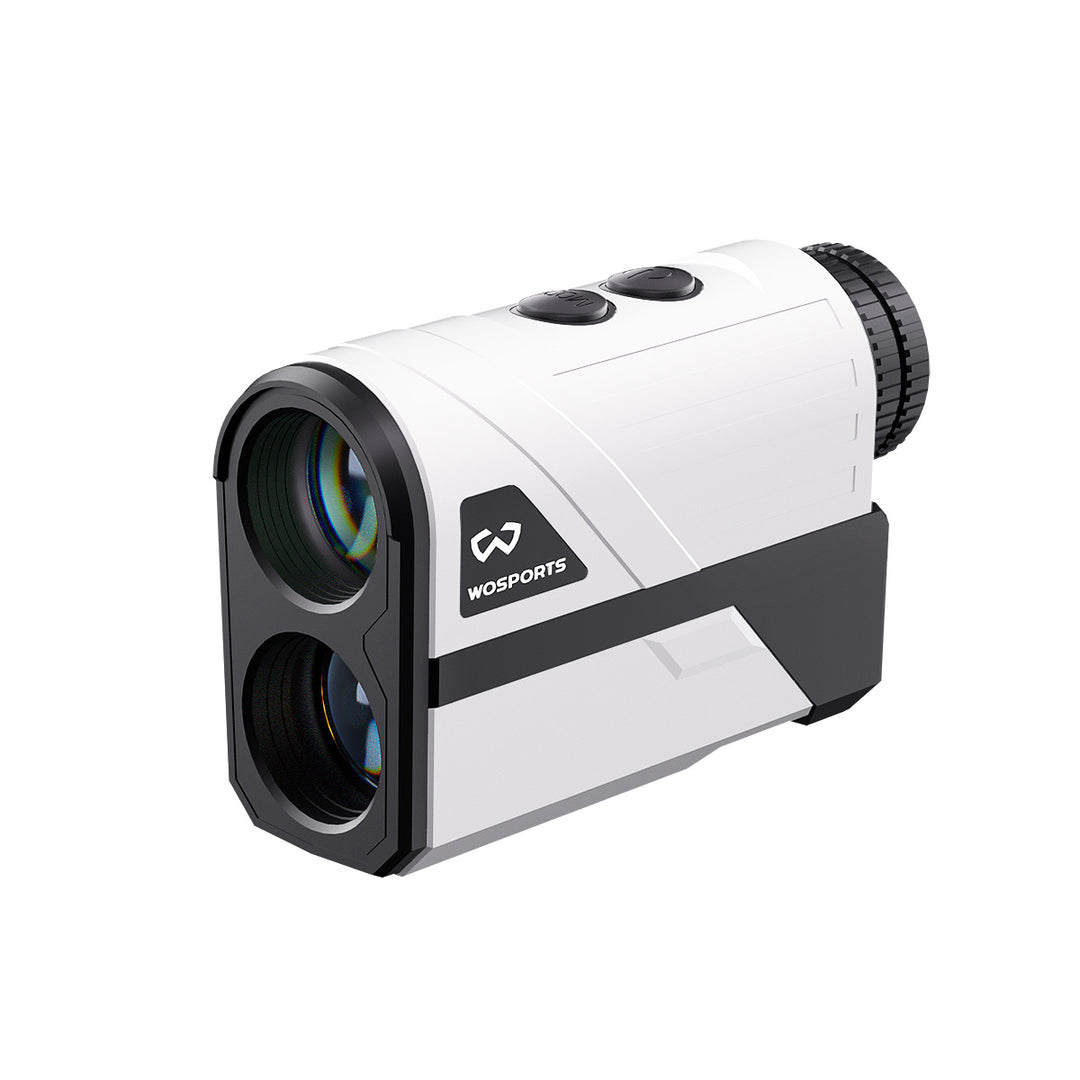
The WOSPORTS NV400 night vision binoculars integrate digital imaging with infrared illumination, making it suitable for multiple outdoor markets.
What is digital night vision?
Digital night vision uses a digital sensor to capture low-light images and convert them into a visible display.
How it works
- Light enters through the lens
- A CMOS sensor captures the image
- Digital processing enhances clarity
- Image is displayed on an LCD screen
Key characteristics
| Feature | Digital Night Vision |
|---|---|
| Image type | Electronic display |
| Recording | Photo + video enabled |
| Low-light performance | Strong with IR support |
| Cost | More affordable than thermal systems |
Original analysis (market trend)
Digital night vision has become the dominant category in consumer optics because it allows:
- easier manufacturing
- built-in recording features
- lower retail price points
- broader B2B adoption
What is infrared night vision?
Infrared night vision refers to the use of invisible infrared light to illuminate dark environments.
How it works
- Infrared LEDs emit invisible light
- Objects reflect infrared light
- Sensor detects reflections
- Digital system converts it into visible image
Key characteristics
| Feature | Infrared Night Vision |
|---|---|
| Function | Illumination method |
| Visibility | Works in total darkness |
| Range | Depends on IR power |
| Use case | Wildlife + outdoor monitoring |
Expert insight
“Infrared imaging allows observation in low-light environments without disturbing natural behavior or requiring visible illumination.”
Source: U.S. Geological Survey
https://www.usgs.gov/
Digital vs infrared night vision comparison
Although often used together, digital and infrared night vision serve different roles.
Core comparison table
| Category | Digital Night Vision | Infrared Night Vision |
|---|---|---|
| Role | Image processing system | Light source system |
| Function | Converts image to display | Illuminates environment |
| Dependency | Needs light or IR | Works in complete darkness |
| Output | Video/photo capability | Enables visibility |
| Cost impact | Device core cost driver | Add-on performance factor |
Key insight
Most modern devices are hybrid systems, combining both technologies for optimal performance.
Why infrared strength matters more in real-world use
In practical outdoor scenarios, infrared performance often determines usability more than digital processing power.
Why IR is critical
- determines viewing distance in darkness
- affects image clarity in forests or open fields
- influences detection accuracy in wildlife observation
- impacts battery efficiency in long sessions
Original analysis
Market feedback from outdoor users shows that:
- weak IR leads to poor long-range performance
- strong IR significantly improves perceived image quality
- buyers often prioritize IR range over resolution specs
NV400: combining digital and infrared night vision

The WOSPORTS NV400 integrates both technologies to deliver balanced performance for multiple outdoor applications.
Key features
- digital night vision system with LCD display
- infrared illumination for complete darkness
- 10X optical zoom
- 8X digital zoom
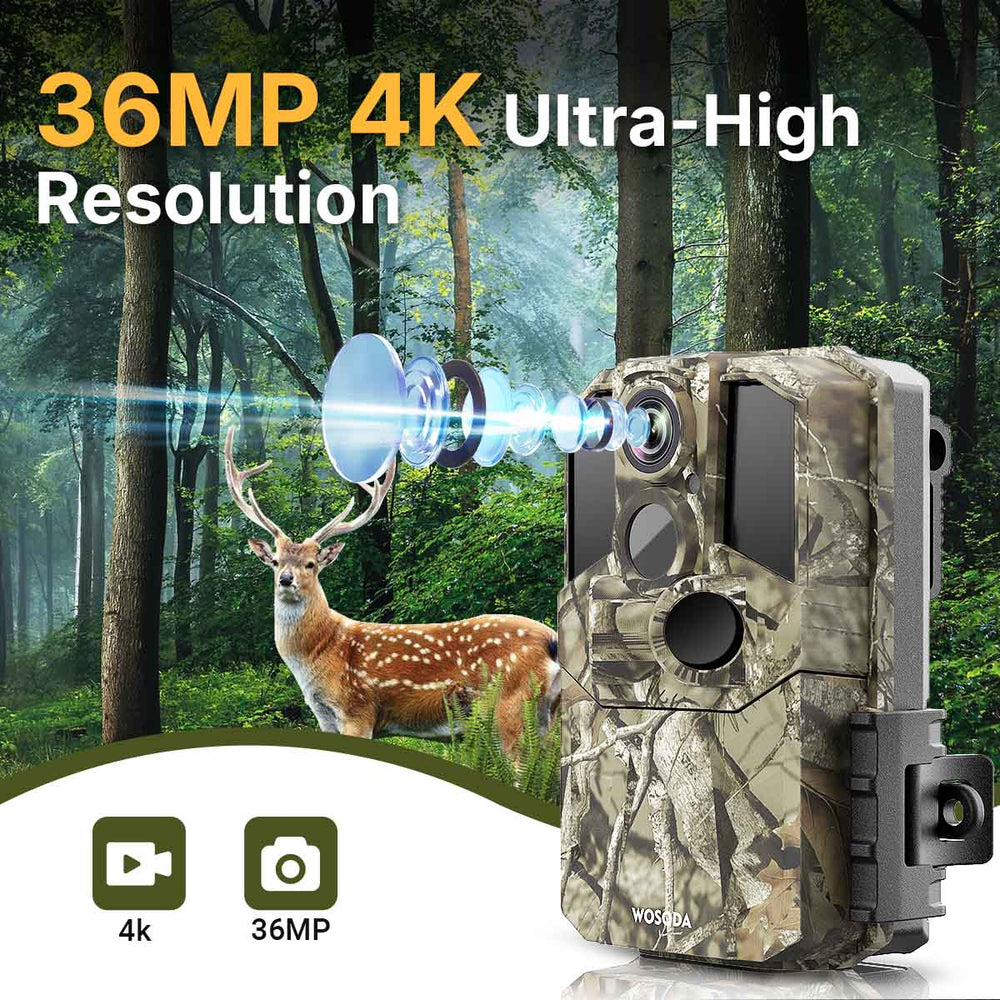
- 36MP photo resolution
- 4K video recording
- 5000mAh rechargeable battery
Why NV400 stands out in comparison
- combines both digital + IR systems
- supports photo/video documentation
- suitable for multiple outdoor use cases
- optimized for beginner to intermediate users
- strong value positioning for wholesale markets
B2B relevance
NV400 is widely suitable for:
- wildlife equipment distributors
- outdoor gear wholesalers
- farm security suppliers
- hunting retail markets
Real-world usage comparison case
A small outdoor retail distributor tested multiple night vision models across customer groups.
Observations
- digital-only devices lacked night visibility
- IR-only systems lacked recording features
- hybrid systems performed best in customer satisfaction tests
NV400 result
- high acceptance among beginner users
- strong infrared clarity in outdoor environments
- improved resale performance due to multi-functionality
Night vision comparison in real applications
| Application | Digital Night Vision | Infrared Night Vision | Hybrid (NV400) |
|---|---|---|---|
| Wildlife observation | Good | Excellent | Excellent |
| Farm monitoring | Good | Very good | Excellent |
| Security use | Good | Very good | Excellent |
| Outdoor recreation | Excellent | Good | Excellent |
Key takeaway
Hybrid systems provide the most balanced performance across all scenarios.
FAQ: digital vs infrared night vision
Is digital night vision the same as infrared?
No. Digital is processing; infrared is illumination.
Which is better for beginners?
Hybrid devices like NV400 are easiest to use.
Can infrared night vision work in total darkness?
Yes, it enables visibility even without ambient light.
Why are hybrid systems more popular?
They combine visibility + recording + usability.
Final takeaway
The difference between digital and infrared night vision lies in function:
- digital = image processing system
- infrared = illumination system
The most effective devices combine both technologies.
The WOSPORTS NV400 night vision binoculars integrate:
- digital imaging
- infrared illumination
- long-range optical capability
- recording features
making it a strong product for B2B wholesalers targeting:
- wildlife observation markets
- outdoor surveillance segments
- farm and rural security distribution
- entry-level night vision consumers
This combination of clarity, usability, and affordability is why hybrid night vision systems are becoming the industry standard.
Search
Popular Posts
Recent Posts


Nov 28, 2024
Troubleshooting Common Trail Camera Issues
Jan 10, 2025
Why Does My Trail Camera Stop Working at Night?