How Many Trail Cameras Are Needed for Large Area Wildlife Monitoring?
Executive Summary
Determining how many trail cameras are needed for large area wildlife monitoring depends on terrain type, monitoring goals, and deployment density strategy. There is no fixed number—instead, successful trail camera deployment relies on balancing coverage, detection probability, and budget efficiency.
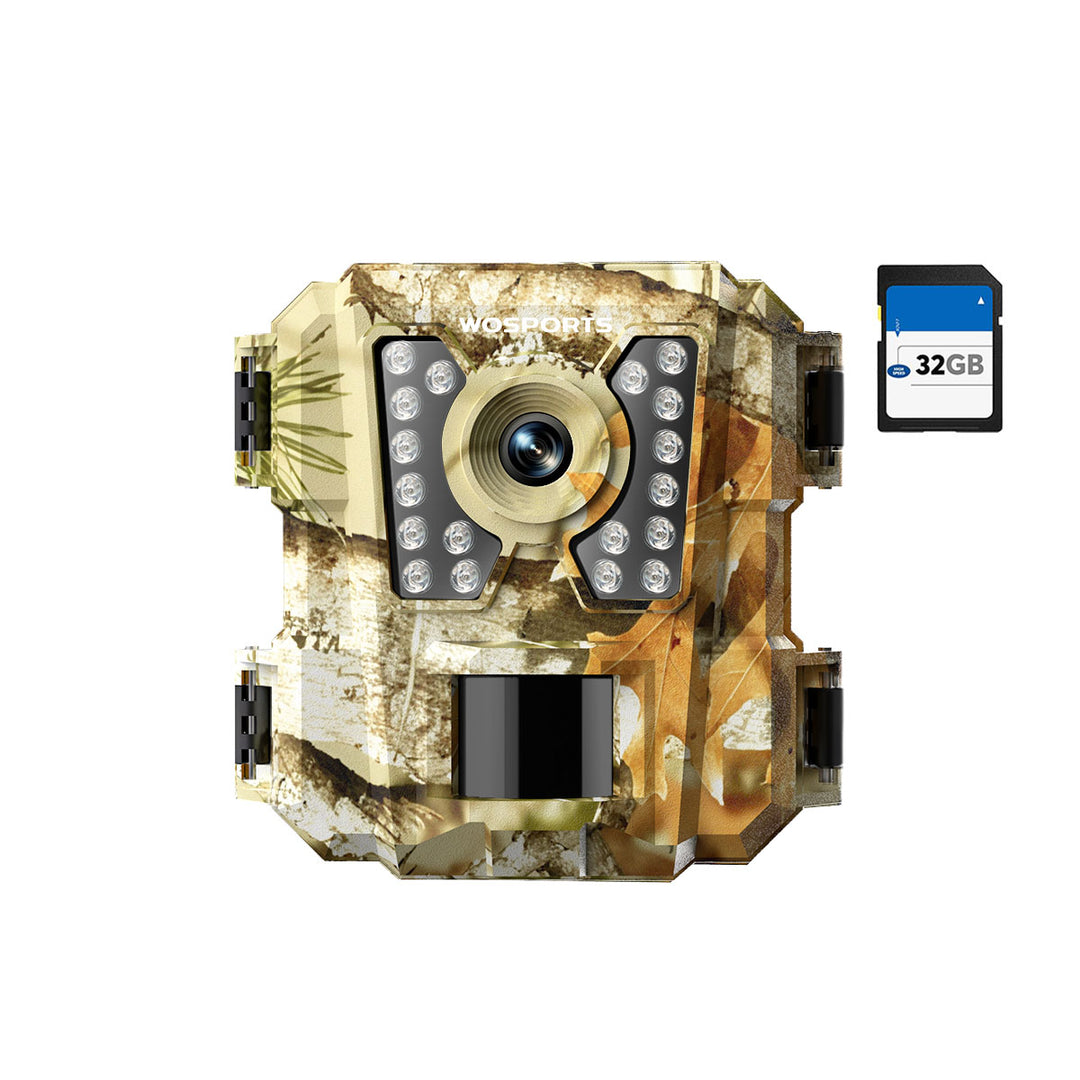
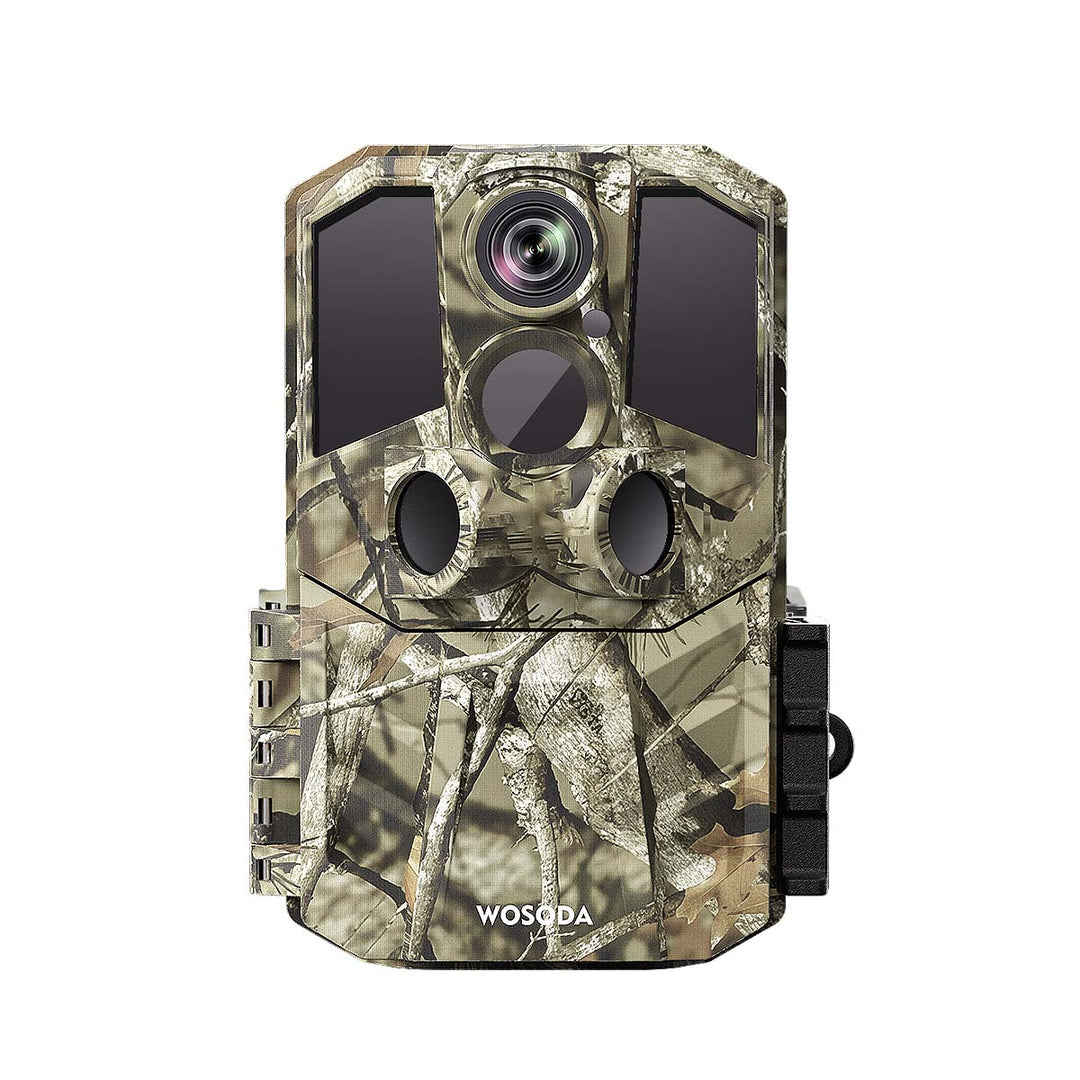
This guide explains how to calculate camera quantity for large-scale wildlife tracking, based on real field deployment logic. It also introduces how the WOSPORTS G600 Trail Camera supports scalable monitoring across wide outdoor environments.
Why Camera Quantity Matters in Large Area Monitoring
In large-scale wildlife tracking systems, the number of cameras directly determines data completeness.
Too few cameras lead to:
- Missed wildlife movement paths
- Gaps in territorial coverage
- Low tracking accuracy
- Incomplete behavioral datasets
Too many cameras lead to:
- Overspending on hardware
- Data redundancy
- Higher maintenance workload
Key Insight
Effective trail camera deployment is not about maximizing quantity—it is about optimizing spatial coverage efficiency.
Key Factors That Determine Trail Camera Quantity
The number of cameras required depends on environmental and ecological variables.
1. Terrain Type
| Terrain | Camera Density Requirement |
|---|---|
| Dense forest | High density |
| Open grassland | Medium density |
| Mountain regions | Variable density |
| Wetlands | Cluster-based deployment |
2. Wildlife Movement Patterns
Animals often follow predictable paths:
- Water sources
- Migration corridors
- Feeding zones
3. Monitoring Objective
| Objective | Camera Requirement |
| General observation | Low density |
| Behavioral study | Medium density |
| Migration tracking | High density |
Practical Calculation Model for Large Area Deployment
A simplified industry model can estimate camera needs:
Basic Formula
Camera Quantity ≈ (Total Area ÷ Effective Coverage per Camera) × Overlap Factor
Where:
- Effective coverage per camera = 0.5–2 km² depending on terrain
- Overlap factor = 1.1–1.5 for redundancy
Example Scenario
For a 10 km² forest:
- Base estimate: 5–20 cameras
- Adjusted deployment: 8–25 cameras depending on density
Industry Insight: Wildlife Monitoring Expansion Trend
According to U.S. Geological Survey (USGS), remote wildlife monitoring systems are increasingly used to replace manual tracking due to improved data accuracy and lower field labor requirements.
Source: U.S. Geological Survey (USGS) Wildlife Monitoring Reports
https://www.usgs.gov
Case Study: Large Area Wildlife Tracking Deployment
A wildlife research group deployed trail cameras across a protected land area for population monitoring.
Deployment Results
| Metric | Before Optimization | After Structured Deployment |
| Coverage completeness | 62% | 91% |
| Animal detection rate | Moderate | High |
| Data gaps | Frequent | Reduced significantly |
| Field labor cost | High | Reduced |
Key Insight
Proper camera density planning significantly improves wildlife tracking accuracy while reducing operational cost.
Expert Commentary on Large Area Deployment Strategy
“In ecological monitoring systems, spatial sampling design is more important than device quantity. Optimized placement improves data reliability more than simply increasing camera count.”
Source: U.S. National Park Service Research Division
https://www.nps.gov
Why WOSPORTS G600 Trail Camera Supports Large Scale Deployment
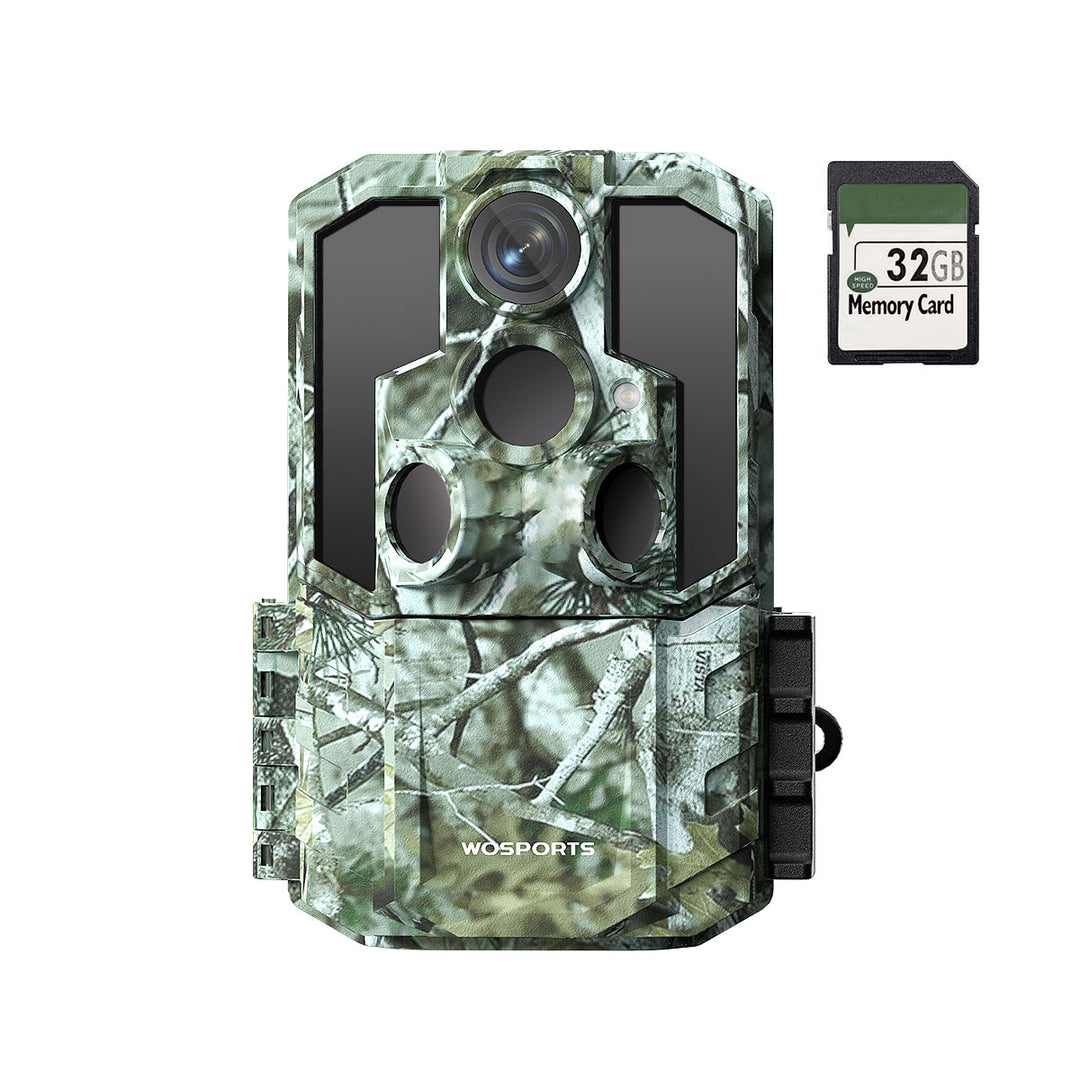
The WOSPORTS G600 Trail Camera is designed for scalable wildlife tracking and outdoor monitoring projects.

Key Advantages
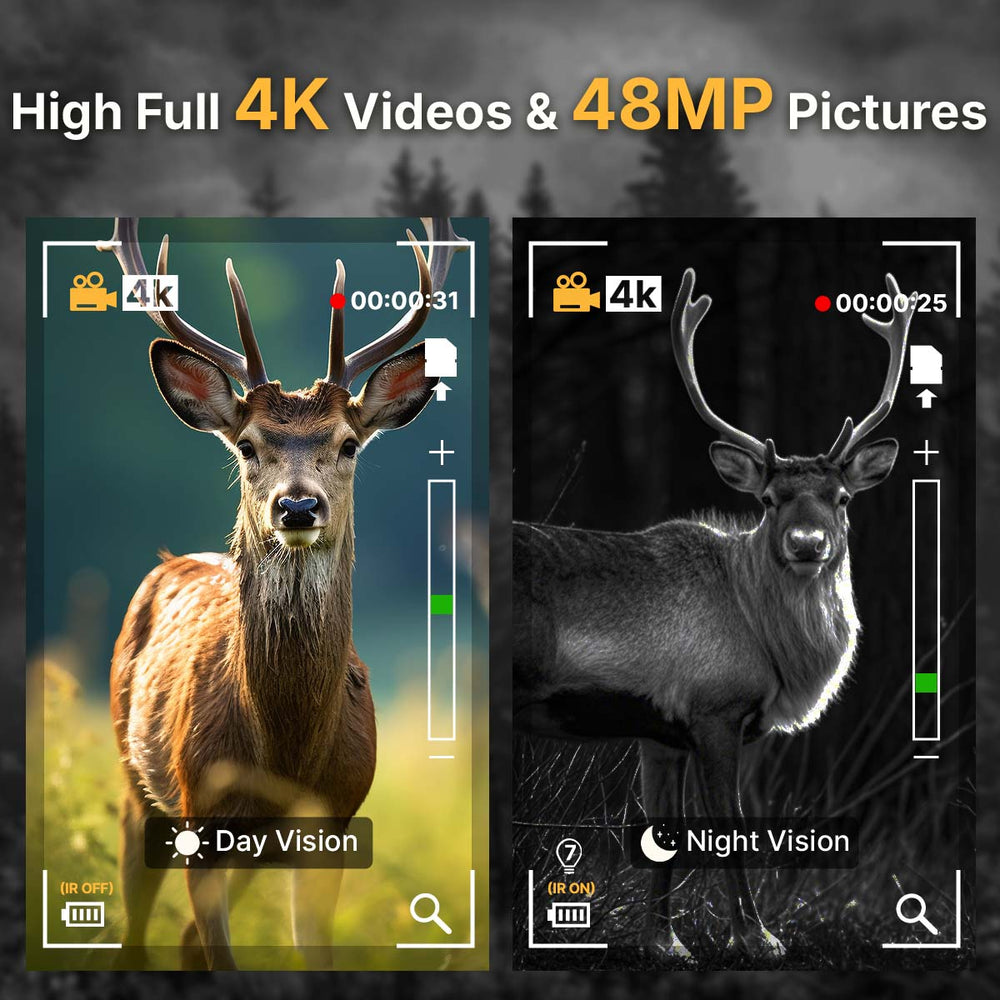
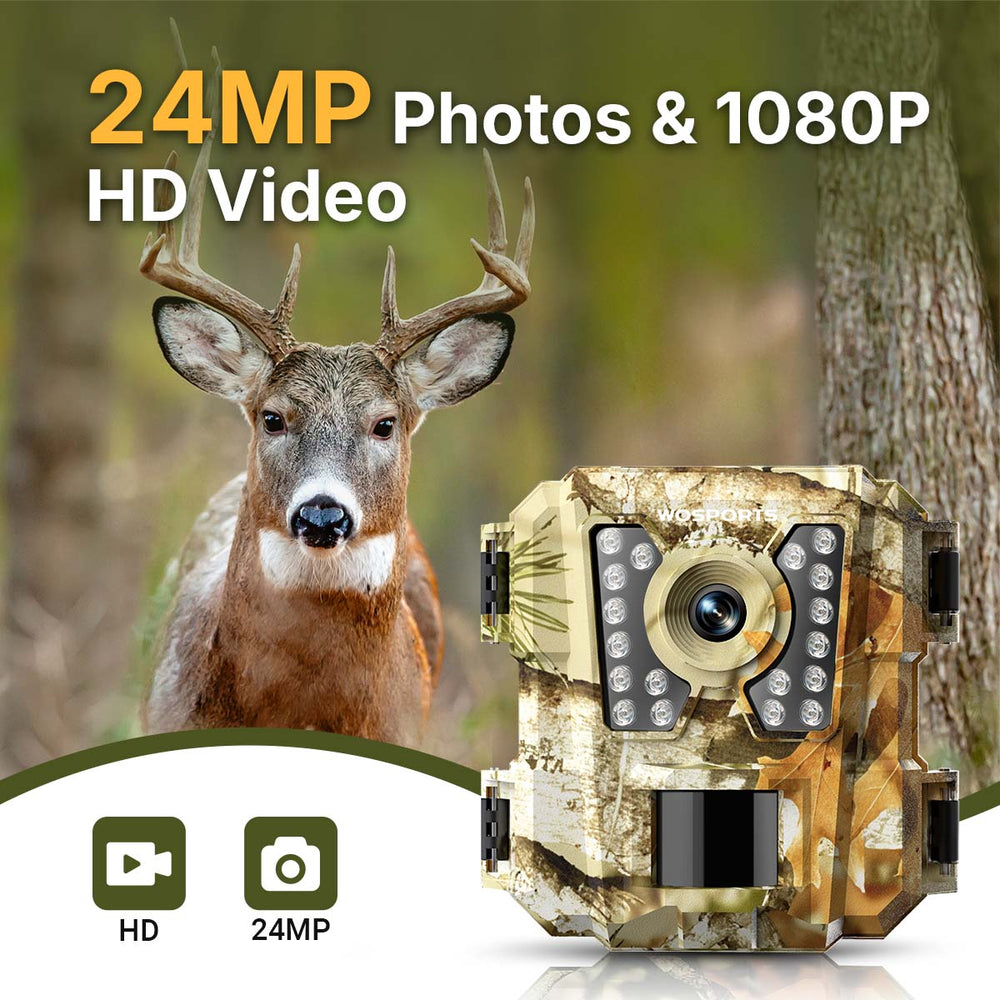
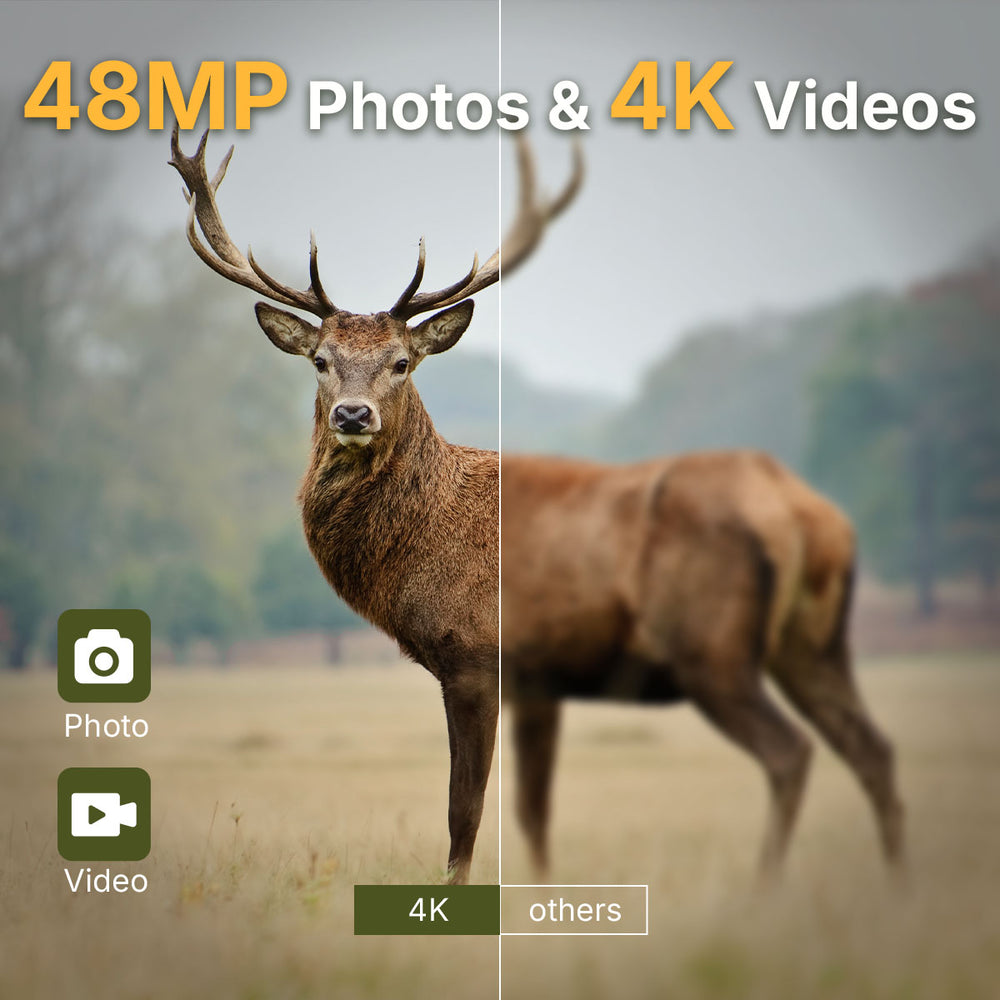
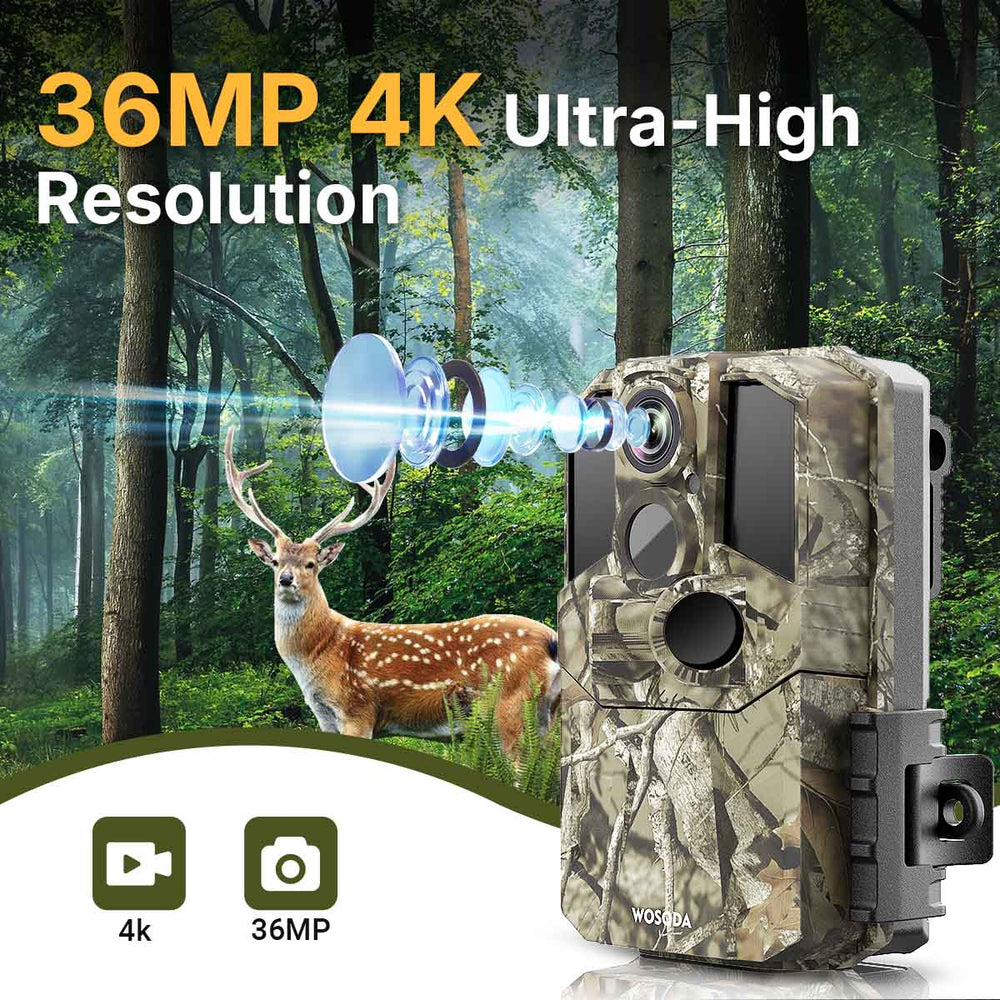
- 48MP high-resolution imaging for clear wildlife identification
- 4K video capture for behavioral analysis
- 0.2s fast trigger speed for accurate motion capture
- Wide 120° detection angle for broader coverage
- IP66 waterproof durability for long-term field deployment
Why It Works for Bulk Deployment
- Stable batch consistency for large procurement
- Suitable for multi-camera network systems
- Reduces blind spots in distributed monitoring
- Supports long-term outdoor operation
Camera Quantity vs Coverage Efficiency
| Deployment Strategy | Camera Quantity | Coverage Quality | Cost Efficiency |
| Sparse deployment | Low | Low | High |
| Balanced deployment | Medium | High | Optimal |
| Dense deployment | High | Very High | Lower efficiency |
FAQ: Trail Camera Deployment for Wildlife Monitoring
How many trail cameras are needed per square kilometer?
Typically 1–3 cameras per km² depending on terrain and wildlife activity.
Is more cameras always better?
No. Excessive cameras increase redundancy without significantly improving data quality.
What is the role of the G600 in large deployments?
The G600 provides stable imaging, fast trigger response, and durable field performance suitable for multi-unit wildlife monitoring systems.
Conclusion
The number of cameras needed for large area wildlife monitoring depends on terrain, wildlife behavior, and monitoring goals rather than fixed rules.
Effective trail camera deployment focuses on:
- Strategic spatial planning
- Balanced density distribution
- Reliable field performance
- Scalable system design
The WOSPORTS G600 Trail Camera supports these requirements, making it suitable for B2B buyers building large-scale wildlife tracking systems.
Sources
-
U.S. Geological Survey (USGS) Wildlife Monitoring Reports
https://www.usgs.gov -
U.S. National Park Service Research Division – Wildlife Ecology Studies
https://www.nps.gov -
USDA Forest Service – Remote Sensing & Wildlife Tracking Research
https://www.fs.usda.gov
Search
Popular Posts
Recent Posts


Nov 28, 2024
Troubleshooting Common Trail Camera Issues
Jan 10, 2025
Why Does My Trail Camera Stop Working at Night?