How to Create a Profitable Trail Camera Product Lineup for Hunting Season

A profitable trail camera lineup should not simply include as many models as possible. For retailers and small wholesale buyers, the better strategy is to build a focused range of hunting products that covers different customer needs, price points, and use cases while keeping inventory manageable.

The opportunity is significant. The U.S. Fish & Wildlife Service reported 14.4 million hunters and 148.3 million wildlife watchers in 2022, while total wildlife-related recreation spending reached $394.8 billion.

Start With Three Customer Segments

A three-tier lineup is often easier to manage and sell than a large collection of similar cameras. Retailers can divide products into entry-level, performance, and feature-rich models.

Lineup Tier Target Customer Key Product Priorities
Entry New hunters, casual users Affordable price, basic night vision, easy setup
Performance Active hunters Fast trigger, strong image quality, wide detection
Advanced Serious hunters, landowners Higher resolution, connectivity, solar power, extended monitoring

This structure gives customers a clear reason to choose one model over another instead of forcing them to compare nearly identical specifications.

Which Trail Camera Features Should Be Prioritized?

Trigger speed, image quality, detection range, night vision, and battery performance are among the most useful specifications for hunting-oriented products.

Oregon State University Extension recommends considering the intended use rather than relying on a single specification such as megapixels. It also notes that trigger speeds below half a second are ideal for many wildlife-monitoring situations.

For a hunting-focused lineup, retailers can prioritize:

  • Fast trigger speed for moving game
  • High-resolution images for animal identification
  • Reliable infrared night vision for after-dark activity
  • Wide detection coverage for trails and open areas
  • Weather-resistant construction for outdoor deployment
  • Adequate battery life for extended scouting

Why Should Retailers Avoid Too Many Similar Models?

Too many similar cameras can make inventory harder to manage without giving customers meaningful additional choice.

For example, stocking five cameras that differ only slightly in resolution may create unnecessary SKU complexity. A more efficient wholesale strategy is to give each model a distinct role.

A simple lineup might be:

Model A: Affordable entry-level hunting camera
Model B: Best-value performance camera
Model C: High-feature or solar model

This approach also makes product pages, sales training, and promotional campaigns easier to organize.

Where Does the WOSPORTS G600 Fit?

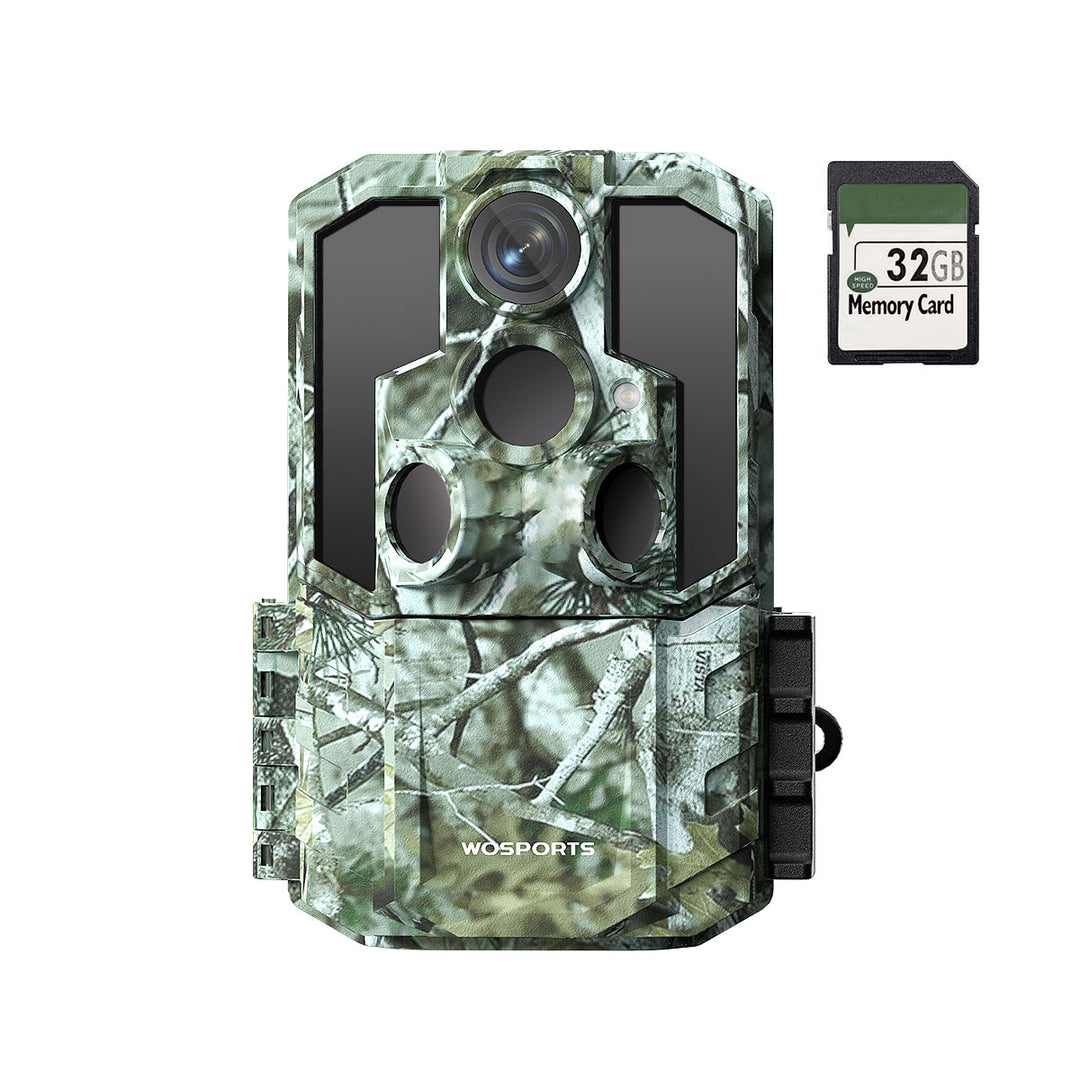
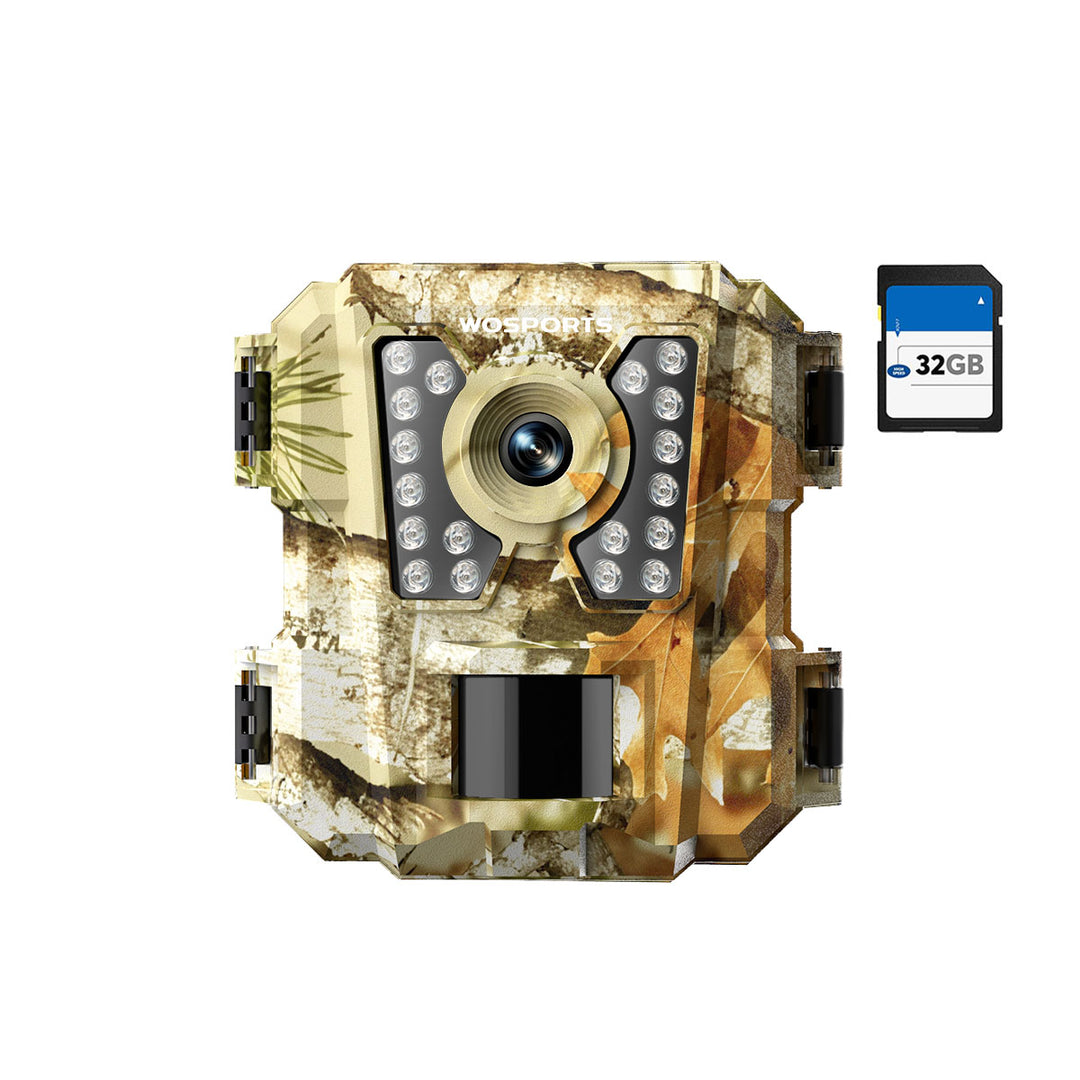
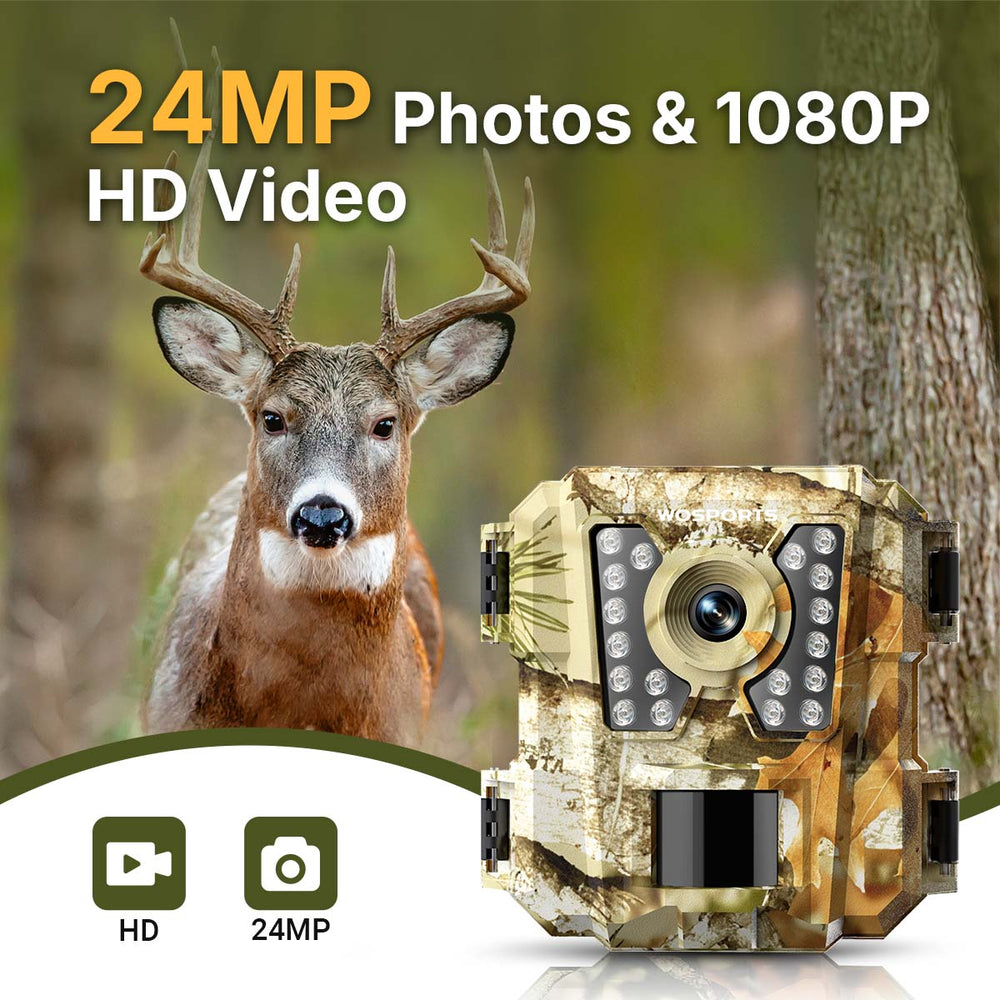
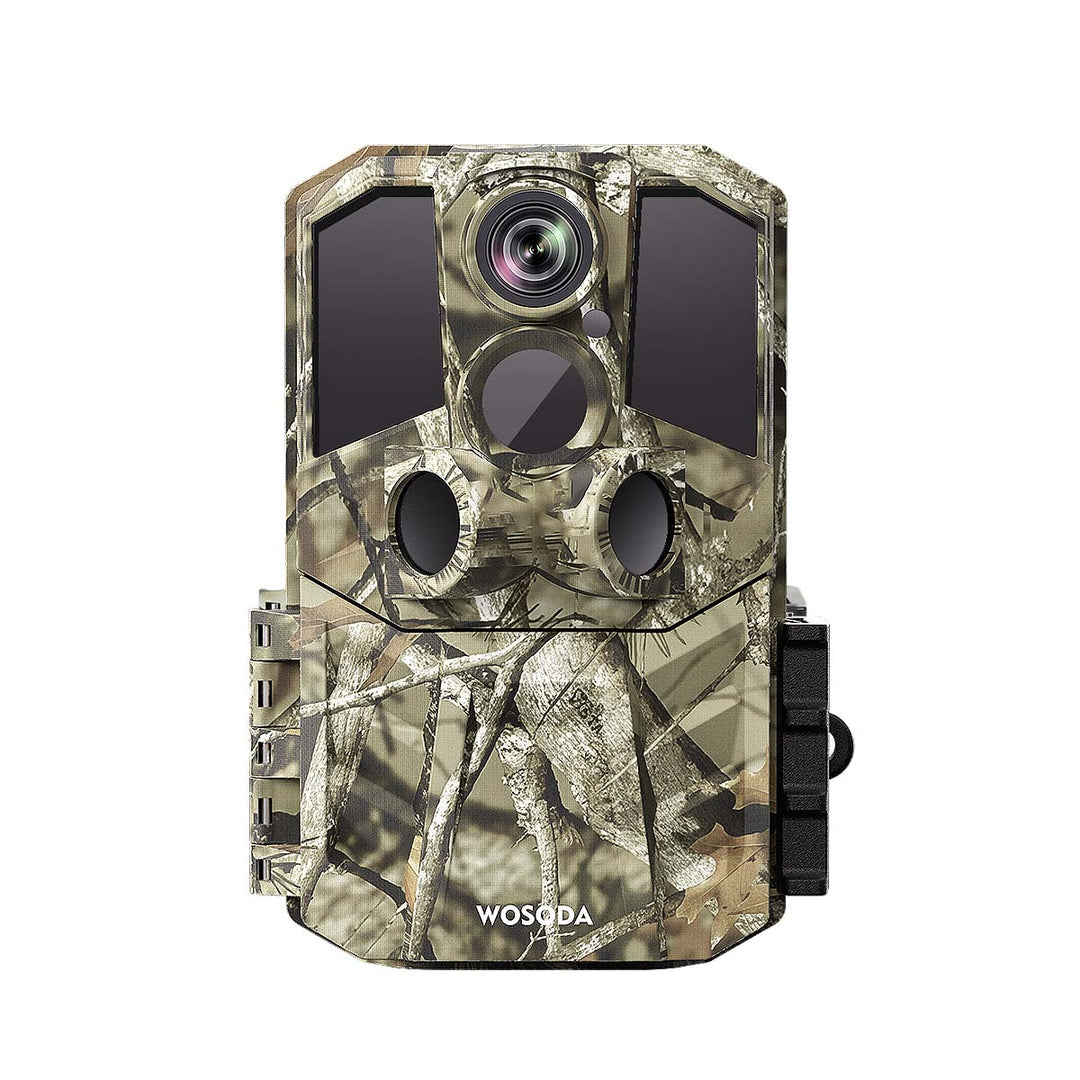
The WOSPORTS G600 can serve as a performance-focused model in a hunting-season lineup because its specifications emphasize speed, coverage, and image quality.

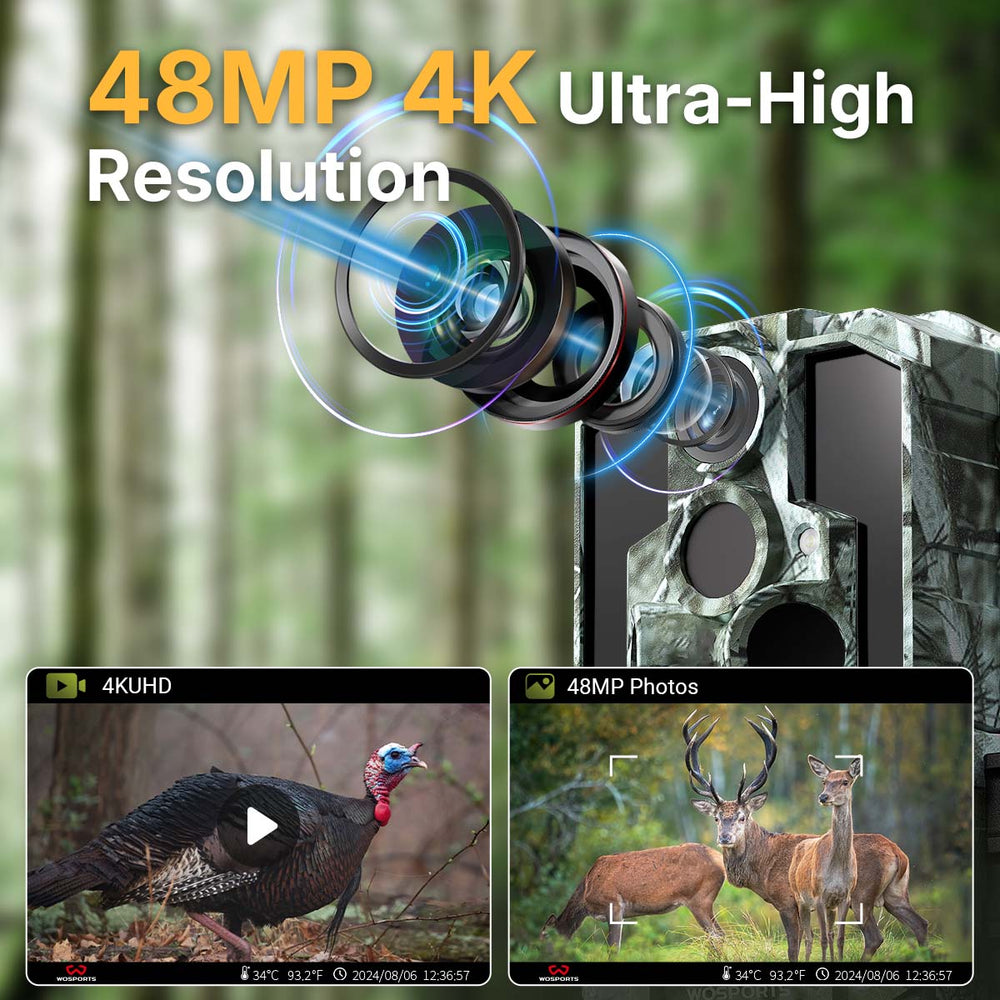
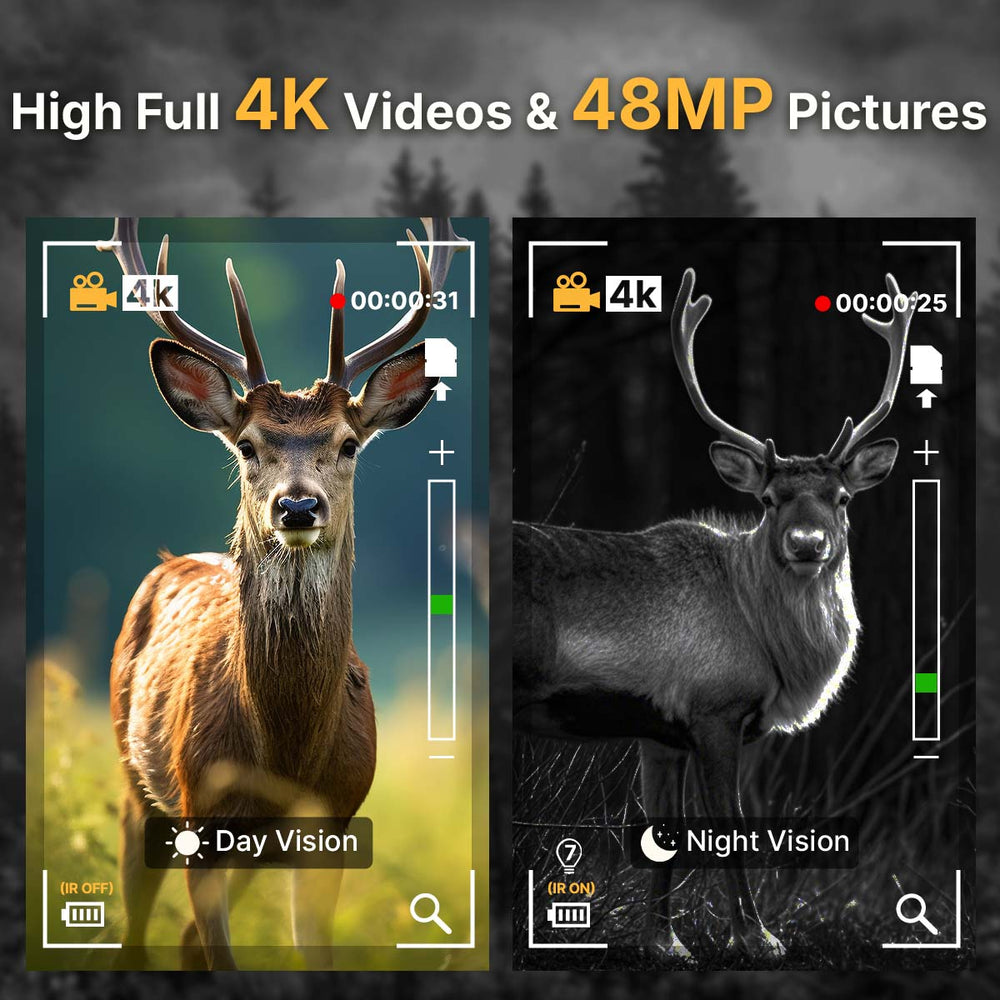
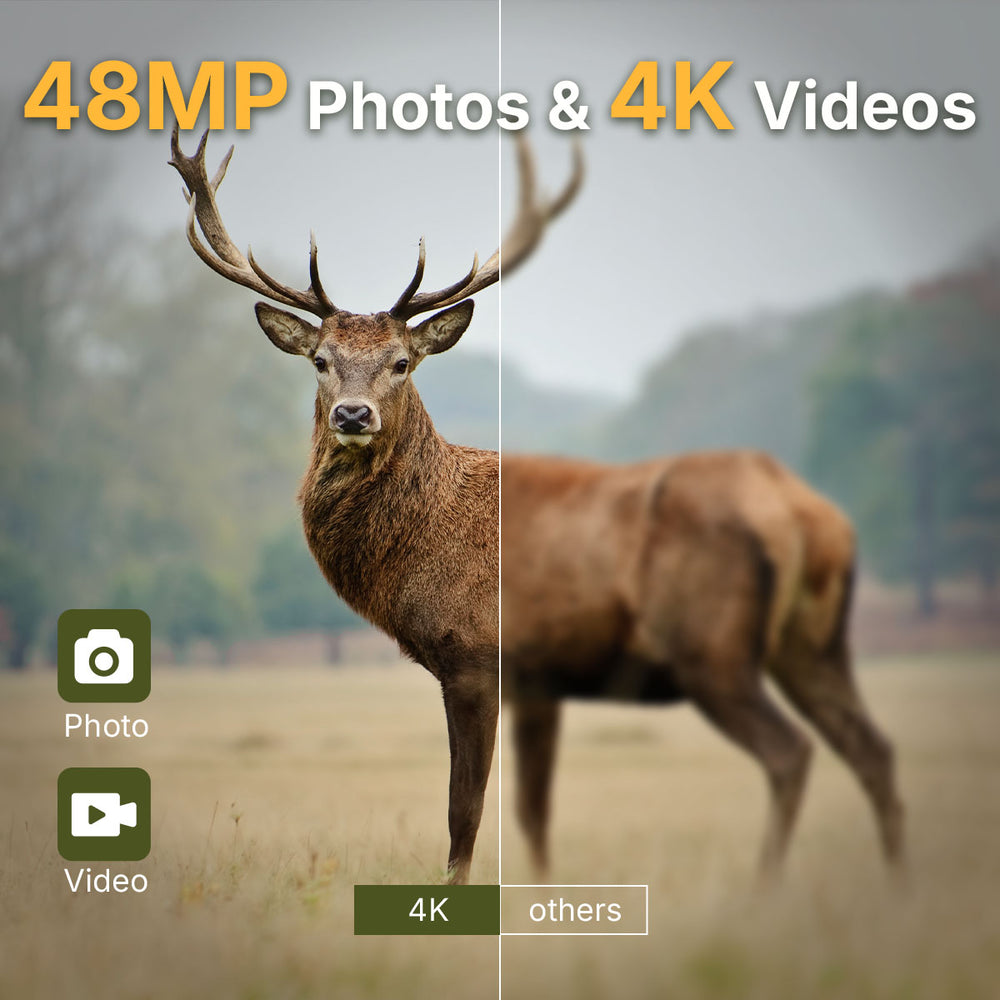
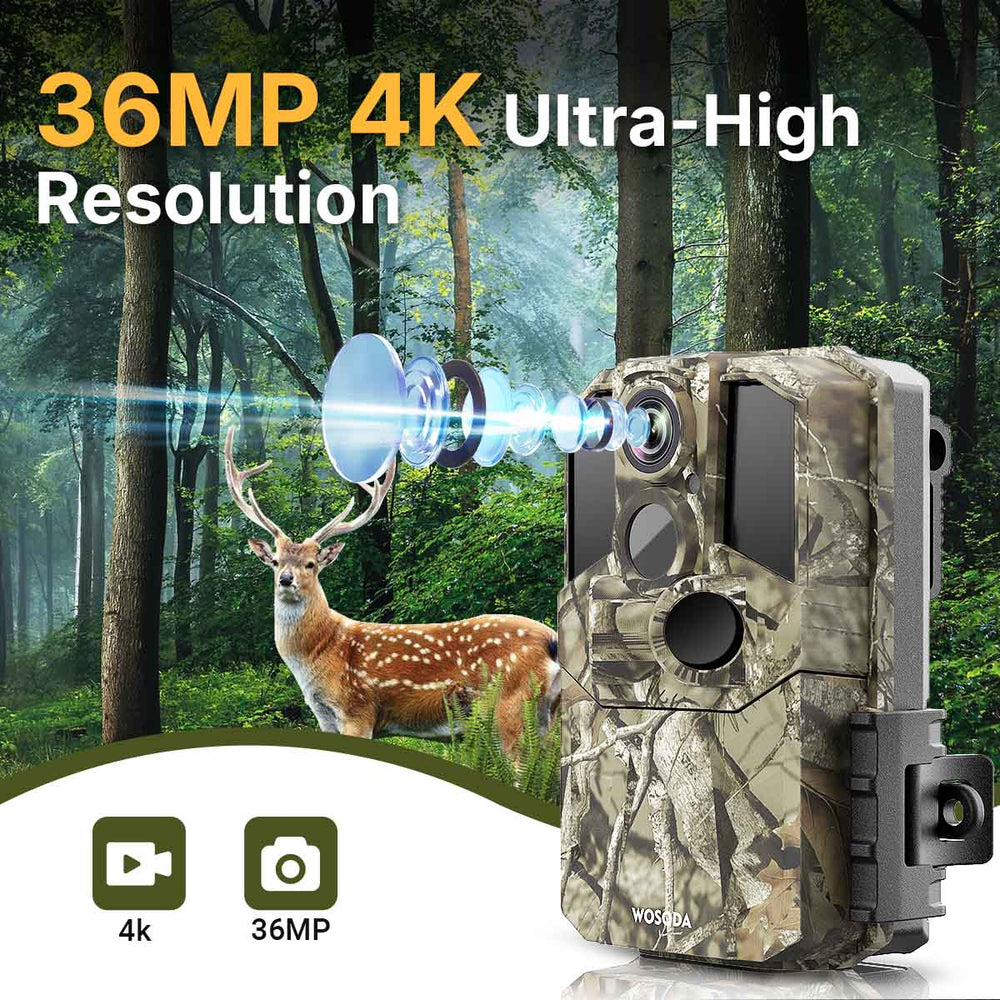
The G600 offers 48MP photos, 4K video, a 0.2-second trigger speed, 120° wide-angle coverage, approximately 70 ft PIR detection, and IP66 protection.

For retailers, these specifications can be translated into simple customer benefits:

G600 Feature Customer Benefit
48MP photos Detailed wildlife images
4K video Higher-detail video scouting
0.2s trigger Helps capture moving animals
120° view Broader monitoring coverage
70 ft detection Suitable for trails and open areas
IP66 Designed for outdoor conditions

Rather than positioning the G600 as suitable for every customer, retailers can present it as a performance hunting camera for customers who want more than basic monitoring.

How Can Retailers Build a Better Price Ladder?

Each price tier should provide a noticeable upgrade, not simply a higher number on the specification sheet.

A useful wholesale structure is:

  • Entry: Focus on affordability and essential features
  • Mid-range: Add faster triggering, better imaging, and broader coverage
  • Premium: Add connectivity, solar power, or other convenience features

The goal is to make the upgrade path obvious:

“If you want basic scouting, choose Entry. If you want better capture performance, choose Performance. If you want maximum convenience, choose Advanced.”

This makes the wholesale strategy easier for both online and physical retailers.

What Does Research Suggest About Camera Selection?

Real-world wildlife monitoring supports choosing cameras according to the environment and objective rather than simply choosing the most expensive model.

Oregon State University Extension explains that long detection ranges can be useful in open areas but may be less important in dense forests. It also notes that image quality becomes particularly important when a camera is positioned farther from the target.

Utah State University Extension similarly recommends 0.2 seconds or less for trigger speed when quickly capturing mammals.

That gives retailers a useful rule:

Match the specification to the hunting scenario.

How Should a Hunting Product Lineup Change Before Peak Season?

Retailers should have their core hunting products available before demand peaks rather than building inventory after customers begin searching.

A practical seasonal plan is:

8–12 Weeks Before Peak Demand

  • Confirm supplier lead times
  • Select core SKUs
  • Review previous sales
  • Estimate initial inventory

4–8 Weeks Before Peak Demand

  • Receive initial inventory
  • Test samples
  • Prepare product pages
  • Create hunting-season promotions

0–4 Weeks Before Peak Demand

  • Monitor sell-through
  • Reorder fast-moving models
  • Shift promotional budget toward proven products
  • Avoid overstocking slow-moving variants

This approach reduces the risk of having a popular hunting product out of stock when demand is highest.

Can One Trail Camera Serve More Than Hunters?

Yes. A well-selected hunting camera can also target wildlife observation, property monitoring, and outdoor surveillance customers.

The U.S. Fish & Wildlife Service recorded 148.3 million wildlife watchers in 2022, far more than the 14.4 million hunters reported in the same survey.

That creates an important merchandising opportunity.

A retailer can market the same G600 inventory around:

  • Deer scouting
  • Wildlife observation
  • Property monitoring
  • Farm monitoring
  • Outdoor surveillance
  • Nature photography

This gives wholesale buyers more opportunities to sell inventory after the main hunting-season peak.

Expert Insight: Focus on the Use Case

Wildlife-camera experts emphasize that the best specification depends on what the camera is being used to accomplish.

Lauren Grand, Forestry & Natural Resources Associate Professor of Practice at Oregon State University, notes that wildlife cameras can be used to document wildlife, scout game animals, and monitor properties, while camera placement and intended purpose should guide feature selection.

Utah State University Extension also describes trail cameras as tools used for personal wildlife observation, hunting, education, and scientific monitoring.

For B2B buyers, this suggests a simple merchandising principle:

Don't build your lineup around specifications alone. Build it around customer use cases.

A Practical 2026 Trail Camera Lineup

For a small retailer, three clearly differentiated hunting products can provide a stronger starting point than a large number of overlapping SKUs.

Product Position Main Customer Example Selling Message
Entry First-time hunter “Simple and affordable scouting”
Performance Active hunter “Fast capture and high-detail images”
Solar/Advanced Remote or frequent user “Designed for longer outdoor monitoring”

The G600 fits naturally into the Performance position, giving retailers a product with a strong combination of 48MP imaging, 4K video, 0.2-second triggering, wide-angle detection, and IP66 protection.

FAQ: Building a Hunting Trail Camera Lineup

How many trail camera models should a small retailer stock?

There is no universal number, but a three-tier structure—Entry, Performance, and Advanced—is a practical starting point for a small retailer.

What trail camera features sell best for hunting?

Fast trigger speed, image quality, night vision, detection coverage, durability, and battery performance are strong starting points because they connect directly to common hunting scenarios.

Should retailers stock 4K trail cameras?

4K can be a useful premium or performance feature, particularly for customers who want detailed video. However, retailers should evaluate it together with trigger speed, image quality, battery consumption, and price.

Is the G600 suitable for hunting products?

Yes. Its 48MP photos, 4K video, 0.2-second trigger speed, 120° wide-angle coverage, 70 ft detection range, and IP66 protection make it a strong candidate for the performance segment of a hunting-oriented lineup.

What is the biggest wholesale mistake?

Stocking too many similar models. A focused lineup with clear differences is generally easier to inventory, promote, and explain to customers.

Final Takeaway

A profitable trail camera lineup for hunting season should be focused, differentiated, and easy to understand.

For small B2B buyers, a strong strategy is to:

  1. Build three clear product tiers.
  2. Match specifications to specific hunter needs.
  3. Keep each SKU commercially differentiated.
  4. Prepare core inventory before peak hunting demand.
  5. Use performance models such as the WOSPORTS G600 to anchor the mid-to-upper range.
  6. Market hunting cameras to wildlife and property-monitoring customers outside the hunting season.

The goal is not to stock the most trail cameras. The goal is to stock the right hunting products for the customers you actually want to serve.