How to Practice Distance Control (Most Golfers Practice the Wrong Way)
Most golfers spend hours on the driving range.
They hit ball after ball, focusing on:
-
Swing mechanics
-
Ball striking
-
Trying to hit it farther
But when they get on the course?
👉 The distances are still inconsistent.
Shots come up short. Others fly long.
So what’s going wrong?
👉 They’re practicing the wrong thing.
The problem: practice without purpose
Most range sessions look like this:
-
Grab a bucket of balls
-
Hit the same club repeatedly
-
Focus on making solid contact
There’s nothing wrong with that—but it’s incomplete.
Because golf isn’t just about hitting the ball well.
👉 It’s about hitting it the right distance.
And that requires a different kind of practice.
What distance control actually means
Distance control isn’t:
-
Your longest shot
-
Your perfect swing
It’s:
👉 How consistently you can hit a specific distance
For example:
-
Can you hit 140 yards consistently—not just once?
-
Can you adjust to 130 or 150 when needed?
That’s real control.
Why most golfers struggle with it
1. They only practice full swings
On the course, not every shot is:
-
A full 7-iron
-
A full wedge
But on the range, that’s all most players practice.
👉 No variation = no control.
2. They don’t track their distances
Most golfers rely on feel:
“That felt like 150.”
But without actual numbers:
-
You don’t know your average
-
You can’t measure improvement
3. They don’t simulate real situations
Range shots are:
-
Flat lies
-
No pressure
-
Same target
But the course is:
-
Uneven lies
-
Changing distances
-
Different targets every shot
👉 If you don’t practice that, you won’t perform it.
How to practice distance control the right way
You don’t need more time.
You need better structure.
1. Practice to targets, not just swings
Instead of hitting randomly:
-
Pick a specific distance (e.g., 140 yards)
-
Try to land multiple shots at that number
👉 Focus on outcome, not just contact.
2. Use different clubs and distances
Don’t stay with one club.
Practice:
-
120 yards
-
135 yards
-
150 yards
Switch frequently.
👉 This builds adaptability.
3. Work on partial shots
Especially with wedges.
Practice:
-
50% swing
-
75% swing
-
Controlled distances
👉 This is where real scoring improvement happens.
4. Track your results
After each shot, ask:
-
Was it short?
-
Was it long?
-
By how much?
Over time, you’ll start to see patterns.
👉 That’s how you build a reliable distance system.
5. Bring real numbers into your practice
One of the biggest gaps in practice is this:
👉 Most golfers don’t know the exact distance they’re trying to hit
Without that:
-
Practice becomes guesswork
-
Progress becomes inconsistent
Make your practice translate to the course
To improve distance control, you need accurate feedback.
A reliable rangefinder helps you:
-
Know the exact distance to your target
-
Practice with real on-course numbers
-
Build consistency you can trust
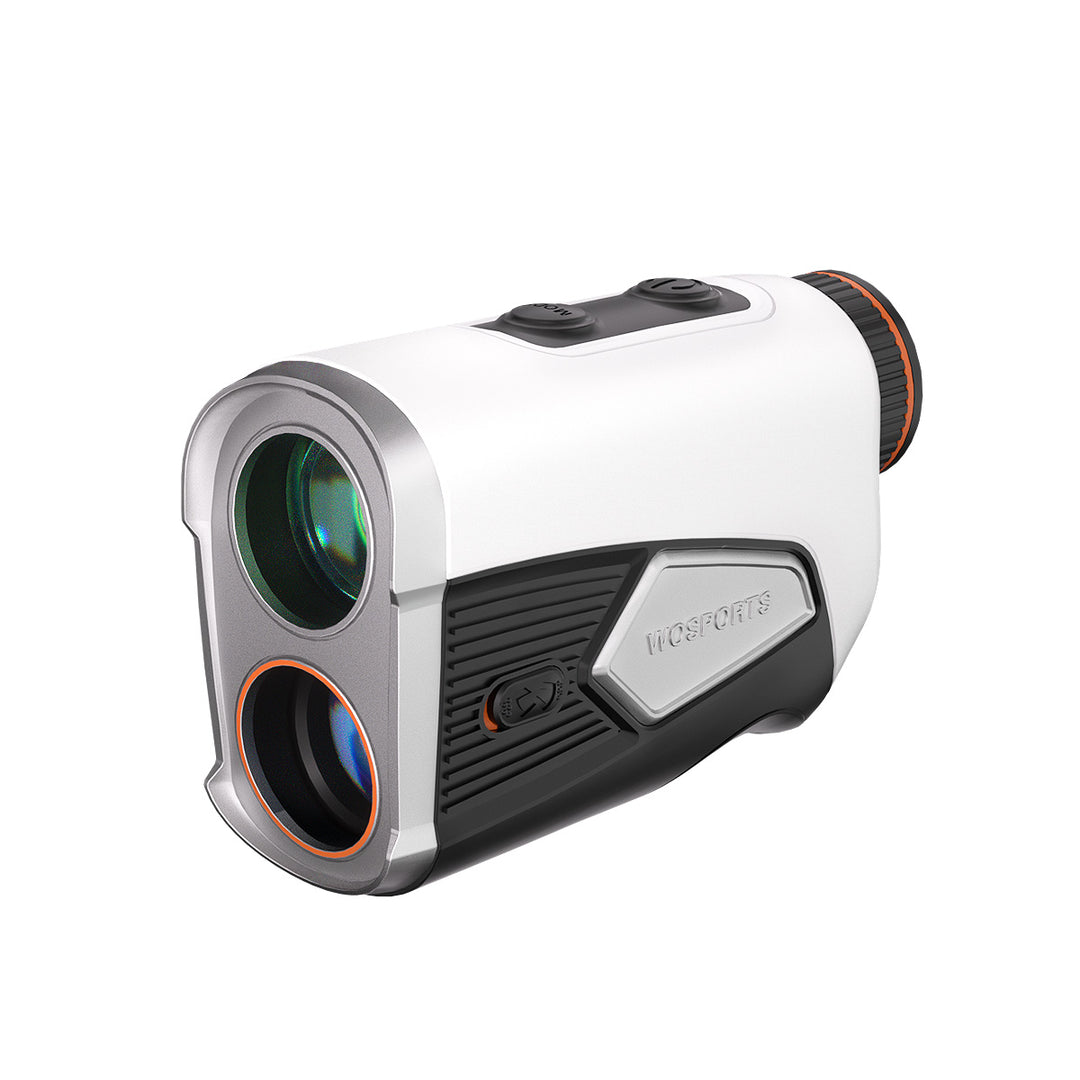
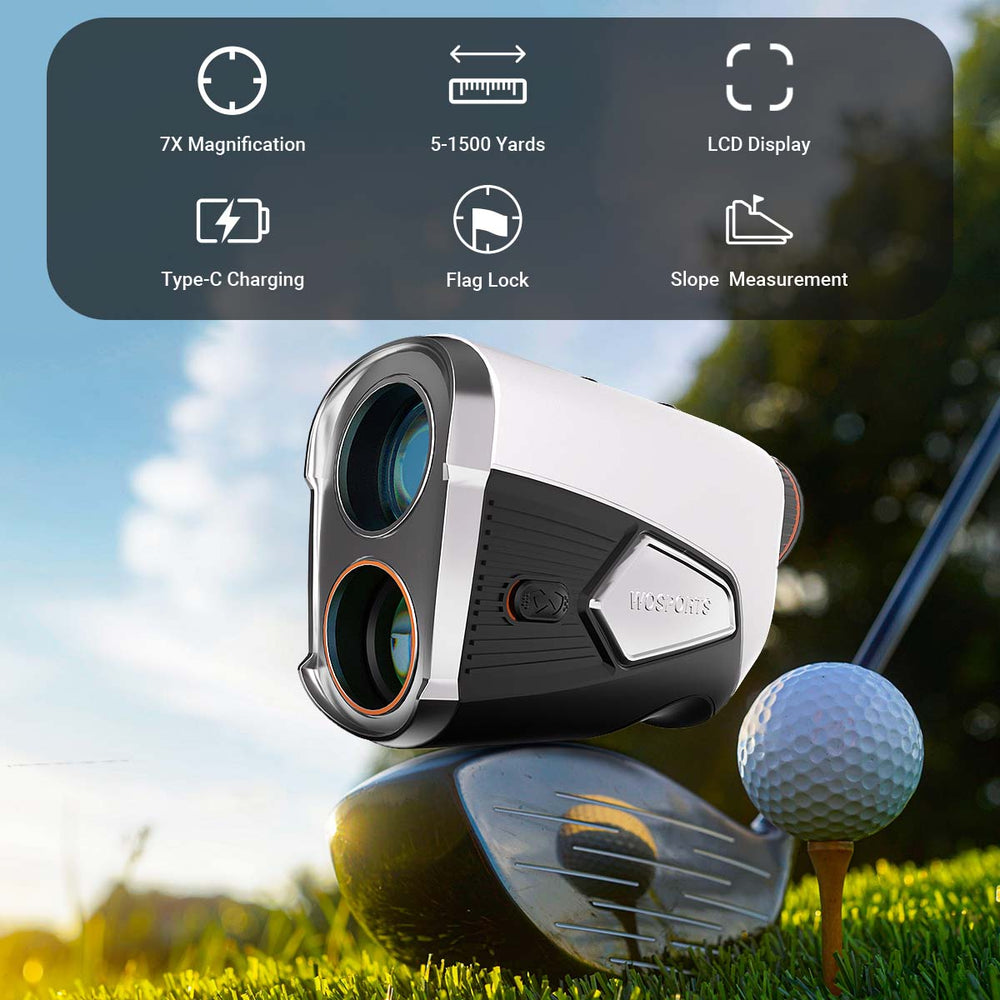
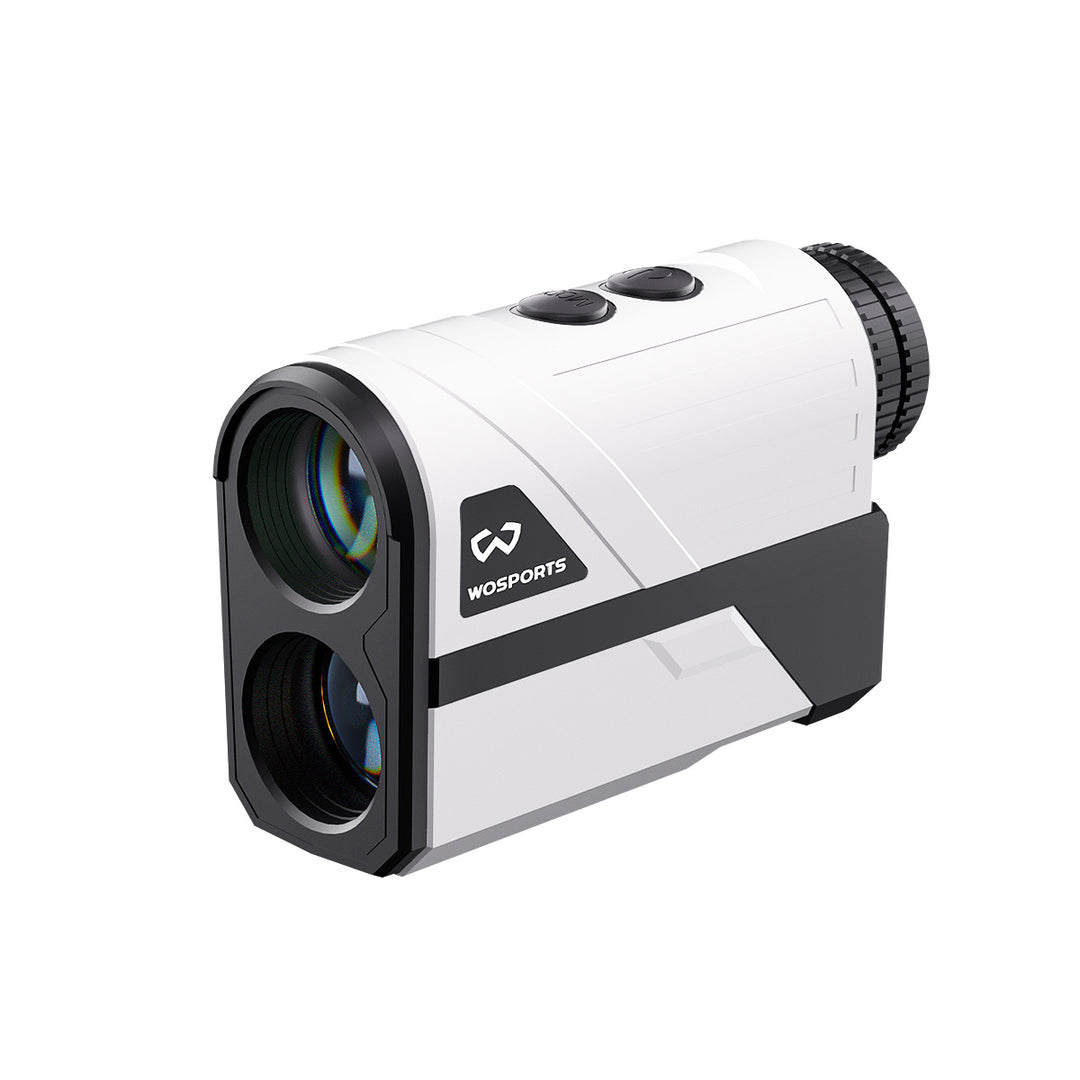
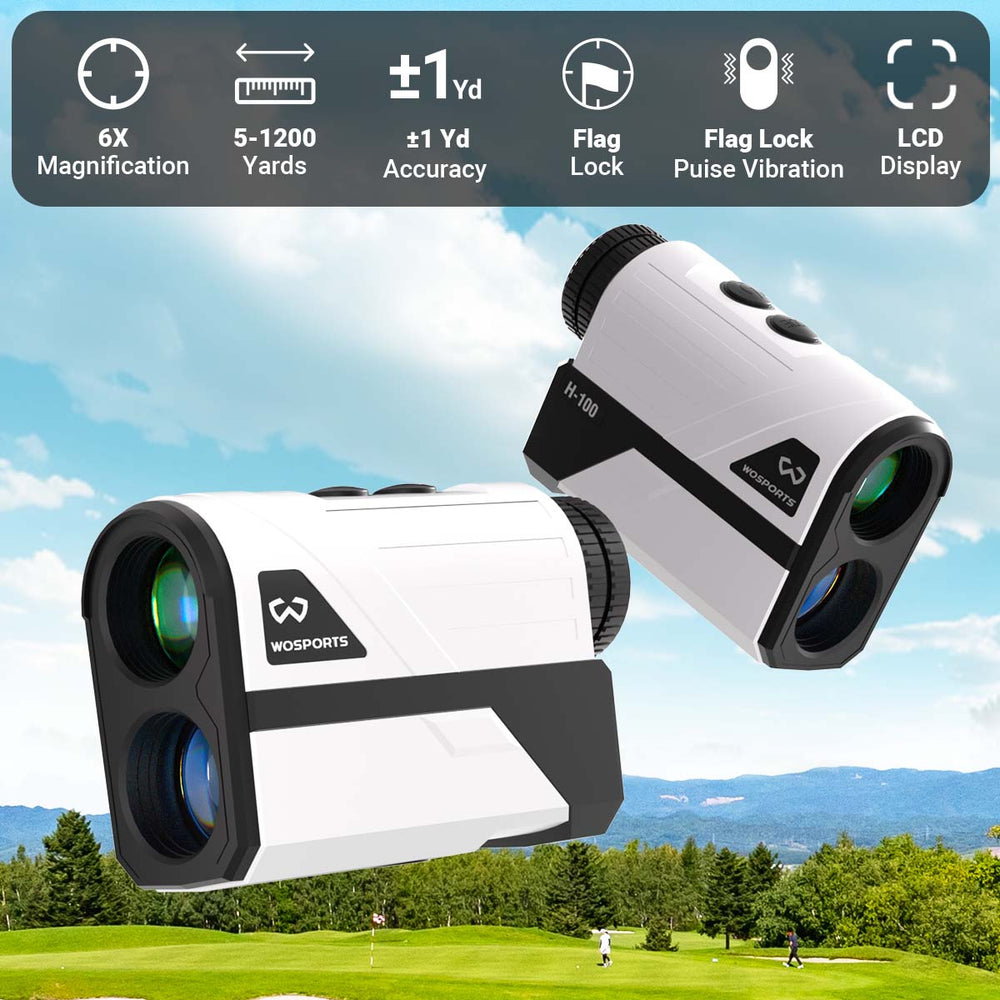
The WOSPORTS H-116 Golf Rangefinder makes this process simple.
With fast, precise distance readings and slope-adjusted yardage, it allows you to:
-
Practice with intention
-
Match your shots to real distances
-
Build confidence that carries onto the course
What happens when you practice the right way
When you shift your focus to distance control:
-
Your approach shots get closer
-
You hit more greens
-
You eliminate big misses
And most importantly:
👉 Your practice starts to actually show up in your scores.
Final thought: practice smarter, not harder
Most golfers don’t need more practice.
They need better practice.
If you want to improve:
-
Stop hitting balls mindlessly
-
Start practicing with purpose
-
Focus on distance, not just contact
Because in golf, consistency doesn’t come from swinging harder.
👉 It comes from knowing exactly how far you can hit the ball—and doing it on demand.
Search
Popular Posts
Recent Posts


Nov 28, 2024
Troubleshooting Common Trail Camera Issues
Jan 10, 2025
Why Does My Trail Camera Stop Working at Night?