Which Night Vision Binoculars Are Best for Long-Range Wildlife Observation?
Why are night vision binoculars important for wildlife observation?
Night vision binoculars are essential for long-range wildlife observation because many animals are most active after sunset. Traditional optics struggle in low-light conditions, while modern night vision devices allow observers to monitor wildlife behavior without disturbing natural movement patterns.
For wildlife researchers, outdoor clubs, ranch owners, and nature tourism operators, night vision binoculars improve:
- nighttime visibility
- long-distance detection
- monitoring efficiency
- outdoor safety
Quick answer
The best night vision binoculars for long-range wildlife observation combine:
- strong infrared illumination
- long viewing distance
- stable image quality
- extended battery life
- durable outdoor construction
“Remote wildlife monitoring technologies continue to improve ecological observation and conservation efforts.”
Source: U.S. Geological Survey
https://www.usgs.gov/
Key takeaway
For outdoor observation, viewing range and low-light performance matter more than simple magnification numbers.
What features matter most for long-range night wildlife viewing?
Long-range wildlife observation requires more than basic night vision capability. Performance depends on how well the binoculars handle:
- darkness
- movement
- distance
- environmental conditions
Most important specifications
| Feature | Why It Matters |
|---|---|
| Infrared range | Determines nighttime visibility distance |
| Optical magnification | Improves long-range observation |
| Sensor quality | Affects image clarity |
| Battery life | Critical for overnight monitoring |
| Field of view | Helps track moving animals |
Original analysis
Many buyers focus only on zoom level, but excessive digital zoom often reduces image clarity. In wildlife observation, balanced optical performance is more important than extreme magnification.
Expert insight
“Optical technologies play an increasingly important role in wildlife observation and ecological monitoring.”
Source: National Park Service
https://www.nps.gov/
Why infrared performance is critical for nighttime wildlife observation
Infrared illumination determines whether wildlife can be observed clearly in complete darkness.
Types of infrared systems
| IR Type | Visibility | Best Use |
|---|---|
| Low-glow IR | Slight visible red glow | General monitoring |
| No-glow IR | Nearly invisible | Sensitive wildlife observation |
Why no-glow IR matters
Animals can react to visible infrared light. For:
- wildlife researchers
- outdoor guides
- ecotourism operators
less visible infrared technology helps reduce disturbance.
Key insight
Long-range wildlife observation requires:
- powerful infrared output
- minimal visibility to animals
- low energy consumption
How do digital night vision binoculars compare to thermal devices?
Many buyers compare digital night vision binoculars with thermal imaging systems.
Digital night vision advantages
- More affordable
- Better image detail
- Easier daytime/nighttime switching
- Better for identifying animals visually
Thermal imaging advantages
- Detects heat signatures
- Works through light fog or brush
- Better for detection than identification
Practical recommendation
For most:
- wildlife clubs
- nature observation groups
- outdoor monitoring businesses
digital night vision binoculars offer better value for daily observation work.
“Optical observation tools are widely used in wildlife and environmental field studies.”
Source: Cornell Lab of Ornithology
https://www.birds.cornell.edu/home/
Why long battery life matters in outdoor observation
Nighttime wildlife observation sessions often last several hours. Poor battery performance limits observation efficiency and increases maintenance requirements.
Typical outdoor observation challenges
- cold temperatures
- overnight monitoring
- remote locations
- limited charging access
Original insight
For bulk buyers, battery efficiency directly affects:
- operational cost
- customer satisfaction
- long-term usability
Rechargeable systems are becoming increasingly popular because they reduce replacement battery costs during long-term deployment.
“Portable field observation equipment increasingly relies on energy-efficient technology for extended outdoor operation.”
Source: U.S. Department of Energy
https://www.energy.gov/
How the NV400 supports long-range wildlife observation
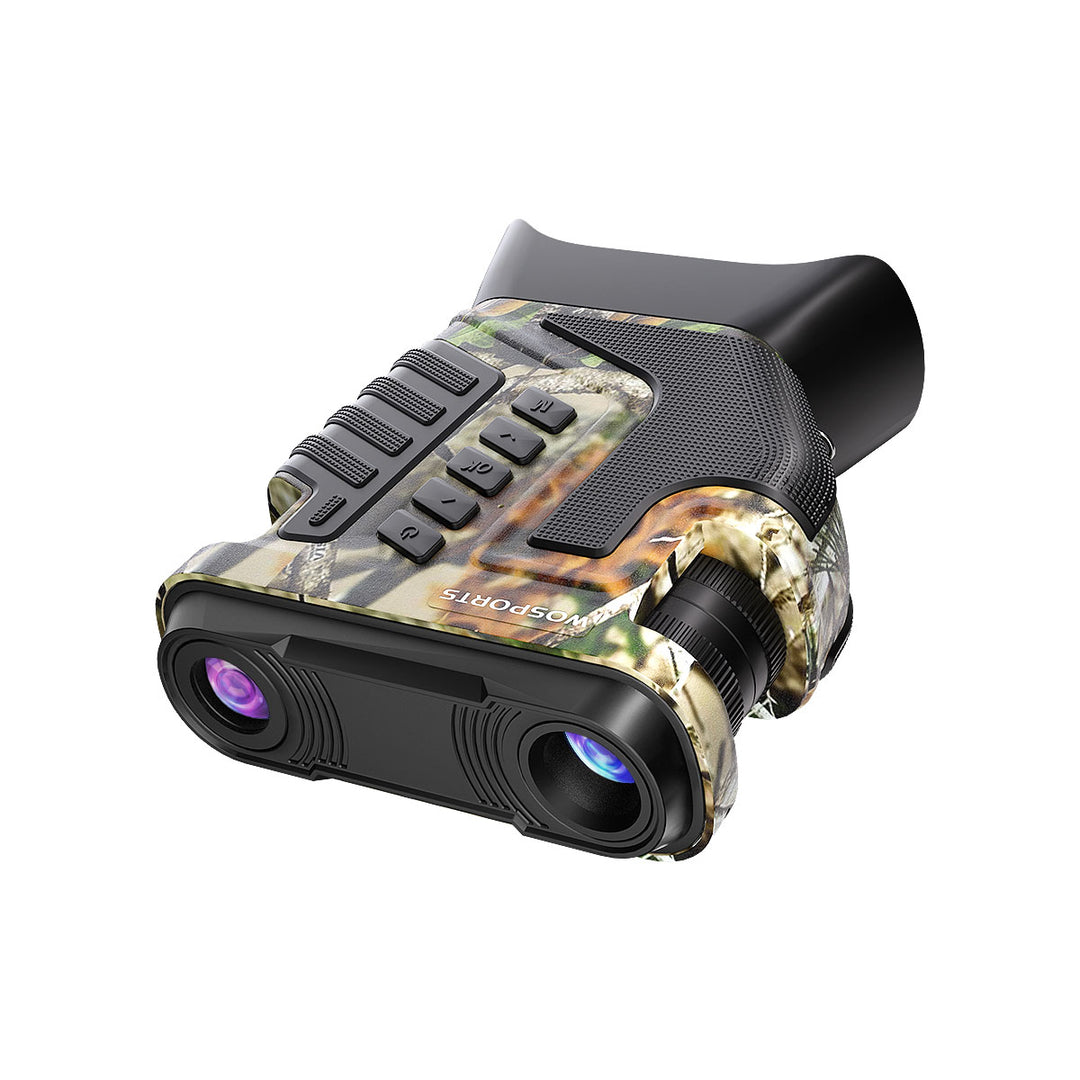
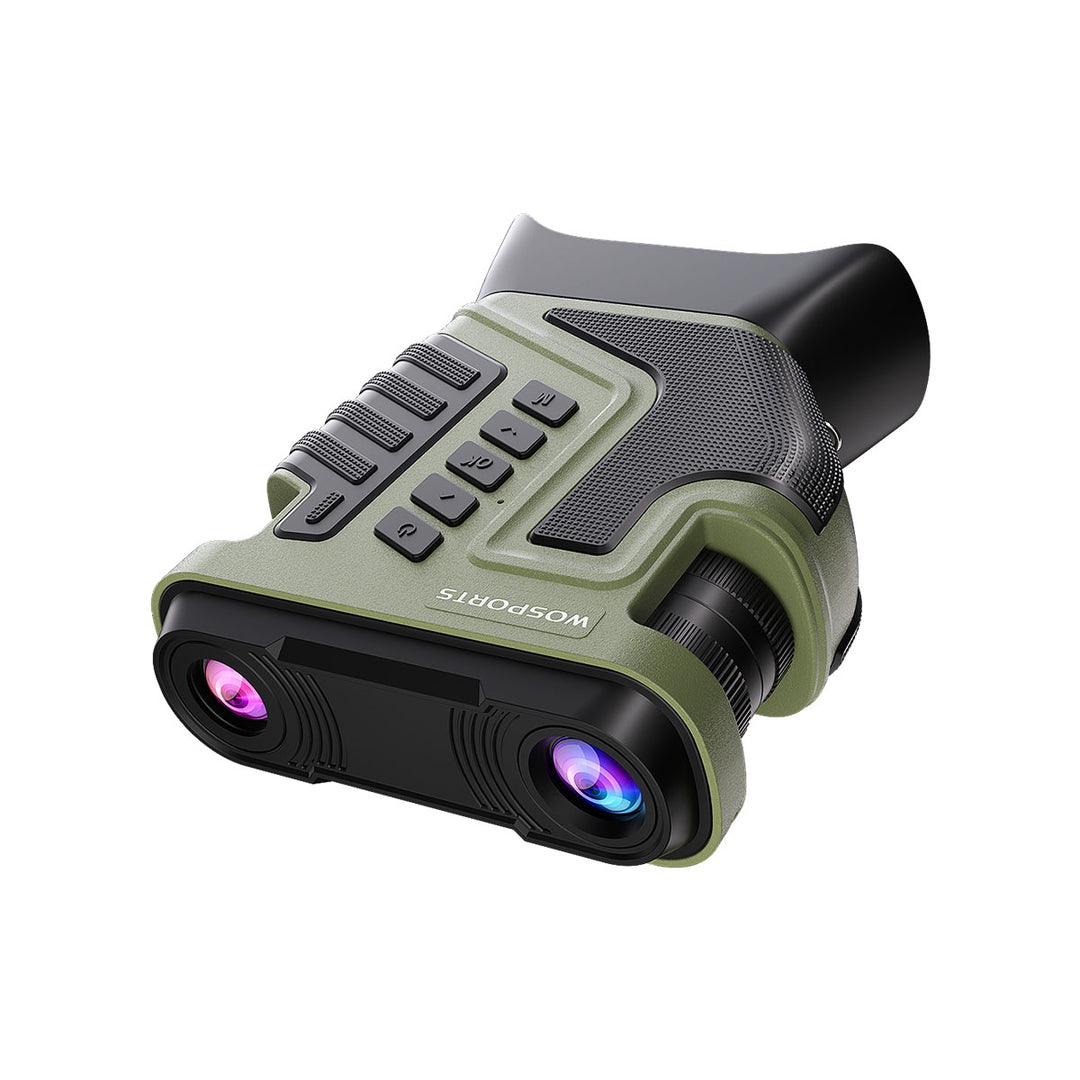
The WOSPORTS NV400 night vision binoculars are designed for outdoor users who require:
- long-range visibility
- stable nighttime imaging
- portable field performance
Key features of the NV400
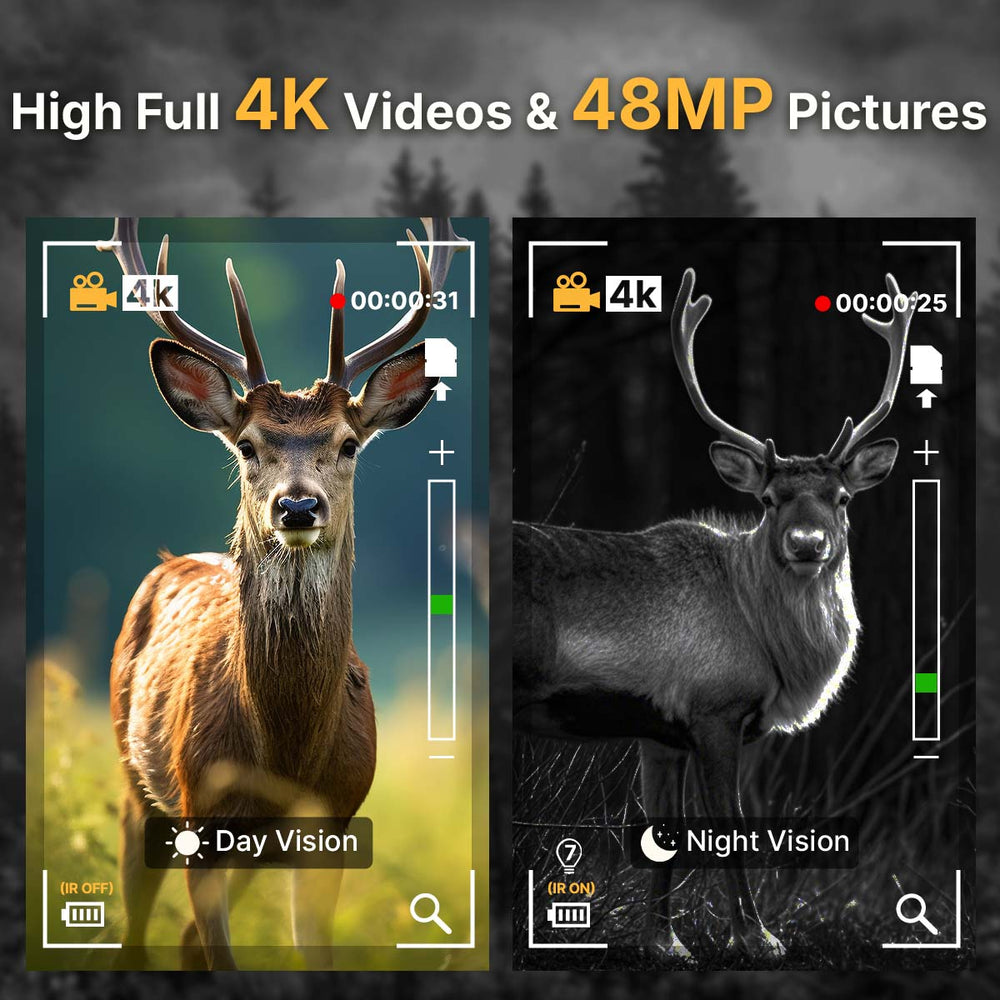
- 4K video recording
- 36MP image capture
- 10X optical zoom
- 8X digital zoom
- infrared night vision for complete darkness
- rechargeable battery system
Why this matters for B2B buyers
The NV400 fits multiple markets:
- wildlife observation
- ecotourism
- outdoor clubs
- farm monitoring
- nighttime security patrols
Bulk purchase advantage
For distributors and wholesalers, the NV400 provides:
- broad market applicability
- high perceived value
- low operational complexity
Case study: wildlife observation club deployment
A wildlife observation club deployed multiple NV400 units for nighttime animal tracking in forest areas.
Challenges before deployment
- limited nighttime visibility
- poor image clarity from entry-level optics
- short operating time
Results after switching to NV400
- clearer long-range nighttime observation
- improved wildlife identification accuracy
- longer overnight operation time
Key takeaway
Higher-quality night vision equipment improved both:
- observation efficiency
- member experience
What trends are driving growth in night wildlife observation equipment?
Demand for night vision binoculars is increasing due to:
- wildlife tourism growth
- outdoor recreation trends
- remote monitoring demand
- ecological research expansion
Market trend insight
B2B buyers increasingly prioritize:
- rechargeable systems
- long-range infrared performance
- lightweight portable design
- multi-purpose outdoor usability
Original analysis
The strongest growth comes from buyers seeking devices that combine:
- wildlife observation
- outdoor surveillance
- recreational use
This creates higher long-term resale potential for wholesalers.
FAQ: night vision binoculars for wildlife observation
What magnification is best for long-range wildlife viewing?
Moderate optical zoom with stable image quality is usually more effective than excessive digital zoom.
Are night vision binoculars suitable for complete darkness?
Yes, if equipped with infrared illumination systems.
Why are rechargeable night vision binoculars becoming popular?
They reduce long-term operating costs and improve convenience during outdoor use.
Is the NV400 suitable for wholesale purchase?
Yes. Its combination of:
- long-range viewing
- infrared capability
- rechargeable design
makes it suitable for multiple outdoor markets.
Final takeaway for B2B buyers

The best night vision binoculars for long-range wildlife observation should balance:
- infrared performance
- image clarity
- battery efficiency
- outdoor durability
For wholesalers and distributors, products with broad outdoor applications create stronger long-term value.
The WOSPORTS NV400 stands out by combining:
- long-range night viewing
- portable outdoor usability
- high-resolution imaging
- reliable infrared performance
making it a practical choice for:
- wildlife observation businesses
- outdoor retailers
- ecotourism operators
- bulk purchase buyers.
Search
Popular Posts
Recent Posts


Nov 28, 2024
Troubleshooting Common Trail Camera Issues
Jan 10, 2025
Why Does My Trail Camera Stop Working at Night?