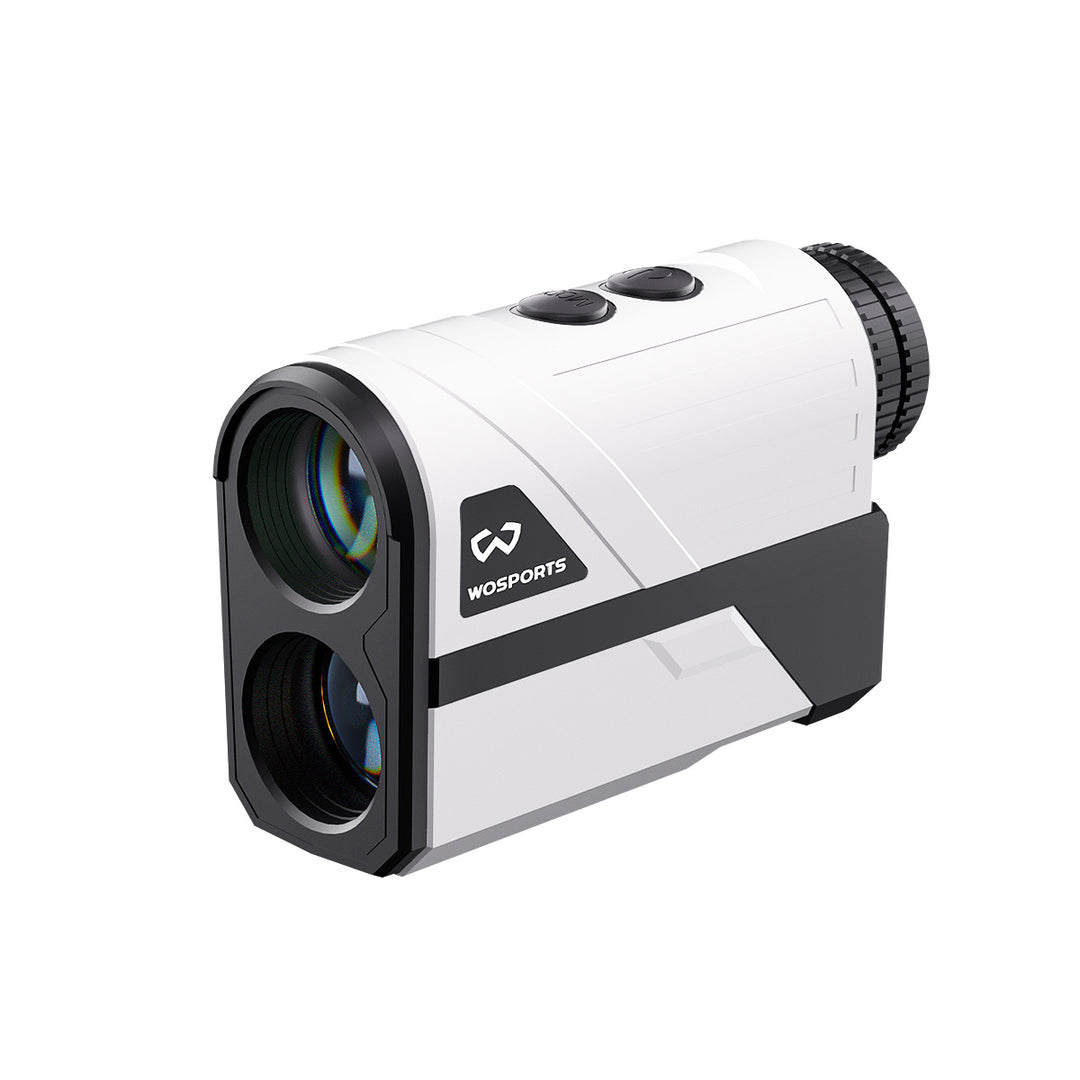
Golf Course Management: The Simple Strategy Most Golfers Ignore
Most golfers believe lower scores come from better swings.
So they:
-
Practice mechanics
-
Try to hit it farther
-
Focus on ball striking
But their scores?
👉 Stay the same.
Here’s the truth:
Golf isn’t just a swing game—it’s a strategy game.
And most golfers completely ignore that part.
What is course management (really)?
Course management isn’t complicated.
It’s simply:
👉 Making smarter decisions before every shot
That includes:
-
Choosing the right club
-
Aiming at the right target
-
Knowing when to be aggressive—and when not to
It’s not about hitting perfect shots.
👉 It’s about avoiding bad ones.
Why most golfers struggle with strategy
1. They play “target golf” instead of smart golf
Most golfers aim at:
-
The flag
-
The narrowest part of the fairway
-
The most aggressive line
Why?
Because it feels like the fastest way to score.
But in reality:
👉 It leads to more mistakes.
2. They don’t think about misses
Every golfer has a miss pattern:
-
Short
-
Long
-
Left or right
But most players don’t plan for it.
They aim as if they’ll hit a perfect shot every time.
👉 That’s not realistic.
3. They don’t adjust based on the situation
Same club. Same swing. Same mindset.
No matter:
-
The hole layout
-
The conditions
-
The pressure
👉 That lack of adjustment leads to inconsistent results.
The simple strategy better players use
Good golfers don’t play perfect golf.
They play smart golf.
Here’s what that looks like.
1. Aim for the largest safe area
Instead of aiming at the flag:
👉 Aim where you have the most room for error.
That usually means:
-
Center of the green
-
Away from hazards
-
Toward the widest landing area
Result:
-
More greens hit
-
Fewer penalty shots
-
Easier recovery if you miss
2. Play for your miss
Ask yourself:
👉 “Where do I usually miss?”
If you tend to:
-
Miss short → take more club
-
Miss right → aim more left
👉 This turns your weakness into something manageable.
3. Avoid short-sided mistakes
This is one of the biggest score-killers.
Short-sided means:
👉 Missing on the side of the green with no room to work with
That leads to:
-
Difficult chips
-
Low chance of saving par
Better strategy:
👉 Always leave yourself space to recover
4. Choose the right level of risk
Not every shot needs to be aggressive.
Ask:
-
What’s the reward?
-
What’s the risk?
If the risk is high and reward is small:
👉 Play safe.
Over 18 holes, this alone can save multiple strokes.
5. Think one shot ahead
Most golfers only think about the current shot.
Better players think:
👉 “Where do I want my next shot to come from?”
That influences:
-
Club selection
-
Target
-
Strategy
Why this works immediately
You don’t need:
-
A new swing
-
More power
-
More practice time
You just need:
👉 Better decisions
And that leads to:
-
Fewer big mistakes
-
More consistent results
-
Lower scores
What happens when you start playing smarter
When you apply simple course management:
-
You hit more greens
-
You avoid trouble more often
-
You make fewer double bogeys
And your score improves—without changing your swing.
Final thought: golf is a strategy game
The biggest difference between average golfers and better players isn’t always skill.
👉 It’s decision-making.
If you want to improve your game, don’t just work on your swing.
Start thinking about:
-
Where to aim
-
What club to use
-
How to manage risk
Because in golf, the smartest player often beats the most talented one.
And once you start playing smarter, the game becomes a lot easier.
Search
Popular Posts
Recent Posts


Nov 28, 2024
Troubleshooting Common Trail Camera Issues
Jan 10, 2025
Why Does My Trail Camera Stop Working at Night?