How Weather Conditions Affect Trail Camera Performance
Trail cameras are designed to operate outdoors for long periods, capturing wildlife activity without human presence. However, weather conditions can significantly affect their performance, image quality, and battery life. Understanding how different environmental factors impact your trail camera can help you set it up more effectively and capture better results in the field.
Rain and Humidity
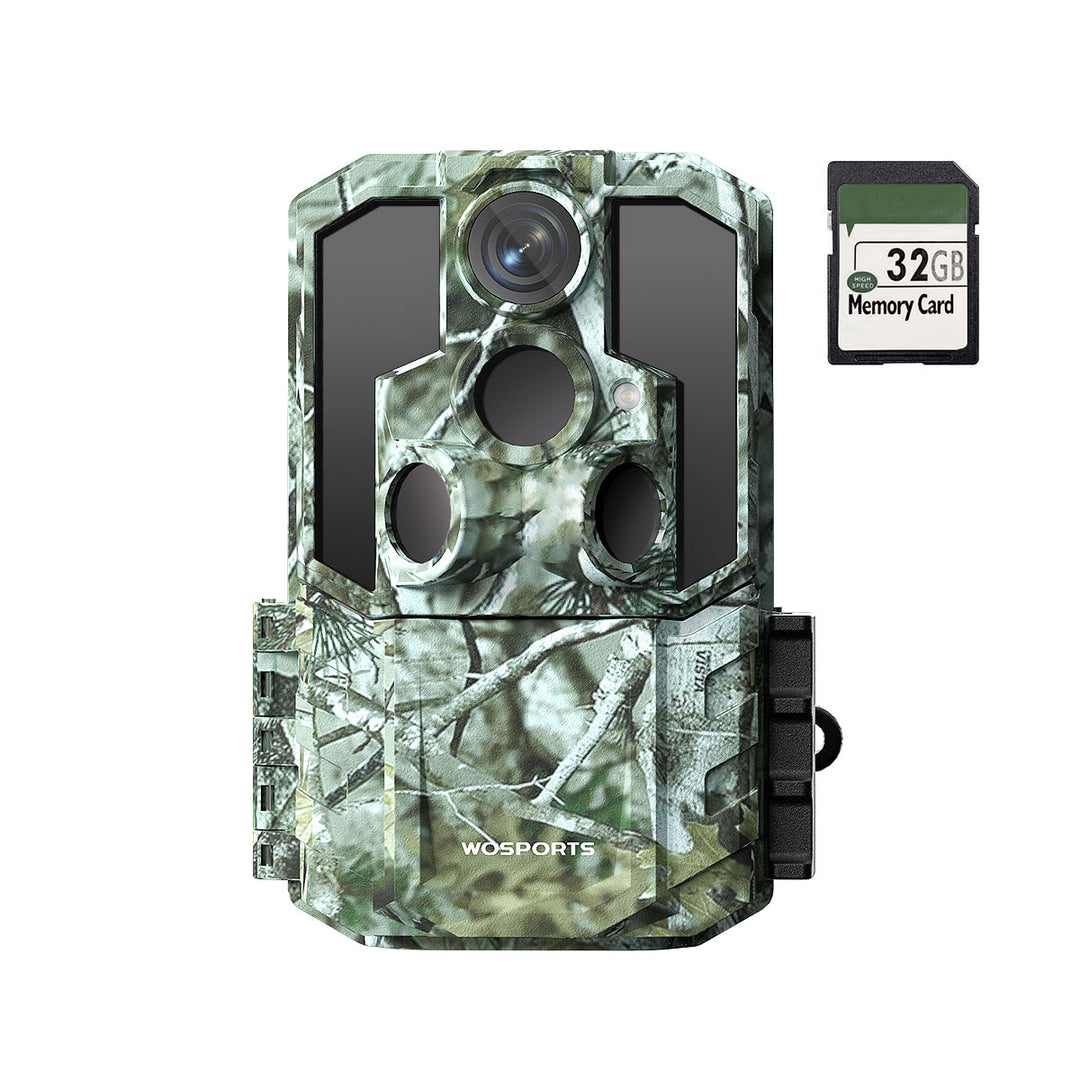
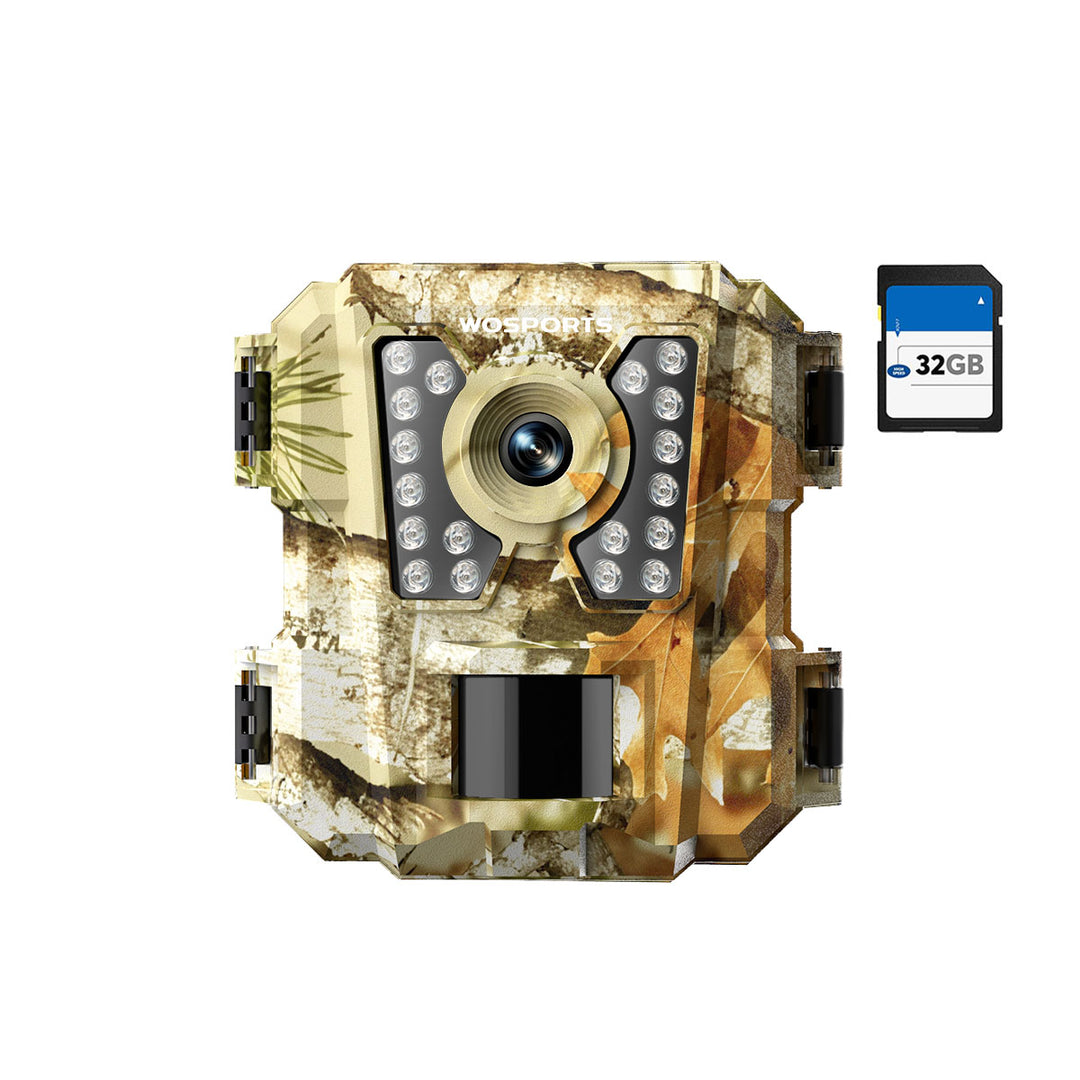
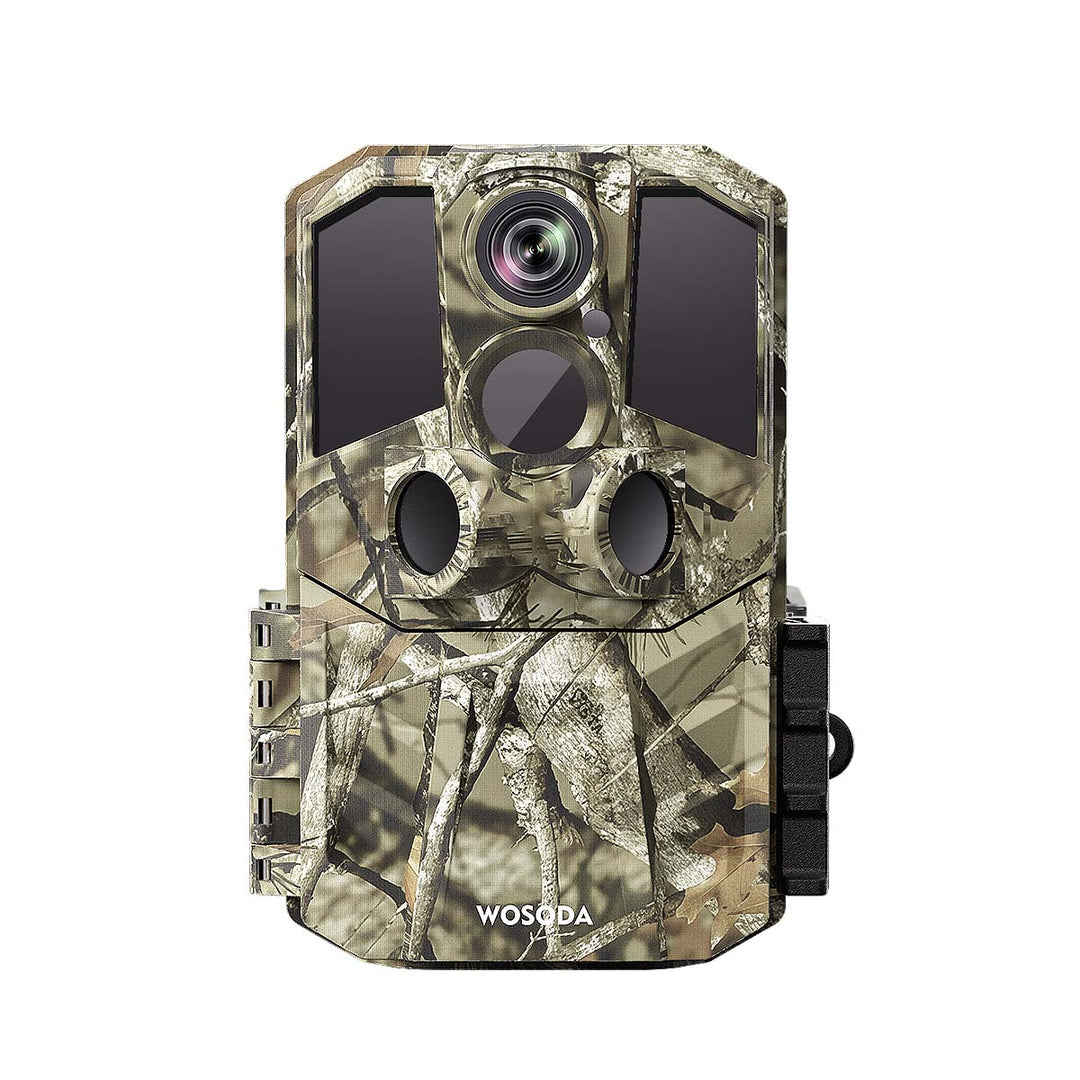
Rain is one of the most common environmental challenges for outdoor cameras. Moisture can affect internal electronics if a camera is not properly sealed. That’s why a durable housing and strong waterproof rating are essential. The WOSPORTS G600 Trail Camera features an IP66 waterproof design, allowing it to operate reliably in heavy rain, humid forests, or damp environments. This level of protection helps prevent water and dust from entering the device, ensuring stable performance during long outdoor deployments.
Cold Temperatures
Cold weather can significantly reduce battery efficiency. When temperatures drop, batteries tend to drain faster, which may shorten the operational time of a trail camera. To minimize this issue, many users choose high-quality lithium or rechargeable AA batteries. Efficient power management is also important. Cameras like the G600 are designed for long battery life, enabling extended monitoring sessions even in colder seasons.
Wind and Moving Vegetation
Windy conditions can sometimes trigger false motion detections. Moving branches, leaves, or tall grass may activate the PIR sensor, resulting in extra photos or videos. Adjusting the camera angle and clearing vegetation in front of the lens can help reduce these false triggers. With a 120° wide detection angle and PIR detection distance up to 70 ft, the G600 covers a broad monitoring area while still maintaining reliable motion detection for wildlife activity.
Nighttime and Low-Light Conditions
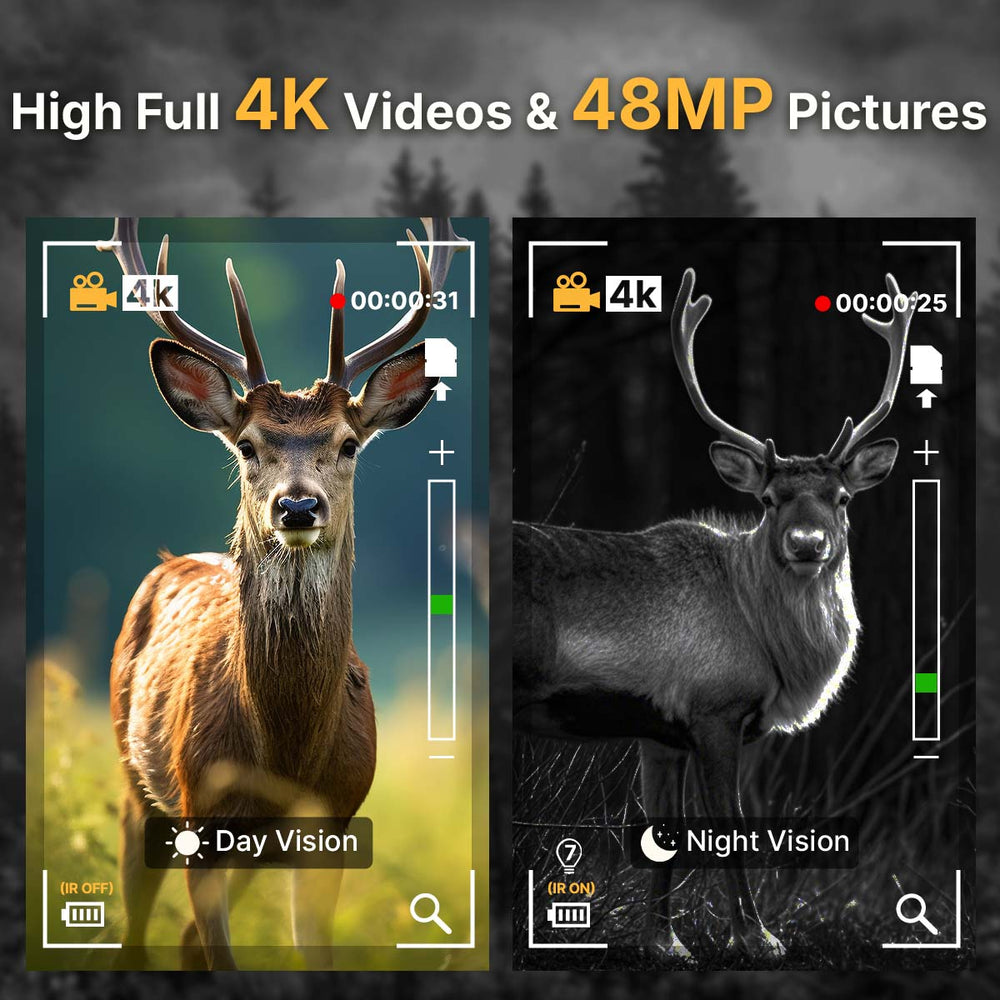
Wildlife activity often peaks at night, making infrared night vision an essential feature. Weather conditions such as fog, snow, or heavy clouds can reduce visibility, but advanced infrared technology helps maintain clear nighttime recordings. Cameras with strong night vision capabilities can still capture detailed footage even in complete darkness.
Final Thoughts
Weather conditions are an unavoidable part of outdoor wildlife monitoring. Rain, cold temperatures, wind, and low light can all influence how a trail camera performs. Choosing a well-built camera with weather resistance, efficient battery usage, and reliable motion detection can make a significant difference.
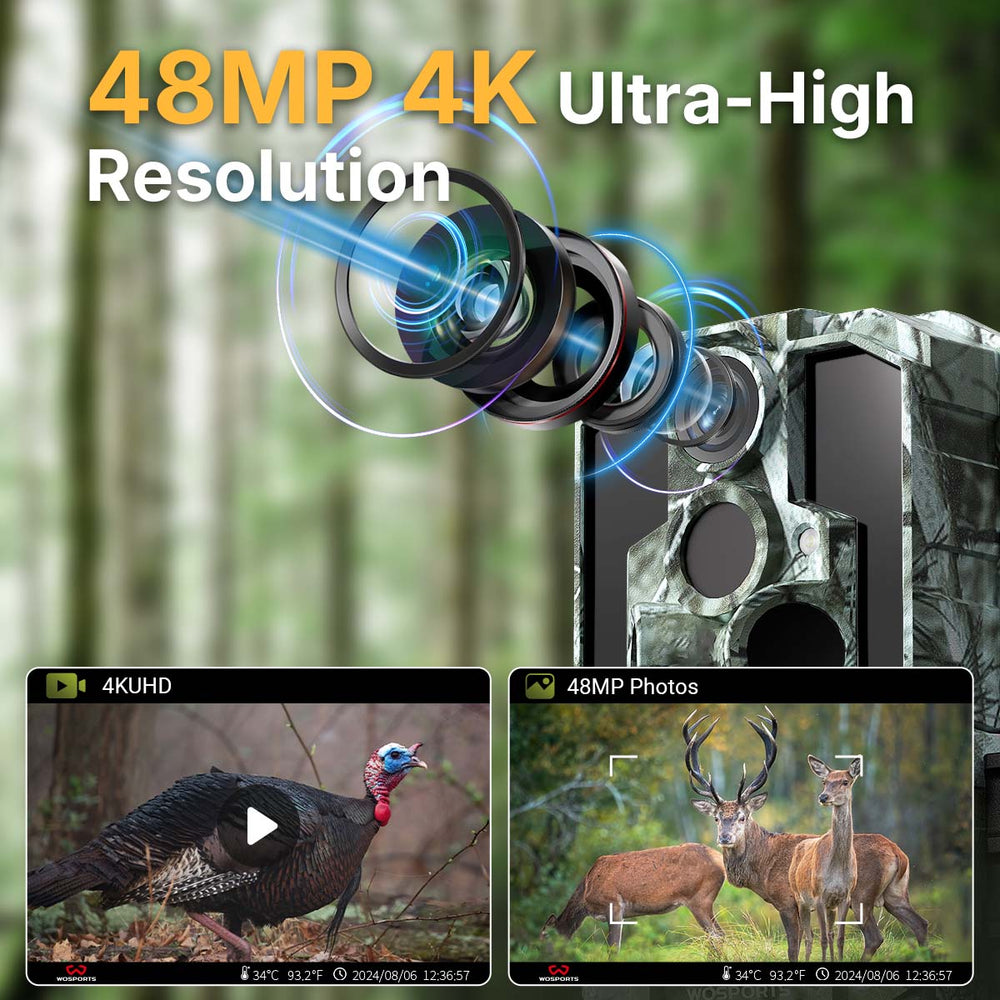
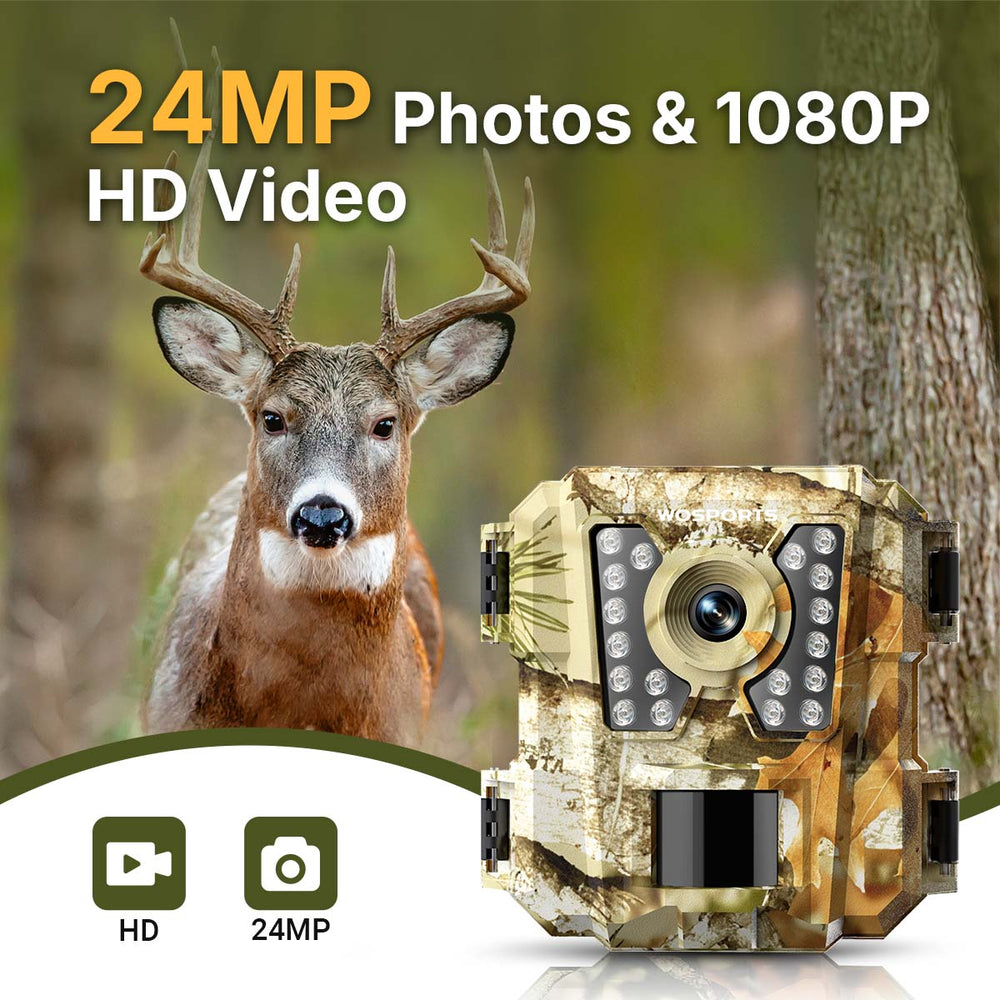
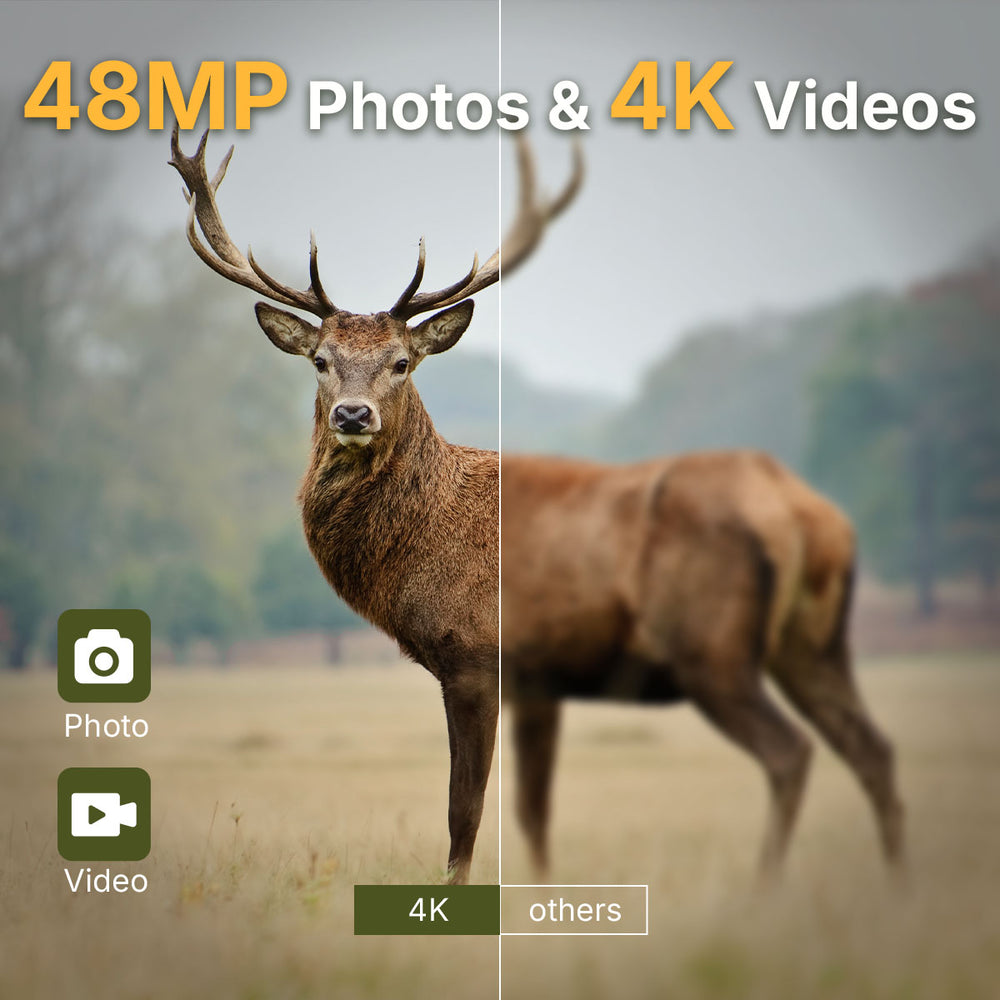
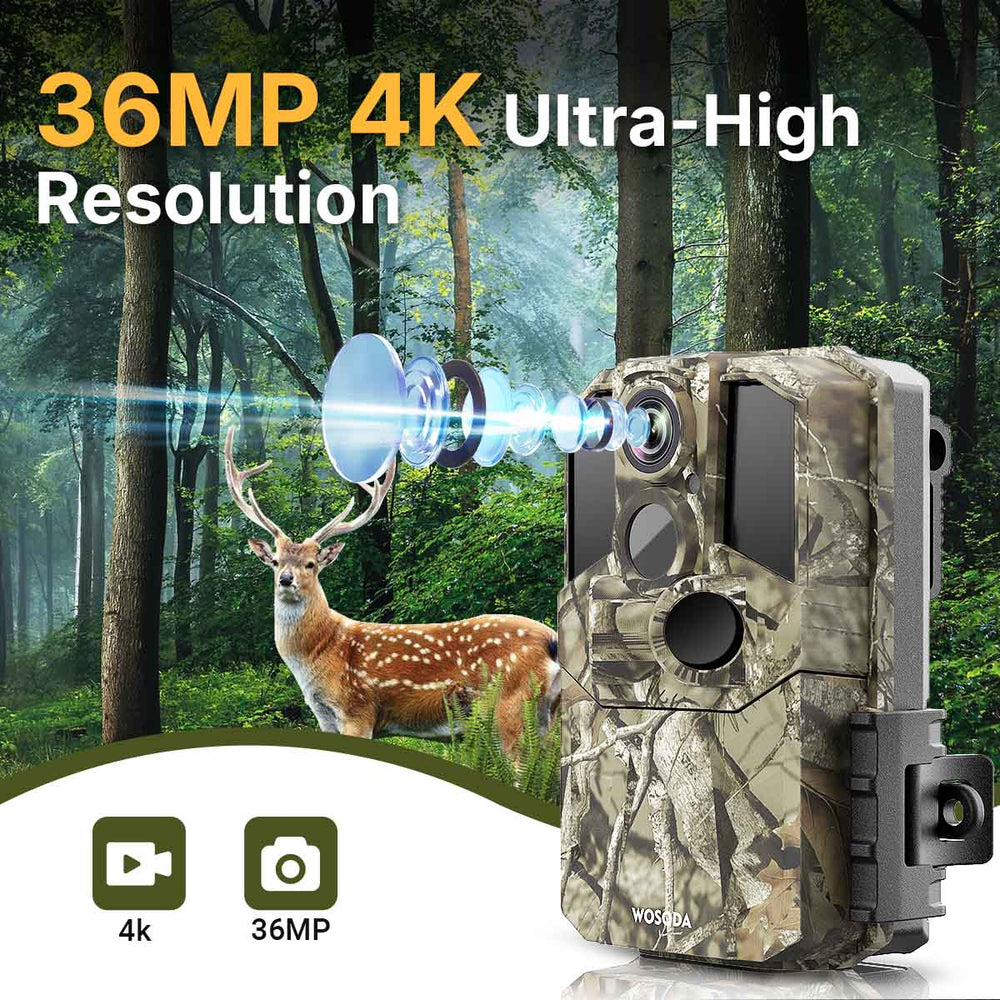
With features like 48MP photos, 4K video, fast 0.2-second trigger speed, and IP66 waterproof protection, the G600 trail camera is designed to perform reliably in a wide range of outdoor conditions, making it a dependable choice for hunters, wildlife observers, and property owners alike.
Search
Popular Posts
Recent Posts


Nov 28, 2024
Troubleshooting Common Trail Camera Issues
Jan 10, 2025
Why Does My Trail Camera Stop Working at Night?