How Accurate Are Laser Rangefinders
In the ever-evolving world of golf, precision is king. As we look ahead to the 2026 golf season, golfers at all levels are seeking every advantage to shave strokes and improve their game. One tool that has become indispensable in this pursuit is the laser rangefinder. But a common question arises: just how accurate are these devices? Understanding the precision of laser rangefinders is crucial for trusting your yardage and making confident club selections.
The Gold Standard: Sub-Yard Accuracy
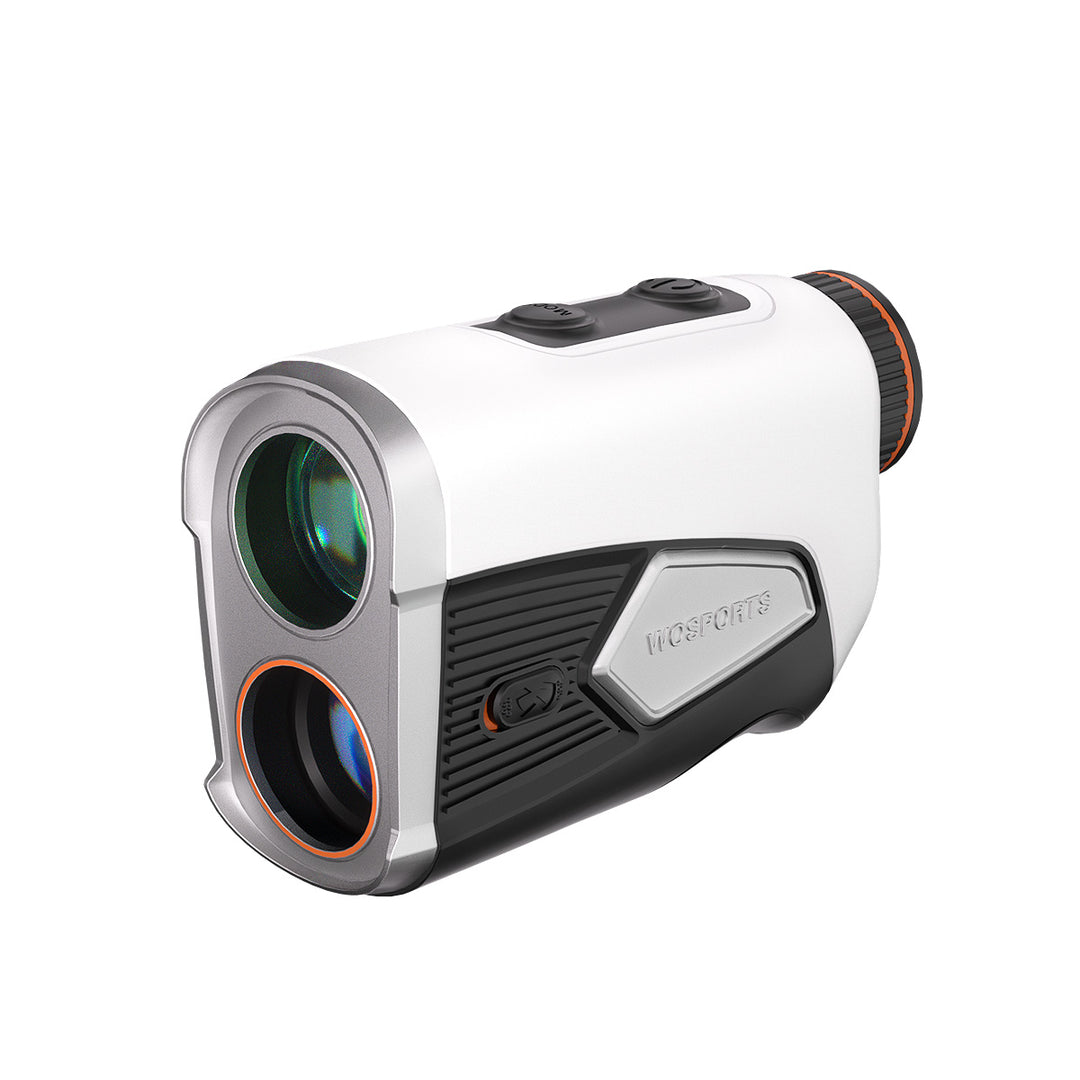
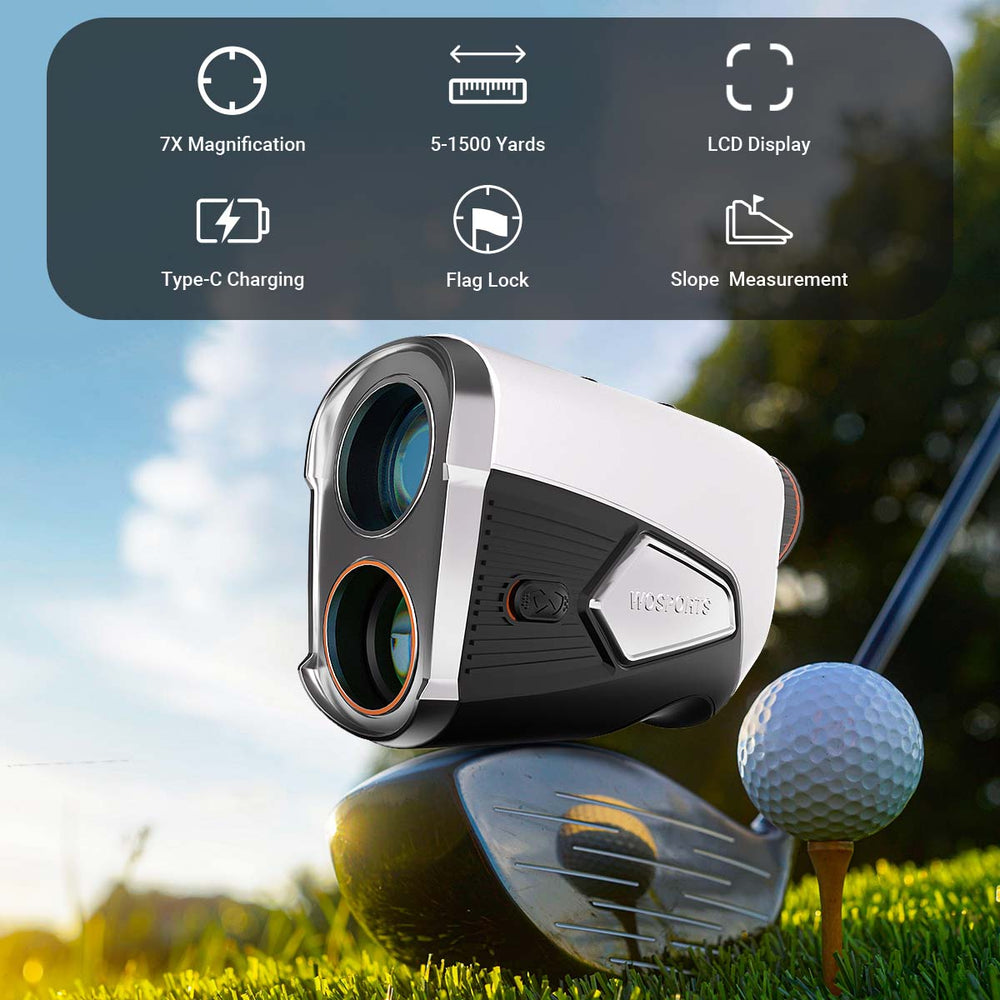
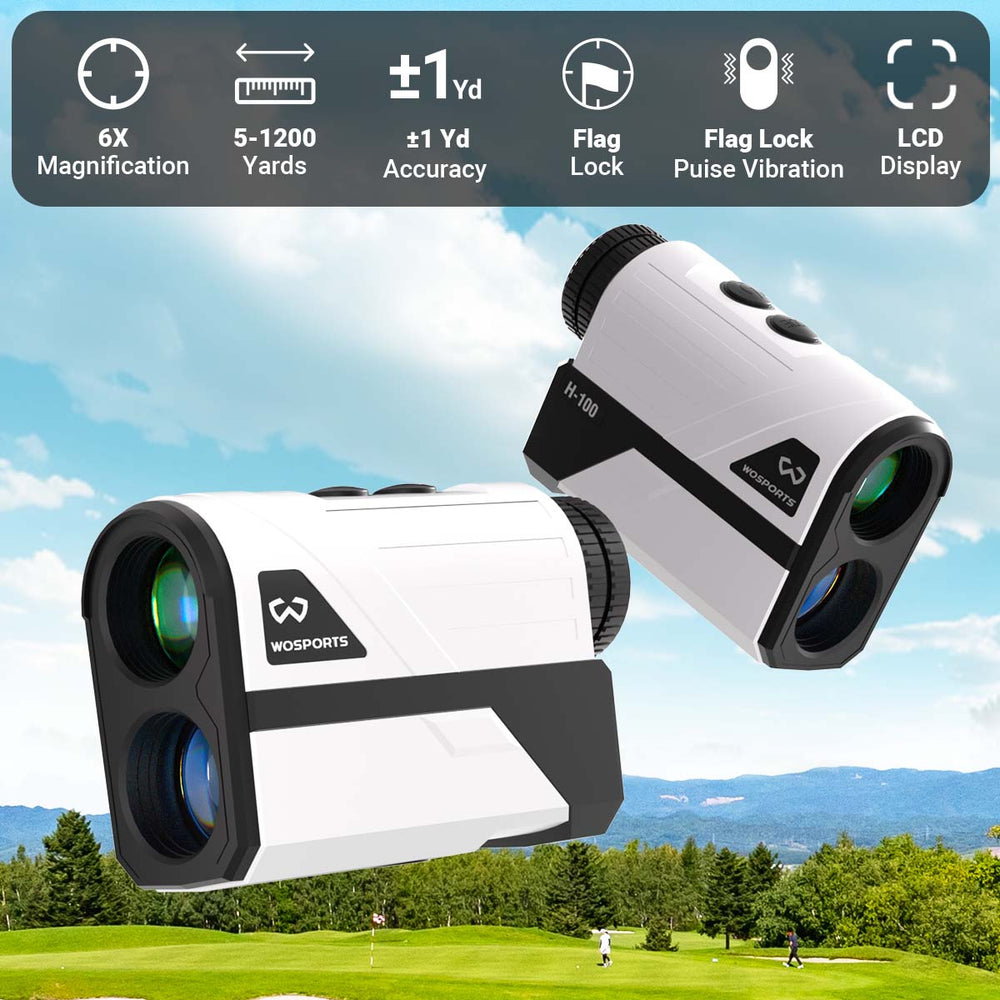
Modern golf laser rangefinders, including the advanced offerings from WOSPORTS, are remarkably accurate. For most quality models, you can expect an accuracy of within ±1 yard (or meter). Many high-performance units even boast an accuracy of ±0.5 yards.
This level of precision means that if a rangefinder displays a distance of 150 yards to the flag, the actual distance will be somewhere between 149 and 151 yards (or 149.5 and 150.5 yards for the more precise models). For the vast majority of golf shots, this minute margin of error is virtually negligible and far more accurate than estimations based on sprinkler heads, visual cues, or even course yardage markers, which can often be off by several yards.
Factors Influencing Rangefinder Accuracy
While laser rangefinders are inherently precise, several factors can influence their performance and perceived accuracy:
-
Optical Quality: Clear, multi-coated optics and good magnification (typically 6x or 7x) allow the user to more easily pinpoint the target. If you can't clearly see the flag, it's harder for the laser to hit it accurately.
-
Target Acquisition Technology: Features like "flag-lock" or "pin-seeker" technology are crucial. These systems are designed to identify the closest target (the flag) while ignoring background objects. Without this, you might accidentally get a reading to trees behind the green, leading to an inaccurate yardage for your shot. WOSPORTS rangefinders excel in providing quick and reliable flag-lock.
-
User Steadiness: While rangefinders are sophisticated, they still require a steady hand. Strong winds or an unsteady grip can cause the laser beam to sway slightly, potentially hitting a different part of the target or an adjacent object. Many WOSPORTS models feature ergonomic designs and textured grips to aid in stability.
-
Environmental Conditions: While less common with modern rangefinders, extremely dense fog or heavy rain can sometimes interfere with the laser beam's travel. However, most quality rangefinders are designed to perform well in typical golf course weather.
-
Target Reflectivity: A highly reflective target (like a flagstick with a reflector) will return a stronger laser signal, often leading to faster and more consistent readings. While most course flags aren't explicitly reflective, the technology is designed to work effectively on standard materials.
Beyond Basic Accuracy: The Role of Slope Compensation
When discussing accuracy, it's important to distinguish between line-of-sight distance and "plays like" distance.
-
Line-of-Sight Accuracy: This is the direct, unadjusted distance measured by the laser. It's the physical distance from point A to point B. This is the core accuracy metric discussed above.
-
"Plays Like" Accuracy (Slope Compensation): Many modern rangefinders, including various WOSPORTS models, offer slope compensation. This feature measures the elevation change between you and your target and then calculates an adjusted distance that accounts for how uphill or downhill the shot plays. For example, a 150-yard uphill shot might play like 165 yards.
While slope compensation isn't about the laser's physical measurement accuracy, it's about providing a more functionally accurate number for club selection. For competitive play in the 2026 season and beyond, remember that slope features must be disabled to comply with official golf rules, but they are invaluable for practice and casual rounds.

WOSPORTS Rangefinders: Trusting Your Numbers
WOSPORTS golf rangefinders are engineered with a strong emphasis on accuracy and user confidence. Their commitment to precise laser technology, combined with features like rapid flag-lock, clear optics, and robust construction, ensures that golfers receive reliable distance measurements every time.
"I've found my WOSPORTS rangefinder to be incredibly consistent," says avid golfer Jane K. "Whether I'm measuring 80 yards to a bunker or 220 to a par-3 green, the numbers are always spot on. That confidence in my yardage has really helped me commit to my shots and improved my overall consistency."
This consistent accuracy allows golfers to:
-
Make Smarter Club Selections: Eliminate guesswork and choose the ideal club for the exact distance.
-
Improve Course Management: Precisely understand carry distances over hazards and lay-up points.
-
Boost Confidence: Step up to every shot with the certainty of knowing the exact yardage.
Conclusion: Precision for a Competitive Future
As golf continues its trajectory towards greater data utilization and strategic play in the 2026 season, the accuracy of your distance-measuring tools will only grow in importance. Laser rangefinders offer a remarkable level of precision, consistently providing distances within a yard or less. By choosing a high-quality rangefinder, like those from WOSPORTS, you are investing in a tool that delivers reliable, actionable data, empowering you to play with greater confidence and accuracy on every shot. Trust your rangefinder, trust your game.
Search
Popular Posts
Recent Posts


Nov 28, 2024
Troubleshooting Common Trail Camera Issues
Jan 10, 2025
Why Does My Trail Camera Stop Working at Night?