Trail Camera for Deer Hunting: How to Scout Deer Before Hunting Season
Successful deer hunting starts long before opening day.
Experienced hunters know that understanding deer movement patterns, feeding areas, and travel routes can make a significant difference during hunting season. Instead of relying only on luck, many hunters use a trail camera to gather valuable information about deer activity throughout the year.
A reliable deer scouting camera allows hunters to monitor their hunting property, identify high-traffic areas, and learn when deer are most active — all without disturbing the animals.
Whether you manage hundreds of acres of land or a small hunting area, the right trail camera can become one of the most valuable tools in your hunting setup.
In this guide, we will explain how to use a trail camera for deer hunting and what features to look for when choosing the best deer scouting camera.
Why Hunters Use Trail Cameras for Deer Scouting
Deer are highly adaptable animals. They change their behavior based on:
- Season changes
- Food availability
- Weather conditions
- Hunting pressure
- Human activity
Without a trail camera, hunters may only see a small portion of deer movement.
A deer hunting camera helps you collect information over time, giving you a better understanding of what is happening on your property.
With a properly placed trail camera, you can discover:
- Where deer travel
- When deer are active
- Which areas they prefer
- How many animals are using your property
This information helps hunters create a smarter hunting strategy.
How to Use a Trail Camera for Deer Hunting
A trail camera is not just about taking pictures of deer. It is about understanding patterns.
Here are some of the most effective ways hunters use trail cameras.
1. Find Deer Travel Routes
One of the first things hunters want to know is:
Where are deer moving?
Deer often follow the same paths between bedding areas, feeding locations, and water sources.
By placing a trail camera near:
- Deer trails
- Field edges
- Forest openings
- Natural funnels
you can identify common travel routes.
Over time, your camera data can reveal where deer consistently move.
2. Identify Feeding Areas
Food is one of the biggest factors affecting deer movement.
Deer may visit areas with:
- Agricultural crops
- Food plots
- Fruit trees
- Natural vegetation
- Mineral sites
A trail camera allows you to monitor these locations and understand:
- Which animals visit
- What time they arrive
- How frequently they return
This helps hunters choose better stand locations.
3. Understand Deer Activity Times
Knowing when deer are active is extremely valuable.
A deer scouting camera can help answer questions like:
- Are deer moving mostly at dawn?
- Are they active before sunset?
- Are they moving during daylight hours?
- Does weather affect their movement?
By reviewing trail camera images and videos, hunters can identify patterns that are difficult to notice through occasional scouting trips.
4. Monitor Deer Growth and Seasonal Changes
Deer behavior changes throughout the year.
During different seasons, hunters can observe:
Spring and Summer
- Antler growth
- Deer population
- Fawn activity
Early Fall
- Changing movement patterns
- Feeding behavior
- New travel routes
Hunting Season
- Increased movement
- Changes caused by hunting pressure
A trail camera provides a year-round view of your hunting property.
What Makes the Best Trail Camera for Deer Hunting?
Not all trail cameras are designed the same.
When choosing a deer hunting camera, hunters should focus on several important features.
1. Fast Trigger Speed to Capture Moving Deer
Deer can move quickly through an area.
A camera with a slow trigger speed may capture only a deer’s tail or miss the animal completely.
A fast trigger speed helps capture the exact moment when deer enter the detection zone.
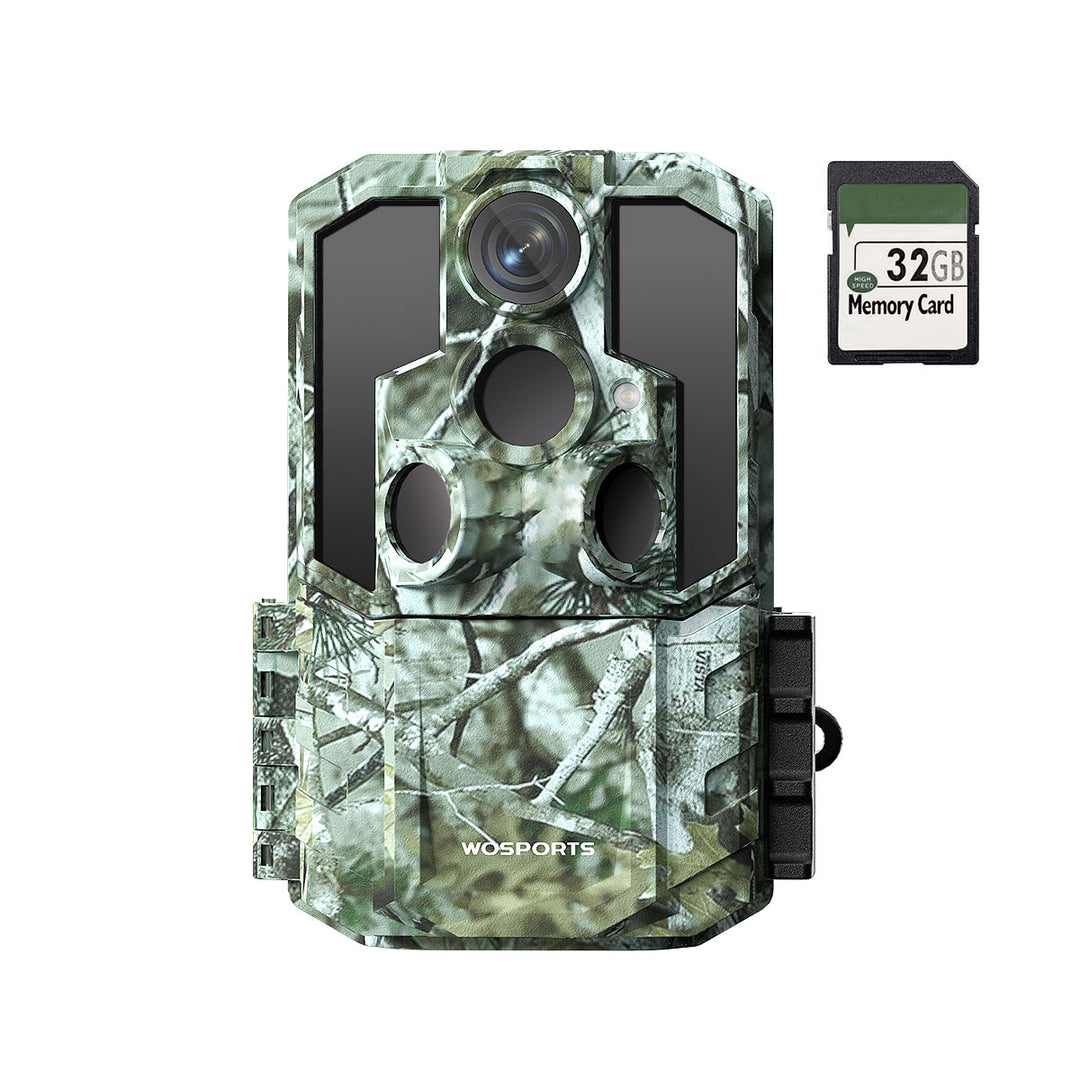
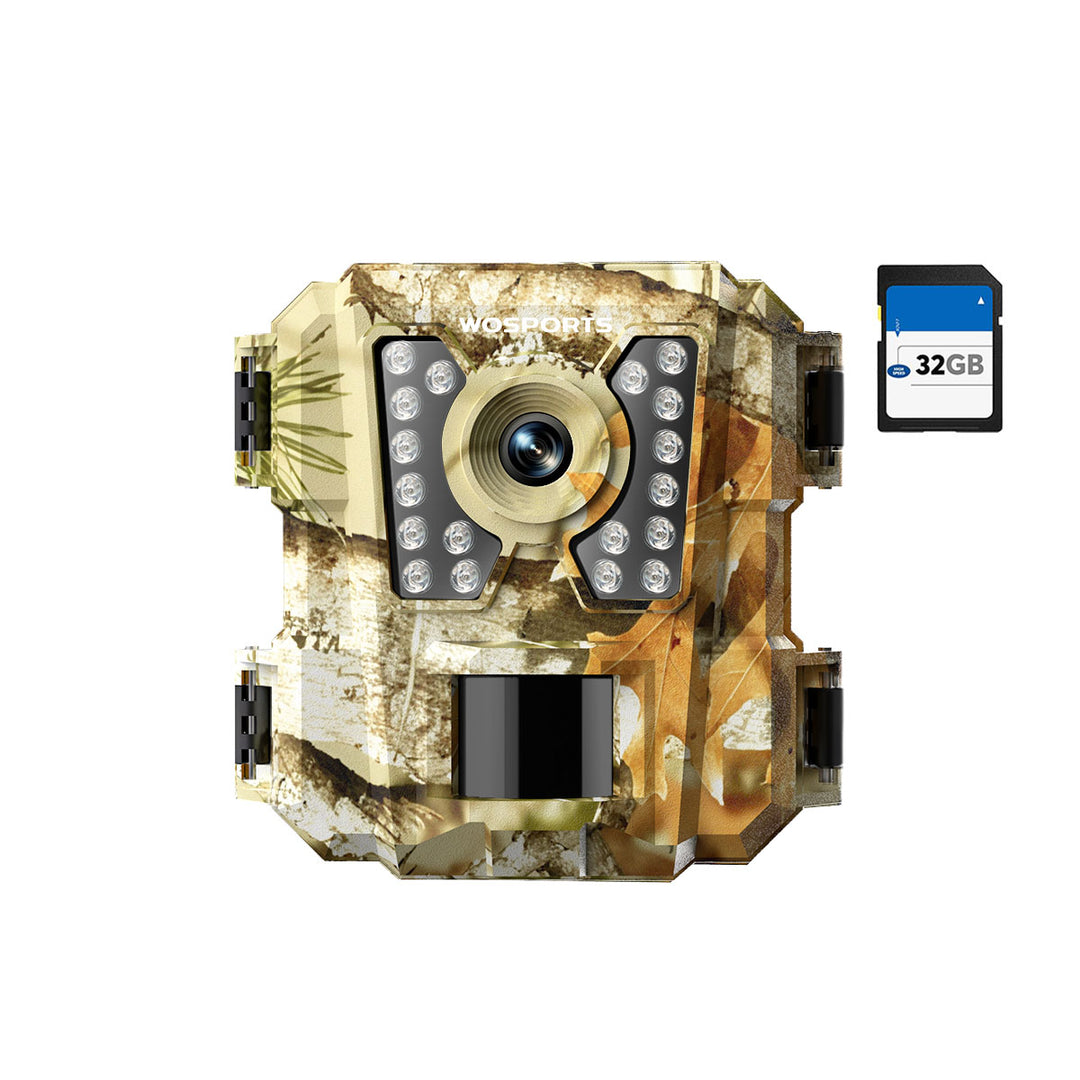
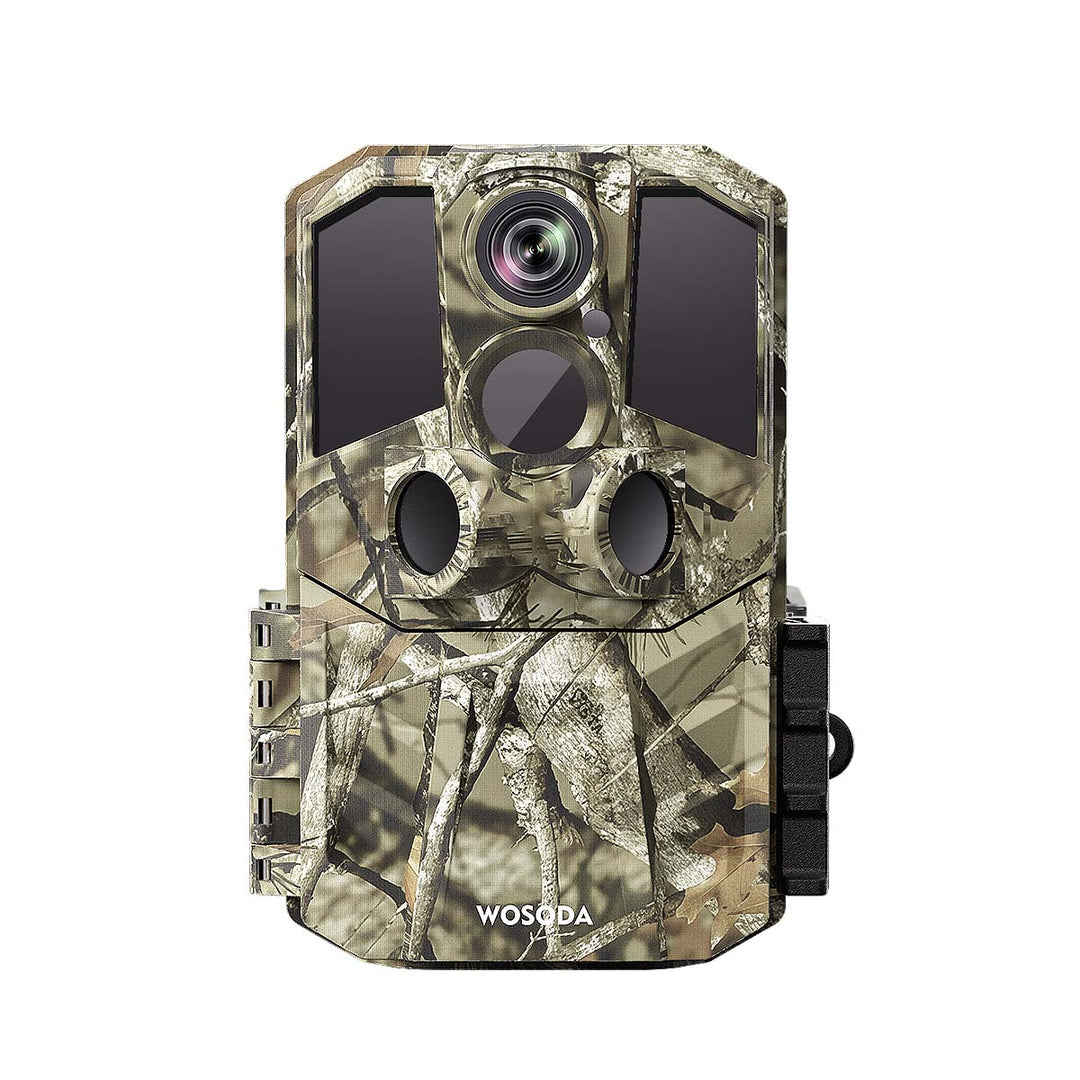
The WOSPORTS G600 Trail Camera features a 0.1-second trigger speed, helping hunters capture fast-moving wildlife activity with greater accuracy.
2. High-Resolution Photos and Videos
Clear images are important for deer scouting.
High-quality photos allow hunters to:
- Identify individual deer
- Observe antler development
- Monitor animal behavior
- Review details from captured footage
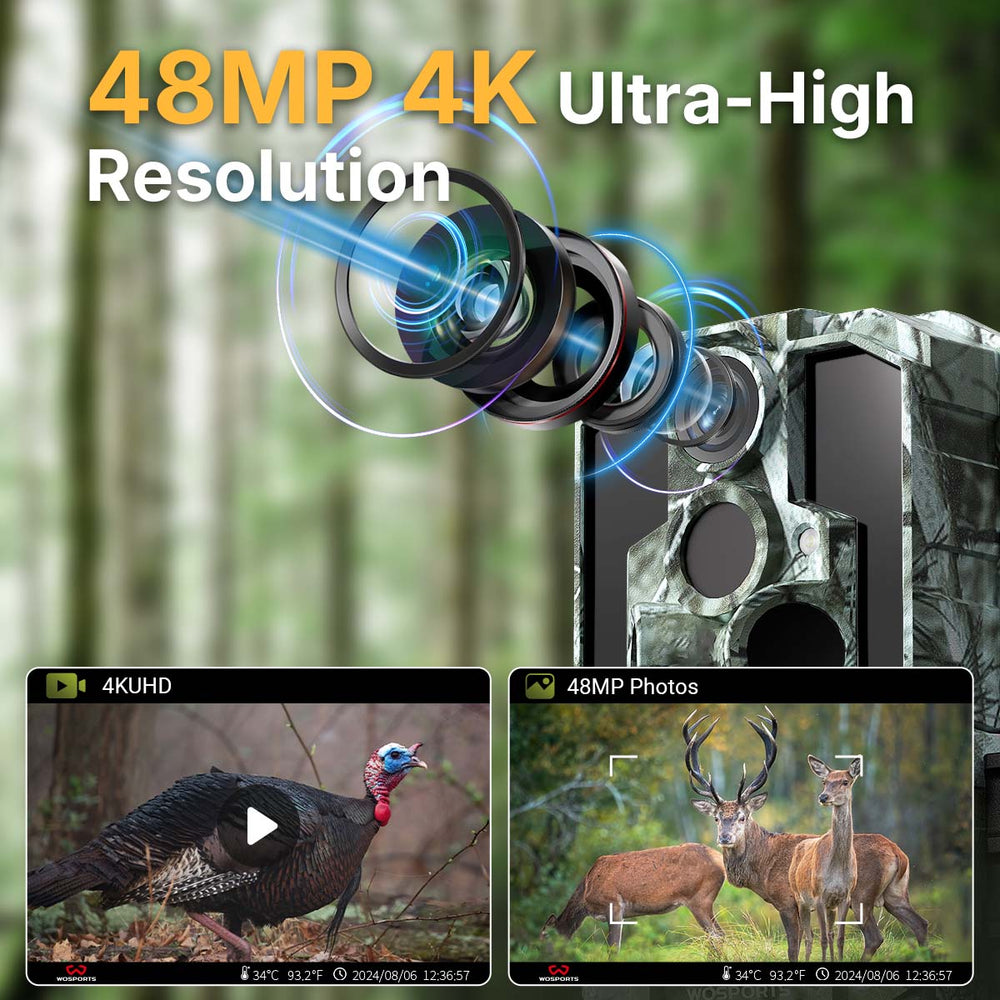
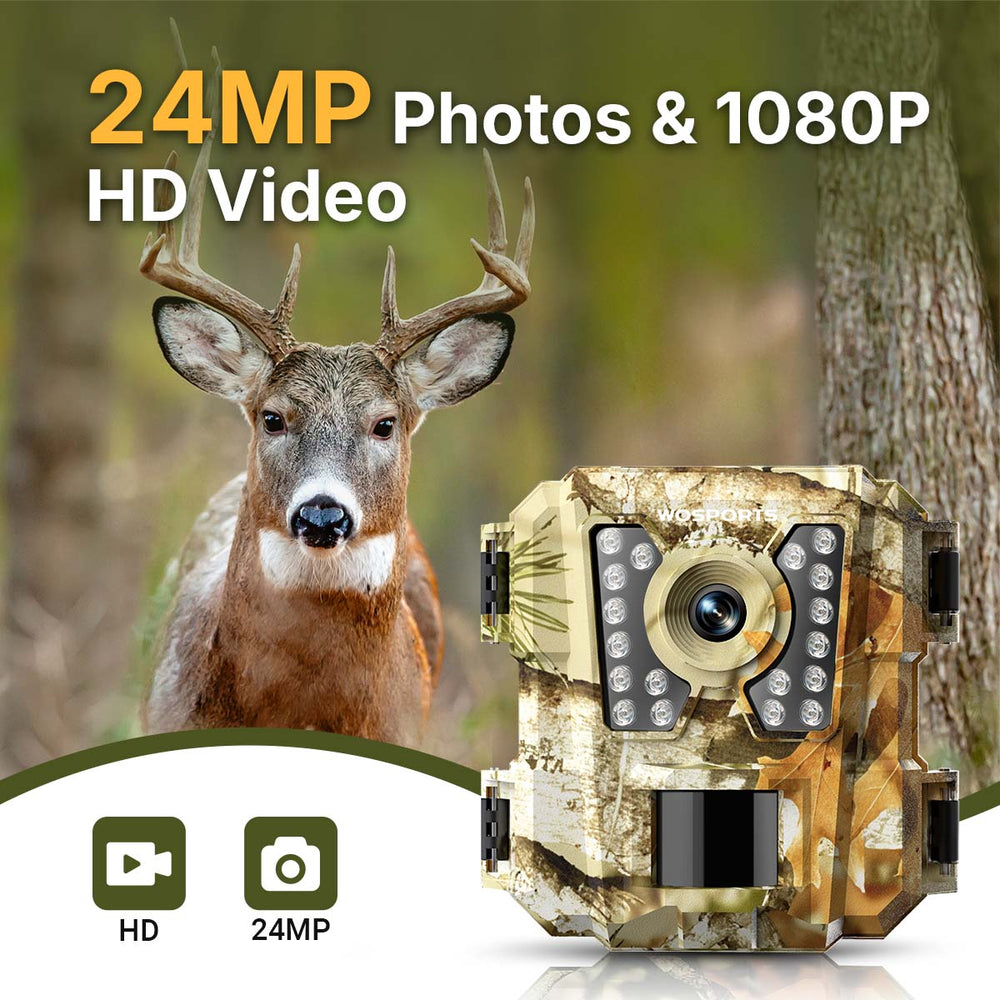
The WOSPORTS G600 provides:
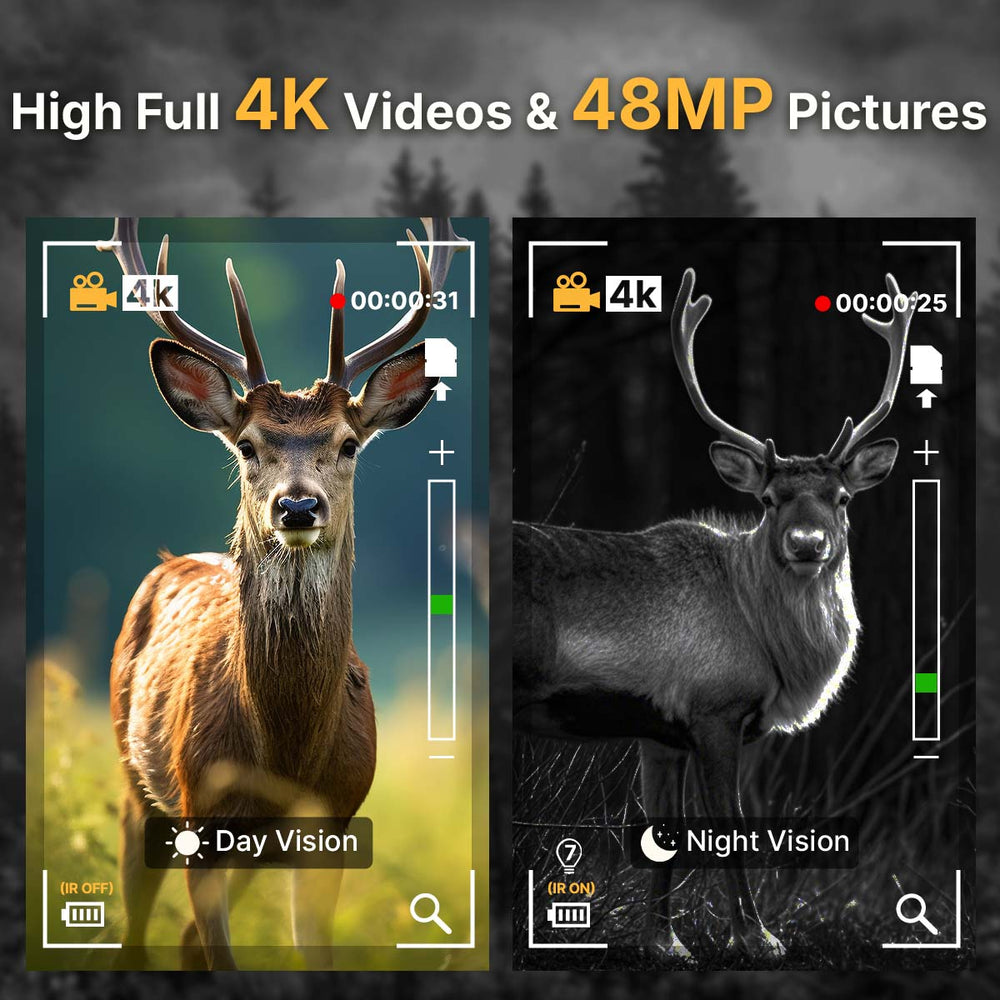
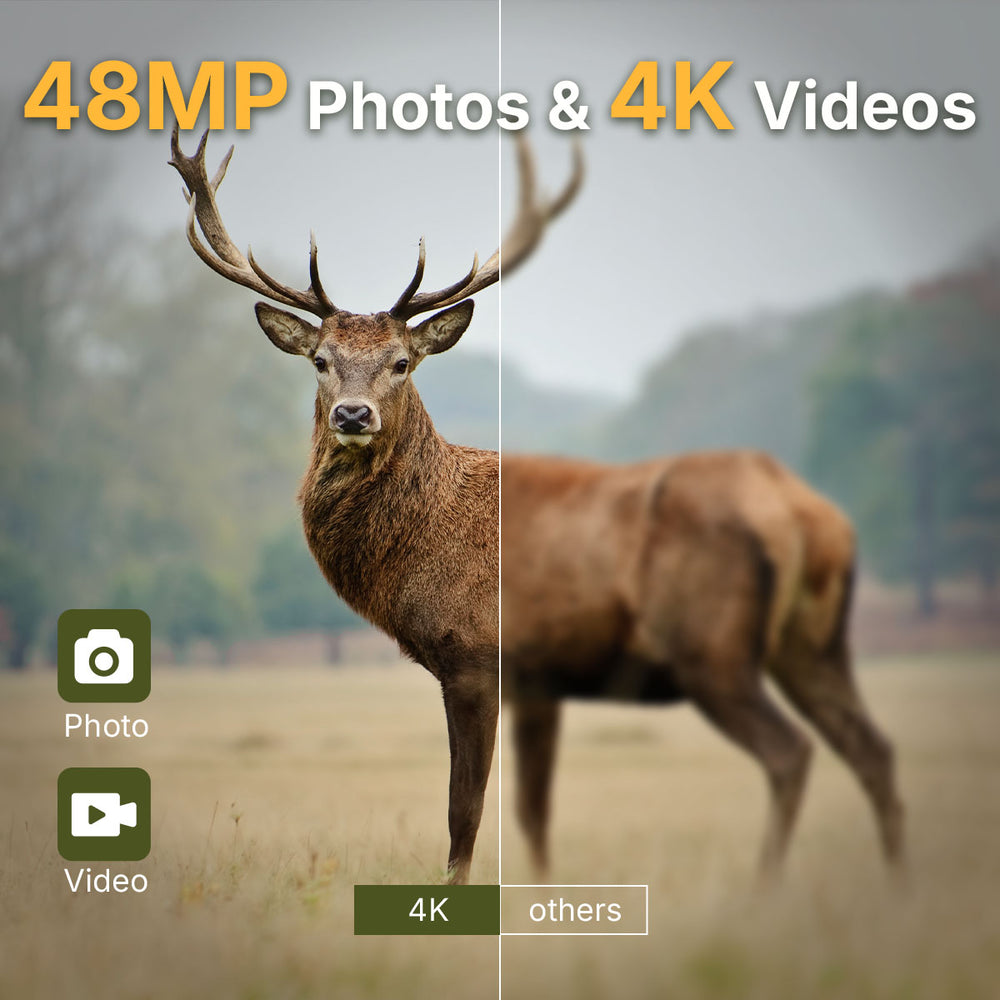
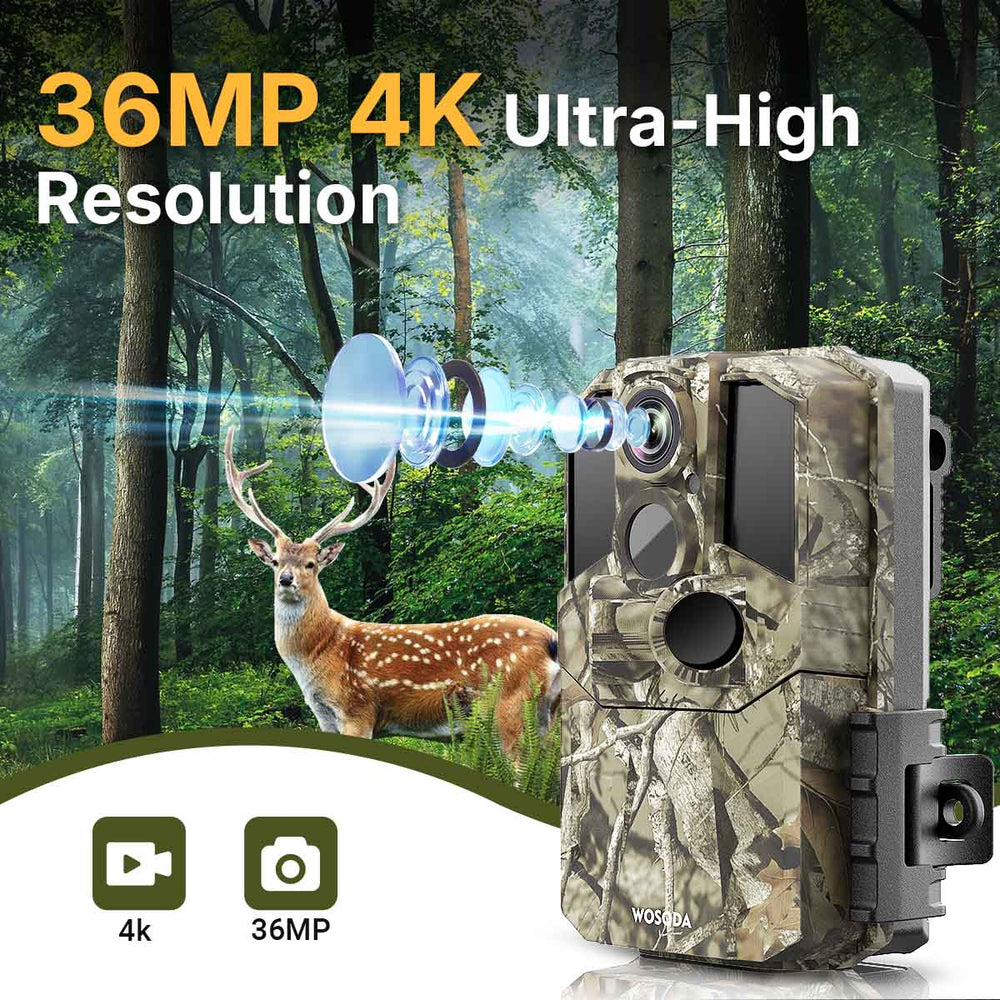
- 48MP photos
- 4K video recording
This allows hunters to capture detailed images and videos of deer day or night.
3. Reliable Night Vision for 24/7 Monitoring
Many deer are active during low-light conditions.
A quality deer trail camera should provide reliable nighttime monitoring.
Night vision helps hunters capture:
- Evening deer movement
- Early morning activity
- Nocturnal wildlife visits
With automatic day/night switching, the WOSPORTS G600 helps monitor your hunting property around the clock.
4. Weather Resistance for Outdoor Conditions
A deer scouting camera may stay outdoors for weeks or months.
It needs to handle:
- Rain
- Snow
- Dust
- Temperature changes
The WOSPORTS G600 features IP65 waterproof protection, helping provide reliable performance in outdoor environments.
5. Long-Term Monitoring Capability
The best trail camera should allow hunters to gather information over extended periods.
A dependable camera helps you:
- Spend less time checking locations
- Reduce disturbance
- Collect more accurate deer movement data
The goal is simple:
Learn more while disturbing less.
Best Places to Install a Trail Camera for Deer
Camera placement can have a major impact on results.
Here are some popular locations:
Deer Trails
Natural travel paths are excellent places to monitor deer movement.
Food Sources
Areas with consistent food availability often attract deer.
Water Sources
During warm months, deer frequently visit water locations.
Bedding Areas
Monitoring near bedding areas can reveal where deer spend time.
Property Boundaries
Trail cameras can help understand how deer move onto and off your property.
Common Trail Camera Mistakes Hunters Should Avoid
Even a great camera may not perform well if it is placed incorrectly.
Avoid these common mistakes:
Installing Too High or Too Low
Place the camera at a height suitable for deer activity.
Checking Cameras Too Frequently
Too much human activity can disturb wildlife.
Ignoring Camera Angle
Avoid pointing directly into strong sunlight.
Forgetting Battery and Storage Checks
Regular maintenance ensures your camera continues working properly.
Why WOSPORTS G600 Is a Great Deer Scouting Camera
The WOSPORTS G600 Trail Camera is designed for hunters and outdoor enthusiasts who want reliable wildlife monitoring.
Key features include:
✔ 48MP high-resolution images
✔ 4K video recording
✔ 0.2-second trigger speed
✔ Day and night monitoring
✔ IP66 waterproof design
✔ Easy installation for hunting properties
Whether you are scouting whitetail deer, monitoring your land, or learning more about wildlife activity, the G600 provides the information you need to make smarter decisions.
Improve Your Deer Hunting Strategy With Better Information
Great hunting is built on preparation.
A trail camera gives hunters the ability to study wildlife patterns, understand deer behavior, and make informed decisions before entering the woods.
Instead of guessing where deer might be, you can use real data from your own hunting property.
The WOSPORTS G600 Trail Camera helps bring you closer to the outdoors by capturing the moments that happen when you are not there.
Start scouting earlier, learn more about your property, and prepare for your next hunting season with confidence.
Explore the WOSPORTS G600 Trail Camera and discover what is happening on your hunting property.
Search
Popular Posts
Recent Posts


Nov 28, 2024
Troubleshooting Common Trail Camera Issues
Jan 10, 2025
Why Does My Trail Camera Stop Working at Night?