How Can Retailers Explain the Difference Between Trail Cameras and Security Cameras?
Trail cameras and security cameras both support outdoor monitoring, but they are designed for different jobs. Trail cameras are primarily built to detect and record activity in outdoor environments, especially wildlife. Security cameras are generally designed for ongoing observation of buildings, entrances, and other areas where people or property need protection. Retailers who explain this distinction clearly can help customers make better purchasing decisions.
What Is the Main Difference?
The biggest difference is the type of monitoring each camera is designed to provide.
| Feature | Trail camera | Security camera |
|---|---|---|
| Main purpose | Wildlife and outdoor activity monitoring | Property and personal security |
| Typical installation | Trees, posts, remote outdoor locations | Walls, ceilings, entrances |
| Recording trigger | Motion or heat detection | Continuous recording or motion alerts |
| Connectivity | Cellular, Wi-Fi, or local SD storage, depending on model | Often Wi-Fi, wired, or network-based |
| Power | Commonly replaceable batteries | Often wired, rechargeable, or solar-assisted |
| Common users | Hunters, landowners, farmers, wildlife observers | Homeowners, businesses, property managers |
These are general product-category differences. Specific features vary by model.
When Is a Trail Camera the Better Choice?
A trail camera is useful when customers want to record activity in locations that are not easy to access or where continuous video monitoring is unnecessary.
Common applications include:
-
Observing deer and other wildlife near feeding areas.
-
Monitoring animal movement along trails.
-
Checking activity around remote farm structures.
-
Recording outdoor activity on large properties.
-
Collecting wildlife footage for personal observation.
The University of California Agriculture and Natural Resources identifies wildlife observation and livestock-area monitoring as practical applications for trail cameras. Its guide also explains how detection range, trigger speed, and recovery speed influence the footage captured.
Source: UC Agriculture and Natural Resources, Trail Cameras for Livestock Operations
https://ucanr.edu/sites/default/files/2019-06/305118.pdf
When Should Customers Choose a Security Camera?
A security camera is usually more appropriate when customers need regular visual coverage of a fixed area, remote access, or alerts about activity around a building.
For example:
-
A shop owner wants to monitor the front entrance.
-
A warehouse manager needs regular coverage of loading areas.
-
A homeowner wants to check a driveway from a phone.
-
A business needs a connected camera system with multiple viewing points.
Retailers should avoid presenting a standard SD card trail camera as a replacement for a connected security system. A non-cellular trail camera does not automatically provide live viewing or instant alerts.
How Does the WOSPORTS G600 Fit into Outdoor Monitoring?
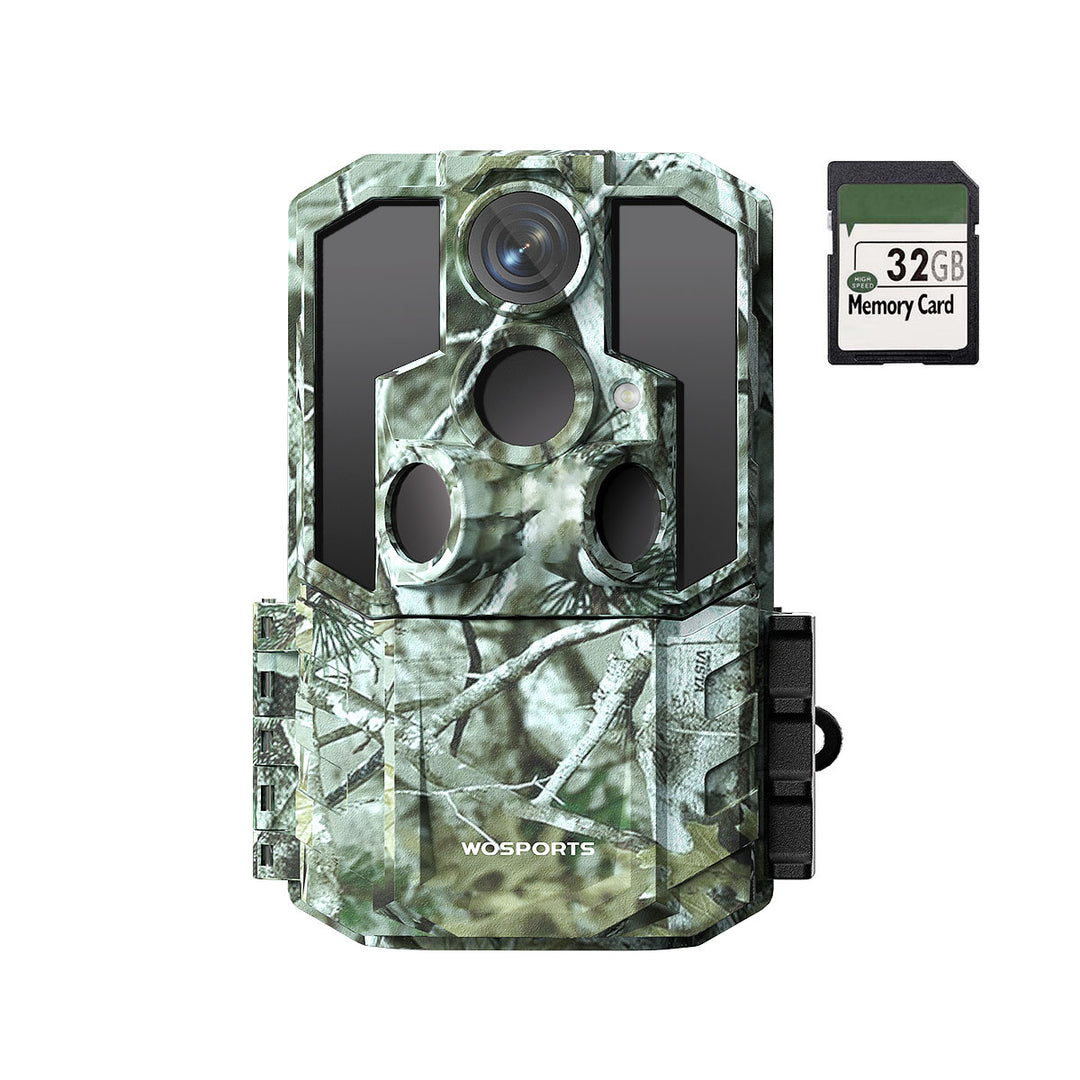
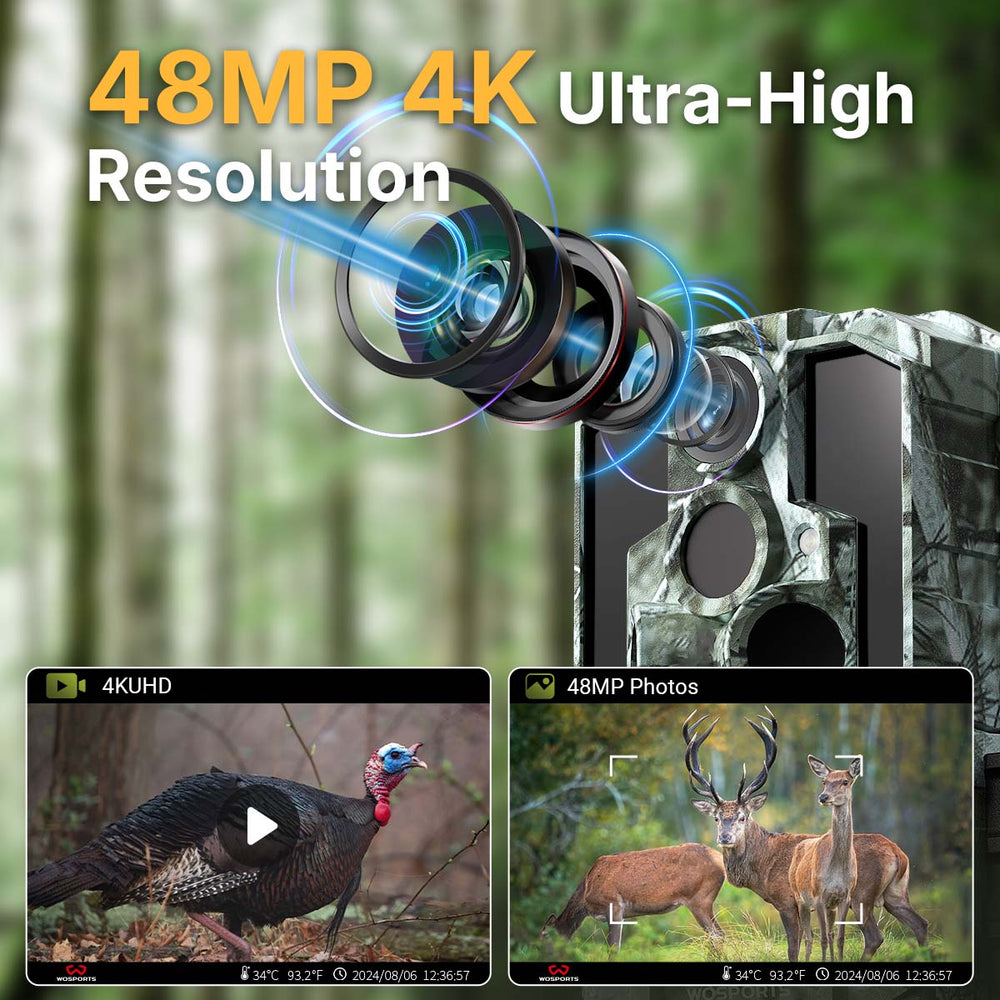
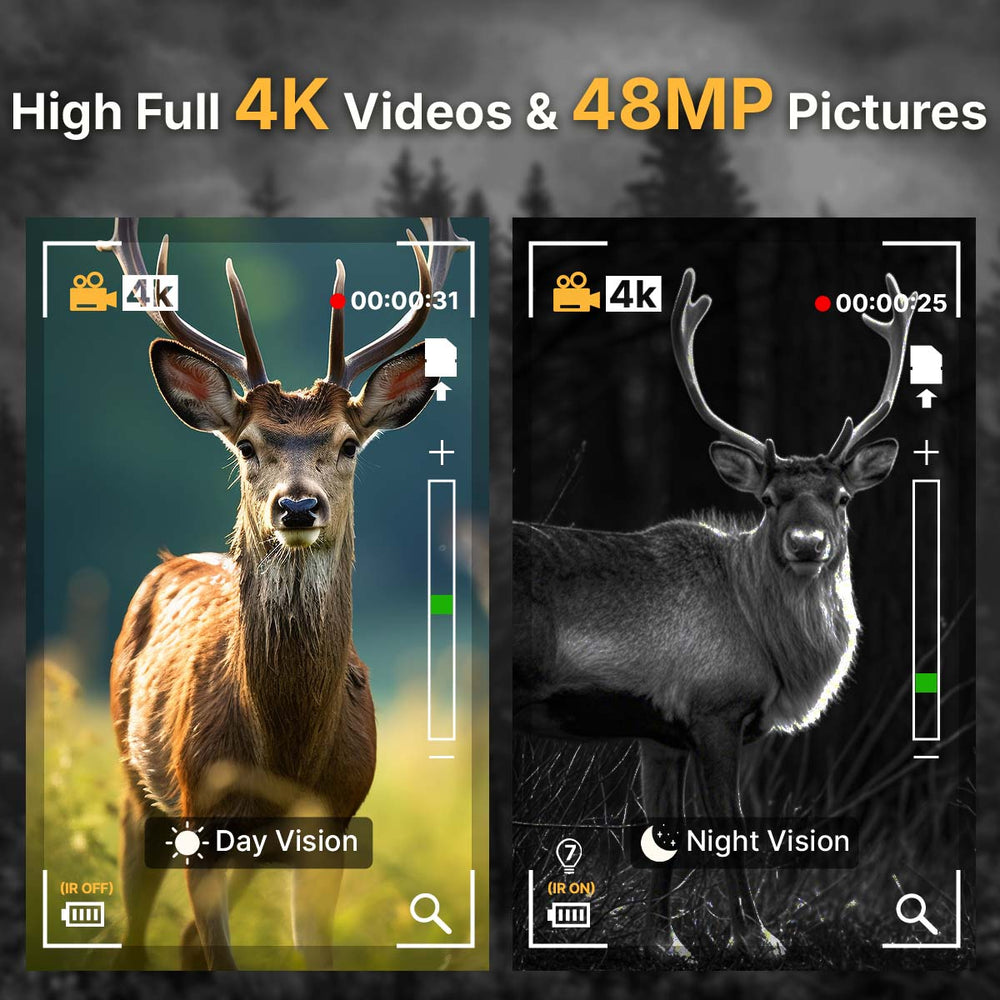
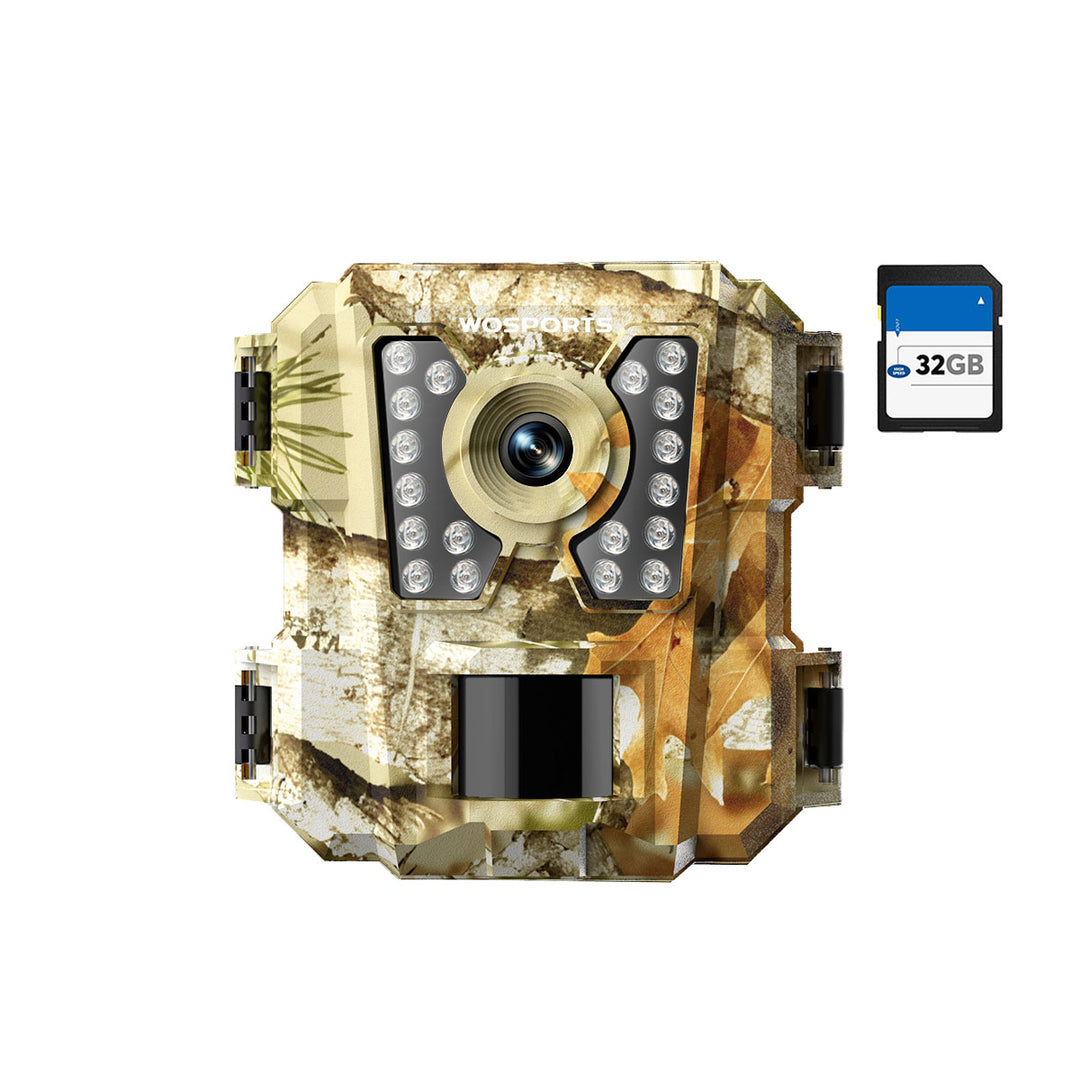
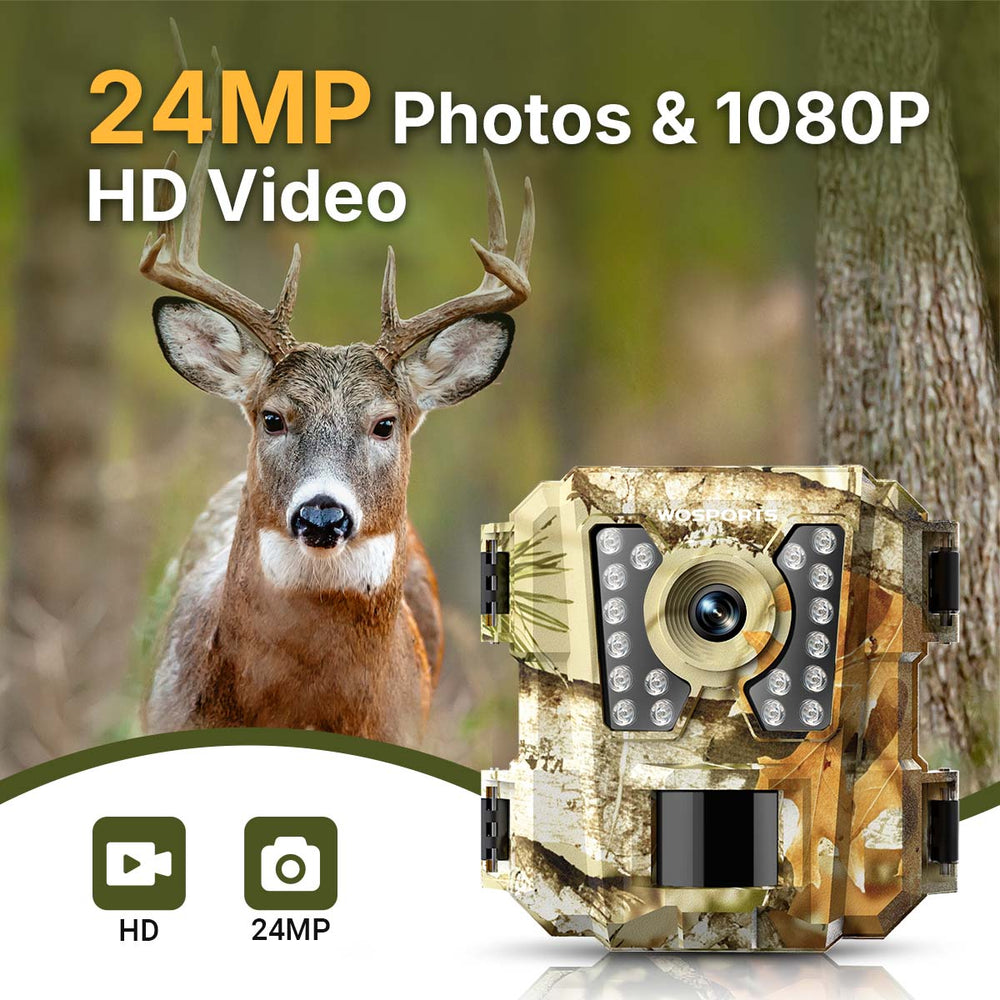
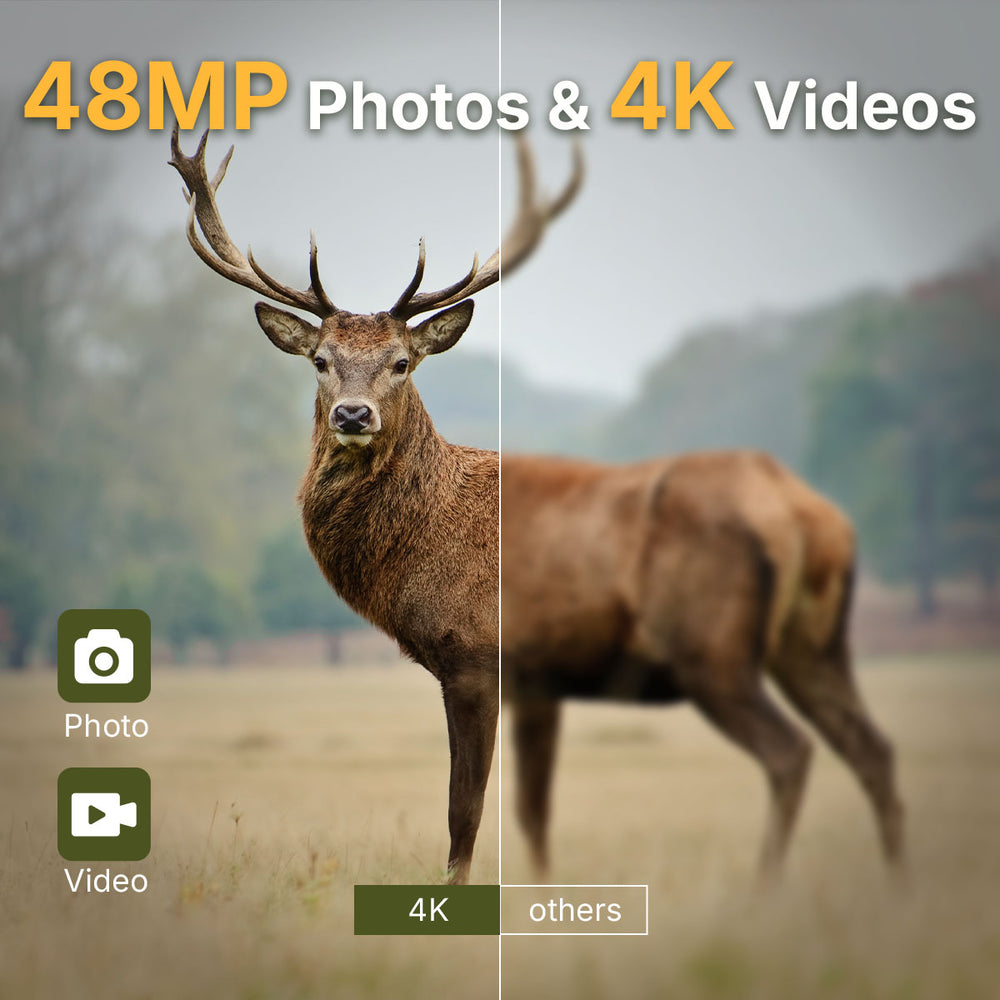
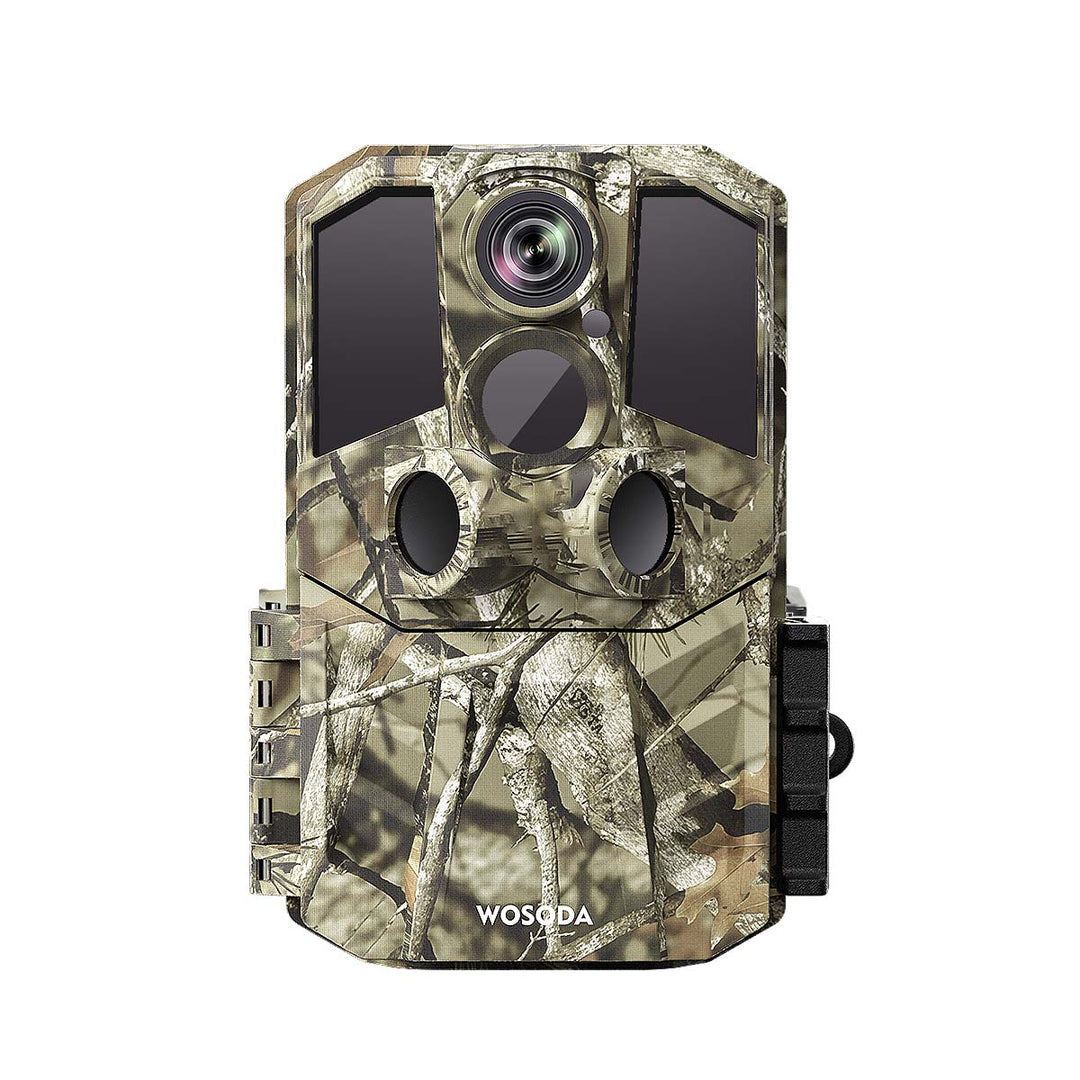
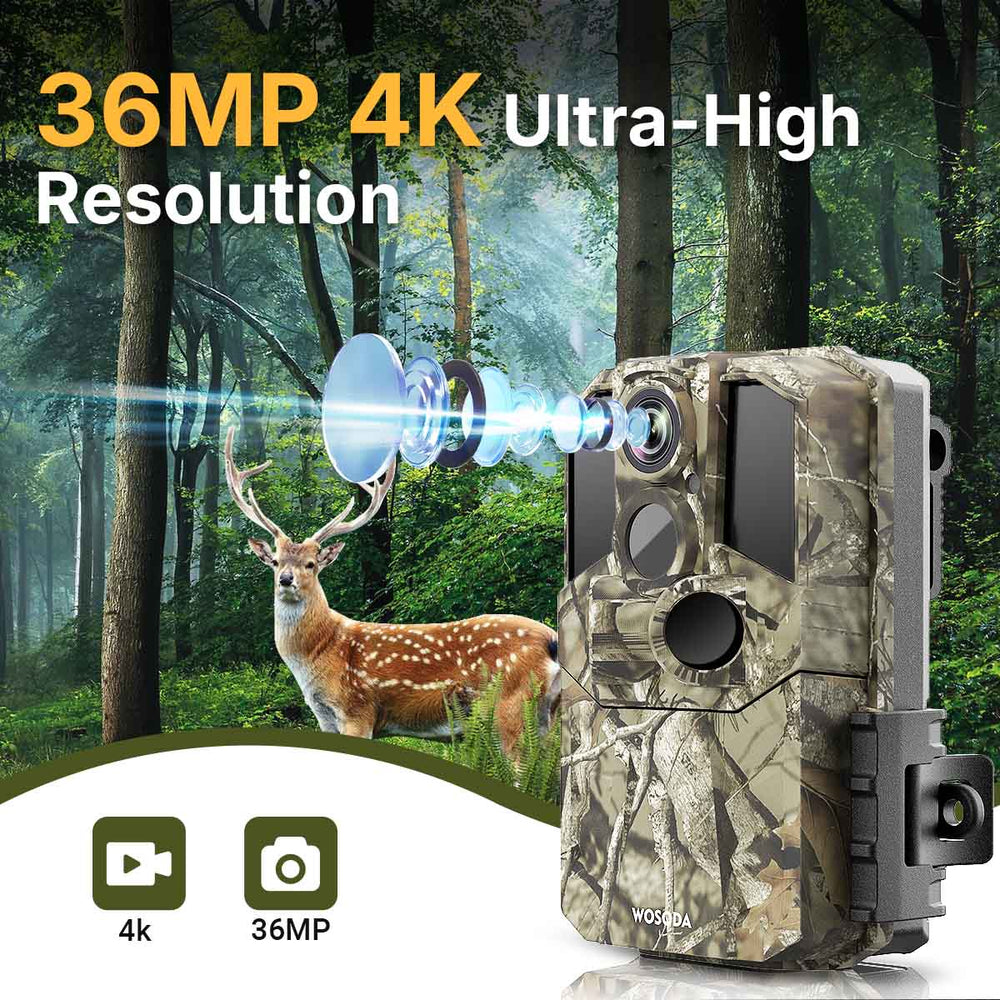
The WOSPORTS G600 trail camera is designed for local outdoor recording rather than continuous remote security surveillance. It captures up to 48MP photos and 4K video, with a 120° wide-angle lens and up to 70 ft PIR detection distance.
Its built-in screen allows users to review footage at the camera, while SD card storage keeps recordings local. It is a suitable option for customers who want to observe wildlife or outdoor activity without paying for cellular data.
For retailers, this is an important distinction: sell the G600 for what it is designed to do, not as a substitute for a live security camera.
FAQ: Trail Cameras vs. Security Cameras
Can a trail camera monitor a property?
Yes. It can record outdoor activity around trails, land boundaries, and remote structures. However, its capabilities may differ from a dedicated security system.
Can a trail camera replace a home security camera?
Not in every situation. Customers who need live feeds, continuous recording, or instant alerts should consider a security camera system.
Can one customer use both types?
Absolutely. A security camera can cover a building, while a trail camera records wildlife or activity in more remote areas.
A Practical Tip for Small Retailers
Rather than asking customers which camera has more features, ask what they want to monitor, where the camera will be installed, and whether they need remote access. This simple conversation makes camera selection easier and reduces the risk of customers buying the wrong product.
Search
Popular Posts
Recent Posts


Nov 28, 2024
Troubleshooting Common Trail Camera Issues
Jan 10, 2025
Why Does My Trail Camera Stop Working at Night?