What Should Customers Know Before Buying a Trail Camera Without Cellular Service?
A non-cellular trail camera is a practical choice for wildlife monitoring in remote areas where mobile coverage is weak or unavailable. Instead of transmitting images over a cellular network, it saves photos and videos to an SD card for later viewing. For retailers and small wholesalers, understanding this difference helps set clear customer expectations and identify buyers who value simple, local storage over remote access.
How Does a Non-Cellular Trail Camera Work?
A non-cellular trail camera uses motion detection to capture images or videos and stores the files on an SD card. Customers typically retrieve the card or view footage directly on the camera if it has a built-in screen.
This design offers several advantages:
-
No cellular subscription or data plan is needed.
-
It can operate in areas without mobile coverage.
-
Customers retain physical control of their recordings.
-
Setup is generally straightforward once the camera is configured.
The University of California Agriculture and Natural Resources explains that cellular service is necessary when users want a trail camera to send images to a smartphone. Cameras with local viewing or storage offer another way to access footage.
Source: UC Agriculture and Natural Resources, Trail Cameras for Livestock Operations
https://ucanr.edu/sites/default/files/2019-06/305118.pdf
Who Should Choose an SD Card Trail Camera?
An SD card trail camera is suitable for customers who can visit the camera periodically and do not need instant notifications.
| Customer type | Why non-cellular may work |
|---|---|
| Wildlife enthusiasts | Review animal activity after collecting the SD card |
| Rural landowners | Monitor property without relying on mobile coverage |
| Farmers | Check livestock areas, trails, and remote locations |
| Hunting retailers' customers | Observe wildlife patterns without recurring data costs |
However, customers who need real-time alerts or frequent remote image access should consider a cellular model instead.
What Should Customers Check Before Buying?
Retailers should explain the practical requirements before recommending a non-cellular camera:
-
SD card compatibility: Check supported card capacity and format.
-
Battery life: Consider how often the camera will be visited.
-
Detection range: Match the camera's detection area to the monitoring location.
-
Night performance: Review actual infrared footage, not just advertised resolution.
-
Weather resistance: Choose a model suited to outdoor conditions.
-
Retrieval frequency: Make sure customers can access the camera regularly.
Oregon State University Extension notes that detection range, camera placement, and image detail all affect the results of wildlife monitoring. A camera's advertised range alone does not guarantee useful images.
Source: Oregon State University Extension, Wildlife Cameras: A Snapshot of What You Need to Know
https://extension.oregonstate.edu/forests/health-managment/wildlife-cameras-snapshot-what-you-need-know
Where Does the WOSPORTS G600 Fit?
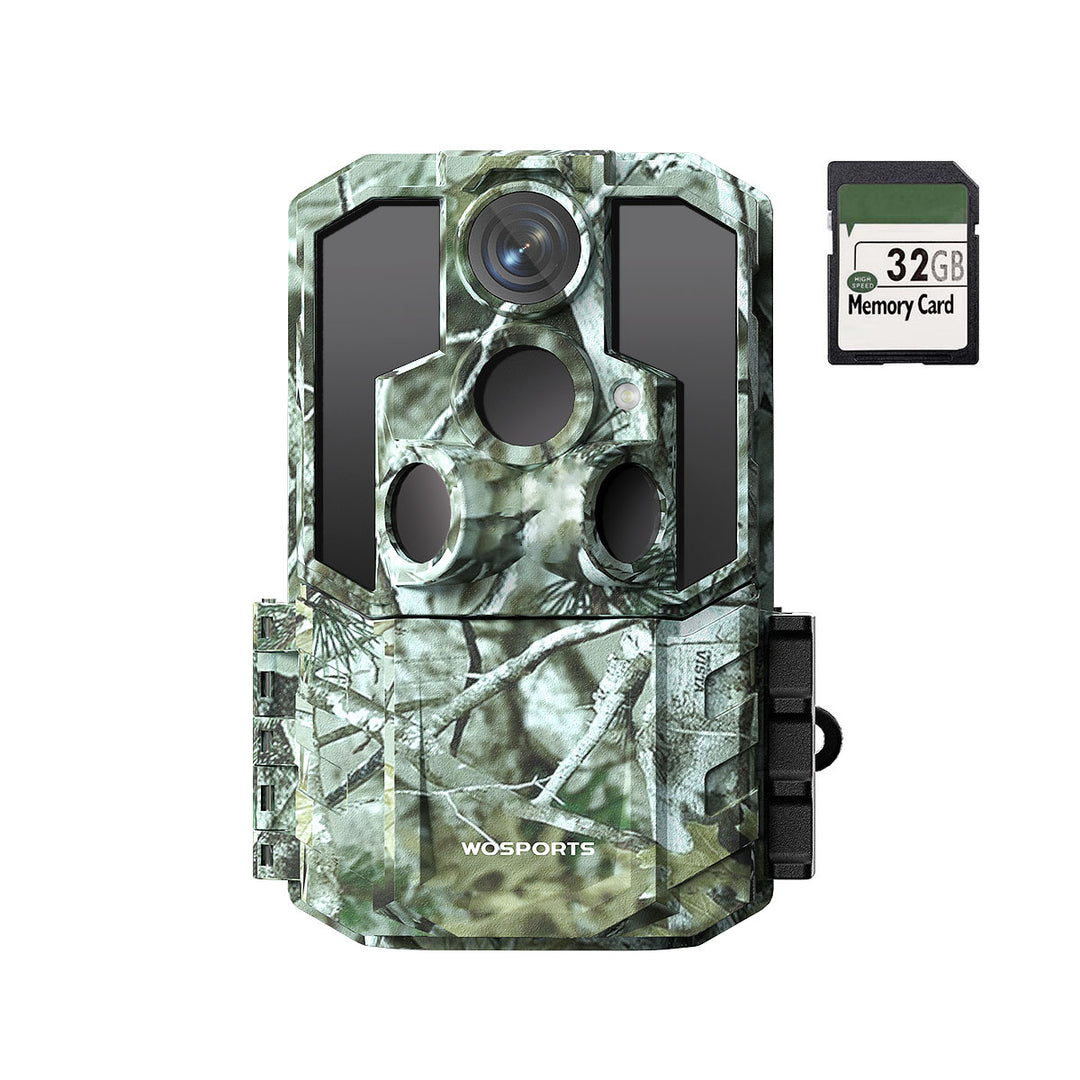
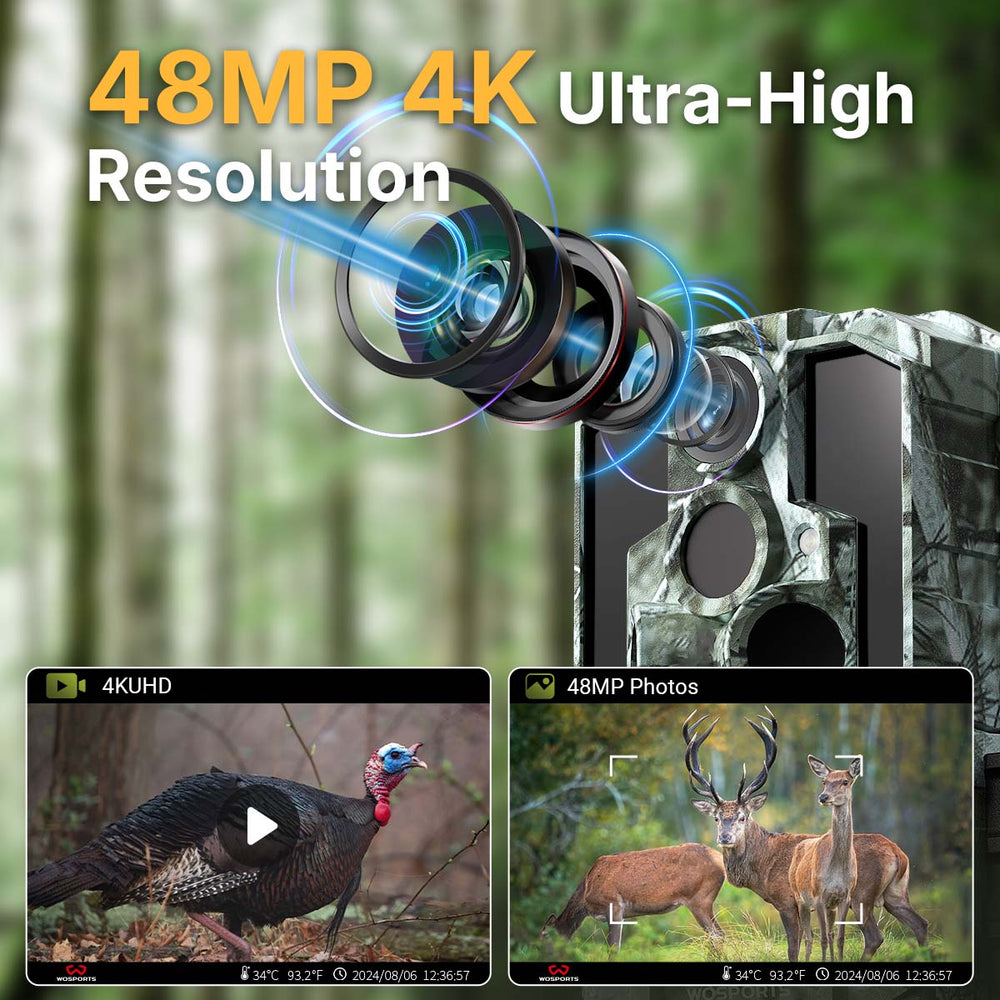
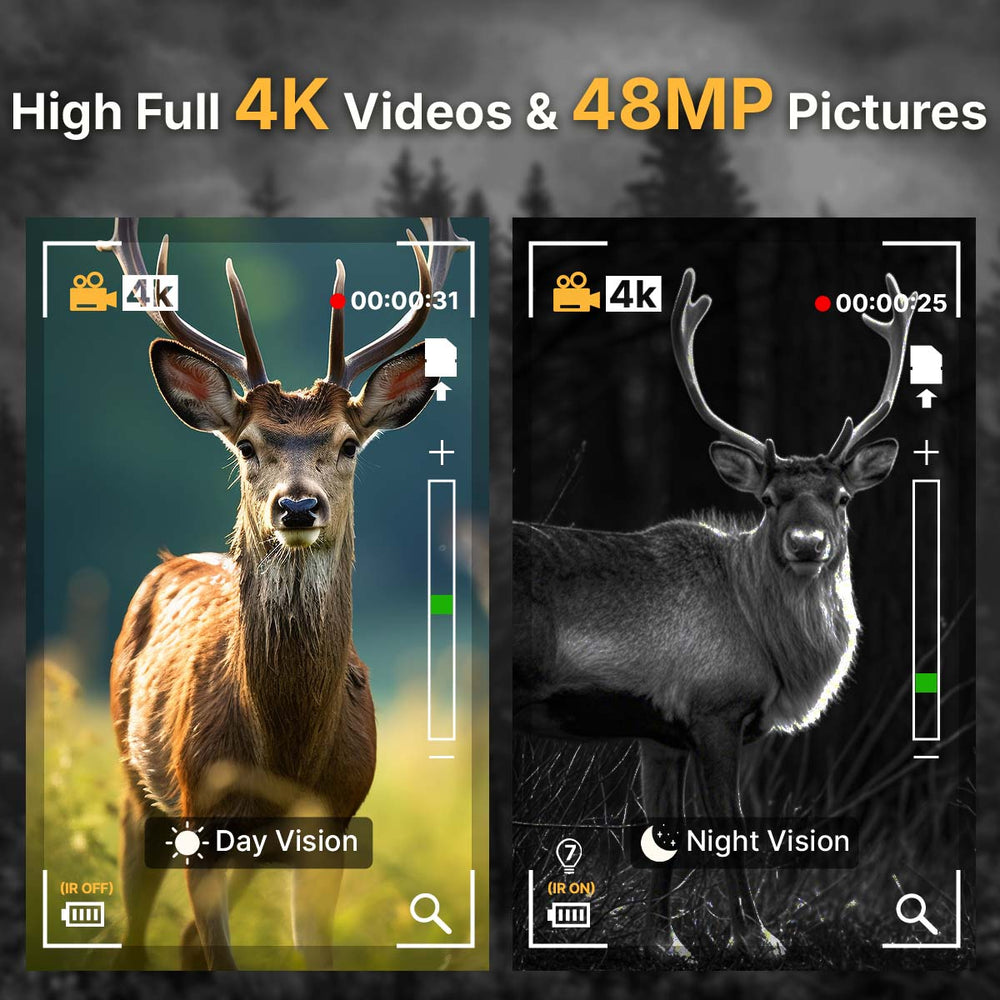
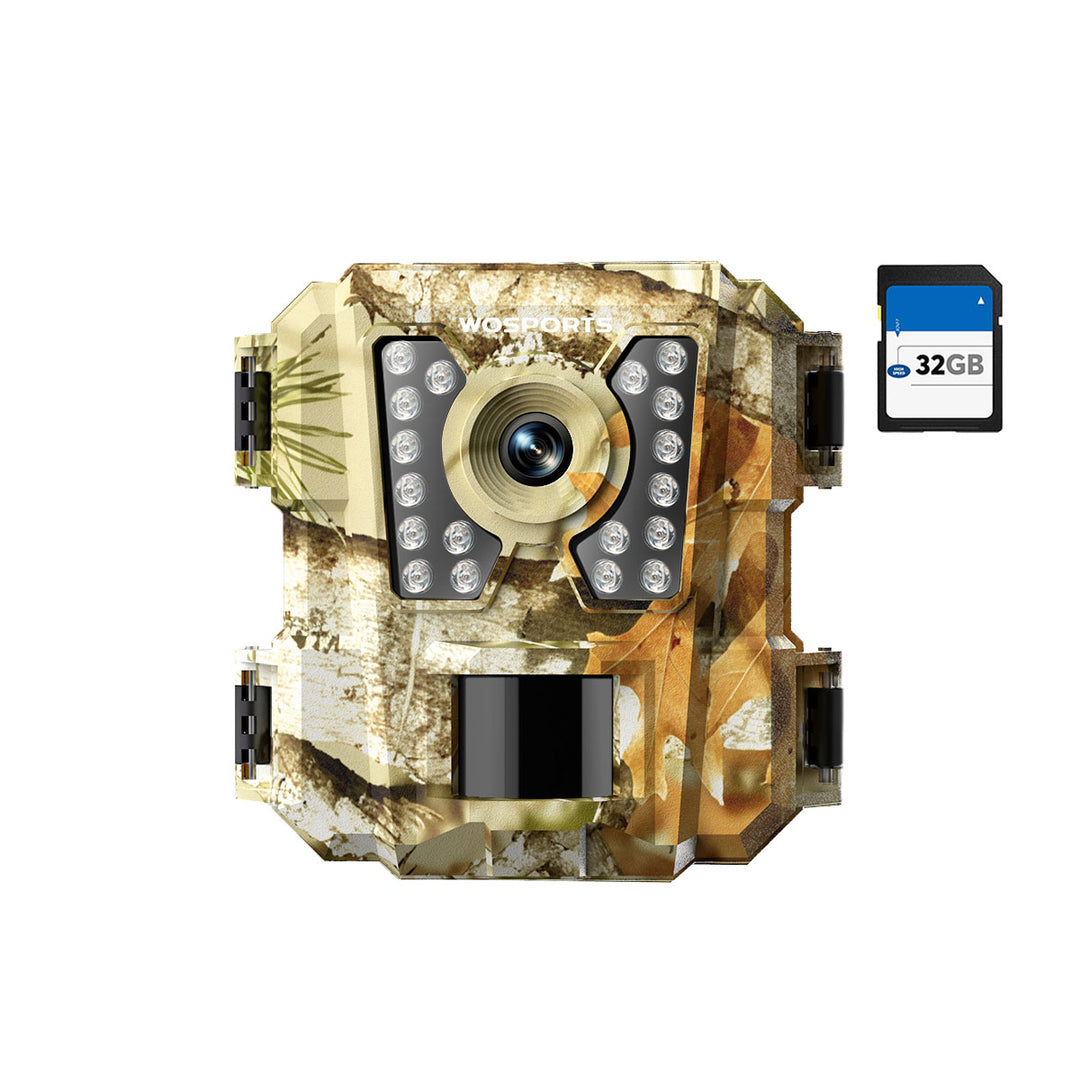
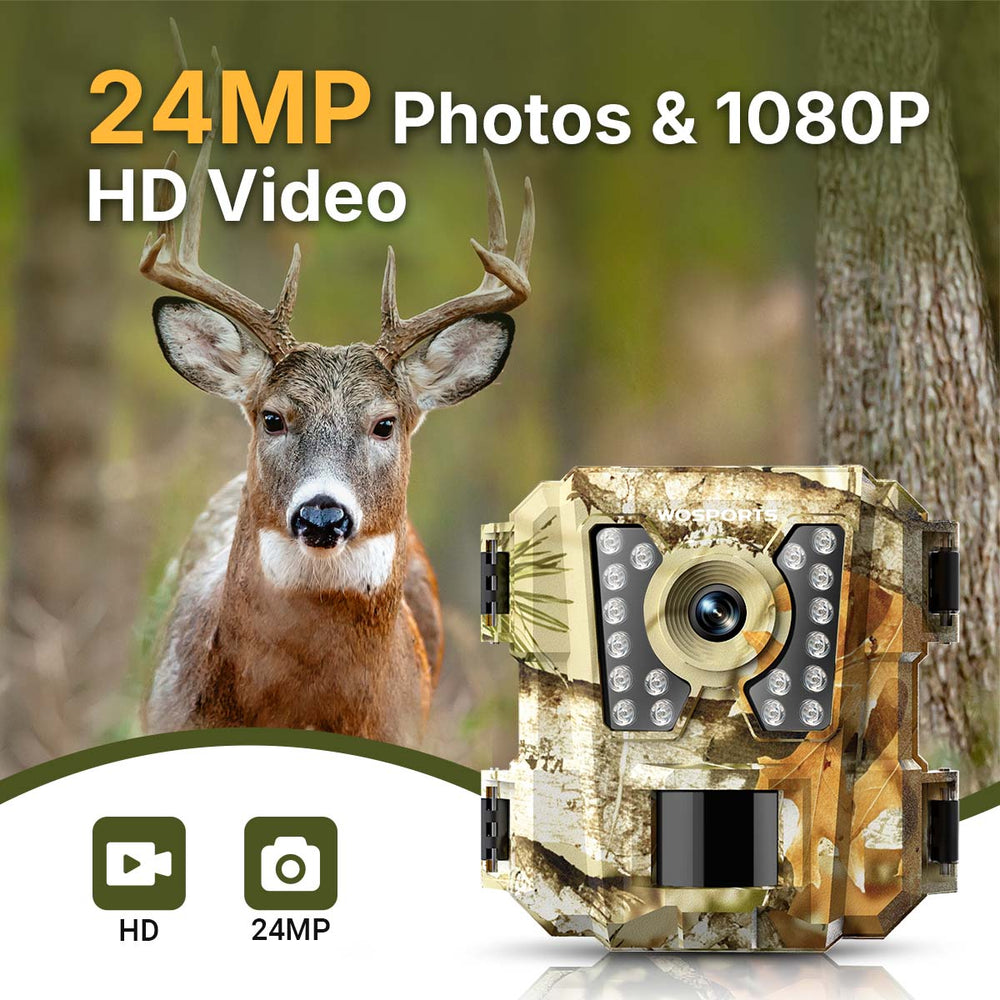
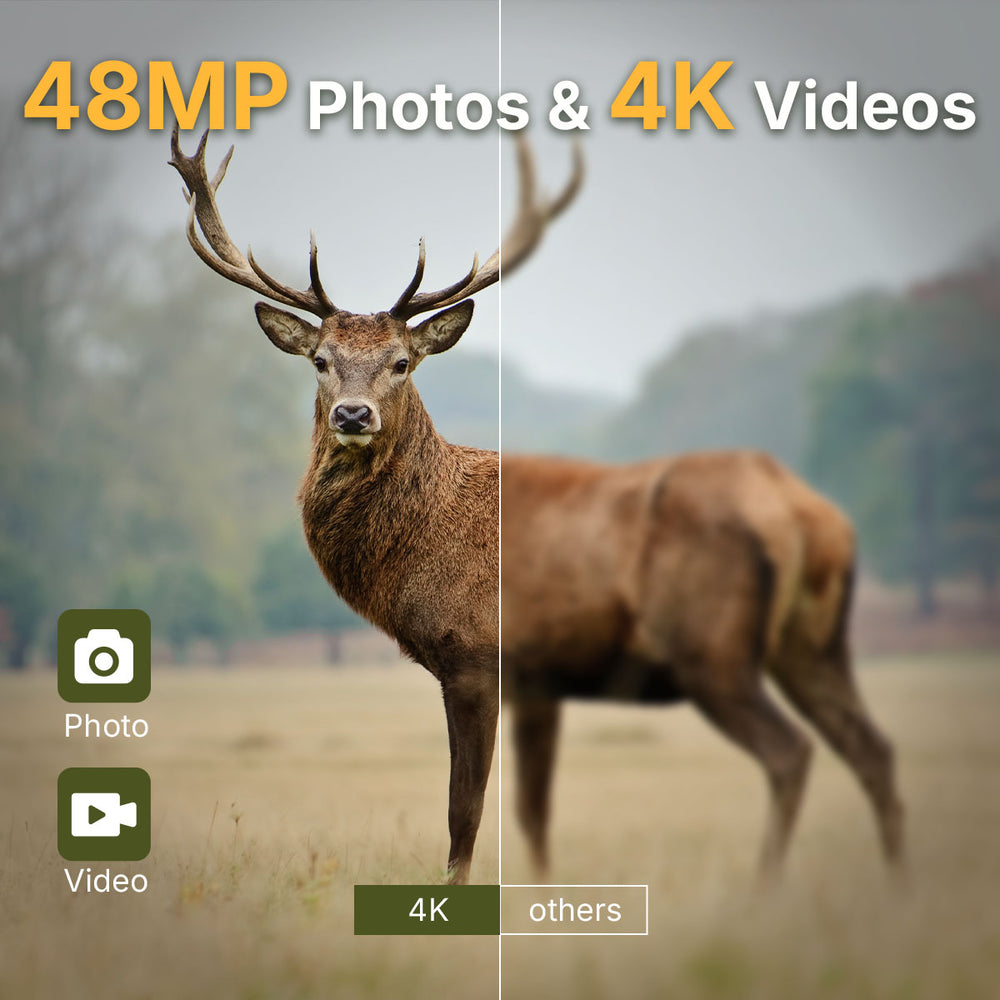
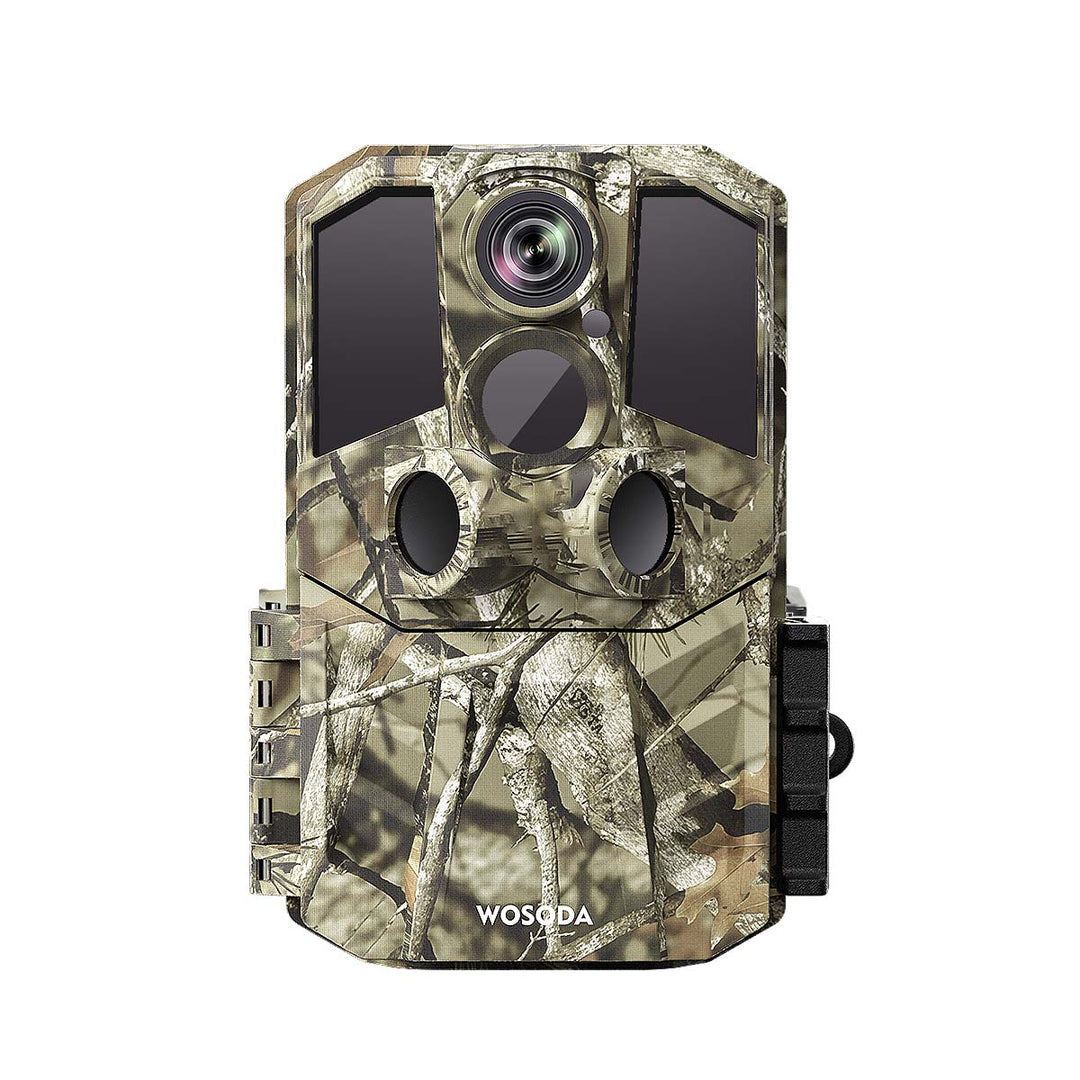
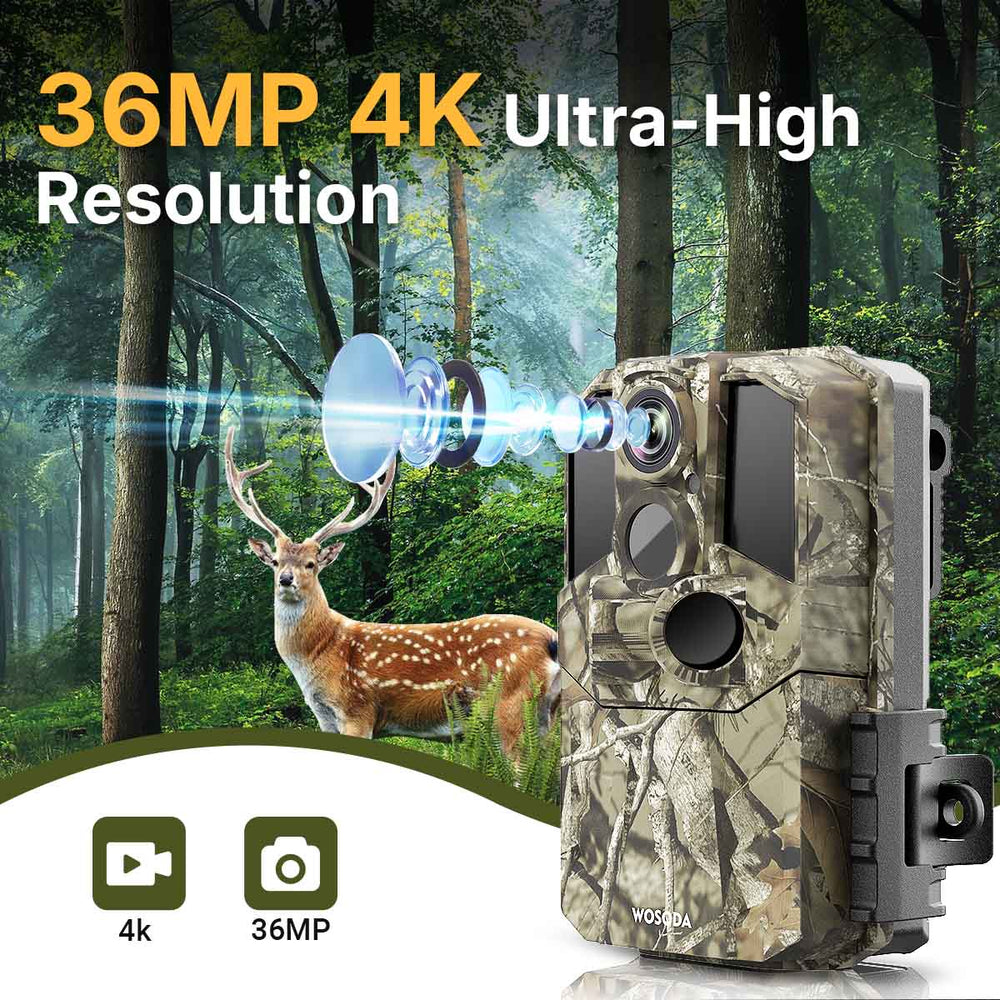
The WOSPORTS G600 trail camera is a non-cellular option for customers who prefer local SD card storage. It offers up to 48MP photos, 4K video, a 120° wide-angle lens, up to 70 ft PIR detection distance, and a built-in 2-inch TFT LCD screen.
It does not provide cellular transmission, Wi-Fi, or Bluetooth image transfer. Retailers should make this clear so buyers understand that footage is retrieved locally.
WOSPORTS has also published feedback from a customer, David M. in Michigan, who reported using 20 G600 cameras to monitor deer activity across his land for several months. This is an individual customer testimonial, not an independent performance test.
FAQ: Non-Cellular Trail Cameras
Can a non-cellular trail camera work without internet?
Yes. It can capture and save footage locally without internet access.
Can it send photos to a phone?
Not unless it has a separate supported wireless or cellular feature. The G600 uses local storage.
Is an SD card trail camera suitable for remote areas?
Yes, provided customers can retrieve the camera or SD card periodically and maintain its batteries.
What This Means for Small Wholesalers
Non-cellular trail cameras serve a clear customer segment: buyers who prioritize simple operation, local storage, and independence from mobile coverage. For small wholesalers, stocking this category alongside cellular models can address different budgets and monitoring needs without confusing customers about connectivity.
Search
Popular Posts
Recent Posts


Nov 28, 2024
Troubleshooting Common Trail Camera Issues
Jan 10, 2025
Why Does My Trail Camera Stop Working at Night?