What Should Small Retailers Know About Trail Camera Returns and Warranty Support?
For small retailers, managing trail camera warranty questions and product returns starts before the sale. Clear product descriptions, realistic performance expectations, and accessible troubleshooting instructions can prevent avoidable misunderstandings. A consistent customer support process also helps retailers handle genuine product problems more efficiently and protect long-term customer relationships.
Why Do Trail Camera Returns Happen?
Not every return means a camera is defective. Some returns happen because customers misunderstand how a product works or expect features that are not included.
Common reasons include:
-
Incorrect SD card type or capacity.
-
Batteries installed incorrectly or with insufficient charge.
-
Camera placement that misses the intended detection area.
-
Confusion about night vision or detection distance.
-
Expectations of Wi-Fi or cellular connectivity on a non-cellular model.
-
Genuine hardware or manufacturing defects.
For retailers, the key is to distinguish between a setup issue, a compatibility issue, and a possible product fault.
What Should a Trail Camera Warranty Explain?
A useful warranty policy should clearly state what customers can expect and how to request support.
| Warranty information | What retailers should clarify |
|---|---|
| Coverage period | How long the warranty lasts |
| Covered problems | Which defects or failures qualify |
| Exclusions | Damage or conditions not covered |
| Proof of purchase | Whether a receipt or order number is required |
| Support process | How customers submit a claim |
| Available remedies | Repair, replacement, or refund under applicable terms |
For U.S. consumer sales, the Federal Trade Commission explains that written warranty terms generally must be available before purchase for covered consumer products costing more than $15. Retailers should make the relevant warranty information easy to find online or in-store.
Source: Federal Trade Commission, Businessperson's Guide to Federal Warranty Law
https://www.ftc.gov/business-guidance/resources/businesspersons-guide-federal-warranty-law
Retailers should also check applicable state laws and the specific terms supplied by the manufacturer. Wholesale and resale transactions may be treated differently under some warranty rules.
How Can Retailers Handle Product Returns More Efficiently?
A simple support workflow helps staff collect useful information without making customers repeat themselves.
Recommended troubleshooting process:
-
Ask the customer to describe the problem and when it started.
-
Confirm the camera model and purchase date.
-
Check battery condition, SD card compatibility, and basic settings.
-
Ask for a photo or short video if it helps identify the issue.
-
Compare the symptoms with the product manual.
-
Escalate suspected hardware defects through the supplier's support process.
Retailers should not delay a valid warranty claim by repeatedly asking customers to perform unnecessary troubleshooting.
What Should Small Wholesalers Ask Suppliers Before Ordering?
Before adding a trail camera to wholesale inventory, buyers should understand the support arrangements behind the product.
Ask suppliers:
-
Is there a written warranty policy for the product?
-
Who handles customer support and warranty claims?
-
Are replacement units or parts available?
-
Are manuals and troubleshooting materials provided?
-
What information is required for a defect claim?
-
How are recurring product issues communicated to wholesale buyers?
A low purchase price may not be the best value if after-sales support is difficult to access.
G600 Example: Set Expectations Before the Sale
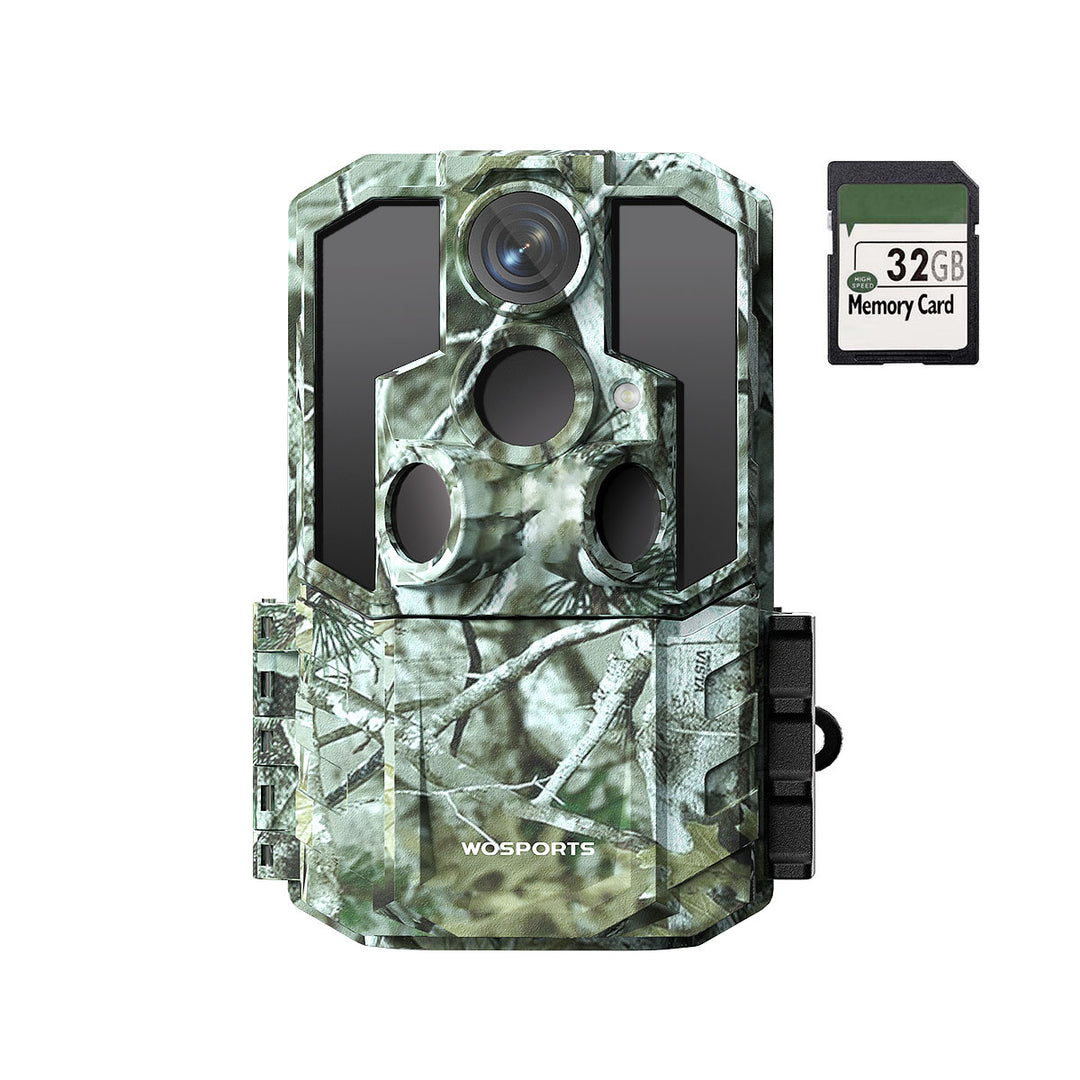
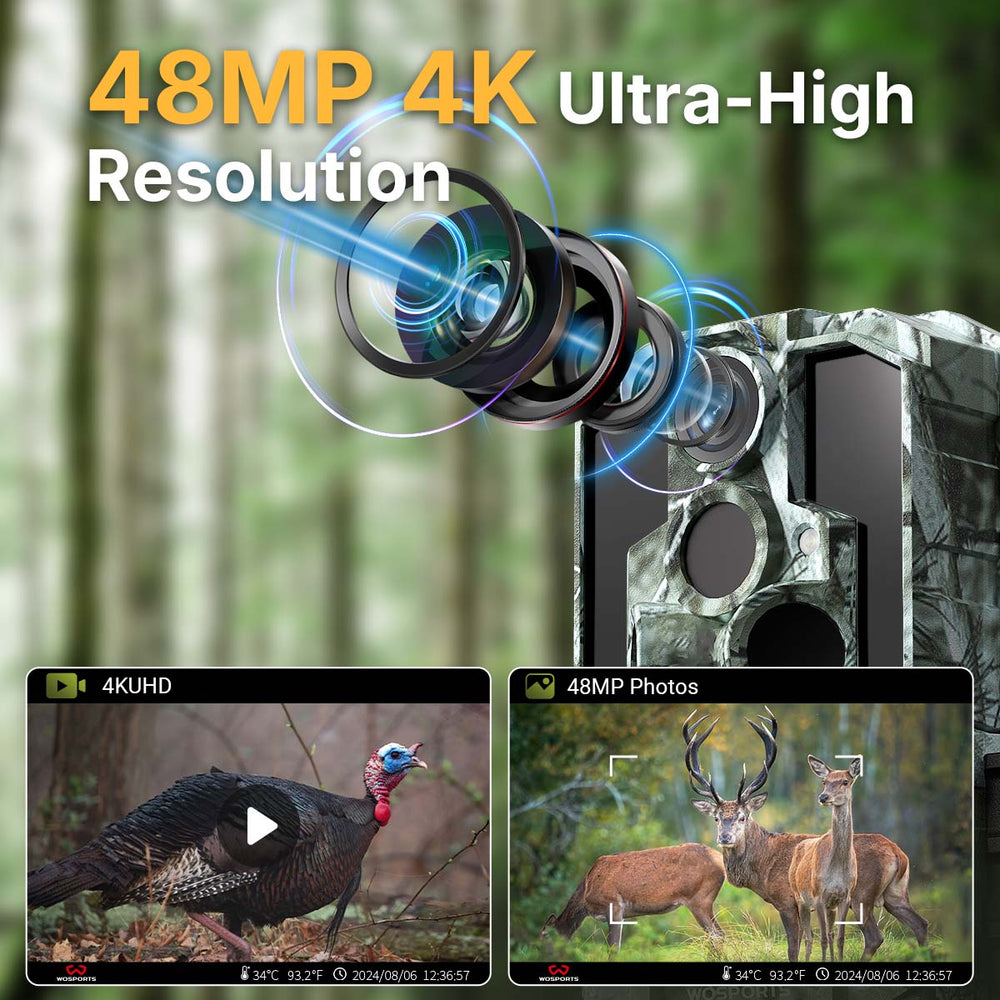
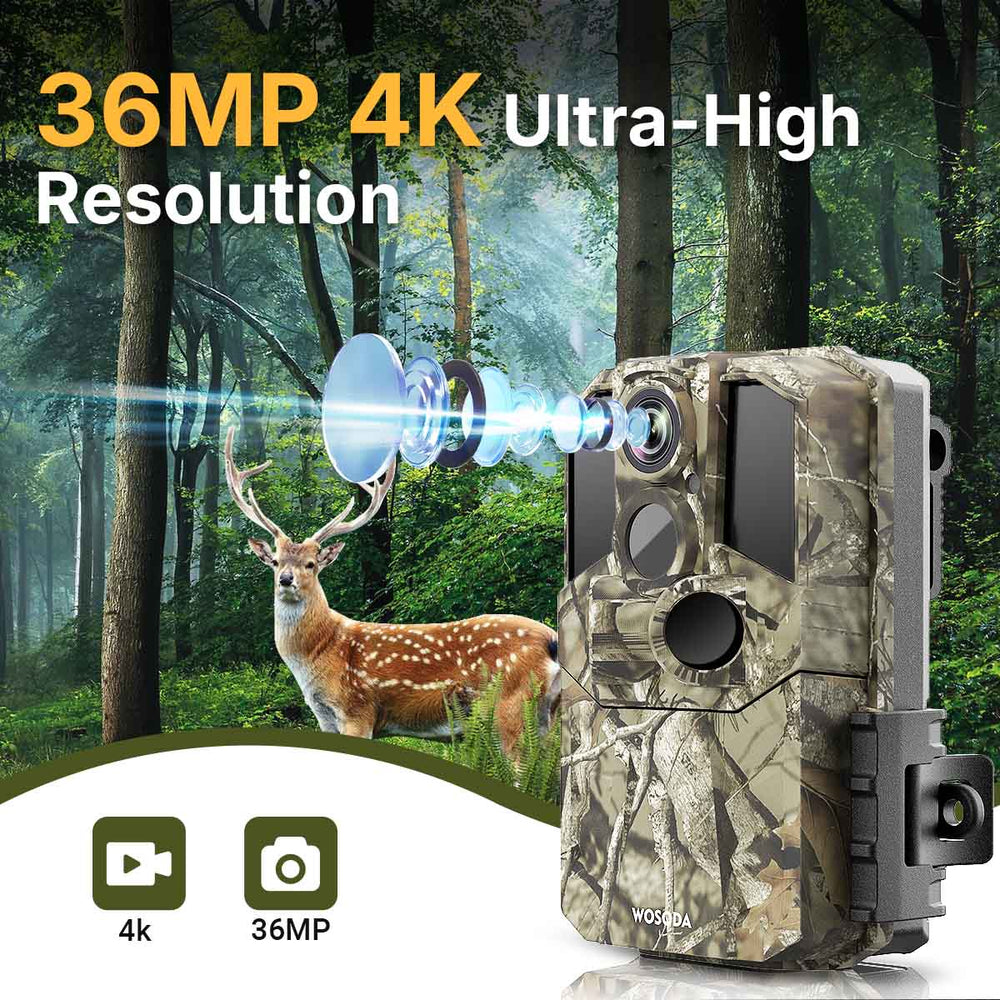
The WOSPORTS G600 trail camera offers up to 48MP photos, 4K video, a 120° wide-angle lens, and local SD card storage. It does not support Wi-Fi, Bluetooth, or cellular image transfer.
Retailers should explain these limitations clearly. For example, a customer expecting instant phone notifications may return the camera even when it is functioning as designed.
WOSPORTS has published a customer testimonial from David M. in Michigan, who reported using 20 G600 cameras to monitor deer activity across his property for several months. This is company-published customer feedback, not an independent durability study or a warranty guarantee.
FAQ: Returns and Warranty Support
Should retailers accept every return as a product defect?
No. First identify whether the issue involves setup, compatibility, expectations, or a genuine malfunction. Follow the applicable return policy and consumer protection rules.
What should customers keep for a warranty claim?
Customers should retain proof of purchase, the product model, and relevant photos or videos showing the issue.
Can better product information reduce returns?
Yes. Clear specifications, connectivity details, setup instructions, and warranty terms help customers understand what they are buying.
Final Advice for Wholesale Retailers
A reliable product support process is part of inventory planning, not an afterthought. Small wholesalers should evaluate supplier communication, warranty documentation, replacement procedures, and troubleshooting resources alongside product specifications and wholesale pricing.
Search
Popular Posts
Recent Posts


Nov 28, 2024
Troubleshooting Common Trail Camera Issues
Jan 10, 2025
Why Does My Trail Camera Stop Working at Night?