How Can Small Wholesalers Test a New Trail Camera Before Expanding Inventory?
Small wholesalers can reduce purchasing risk by conducting trail camera sample testing before placing a larger order. A sample should be evaluated under realistic conditions, including daylight, nighttime, motion detection, storage, and outdoor installation. This approach helps buyers assess whether a product meets customer expectations before committing more money to wholesale inventory.
Why Should Wholesalers Test a Sample First?
A product listing or specification sheet cannot show every detail of real-world performance. Sample testing allows buyers to check usability, image quality, consistency, and setup requirements firsthand.
For small wholesalers, the goal is not simply to confirm that the camera turns on. It is to determine whether the product is practical to sell, easy to explain, and suitable for the intended customer group.
What Should a Trail Camera Sample Test Cover?
A repeatable evaluation checklist makes it easier to compare different products.
| Test area | What to evaluate | Why it matters |
|---|---|---|
| Daytime images | Sharpness, exposure, and detail | Helps customers identify wildlife |
| Night images | Infrared clarity and useful distance | Important for nighttime monitoring |
| Trigger performance | Whether moving subjects are captured | Reduces missed activity |
| Detection coverage | Actual coverage in the intended area | Helps with camera placement |
| SD card storage | Recording and playback reliability | Prevents avoidable setup issues |
| Battery operation | Power consumption during testing | Affects maintenance frequency |
| Outdoor installation | Mounting stability and weather resistance | Matters for long-term outdoor use |
| Ease of use | Menu navigation and setup time | Helps beginner customers |
The Smithsonian's eMammal camera-trap training materials explain that slow trigger times can cause moving animals to pass through the frame before an image is captured. This is why wholesalers should test actual motion capture instead of relying only on advertised resolution.
Source: Smithsonian National Museum of Natural History, Camera Trap Recommendations
https://emammal.si.edu/training/camera-trap-training
How Can Buyers Make Testing More Reliable?
A useful sample test should use consistent conditions. Otherwise, differences in lighting, distance, or camera placement can make comparisons misleading.
A practical process:
-
Test all samples in the same outdoor location.
-
Photograph a fixed subject at several distances.
-
Record both daytime and nighttime results.
-
Walk across the detection area at a consistent pace.
-
Review stored images and videos on the camera or computer.
-
Repeat key tests to check consistency.
-
Record problems, setup time, and overall usability.
Our recommendation: Create a simple scorecard and rate each test area from 1 to 5. This is an internal purchasing tool, not a scientific performance rating. It helps small wholesalers compare products using the same criteria.
Example: Evaluating the WOSPORTS G600
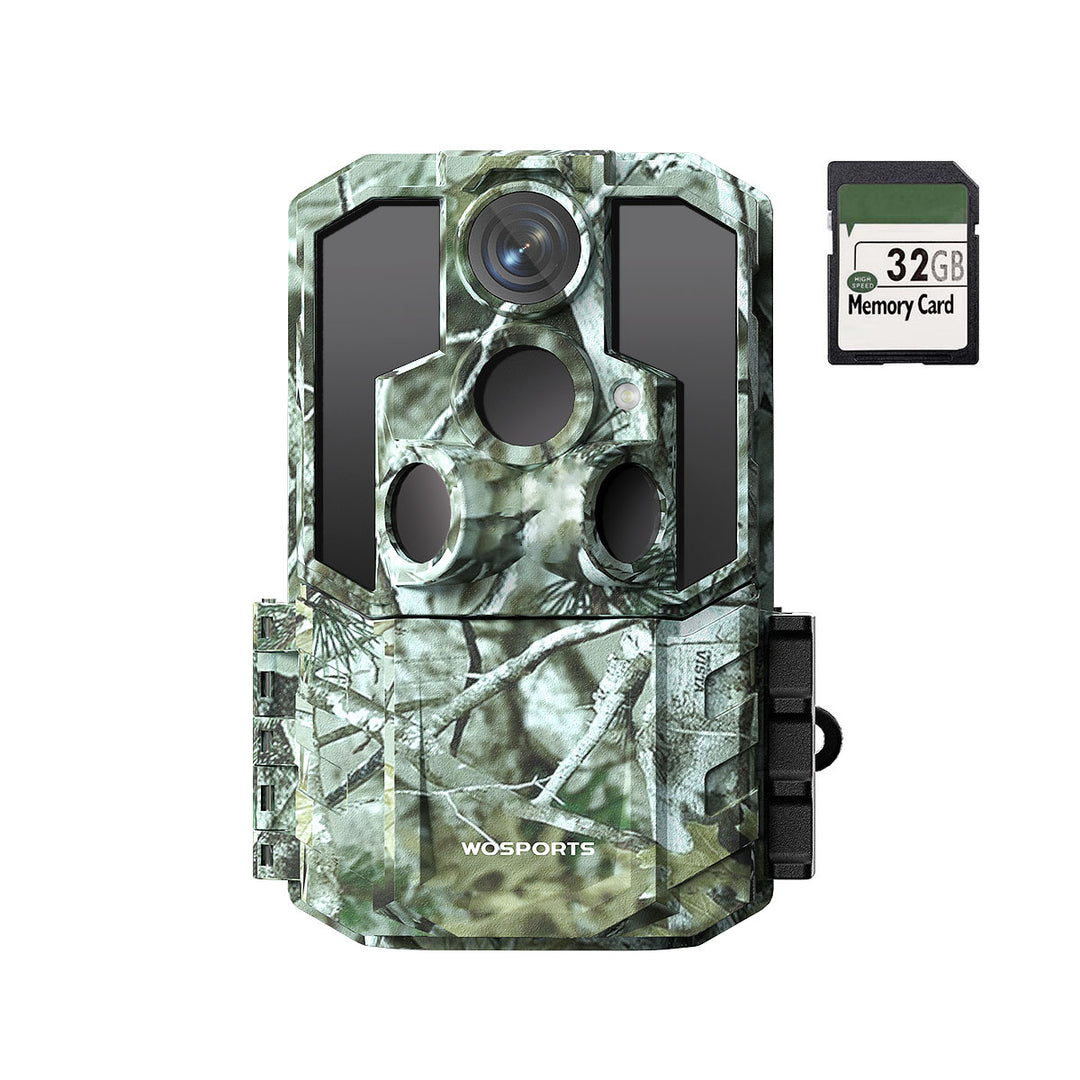
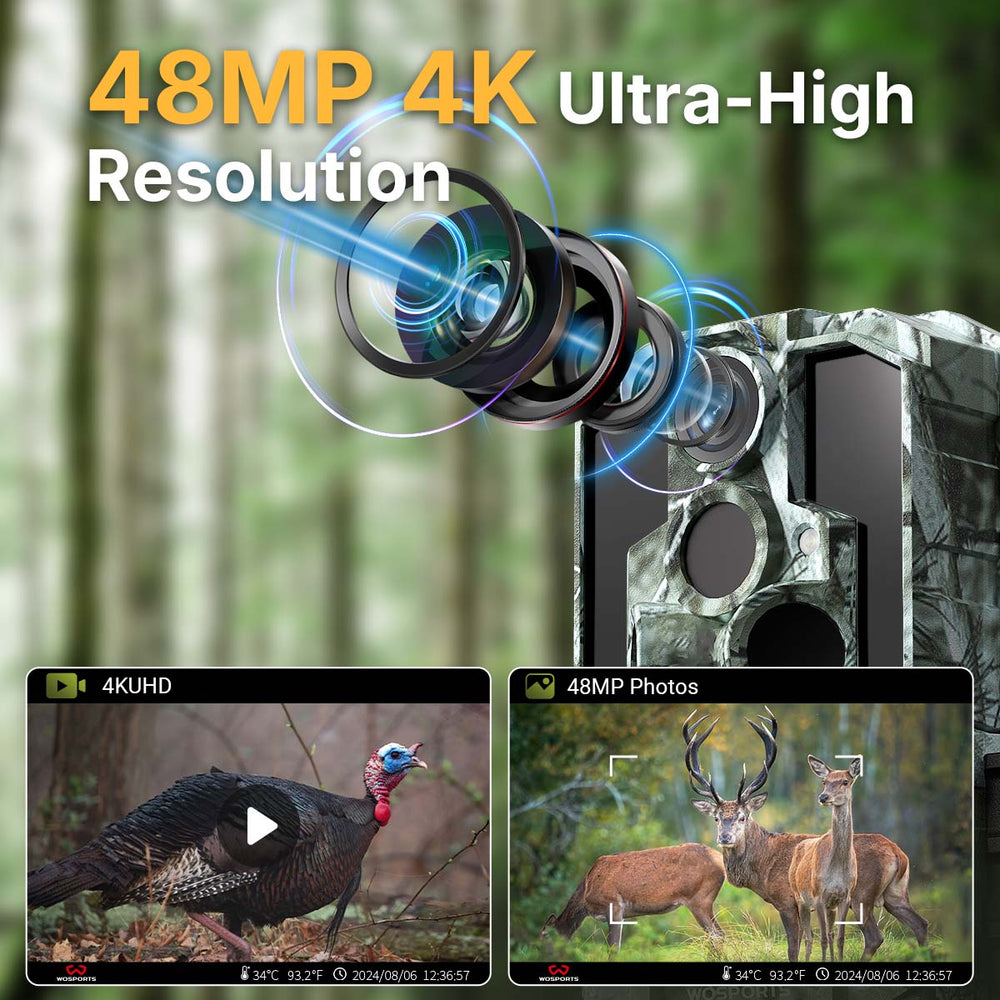
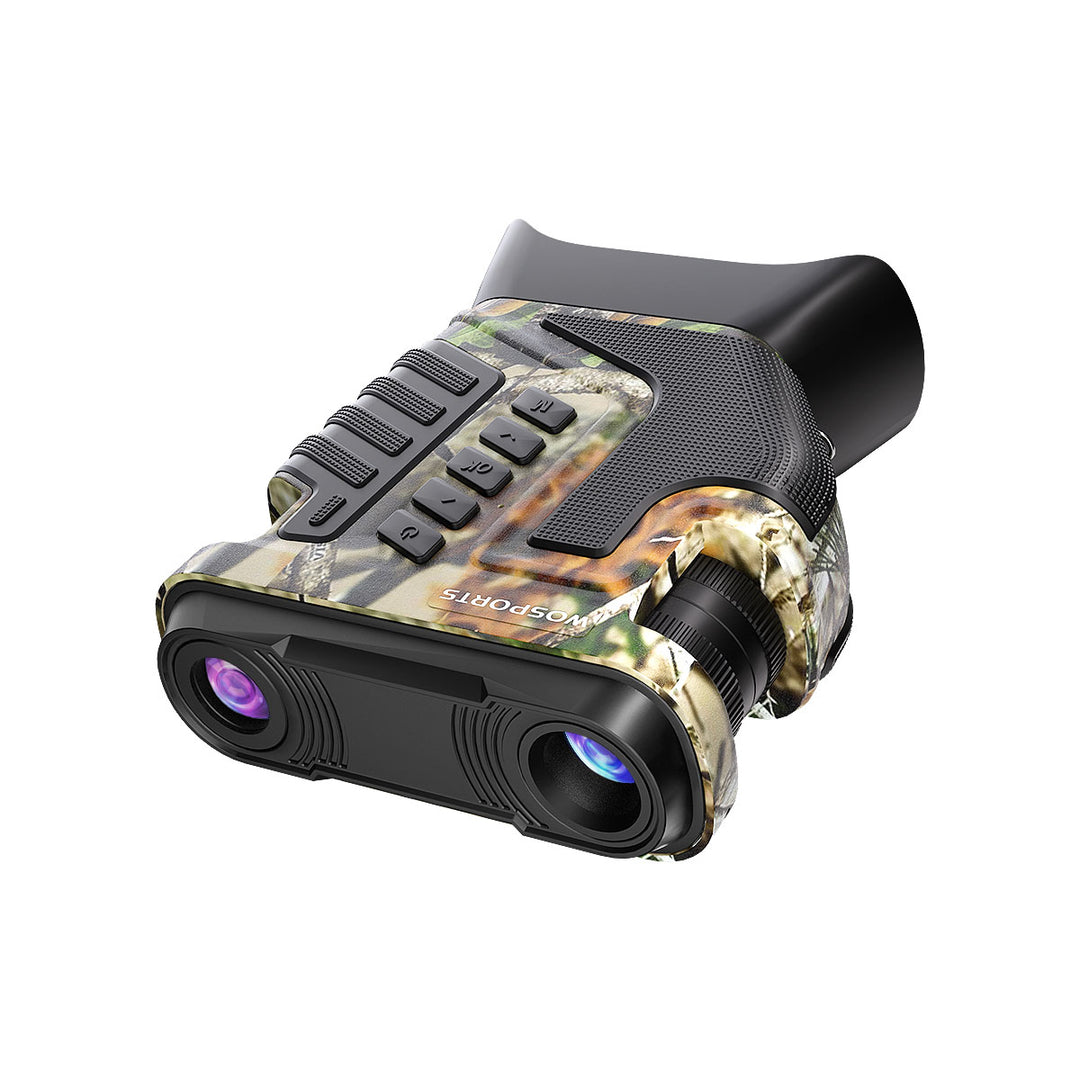
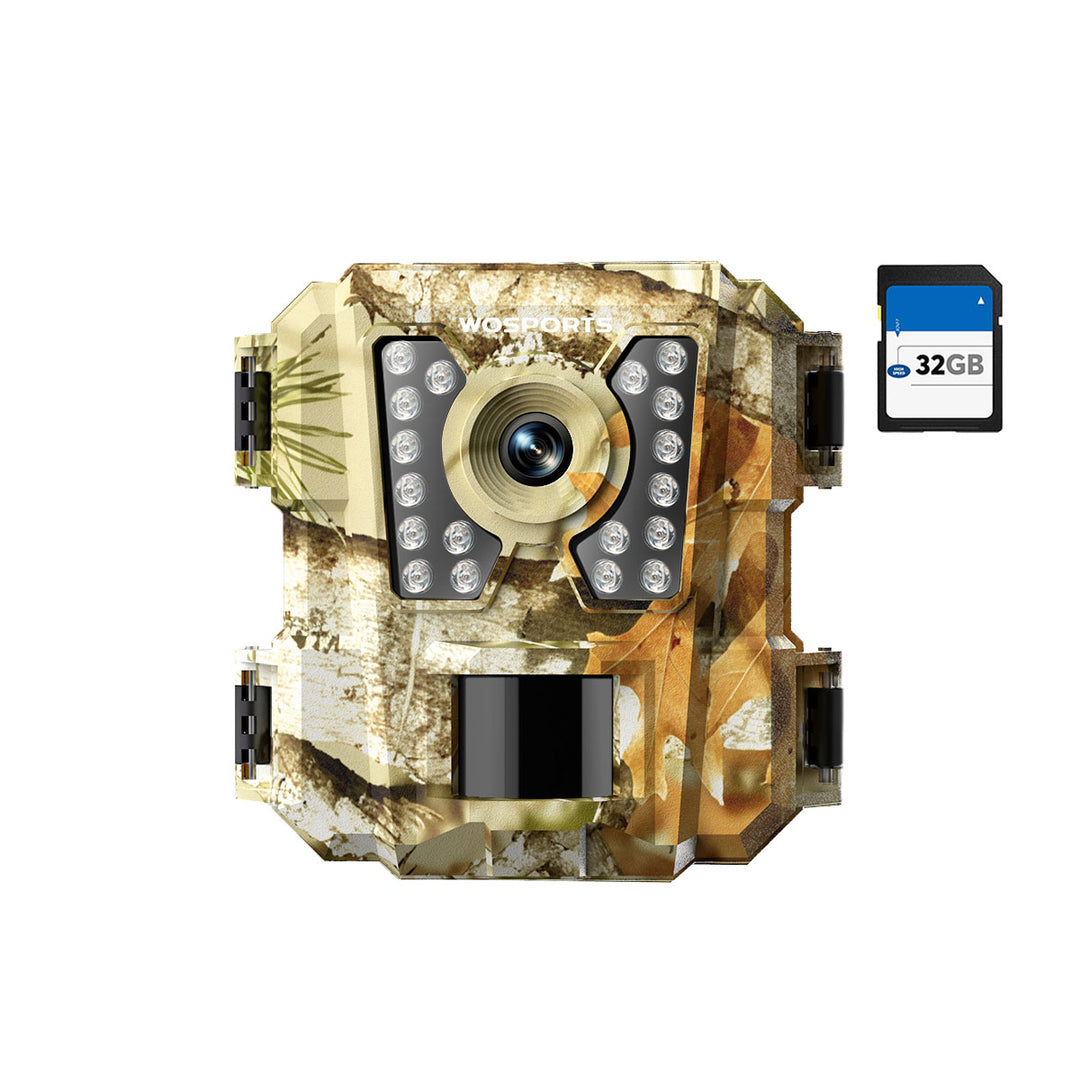
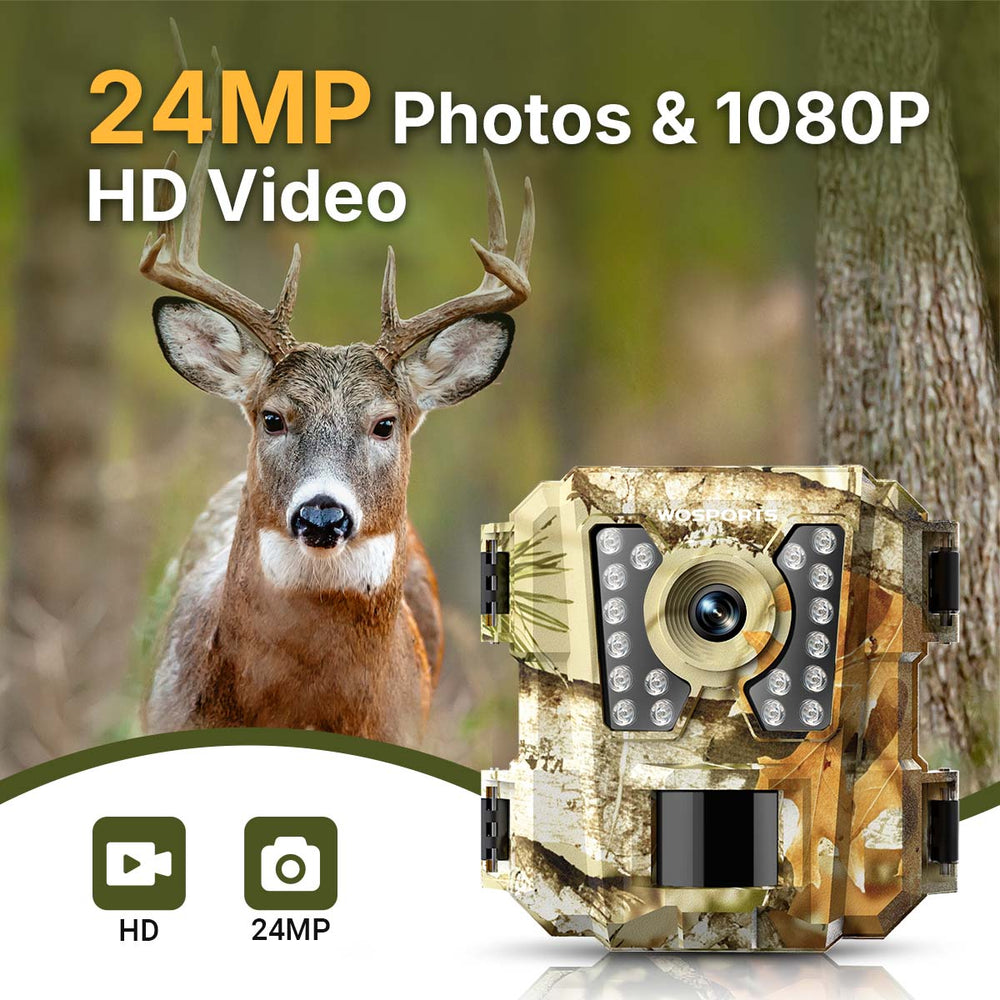
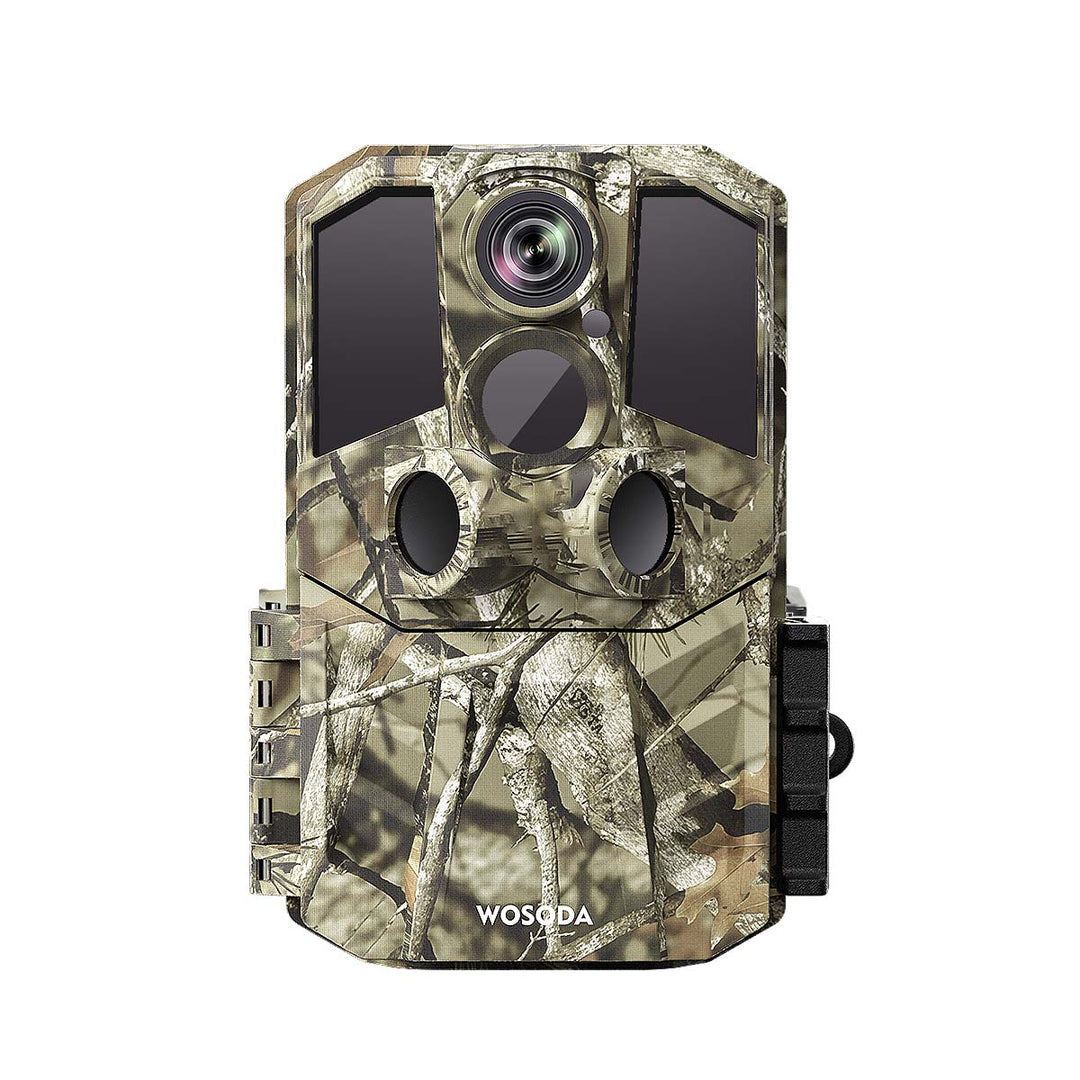
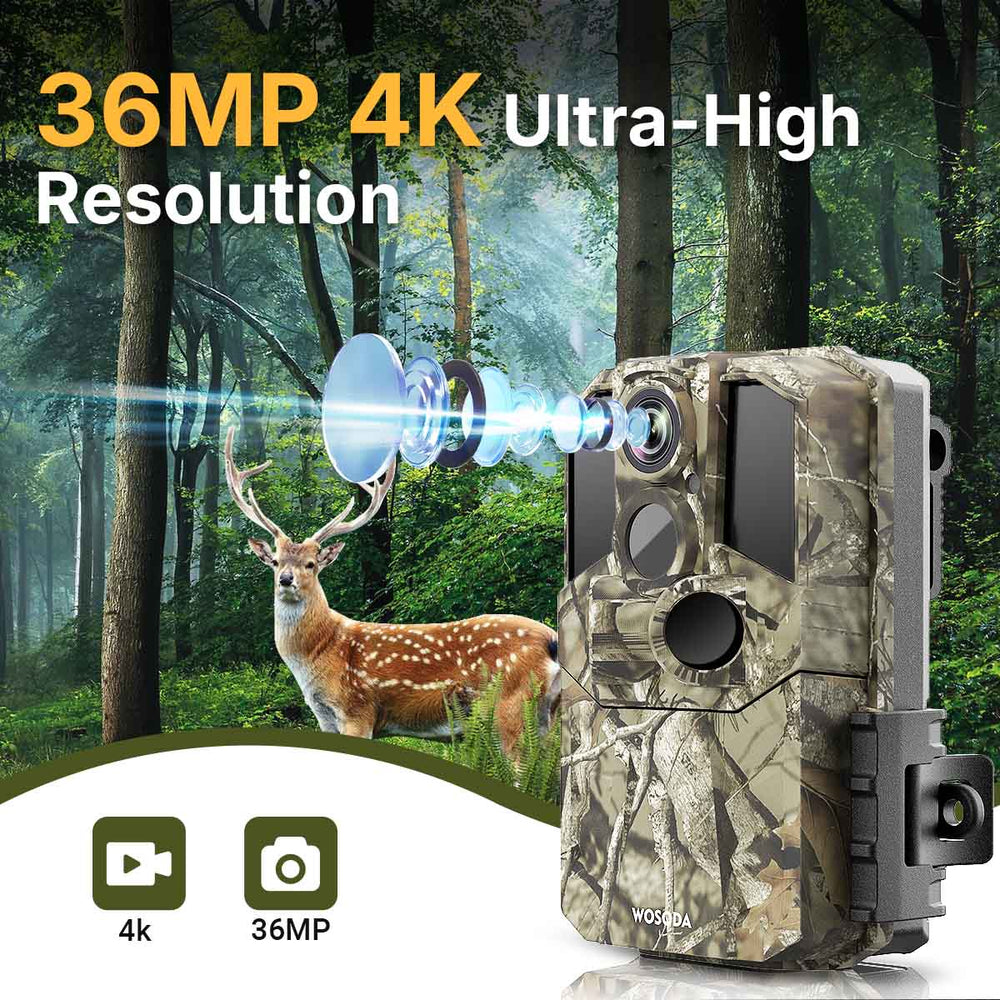
The WOSPORTS G600 trail camera can serve as a sample product for retailers evaluating a non-cellular outdoor camera. Its listed features include:
-
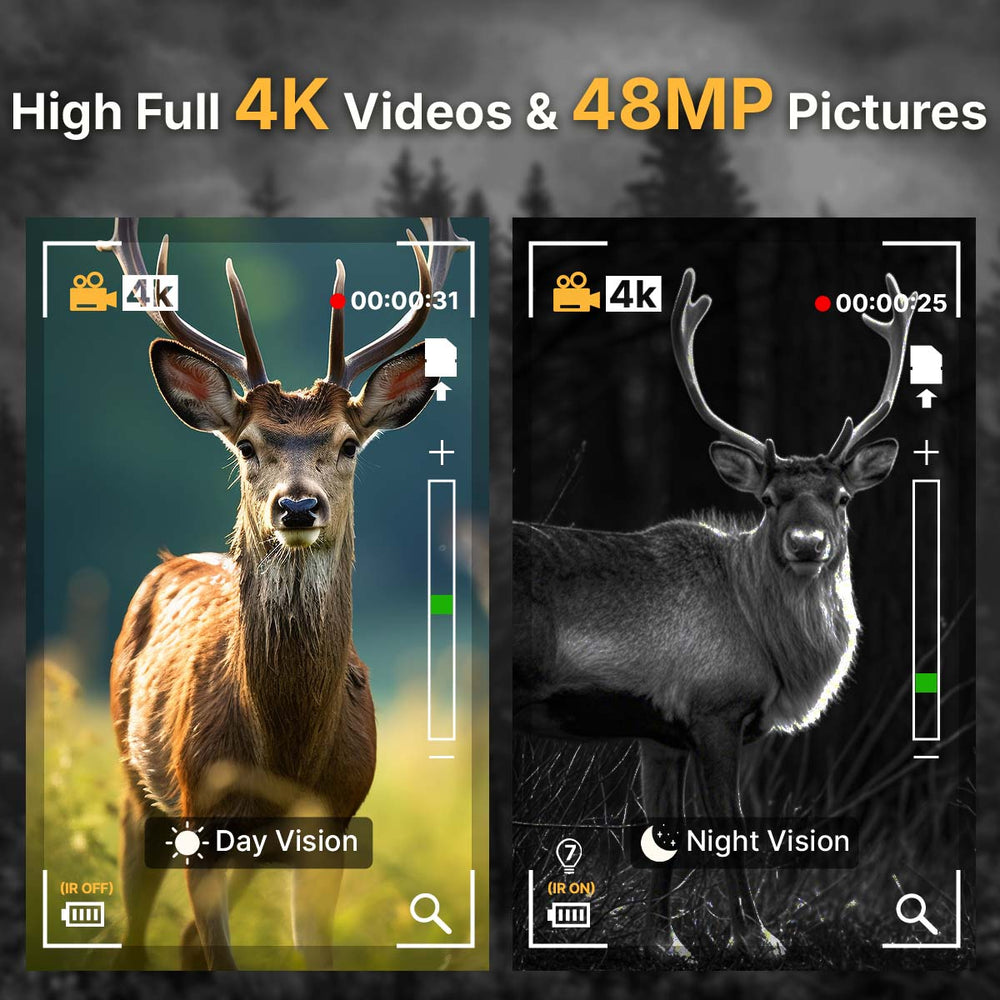
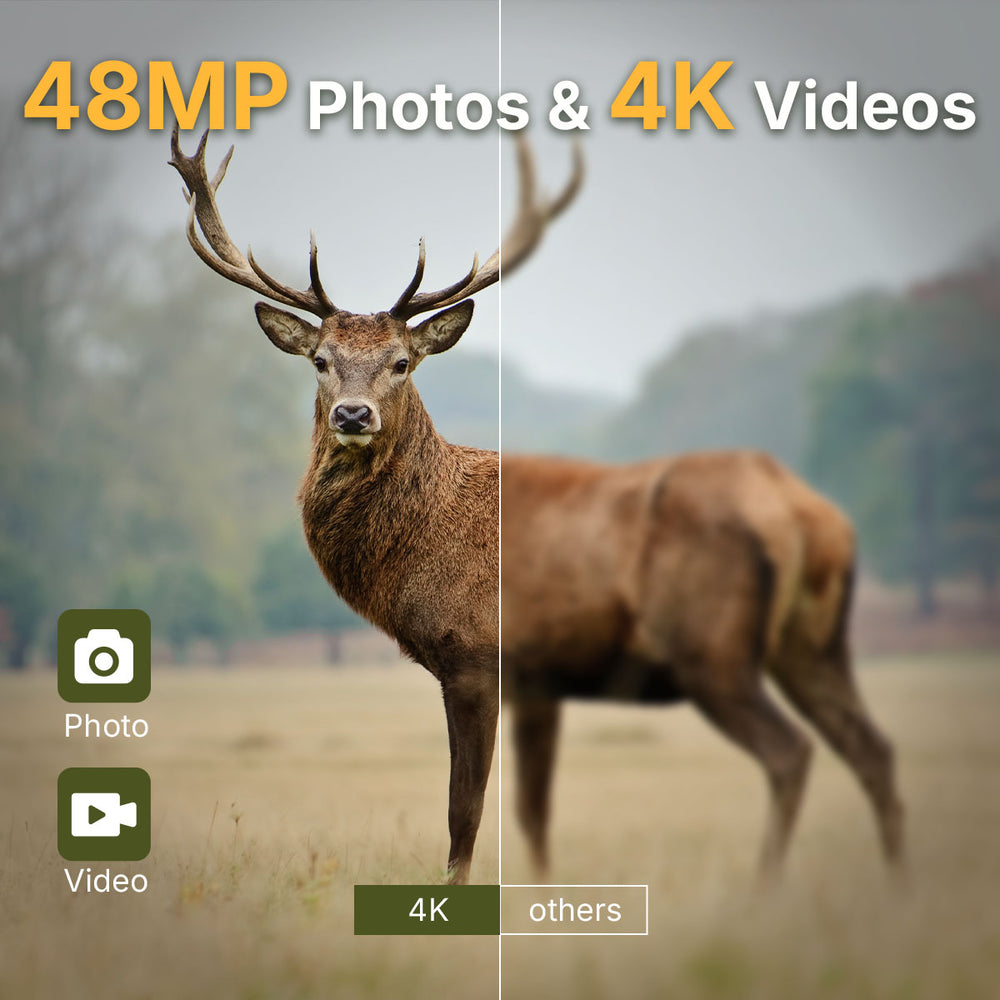
Up to 48MP photos and 4K video.
-
0.2-second trigger speed.
-
120° wide-angle lens.
-
Up to 70 ft PIR detection distance.
-
2-inch TFT LCD screen.
-
IP66 weather resistance.
-
Local SD card storage.
During sample testing, buyers should verify how these features perform in their own intended conditions. For example, test whether the camera captures animals moving across the detection zone and whether nighttime footage provides enough detail for the target use.
The G600 does not offer cellular, Wi-Fi, or Bluetooth image transfer, so wholesalers should also consider whether their customers prefer local storage or require remote access.
What Should Small Wholesalers Ask Suppliers?
Product evaluation should include supplier support, not just camera performance.
Before expanding inventory, ask:
-
Can the supplier provide product manuals and setup materials?
-
Are product specifications and package contents clearly documented?
-
Is there a written warranty and support process?
-
Can the supplier maintain consistent product specifications across orders?
-
Are replacement units or parts available if issues arise?
-
Can the supplier support smaller trial orders before larger purchases?
These questions help buyers evaluate the commercial side of a product as well as its technical performance.
FAQ: Trail Camera Sample Testing
How many samples should a wholesaler test?
Start with a manageable number that allows meaningful evaluation. For a small business, one sample can reveal basic usability, but testing multiple units can provide a better indication of consistency.
How long should testing take?
Allow enough time to test setup, daytime and nighttime recording, storage, and battery behavior. A single quick test is rarely enough to evaluate outdoor use.
Should buyers expand inventory after one successful test?
Not automatically. Consider customer demand, wholesale pricing, warranty support, and the results of repeated tests before increasing order quantities.
A Lower-Risk Approach to Wholesale Inventory
For small wholesalers, a sample order is a practical way to learn before committing to larger inventory. A structured evaluation process helps identify product strengths, limitations, and customer suitability. Testing products such as the WOSPORTS G600 under realistic conditions can also give retailers firsthand experience they can use when explaining product features to buyers.
Search
Popular Posts
Recent Posts


Nov 28, 2024
Troubleshooting Common Trail Camera Issues
Jan 10, 2025
Why Does My Trail Camera Stop Working at Night?