How Can Retailers Help Customers Choose Between Basic and Advanced Trail Cameras?
Retailers can help customers choose between basic and advanced trail cameras by first understanding what they want to monitor, where the camera will be installed, and how they plan to access recorded footage. Entry-level trail cameras are often suitable for straightforward wildlife monitoring, while advanced models may offer cellular connectivity, remote access, solar power, or additional recording options.
For small outdoor retailers and wholesalers, the goal is not simply to sell the camera with the most features. It is to recommend a product that meets customer needs without adding unnecessary cost or complexity.
1. What Are the Main Types of Trail Cameras?
Trail cameras generally fall into three practical categories: basic non-cellular models, Wi-Fi-enabled models, and cellular models. The main difference is how users access their recordings and manage the camera.
| Trail camera type | How it works | Best suited for |
|---|---|---|
| Basic non-cellular | Saves photos and videos to an SD card | Beginners, hunters, wildlife observers |
| Wi-Fi-enabled | Allows nearby wireless access through a compatible device or app | Users who want convenient local access |
| Cellular | Sends images or notifications through a cellular network | Remote properties and users who cannot regularly visit the camera |
A basic trail camera is not necessarily an inferior product. For customers who are comfortable checking an SD card, a non-cellular model may provide everything they need without a recurring data plan.
Retail advice: Ask customers whether they need to see images on their phones while away from the camera. This one question can quickly help distinguish between a traditional model and a connected model.
2. When Is an Entry-Level Trail Camera the Better Choice?
Entry-level trail cameras are often the better choice when customers need reliable automatic recording without remote access or complicated settings. They are particularly suitable for first-time users, backyard wildlife observation, hunting trails, and general outdoor monitoring.
Typical features to look for include:
-
Motion-triggered photo and video recording
-
Infrared night vision
-
Practical detection range
-
Replaceable batteries
-
SD card storage
-
Simple controls and playback
-
Weather-resistant housing
University extension guidance supports choosing trail camera features according to the intended application. For example, Utah State University Extension recommends a trigger speed of 0.2 seconds or less for capturing moving mammals and notes that a built-in viewing screen can make field checks easier.
Expert source: Utah State University Extension, Creating Sustainable School and Home Gardens: Using Trail Cameras
https://extension.usu.edu/utah4h/research/creating-sustainable-school-and-home-gardens-using-trail-cameras
For retailers, the takeaway is simple: beginners do not necessarily need cellular connectivity, advanced app controls, or every available recording mode. A straightforward camera with useful core features may be a better fit.
3. When Should Customers Consider Advanced Trail Camera Features?
Advanced trail camera features become valuable when customers need remote access, longer unattended operation, more flexible monitoring, or specialized recording capabilities. These features can solve real problems, but they should be recommended only when the customer has a clear use for them.
| Advanced feature | What it does | When customers may need it |
|---|---|---|
| Cellular connectivity | Transmits images through a mobile network | Remote locations that are difficult to visit |
| Solar power support | Helps maintain power using solar energy | Long-term outdoor installations |
| Remote app access | Allows users to manage or view camera activity remotely | Customers who want convenient monitoring |
| GPS or location functions | Helps identify camera locations on supported systems | Users managing multiple cameras |
| Time-lapse recording | Captures images at scheduled intervals | Monitoring areas with predictable activity |
| Advanced detection settings | Provides more control over motion detection | Locations with specific monitoring requirements |
A useful way to explain advanced features is to connect each one to a maintenance or access problem.
For example, cellular connectivity may save repeated trips to a remote property, but it also requires compatible network coverage and may involve a subscription. Solar power can reduce battery replacement frequency, but actual performance depends on sunlight, placement, and power consumption.
Retail insight: Advanced features should justify their additional cost through a specific customer benefit. More features do not automatically mean a better buying decision.
4. What Does the Wildlife Monitoring Market Tell Retailers?
Wildlife observation is a broader customer opportunity than hunting alone. The U.S. Fish and Wildlife Service reported that approximately 148.3 million Americans aged 16 and older participated in wildlife watching in 2022.
The same survey recorded $24.6 billion in spending on wildlife-watching equipment, including cameras, binoculars, bird food, and specialized clothing. These figures cover the broader wildlife-watching equipment category, not trail cameras specifically.
Official statistics:
| Indicator | 2022 result |
|---|---|
| U.S. wildlife watchers aged 16+ | Approximately 148.3 million |
| Spending on wildlife-watching equipment | $24.6 billion |
Source: U.S. Fish and Wildlife Service, 2022 National Survey of Fishing, Hunting, and Wildlife-Associated Recreation
https://www.fws.gov/press-release/2023-10/americans-spent-394b-hunting-fishing-and-wildlife-associated-activities-22
For small retailers, this suggests an opportunity to serve different customer groups with different product positions. Beginners and casual wildlife observers may prefer simple non-cellular cameras, while customers managing remote locations may be more interested in connected models.
5. How Does the WOSPORTS G600 Fit Into a Retail Product Selection?
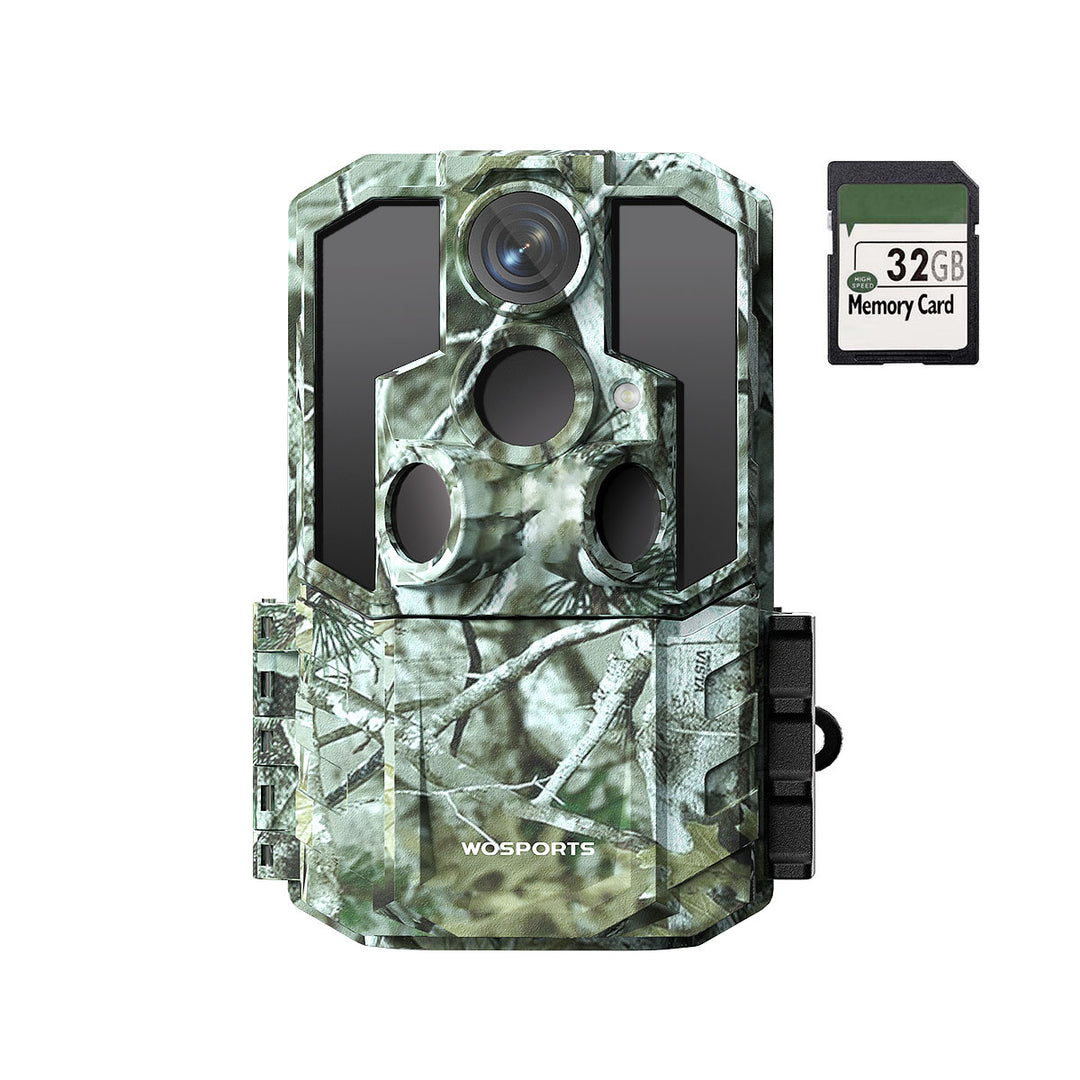
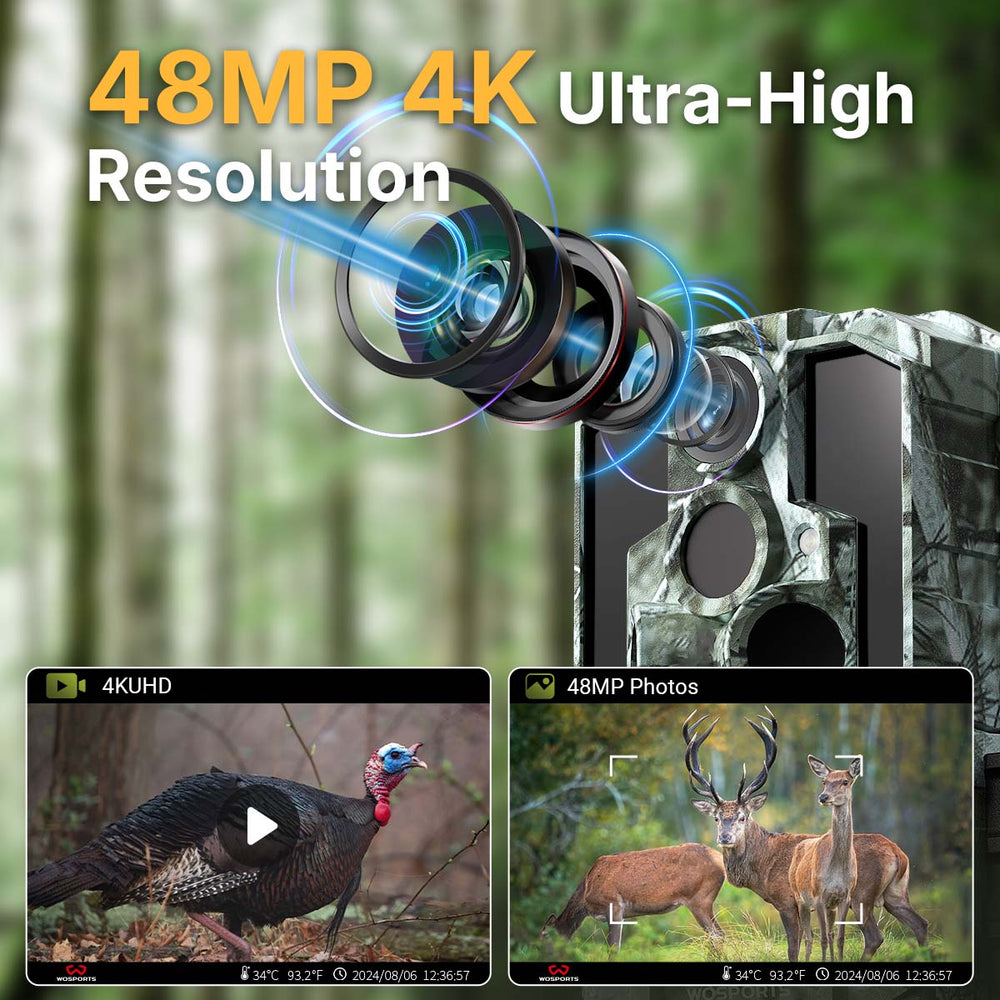
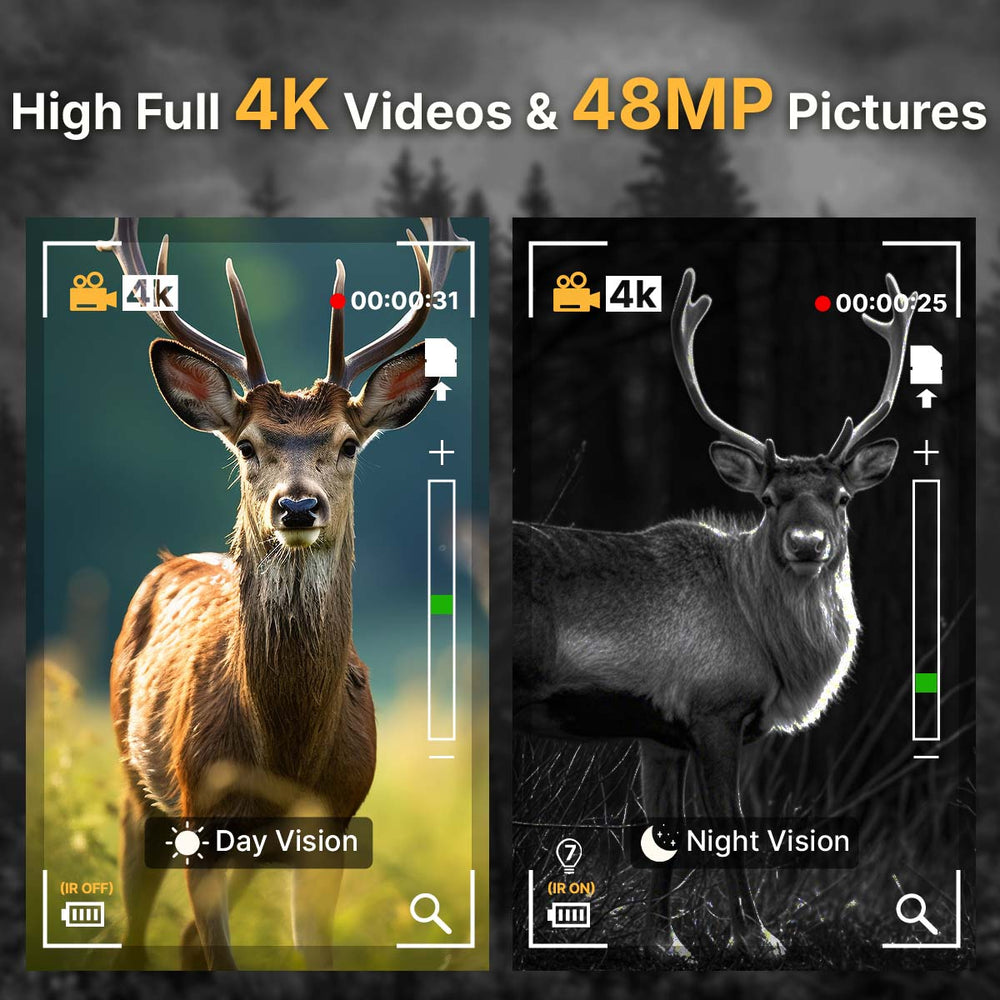
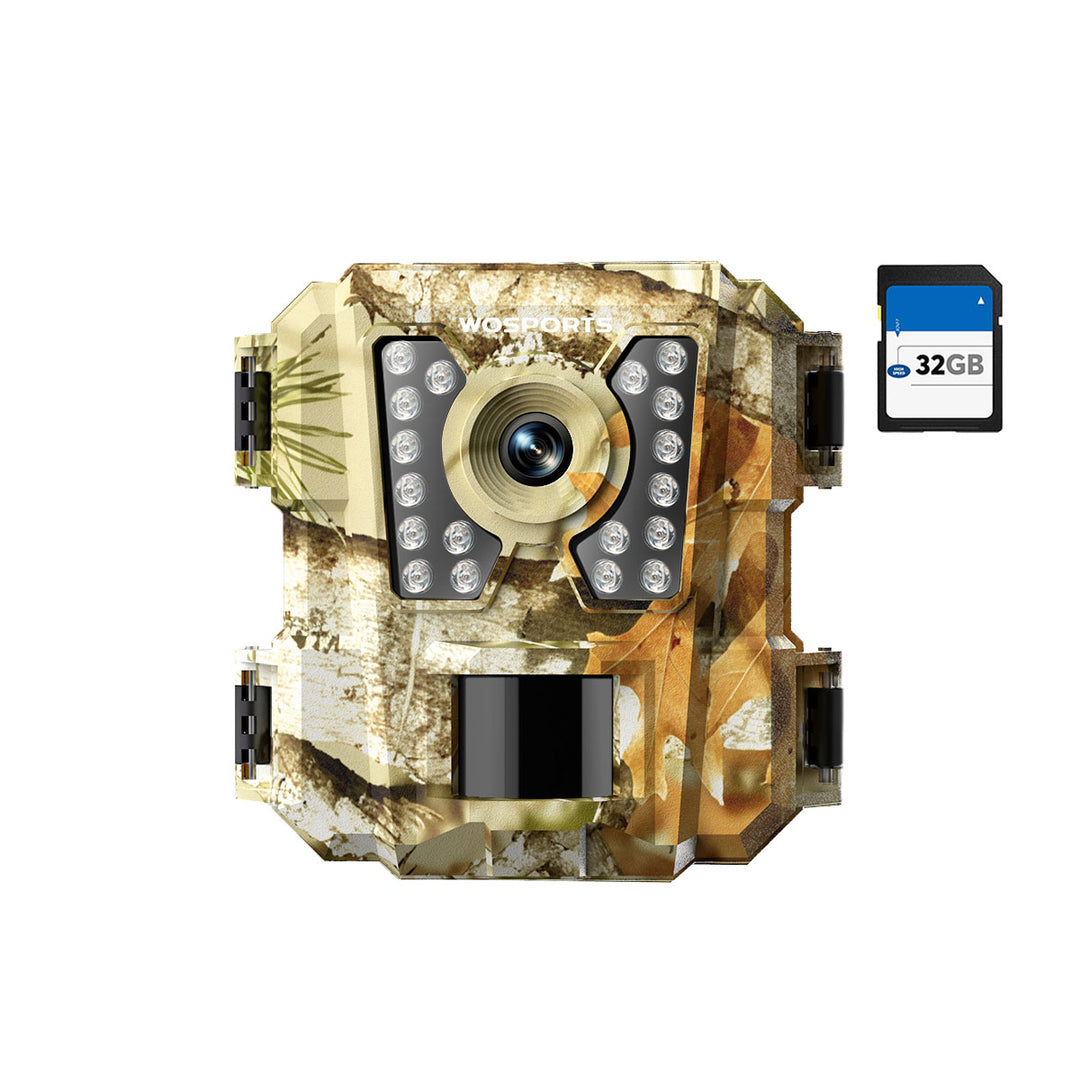
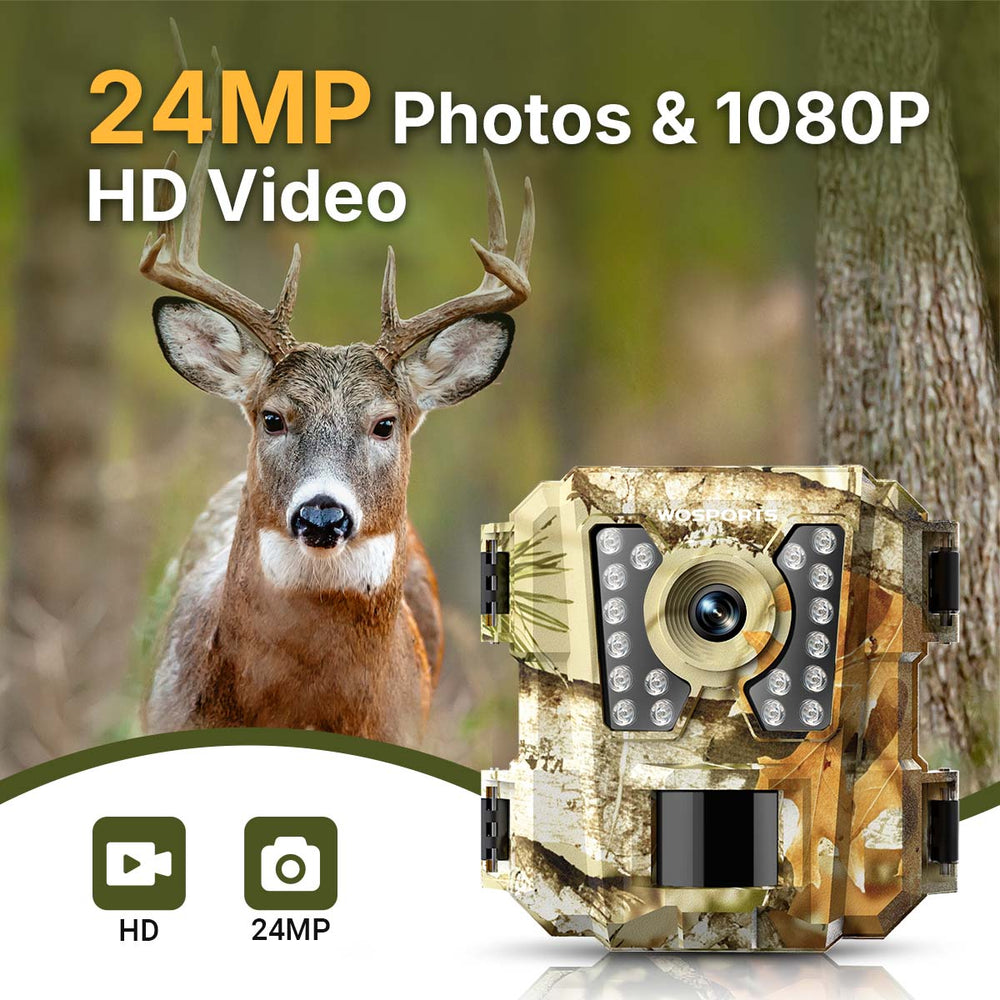
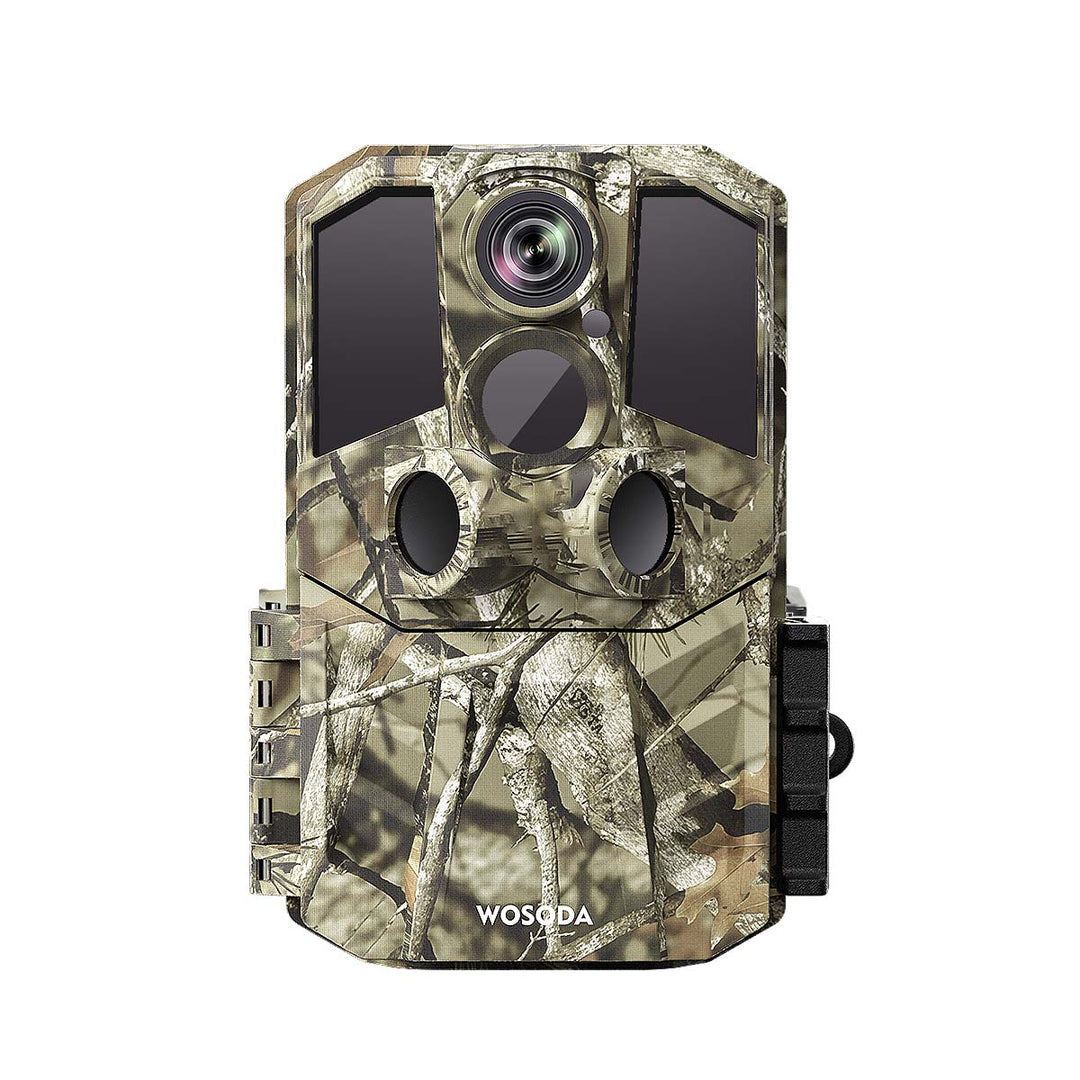
The WOSPORTS G600 is a traditional non-cellular trail camera designed for automatic wildlife recording. It offers a practical combination of image and video recording, motion detection, wide-angle coverage, and local playback, making it a useful option for retailers serving customers who do not need remote phone access.
| G600 specification | Customer benefit |
|---|---|
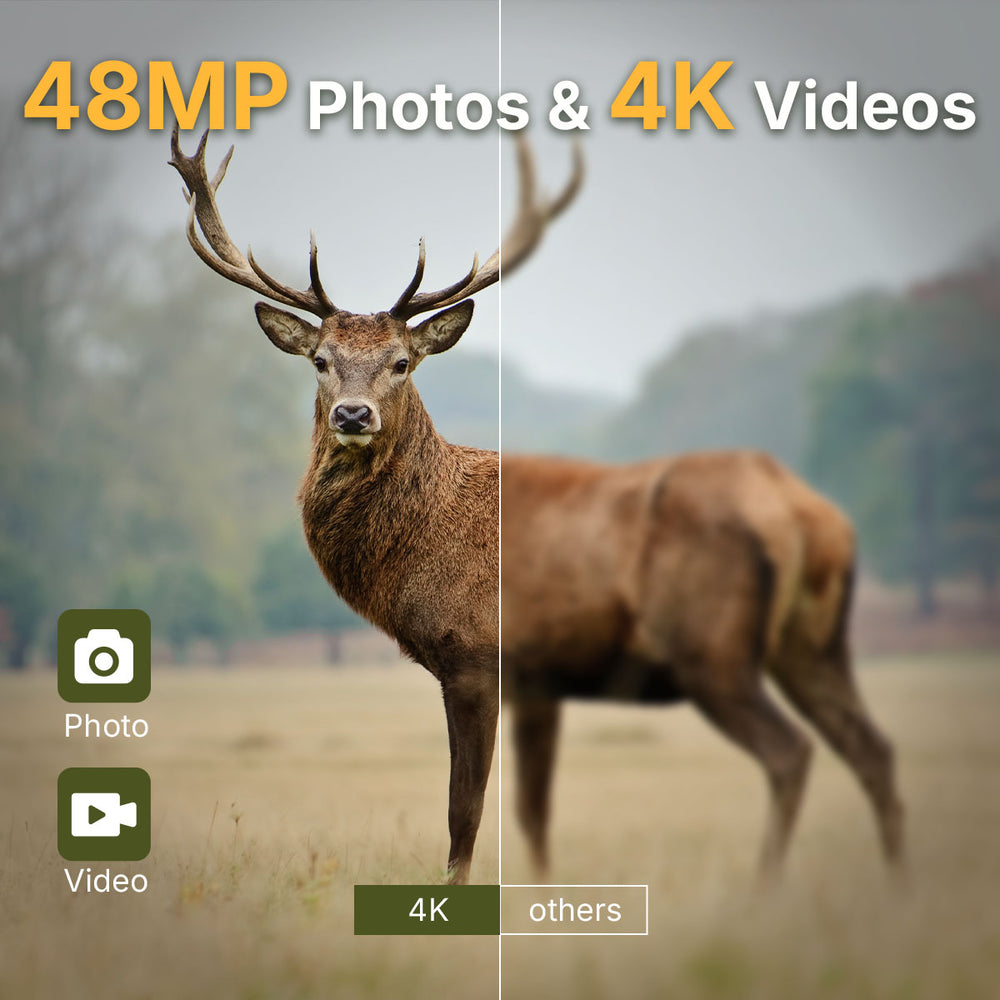
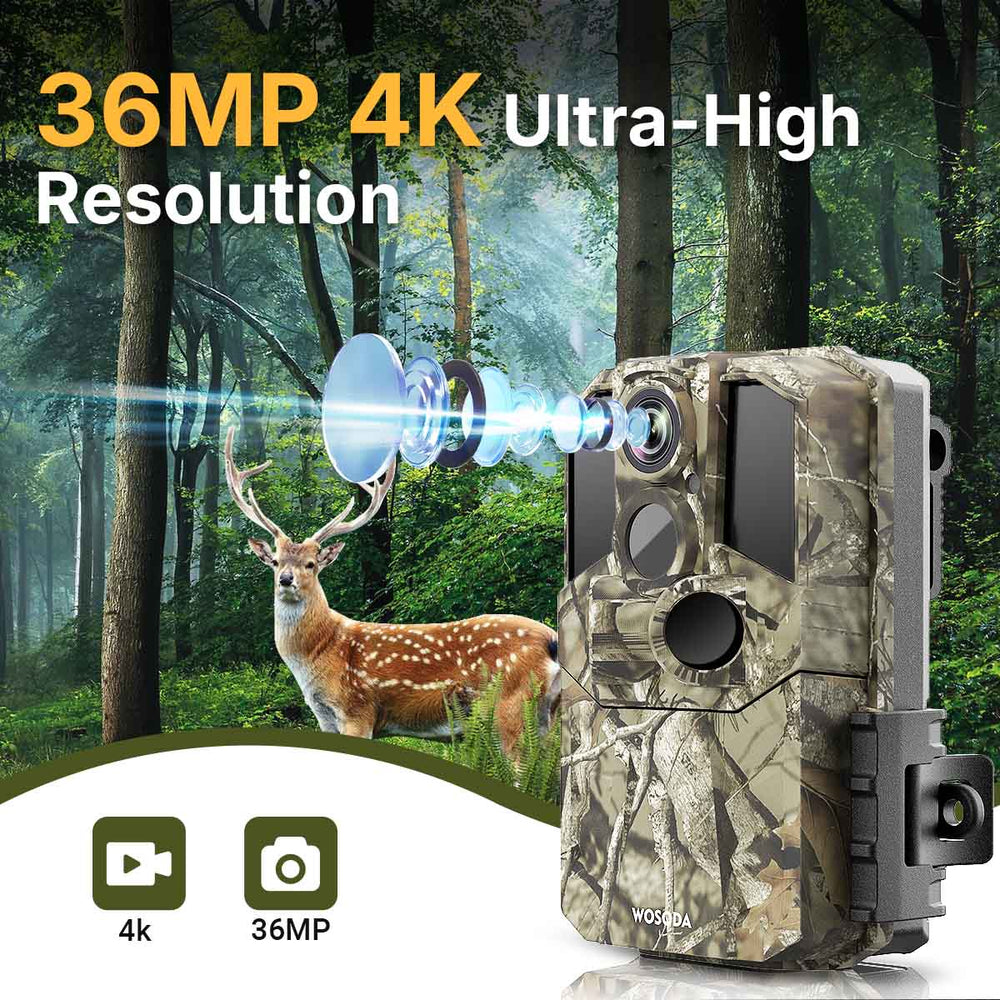
| Up to 48MP photos | Captures detailed wildlife images |
| 4K video | Records animal movement and behavior |
| Approximately 0.2-second trigger speed | Helps capture fast-moving wildlife |
| 120° wide-angle lens | Covers a broad area in front of the camera |
| Up to 70 ft PIR detection distance | Supports motion-triggered recording within its specified range |
| 2-inch TFT LCD screen | Allows users to check settings and view footage locally |
| IP66 weather resistance | Designed for outdoor conditions |
| 8 AA batteries | Uses replaceable batteries |
The G600 does not require Wi-Fi, Bluetooth, or cellular service to record images. Photos and videos are saved to an SD card, and users can review footage on the built-in screen.
This makes the G600 a good product to consider for:
-
First-time trail camera buyers
-
Hunters who want to monitor wildlife activity
-
Nature enthusiasts interested in observing animals
-
Landowners checking outdoor areas
-
Customers who prefer local recording without a cellular subscription
Product source: WOSPORTS G600 Trail Camera
https://wosports.com/products/g600-trail-camera
A Real Customer Use Example
WOSPORTS has published feedback from a customer identified as David M. in Michigan, who reported purchasing 20 G600 cameras to monitor deer traffic across his land. He said the cameras had been running for months without issues.
This company-published testimonial illustrates how a customer can use multiple traditional trail cameras to monitor wildlife across a property without relying on cellular connectivity. It is an individual customer account, not an independent product test or a guarantee of identical results.
For retailers, this is a useful example when speaking with customers who assume that remote connectivity is essential for every monitoring project.
6. What Questions Should Retailers Ask Before Recommending a Model?
Retailers can make better product recommendations by asking a few practical questions before comparing specifications. These questions help identify whether a customer needs a basic camera or would benefit from advanced features.
| Ask the customer | What the answer helps determine |
|---|---|
| What do you want to monitor? | The most relevant camera features |
| Where will you install it? | Detection range, coverage, and weather protection |
| Can you visit the camera regularly? | Whether remote access is necessary |
| Do you need images sent to your phone? | Whether cellular connectivity is appropriate |
| How long should the camera operate unattended? | Battery and solar power requirements |
| What is your budget? | Which features are essential versus optional |
A useful sales approach is to recommend the simplest model that meets the customer's requirements, then explain which additional features would provide a meaningful benefit.
Frequently Asked Questions
Are entry-level trail cameras suitable for hunting?
Yes. Entry-level non-cellular cameras can be useful for monitoring game trails and recording wildlife activity. Customers should pay attention to trigger speed, night vision, detection range, and battery performance.
Do all trail cameras need cellular service?
No. Traditional trail cameras save images and videos to an SD card. Cellular service is only necessary for models that transmit recordings over a mobile network.
Are advanced trail cameras always better?
No. Advanced features are valuable when customers need them, but they may add cost, setup requirements, or subscription expenses. The right product depends on the monitoring application.
Which trail camera should a small retailer stock first?
A versatile entry-level or core model is a practical starting point. Retailers can use sales feedback and customer questions to decide whether to expand into cellular, solar-powered, or other specialized models.
Final Takeaway
Helping customers choose between basic and advanced trail cameras starts with understanding their monitoring needs. Entry-level models are often enough for local wildlife observation and hunting, while advanced features are more useful for remote access, extended operation, and specialized applications.
For small retailers and wholesalers, a balanced product selection should include clearly differentiated options rather than unnecessary feature overlap. The WOSPORTS G600 is a practical non-cellular option for customers who want automatic wildlife recording, useful core specifications, and straightforward local playback.
Search
Popular Posts
Recent Posts