What Questions Should Retailers Ask Before Recommending a Trail Camera?
Before recommending a trail camera, retailers should ask customers what they want to monitor, where they plan to install the camera, how often they can check it, and whether they need remote access. These questions help match product features to real customer needs instead of recommending a camera based only on price or specifications.
For small outdoor retailers and wholesalers, a simple customer-first buying guide can improve product education, make sales conversations more useful, and reduce mismatched purchases.
1. What Do You Want to Monitor?
The first question should be about the customer's purpose. A trail camera used to scout deer movement may need different features from one used to observe backyard wildlife or check activity around a rural property.
| Customer type | Typical purpose | Features to discuss |
|---|---|---|
| Hunters | Monitor game trails and animal movement | Trigger speed, detection range, night vision |
| Wildlife observers | Record animals and natural behavior | Photo quality, video, field of view |
| Farmers | Check activity around fields or livestock areas | Weather resistance, battery life, storage |
| Rural landowners | Observe driveways, gates, and remote areas | Detection coverage, durability, ease of use |
| Beginners | Explore wildlife monitoring | Simple setup, built-in screen, clear instructions |
A useful follow-up is: “What animals or activity are you hoping to capture?” This helps retailers understand whether the customer needs general wildlife monitoring or a more specific setup.
2. Where Will You Install the Trail Camera?
Installation location affects which trail camera specifications matter most. A camera placed on a narrow woodland path has different coverage needs from one monitoring an open field, feeder, or property entrance.
Ask customers:
-
Will the camera be installed in a wooded area, open field, backyard, or near a building?
-
How far away will the animals or activity usually be?
-
Is there a suitable tree, post, or other mounting surface?
-
Will the camera face direct sunlight or areas with moving branches and vegetation?
Utah State University Extension recommends choosing camera placement based on wildlife movement and the surrounding environment. Its guidance notes that a triggering distance of around 50 feet can be sufficient for many setups, while placement and the target animal's movement remain important.
Expert source: Utah State University Extension, Creating Sustainable School and Home Gardens: Using Trail Cameras
https://extension.usu.edu/utah4h/research/creating-sustainable-school-and-home-gardens-using-trail-cameras
Retail insight: Do not automatically recommend the longest detection range. For a narrow trail, suitable positioning and reliable triggering may matter more than maximum advertised distance.
3. Do You Need Daytime Recording, Nighttime Recording, or Both?
Retailers should ask when customers expect to monitor activity because wildlife and property activity can happen at any time. Night vision is particularly important for customers tracking nocturnal animals or checking locations after dark.
Follow up with questions such as:
-
Do you mainly want daytime photos, nighttime images, or both?
-
Are you trying to identify animals, or simply detect movement?
-
Is a black-and-white infrared night image suitable for your purpose?
The U.S. Fish and Wildlife Service reported that approximately 148 million Americans watched wildlife in 2022, representing about 57% of U.S. residents aged 16 and older. The same survey recorded $24.6 billion in spending on wildlife-watching equipment, a broad category that includes cameras, binoculars, and other observation equipment.
This does not represent trail camera sales specifically, but it demonstrates the scale of interest in wildlife observation and the potential customer audience beyond hunting.
Statistical source: U.S. Fish and Wildlife Service, 2022 National Survey of Fishing, Hunting, and Wildlife-Associated Recreation
https://www.fws.gov/press-release/2023-10/americans-spent-394b-hunting-fishing-and-wildlife-associated-activities-22
4. How Often Can You Check the Camera?
Battery life, storage capacity, and connectivity should be discussed in relation to how frequently customers can visit the installation site. Someone checking a camera every day may have different requirements from a landowner monitoring a remote property for several weeks.
Ask:
-
Can you visit the camera regularly?
-
Would you prefer replaceable batteries or an external power option?
-
How much photo and video storage do you expect to need?
-
Do you need to receive images remotely on your phone?
This last question is especially important. Traditional trail cameras save recordings locally to a memory card, while cellular models can transmit images remotely. Neither option is automatically better; the right choice depends on the customer's location, budget, and monitoring habits.
Retailers should explain connectivity clearly before recommending a model to avoid customers expecting phone access from a non-cellular camera.
5. What Is Your Budget, and Which Features Are Essential?
Budget questions help retailers separate essential features from optional upgrades. Rather than asking customers to choose the cheapest or most expensive model, identify the features they actually need.
A simple buying guide can group priorities like this:
| Priority | What to look for |
|---|---|
| Basic wildlife monitoring | Motion detection, night vision, local storage |
| More detailed recording | Higher photo and video resolution |
| Fast-moving wildlife | Responsive trigger speed and suitable placement |
| Wider coverage | A wider field of view |
| Easier setup | Built-in screen and straightforward controls |
| Remote monitoring | Compatible cellular connectivity |
For example, a customer who only wants to record deer passing a woodland trail may not need cellular connectivity. A customer managing a remote property who cannot visit frequently may consider remote access more valuable.
6. How Does the WOSPORTS G600 Match Different Customer Needs?
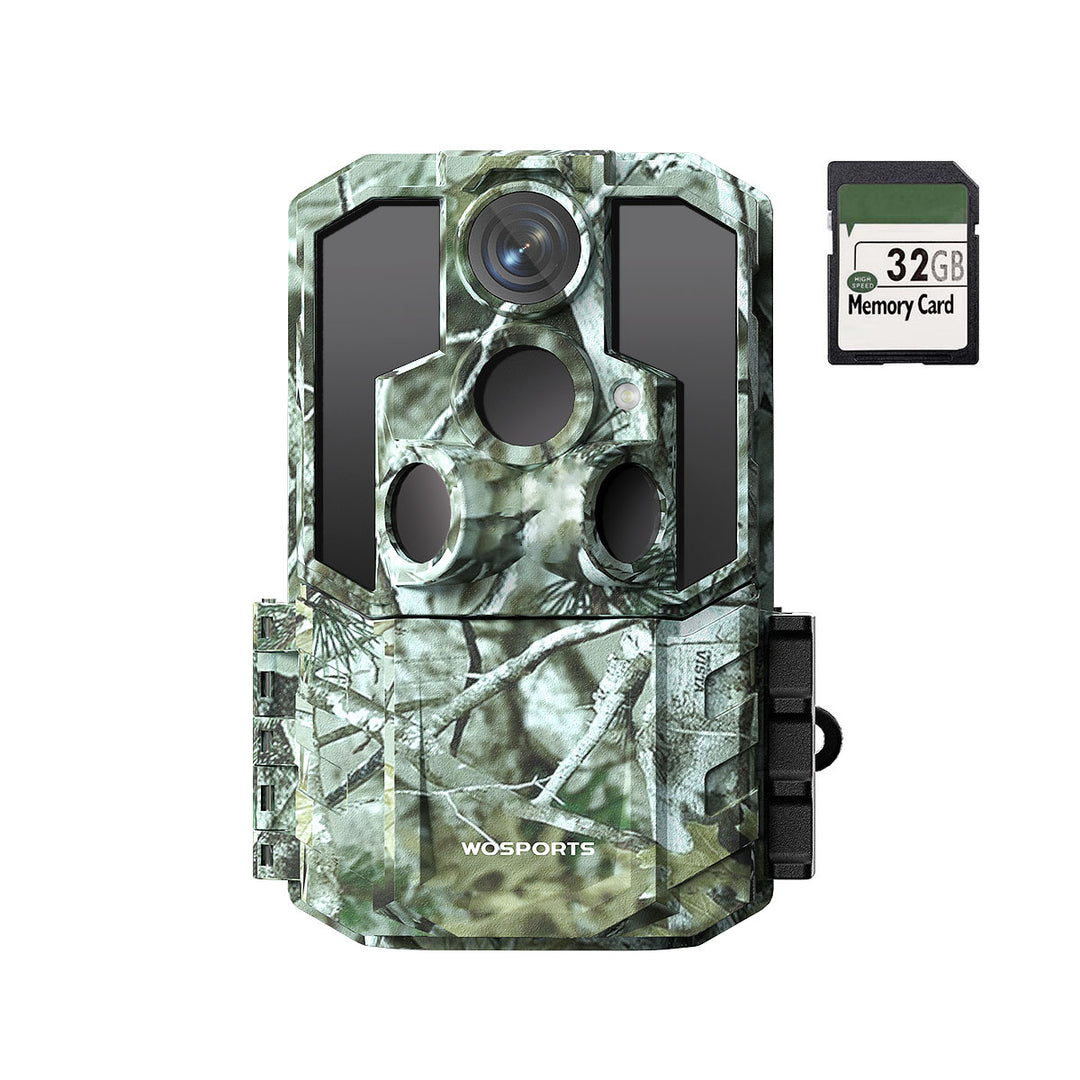
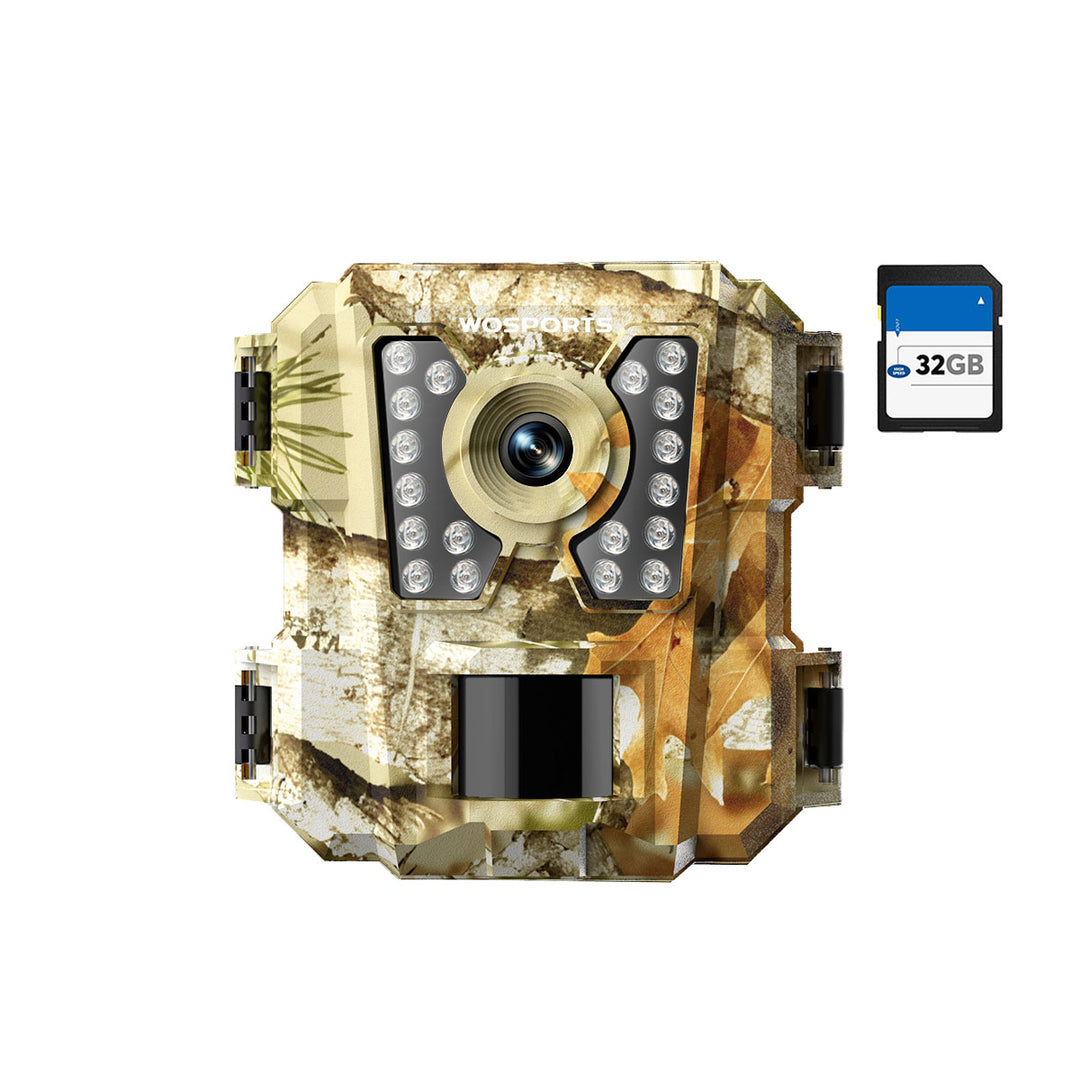
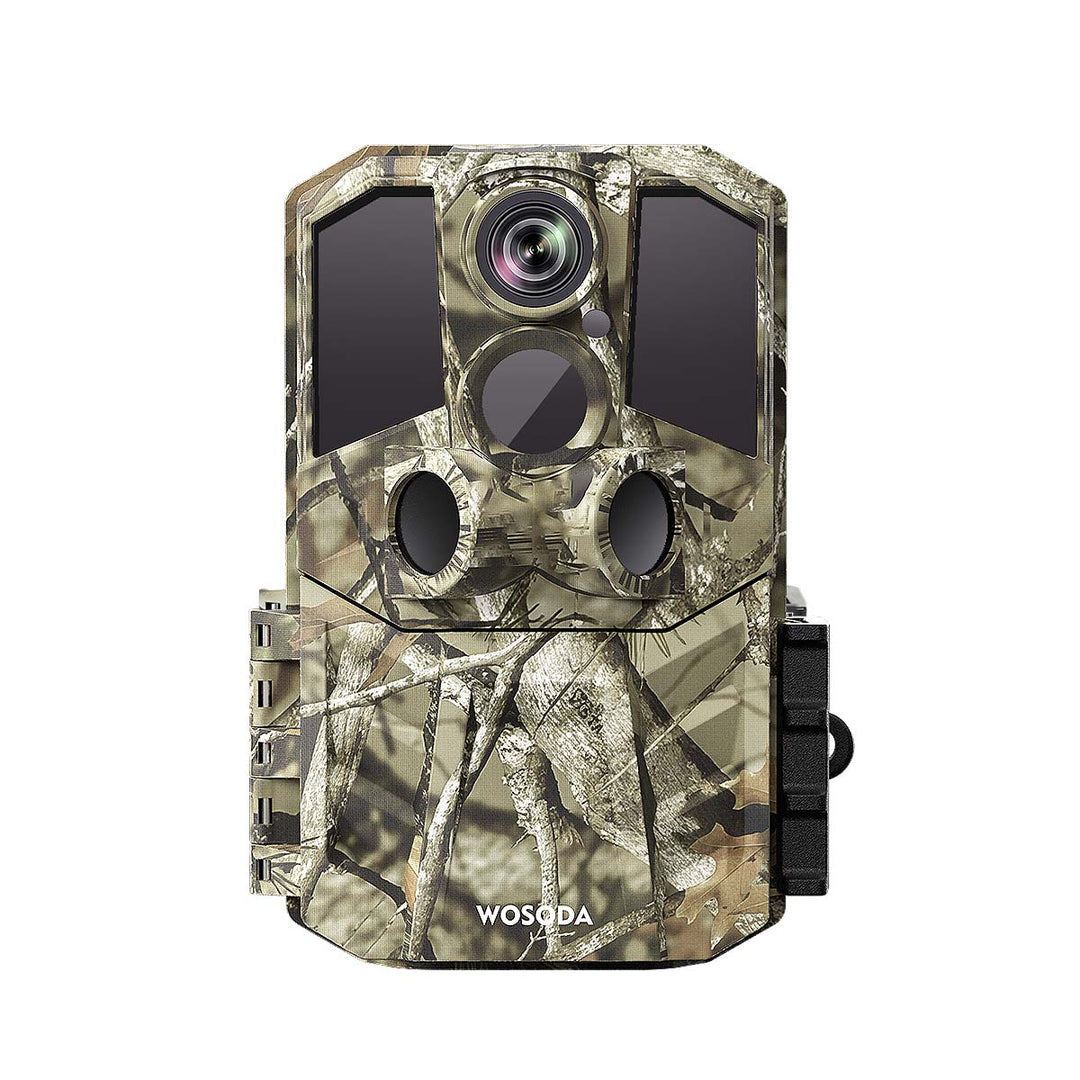
The WOSPORTS G600 is a traditional non-cellular trail camera that suits customers looking for automatic wildlife recording and local playback. Retailers can recommend it when customers want a combination of detailed recording, motion detection, wide-angle coverage, and straightforward operation.
| G600 specification | Customer benefit |
|---|---|
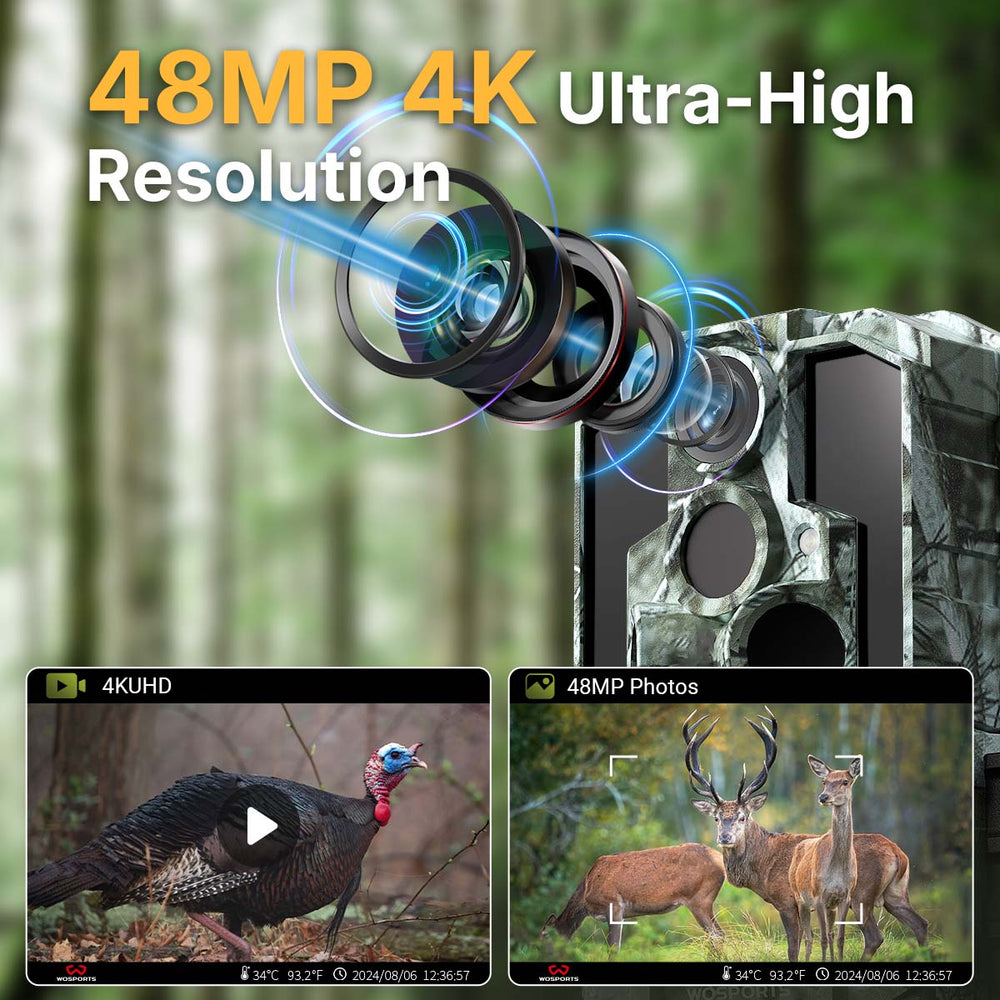
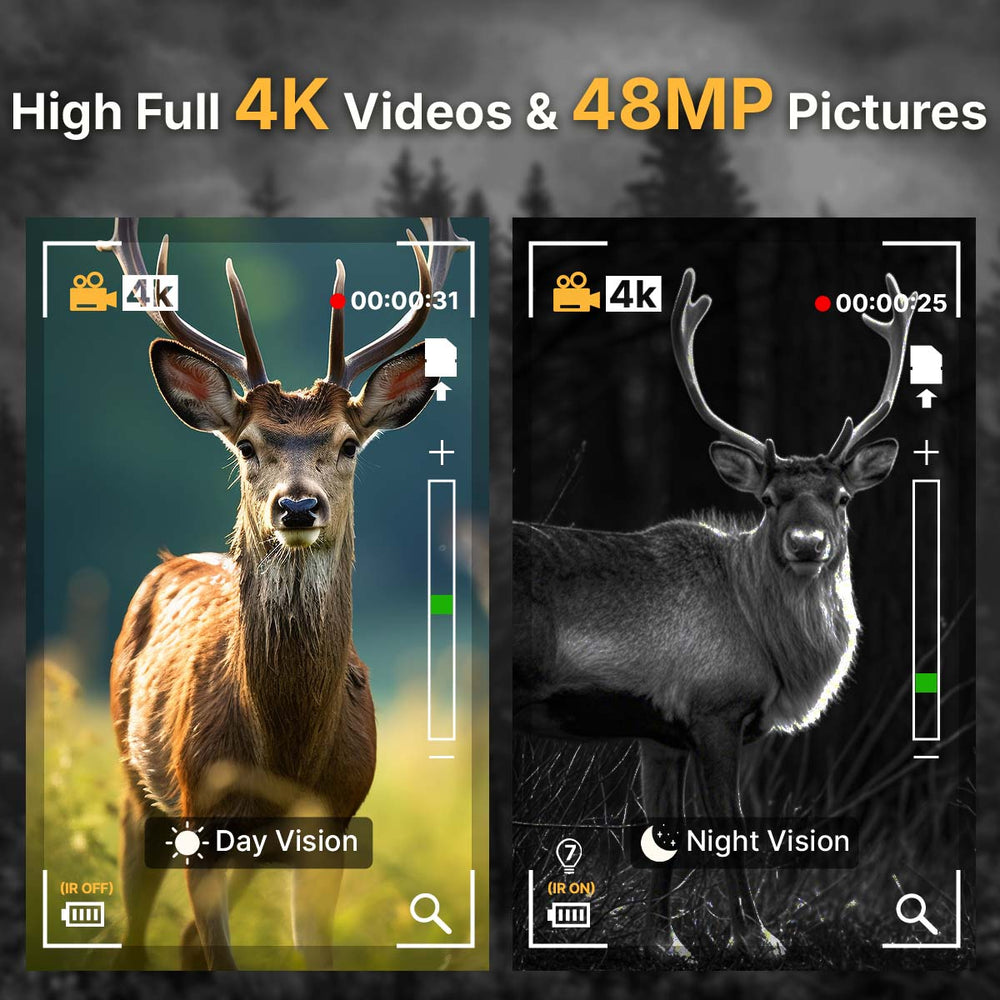
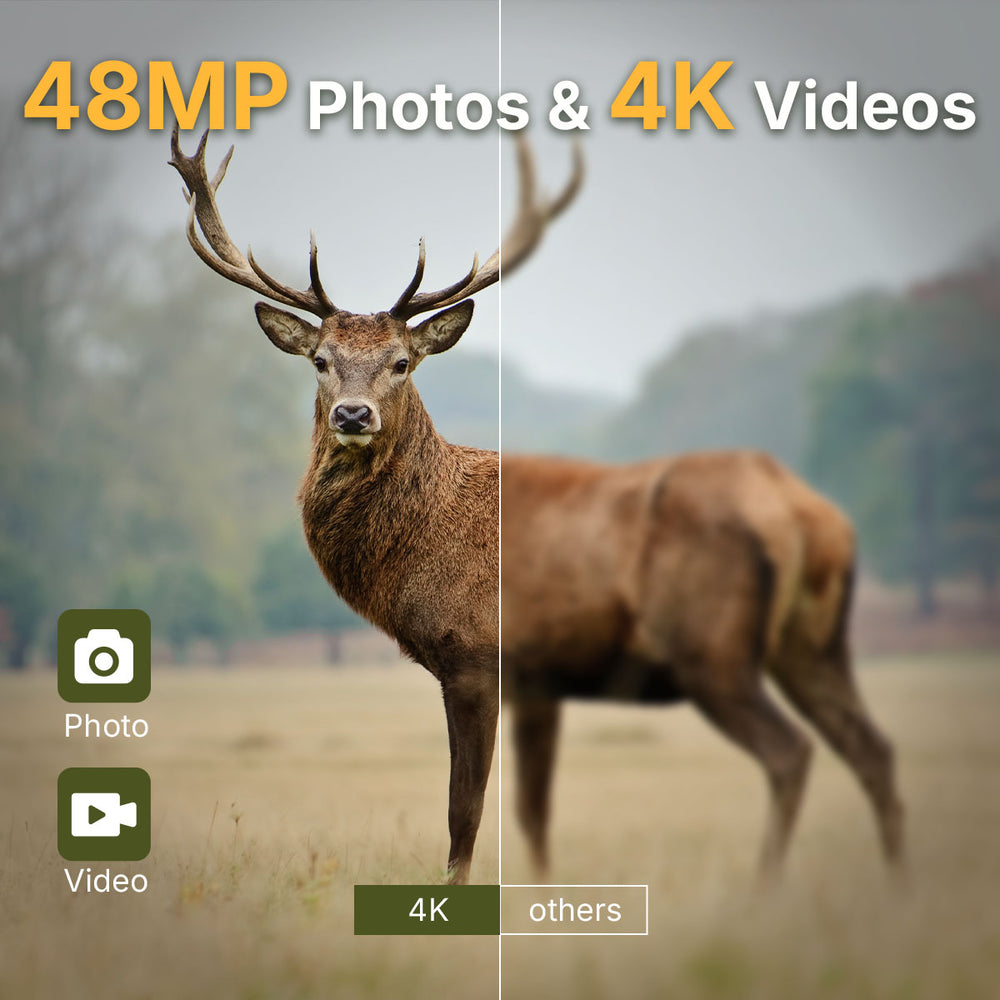
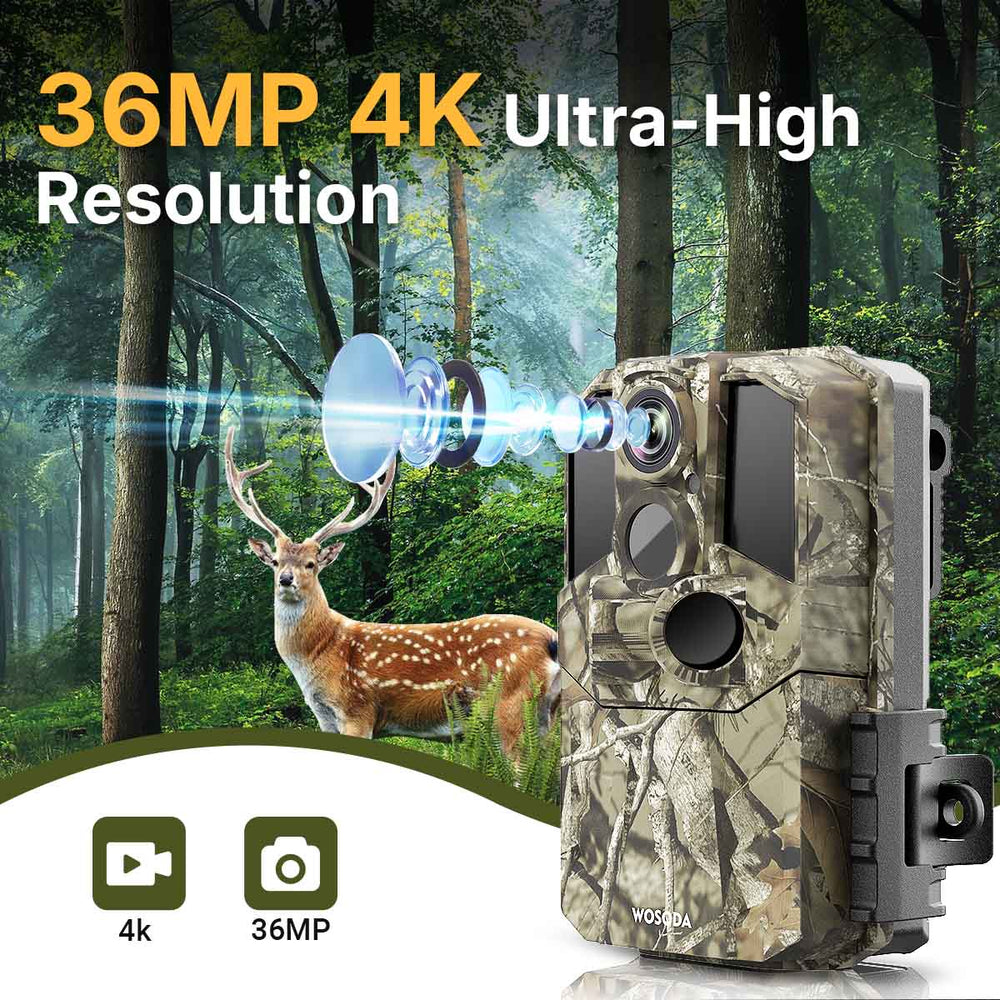
| Up to 48MP photos | Captures detailed wildlife images |
| 4K video | Records animal movement and behavior |
| 0.2-second trigger speed | Helps capture animals moving through the detection zone |
| 120° wide-angle lens | Covers a broad area in front of the camera |
| Up to 70 ft PIR detection distance | Supports motion-triggered monitoring within its specified range |
| 2-inch TFT LCD screen | Allows users to check settings and review footage locally |
| IP66 weather resistance | Designed for outdoor conditions |
| 8 AA batteries | Uses replaceable batteries |
The G600 does not support Wi-Fi, Bluetooth, or cellular connectivity. Customers can view recordings on the built-in screen or access files through the SD card. This makes it a suitable option for buyers who do not need remote phone access.
Product source: WOSPORTS G600 4K Trail Camera
https://wosports.com/products/g600-trail-camera
A Real Customer Use Example
WOSPORTS has shared feedback from a customer identified as David M. in Michigan, who reported purchasing 20 G600 cameras to monitor deer traffic across his land. He said the cameras had been running for months without issues.
This company-published customer testimonial illustrates a practical use case for customers monitoring wildlife across multiple locations. It is an individual customer account, not an independent product test or a guarantee of identical results.
For retailers, it also highlights a useful sales question: “Are you monitoring one location or several areas across your property?” Customers with larger properties may need multiple cameras rather than one device with a longer advertised detection range.
Frequently Asked Questions
What is the most important question to ask before recommending a trail camera?
Ask what the customer wants to monitor. The intended use determines which features matter most and helps narrow down suitable models.
Should retailers recommend cellular trail cameras to every customer?
No. Cellular connectivity is useful for customers who need remote image delivery, but traditional SD-card models can be more suitable for buyers who are comfortable checking recordings locally.
Is a higher megapixel rating always better?
Not necessarily. Image quality also depends on the sensor, lens, lighting, and image processing. Retailers should help customers compare actual sample images when possible.
How can small retailers reduce returns on trail cameras?
Explain connectivity, battery requirements, memory card compatibility, installation conditions, and viewing methods before purchase. Clear product education helps customers understand what the camera can and cannot do.
Final Takeaway
The best trail camera recommendation starts with questions, not specifications. By understanding a customer's monitoring purpose, installation location, day or night requirements, maintenance habits, and budget, small retailers can recommend products more accurately.
For B2B buyers, the WOSPORTS G600 offers a practical model to include in a focused retail assortment. Its combination of 48MP photos, 4K video, 0.2-second trigger speed, 120° coverage, and local playback gives retailers several clear benefits to explain to customers.
Search
Popular Posts
Recent Posts


Nov 28, 2024
Troubleshooting Common Trail Camera Issues
Jan 10, 2025
Why Does My Trail Camera Stop Working at Night?