What Trail Camera Accessories Can Create Additional Retail Sales?
Trail camera accessories give small retailers an opportunity to increase order value, improve customer convenience, and generate repeat purchases. SD cards, batteries, mounting accessories, and protective equipment help customers install and operate their cameras more effectively. For wholesalers, these complementary products can turn a single-camera purchase into a more complete outdoor monitoring solution.
The key is to stock accessories that solve real customer problems and are compatible with the trail cameras being sold. This guide explains which accessories offer the strongest retail opportunities, how to bundle them, and how to build a practical accessory strategy around products such as the WOSPORTS G600 trail camera.
1. Why Do Trail Camera Accessories Create Additional Sales?
Trail camera accessories create additional sales because customers often need more than a camera to complete an installation. They may need memory cards for storage, batteries for power, mounting equipment for stable positioning, or security accessories for cameras installed in accessible locations.
For small retailers, accessories offer three main advantages:
-
Higher average order value: Customers can purchase essential accessories alongside a trail camera.
-
Repeat purchases: Batteries and replacement memory cards can bring customers back to the store.
-
More complete solutions: Bundles help customers get started without searching for every component separately.
Accessories can also help retailers serve different customer groups. A wildlife enthusiast may want extra SD cards, while a farmer installing cameras across several fields may need mounting straps and spare batteries for multiple locations.
Retail insight: The best accessory strategy is not to stock the largest possible number of items. It is to identify the products customers are most likely to need, verify compatibility, and make those accessories easy to purchase with the main camera.
2. Which Trail Camera Accessories Should Retailers Stock First?
SD cards, batteries, and mounting accessories are practical starting points because they address three essential requirements: storage, power, and installation. Retailers can build a broader accessory range after identifying which products customers request most often.
| Accessory Category | Main Customer Need | Retail Opportunity |
|---|---|---|
| SD cards | Store photos and videos | Sell compatible cards individually or in multi-packs |
| Batteries | Keep cameras operating | Offer spare packs and suitable battery options |
| Mounting accessories | Install cameras securely | Bundle straps, mounts, and adjustable brackets |
| Card readers | Transfer footage to other devices | Offer convenient image-transfer solutions |
| Security accessories | Reduce the risk of theft or damage | Serve customers installing cameras in exposed locations |
| Protective accessories | Support equipment care | Offer suitable cases and weather-related accessories where compatible |
The first three categories deserve particular attention because they directly affect whether customers can install and use their cameras.
For B2B buyers, a focused assortment also simplifies purchasing and inventory management. Instead of ordering many accessories with uncertain demand, retailers can begin with a few compatible essentials and expand based on sales data.
3. How Can SD Cards Become a Reliable Add-On Sale?
SD cards are essential accessories for many traditional trail cameras because they store the photos and videos captured by the device. Selling compatible cards alongside cameras helps customers avoid discovering after purchase that they still need storage.
Match Card Capacity to the Customer's Usage
The right SD card capacity depends on image resolution, video recording, capture frequency, and how often the customer can retrieve footage.
| Customer Usage | What Retailers Should Consider |
|---|---|
| Occasional wildlife photos | A compatible card with sufficient capacity for periodic use |
| Frequent motion-triggered photos | More storage to reduce how often the card must be replaced |
| Regular video recording | Greater capacity because video files generally use more space |
| Remote or long-term deployment | Extra cards for rotation when retrieving footage is inconvenient |
The Utah State University Extension guide Creating Sustainable School and Home Gardens: Using Trail Cameras explains that higher-resolution images and video consume more storage. It also notes that keeping multiple cards available allows users to exchange cards while leaving the camera in place.
Source: Utah State University Extension
https://extension.usu.edu/utah4h/research/creating-sustainable-school-and-home-gardens-using-trail-cameras
Why Compatibility Matters More Than Selling the Largest Card
Retailers should confirm the camera's supported card type and maximum capacity before recommending an SD card. A larger card is not automatically compatible with every camera.
For the WOSPORTS G600, customers should follow the supported SD card specifications in the product documentation rather than assume that any card will work.
Sales tip: Display compatible SD cards near trail cameras and offer a simple “camera + memory card” bundle. This makes the purchasing decision easier and helps customers leave with the basic equipment they need.
4. Which Batteries Are Worth Offering With Trail Cameras?
Batteries are an important accessory category because trail cameras may operate outdoors for extended periods without daily supervision. Customers benefit from understanding their camera's battery requirements and having suitable replacements available.
Stock Batteries Based on Camera Compatibility
Before purchasing batteries for resale, check the requirements of the trail camera models in your range. Consider:
-
Battery size and quantity required.
-
Whether the manufacturer recommends particular battery types.
-
Expected operating conditions, including cold weather.
-
Whether the customer needs spare batteries for remote installations.
-
Whether the camera supports an approved external power option.
Battery life varies with temperature, recording settings, flash use, and the amount of activity detected. Retailers should avoid promising a fixed operating period unless it is supported by the manufacturer's specifications and the conditions are clearly stated.
Help Customers Understand the Trade-Offs
Different battery types can perform differently in cold weather and under sustained use. Oregon State University Extension notes that lithium batteries generally last longer and perform better in cold conditions than alkaline batteries, although the best choice still depends on the camera's requirements and the customer's budget.
Source: Oregon State University Extension Service, Wildlife Cameras: A Snapshot of What You Need to Know
https://extension.oregonstate.edu/forests/health-managment/wildlife-cameras-snapshot-what-you-need-know
For retailers, this creates an opportunity to sell spare battery packs and explain when different options may be useful. The recommendation should always match the camera manufacturer's guidance.
5. How Can Mounting Accessories Increase Retail Sales?
Mounting accessories help customers position trail cameras securely and aim them at the area they want to monitor. Since installation conditions vary across woods, farms, fences, and buildings, offering more than one mounting option can make a retailer's product range more useful.
Common mounting accessories include:
-
Mounting straps: Useful for attaching cameras to suitable trees and posts.
-
Adjustable brackets: Help users fine-tune camera direction.
-
Tripod-style mounts: Provide flexible positioning where a suitable fixed mounting surface is unavailable.
-
Security boxes and locks: May help protect cameras installed in accessible locations, where compatible.
-
Replacement straps and fasteners: Useful for customers maintaining several cameras over time.
Stable Positioning Improves Results
A secure mount is not just an accessory upgrade. Camera movement can affect framing and may contribute to unwanted triggers or poor images.
The U.S. Department of Agriculture's Animal and Plant Health Inspection Service recommends securing trail camera straps so loose ends do not move in the wind, potentially triggering the camera and wasting battery power or memory card space.
Source: USDA Animal and Plant Health Inspection Service, Monitoring for Wolves
https://www.aphis.usda.gov/sites/default/files/wolf-monitoring_4.pdf
Retailers can turn this practical advice into a useful add-on recommendation: customers purchasing a camera for a tree, fence post, or remote outdoor location may benefit from a suitable mounting solution at the same time.
6. How Can Retailers Build Accessory Bundles Around the WOSPORTS G600?
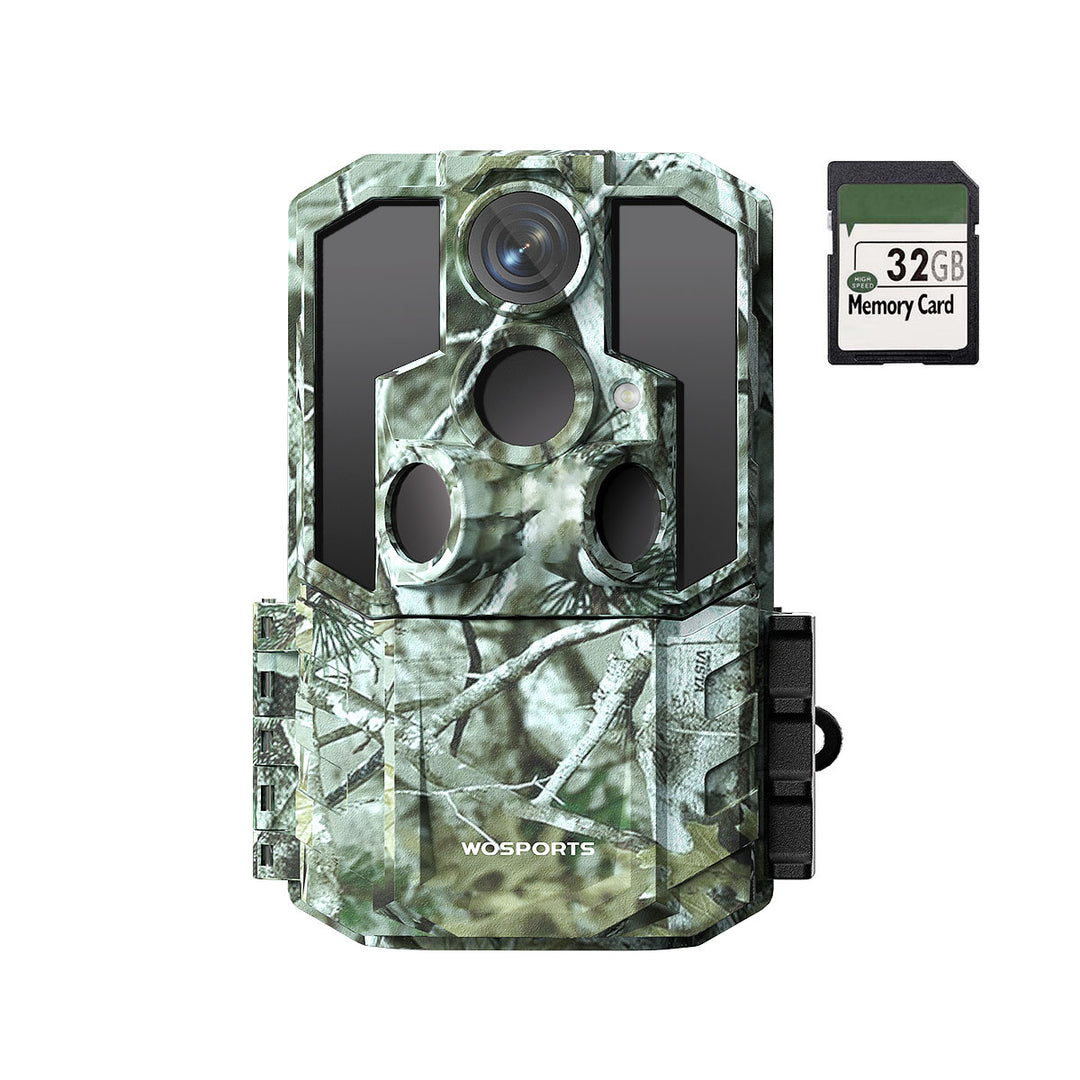
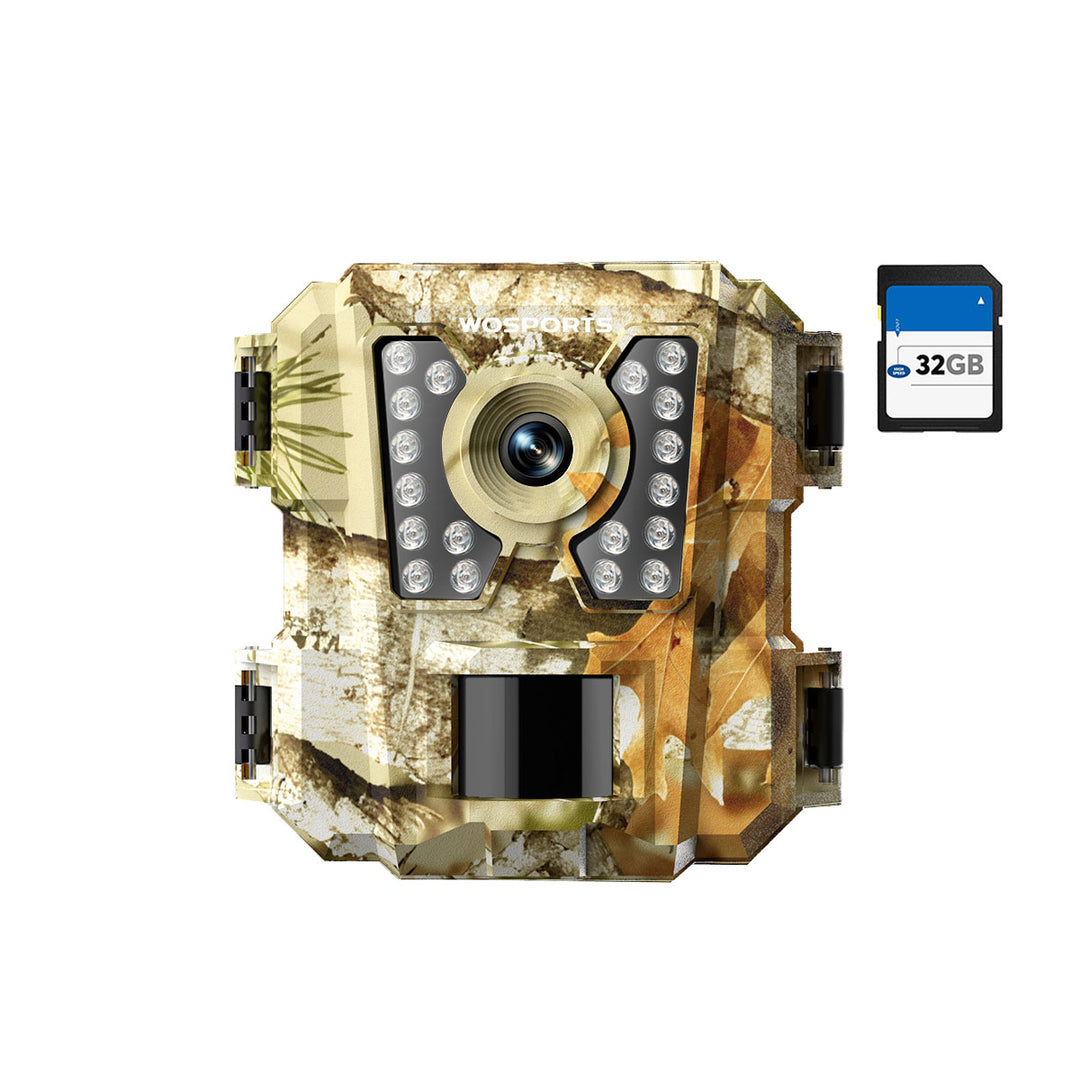
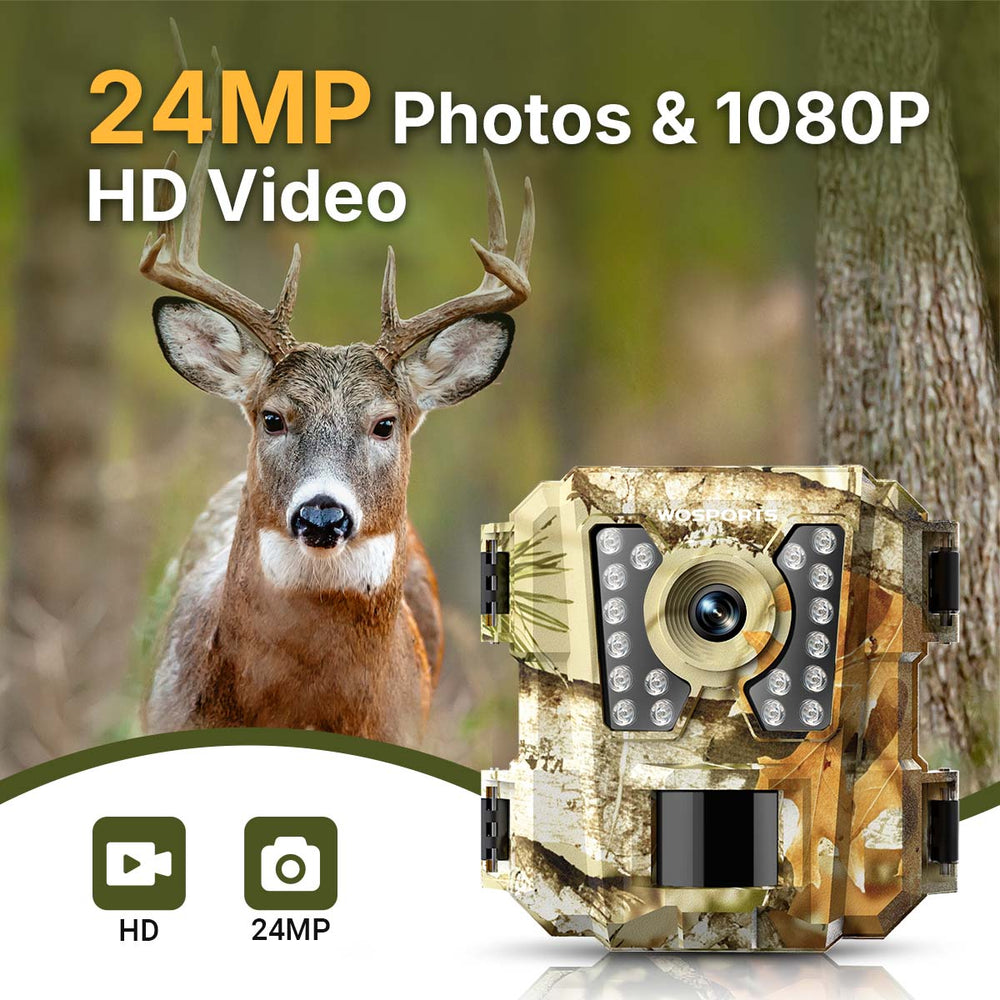
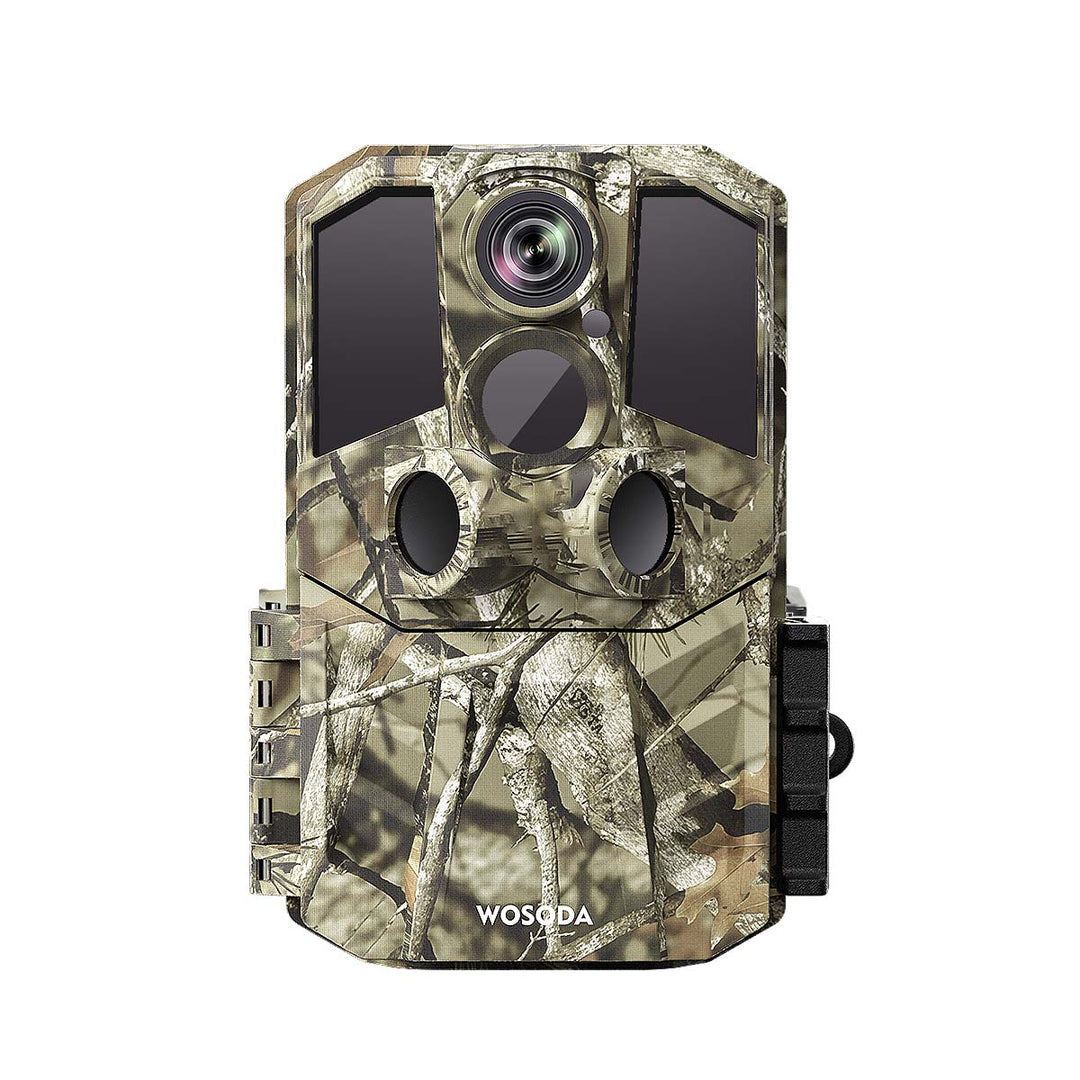
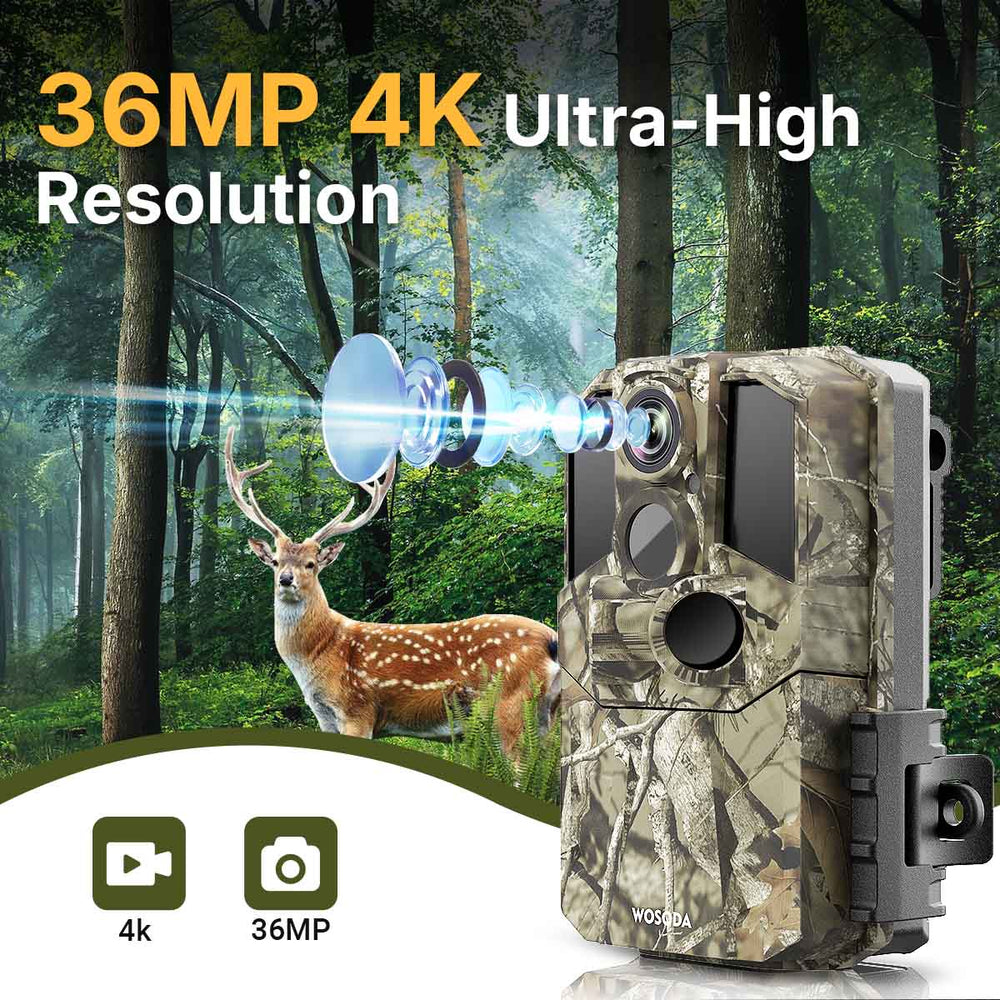
The WOSPORTS G600 is a non-cellular trail camera that records photos and videos to local SD card storage. Retailers can use it as the main product in accessory bundles designed for wildlife observation, farm monitoring, and general outdoor property checks.
The G600's key specifications include:
| G600 Specification | Details |
|---|---|
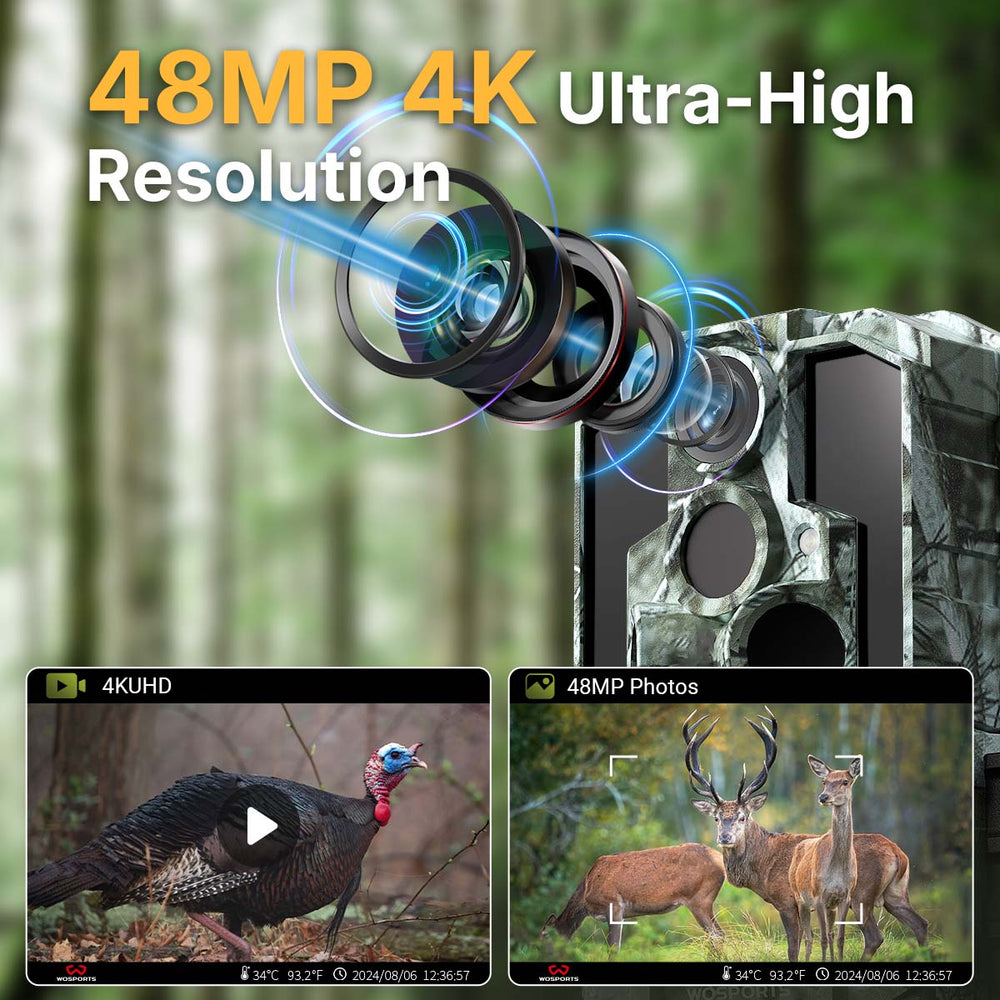
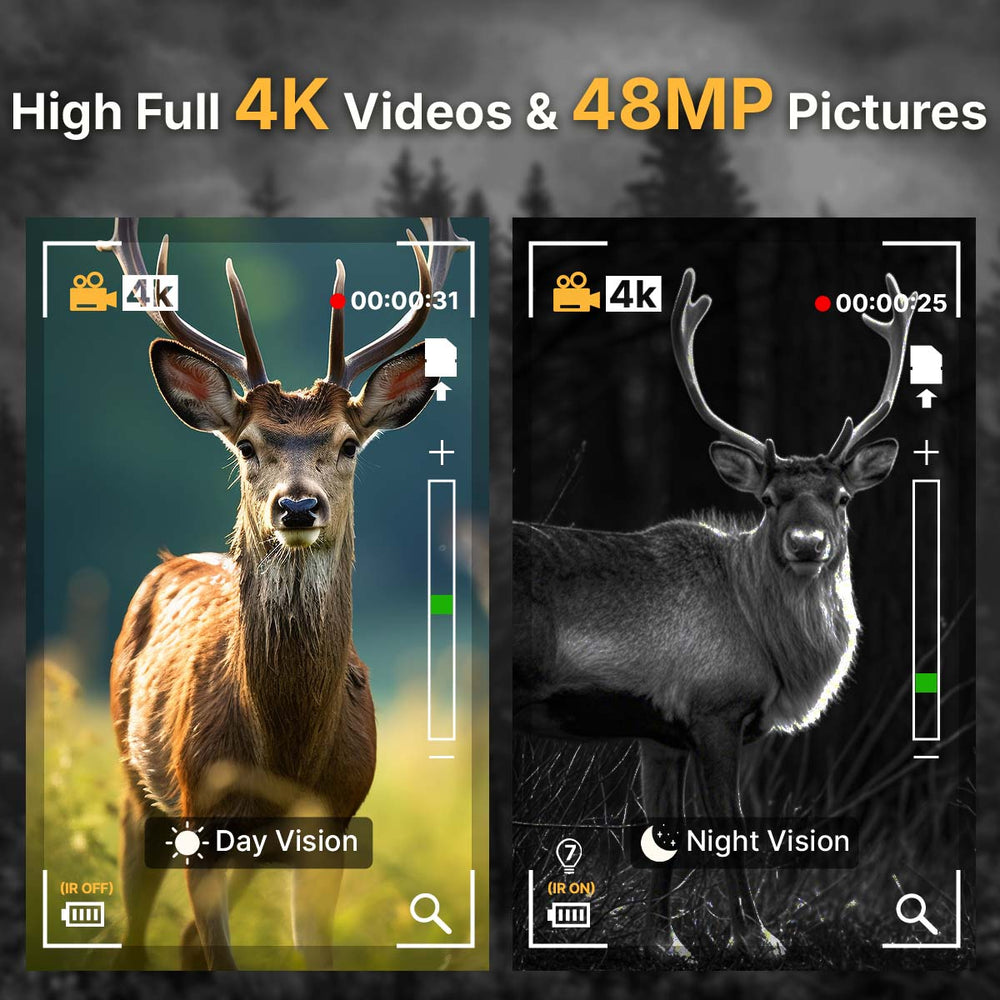
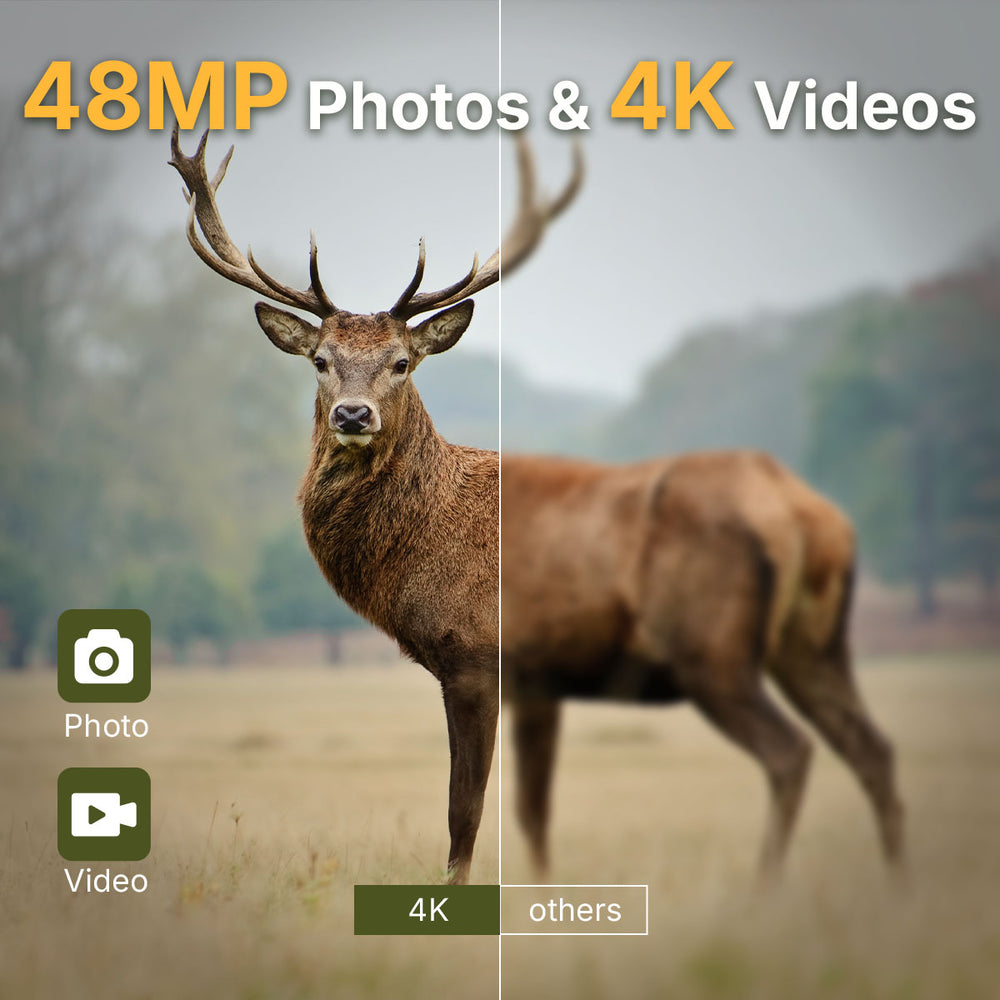
| Photo resolution | Up to 48MP |
| Video resolution | 4K |
| Trigger speed | Approximately 0.2 seconds |
| Lens angle | 120° |
| PIR detection distance | Up to 70 ft |
| Display | 2-inch TFT LCD |
| Weather resistance | IP66 |
| Power | 8 AA batteries |
| Storage | Local SD card storage |
Product information: WOSPORTS G600 Trail Camera
https://wosports.com/products/g600-trail-camera
Because the G600 uses local SD card storage and does not require Wi-Fi, Bluetooth, or cellular transmission, compatible memory cards and spare batteries are natural accessories to discuss with customers. Suitable mounting accessories can also help users install the camera securely.
Three Practical Bundle Ideas
| Bundle | Suggested Contents | Target Customer |
|---|---|---|
| Essential Starter Kit | G600 camera, compatible SD card, mounting strap | First-time trail camera buyers |
| Wildlife Monitoring Kit | G600 camera, multiple compatible SD cards, spare batteries | Wildlife enthusiasts and landowners |
| Multi-Location Farm Kit | Multiple G600 cameras, compatible cards, spare batteries, mounting accessories | Farmers and customers monitoring larger properties |
These bundles are suggested retail concepts, not official WOSPORTS package configurations. Retailers should verify card compatibility and mounting requirements and clearly identify which items are included in each package.
A simple bundle can also reduce customer confusion. Instead of asking buyers to identify every accessory independently, retailers can explain what each kit is designed to help them do.
7. What Does Real-World Trail Camera Use Tell Retailers About Accessories?
Wildlife monitoring guidance shows that storage, power, and mounting are practical parts of a successful camera setup. Accessories are not merely optional extras when customers need their equipment to keep recording reliably in outdoor locations.
For example, the Ohio State University Extension fact sheet The Basics of Using Remote Cameras to Monitor Wildlife discusses accessories such as external batteries, security boxes, and camera mounts. These options address common needs in longer-term or more demanding installations.
Source: Ohio State University Extension, The Basics of Using Remote Cameras to Monitor Wildlife
https://woodlandstewards.osu.edu/sites/woodlands/files/d6/files/pubfiles/Remote%20Cameras.pdf
A Customer Example: Monitoring Deer Across Private Land
A WOSPORTS-published testimonial from David M. in Michigan describes purchasing 20 G600 cameras to monitor deer movement across his land. He reported that the cameras had been running for months without issues and described them as good value.
This example shows how one customer's monitoring project involved multiple cameras across a property. For retailers, multi-camera use creates a practical opportunity to recommend compatible accessories in appropriate quantities, including memory cards, spare batteries, and mounting equipment.
This is an individual customer testimonial published by WOSPORTS, not an independent product test or a guarantee of identical results. Actual accessory needs depend on installation locations, camera settings, and how frequently the customer checks the equipment.
8. How Can Small Wholesalers Manage Accessory Inventory?
Small wholesalers can manage accessory inventory more effectively by starting with a limited selection of high-use products and tracking which items sell alongside each camera model.
A simple approach is to:
-
Confirm compatibility: Check supported SD card types, capacities, battery requirements, and mounting options.
-
Start with core accessories: Prioritize memory cards, batteries, and mounting straps.
-
Create a small number of bundles: Offer clear choices instead of too many complicated combinations.
-
Track attachment rates: Measure how often customers purchase accessories with cameras.
-
Review repeat purchases: Monitor demand for replacement batteries, additional cards, and mounting components.
-
Expand selectively: Add security boxes, card readers, or other accessories when customer demand supports them.
Measure Accessory Performance
Retailers can use a few simple indicators to evaluate whether their accessory strategy is working.
| Metric | What It Reveals |
|---|---|
| Accessory attachment rate | How often buyers add accessories to camera purchases |
| Average order value | Whether bundles increase spending per order |
| Repeat purchase rate | Whether customers return for replacement or additional accessories |
| Bundle sales share | Which predefined packages customers prefer |
| Inventory turnover | Whether accessory stock is moving at a healthy pace |
These metrics help retailers make purchasing decisions based on their own sales rather than assuming every accessory will sell equally well.
9. Frequently Asked Questions
What are the most important trail camera accessories?
SD cards, compatible batteries, and mounting accessories are practical essentials for many traditional trail cameras. Card readers, security boxes, and other accessories may also be useful depending on the camera model and installation location.
Should retailers sell SD cards with trail cameras?
Yes, offering compatible SD cards can make purchasing easier because customers need suitable storage to save images and videos on cameras that use removable memory cards. Retailers should verify the supported card type and maximum capacity for each camera.
Which accessories are best for repeat sales?
Batteries and additional memory cards can generate repeat purchases, particularly among customers who operate several cameras or monitor remote locations. Demand depends on usage, storage needs, and how often customers service their equipment.
Can retailers bundle accessories with the WOSPORTS G600?
Yes. Retailers can create suggested bundles featuring the G600, compatible SD cards, spare AA batteries, and suitable mounting accessories. Each bundle should clearly list its contents and confirm compatibility.
Do all trail cameras use the same accessories?
No. Trail cameras differ in supported memory cards, maximum storage capacity, battery requirements, mounting design, and external power options. Retailers should verify compatibility before recommending or bundling accessories.
Conclusion: Make Accessories Part of the Trail Camera Buying Experience
Trail camera accessories give small retailers and wholesalers a practical way to increase order value while helping customers get more from their equipment. SD cards support storage, batteries help keep cameras running, and mounting accessories make installation more secure and convenient.
A focused accessory range, clear compatibility information, and a few application-based bundles can make purchasing easier for customers while helping retailers manage inventory. With a model such as the WOSPORTS G600, retailers can build practical packages for wildlife enthusiasts, landowners, and farm monitoring customers.
The goal is not simply to sell more accessories. It is to help customers purchase a complete, compatible setup from the start.
Search
Popular Posts
Recent Posts


Nov 28, 2024
Troubleshooting Common Trail Camera Issues
Jan 10, 2025
Why Does My Trail Camera Stop Working at Night?