How Can Small Retailers Sell Trail Cameras Beyond Hunting Season?
Trail cameras are often associated with hunting season, but their uses extend far beyond hunting. Farmers, landowners, wildlife enthusiasts, and rural property owners use trail cameras throughout the year to observe animal activity, monitor outdoor spaces, and understand what happens in areas they cannot visit every day.
For small retailers and wholesalers, this creates an opportunity to build year-round sales instead of relying on a single seasonal buying period. The key is to market trail cameras around different customer needs, seasonal activities, and practical monitoring applications.
This guide explores how retailers can expand their customer base, position trail cameras for year-round use, and build a more balanced product selection with options such as the WOSPORTS G600.
1. Why Should Retailers Sell Trail Cameras All Year?
Trail cameras have multiple applications throughout the year, including wildlife observation, farm monitoring, property checks, and outdoor recreation. Retailers who promote these uses can reach customers beyond seasonal hunters.
Hunting remains an important sales opportunity, but it is only one reason people buy trail cameras.
Other potential customer groups include:
-
Farmers: Monitor wildlife near crops, livestock areas, and farm entrances.
-
Landowners: Observe animal movement across fields, wooded areas, and private land.
-
Wildlife enthusiasts: Photograph and study birds, deer, and other animals.
-
Rural homeowners: Check activity around driveways, sheds, gates, and remote property areas.
-
Land managers: Observe wildlife patterns and evaluate activity in different locations.
These customers may purchase cameras at different times of the year. A landowner might buy one in spring to observe wildlife, while a farmer might need additional cameras in summer to monitor crop areas.
Retail insight: Year-round sales do not necessarily require a completely different product range. Retailers can often extend the sales life of existing trail camera models by changing the applications, content, and customer groups they target.
2. What Can Customers Use Trail Cameras for in Each Season?
The strongest year-round marketing strategy connects trail camera applications with seasonal outdoor activities. Each season gives retailers a different reason to remind customers why monitoring equipment is useful.
| Season | Customer Needs | Marketing Opportunities |
|---|---|---|
| Spring | Wildlife observation, nesting activity, property checks | Promote nature observation and land management |
| Summer | Crop protection, livestock-area monitoring, outdoor activity | Target farmers and rural property owners |
| Fall | Increased wildlife movement, hunting preparation | Promote hunting and wildlife monitoring |
| Winter | Monitoring remote areas, observing winter wildlife activity | Highlight year-round outdoor recording |
Spring: Promote Wildlife Observation
Spring is a natural time to introduce trail cameras to wildlife enthusiasts and landowners. As outdoor activity increases, customers may want to observe animal movement, nesting areas, and wildlife returning to familiar locations.
Retailers can create content around questions such as:
-
Where should a trail camera be placed to observe wildlife?
-
How can landowners monitor animal activity without disturbing it?
-
What camera features help capture wildlife in wooded areas?
Summer: Reach Farmers and Property Owners
Summer creates opportunities to market trail cameras for farm and property monitoring. Cameras can help customers observe activity near crops, pastures, storage buildings, and property boundaries.
Instead of focusing only on hunting specifications, retailers should explain practical benefits such as motion detection, night vision, weather resistance, and local image storage.
Fall: Capture Traditional Hunting Demand
Fall remains an important period for hunting-related purchases. Customers may be preparing hunting locations, checking wildlife movement, or evaluating potential camera placements.
Retailers can use this seasonal demand while also introducing complementary applications such as wildlife observation and property monitoring.
Winter: Keep Outdoor Monitoring Relevant
Trail cameras can continue recording activity during winter, provided they are installed and maintained according to the manufacturer's operating recommendations. Wildlife observation, remote property checks, and seasonal land management can all support winter demand.
Retailers should explain how cold temperatures can affect battery performance and remind customers to check equipment periodically.
3. Is Wildlife Watching a Real Opportunity Beyond Hunting?
Yes. Wildlife watching represents a substantial outdoor recreation market in the United States, and its audience extends well beyond hunters. This gives small retailers a broader customer base for trail cameras.
The U.S. Fish and Wildlife Service's 2022 National Survey of Fishing, Hunting, and Wildlife-Associated Recreation provides useful market context.
U.S. Wildlife-Watching Statistics
| Indicator | 2022 Estimate |
|---|---|
| Wildlife watchers aged 16 and older | 148.3 million |
| Total wildlife-watching expenditures | $250.2 billion |
| Wildlife-watching equipment expenditures | $24.6 billion |
| Participants who watched wildlife around their homes | 146.5 million |
Source: U.S. Fish and Wildlife Service, 2022 National Survey of Fishing, Hunting, and Wildlife-Associated Recreation
https://www.fws.gov/sites/default/files/documents/Final_2022-National-Survey_101223-accessible-single-page.pdf
These figures cover wildlife watching broadly, including activities such as observing, feeding, and photographing wildlife. They are not estimates of trail camera sales or the trail camera market.
However, the data reveal an important retail opportunity: wildlife interest is not limited to people who travel for hunting or outdoor recreation. Many people observe wildlife close to home.
For retailers, this means trail cameras can be positioned as tools for both recreational wildlife observation and practical outdoor monitoring.
4. How Can Retailers Reach Customers Who Do Not Hunt?
Retailers can reach non-hunting customers by focusing on what trail cameras help them do rather than assuming every buyer understands hunting terminology.
A customer who wants to observe birds or monitor a farm entrance may not search for a camera using hunting-related terms. Product pages and marketing campaigns should therefore describe broader applications in familiar language.
Use Different Messages for Different Customer Groups
| Customer Group | Suggested Marketing Message | Useful Features to Highlight |
|---|---|---|
| Wildlife enthusiasts | Observe wildlife without staying nearby | Photo quality, video, night vision |
| Farmers | Monitor activity around fields and pastures | Motion detection, weather resistance |
| Landowners | Keep track of activity across private land | Detection range, field of view |
| Rural homeowners | Record movement around outdoor areas | Night recording, local storage |
| Nature photographers | Capture animal activity over time | Image resolution, video quality |
Create Content Around Real Customer Questions
Educational content can attract customers who are researching a specific problem rather than actively shopping for a hunting camera.
Retailers can publish articles, buying guides, and short videos addressing questions such as:
-
Can trail cameras monitor a farm without Wi-Fi?
-
How can I observe wildlife without disturbing animals?
-
What should I look for in an outdoor camera for remote property areas?
-
Can a trail camera record animals at night?
-
How often should I check a trail camera's memory card?
This approach also helps search engines and AI-powered answer systems understand the different applications of a product.
5. Which Trail Camera Features Support Year-Round Sales?
The most useful year-round trail cameras combine reliable motion detection, clear images, night vision, outdoor durability, and practical storage. These features address needs that remain relevant across different seasons.
Retailers should focus on explaining how each specification solves a customer problem.
| Feature | Customer Benefit | Year-Round Application |
|---|---|---|
| High-resolution photos | Helps users review animal and property activity | Wildlife observation and outdoor monitoring |
| Video recording | Shows movement and behavior | Farm checks and wildlife activity |
| Fast trigger speed | Helps capture moving subjects | Wildlife trails and property entrances |
| Night vision | Records activity after dark | Farm and remote-area monitoring |
| Weather resistance | Supports outdoor installation | All-season use |
| Local SD card storage | Saves footage without a data subscription | Remote locations without reliable connectivity |
Why Non-Cellular Cameras Still Have a Place
Not every customer needs instant image transmission or remote access. Standard non-cellular trail cameras store photos and videos locally, making them suitable for customers who can visit their cameras periodically.
This can be especially practical for:
-
Landowners who regularly visit their property.
-
Wildlife enthusiasts who prefer to review footage manually.
-
Farmers monitoring locations close to their daily routes.
-
Customers who want to avoid recurring cellular data costs.
Retailers should explain the trade-off clearly: local storage avoids cellular service requirements, but users must physically retrieve the memory card or review footage on the device.
6. How Does the WOSPORTS G600 Fit a Year-Round Product Strategy?
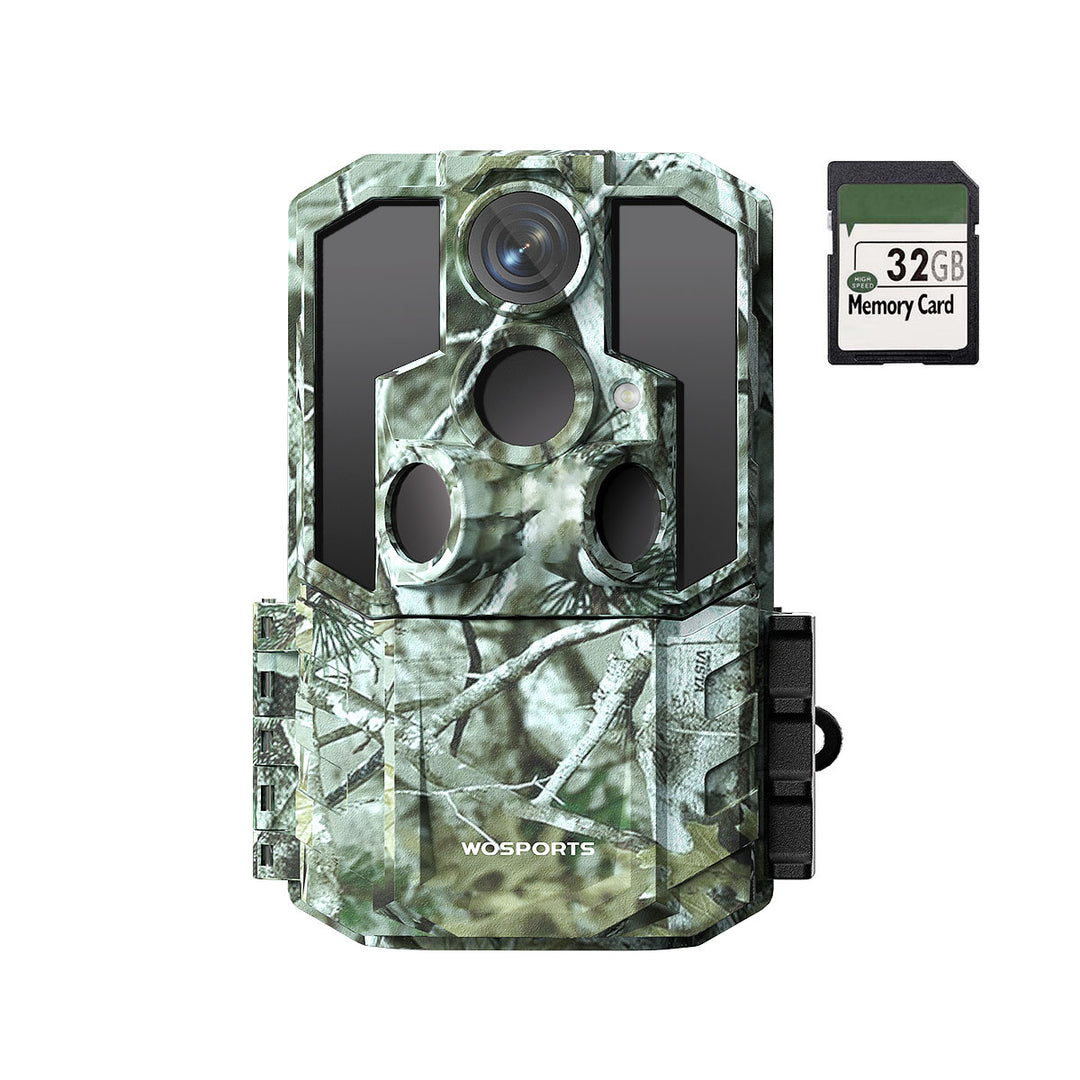
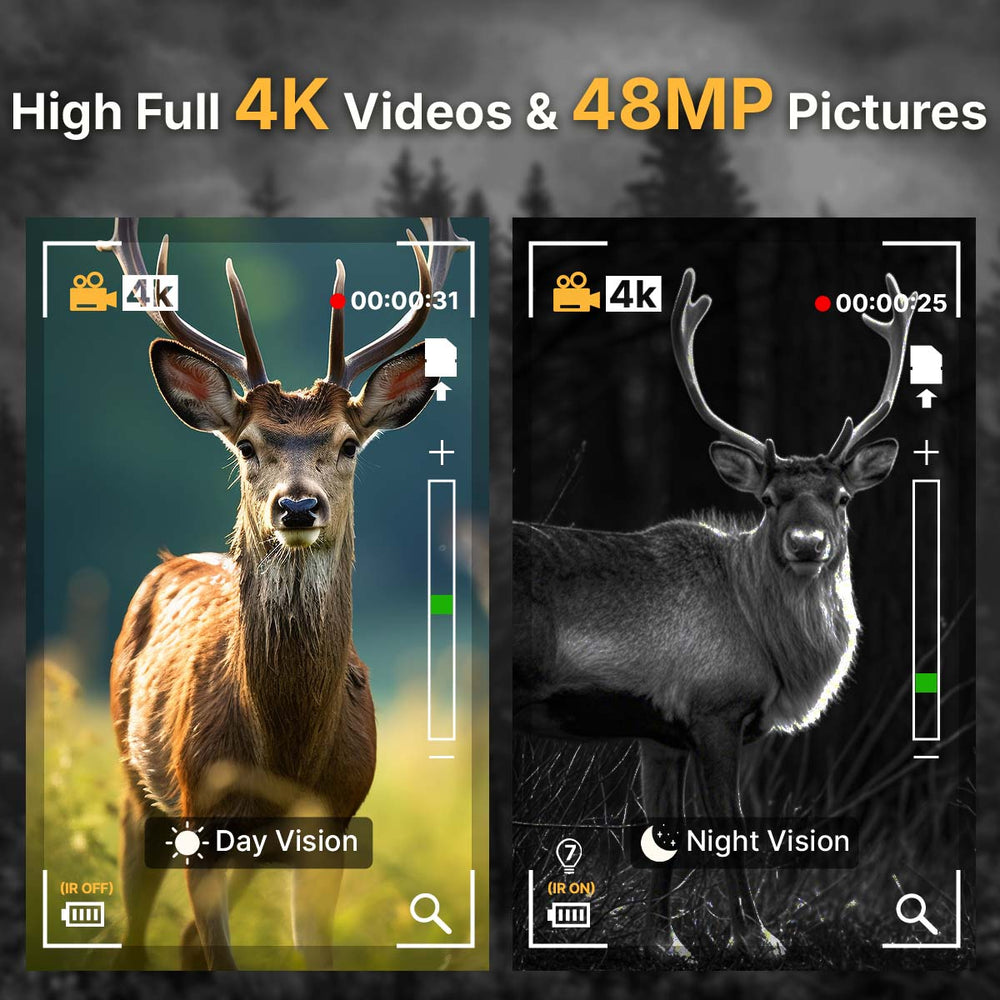
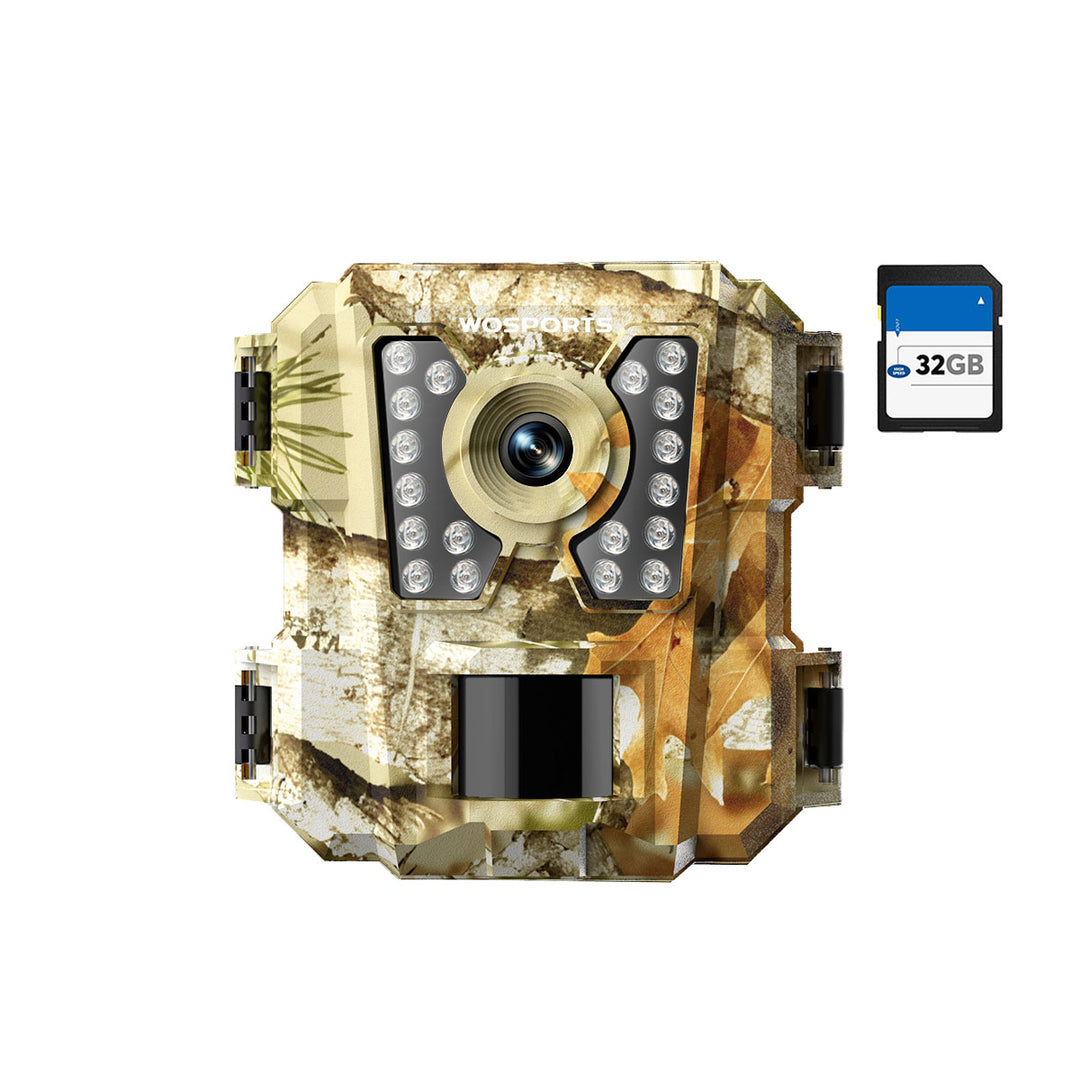
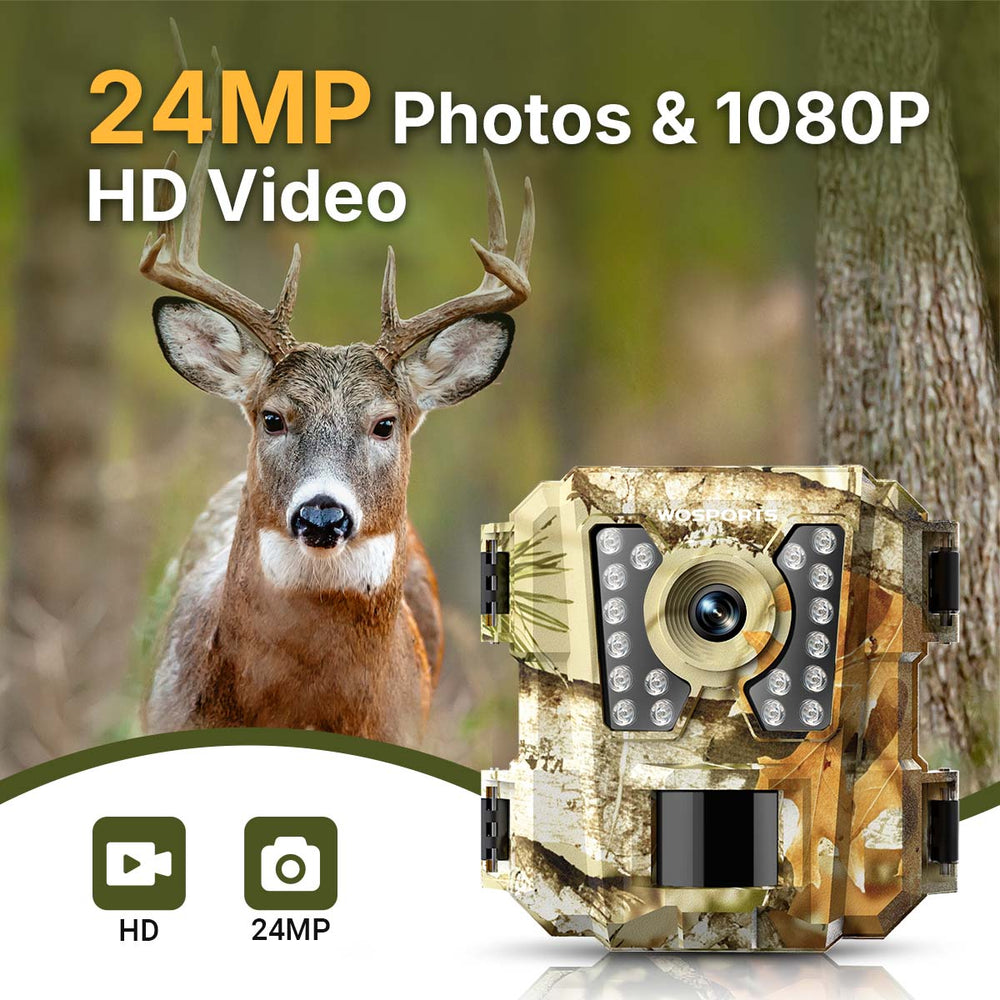
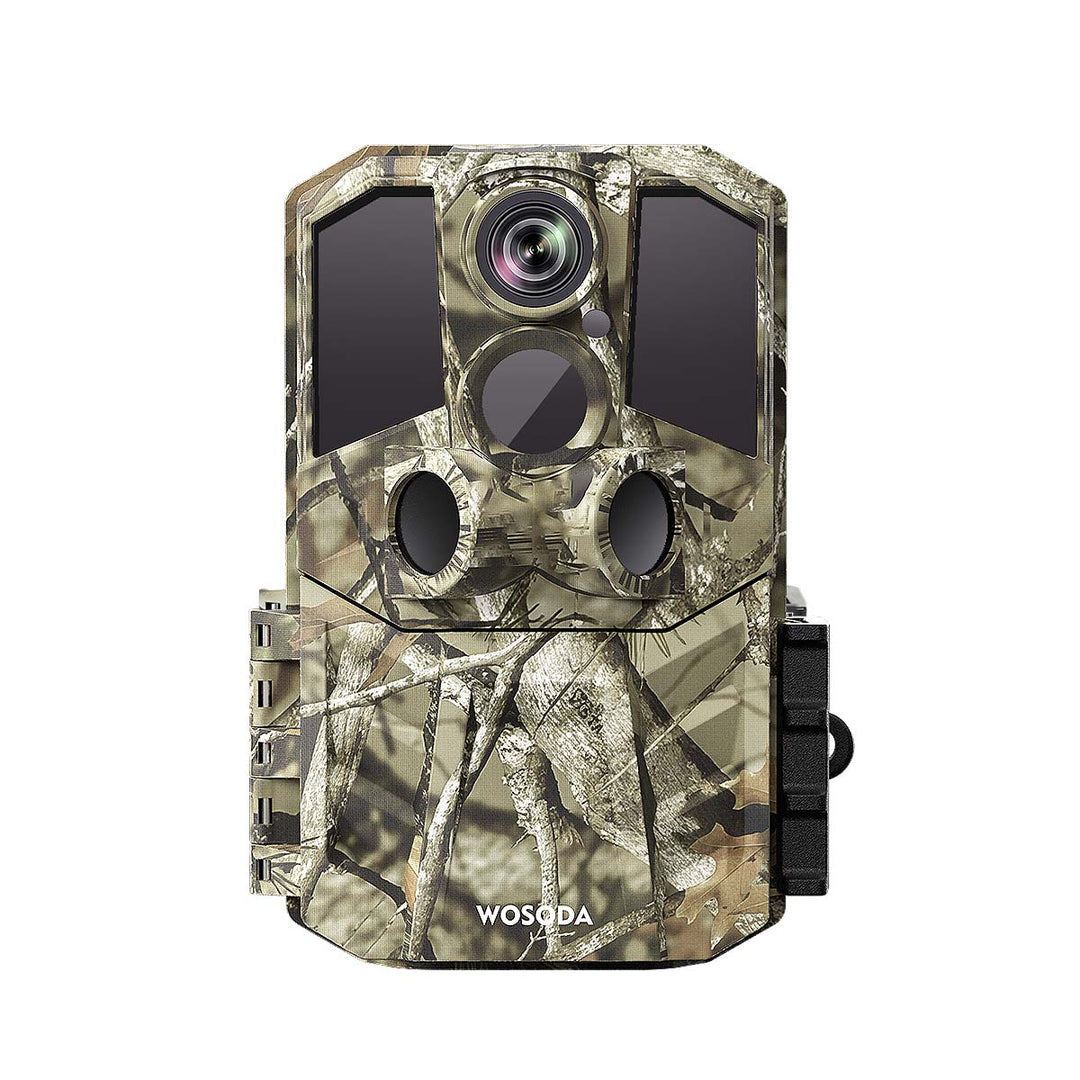
The WOSPORTS G600 is a non-cellular trail camera designed for motion-triggered photo and video recording. Its practical feature set makes it relevant to several customer groups, including hunters, wildlife enthusiasts, farmers, and landowners.
Rather than positioning the G600 exclusively as a hunting camera, retailers can present it as a straightforward outdoor monitoring option.
WOSPORTS G600 Key Specifications
| Specification | G600 Details |
|---|---|
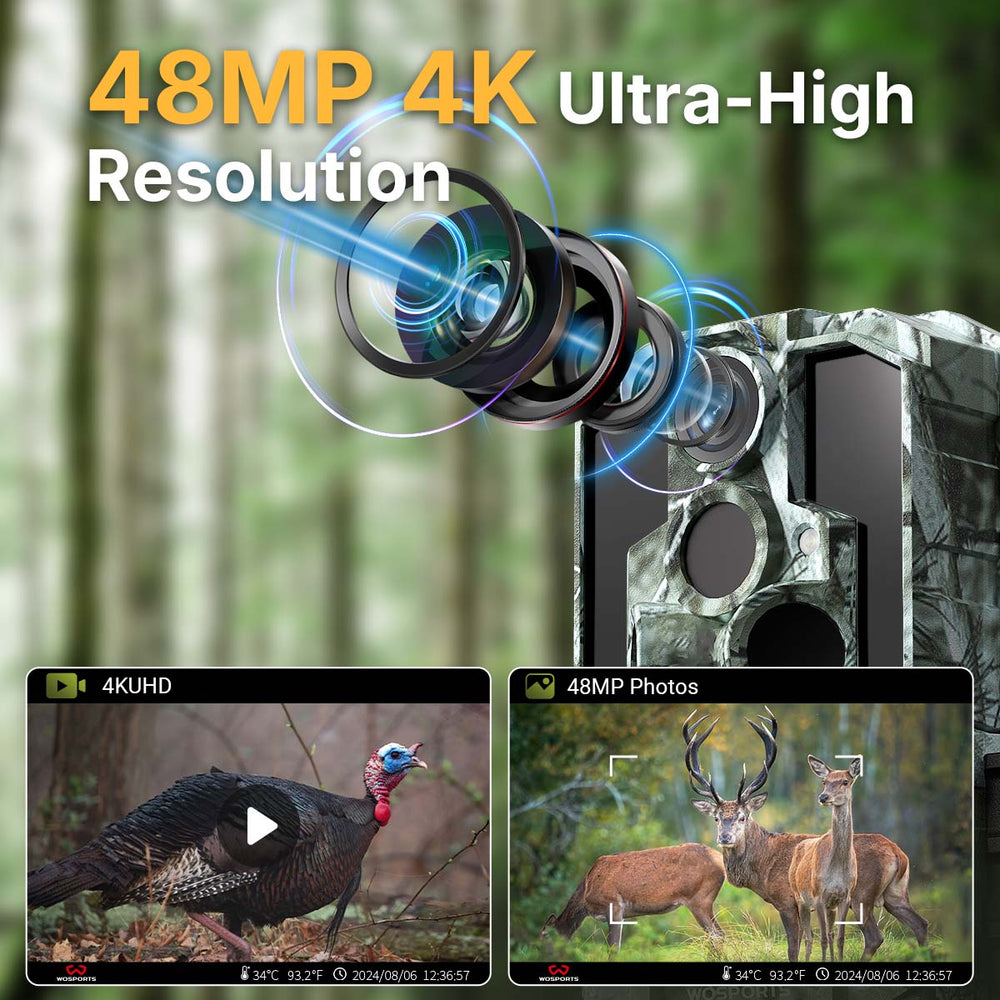
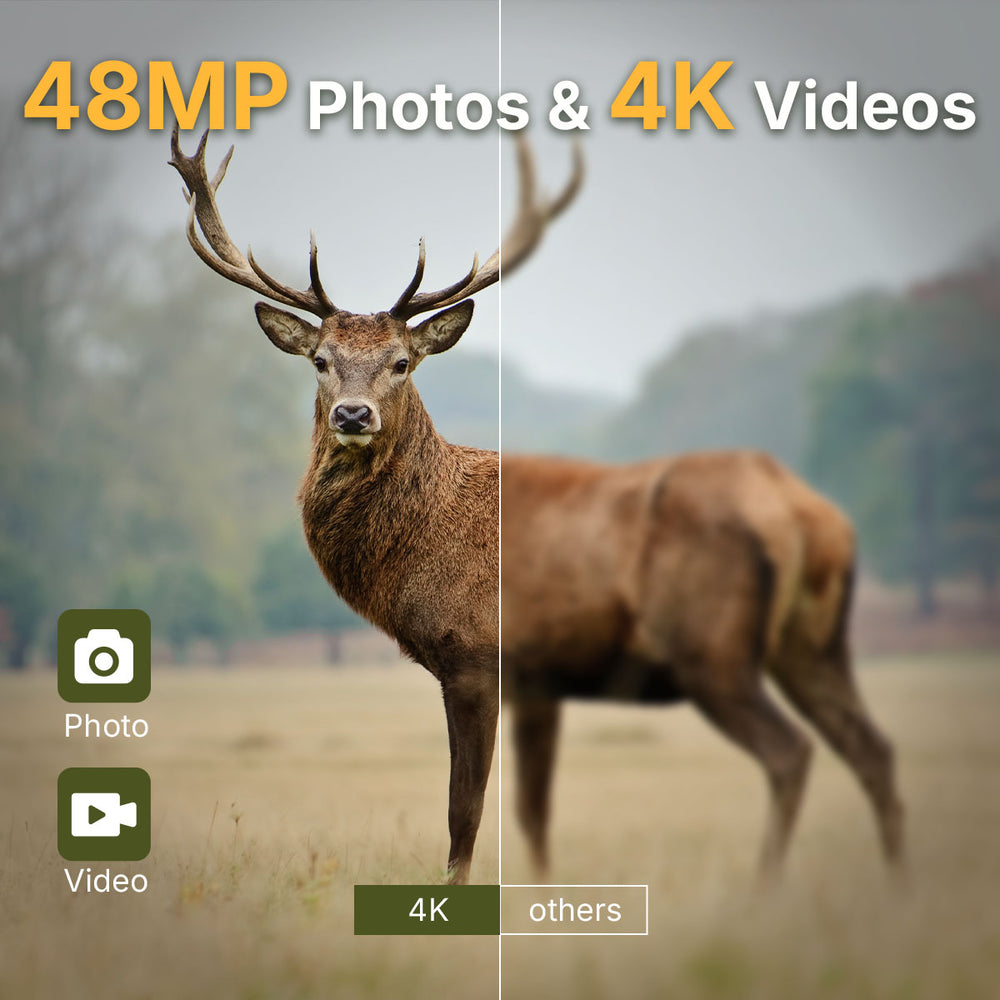
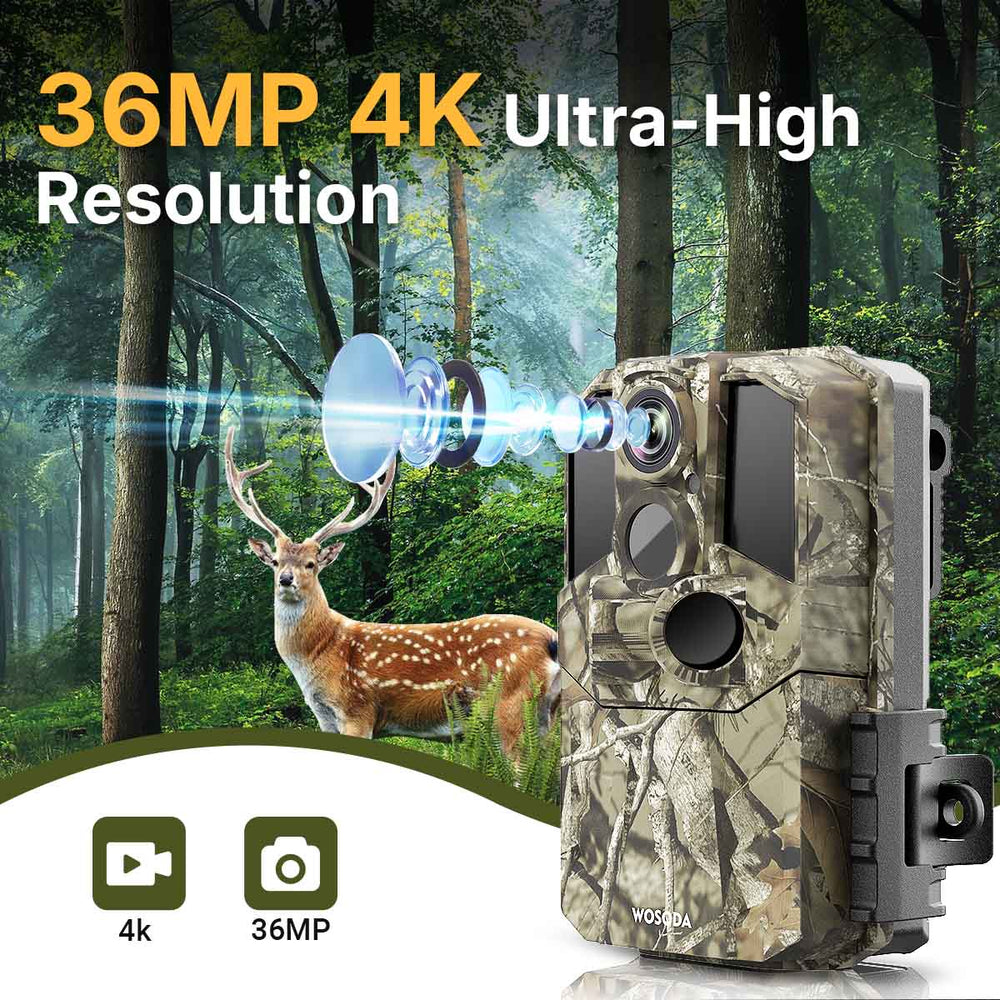
| Photo resolution | Up to 48MP |
| Video resolution | 4K |
| Trigger speed | Approximately 0.2 seconds |
| Lens angle | 120° |
| PIR detection distance | Up to 70 ft |
| Display | 2-inch TFT LCD |
| Weather resistance | IP66 |
| Power | 8 AA batteries |
| Storage | Local SD card storage |
These features support several different selling points:
-
For hunters: Capture wildlife activity around trails and hunting locations.
-
For farmers: Observe animal movement near fields and outdoor working areas.
-
For landowners: Record activity around remote sections of private property.
-
For wildlife enthusiasts: Review photos and videos of animals visiting familiar locations.
The G600 does not include Wi-Fi, Bluetooth, or cellular transmission. It is best suited to customers who are comfortable retrieving footage locally rather than requiring instant remote alerts.
Product details: WOSPORTS G600 Trail Camera
https://wosports.com/products/g600-trail-camera
A Real Customer Example: Using Multiple Cameras Across Private Land
A WOSPORTS-published customer testimonial from David M. in Michigan describes purchasing 20 G600 cameras to monitor deer movement across his land. He reported that the cameras had been running for months without issues and described them as good value.
This example demonstrates how one customer used multiple cameras for a broader monitoring project rather than a single hunting location.
For retailers, it also suggests a practical sales opportunity: customers with larger properties may need more than one camera to observe different trails, fields, and access points.
This is an individual testimonial published by WOSPORTS, not an independent product test or a guarantee of identical results. Actual performance depends on installation, settings, weather, and usage conditions.
7. How Can Small Retailers Build a Year-Round Trail Camera Sales Plan?
A year-round sales plan should combine seasonal promotions, educational content, and products with clear customer applications. Small retailers do not need a large marketing budget to start expanding beyond hunting-season demand.
A simple quarterly plan can help keep marketing activity consistent.
| Period | Main Customer Focus | Suggested Marketing Activity |
|---|---|---|
| Q1 | Wildlife enthusiasts and landowners | Publish wildlife observation guides and winter monitoring tips |
| Q2 | Farmers and rural homeowners | Promote farm monitoring and outdoor property applications |
| Q3 | Hunters and outdoor retailers | Prepare hunting-season promotions and product comparisons |
| Q4 | Hunters, landowners, and gift buyers | Promote hunting demand alongside year-round monitoring uses |
Use Bundles to Increase Order Value
Retailers can also create bundles around customer applications instead of offering discounts on individual cameras alone.
Possible bundle ideas include:
-
Wildlife observation kit: Trail camera, compatible SD card, and mounting strap.
-
Farm monitoring kit: Multiple cameras for different outdoor locations.
-
Property monitoring kit: Trail camera, mounting accessories, and spare batteries.
-
Multi-camera land package: Several cameras for customers monitoring larger properties.
Bundles should include compatible accessories and clear instructions. Retailers should avoid suggesting that every customer needs the same package.
Stock a Focused Product Range
For small wholesalers and retailers, a manageable product range can be more effective than stocking many models with overlapping features.
A practical assortment might include:
-
An entry-level camera for customers who want basic wildlife recording.
-
A standard non-cellular model for general outdoor monitoring.
-
A connected model for customers who need remote access.
This approach gives customers clear choices while helping retailers manage inventory and explain product differences.
8. Frequently Asked Questions
Can trail cameras be sold outside hunting season?
Yes. Trail cameras are also used for wildlife observation, farm monitoring, and outdoor property checks. Retailers can reach these customer groups throughout the year by marketing practical applications rather than focusing exclusively on hunting.
What is the best season to promote trail cameras?
There is no single best season for every customer group. Spring and summer offer opportunities to target wildlife enthusiasts, farmers, and landowners, while fall is traditionally important for hunting-related sales. Winter can support continued demand for wildlife and remote property monitoring.
Are trail cameras useful for wildlife monitoring year-round?
Yes. Trail cameras can record wildlife activity in different seasons, helping users observe changes in animal movement and behavior. Battery performance, weather conditions, and installation should be considered when planning long-term use.
Can a non-cellular trail camera monitor property?
Yes. A non-cellular trail camera can record motion-triggered photos and videos around outdoor areas such as gates, trails, fields, and sheds. However, users need to retrieve footage locally, and the camera should not be treated as a replacement for a dedicated security system.
What should small retailers look for when buying trail cameras wholesale?
Small retailers should compare image quality, trigger speed, detection range, night vision, weather resistance, storage, power requirements, product positioning, and supplier support. They should also consider whether a model can serve multiple customer groups throughout the year.
Conclusion: Turn Seasonal Trail Camera Demand into Year-Round Sales
Trail cameras have value beyond hunting season because wildlife observation, farm monitoring, and outdoor property checks are ongoing activities. Small retailers can expand their customer base by connecting product features with these everyday needs.
A balanced product range, clear educational content, and application-based bundles can help reduce dependence on a single seasonal sales period. The WOSPORTS G600 offers one practical option for retailers serving customers who want straightforward, non-cellular recording for wildlife and outdoor monitoring.
The opportunity is not simply to sell more trail cameras during hunting season. It is to help customers find reasons to use them throughout the year.
Search
Popular Posts
Recent Posts