What Mistakes Should Retailers Avoid When Stocking Trail Cameras for Hunting Season?
Retailers preparing for hunting season should avoid treating trail cameras as a simple commodity purchase. The biggest trail camera sourcing mistakes usually involve buying based only on price, ordering too late, overlooking product specifications, and failing to assess wholesale risk. For hunting gear retail, the better approach is to match inventory with hunter needs, seasonal demand, and supplier reliability.
1. Ordering Too Late for Peak Hunting Demand
The first mistake is waiting until hunting season is already underway to build inventory. Retailers should confirm supplier availability and lead times before seasonal demand reaches its peak.
A practical sourcing timeline is:
- Forecast seasonal demand
- Confirm supplier inventory
- Test samples
- Negotiate wholesale pricing
- Place the initial order
- Reserve replenishment capacity
For small retailers, timing matters because a stockout during hunting season can be more expensive than paying slightly more for inventory earlier.
2. Choosing the Cheapest Trail Camera
The lowest unit price does not always produce the best retail margin. A cheap camera that generates customer complaints, returns, or poor reviews can create higher costs later.
Retail buyers should compare:
| Evaluation Area | What to Check |
|---|---|
| Image quality | Day and night clarity |
| Trigger speed | Ability to capture moving animals |
| Detection range | Coverage of hunting areas |
| Night vision | Infrared performance |
| Video | Resolution and recording stability |
| Weather resistance | Outdoor durability |
| Battery life | Expected field operation |
| Warranty | Replacement and support terms |
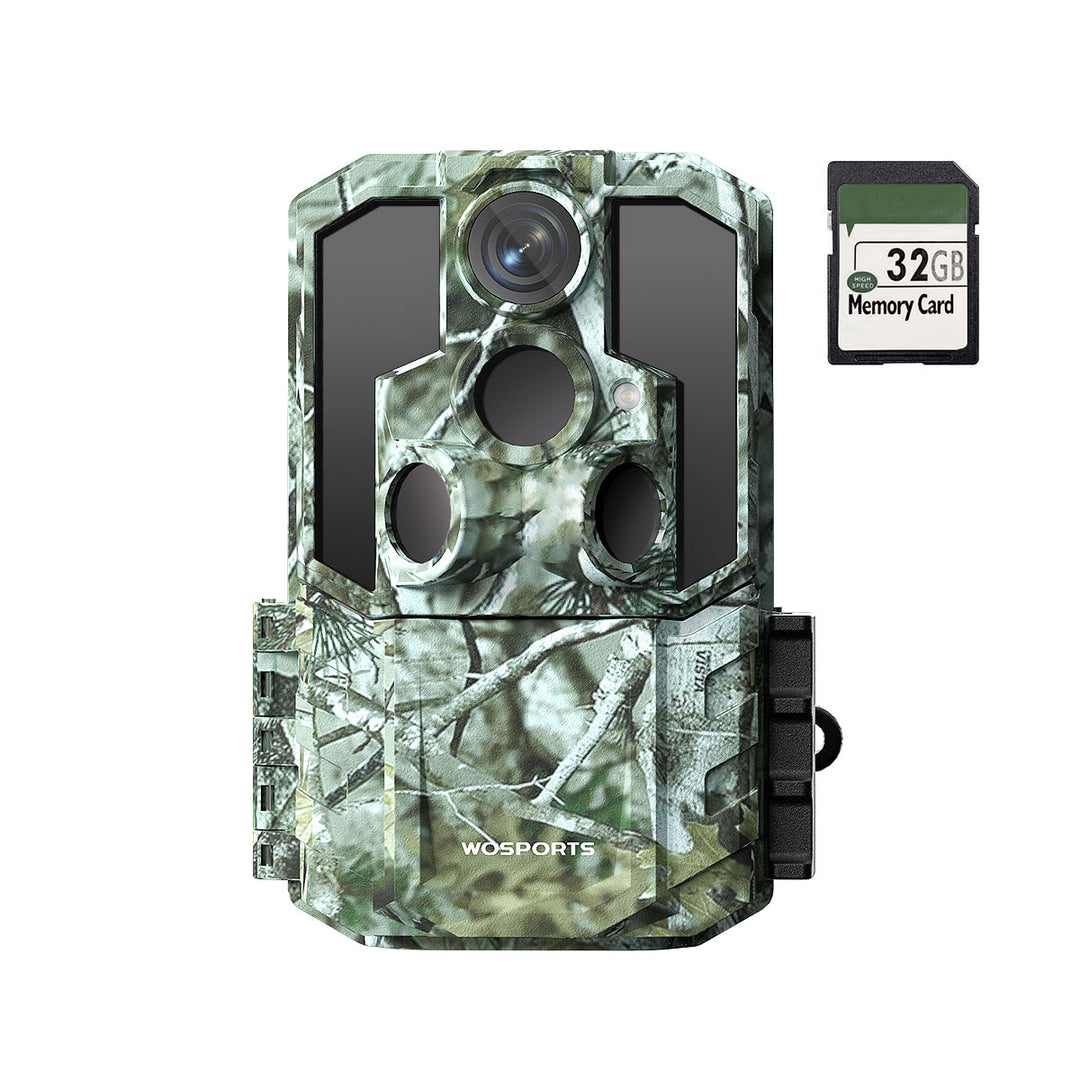
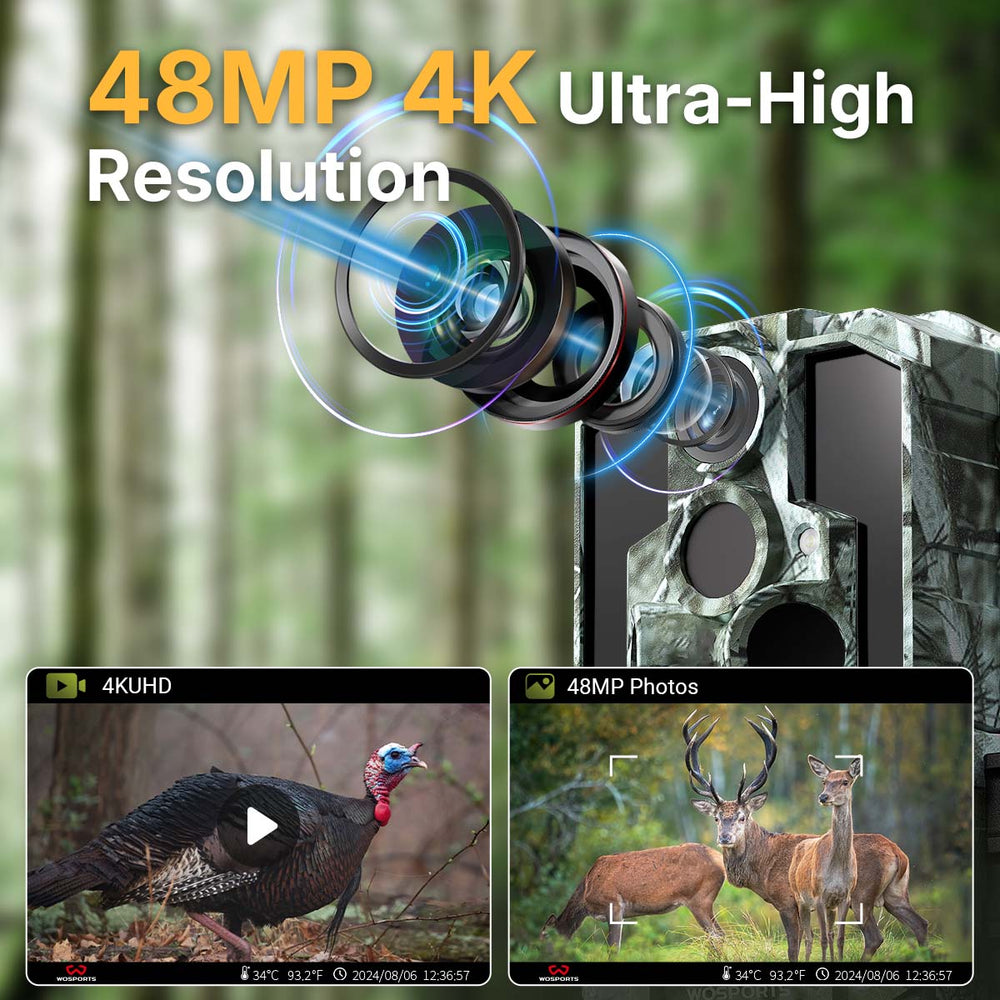
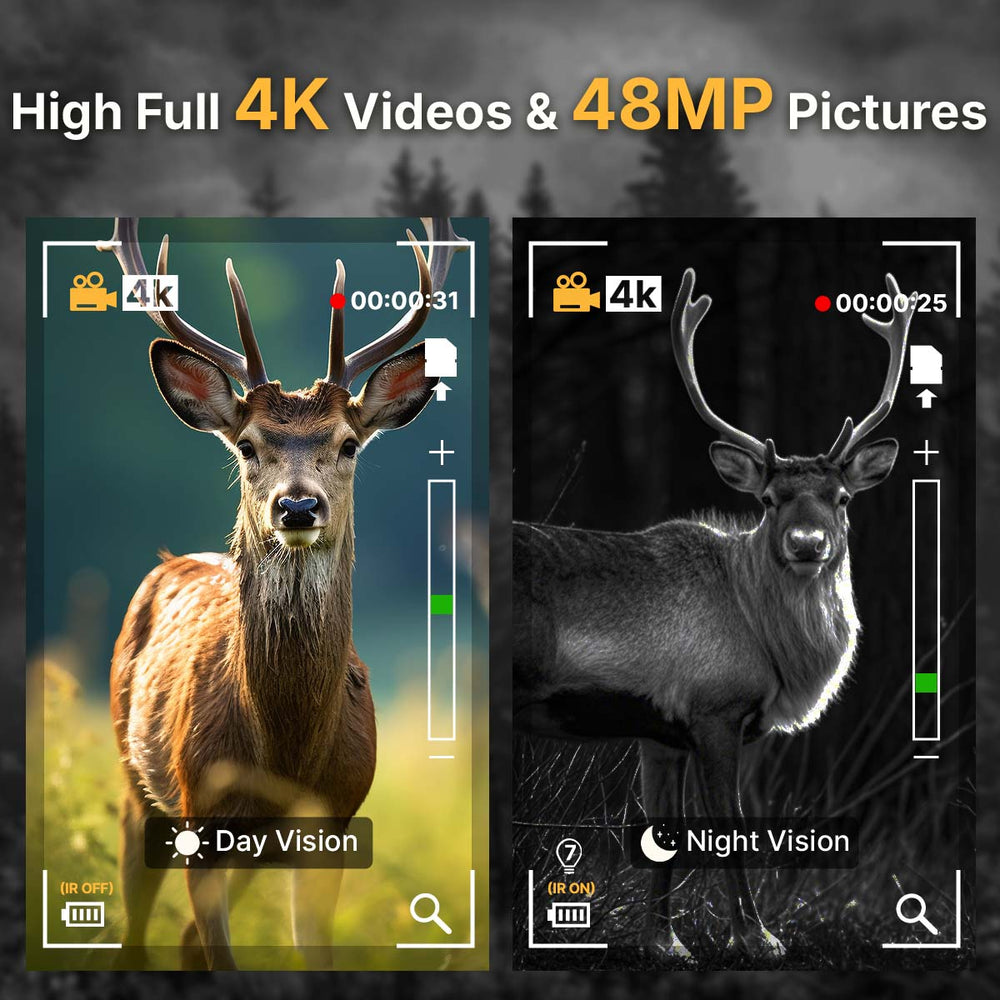
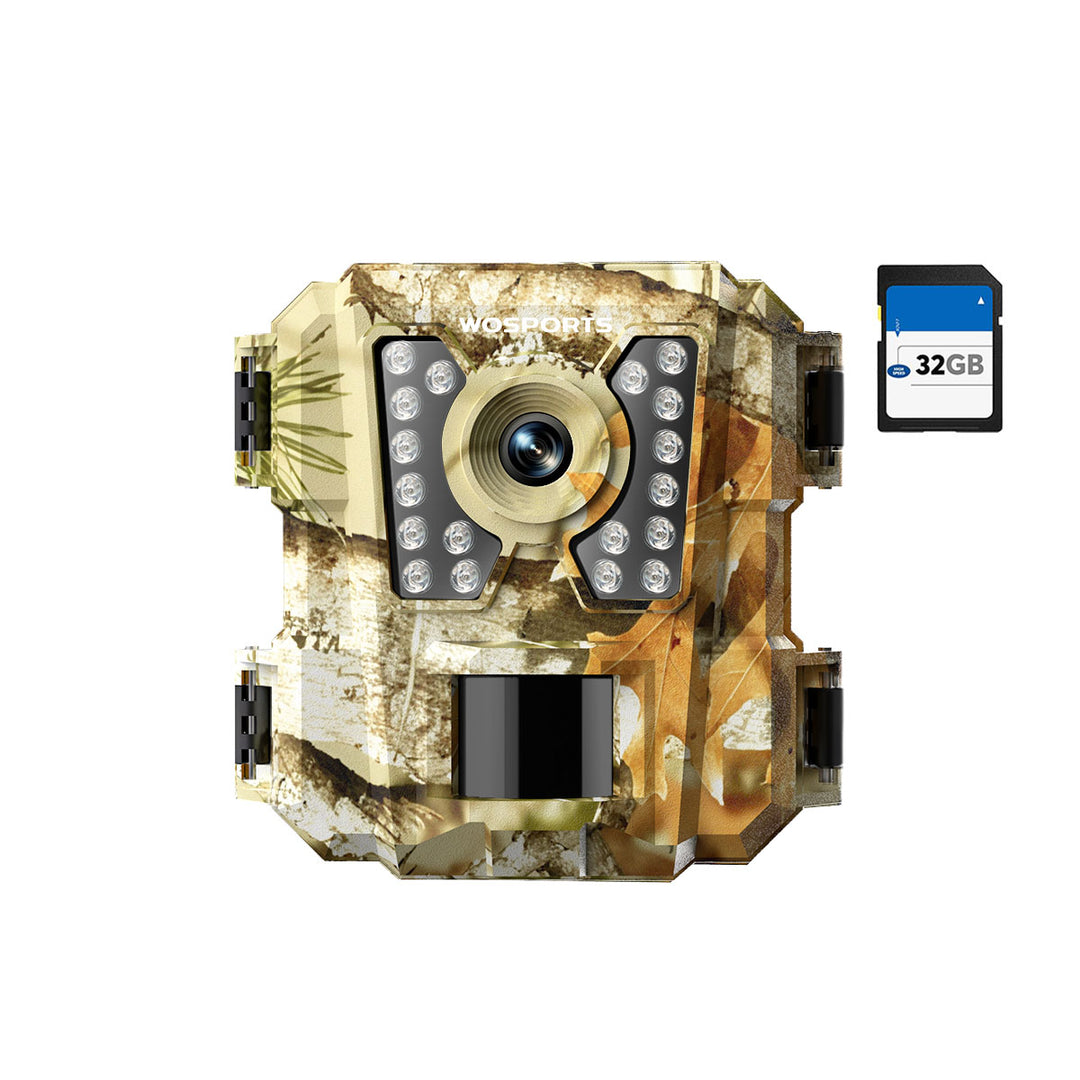
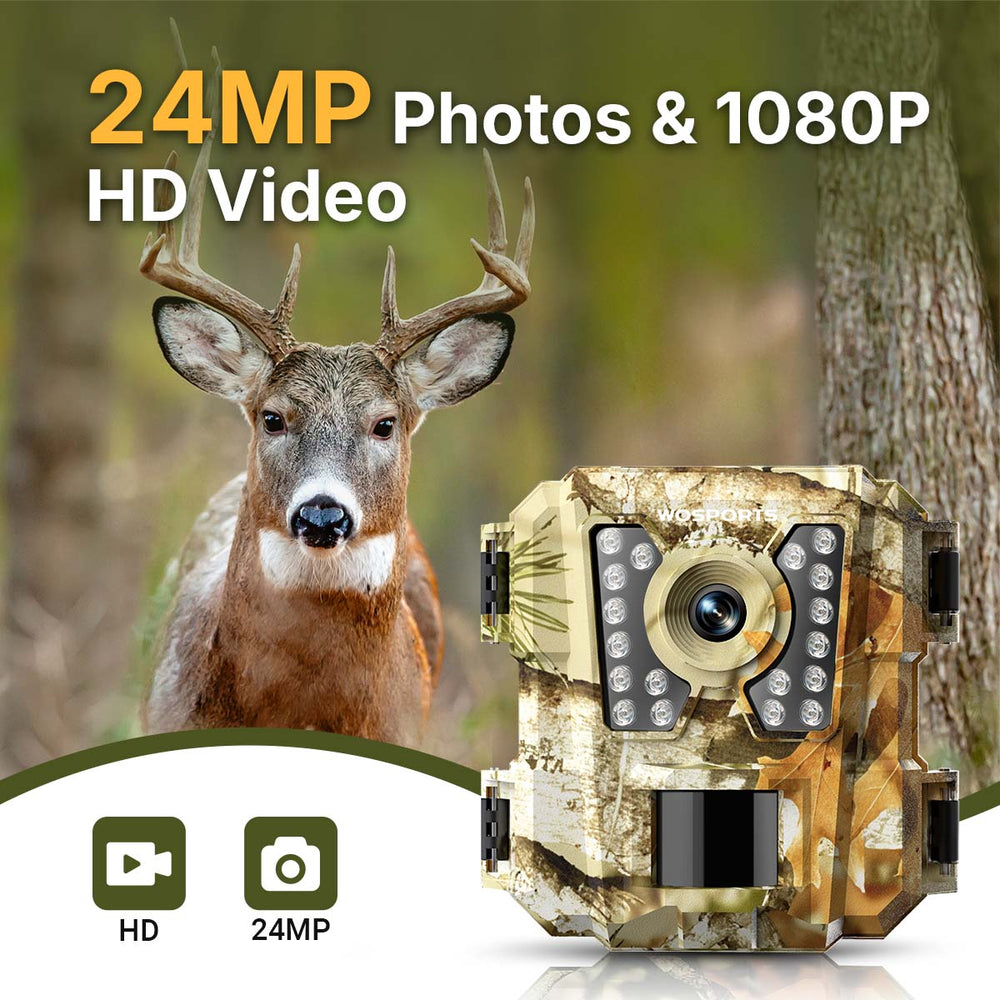
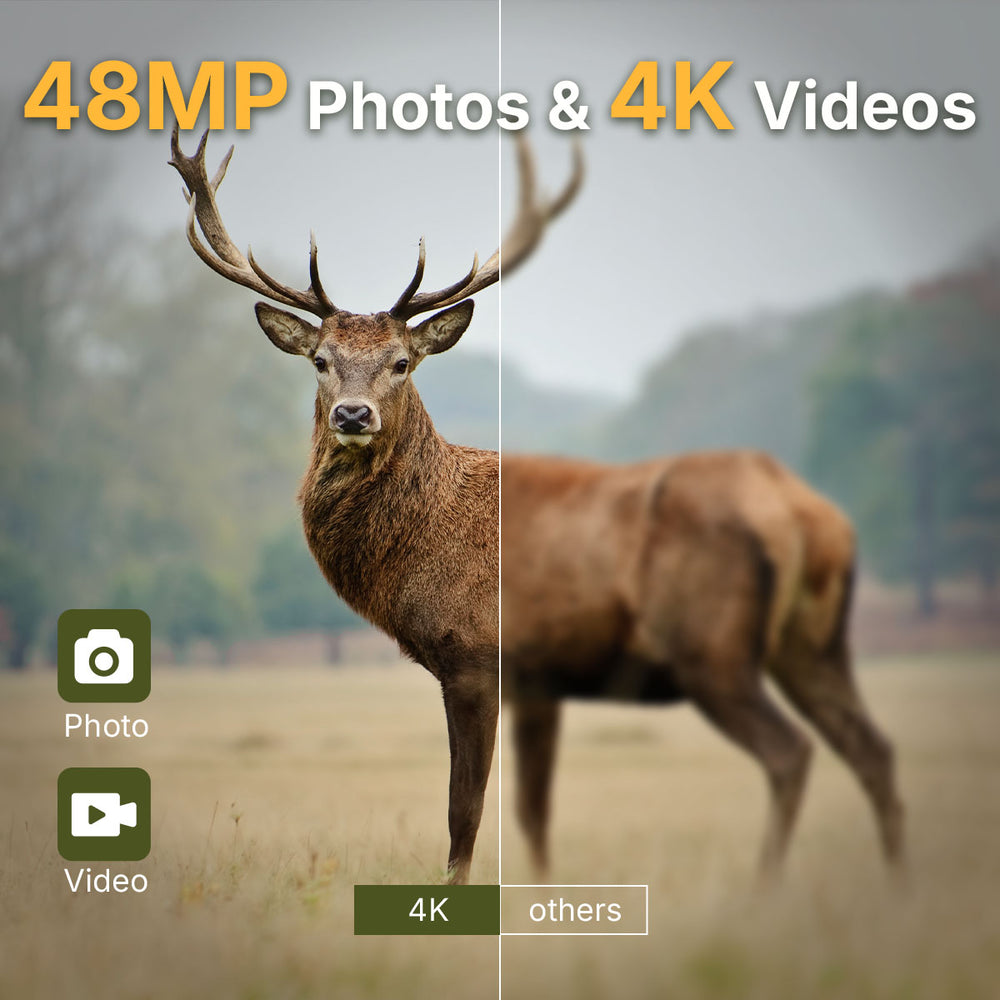
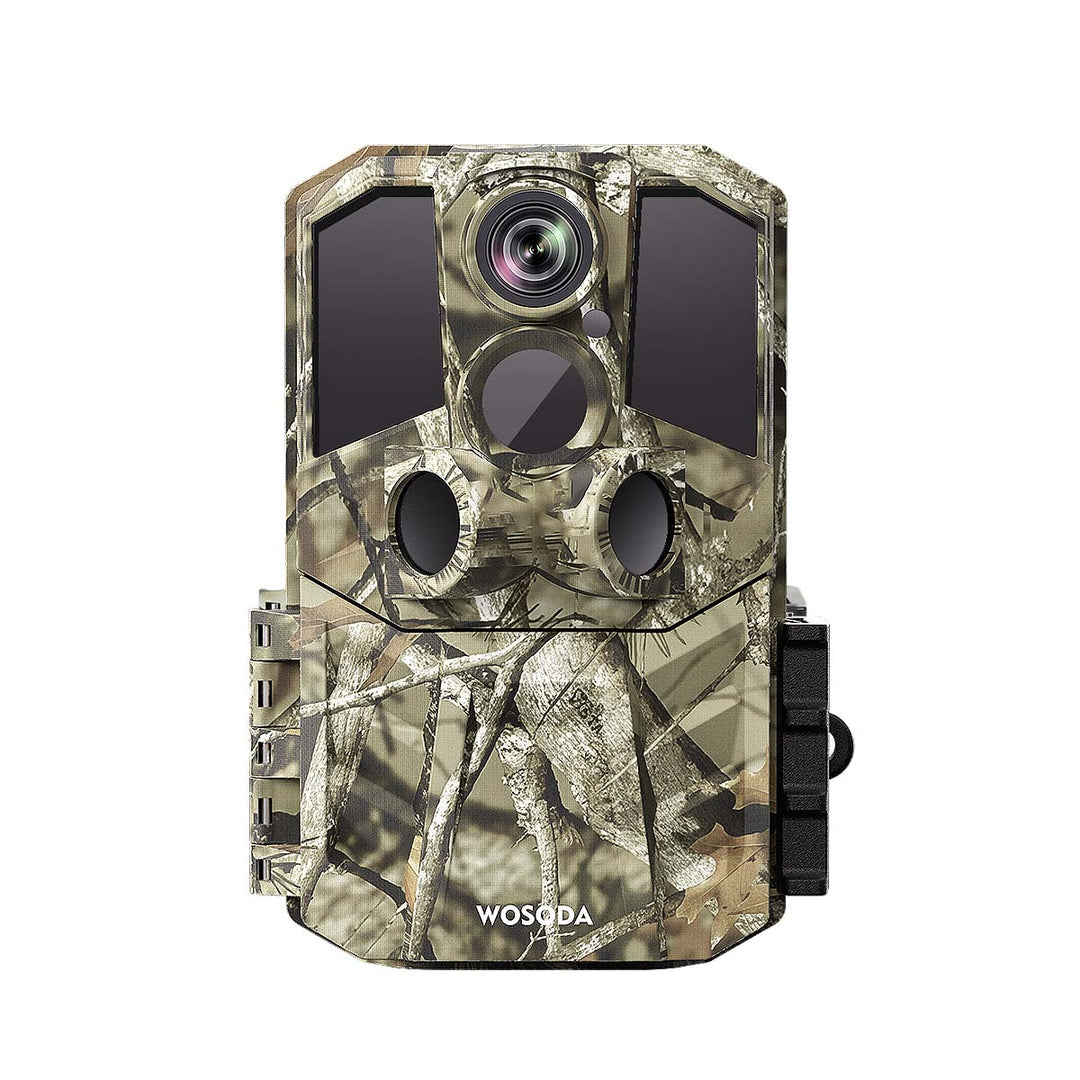
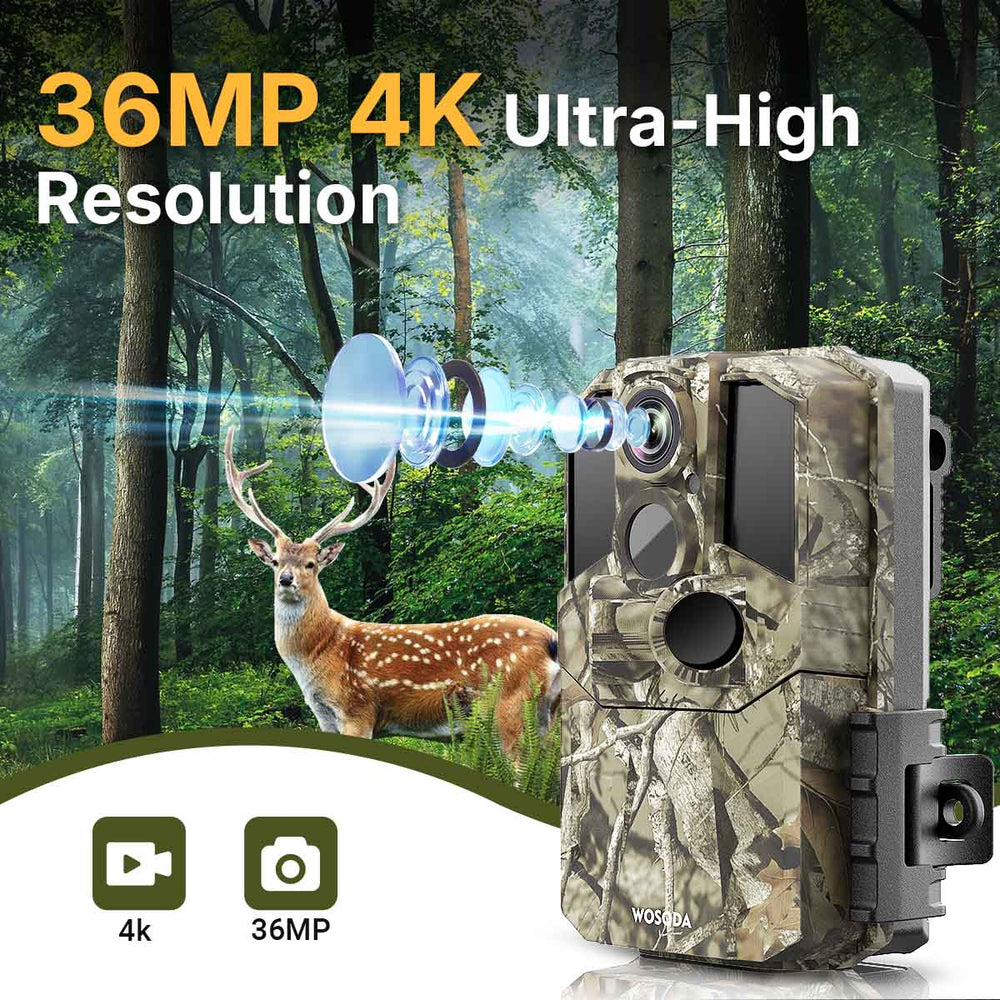
For example, the WOSPORTS G600 combines 48MP photos, 4K UHD video, a 0.2-second trigger speed, a 120° PIR sensor, and approximately 70 ft of detection range. For retailers, this creates a relatively straightforward value proposition: one camera can support hunting, wildlife observation, and property monitoring.
3. Looking Only at Resolution
High megapixel numbers are attractive on a product listing, but resolution alone does not guarantee useful wildlife images.
The University of Florida IFAS Extension notes that trigger speed affects the delay between motion detection and image capture, and recommends a trigger speed of one second or less in many wildlife-camera applications.
That makes specifications such as these worth comparing together:
- Trigger speed
- Detection distance
- Sensor coverage
- Night illumination
- Image resolution
- Recovery time
- Photo burst capability
Retail takeaway: A balanced specification package is generally easier to sell than a product built around one impressive number.
4. Ignoring Real-World Testing
Another common sourcing mistake is approving a product entirely from a specification sheet. Trail cameras operate outdoors, so retailers should test them in conditions that resemble actual hunting use.
Before placing a larger order, test:
- Daytime photographs
- Nighttime photographs
- Moving subjects
- Different distances
- Vegetation near the detection zone
- Rain or damp conditions
- Battery performance
- Memory-card operation
Oregon State University Extension explains that trigger speed can influence whether a wildlife camera captures an animal fully or produces empty frames, particularly when animals move quickly through the detection area.
5. Forgetting That Hunting Customers Have Different Needs
Not every hunting customer uses a trail camera in the same way. Some monitor deer trails, while others use cameras around feeding areas, property boundaries, or remote outdoor locations.
The 2022 U.S. Fish & Wildlife Service survey estimated 14.4 million U.S. hunters aged 16 and older and 148 million wildlife watchers. The survey also reported that participants spent an estimated $394 billion on fishing, hunting, wildlife watching, and related outdoor activities in 2022.
This creates multiple retail opportunities:
- Deer and big-game scouting
- Wildlife observation
- Farm monitoring
- Rural property monitoring
- Outdoor recreation
- Hunting-season gift purchases
Retailers can therefore position a versatile trail camera beyond a single hunting use case.
6. Buying Too Much Inventory at Once
Bulk purchasing can lower the unit cost, but excessive inventory creates another form of wholesale risk.
A retailer should not increase the order simply because the supplier offers a larger-volume discount. Instead, use a staged approach:
Sample → Initial order → Measure sell-through → Replenish → Scale
This is especially useful for smaller hunting gear retailers that have limited warehouse space or uncertain seasonal demand.
A smaller initial G600 order, for example, can be used to evaluate customer response before committing to a larger seasonal quantity.
7. Not Checking Supplier Consistency
A reliable product is only half of a successful wholesale relationship. Retailers also need a supplier that can maintain consistent specifications across repeat orders.
Before committing to a supplier, ask:
- Are the specifications consistent between batches?
- What is the normal production lead time?
- Can the supplier support repeat orders?
- What happens if defective units are discovered?
- Is there a clear warranty process?
- Can packaging and labeling remain consistent?
- Can the supplier handle seasonal demand increases?
Key insight: For hunting gear retail, supplier reliability can be more valuable than a small difference in unit cost.
8. Ignoring Local Hunting Regulations
Retailers should also remember that hunting seasons and regulations vary by state. The U.S. Fish & Wildlife Service notes that hunters generally need to follow state-specific licensing and fish-and-game requirements.
Trail-camera use can also vary by location. For example, federal refuge rules may impose specific requirements regarding unattended cameras.
This means retailers should avoid making broad claims such as “legal everywhere.” Product education should encourage customers to check local regulations.
9. Failing to Prepare for Returns and Support
A trail camera can be technically good and still generate returns if customers do not understand setup, SD-card requirements, battery installation, or camera positioning.
Retailers can reduce this risk by providing:
- Quick-start instructions
- Setup videos
- Basic troubleshooting guides
- Recommended mounting positions
- Memory-card guidance
- Warranty information
For a product such as the G600, simple educational content can turn technical specifications into understandable customer benefits.
10. Treating Trail Cameras as a Seasonal Commodity
The strongest retailers do not necessarily view trail cameras as products that sell only for a few weeks. A versatile model can support several customer applications throughout the year.
| Season / Use | Potential Customer Need |
| Pre-season | Scouting and inventory building |
| Hunting season | Game monitoring |
| Winter | Wildlife observation |
| Spring | Property and wildlife monitoring |
| Summer | Farm and outdoor monitoring |
This broader positioning can reduce dependence on one short selling window.
Quick Trail Camera Sourcing Checklist
Before placing a wholesale order, retailers should confirm:
-
Product specifications match target customers
-
Samples have been tested in real conditions
-
Night images are acceptable
-
Trigger speed is appropriate
-
Detection range fits intended use
-
Supplier lead time is confirmed
-
Warranty terms are clear
-
Replacement procedures are available
-
Initial order quantity matches realistic demand
-
Local hunting-camera regulations have been considered
-
Replenishment capacity is available
FAQ: Trail Camera Sourcing for Hunting Gear Retail
What is the biggest trail camera sourcing mistake?
The biggest mistake is evaluating the camera only by wholesale price. Retailers should consider product performance, customer needs, supplier reliability, warranty support, and seasonal inventory risk together.
Should retailers stock trail cameras before hunting season?
Yes. Retailers should ideally secure inventory before peak seasonal demand, leaving enough time for shipping, inspection, merchandising, and possible replenishment.
What trail camera features matter most to hunters?
Trigger speed, detection range, night vision, image quality, video capability, weather resistance, and battery performance are among the most useful specifications to evaluate.
Is the WOSPORTS G600 suitable for hunting gear retail?
The G600 offers a combination of 48MP photography, 4K UHD video, 0.2-second trigger speed, 120° PIR detection, and approximately 70 ft detection range. This combination can support hunting, wildlife observation, and outdoor monitoring applications.
How can small retailers reduce wholesale risk?
Start with tested samples and a manageable initial order, verify supplier lead times and quality-control procedures, then increase order quantities based on actual sell-through rather than volume discounts alone.
Final Takeaway
For hunting gear retailers, avoiding trail camera sourcing mistakes is less about finding the cheapest camera and more about building a dependable seasonal supply strategy.
The best approach is to evaluate product features, real-world performance, supplier reliability, inventory quantity, and hunting-season demand together. A versatile model such as the WOSPORTS G600 can give small retailers a practical product to position across hunting, wildlife observation, and outdoor monitoring.
With hunting and wildlife recreation representing a substantial U.S. outdoor market, retailers have an opportunity to build trail cameras into a broader outdoor-equipment category rather than treating them as a short-lived seasonal product.
Search
Popular Posts
Recent Posts


Nov 28, 2024
Troubleshooting Common Trail Camera Issues
Jan 10, 2025
Why Does My Trail Camera Stop Working at Night?