How Do Trail Camera Specifications Affect Sales During Hunting Season?
For retailers, trail camera specifications can directly influence hunting-season sales because shoppers often compare products by a small set of easy-to-understand numbers: trigger speed, image quality, detection range, night vision, and video resolution. For wholesale buyers, the goal is not simply to stock the camera with the most impressive specification, but to choose a balanced product that solves real hunter needs and is easy to sell.
Why Do Specifications Matter to Hunting-Camera Buyers?
The most important trail camera specifications are the ones customers can connect to a real hunting situation. A fast trigger speed helps capture moving animals, while strong image quality makes it easier to identify deer and other wildlife.
Research and extension guidance consistently highlights several core specifications:
| Specification | Why Hunters Care | Retail Selling Point |
|---|---|---|
| Trigger speed | Captures moving animals quickly | Fewer missed shots |
| Image quality | Shows animal details | Easier identification |
| Detection range | Covers more of a trail or clearing | Better area coverage |
| Night vision | Records after dark | Supports 24-hour scouting |
| Recovery speed | Captures consecutive activity | Useful for groups of animals |
| Video resolution | Provides more visual information | Better scouting experience |
| Battery life | Reduces field visits | Lower maintenance |
Oregon State University Extension specifically identifies picture quality, detection range, trigger speed, recovery speed, and burst photography as important considerations when choosing wildlife cameras.
How Does Trigger Speed Affect Trail Camera Sales?
Trigger speed is one of the easiest specifications for retailers to explain because it has a direct connection to capturing moving game. A faster camera has less delay between detecting movement and taking a photograph.
For example, the University of Florida IFAS recommends a camera with a trigger speed of one second or less in most situations, while Utah State University Extension recommends 0.2 seconds or less for quickly moving mammals.
For hunting retailers, the message is simple:
- Fast trigger → better chance of capturing an animal in frame
- Slow trigger → higher chance of missing fast-moving animals
- Fast recovery → better chance of recording multiple animals
G600 Example: A Specification That Is Easy to Sell
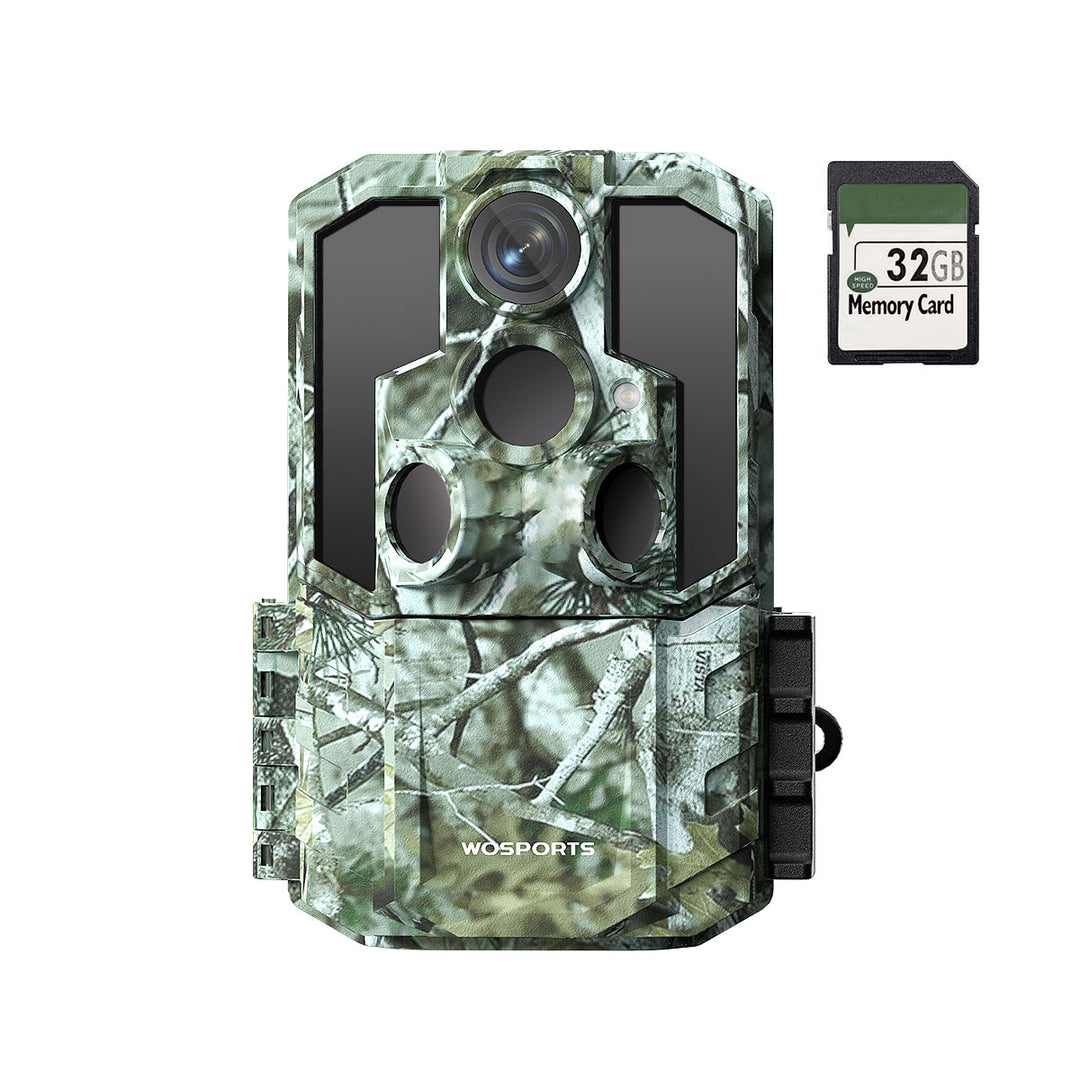
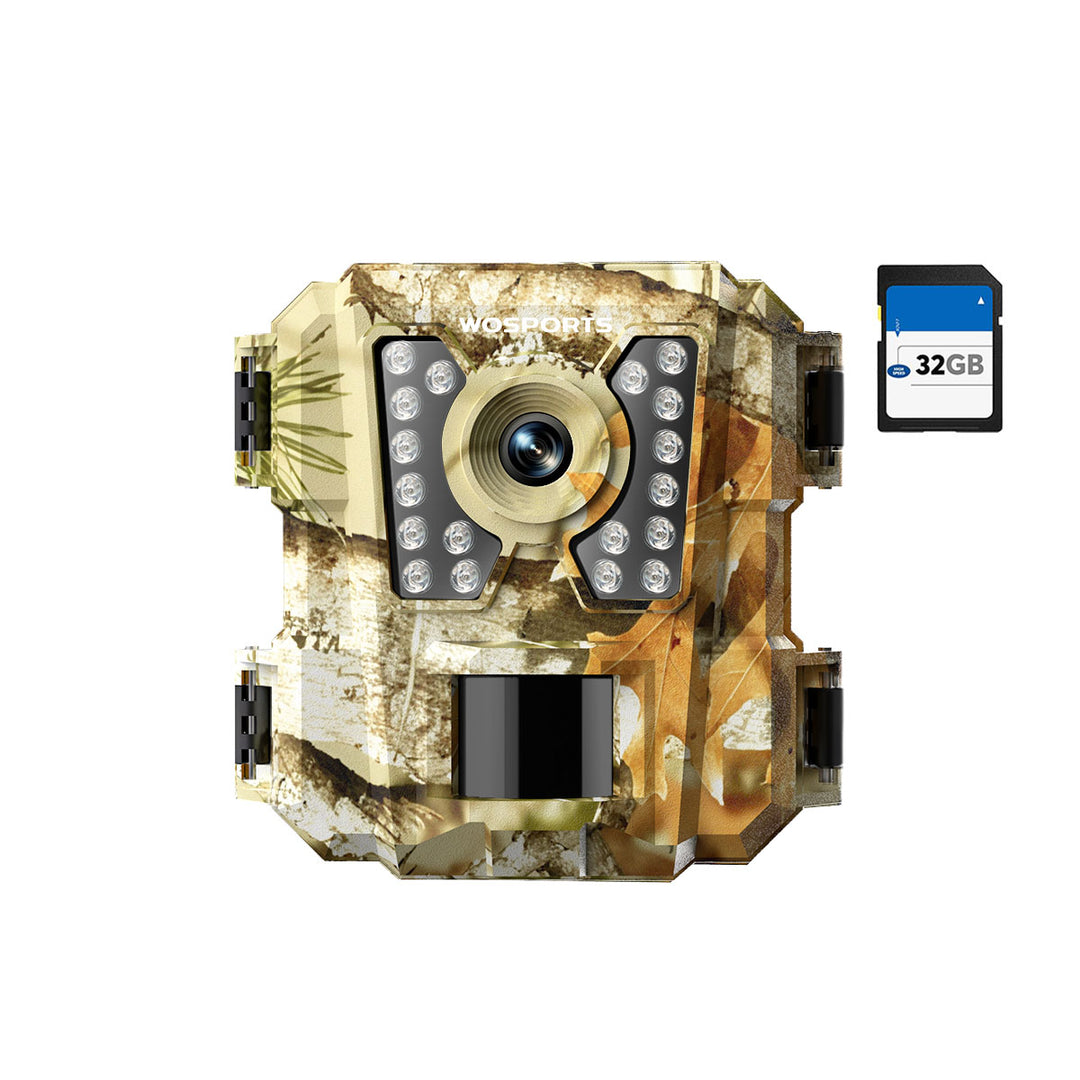
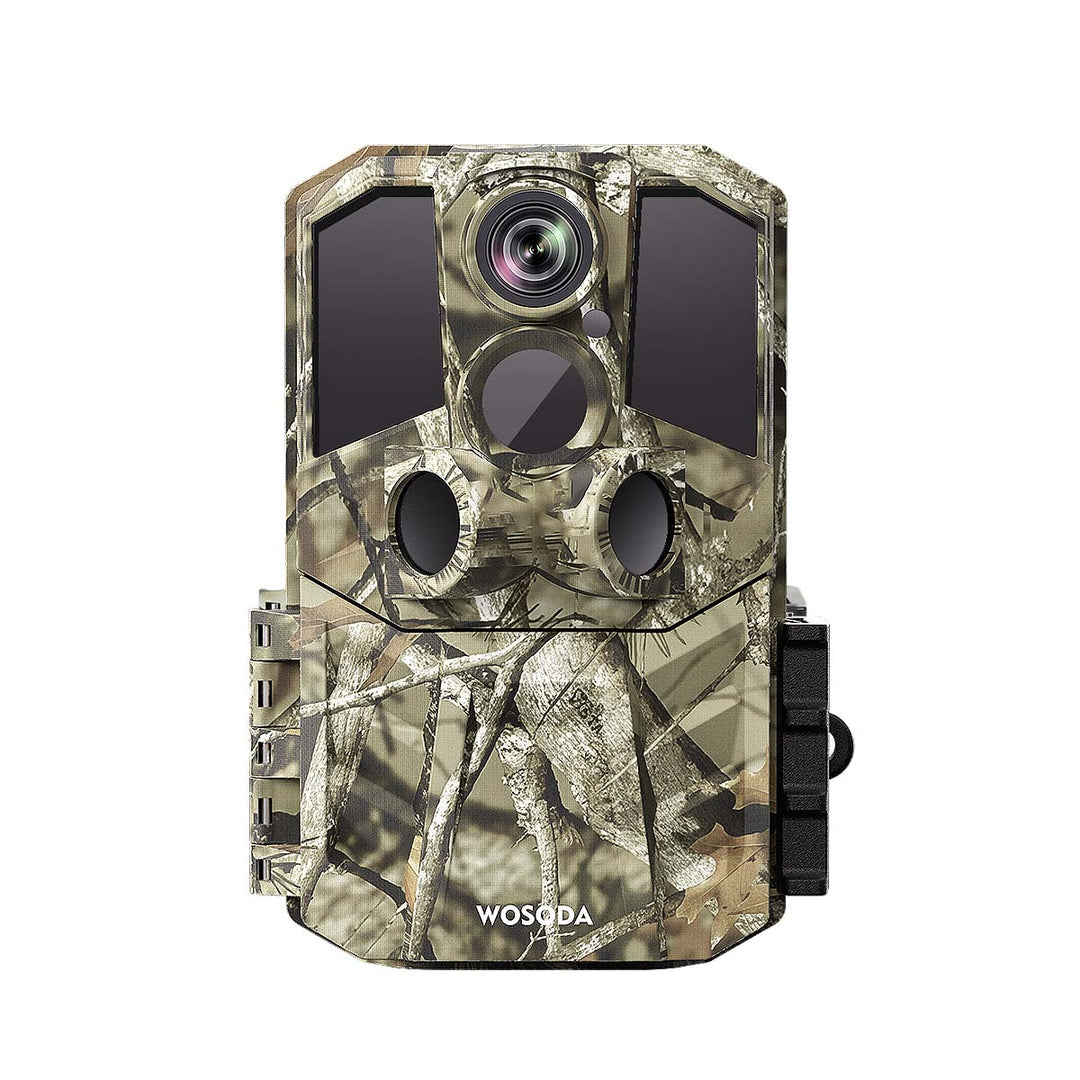
The WOSPORTS G600 features a 0.2-second trigger speed, making it particularly relevant for customers scouting active trails and moving game.
From a retail perspective, “0.2-second trigger” is more meaningful when paired with a practical benefit: the camera is designed to react quickly when an animal enters its detection zone.
Does Higher Image Quality Always Mean Better Sales?
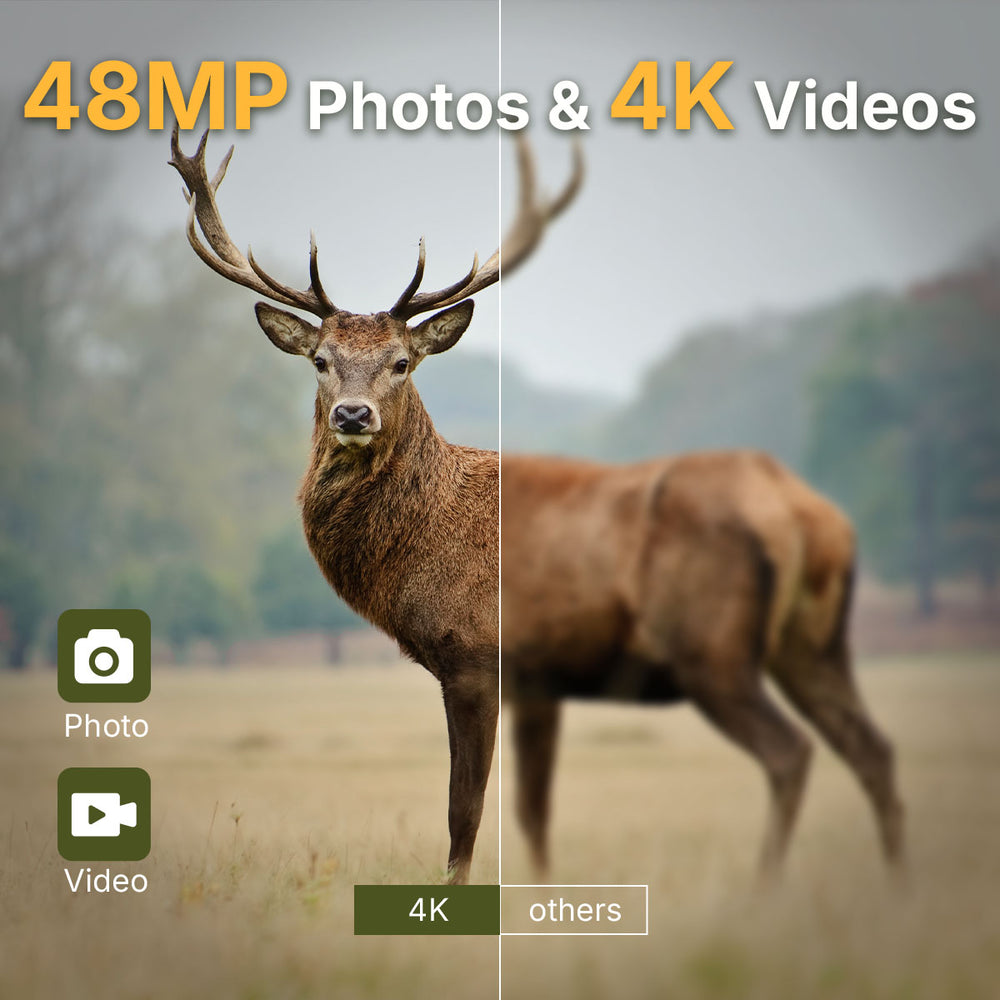
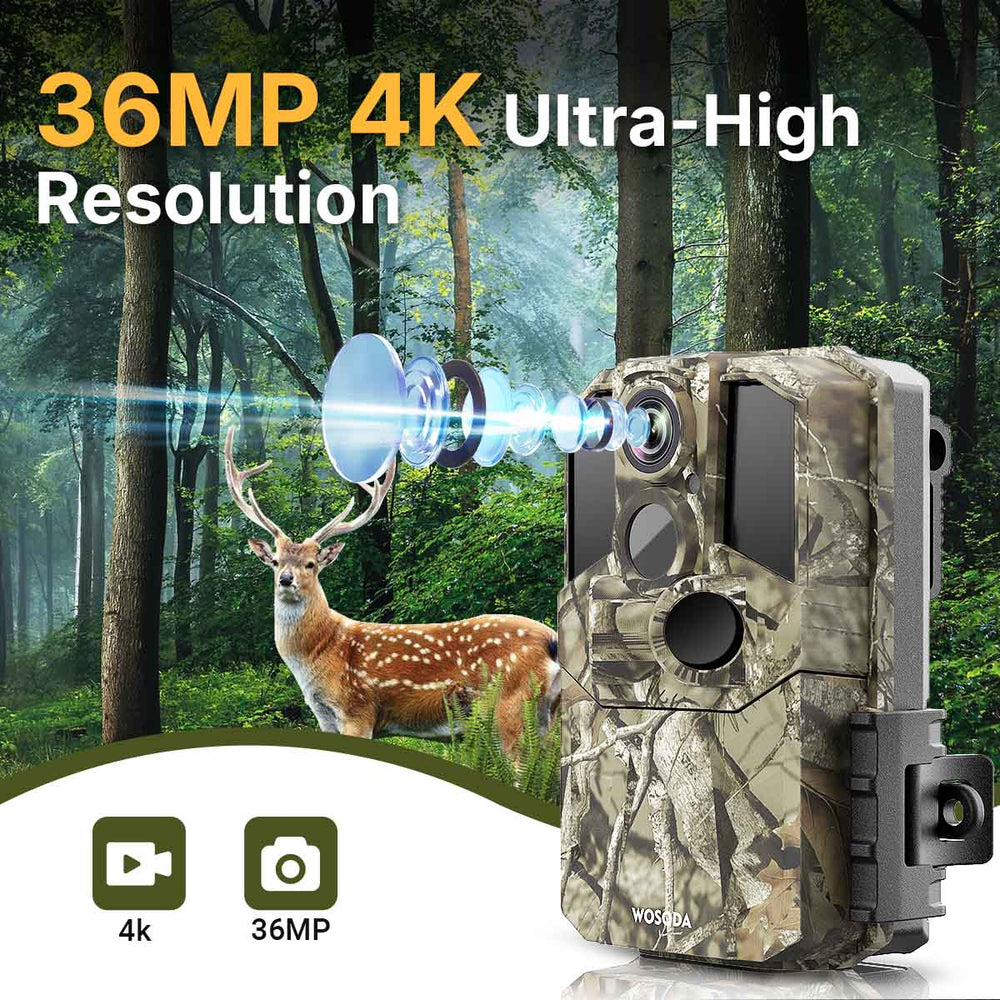
Not necessarily. Image quality matters, but retailers should avoid selling megapixels as the only measure of camera performance.
Oregon State University Extension points out that higher megapixels can help when users need to crop images and examine details, but also recommends considering the camera's intended use rather than relying solely on megapixel count.
For hunting customers, useful image quality means being able to answer questions such as:
- Is this a buck or doe?
- Can I see antler characteristics?
- Is the animal clearly visible at the edge of the frame?
- Does the nighttime image retain useful detail?
- Can the image still be understood after cropping?
This is why image quality + detection range + trigger speed is usually a stronger retail story than megapixels alone.
Why Does Night Performance Matter During Hunting Season?
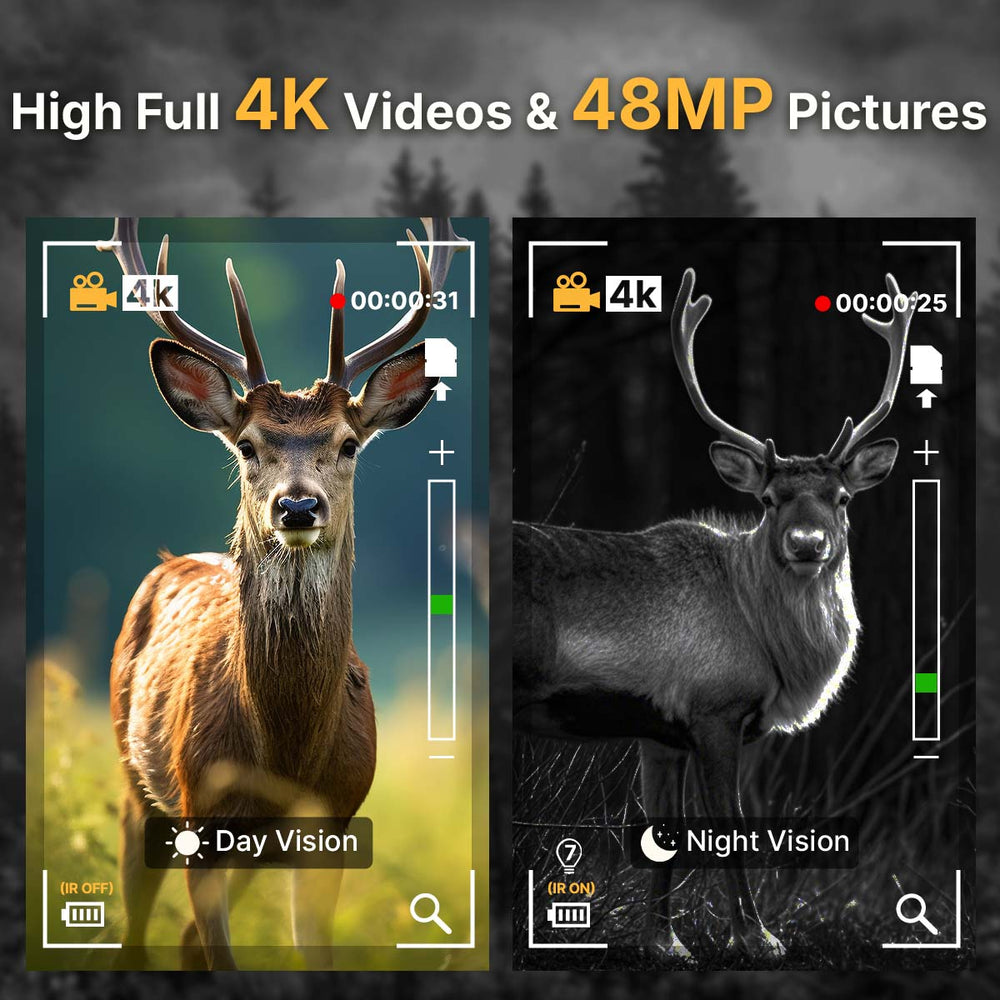
A trail camera that performs well after sunset gives hunters a much broader picture of animal activity. Many mammals are most active when people are not present, making infrared night vision a valuable feature.
Utah State University Extension recommends infrared/no-glow nighttime capability and notes that many mammals are active at night.
For retailers, this creates an easy product message:
Daytime scouting shows where animals are. Nighttime monitoring shows when they are active.
The G600 is positioned for both daytime and nighttime wildlife monitoring, giving retailers an opportunity to market it as an all-day hunting and wildlife camera, rather than a camera used only for daytime scouting.
What Do Wildlife Experts Say About Trail Camera Specifications?
Experts generally emphasize matching camera specifications to the monitoring environment rather than choosing the highest specification in every category.
Oregon State University Extension explains that long detection ranges can be useful in open areas, while shorter ranges may be more appropriate in dense forest environments. It also notes that a slow trigger speed can produce missed or poorly framed wildlife images.
Mississippi State University Extension provides another useful example: when cameras are placed at bait sites where deer remain in front of the camera, trigger speed may be less important than image quality and the ability to identify individual deer and antler characteristics.
This distinction is valuable for retailers because it prevents a one-size-fits-all sales strategy.
Which Specifications Should Retailers Prioritize?
For hunting-season retail, prioritize specifications according to the customer's use case rather than simply ranking products by price or megapixels.
A practical priority model is:
For Trail Scouting
- Trigger speed
- Detection zone
- Image quality
- Night vision
- Recovery speed
For Deer Identification
- Image quality
- Night detail
- Detection range
- Trigger speed
- Date/time information
For General Wildlife Monitoring
- Image quality
- Battery life
- Night performance
- Detection range
- Storage capacity
This segmentation can also help small retailers create different product recommendations without carrying too many models.
How Can Retailers Turn Specifications Into Sales?
Specifications sell better when they are translated into outcomes that hunters immediately understand.
Instead of:
“0.2-second trigger speed”
Try:
“Designed to capture fast-moving game before it leaves the detection zone.”
Instead of:
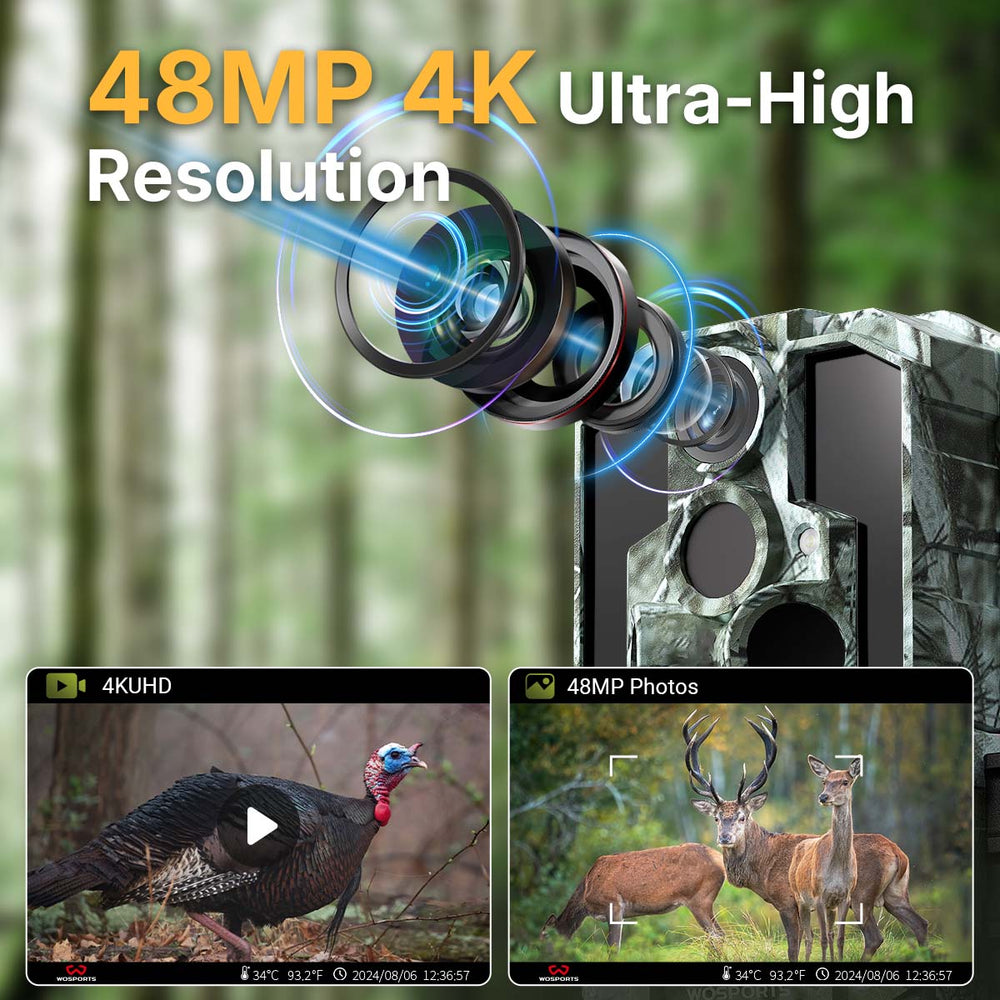
“48MP photos”
Try:
“High-resolution images designed to preserve animal detail for identification and cropping.”
Instead of:
“120° PIR sensor”
Try:
“A wide detection area for monitoring more activity around trails and open areas.”
This approach is especially useful for e-commerce listings, where customers often make purchasing decisions after scanning only a few specifications.
A Simple Specification Comparison for Retail Buyers
A balanced product specification can be more commercially useful than an extreme specification in one category.
| Feature | Basic Retail Position | Stronger Hunting Position |
|---|---|---|
| Trigger speed | 0.5–1.0 sec | Around 0.2 sec or faster |
| Photo resolution | Moderate | High resolution |
| Night vision | Basic IR | Reliable infrared performance |
| Detection area | Narrow/moderate | Wider coverage |
| Video | Standard HD | 4K-class recording |
| Recovery | Moderate | Fast |
| Use case | Basic monitoring | Hunting + wildlife + property |
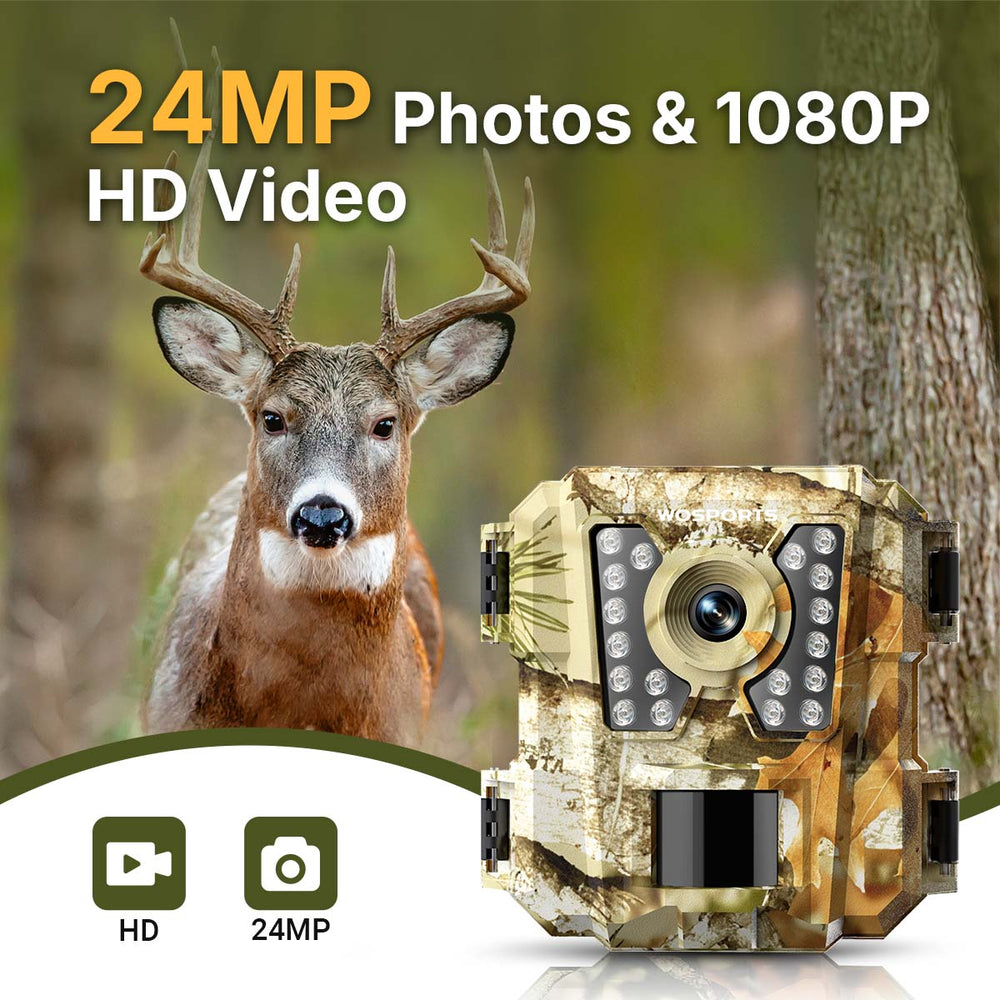
The G600 sits naturally in the second category with 48MP photos, 4K UHD video, 0.2-second trigger speed, a 120° PIR sensor, and approximately 70 ft detection range.
What Is the Retail Lesson for Hunting Season?
The best-selling trail camera is not necessarily the one with the longest list of specifications; it is the one whose specifications solve the customer's most important problems.
For wholesale buyers, the strongest approach is to stock products that combine:
- Fast trigger speed
- Useful image quality
- Reliable night vision
- Practical detection range
- Strong video capability
- Outdoor-ready construction
- A clear value proposition
Trail cameras are increasingly used not only by hunters but also for wildlife observation and property monitoring. The U.S. Fish & Wildlife Service describes remote-action trail cameras as useful for capturing wildlife without directly disturbing natural behavior.
That broader application gives retailers more opportunities to sell the same inventory beyond the peak hunting window.
FAQ: Trail Camera Specifications and Hunting Sales
What trail camera specification matters most to hunters?
Trigger speed and image quality are two of the most important specifications, but the priority depends on the use case. Fast-moving animals benefit from faster triggering, while deer identification may place greater emphasis on image detail.
Is 0.2-second trigger speed good for a hunting trail camera?
Yes. A 0.2-second trigger speed is a strong specification for capturing moving wildlife. Utah State University Extension also recommends 0.2 seconds or less when quickly capturing mammals.
Do hunters need high megapixels?
High resolution can help hunters examine and crop images, but megapixels should not be evaluated alone. Lens quality, sensor performance, infrared illumination, trigger speed, and detection range all affect the usefulness of the final image.
Why should retailers compare recovery speed?
A fast trigger captures the first moment of activity, while recovery speed determines how quickly the camera can capture another image. This becomes particularly important when several animals move through the detection zone.
Is the G600 suitable for hunting-season retail?
The G600 offers a combination of 48MP imaging, 4K UHD video, 0.2-second trigger speed, 120° PIR detection, and approximately 70 ft detection range, giving retailers a balanced specification package for hunting, wildlife observation, and outdoor monitoring.
Final Takeaway
Trail camera specifications affect hunting-season sales because they give retailers a simple way to communicate product value. The most effective strategy is to connect each specification with a real customer benefit.
For wholesale buyers, a product such as the WOSPORTS G600 can be positioned around a balanced combination of fast trigger speed, high-resolution image quality, wide detection coverage, and 4K video.
For the 2026 hunting season, retailers should focus less on selling “the biggest number” and more on selling the right combination of specifications for the hunter's actual use case.
Search
Popular Posts
Recent Posts


Nov 28, 2024
Troubleshooting Common Trail Camera Issues
Jan 10, 2025
Why Does My Trail Camera Stop Working at Night?