How Can Small Retailers Calculate Trail Camera Wholesale Margins Before Ordering?
Small retailers should calculate a trail camera wholesale margin from the total landed cost and realistic retail price, not simply from the supplier's wholesale price. A simple margin calculation should include the product cost, shipping, duties or other import costs, payment fees, selling expenses, and expected retail price.
Before placing a larger order, retailers can use a small test order to confirm whether the expected wholesale margin and retail pricing are realistic.
What Is a Good Starting Point for Trail Camera Wholesale Margin?
A good starting point is to work backward from the retail price and calculate how much room remains after all variable costs. This prevents retailers from confusing markup with actual gross margin.
The basic formula is:
Gross Margin = (Retail Price − Landed Product Cost) ÷ Retail Price × 100
For example, if a trail camera costs $50 after shipping and other directly attributable costs, and the expected retail price is $99.99:
Gross Margin = ($99.99 − $50) ÷ $99.99 = 50.0%
That does not mean the retailer earns 50% net profit. Advertising, payment processing, returns, marketplace fees, storage, and other operating costs still have to be paid.
Penn State Extension specifically warns that markup and gross margin are different calculations. A 30% markup on a $1 product produces a $1.30 selling price, but the resulting gross margin is only about 23%.
Source: Penn State Extension – What's the Difference Between Markup and Profit?
Which Costs Should Be Included in Trail Camera Wholesale Margin?
Retailers should calculate a landed unit cost before judging whether a trail camera is profitable. The landed cost should include more than the supplier's quoted wholesale price.
| Cost Item | Example |
|---|---|
| Wholesale product price | $45.00 |
| Freight allocation | $3.00 |
| Import/duty-related cost | $1.50 |
| Payment/transaction cost | $1.00 |
| Packaging or preparation | $0.50 |
| Estimated landed cost | $51.00 |
The exact costs vary by market and order size, but the principle is consistent: margin should be calculated from the cost of getting the product ready to sell, not just the factory or wholesale quote.
Penn State Extension recommends accounting for both variable and fixed costs when developing a pricing strategy and using the resulting cost structure to establish a realistic break-even price.
How Should Retailers Set Trail Camera Retail Pricing?
Retail pricing should balance three factors: landed cost, customer willingness to pay, and the retailer's financial target.
A simple pricing table can show how quickly the margin changes:
| Landed Cost | Retail Price | Gross Margin |
|---|---|---|
| $45 | $79.99 | 43.7% |
| $45 | $89.99 | 50.0% |
| $45 | $99.99 | 55.0% |
| $45 | $109.99 | 59.1% |
| $45 | $119.99 | 62.5% |
This illustrates an important wholesale insight: a $10 change in retail pricing can materially change gross margin without changing the supplier price.
However, retailers cannot simply raise prices indefinitely. Penn State Extension notes that pricing should consider production costs, consumer demographics, market conditions, and customer willingness to pay.
Source: Penn State Extension – Product Pricing: What Do I Charge?
How Can Retailers Use the WOSPORTS G600 to Model Margin?
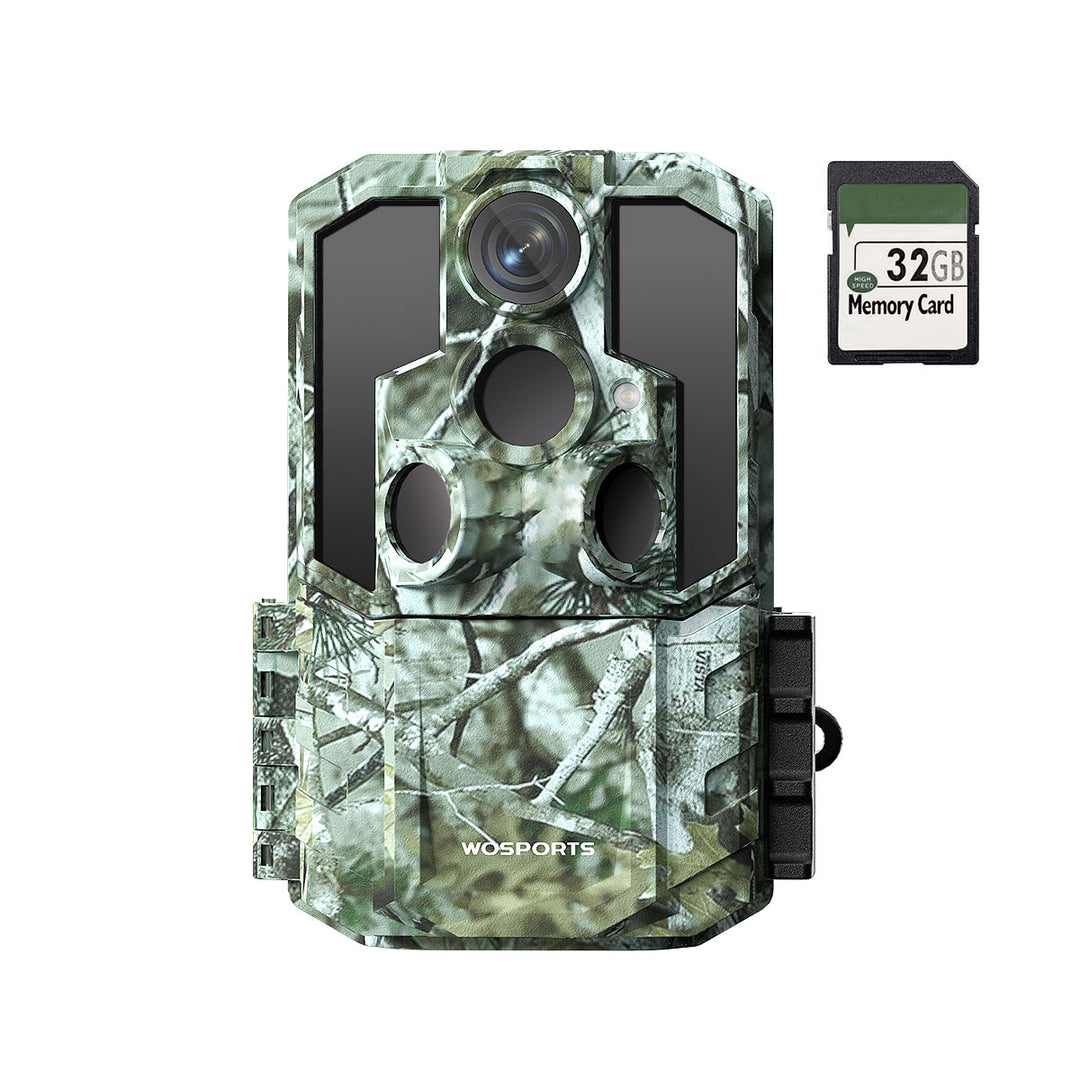
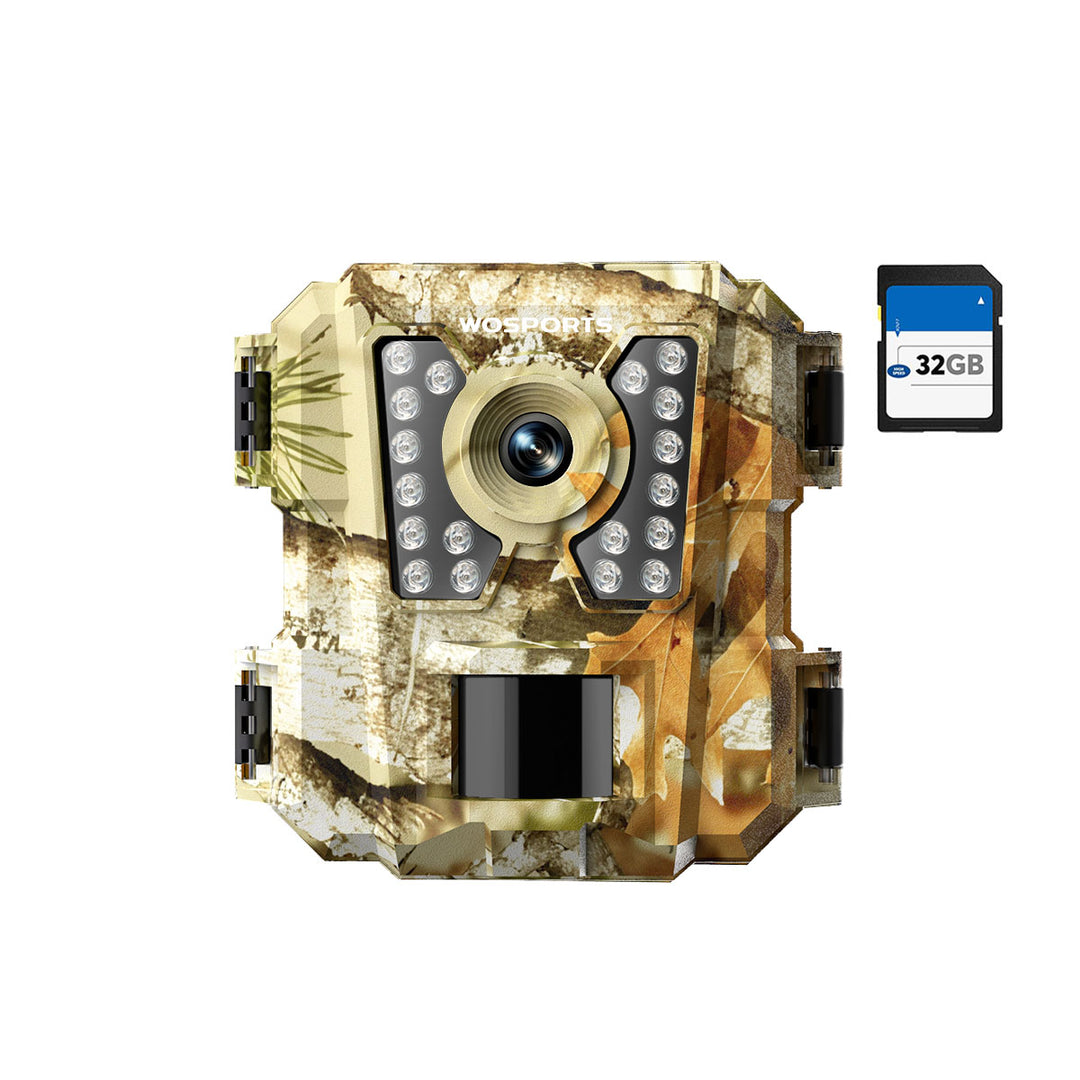
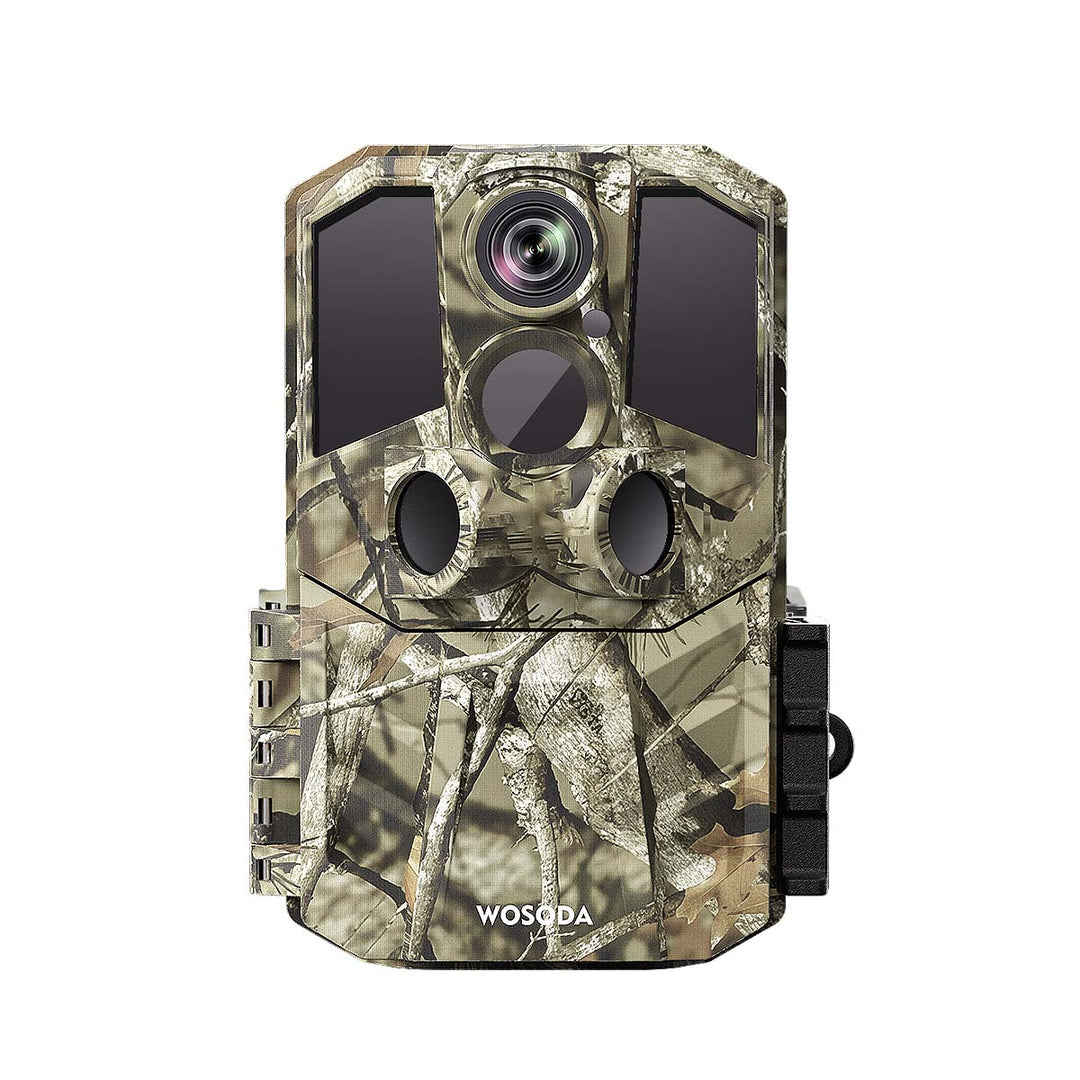
The WOSPORTS G600 can be used as a practical example of how wholesale pricing and retail pricing interact.
For example, suppose a retailer's landed cost for a G600 is $45 per unit and the planned retail price is $89.99.
| Calculation | Result |
|---|---|
| Retail price | $89.99 |
| Landed cost | $45.00 |
| Gross profit per unit | $44.99 |
| Gross margin | 50.0% |
| 50-unit gross profit | $2,249.50 |
This is a planning example, not a guaranteed selling price or profit projection. Actual results depend on freight, fees, discounts, returns, advertising costs, and the retailer's final selling price.
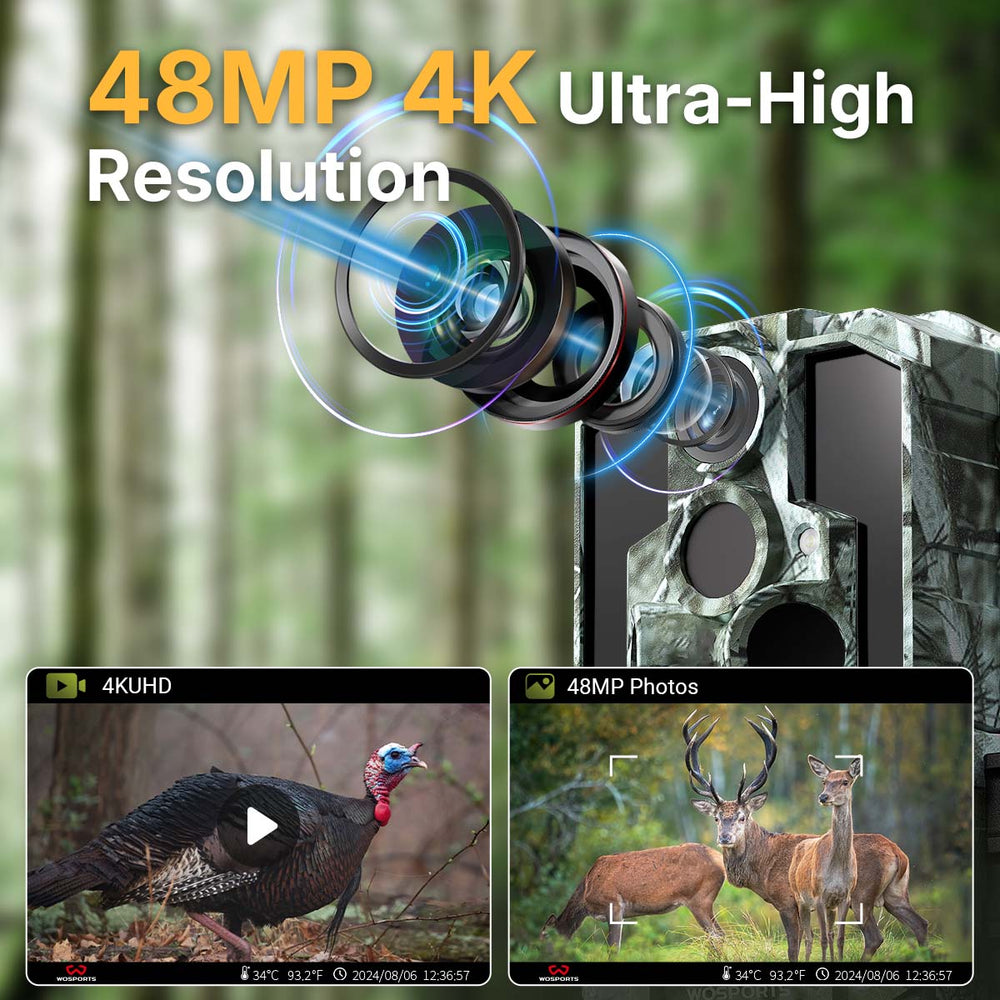
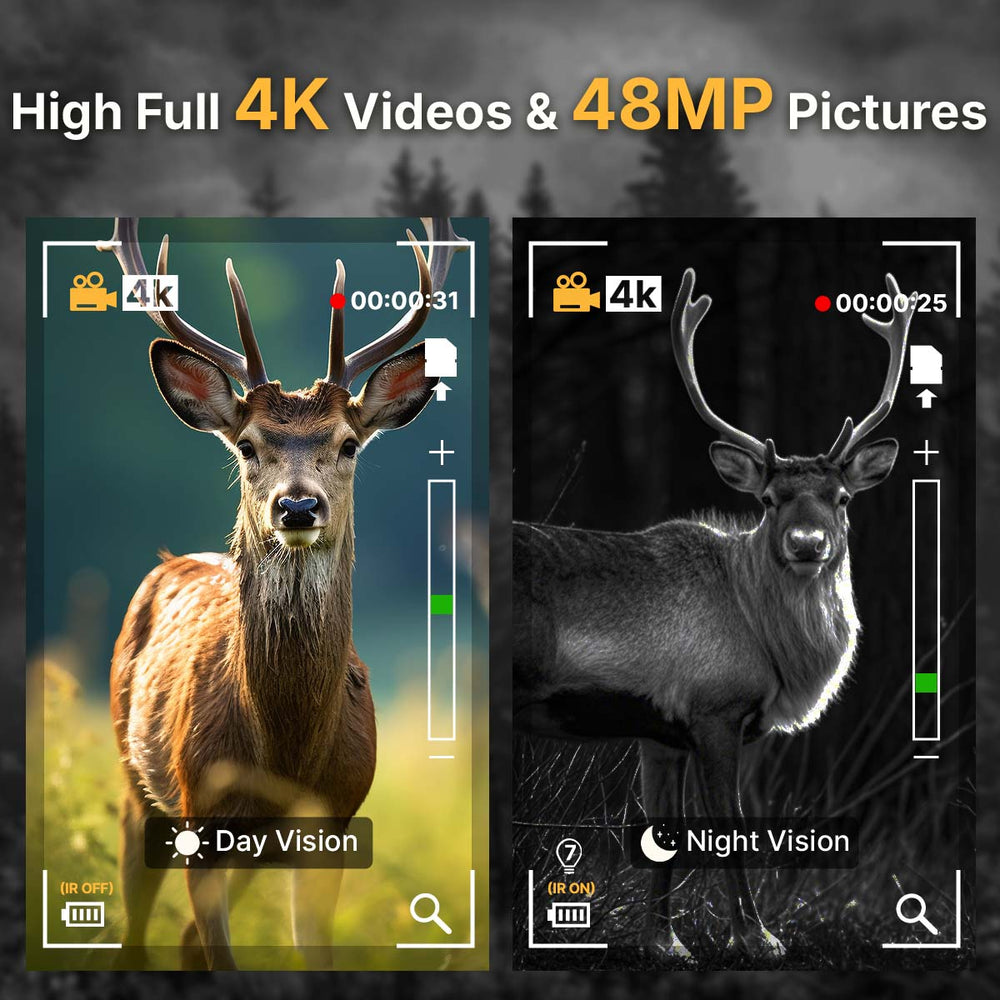
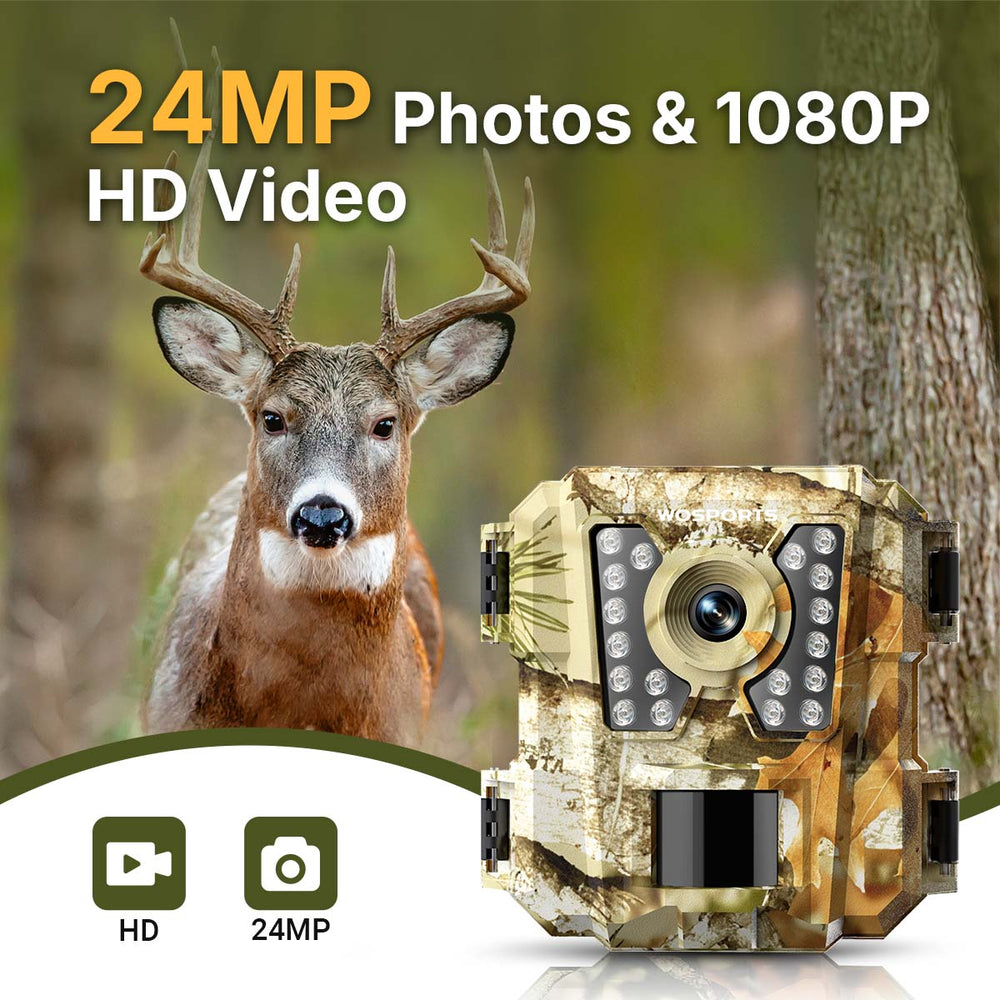
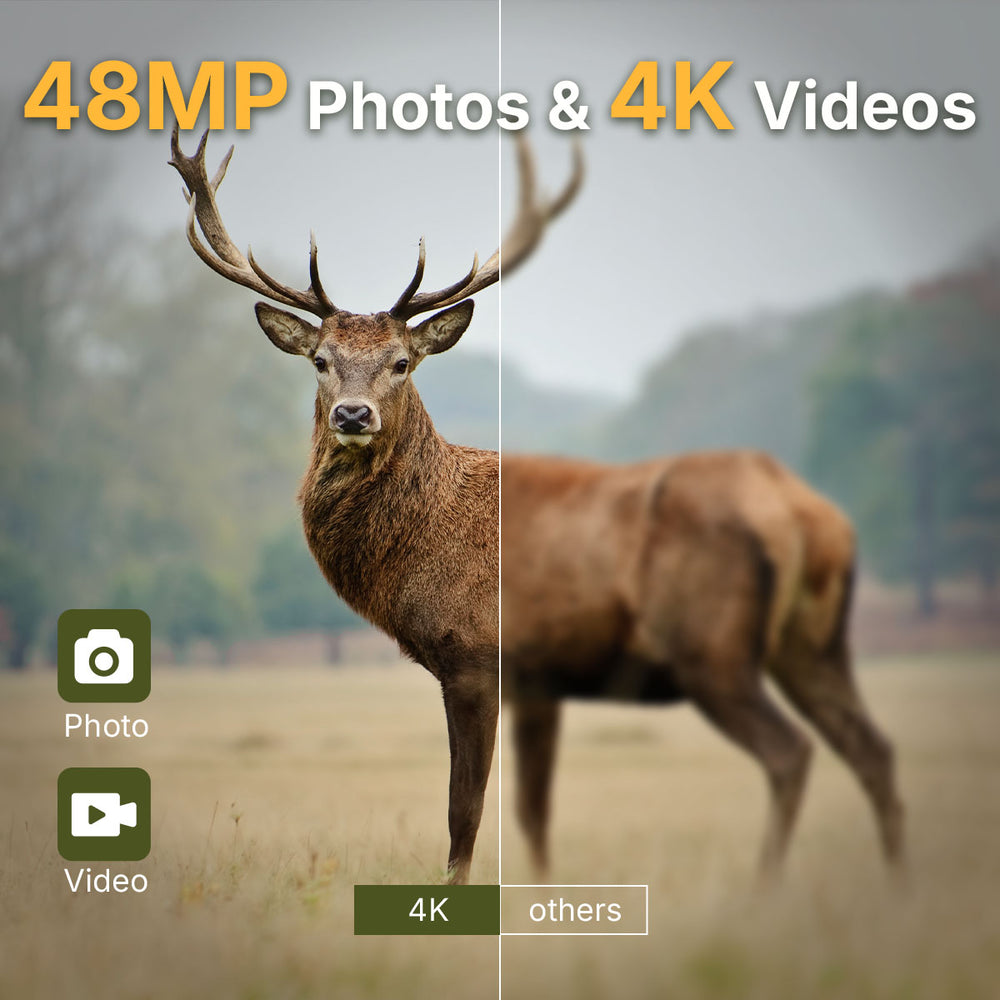
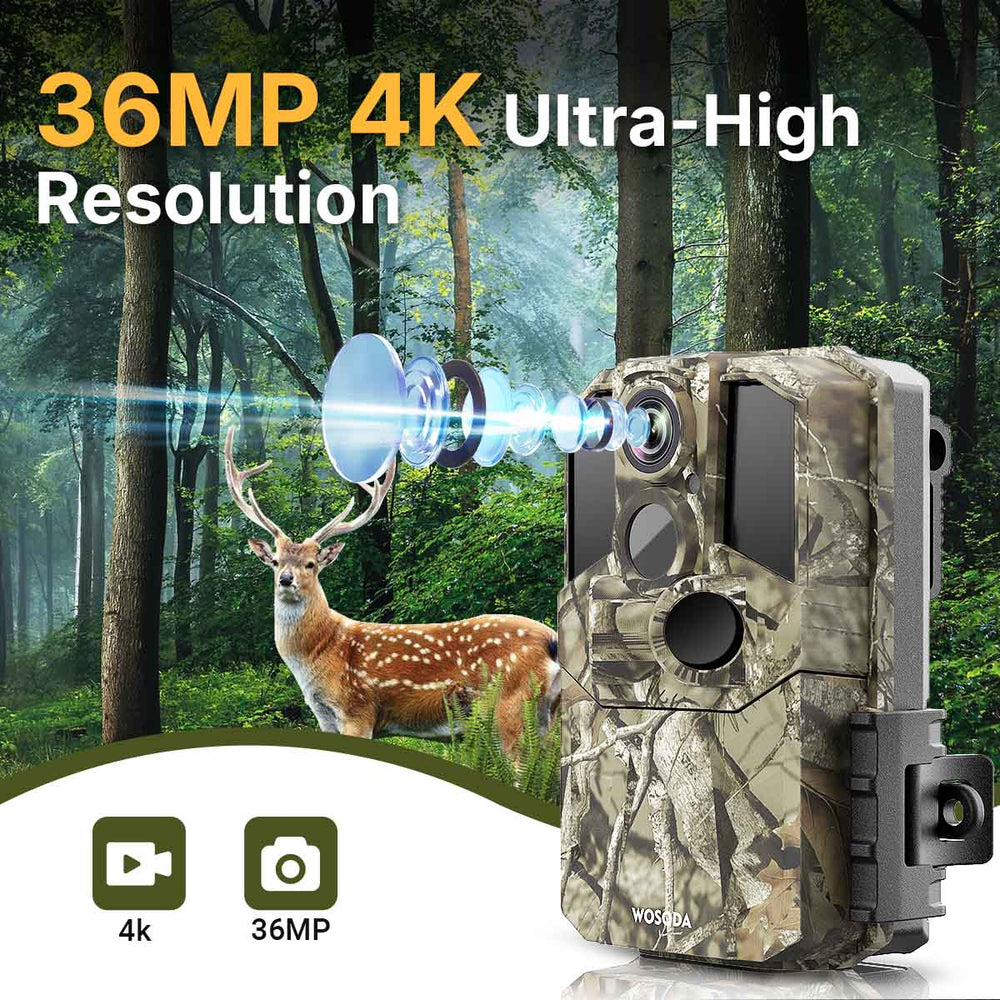
The G600 is a practical model to evaluate because its current specifications include 48MP photos, 4K video, 120° wide-angle coverage, 70-foot PIR detection, 0.2-second trigger speed, a 2-inch TFT screen, and IP66 weather resistance. These features give retailers several clear selling points without requiring the product to target only one specialized customer group.
Should Retailers Calculate Margin at Full Price or Discounted Price?
Retailers should calculate both the target-price margin and promotional-price margin before ordering. This is especially important for trail cameras because seasonal promotions can become an important part of outdoor-product sales.
For example:
| Retail Scenario | Retail Price | Landed Cost | Gross Margin |
|---|---|---|---|
| Regular price | $99.99 | $45 | 55.0% |
| 10% discount | $89.99 | $45 | 50.0% |
| 20% discount | $79.99 | $45 | 43.7% |
| Clearance | $69.99 | $45 | 35.7% |
The analysis shows why retailers should build promotional flexibility into retail pricing from the beginning.
Penn State Extension also notes that pricing decisions should account for how changes in price can affect sales volume. In some situations, a lower margin can still produce higher total profit if it generates enough additional sales.
Why Does Sell-Through Matter as Much as Margin?
A high theoretical margin does not automatically create a profitable SKU. A product with a 60% gross margin that sells slowly may generate less total profit than a product with a 40% margin that sells consistently.
For small retailers, a useful comparison is:
| Product | Margin | Monthly Units | Gross Profit/Unit | Monthly Gross Profit |
|---|---|---|---|---|
| Trail Camera A | 55% | 10 | $50 | $500 |
| Trail Camera B | 45% | 30 | $40 | $1,200 |
This is why wholesale margin and sell-through should be evaluated together.
The U.S. Census Bureau reported that U.S. retail e-commerce sales reached $340.2 billion in Q2 2026, up 12.2% year over year, showing the continued importance of online retail as a sales channel. For small outdoor retailers, that makes product-page quality, competitive retail pricing, and inventory turnover increasingly important.
Source: U.S. Census Bureau – Quarterly Retail E-Commerce Sales, Q2 2026
What Trail Camera Retail Price Should Small Retailers Test?
Small retailers should test a retail price that leaves enough gross margin for promotions while remaining realistic for their target customer.
A practical test can use three price points:
- Target price: the normal planned retail price
- Promotional price: the price used during seasonal campaigns
- Floor price: the lowest price the retailer can accept without damaging the business case
For example, if the landed cost is $45:
| Price Level | Retail Price | Gross Margin |
|---|---|---|
| Target | $99.99 | 55.0% |
| Promotion | $89.99 | 50.0% |
| Floor | $79.99 | 43.7% |
This gives the retailer room to test demand without rebuilding the entire pricing strategy every time a promotion is needed.
What Do Outdoor Market Data Tell Retailers About Demand?
The potential customer base for trail cameras extends beyond a narrow hunting audience. The U.S. Fish & Wildlife Service reported 14.4 million hunters aged 16 and older in the United States in 2022, while hunting, fishing, and other wildlife-related recreation generated more than $394 billion in economic expenditures that year.
For retailers, this suggests an important product-positioning opportunity: a trail camera can potentially serve hunters, wildlife observers, landowners, farmers, and outdoor enthusiasts.
The practical implication is that retailers should calculate margin against the customer segment they actually plan to serve, rather than assuming every trail camera should compete at the same retail price.
What Should Retailers Check Before Ordering More Inventory?
Before moving from a test order to a larger wholesale order, retailers should validate both the financial model and the actual product experience.
Financial checklist
- Confirm the final landed cost
- Calculate gross margin at regular price
- Calculate margin at promotional price
- Estimate marketplace and payment fees
- Estimate return and replacement costs
- Calculate the break-even price
- Estimate expected monthly sell-through
Product checklist
- Test daytime image quality
- Test nighttime performance
- Check trigger speed
- Test detection range
- Check battery performance
- Test SD card compatibility
- Review setup time
- Inspect packaging
- Evaluate warranty and after-sales support
A test order is therefore more than a product sample. It is a way to validate whether the expected wholesale margin survives real-world selling conditions.
FAQ: Trail Camera Wholesale Margin and Retail Pricing
What is the difference between markup and wholesale margin?
Markup is calculated from the product cost, while gross margin is calculated from the selling price. A retailer should not assume that a 30% markup produces a 30% gross margin.
What costs should be included when calculating trail camera margin?
At minimum, retailers should consider the wholesale product cost, shipping, import-related costs, transaction fees, packaging, marketplace fees, expected returns, and other direct selling costs.
How should a small retailer choose trail camera retail pricing?
Start with the landed cost and target margin, then check whether the resulting price fits customer expectations and the current market. Penn State Extension recommends combining cost information with market research and customer considerations rather than relying on cost alone.
Should retailers order a large quantity to get a better wholesale price?
Not necessarily. A lower unit cost can improve margin, but excess inventory ties up cash. A smaller test order can help verify demand and sell-through before committing to a larger quantity.
Final Takeaway
For small retailers, calculating trail camera wholesale margin should start with the landed cost, not simply the supplier's quoted price. Retailers should then model several retail pricing scenarios, including regular, promotional, and floor prices, and compare the resulting margins with expected sell-through.
The most useful formula is simple:
Gross Margin = (Retail Price − Landed Cost) ÷ Retail Price × 100
Using a product such as the WOSPORTS G600 as a test SKU, retailers can combine product performance, customer feedback, retail pricing, and actual sales data before deciding how much inventory to order.
The goal is not to find the highest possible margin on paper. The goal is to find a trail camera that can maintain a healthy margin while still selling at a realistic retail price.
Search
Popular Posts
Recent Posts


Nov 28, 2024
Troubleshooting Common Trail Camera Issues
Jan 10, 2025
Why Does My Trail Camera Stop Working at Night?