What Product Information Should Wholesalers Request Before Buying Night Vision Binoculars?
Before buying night vision binoculars for resale, wholesalers should request more than a product price and basic specification sheet. A reliable supplier documentation package should cover technical specifications, battery information, accessories, packaging, testing, warranty, compliance-related information, and wholesale terms.
For small B2B buyers, this documentation helps answer three important questions:
- What exactly am I buying?
- Can I accurately describe and sell it to my customers?
- What risks am I accepting before placing a wholesale order?
A clear documentation process is especially important when sourcing electronic outdoor products because specifications such as magnification, resolution, detection range, battery life, and recording capability can be interpreted differently between suppliers.
Why Is Supplier Documentation Important for Wholesale Purchasing?
Supplier documentation reduces uncertainty before money is committed to inventory. A good documentation package gives wholesalers a consistent reference for evaluating products, comparing suppliers, creating retail listings, and handling customer questions.
For small retailers, documentation can affect:
- Product listing accuracy
- Customer expectations
- Retail packaging
- Staff training
- Warranty communication
- Inventory identification
- Quality control
- Reordering
- After-sales support
The U.S. Federal Trade Commission emphasizes the importance of clear warranty information and requires certain written warranty terms to be made available to consumers before purchase. The FTC also notes that manufacturers providing written warranties need to supply retailers with the materials needed to make those warranty terms available.
B2B takeaway: Supplier documentation is not just paperwork. It becomes part of the retailer's product information system.
What Basic Product Information Should Wholesalers Request?
Wholesalers should first request a complete product specification sheet that identifies the exact model being quoted. The model number is particularly important because similar-looking night vision binoculars can have significantly different specifications.
A basic specification sheet should include:
| Information | What the Buyer Should Check |
|---|---|
| Brand | Exact brand name |
| Model | Exact model number |
| Product type | Digital night vision binoculars or other type |
| Magnification | Optical and/or digital |
| Image resolution | Photo and video resolution |
| Display | Display type and size |
| Infrared | IR illumination information |
| Detection range | How the range is measured |
| Viewing range | Conditions used for the claim |
| Recording | Photo/video capability |
| Storage | Memory-card or internal-storage requirements |
| Battery | Type, quantity, capacity, runtime |
| Dimensions | Product dimensions |
| Net weight | Weight of the device |
| Operating temperature | Recommended range |
The goal is to create a single source of truth for the product before purchasing.
Which Technical Specifications Need Extra Verification?
Not every specification deserves the same level of scrutiny. Retailers should pay particular attention to numbers that can be measured under different conditions, such as magnification, detection distance, night vision range, battery life, and image resolution.
For example, “10X” may refer to different types of magnification depending on the product design. Likewise, a stated night vision range may depend on ambient conditions, infrared illumination, target size, and environmental visibility.
NIST explains that measurement results involve uncertainty and that measurement conditions, equipment, environmental conditions, and the test method can all contribute to uncertainty.
Practical sourcing rule: When a specification is important to your sales claim, ask the supplier not only for the number but also how that number was measured.
What Should Wholesalers Ask About Night Vision Performance?
Night vision performance should be documented using practical conditions rather than a single impressive distance claim. Buyers should ask how the supplier defines usable nighttime visibility.
Useful questions include:
- What is the stated viewing distance?
- Is the distance measured with IR illumination enabled?
- What environmental conditions were used?
- What size or type of target was used?
- Is the stated distance a detection distance or a recognition distance?
- Does image quality change significantly at maximum range?
- Is the range specification based on laboratory testing or field testing?
This distinction matters because seeing an object is not necessarily the same as identifying the object clearly.
For retailers, a realistic explanation is usually more valuable than an exaggerated headline number because it reduces the gap between online expectations and actual customer experience.
What Battery Information Should Be Included in Supplier Documentation?
Battery information should be detailed enough for a retailer to explain power requirements and expected use. A single “battery life” number is rarely sufficient for wholesale purchasing.
Ask the supplier to document:
- Battery type
- Number of batteries
- Battery capacity
- Expected operating time
- Charging method
- Charging time
- Runtime with IR enabled, if available
- Runtime during recording, if available
- Recommended replacement batteries
- Operating temperature
- Storage recommendations
Retailers selling to hunters and outdoor users should pay particular attention to operating conditions because battery performance can vary with temperature and usage.
A supplier that documents testing conditions gives the wholesaler a much stronger basis for comparing products.
What Accessories Should Suppliers Document?
Accessory documentation prevents one of the simplest but most frustrating wholesale problems: receiving a product that technically works but does not contain everything the retailer expected.
A supplier should provide a clear package contents list.
For example:
- Night vision binoculars
- Carrying case
- Neck strap
- Charging cable
- Lens protection
- User manual
- Memory-card-related accessories, if included
- Other model-specific accessories
The buyer should also verify whether accessories are included in the quoted wholesale price or sold separately.
Why does this matter?
A retailer may calculate its selling price based on a product that appears to include several accessories, only to discover after receiving inventory that some accessories are optional.
Supplier documentation should therefore distinguish between “included,” “optional,” and “not included.”
What Packaging Documentation Should Wholesale Buyers Request?
Packaging specifications are important because the retailer is purchasing not just a device but a product that must eventually be stored, shipped, displayed, and delivered to customers.
Request:
- Retail box dimensions
- Retail box weight
- Master-carton dimensions
- Units per master carton
- Gross carton weight
- Packaging materials
- Included accessories
- Barcode information
- Model number on packaging
- English-language packaging availability
- Custom packaging options
This information can also help wholesalers estimate shipping and warehouse requirements before ordering.
For small buyers, packaging documentation is particularly valuable because limited warehouse space can make inefficient carton sizes surprisingly expensive.
What Warranty Information Should Suppliers Provide?
Warranty documentation should clearly explain what is covered, for how long, and how customers can obtain service. Wholesalers should request the supplier's written warranty terms before placing a bulk order.
Important details include:
- Warranty period
- Covered product components
- Manufacturing defects covered
- Exclusions
- Return procedure
- Repair or replacement policy
- Shipping responsibility
- Proof-of-purchase requirements
- Contact method
- Expected response time
The FTC's business guidance explains that written warranties need clear terms and that sellers may need access to warranty information before the consumer purchases the product.
B2B takeaway: Do not rely on a supplier's statement that a product is “under warranty.” Request the actual warranty terms.
What Testing Documents Should Wholesalers Request?
Testing documents help buyers understand whether important specifications have been verified and under what conditions. The appropriate documentation depends on the product and the buyer's market.
Possible documents include:
- Product inspection reports
- Functional test reports
- Battery test information
- Waterproofing or environmental test information, where applicable
- Electrical safety documentation
- Quality-control records
- Applicable compliance documentation
- Product manuals
NIST emphasizes that reliable measurement requires attention to measurement methods and uncertainty. In other words, a test result is more useful when the buyer understands what was measured and under what conditions.
For small wholesalers, this does not mean requesting an enormous laboratory file for every product. It means identifying the few documents that materially reduce purchasing risk.
What Compliance Information Should Be Requested?
Compliance documentation should be discussed before the order, especially when the products contain electronics, batteries, chargers, or wireless functions.
Depending on the product and destination market, wholesalers may need information related to:
- Electrical safety
- EMC requirements
- Battery transportation
- Radio/wireless functions, if applicable
- Product labeling
- User manuals
- Import documentation
- Applicable market-specific requirements
The exact requirements depend on the product configuration and destination country, so wholesalers should not assume that one generic certificate automatically covers every market.
Important: Buyers should ask the supplier which exact model and configuration each document applies to. A certificate for one model should not automatically be treated as proof for another model.
How Should Retailers Organize Supplier Documentation?
The best approach is to create a standardized supplier documentation folder for every product model. This makes future reordering, product listing updates, and customer support much easier.
A simple folder structure could include:
01 — Product Specifications
- Specification sheet
- Product photos
- Product dimensions
- Weight
02 — Testing
- Quality-control documents
- Test reports
- Inspection records
03 — Packaging
- Retail packaging specifications
- Master-carton information
- Package contents
04 — Compliance
- Applicable certificates
- Declarations
- Battery documentation
05 — Sales
- Wholesale price
- MOQ
- Lead time
- Payment terms
06 — After-Sales
- Warranty
- Repair/replacement procedure
- Customer support contact
This system becomes increasingly valuable as the retailer adds more SKUs.
How Does the WOSPORTS NV400 Fit Into a Wholesale Documentation Checklist?
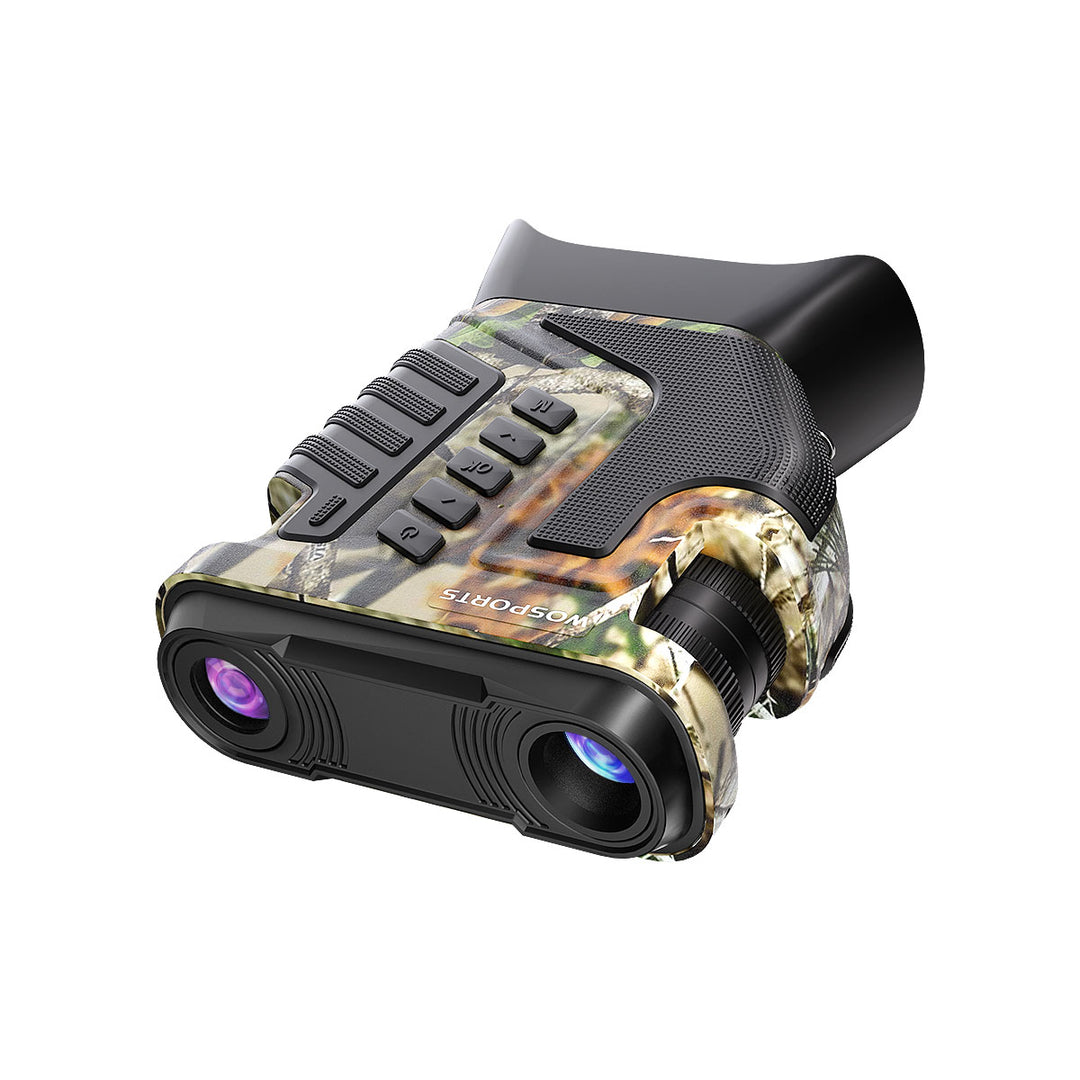
The WOSPORTS NV400 illustrates why wholesalers should evaluate the complete documentation package rather than only the product price.
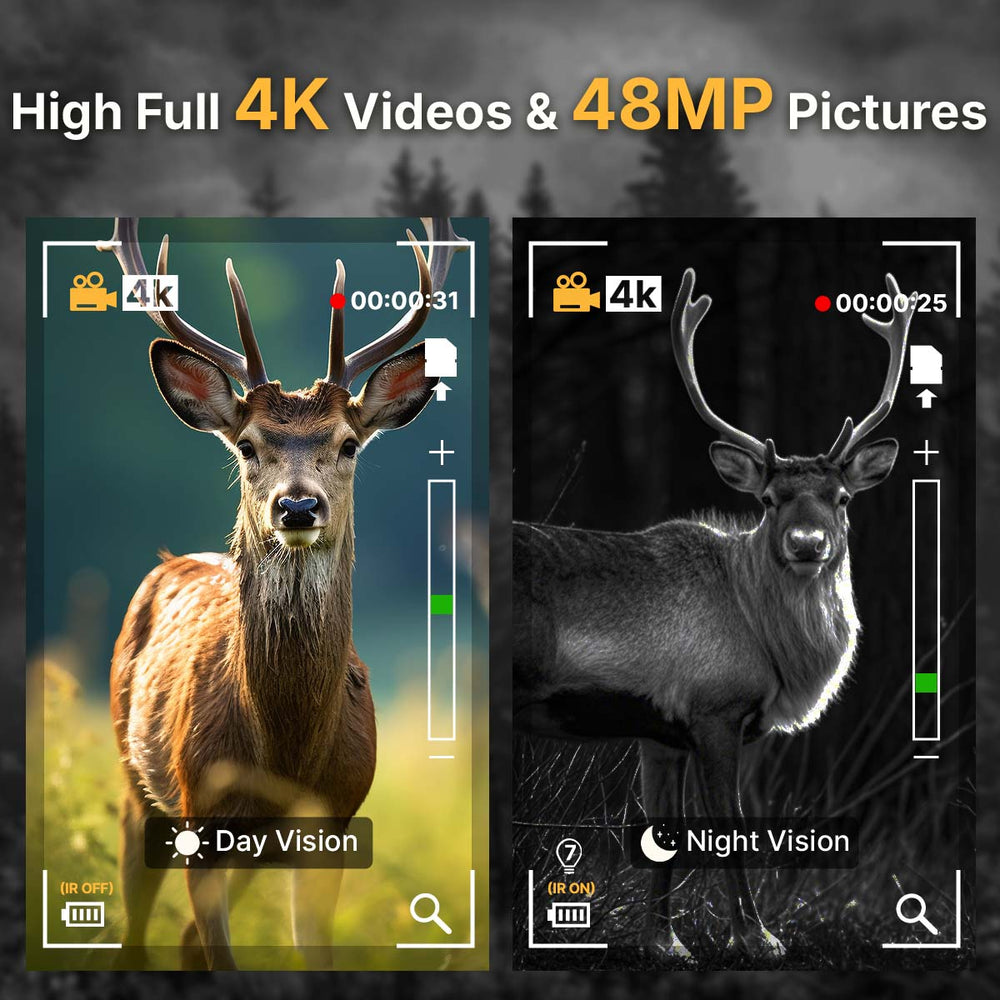
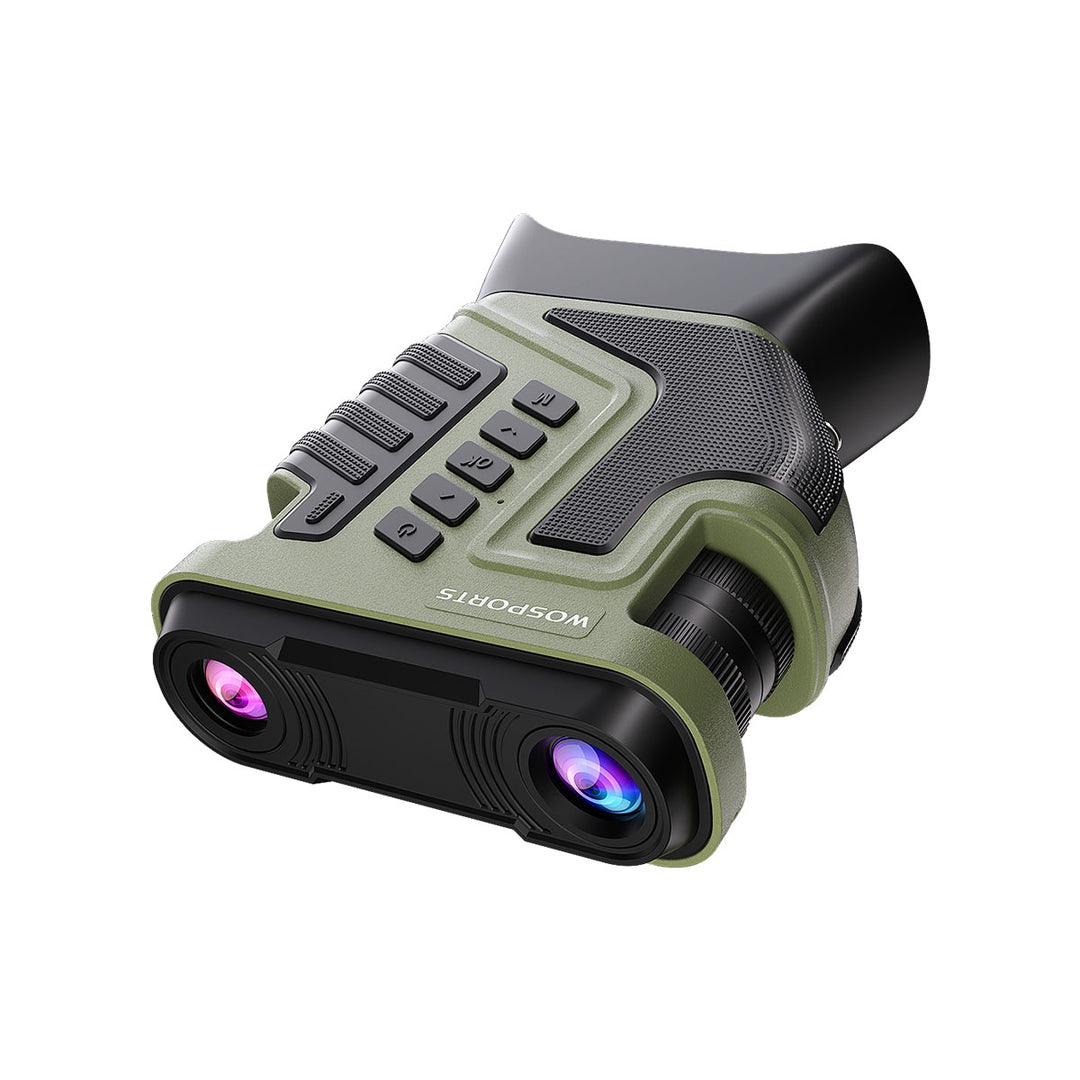
The NV400 is positioned as a digital night vision binocular with 4K night vision, 36MP photo capability, and true 1–10X optical zoom.
For a retailer considering the NV400, the documentation review should confirm:
| Category | NV400 Buyer Check |
|---|---|
| Product identity | Confirm NV400 model |
| Night vision | Confirm 4K imaging specification |
| Photo capability | Confirm 36MP specification |
| Optical system | Confirm true 1–10X optical zoom |
| Battery | Confirm exact battery requirements |
| Recording | Confirm supported photo/video functions |
| Accessories | Confirm complete package contents |
| Packaging | Confirm retail and master-carton specifications |
| Manual | Confirm included documentation |
| Warranty | Confirm warranty terms |
| Wholesale | Confirm MOQ, pricing, and lead time |
This is a more useful purchasing process than comparing only the wholesale price.
What Is a Good Supplier Documentation Scorecard?
A scorecard allows small wholesalers to compare several suppliers objectively. The buyer can assign a simple 1–5 score to each category.
| Documentation Category | Weight | Supplier A | Supplier B | Supplier C |
|---|---|---|---|---|
| Product specifications | 20% | — | — | — |
| Technical test information | 15% | — | — | — |
| Battery information | 10% | — | — | — |
| Accessories/package contents | 10% | — | — | — |
| Packaging information | 10% | — | — | — |
| Warranty documentation | 15% | — | — | — |
| Compliance information | 10% | — | — | — |
| Wholesale terms | 10% | — | — | — |
| Total | 100% | — | — | — |
The weighting can be adjusted according to the retailer's business model. For example, an online retailer may give more weight to product information and packaging, while a specialist outdoor retailer may place more emphasis on technical testing and warranty support.
What Should a Small Wholesaler Request Before Ordering Samples?
Before ordering even a small test quantity, the buyer should request enough information to determine whether the product fits the intended market. The goal is not to demand every possible document but to eliminate obvious mismatches before spending money.
A practical pre-sample request includes:
- Product specification sheet
- Product photos
- User manual
- Package contents
- Retail packaging information
- Battery information
- Warranty terms
- MOQ
- Wholesale price
- Lead time
- Shipping information
- Available test reports or compliance documents
If a supplier cannot clearly identify the product model or provide basic specifications, the buyer should pause before moving to a larger order.
Practical Buyer Example: How Should a Retailer Evaluate One Night Vision Model?
A practical example is a small outdoor retailer considering its first order of digital night vision binoculars. Instead of asking only for the lowest unit price, the buyer creates a one-page supplier checklist.
The retailer compares:
Product
- Night vision capability
- Magnification
- Photo/video resolution
- IR performance
Operations
- Battery requirements
- Operating time
- Storage
- Accessories
Commercial
- MOQ
- Unit price
- Lead time
- Shipping
Risk
- Warranty
- Quality-control information
- Compliance documentation
- Replacement process
The retailer then orders samples from the supplier that provides the clearest documentation and tests the physical product before committing to larger inventory.
This is a practical purchasing scenario, not a claimed WOSPORTS customer case. The value of the example is the process: documentation is used to reduce uncertainty before inventory is scaled.
What Are the Biggest Documentation Mistakes in Wholesale Purchasing?
The biggest mistake is purchasing based on a quotation while leaving important product information undocumented. A verbal promise may be difficult to verify months later when the retailer reorders or handles a customer complaint.
Common mistakes include:
- Accepting specifications only through chat messages
- Not confirming the exact model number
- Confusing optical and digital magnification
- Not documenting battery requirements
- Assuming accessories are included
- Buying before reviewing warranty terms
- Using a certificate from a different model
- Not confirming packaging specifications
- Failing to save the final product specification
- Not checking whether the delivered product matches the approved sample
A written documentation trail creates a reference point for both the buyer and supplier.
How Can Documentation Improve Reordering?
Good documentation makes repeat purchasing faster because the retailer already has a verified product profile. Instead of restarting the sourcing process every time, the buyer can compare the next shipment against the original specifications.
For repeat orders, retailers should confirm whether any of the following have changed:
- Product specifications
- Components
- Battery
- Accessories
- Firmware
- Packaging
- Manual
- Warranty
- Wholesale price
- MOQ
- Lead time
This is particularly important for electronics because a supplier may introduce revisions while keeping a similar model name.
Best practice: Ask the supplier to notify the buyer before material product or packaging changes are made.
FAQ: Supplier Documentation for Night Vision Binoculars
What documents should I request before buying night vision binoculars wholesale?
At minimum, request a product specification sheet, user manual, package contents, battery information, warranty terms, packaging information, wholesale terms, and any relevant testing or compliance documentation.
Why is the exact model number important?
The model number connects the product to its specifications, packaging, manuals, warranty, and testing documents. Without a confirmed model number, it is difficult to verify whether different documents refer to the same product.
Should wholesalers request test reports?
Yes, when testing information is relevant to the product's specifications, market requirements, or purchasing risk. The buyer should also confirm what model and configuration the test report covers.
Is a product specification sheet enough?
Usually not. A specification sheet is an important starting point, but wholesale buyers should also review warranty, packaging, accessories, battery, and commercial information.
Should I request documentation before ordering a sample?
Yes. A basic documentation review before sampling can prevent the retailer from spending money testing a product that already fails an important requirement.
What should I do if supplier information changes after sampling?
Ask the supplier to document the change and confirm whether the new version affects performance, accessories, packaging, warranty, or compliance information before placing the next order.
Final Takeaway: What Product Information Should Wholesalers Request?
Before buying night vision binoculars for wholesale purchasing, small retailers should request documentation covering five major areas:
- Product: specifications, model number, imaging, magnification, night vision and recording.
- Operation: battery, storage, accessories, operating conditions and user manual.
- Quality: testing information and inspection procedures.
- Commercial: MOQ, wholesale pricing, lead time and packaging.
- After-sales: warranty, repair, replacement and support procedures.
The strongest supplier is not necessarily the one offering the lowest initial price. For a small wholesaler, a supplier that provides clear, consistent and verifiable product information can reduce listing errors, customer confusion, quality disputes and reordering problems.
For products such as the WOSPORTS NV400, a structured documentation review allows retailers to evaluate the complete offer—from 4K night vision and 36MP photos to true 1–10X optical zoom, accessories, packaging, warranty and wholesale terms—before committing more capital to inventory.
In B2B sourcing, documentation is ultimately a form of risk management. The more clearly the product is documented before purchasing, the fewer assumptions the retailer has to make after the inventory arrives.
Sources
- U.S. Federal Trade Commission — Businessperson's Guide to Federal Warranty Law: FTC – Businessperson's Guide to Federal Warranty Law
- U.S. National Institute of Standards and Technology — Measurement Uncertainty: NIST – Measurement Uncertainty
- U.S. National Institute of Standards and Technology — Guidelines for Evaluating and Expressing the Uncertainty of NIST Measurement Results: NIST Technical Note 1297
- U.S. National Institute of Standards and Technology — Metrology and Process Control: Dealing with Measurement Uncertainty: NIST – Metrology and Process Control
Search
Popular Posts
Recent Posts


Nov 28, 2024
Troubleshooting Common Trail Camera Issues
Jan 10, 2025
Why Does My Trail Camera Stop Working at Night?