How Infrared Trail Cameras Capture Animals Without Scaring Them
Infrared trail cameras have become one of the most effective tools for wildlife monitoring, hunting preparation, and outdoor research. Unlike traditional cameras that rely on visible flash, infrared trail cameras can capture animals both day and night without disturbing their natural behavior. This makes them ideal for observing wildlife in a completely non-intrusive way.
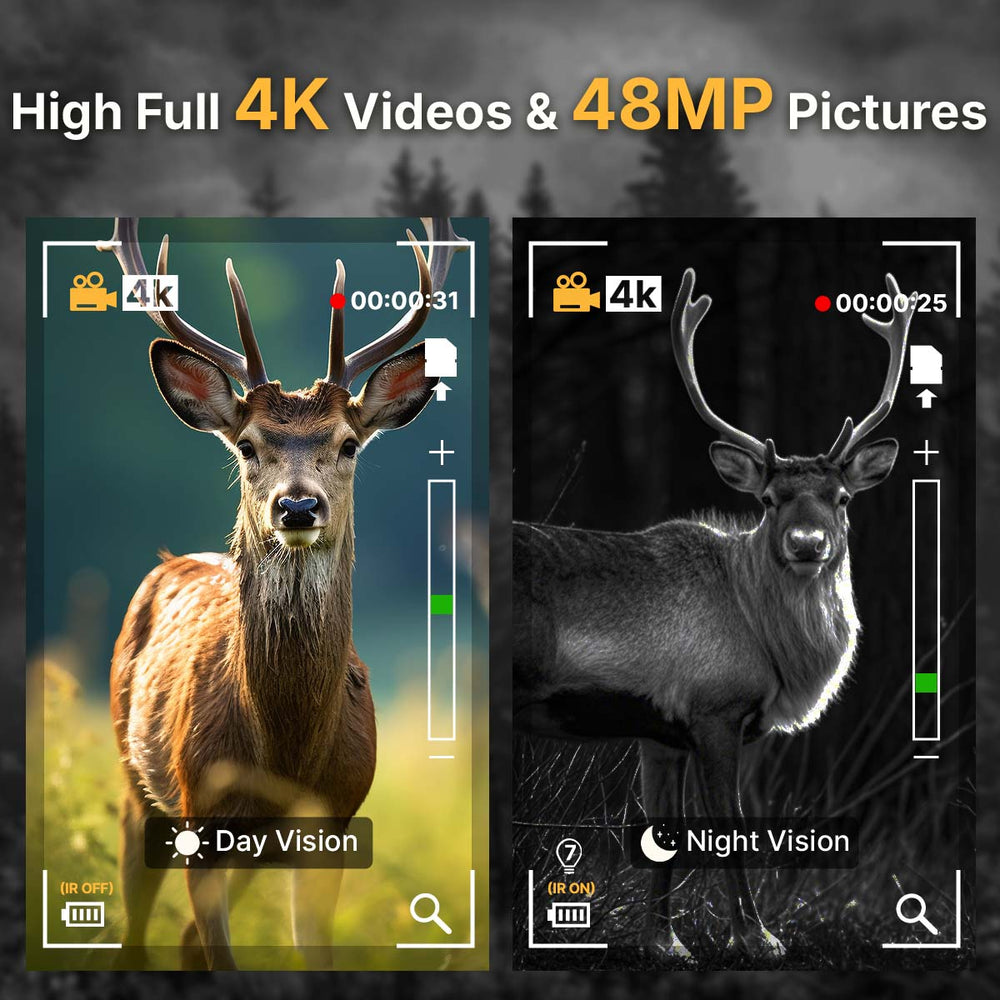
At the core of this technology is infrared (IR) illumination. Infrared light exists just beyond the visible spectrum, meaning humans—and most animals—cannot see it. When a trail camera detects movement through its motion sensor, it activates infrared LEDs that briefly illuminate the scene. The camera’s sensor is specially tuned to detect this reflected infrared light, allowing it to capture clear black-and-white images even in complete darkness. Because the light is invisible, animals typically continue behaving naturally without realizing they are being recorded.
Different types of infrared flashes are used in trail cameras. Many models rely on 850nm low-glow infrared, which provides brighter images and longer illumination range but may produce a faint red glow if viewed closely. More advanced cameras use 940nm “no-glow” infrared, which is almost completely invisible to both humans and wildlife, making it ideal for stealth wildlife monitoring.
Modern trail cameras also incorporate features that minimize disturbance beyond just the flash. Fast trigger speeds ensure animals are captured instantly without multiple flashes or delays, while improved sensors reduce noise and mechanical sounds. Strategic camera placement and camouflage further help keep the device unnoticed in natural environments.
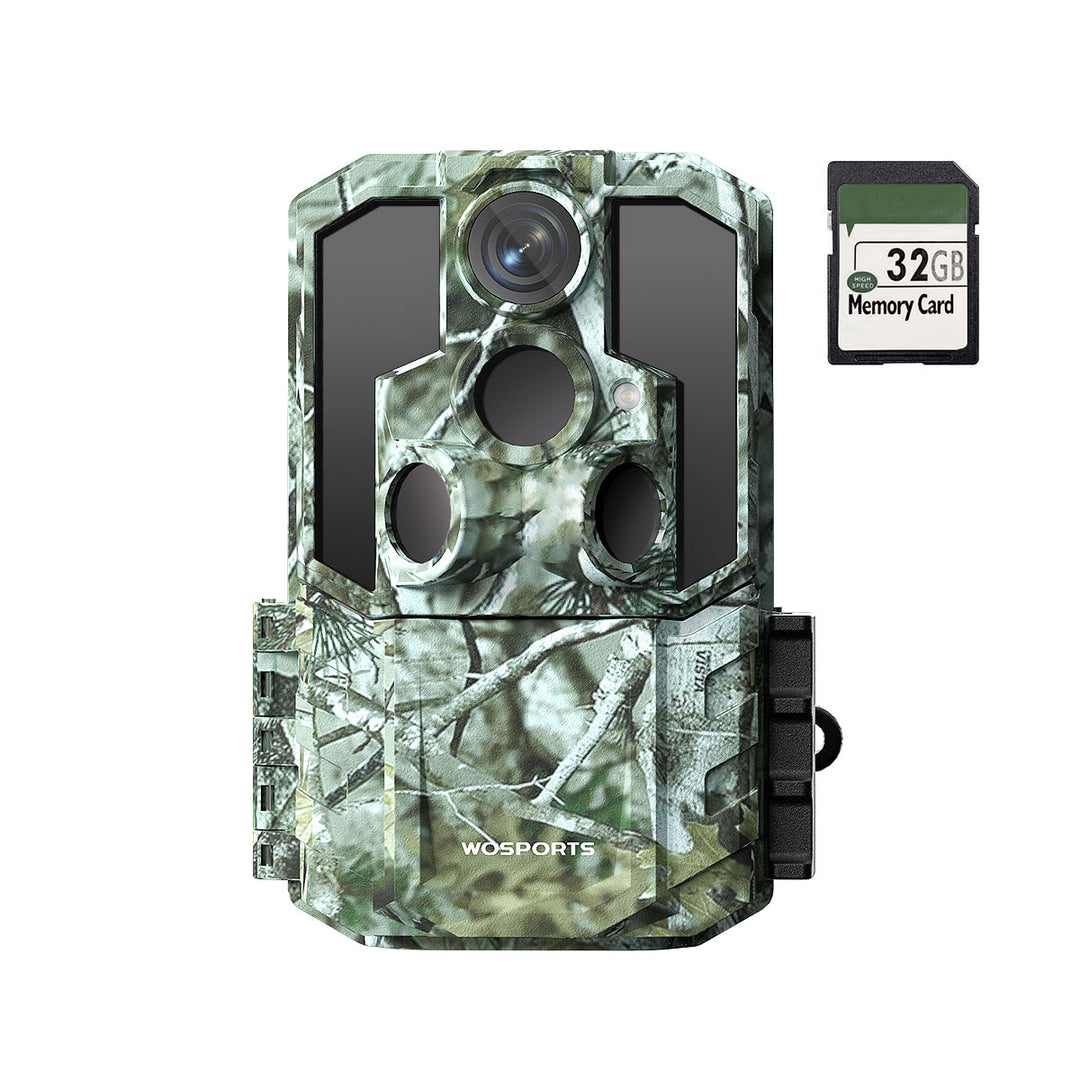
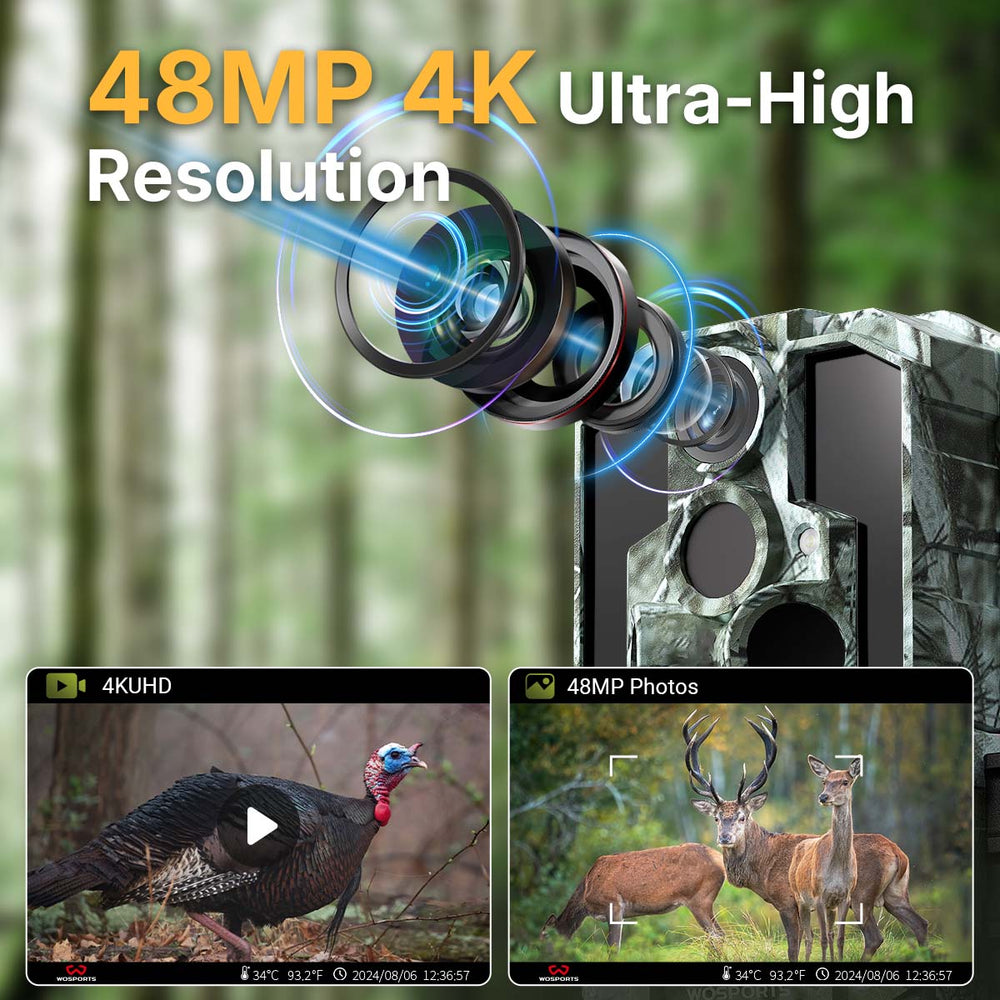
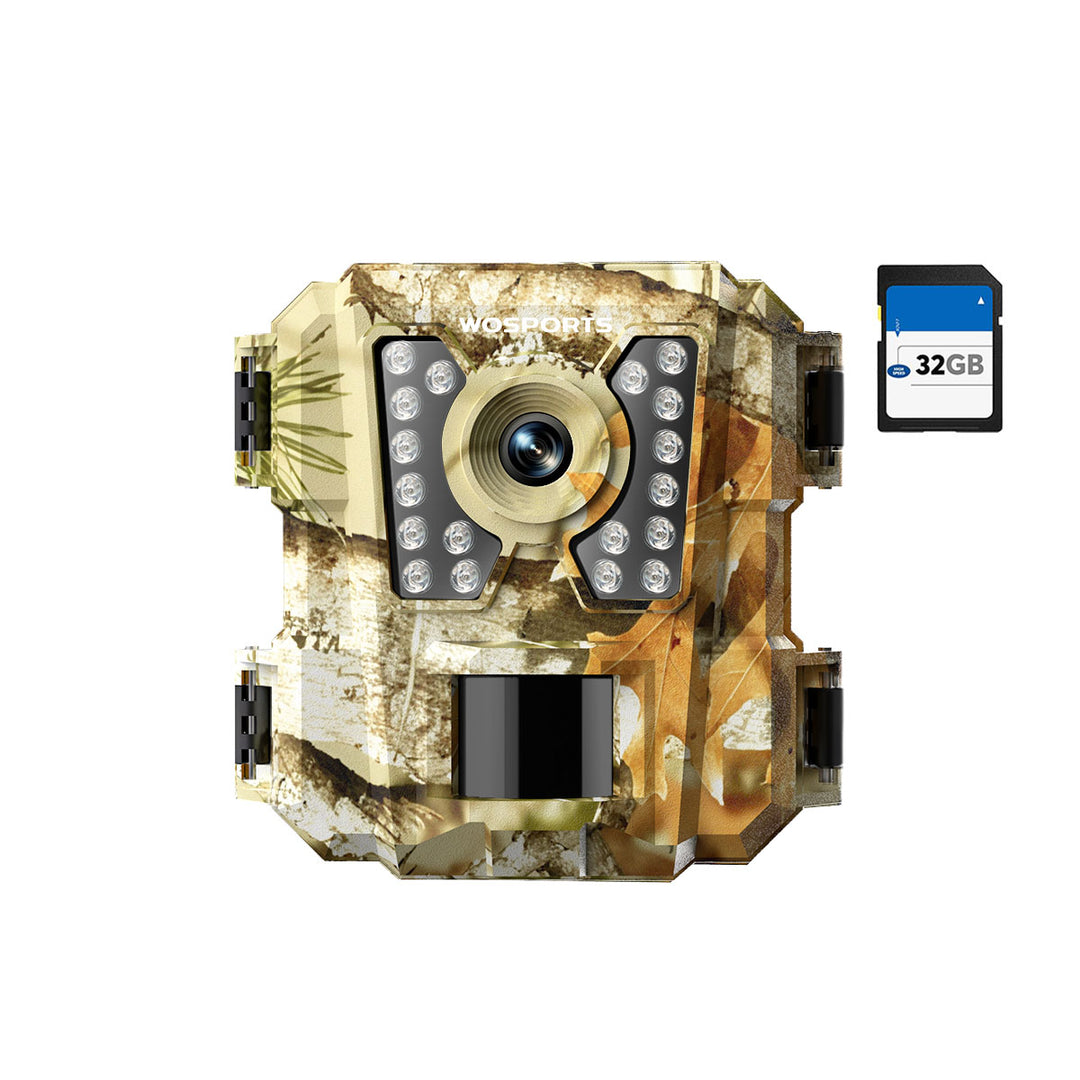
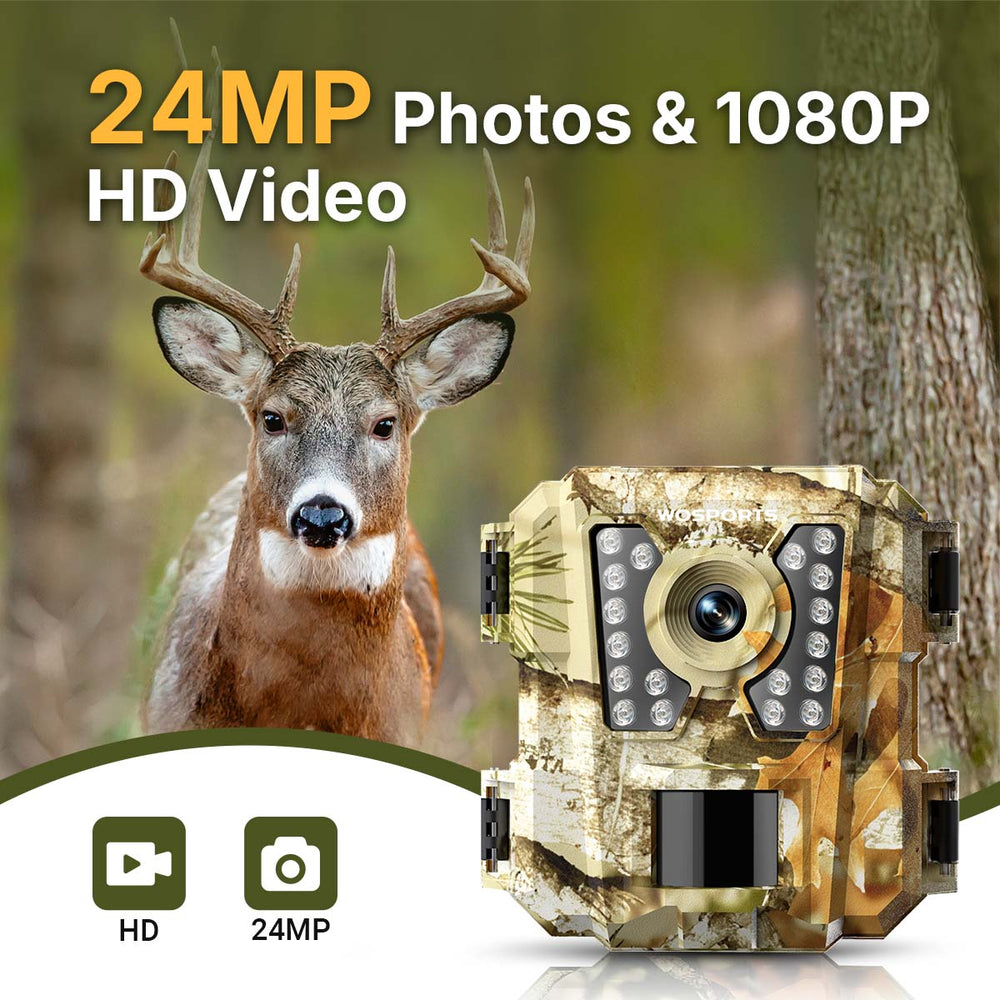
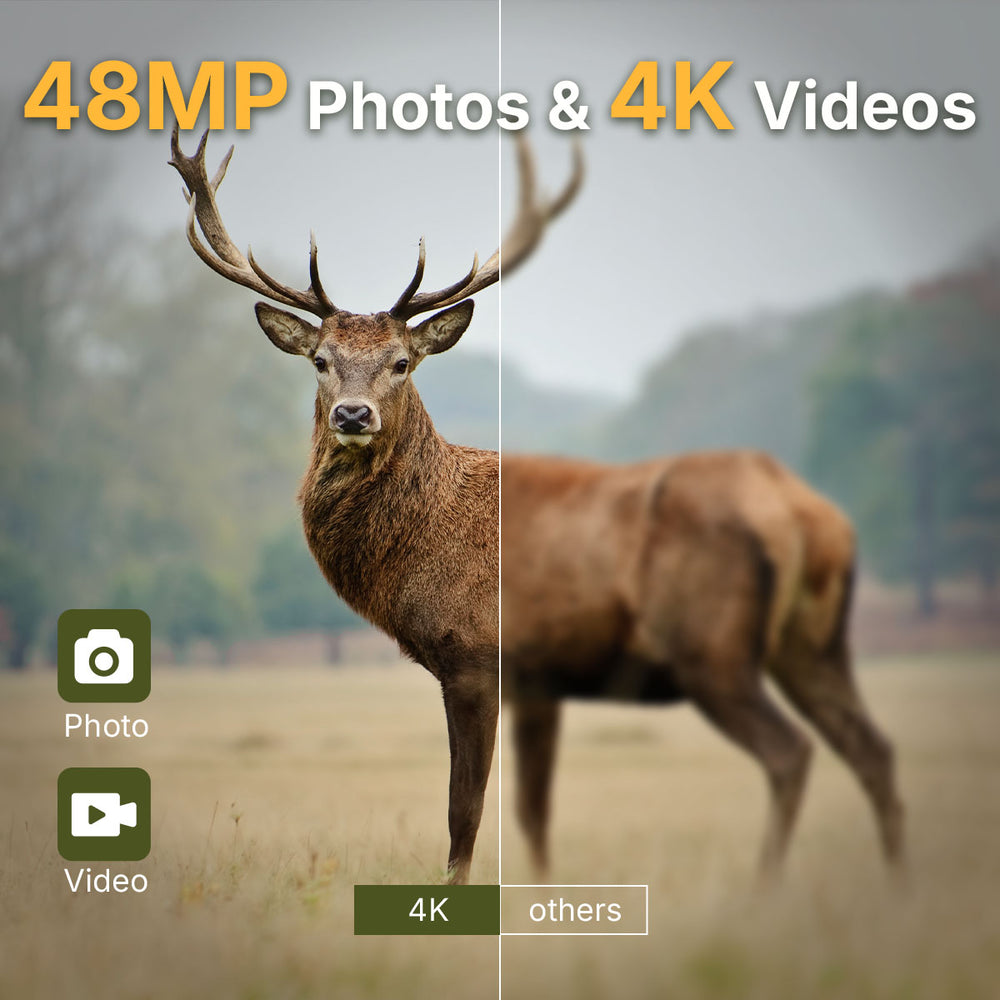
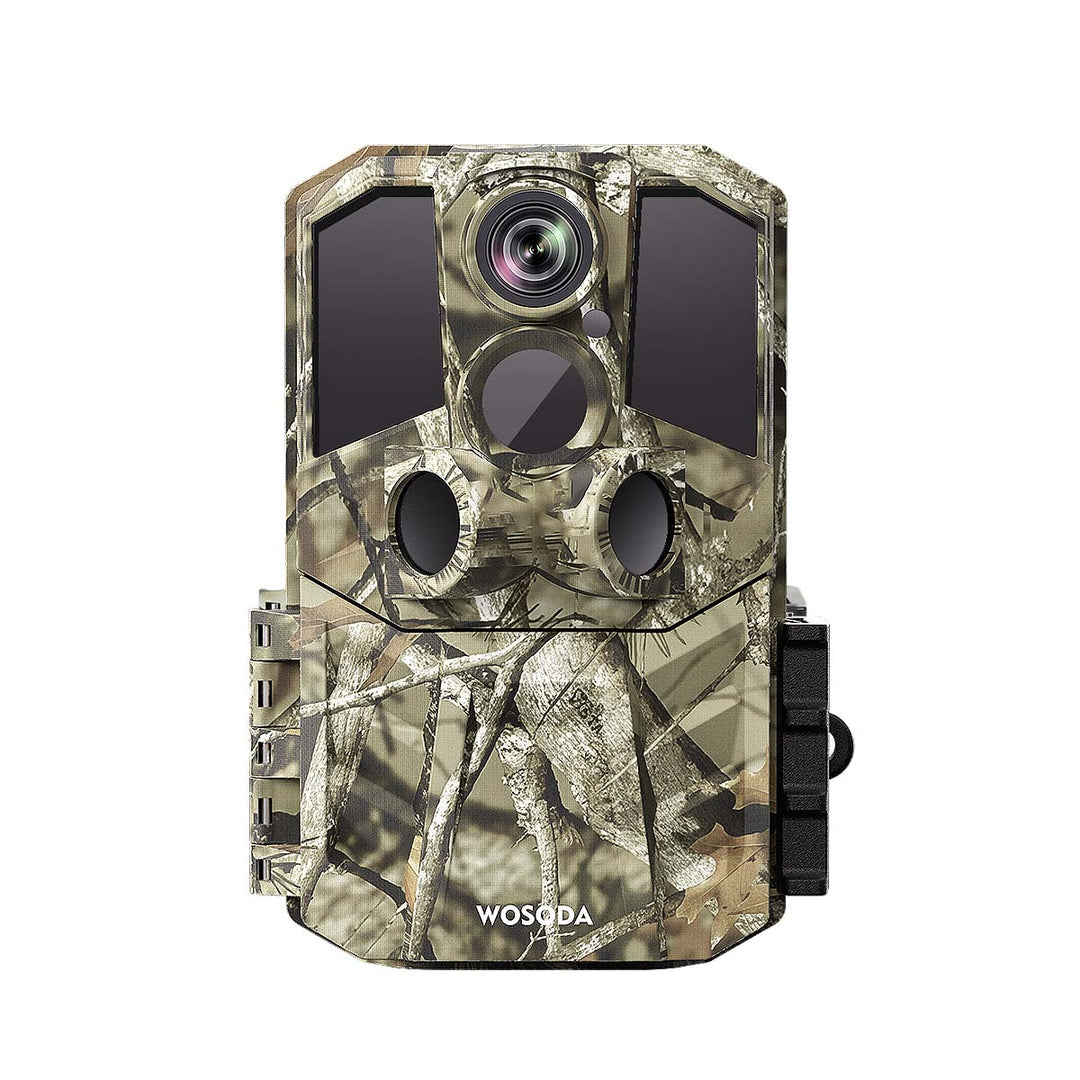
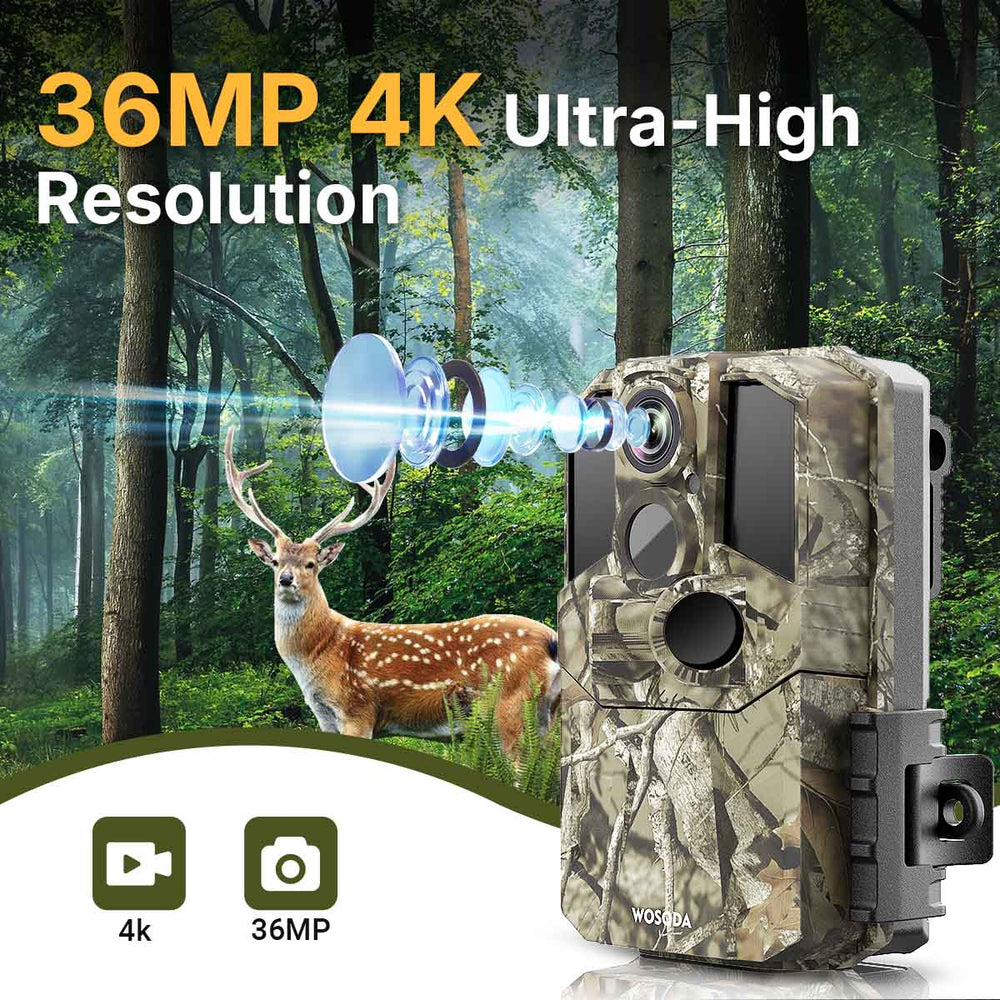
The WOSPORTS G600 Trail Camera is a great example of how these technologies come together. Equipped with advanced infrared night vision, the G600 can record wildlife activity clearly even in total darkness. Its fast trigger speed ensures that animals are captured the moment they enter the detection zone, while the wide detection angle helps monitor larger areas of the trail or feeding ground. With high-resolution imaging and reliable motion detection, the G600 allows hunters, researchers, and nature enthusiasts to observe wildlife behavior without interfering with it.
In short, infrared trail cameras work by combining motion sensors, invisible infrared illumination, and sensitive image sensors. This combination allows them to document wildlife activity silently and discreetly. Whether you are tracking game animals, studying wildlife habits, or simply enjoying nature, an infrared trail camera like the G600 provides a powerful way to see what happens in the wild—without the animals ever knowing you’re watching.
Search
Popular Posts
Recent Posts


Nov 28, 2024
Troubleshooting Common Trail Camera Issues
Jan 10, 2025
Why Does My Trail Camera Stop Working at Night?